How does hair biology inform care?
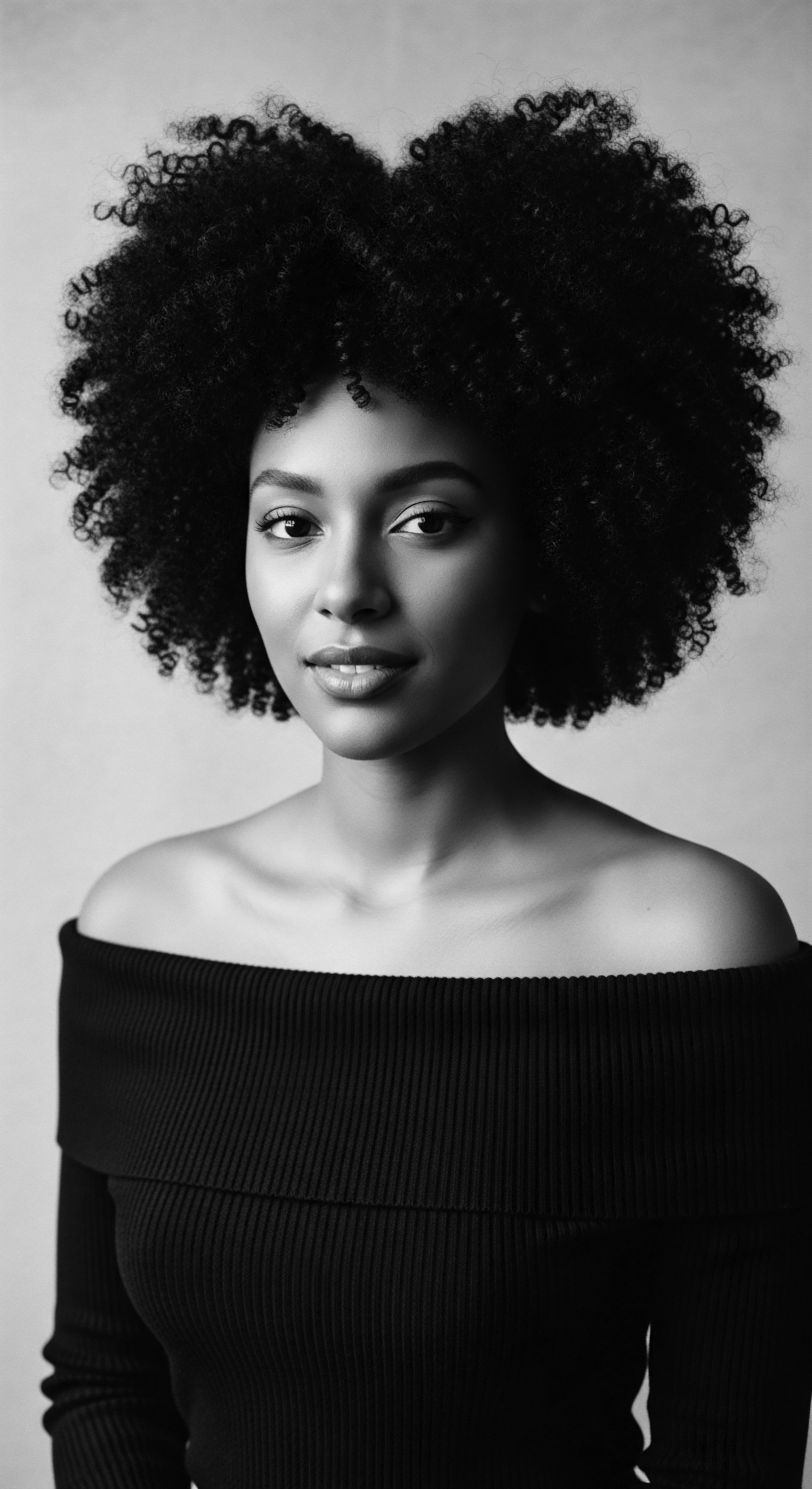
Hair biology reveals deep ancestral adaptations that inherently guide care, especially for textured coils and curls, linking us to inherited wisdom.
How did arid region cultures cultivate hair wellness through heritage practices?
Arid region cultures cultivated textured hair wellness through resourceful heritage practices, utilizing local botanicals and protective styling against harsh environments.
Can ancient wisdom guide contemporary textured hair practices?
Ancient wisdom deeply guides contemporary textured hair practices by offering timeless methods rooted in cultural heritage and natural care.
Can ancient African cleansing botanicals inform modern hair practices?
Ancient African cleansing botanicals offer profound lessons for modern textured hair care, emphasizing gentle purification and scalp health through shared heritage.
How do plant ingredients hydrate textured hair?
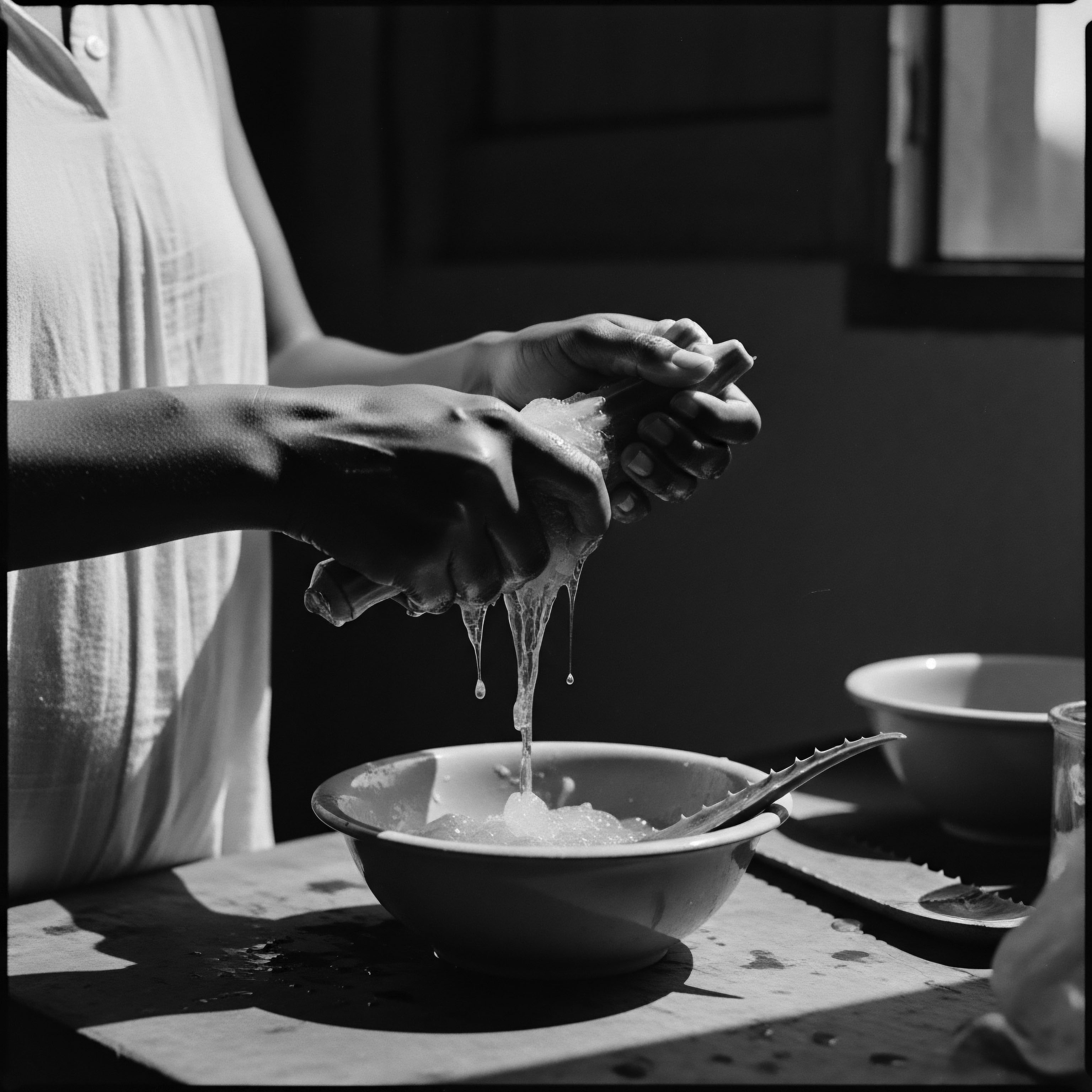
Plant ingredients hydrate textured hair by leveraging ancestral knowledge of humectants, emollients, and polysaccharides to attract and seal moisture.
Can textured hair heritage practices inform modern dermatological recommendations for scalp health?
Textured hair heritage practices offer valuable insights into holistic scalp care, guiding modern dermatological recommendations through ancestral wisdom.
How did ancient communities care for their hair’s texture?
Ancient communities nourished textured hair through natural elements, protective styles, and communal rituals, forming a rich heritage.
What is the biological basis for strengthening textured hair with traditional plants?
Traditional plants fortify textured hair by delivering compounds that nourish, protect, and reinforce strands from ancestral wisdom.
Can braids truly shield hair from damage?
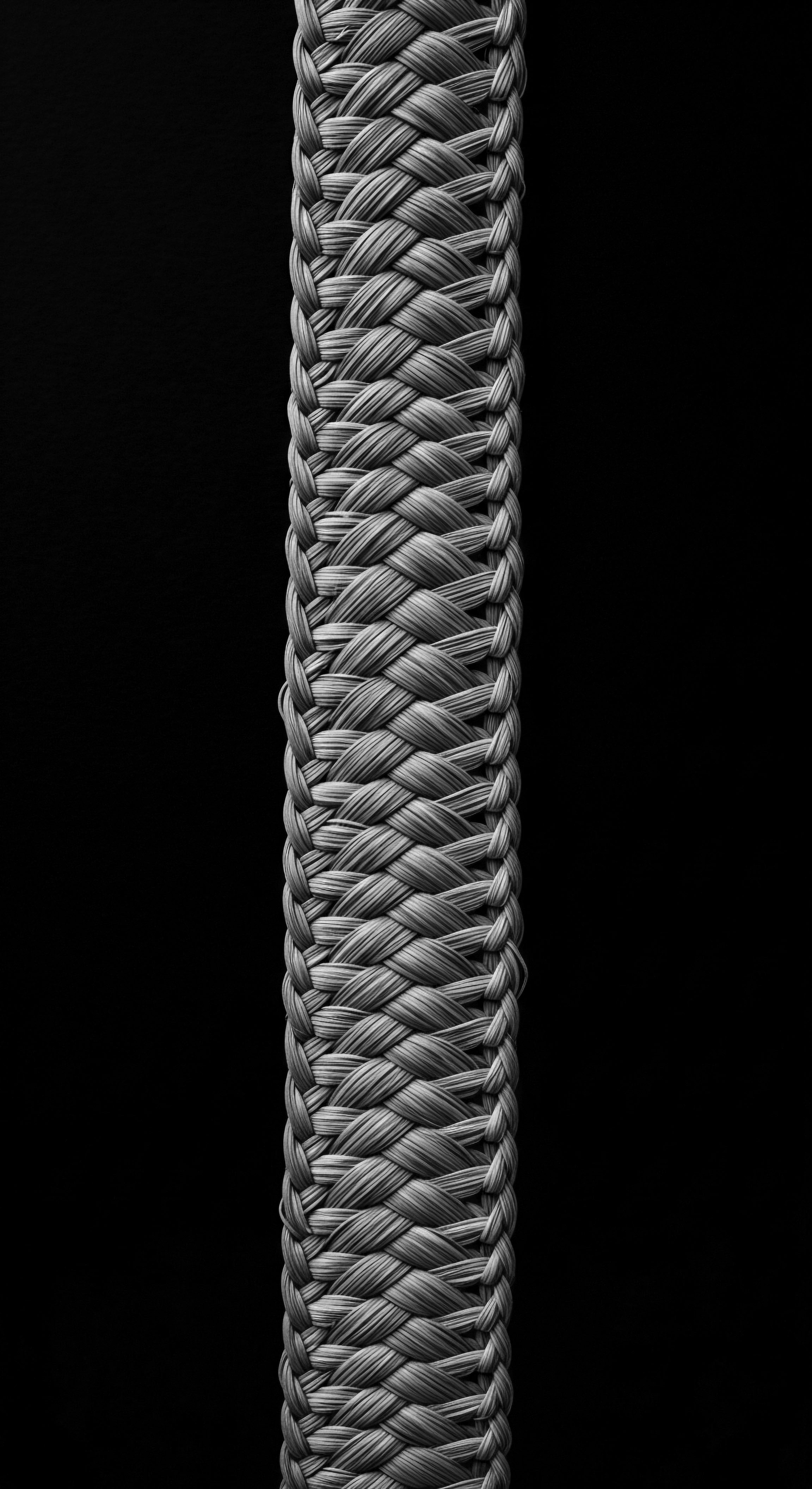
Braids act as a protective sheath, reducing manipulation and environmental exposure for textured hair, a practice rooted in ancestral heritage.
How does melanin in textured hair biologically guard against UV damage?
Melanin in textured hair biologically guards against UV damage by absorbing and scattering harmful rays, a protective heritage from our ancestors.
How did historical ingredients support textured hair heritage?
Historical ingredients supported textured hair heritage by providing essential moisture, slip, and protection through natural botanical and mineral sources.
How does textured hair structure benefit from traditional oils?
Traditional oils support textured hair by providing essential moisture, reducing friction, and fortifying its delicate structure through ancestral care rituals.
How did ancient African hair practices serve as resistance during enslavement?
Ancient African hair practices were a covert resistance, transforming textured hair into maps, hidden sustenance, and a resilient declaration of heritage.
How did ancestral hands recognize shea butter’s hair value?
Ancestral peoples discerned shea butter's hair value through consistent observation of its softening and protective effects on textured strands.
What historical significance do hair extensions hold for textured hair?
Hair extensions for textured hair are ancient echoes of identity, status, and survival, continuously shaping heritage and self-expression.
How did ancestral hair care unify communities?
Ancestral hair care unified communities by acting as a powerful medium for cultural expression, social bonding, and the preservation of textured hair heritage.
In what ways do historical hair traditions connect to modern textured hair vitality?
Historical hair traditions connect to modern textured hair vitality by providing a rich heritage of care, identity, and resilience.
What historical textiles offered hair protection at night?
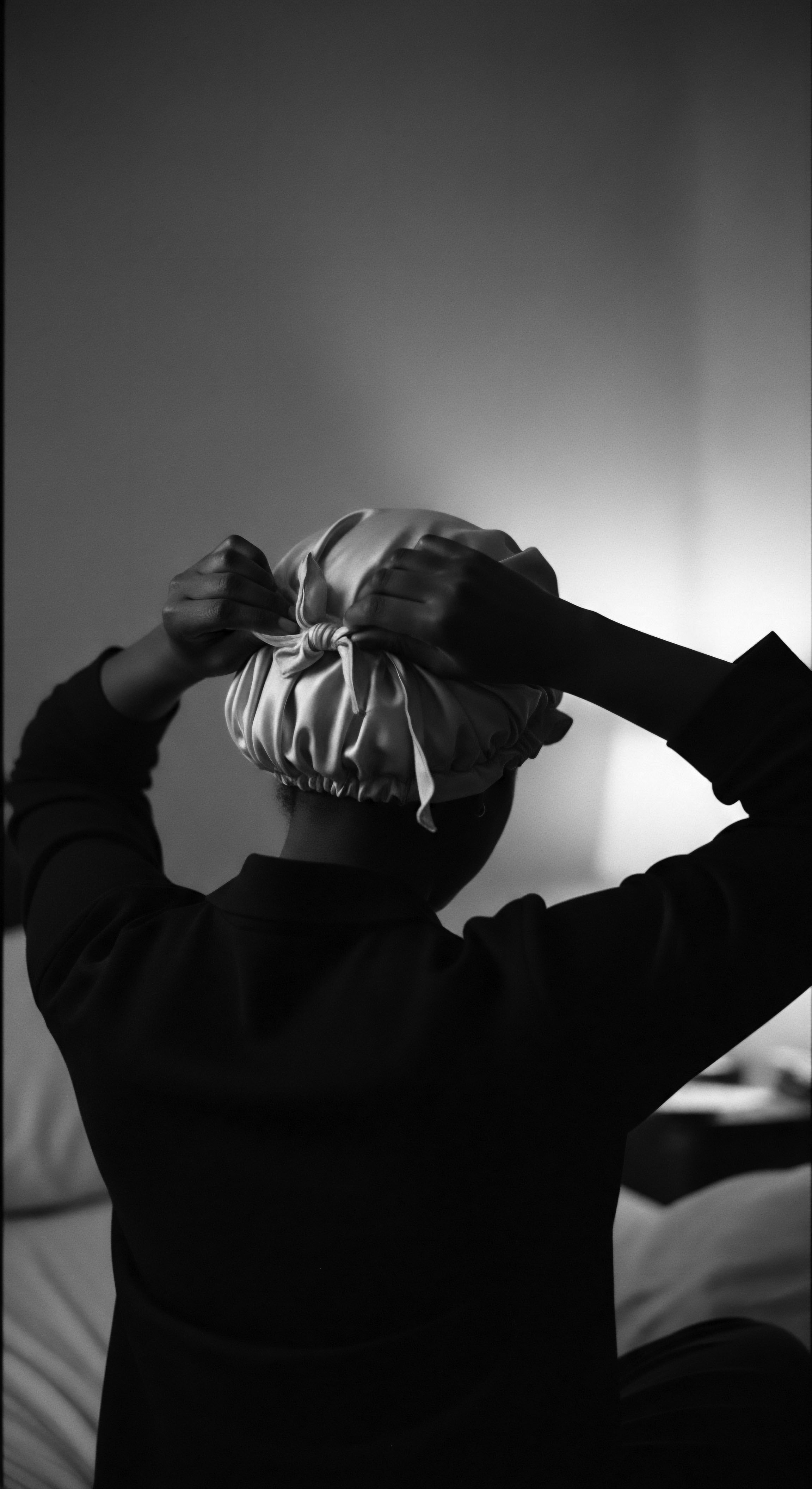
Historical textiles like smooth silk and satin protected textured hair at night, a practice rooted in ancestral heritage and cultural preservation.
How do community rituals strengthen hair heritage?
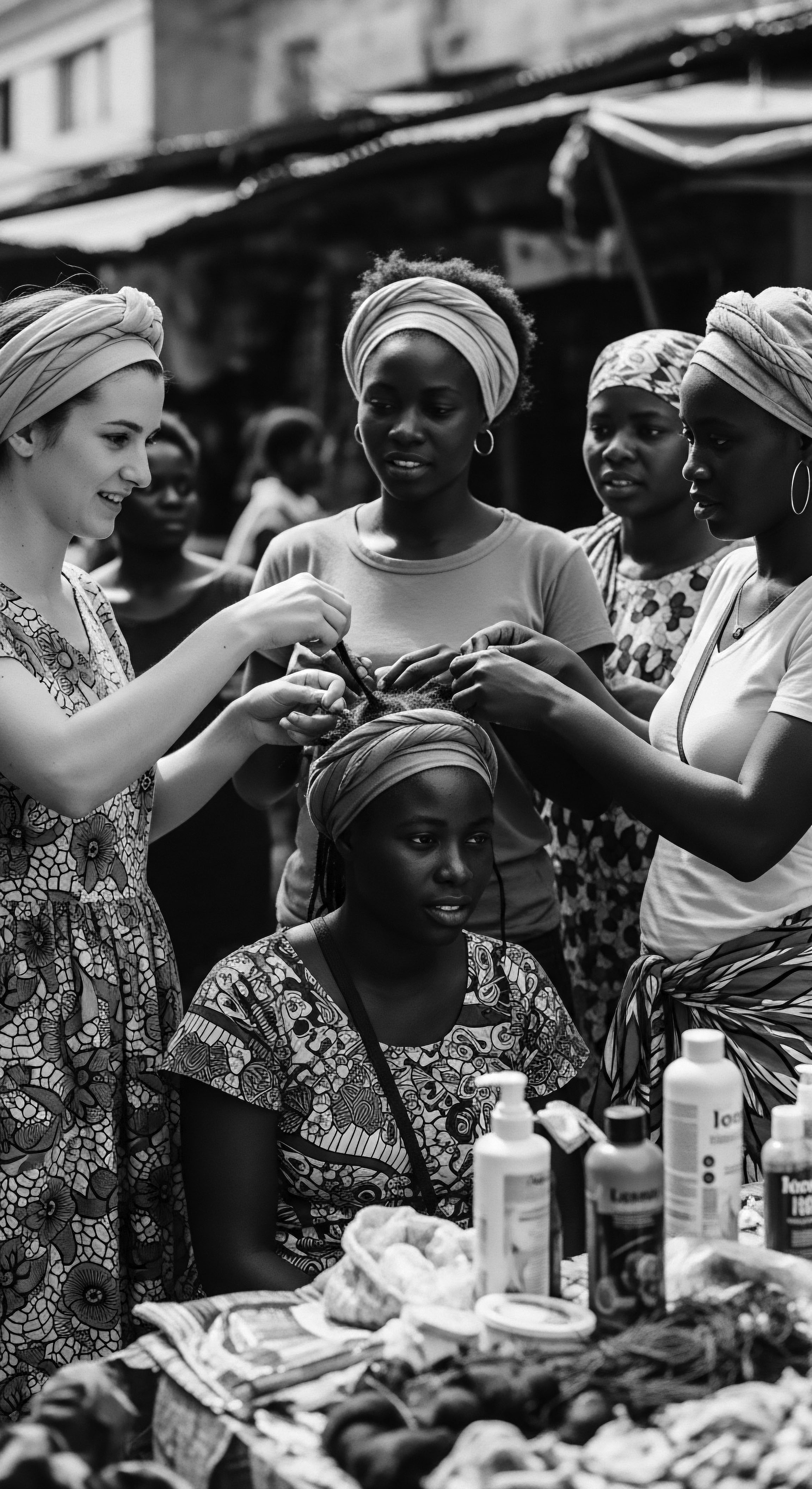
Community rituals strengthen hair heritage by transmitting ancestral wisdom and cultural identity through shared care practices.
How did ancient head coverings preserve hair?
Ancient head coverings protected textured hair by creating a physical barrier against elements, reducing friction, and preserving moisture, a practice rooted in ancestral wisdom and cultural heritage.
How does Jamaican Black Castor Oil reflect a deep hair heritage?
Jamaican Black Castor Oil reflects deep textured hair heritage through its ancestral origins, traditional preparation, and enduring use for hair vitality and cultural affirmation.
What scientific principles confirm the benefits of heritage hair oils?
Heritage hair oils protect and nourish textured strands by forming lipid barriers, reducing moisture loss, and supporting scalp health, validating ancestral wisdom.
What scientific principles validate ancient textured hair care for scalp health?
Ancient textured hair care practices are validated by modern science through their effective use of botanicals and techniques for scalp health, rooted deeply in heritage.
Dreadlock Politics
Meaning ❉ Dreadlock Politics explores the societal, cultural, and personal dimensions of dreadlocks, highlighting their role in identity, resistance, and heritage.
What did ancient braids communicate?
Ancient braids spoke volumes about identity, status, spirituality, and survival, deeply rooted in textured hair heritage.
What is hair porosity?
Hair porosity describes a strand's ability to absorb and hold moisture, a quality understood through generations of textured hair heritage.
What ancient cleansing rituals influence current textured hair care?
Ancient cleansing rituals inform modern textured hair care through gentle plant-based purification and a holistic respect for hair heritage.
What symbolic meanings did hairstyles hold for enslaved Africans?
Hairstyles for enslaved Africans served as coded communication, spiritual connection, and a fierce reclamation of textured hair heritage.
In what ways did ancient hair cleansing practices influence cultural identity and heritage?
Ancient hair cleansing practices, deeply rooted in natural elements and communal ritual, forged fundamental links to textured hair heritage and identity.