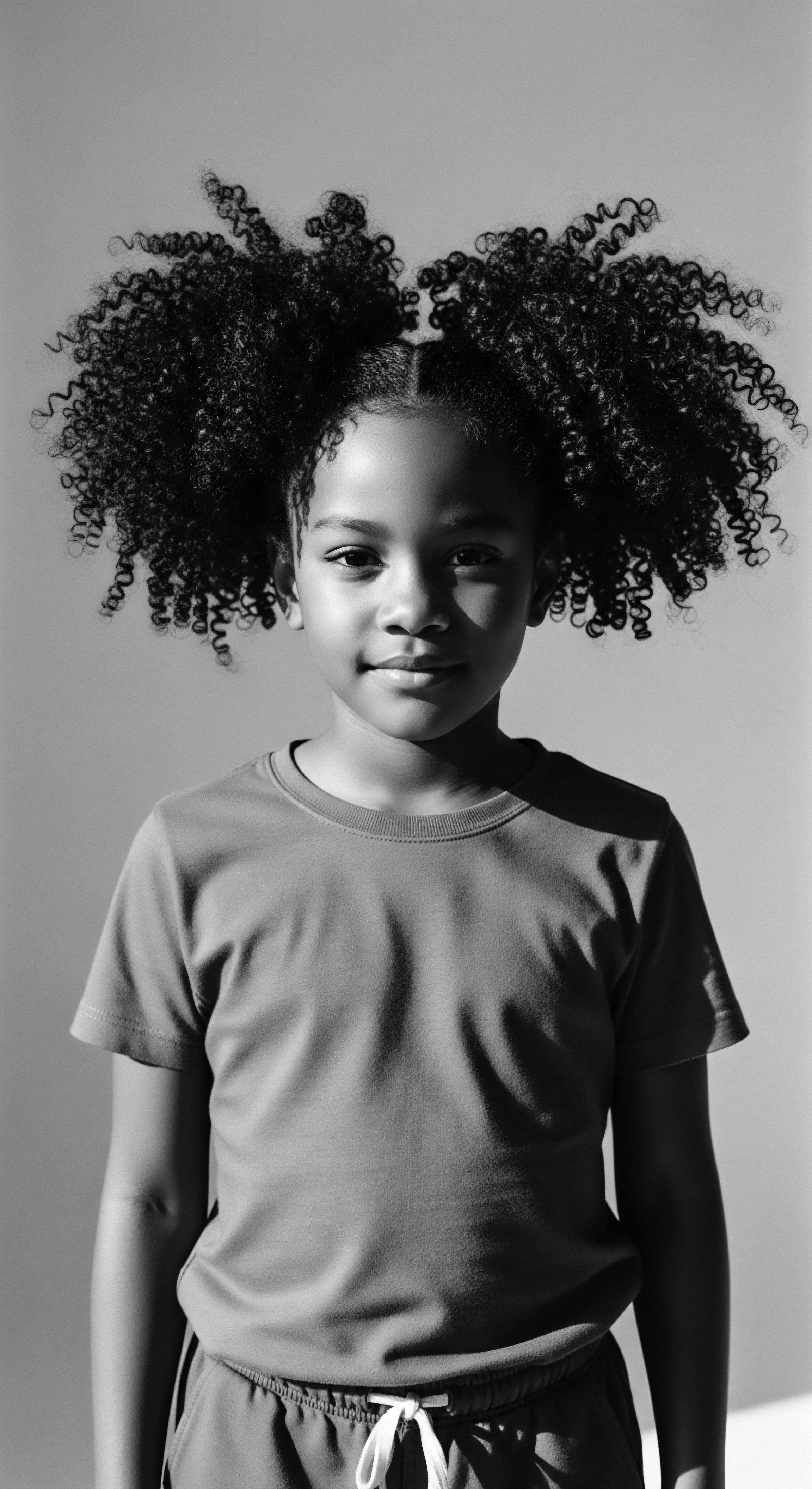
Dermatologists can integrate ancestral care by recognizing textured hair's unique heritage and promoting culturally affirming, scientifically supported practices.
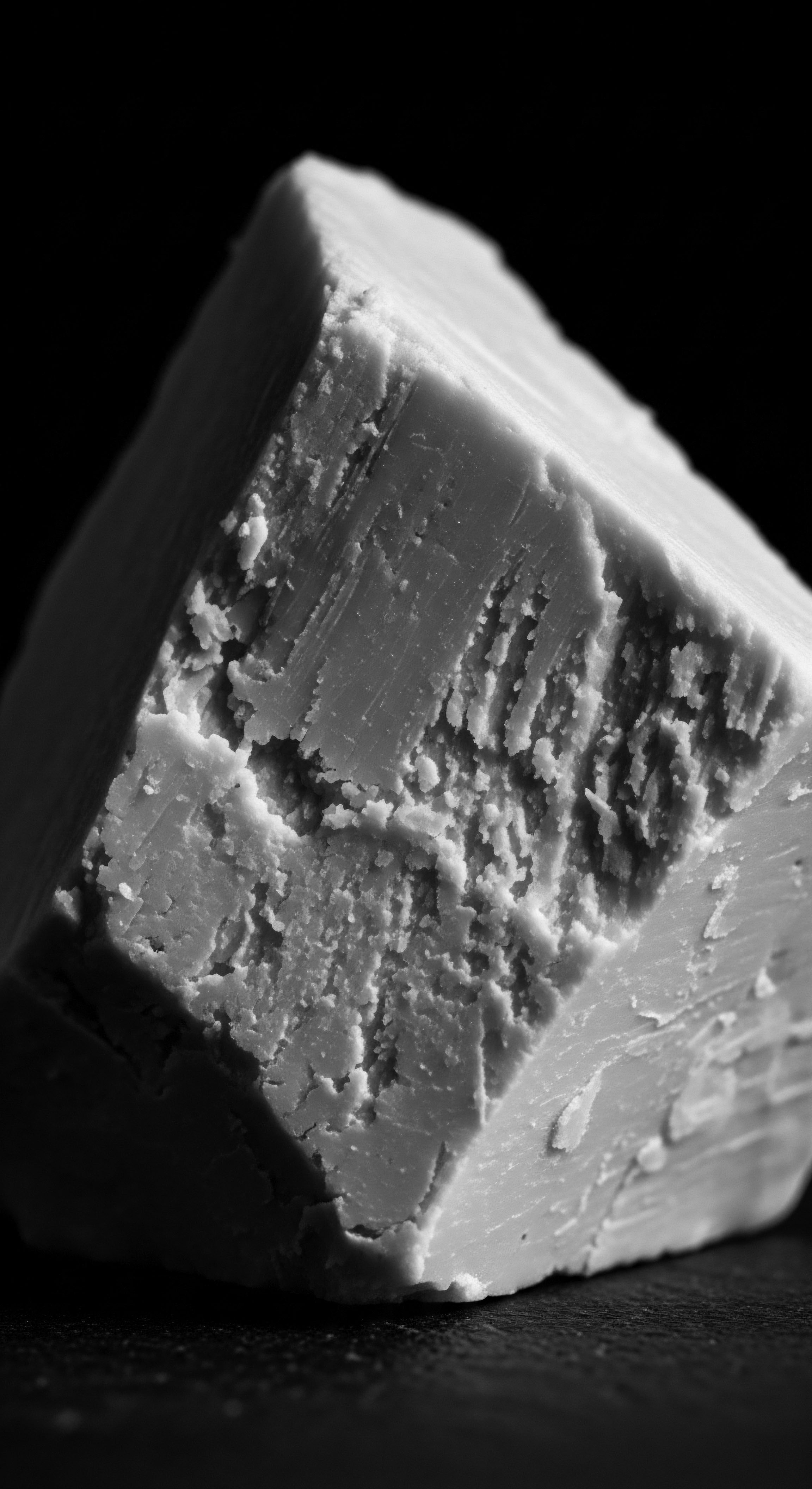
Modern science confirms the deep cleansing and nourishing properties of African Black Soap, validating its ancestral efficacy for textured hair heritage.
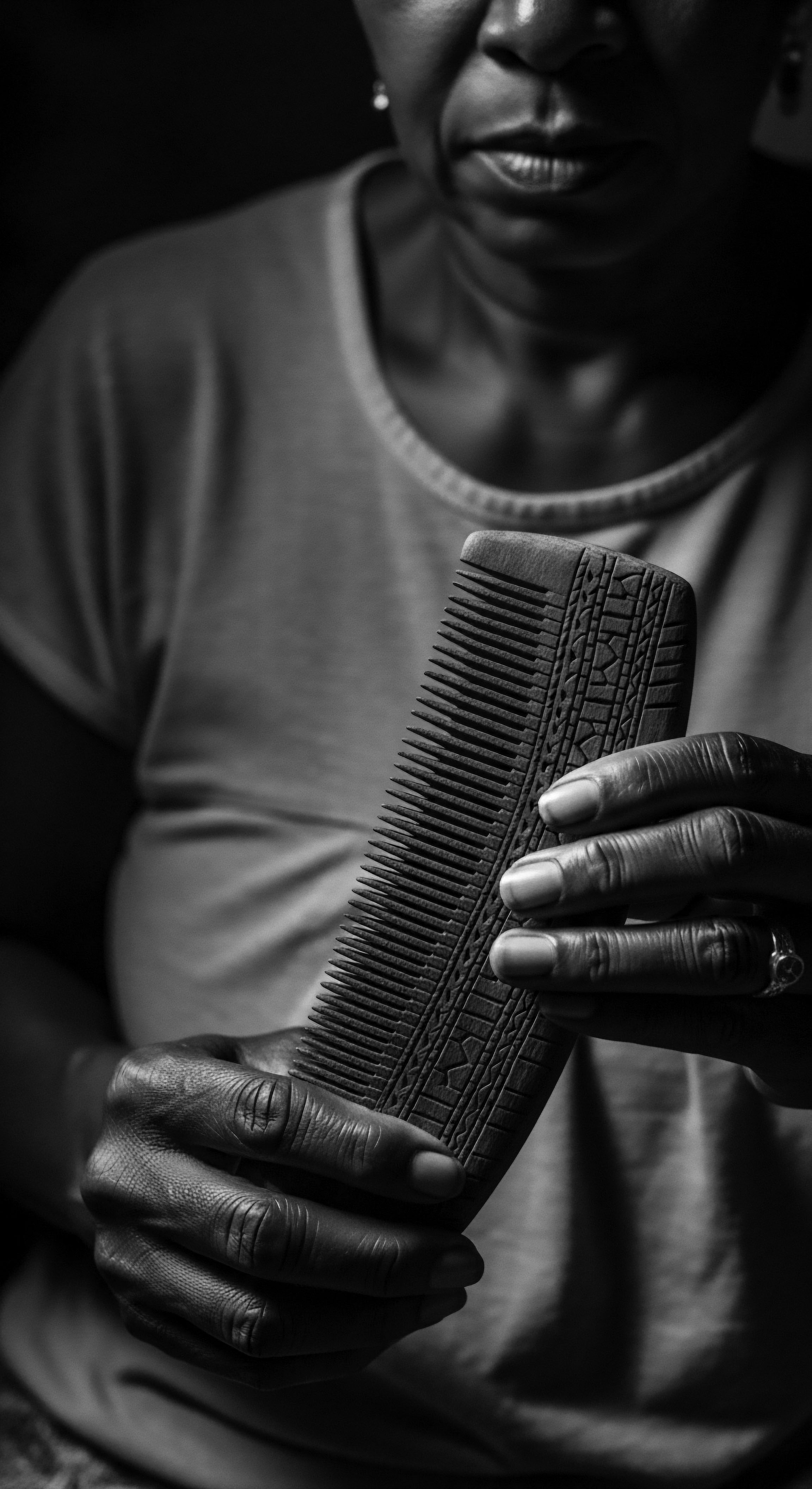
Meaning ❉ Black Hair Artifacts are the tangible and intangible chronicles of textured hair heritage, embodying ancestral wisdom, tools, and cultural practices.
Ghassoul gently cleanses and detangles textured hair, honoring ancestral wisdom through its mineral-rich composition, supporting resilience and cultural pride.
Dietary shifts profoundly affected textured hair health across the diaspora, moving from ancestral nutrient abundance to scarcity, leaving an enduring heritage mark.
Ancestral African nutrition, rich in diverse whole foods, provided the essential nutrients to support textured hair's intrinsic vitality and growth, upholding its heritage.
Fermented ingredients can improve textured scalp health by rebalancing the microbiome and strengthening its barrier, echoing ancestral wellness practices.
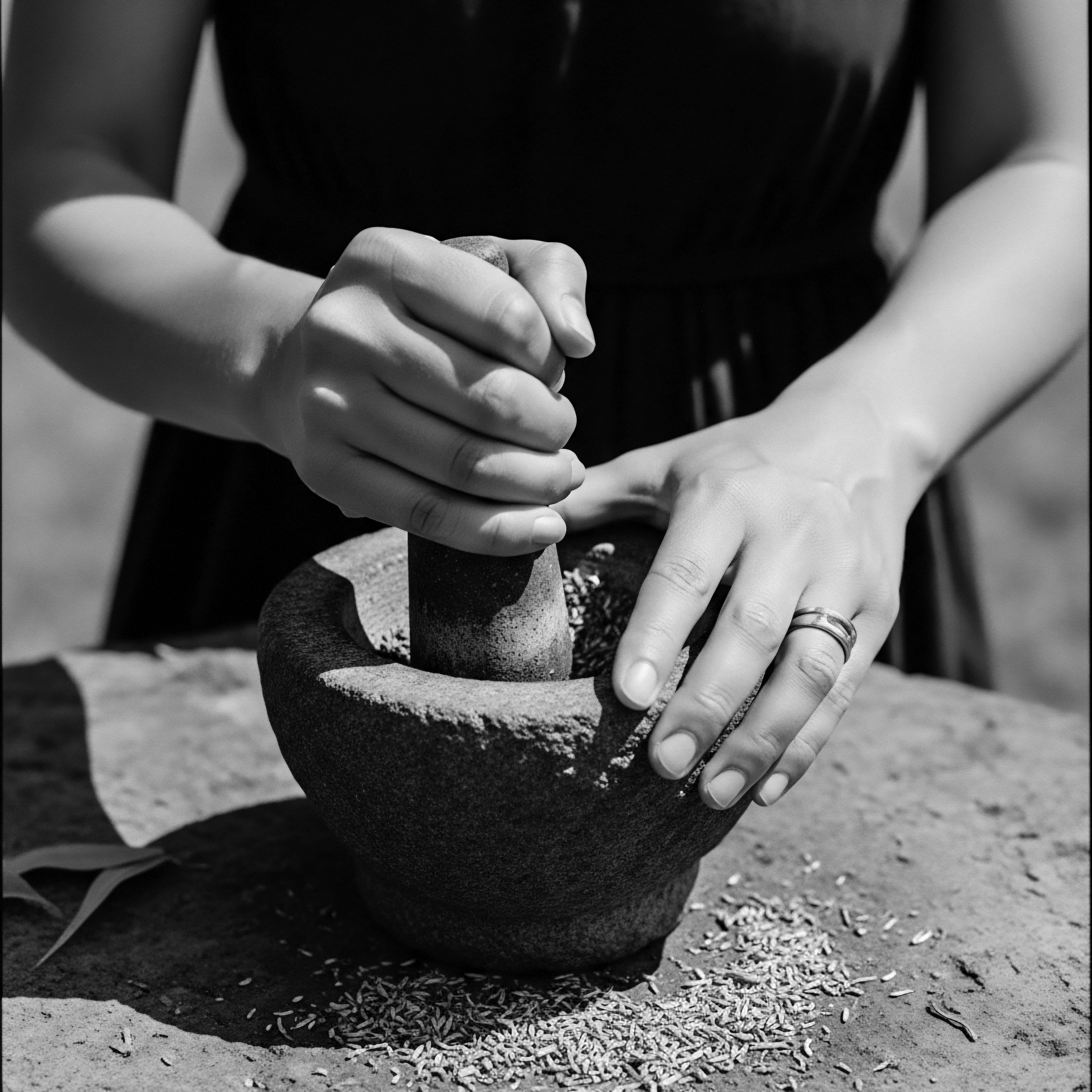
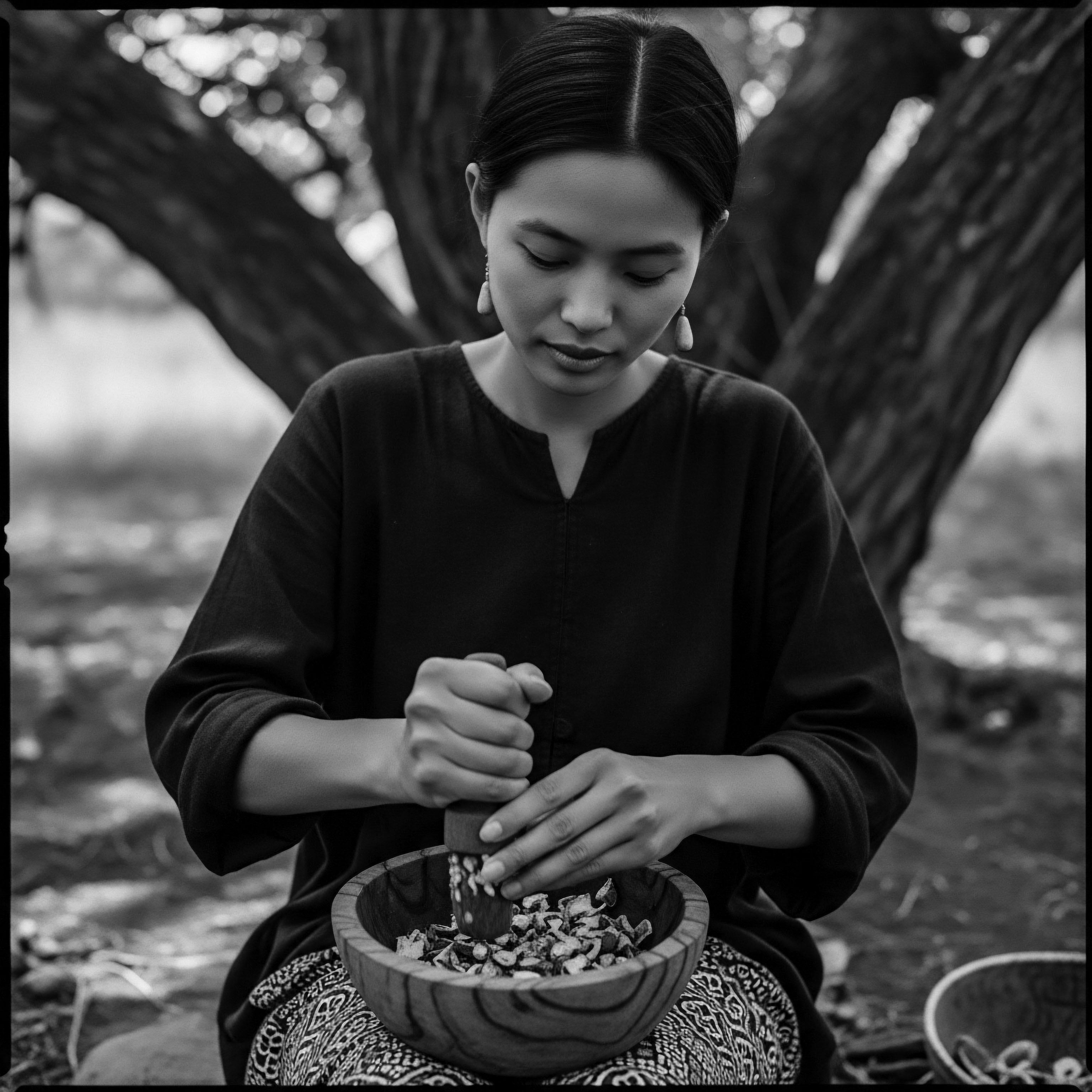
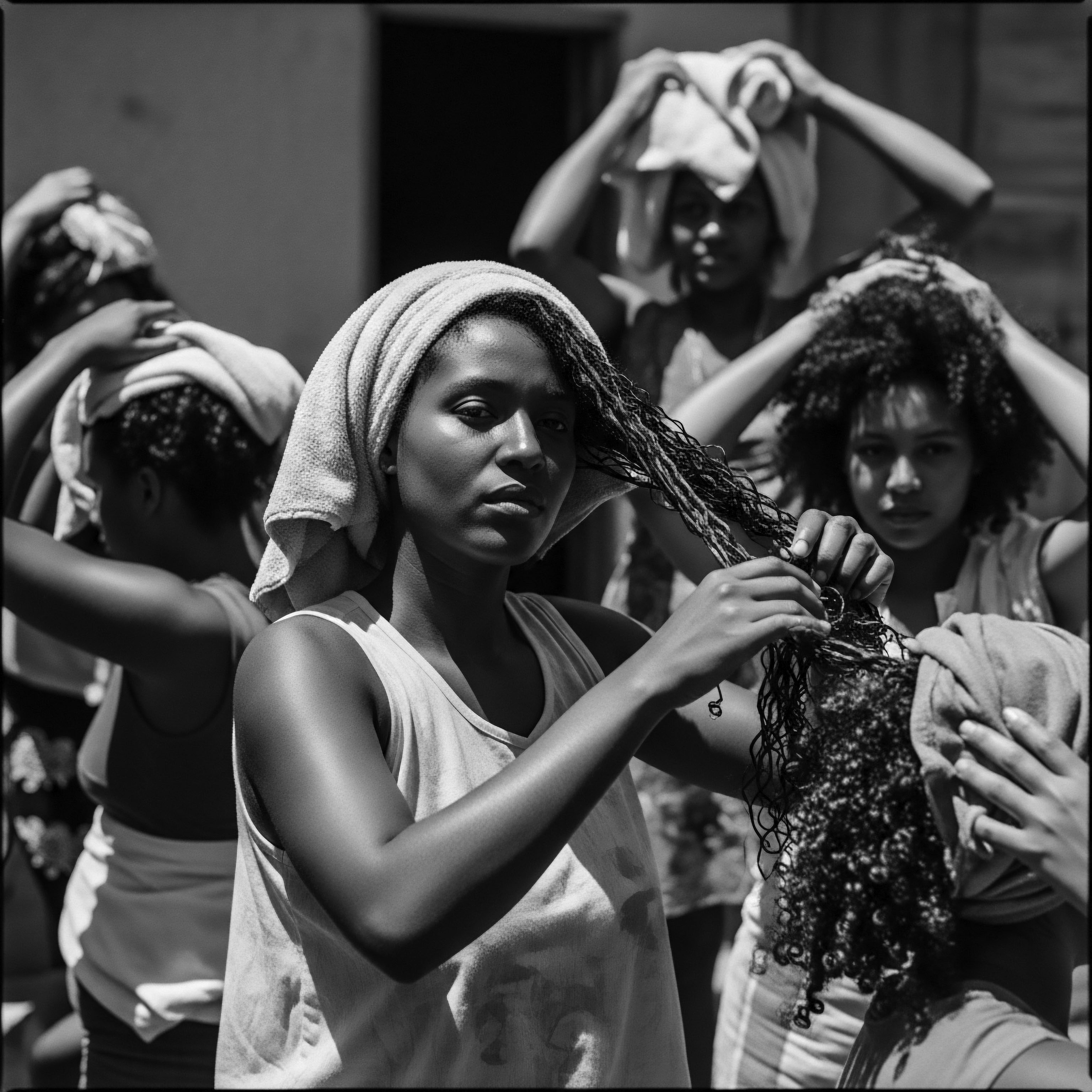
Textured hair science validates ancient rituals, revealing how ancestral practices intuitively met hair's unique needs, connecting us to a rich heritage.
Meaning ❉ The Hair Extension Evolution signifies the historical, cultural, and biological journey of augmenting hair for identity, status, and expression within textured hair traditions.
Ancestral ingredients like shea butter and plant oils profoundly protected textured hair by forming barriers against harsh climates, reflecting a deep heritage of natural wisdom.
Ancestral Black hair care favored natural oils like shea butter, palm oil, and castor oil for their deep conditioning and protective properties, preserving textured hair heritage.
Saponins from plants like shikakai and yucca, rooted in ancestral hair practices, can calm irritated textured scalps by providing gentle cleansing and anti-inflammatory properties.
Meaning ❉ Hair Adversities describes the multi-layered struggles faced by textured hair, arising from both its biology and socio-historical devaluation.
Heritage oils benefit coily hair through compounds like lauric acid and phytosterols, nourishing and protecting in practices steeped in cultural memory.
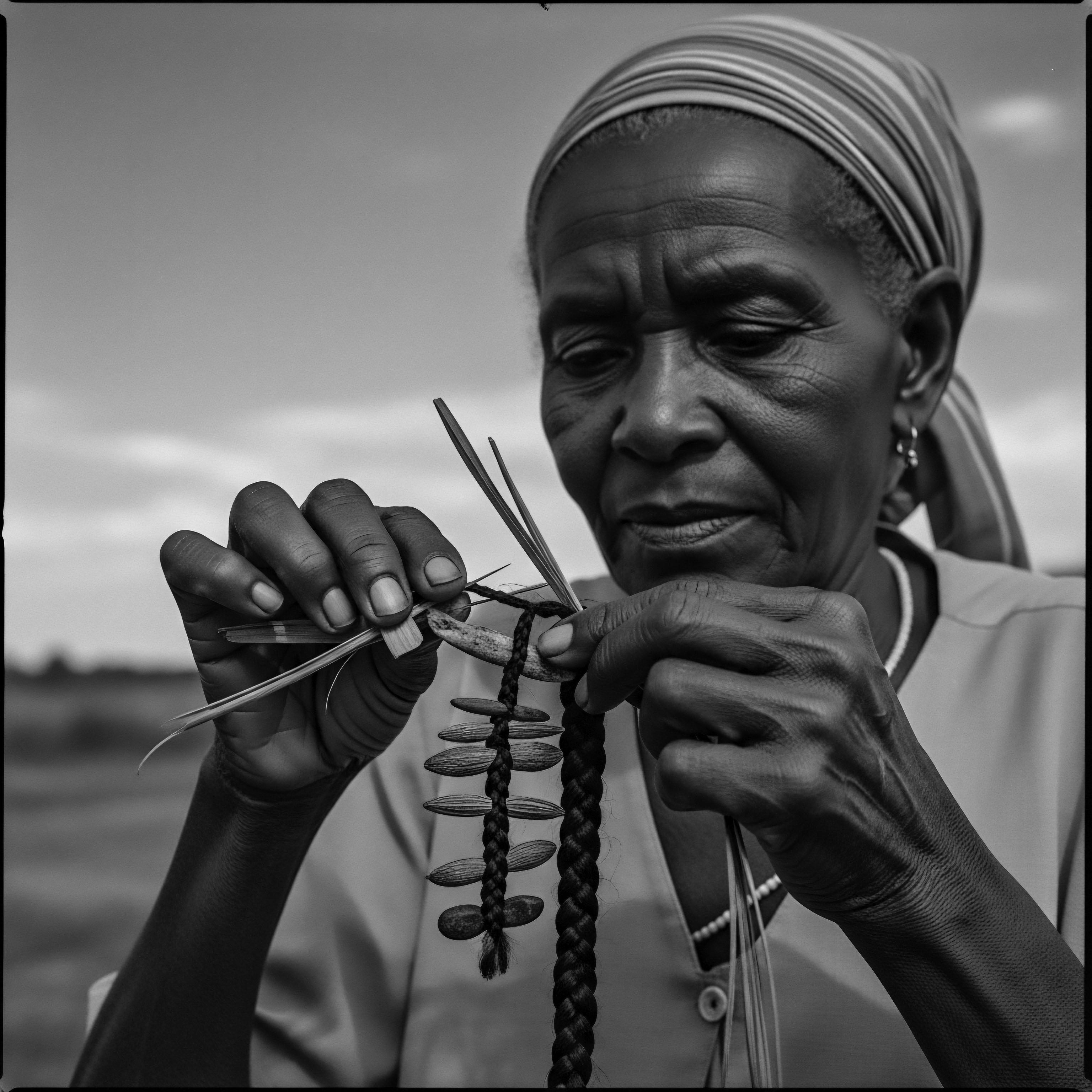
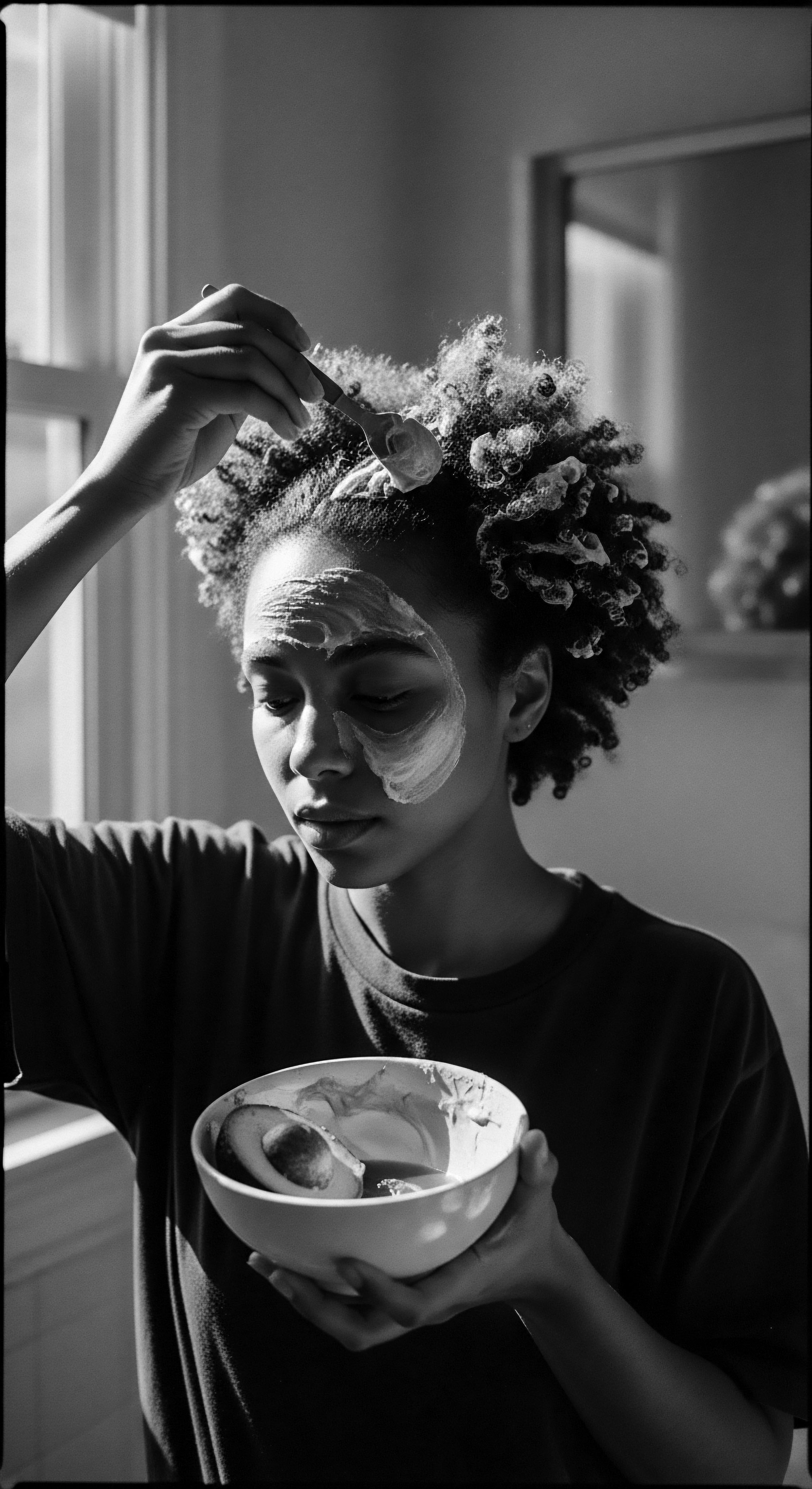
Ancestral plant uses align with modern hair science by providing hydration, strength, and protection for textured strands, rooted in enduring heritage.
We use cookies to personalize content and marketing, and to analyze our traffic. This helps us maintain the quality of our free resources. Manage your preferences below.
This helps support our free resources through personalized marketing efforts and promotions.
Analytics cookies help us understand how visitors interact with our website, improving user experience and website performance.
Personalization cookies enable us to customize the content and features of our site based on your interactions, offering a more tailored experience.