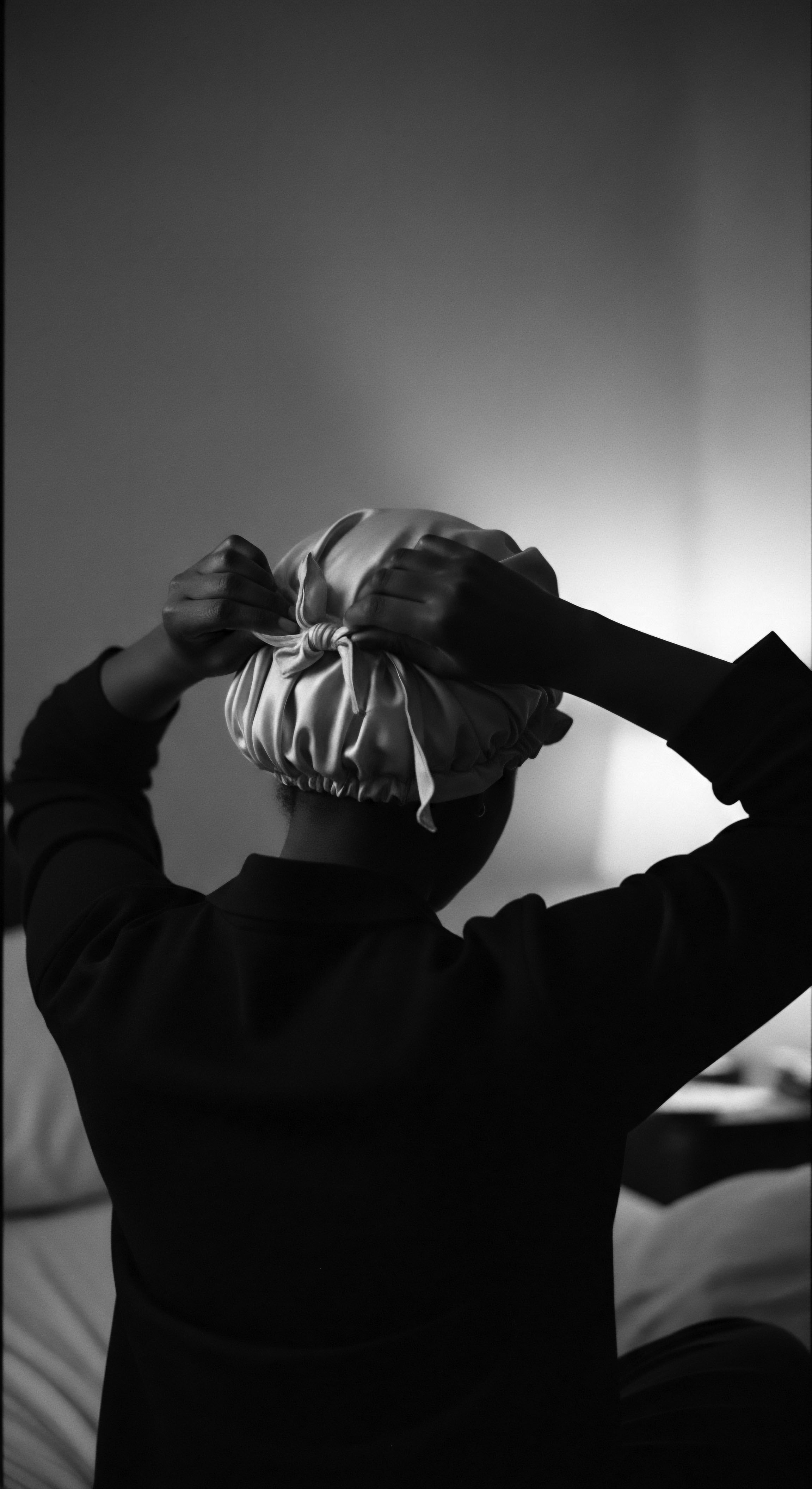
Bonnets embody centuries of textured hair heritage, stemming from ancestral protective head coverings, cultural resistance, and the enduring need for moisture retention and style preservation.
Meaning ❉ Traditional Dietary Principles describe the ancestral eating patterns, deeply intertwined with cultural heritage, that historically supported textured hair health and resilience.
Ancient hair symbolism deeply informs modern textured hair identity by revealing a heritage of resilience, communication, and profound cultural connection.
Ancient cultures beyond North Africa used diverse clays for textured hair cleansing, styling, and symbolic adornment, reflecting a global ancestral wisdom.
Enslaved communities preserved hair traditions as resistance by covertly maintaining ancestral styles and care rituals, transforming them into symbols of identity, community, and coded communication for survival.
Meaning ❉ Personalized Scalp Care is a tailored approach to nurturing the scalp, deeply rooted in the historical and cultural wisdom of textured hair heritage.
Traditional diets, rich in proteins, vitamins, and minerals from ancestral staples, fundamentally support textured hair growth through a deep heritage of holistic wellness.
Meaning ❉ Protein-Moisture defines the essential balance between hair's structural protein and its hydration, crucial for the strength and flexibility of textured hair, echoing ancient wisdom.
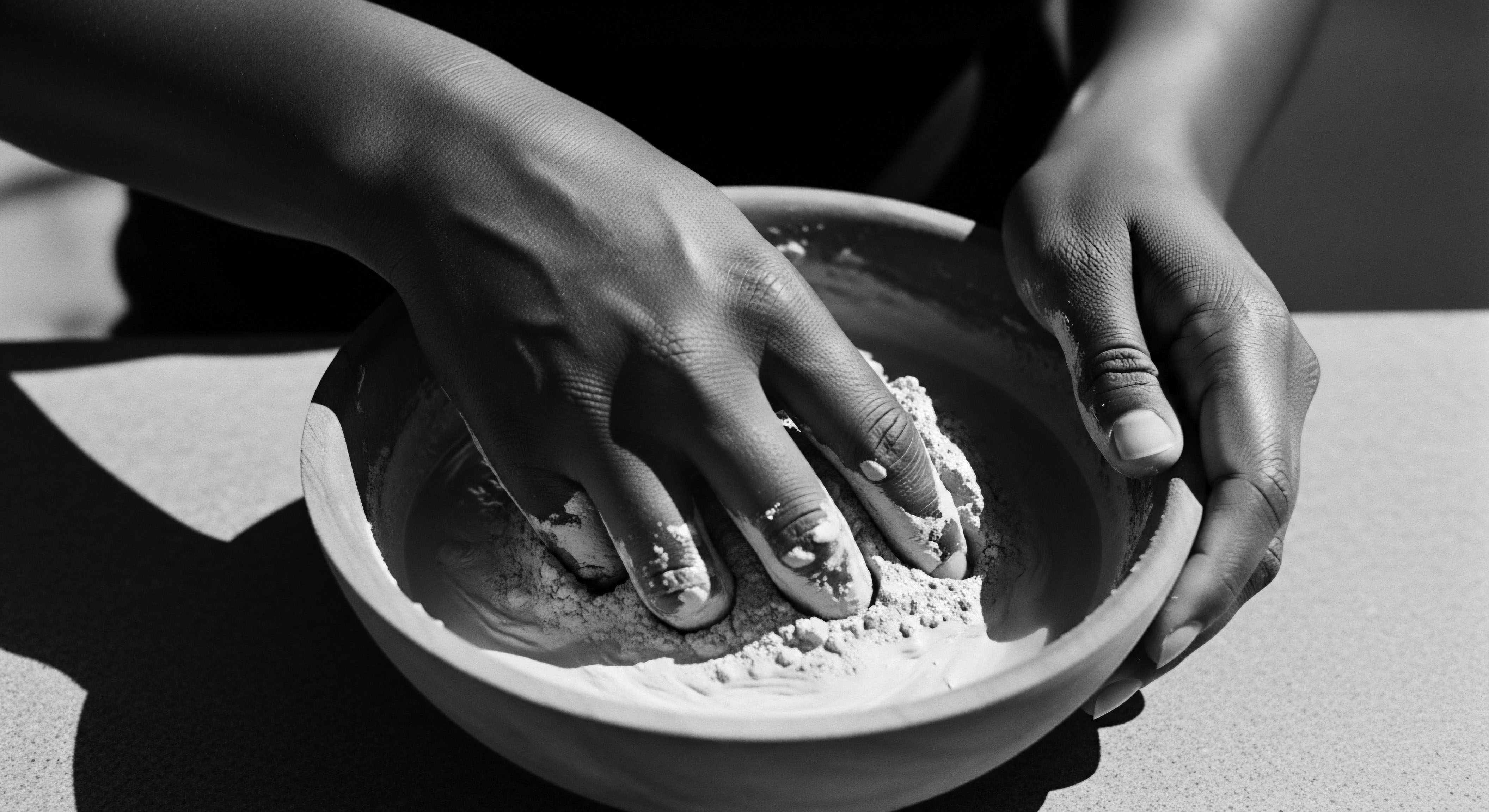
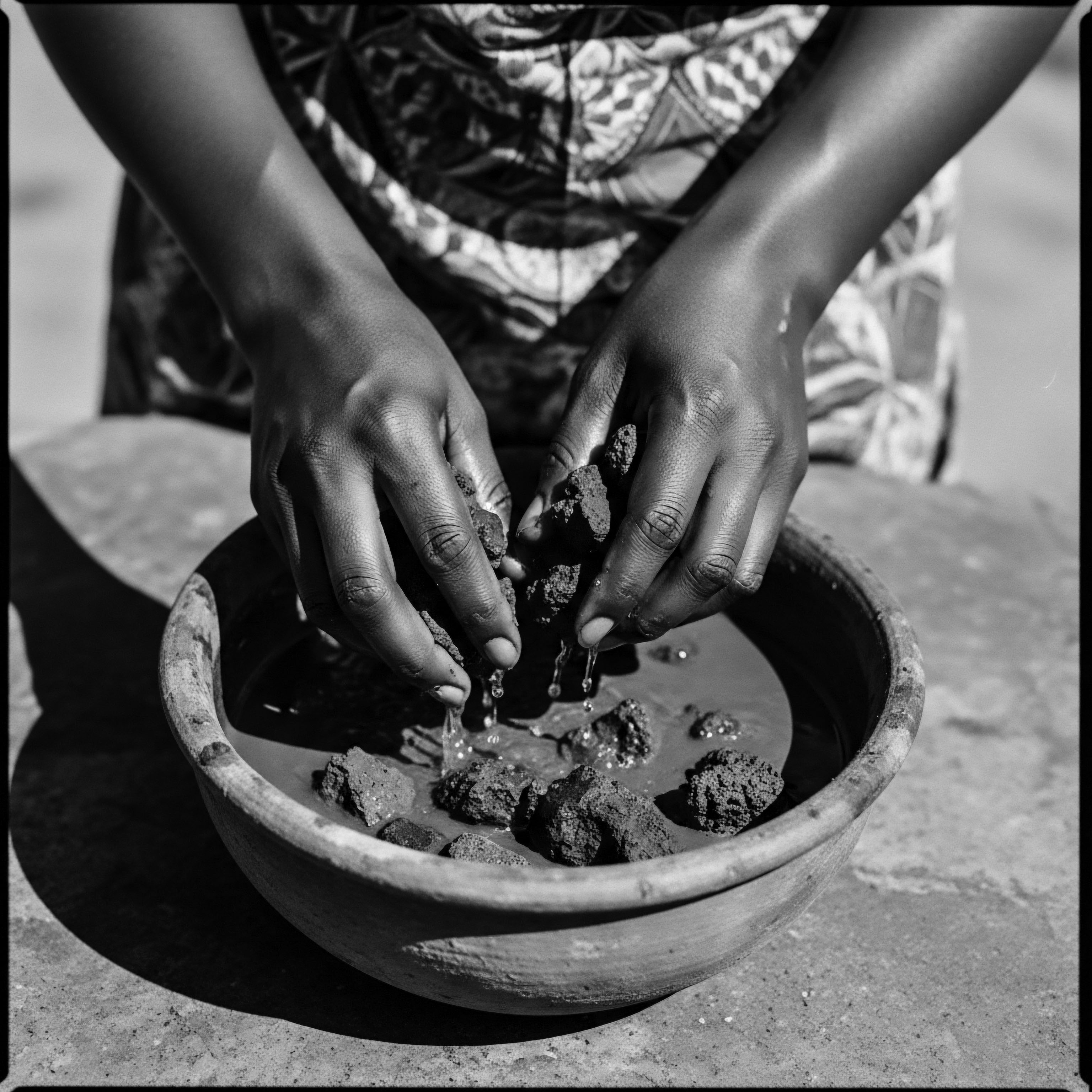
Ancient civilizations utilized earth materials like clays and ochres to cleanse, condition, and protect textured hair, deeply rooting practices in heritage.
Ancient hair care methods preserved textured hair's health through natural ingredients, protective styling, and holistic practices deeply rooted in ancestral heritage.
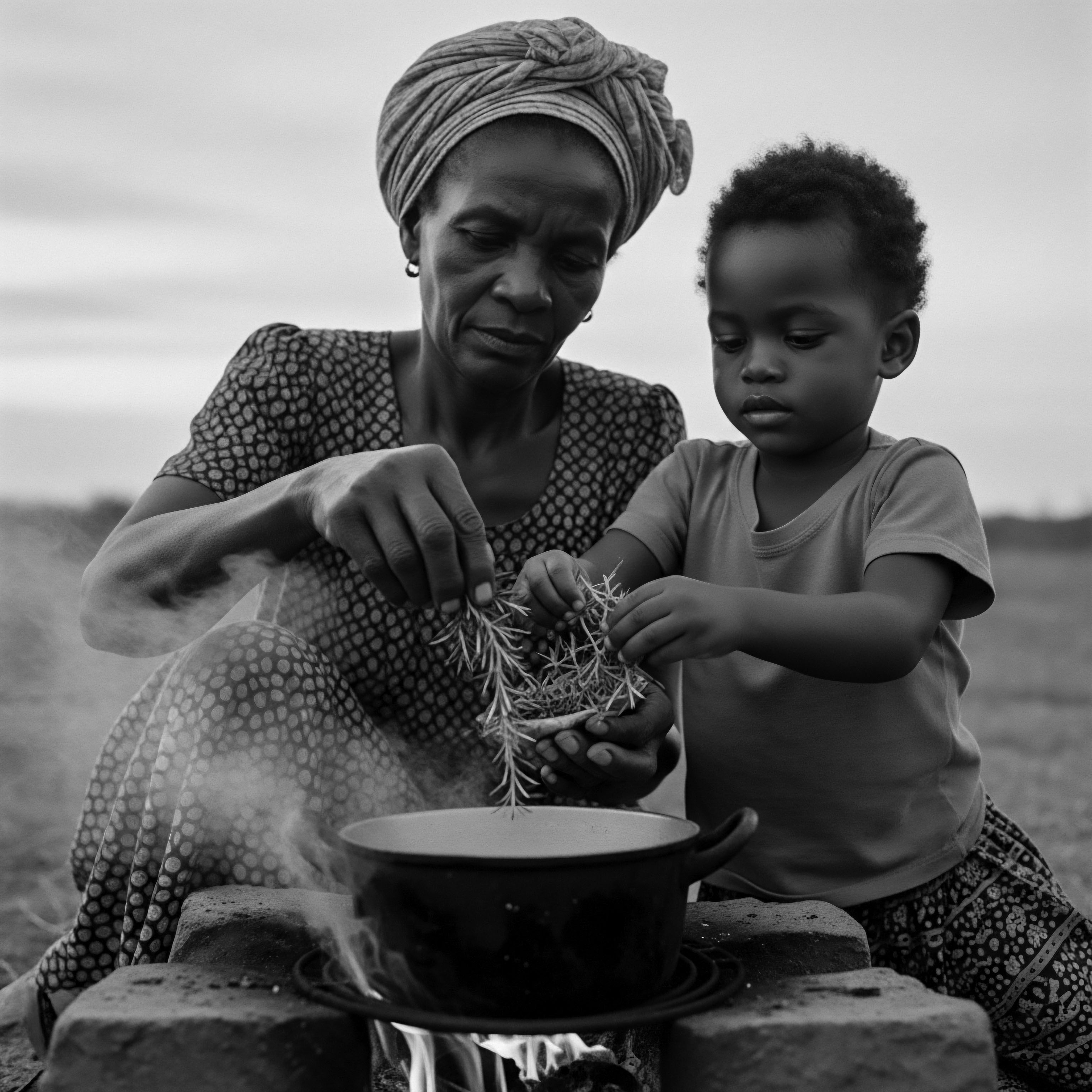
Ancestral African diets, rich in proteins, iron, and vitamins from diverse indigenous foods, provided core support for long, strong textured hair heritage.
Modern textured hair regimens can indeed benefit from traditional dietary principles, offering a deep connection to ancestral wisdom and sustained hair vitality.
Hair control deeply scarred Black self-perception but simultaneously fortified heritage through acts of vibrant resistance and enduring cultural reclamation.
Plant oils have historically provided essential moisture and protection for textured hair, deeply connecting care practices to ancestral heritage and resilience.
Ancient hair wisdom offers profound insights into modern textured hair practices by revealing enduring truths about its unique nature and cultural significance.
Oleic acid, a key fatty acid in ancestral oils, traditionally nourishes textured hair, preserving its strength and natural moisture across generations.
We use cookies to personalize content and marketing, and to analyze our traffic. This helps us maintain the quality of our free resources. Manage your preferences below.
This helps support our free resources through personalized marketing efforts and promotions.
Analytics cookies help us understand how visitors interact with our website, improving user experience and website performance.
Personalization cookies enable us to customize the content and features of our site based on your interactions, offering a more tailored experience.