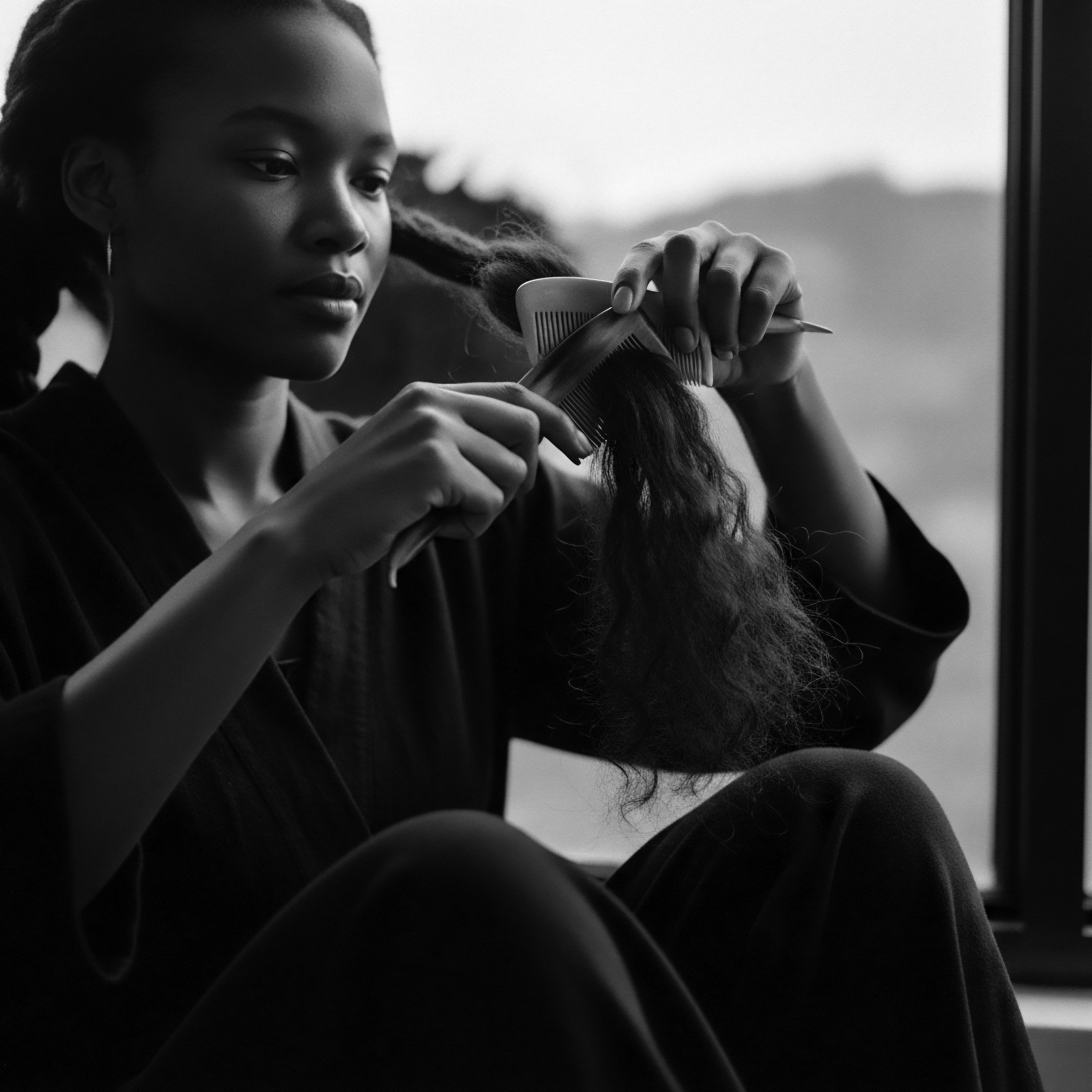
Heat primarily alters temporary hydrogen bonds in textured hair, causing temporary reshaping, but excessive use can irreversibly damage keratin, compromising its natural structure and heritage.
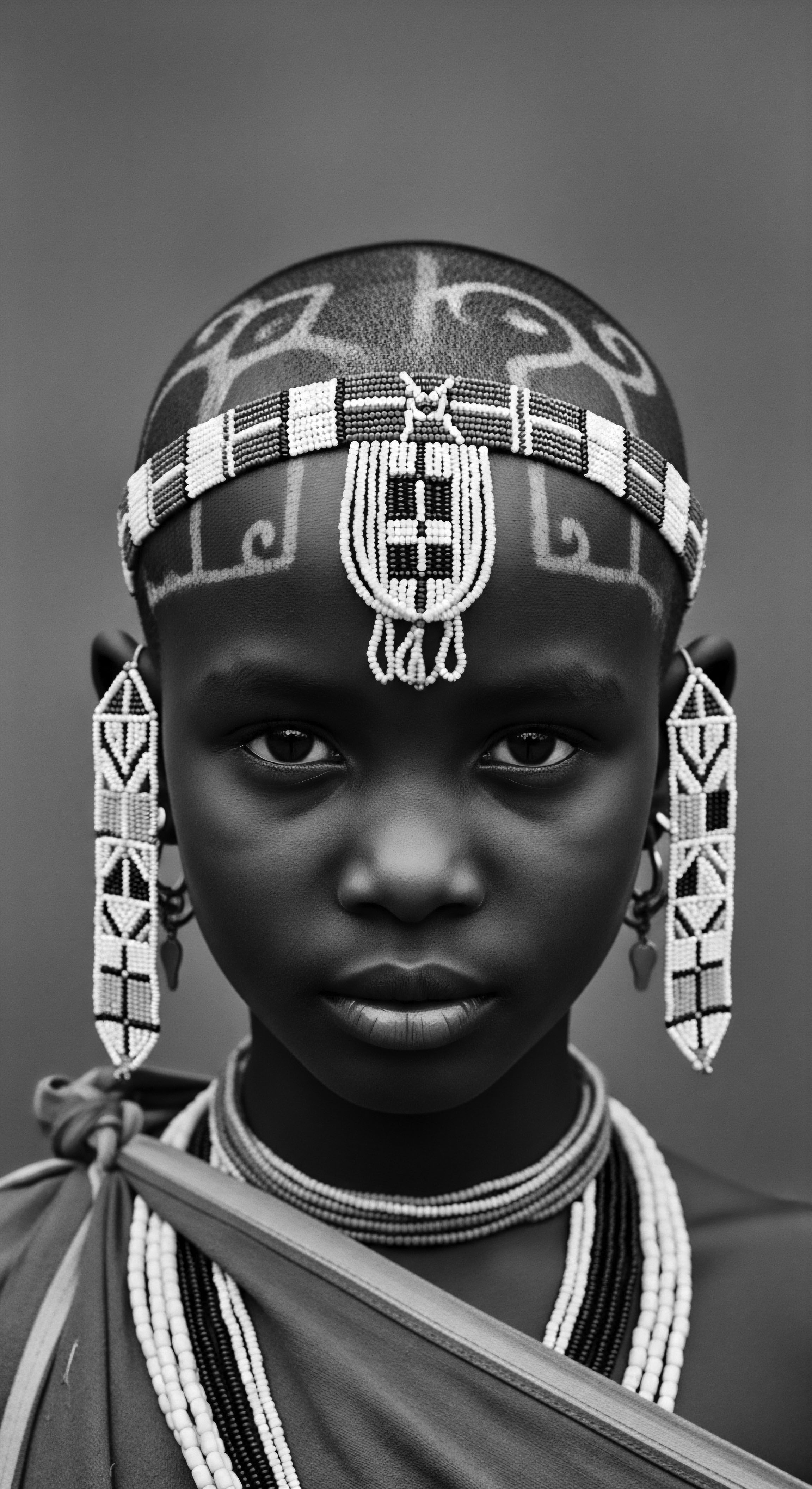
Meaning ❉ Mbalantu Eembuvi is an ancestral philosophy and practice among Namibian Mbalantu women, reflecting the living essence and strength of textured hair.
Ancient cleansers for textured hair, often plant-based, gently cleansed while ancestral oils and butters provided deep hydration, honoring hair heritage.
Amazonian oils, such as Patauá, Buriti, Andiroba, and Murumuru, condition textured hair through rich fatty acid profiles, a heritage rooted in ancient traditions.
Modern science confirms heritage hair practices offer tangible climatic resilience, especially for textured hair, through moisture balance and physical protection.
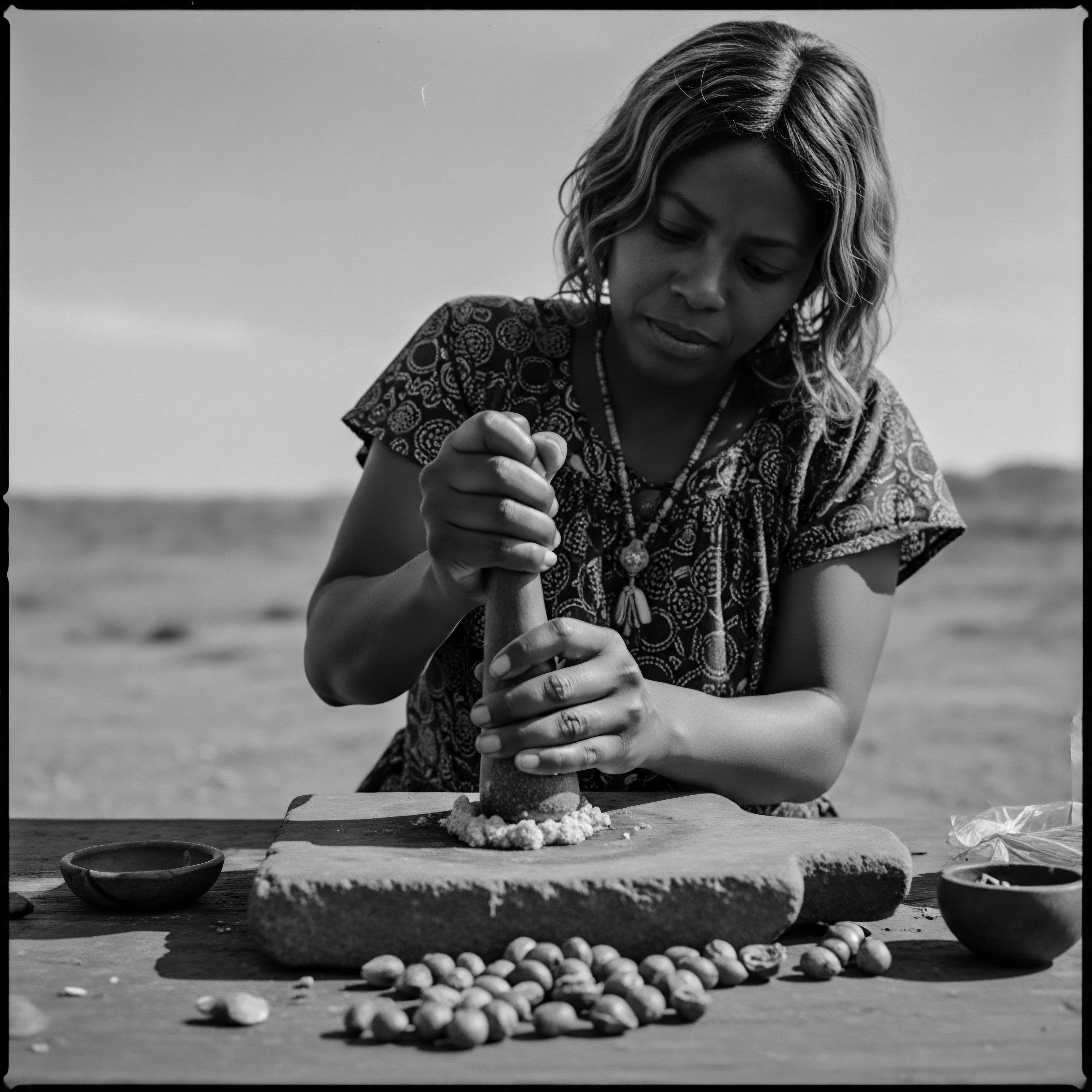
Shea butter holds a powerful cultural background in textured hair heritage, rooted in West African ancestral practices for nourishment, styling, and identity.
The transatlantic slave trade profoundly disrupted and devalued textured hair heritage, yet sparked adaptive care, resistance, and lasting identity statements.
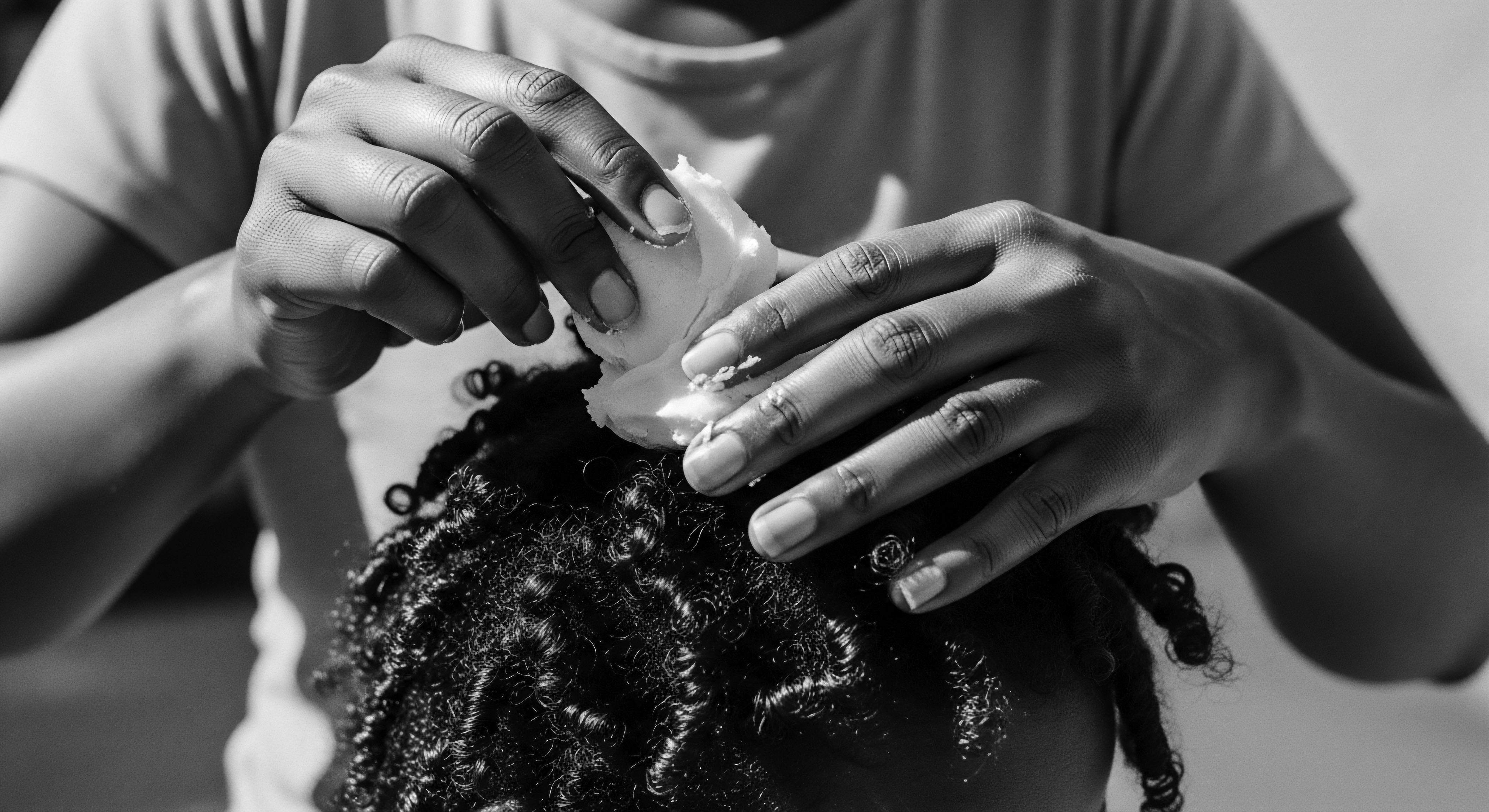
Hair butters aid textured hair resilience by deeply moisturizing, sealing the cuticle, and reinforcing its protective barrier, continuing an ancient heritage of care.
Indigenous American diets, rooted in ancestral foodways and ecological harmony, sustained textured hair with essential proteins, vitamins, and minerals.
Historical events, from ancestral wisdom to systemic oppression, shaped textured hair traditions through resilience, adaptation, and cultural preservation.
Traditional African hair care practices often align with modern textured hair science through their shared emphasis on moisture, protection, and gentle manipulation, all deeply rooted in heritage.
The historical bond between food and textured hair is a testament to ancestral ingenuity, where diet and natural ingredients shaped hair health and cultural expression.
Ancestral practices shaped palm oil's role in textured hair heritage through its deep moisturizing, protective, and cultural significance within African communities.
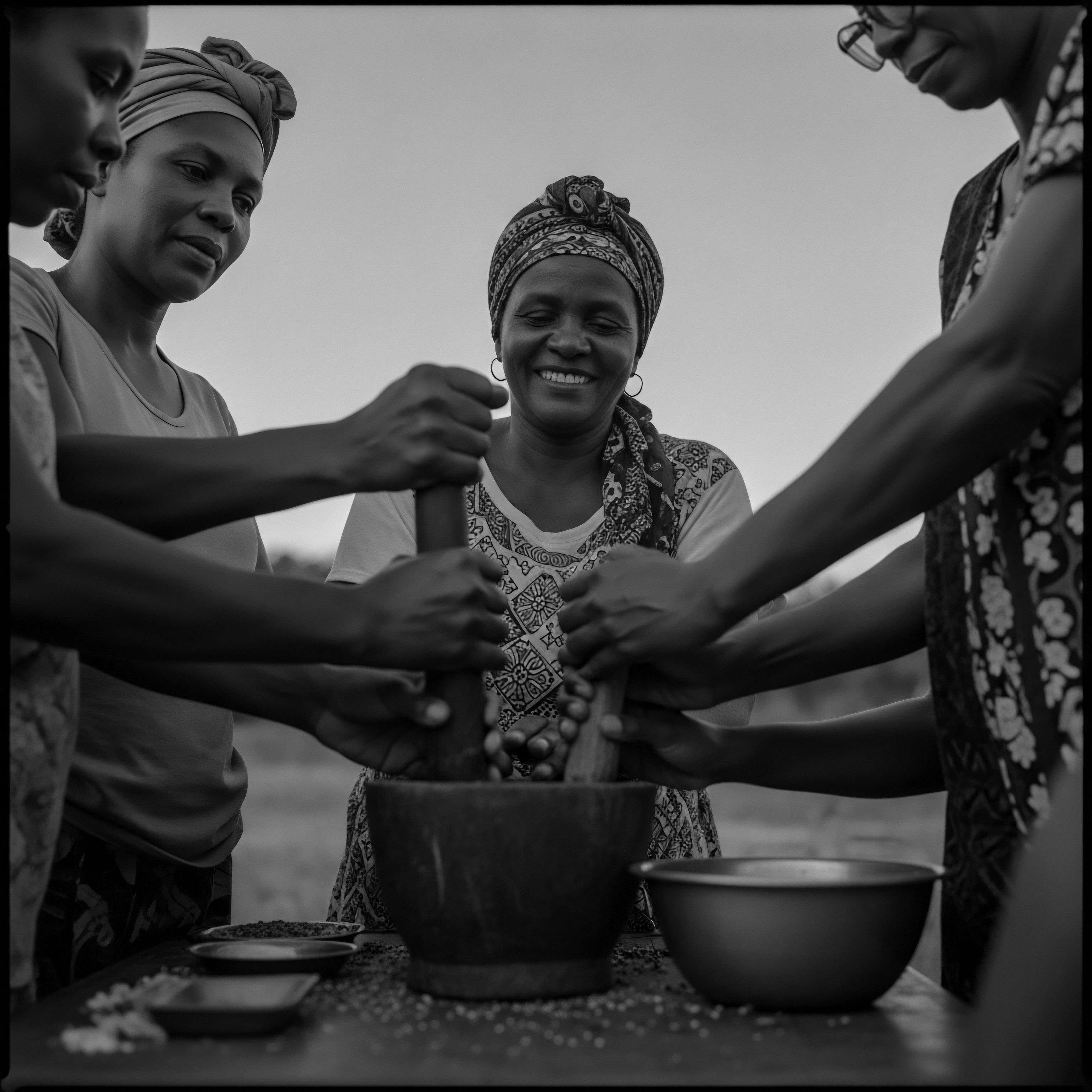
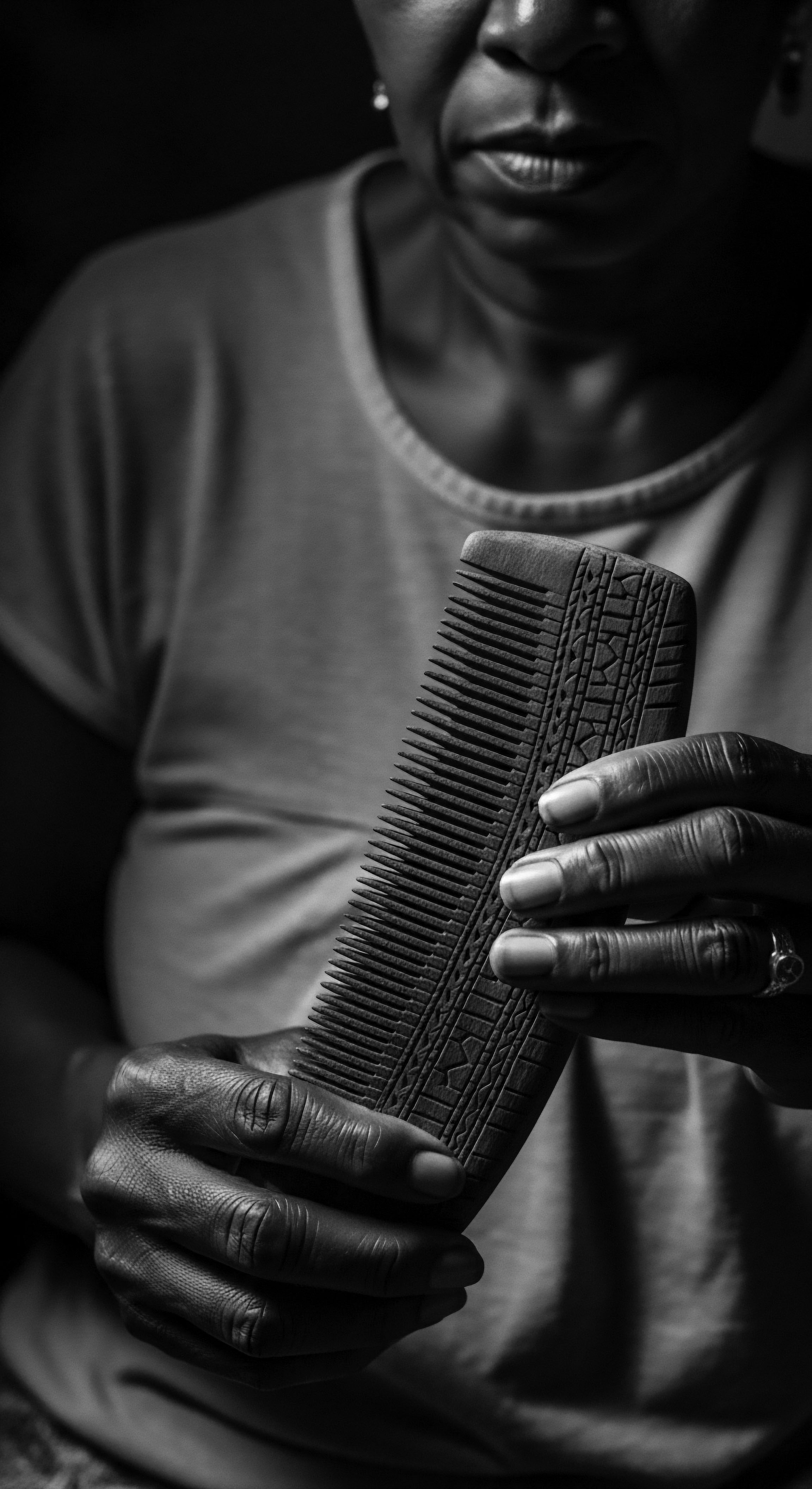
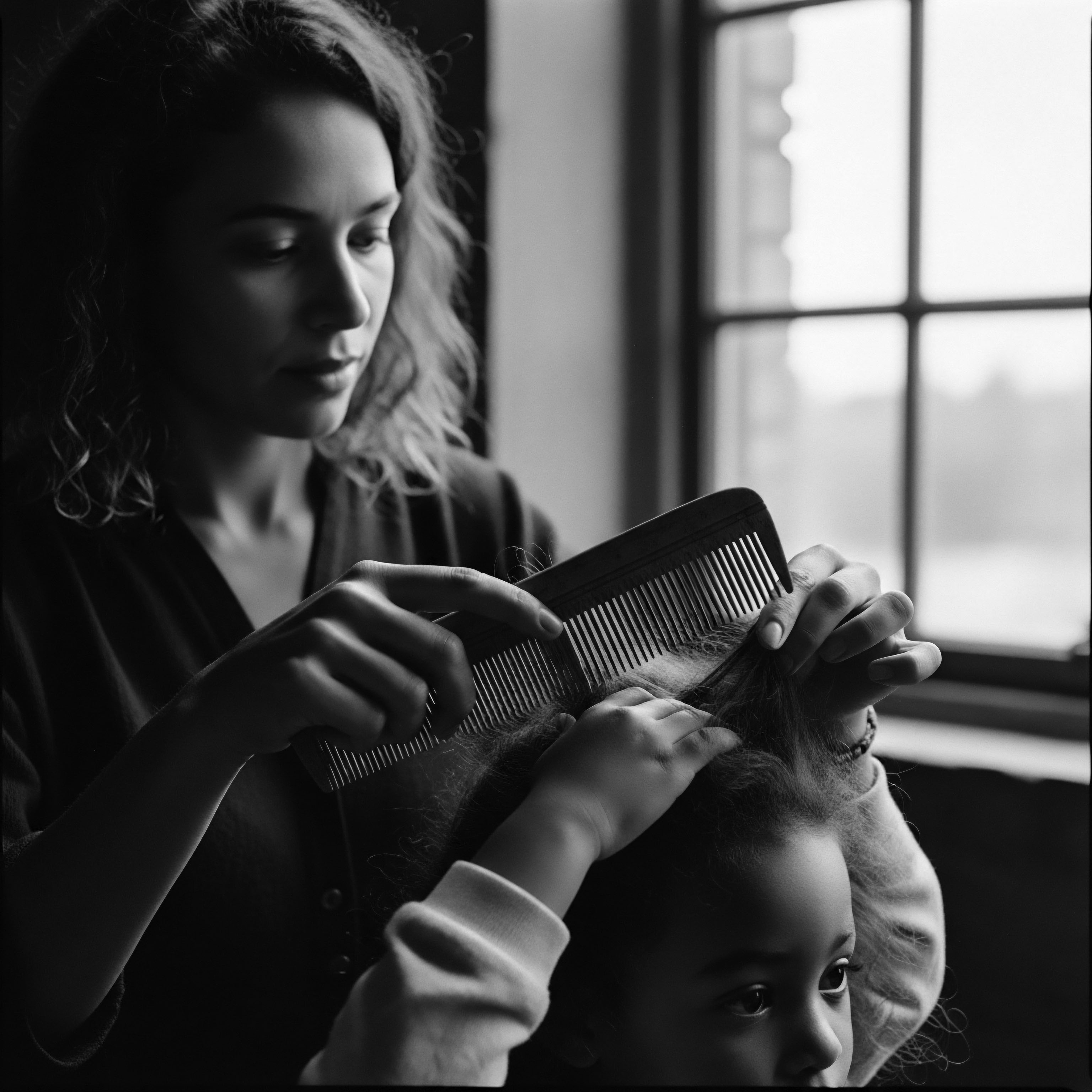
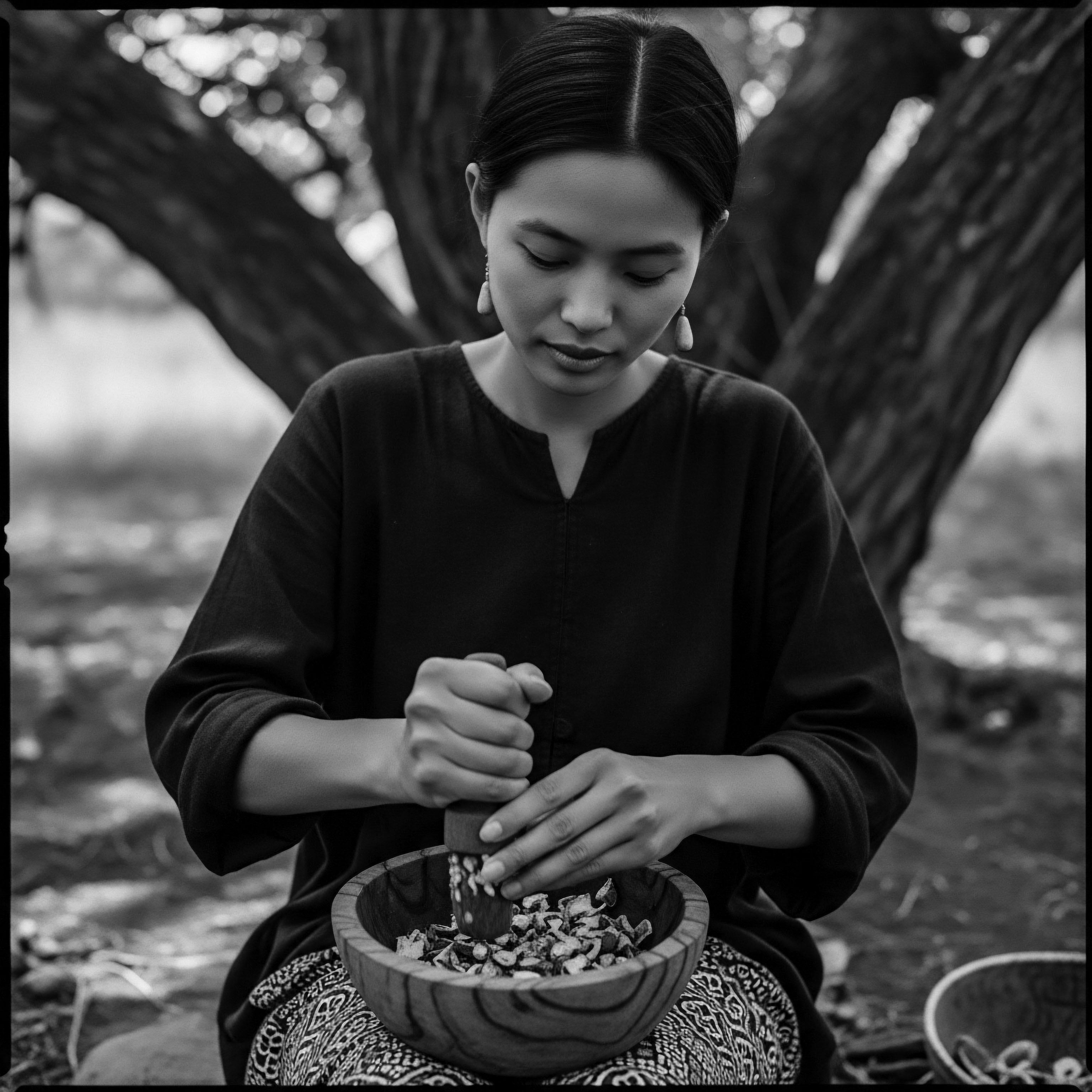
Ancestral communities utilized natural oils, butters, and herbs, passed down through generations, to deeply moisturize, strengthen, and protect textured hair.
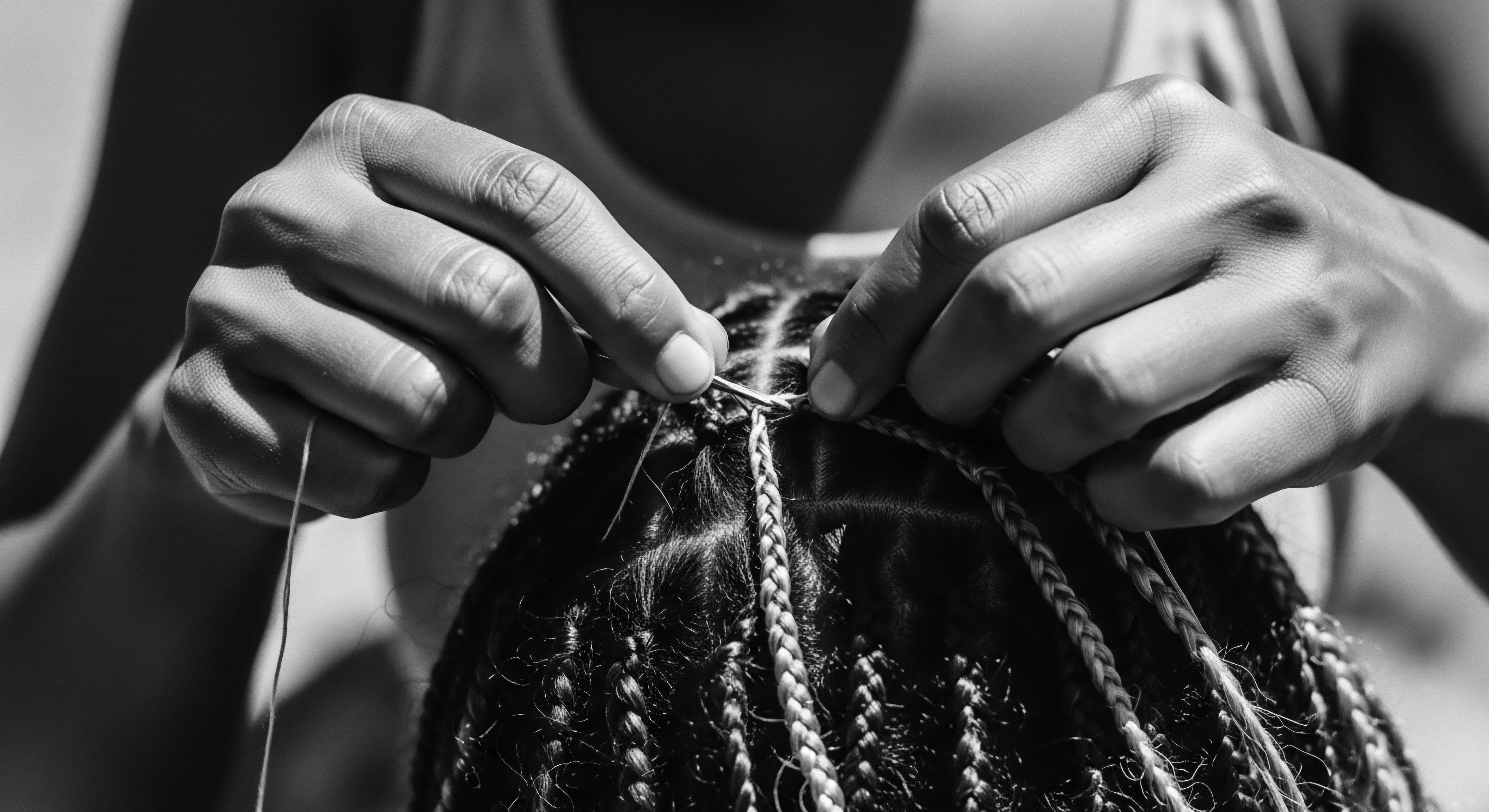
Ancestral traditions provide a timeless blueprint for textured hair care, blending natural wisdom, protective styling, and holistic wellness practices from ancient heritage into modern routines.
We use cookies to personalize content and marketing, and to analyze our traffic. This helps us maintain the quality of our free resources. Manage your preferences below.
This helps support our free resources through personalized marketing efforts and promotions.
Analytics cookies help us understand how visitors interact with our website, improving user experience and website performance.
Personalization cookies enable us to customize the content and features of our site based on your interactions, offering a more tailored experience.