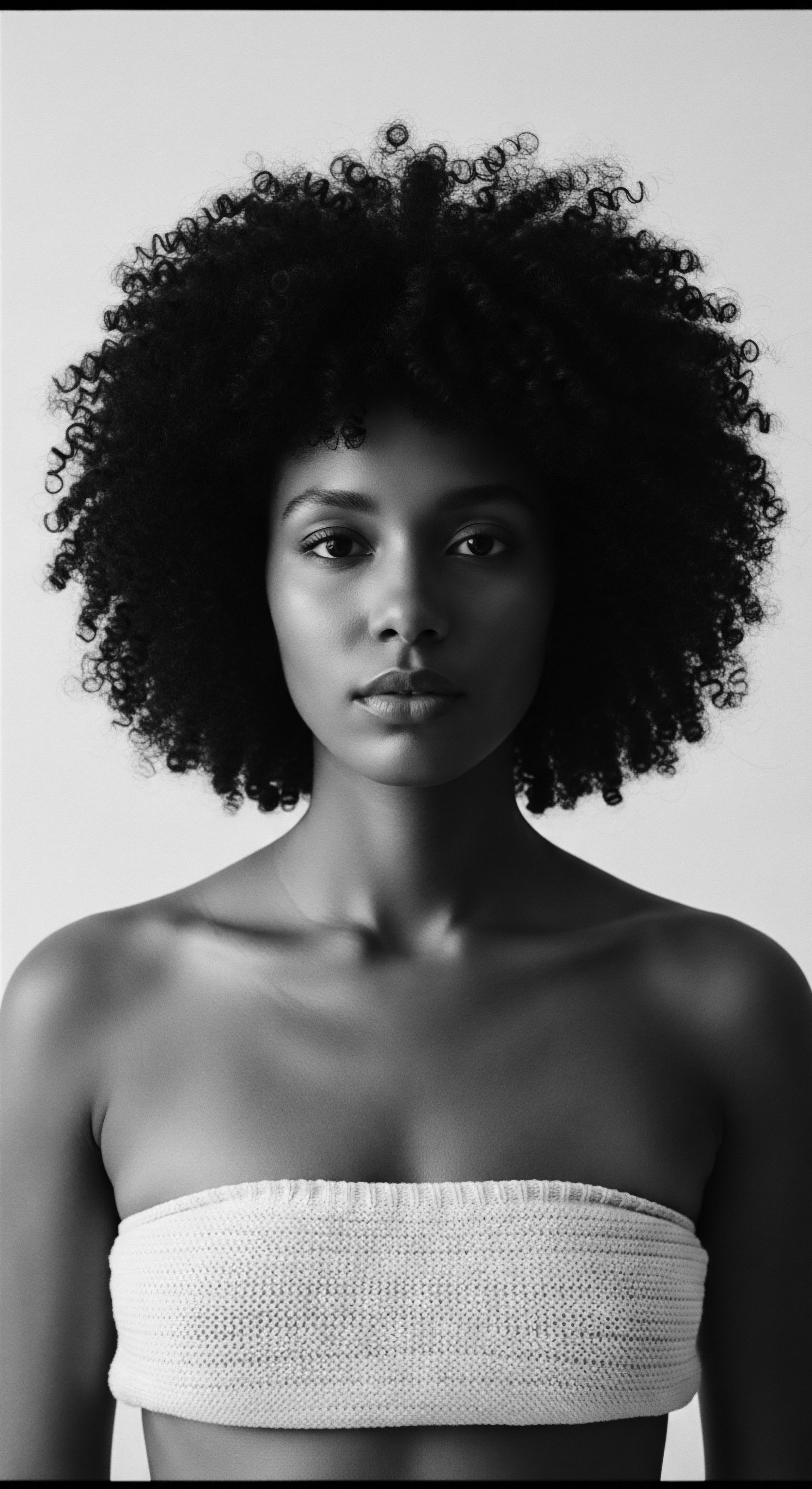
Can ancient hair practices improve modern textured hair health?
Ancient hair practices, rooted in heritage, offer foundational wisdom for modern textured hair health.
What specific plants were traditionally used for textured hair moisture?
Ancestral plant compounds such as shea butter, castor oil, and Chebe powder traditionally offered profound moisture to textured hair.
Can traditional eating habits improve modern textured hair resilience?
Traditional eating habits, rich in heritage-based nutrients, deeply influence the strength and vitality of modern textured hair.
What is the historical cultural meaning of textured hair styles?
Textured hair styles carry a profound historical cultural meaning as symbols of identity, resistance, spirituality, and enduring heritage.
How does ancestral diet relate to textured hair strength?
Ancestral diets provided the foundational nutrients for hair strength, connecting modern hair vitality to a rich heritage of traditional foodways.
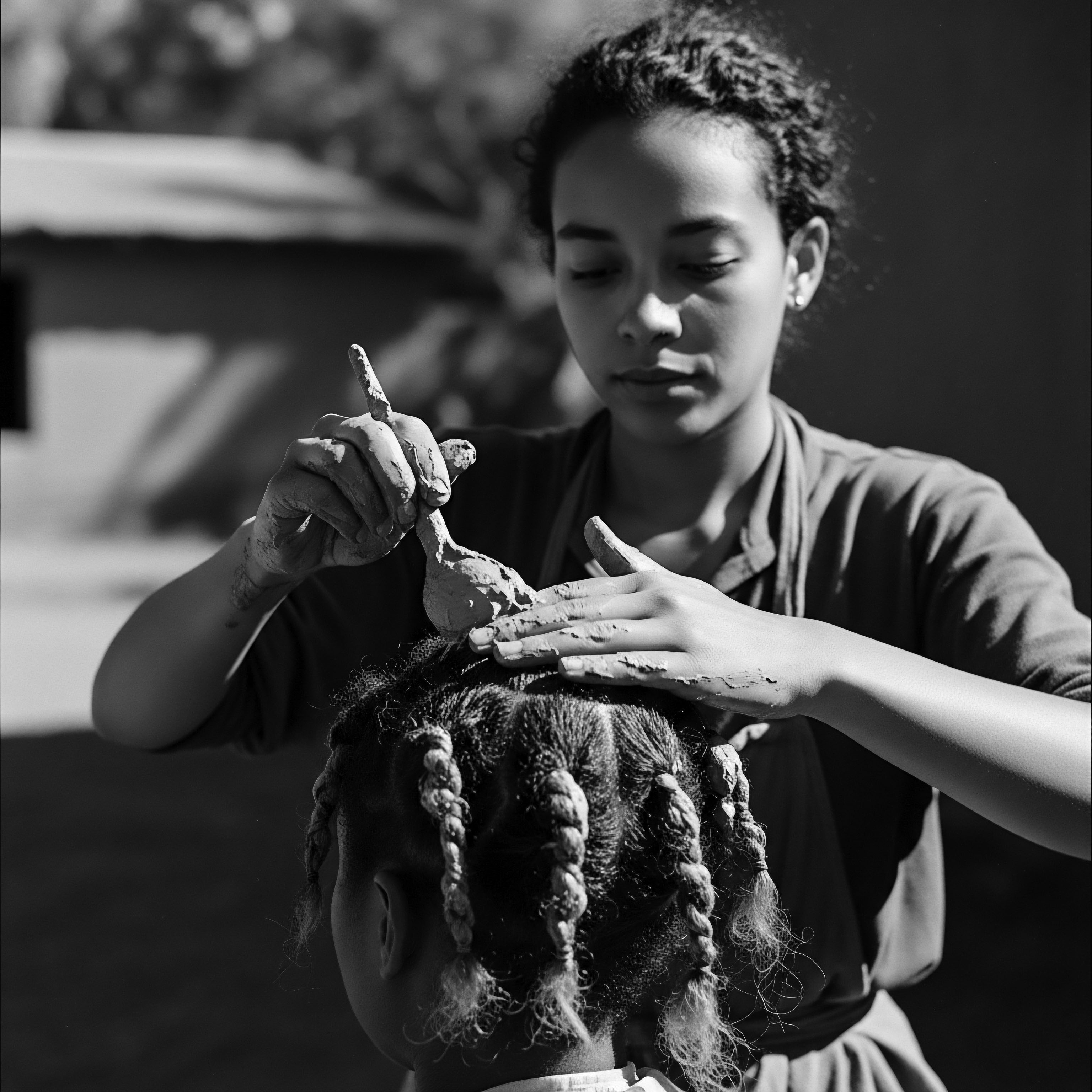
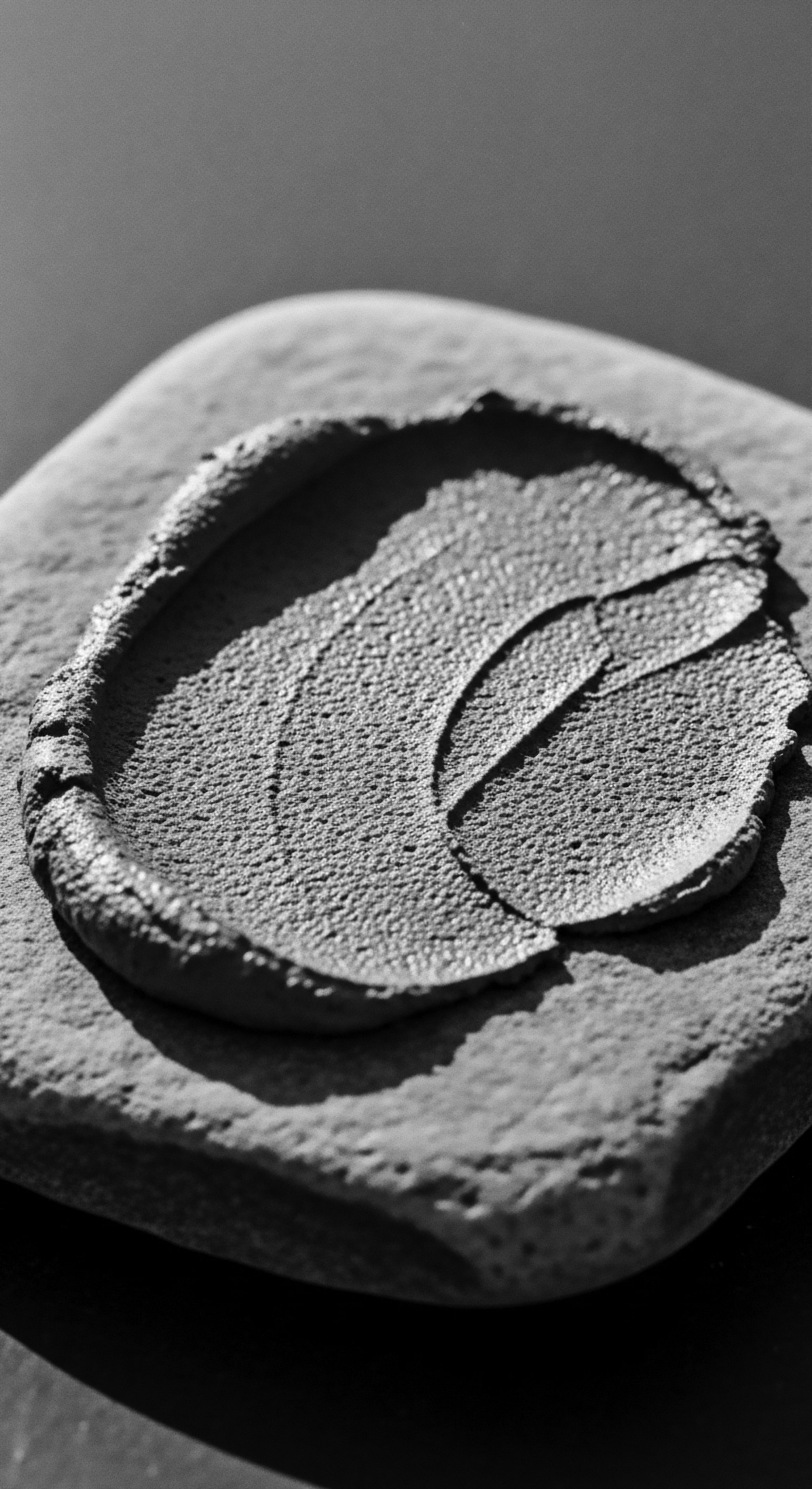
Can clay truly cleanse textured scalps?
Yes, clay deeply cleanses textured scalps by drawing impurities from hair and scalp, a practice rooted in ancestral heritage.
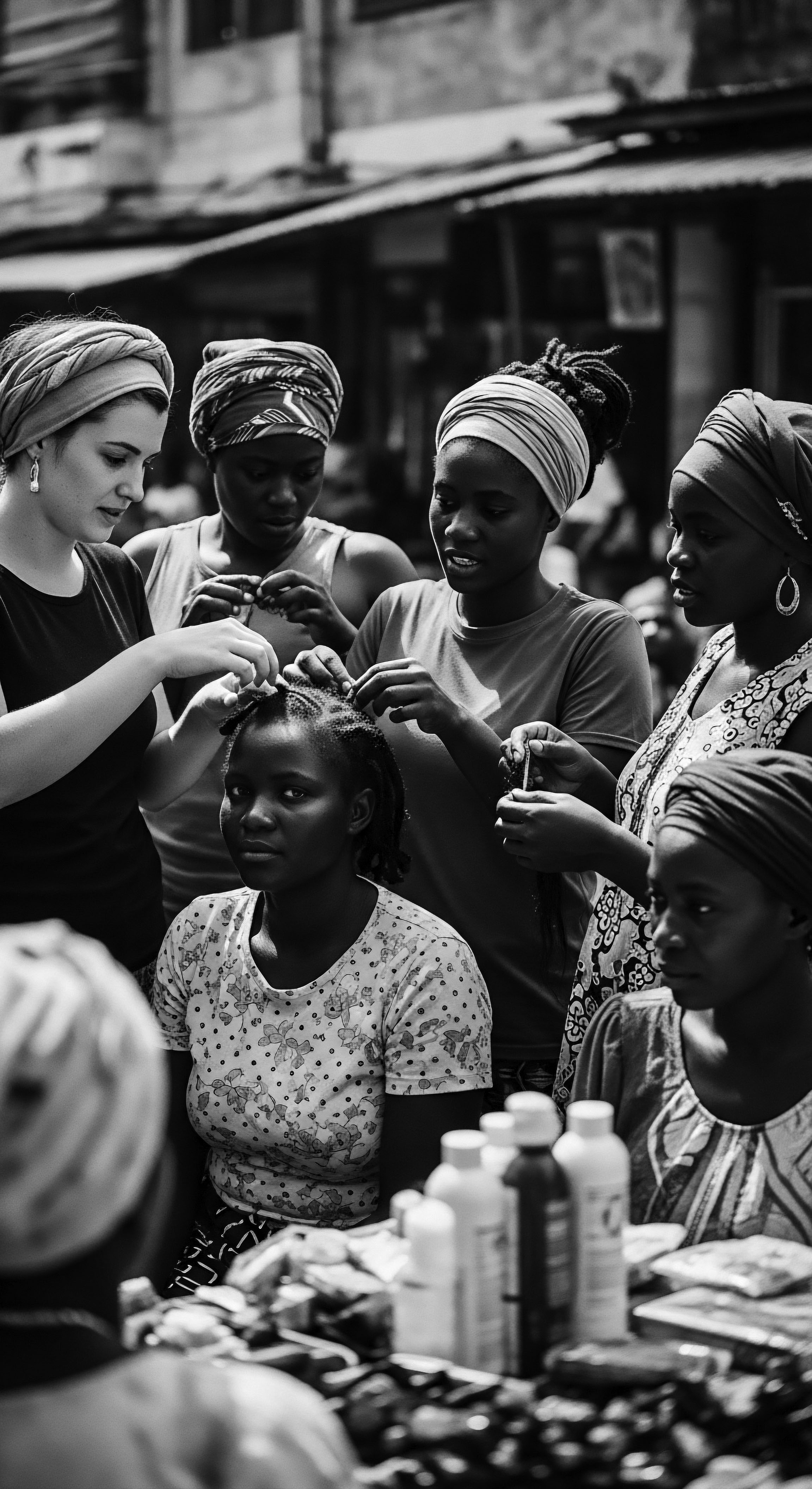
How did African communities preserve hair care heritage?
African communities preserved textured hair heritage through ancestral wisdom, utilizing natural resources and symbolic styling to maintain health and convey identity.
Can Ghassoul clay address common textured hair concerns like dryness and breakage?
Ghassoul clay, a legacy from North Africa, gently cleanses and conditions textured hair, honoring ancestral wisdom while addressing dryness and breakage.
Can clay cleansing enhance textured hair’s natural curl definition?
Clay cleansing, rooted in ancient African rituals, enhances textured hair's natural curl definition by gently purifying and preserving essential moisture.
Why do protective styles honor textured hair heritage?
Protective styles honor textured hair heritage by preserving cultural identity, promoting hair health through ancestral wisdom, and embodying resilience.
Which Ghassoul minerals support textured hair strength?
Ghassoul minerals like silica and magnesium, cherished in North African traditions, support textured hair strength by enhancing elasticity and scalp health, reflecting enduring heritage wisdom.
In what ways did the Civil Rights period alter dermatological approaches to textured hair?
The Civil Rights period ushered in an era where dermatological care for textured hair began to align with its heritage and unique biology.
What is shea butter’s historical meaning for textured hair?
Shea butter holds ancient significance for textured hair, serving as a protective, nourishing balm deeply woven into African ancestral care and identity.
What ancestral rituals sustained textured hair resilience against environmental challenges?
Ancestral rituals preserved textured hair by employing natural emollients and protective styles, rooted deeply in heritage and communal wisdom.
In what ways does the use of clay for textured hair connect to cultural heritage and identity?
Clay's heritage in textured hair care links ancestral cleansing rituals to modern scientific understanding, shaping identity and self-reverence.
How can historical eating habits inform modern textured hair care?
Historical eating habits provide a deep heritage-based nutritional blueprint for modern textured hair care.
What historical ingredients offered moisture for textured hair?
Historical moisture for textured hair came from ancestral butters and oils like shea, coconut, and castor, rooted in deep heritage.
Which plant-based oils support textured hair health?
Plant-based oils like shea, castor, and jojoba have ancestral roots in moisturizing and protecting textured hair, supporting its cultural heritage.
What cultural significance did clay have for textured hair heritage?
Clay holds deep cultural value in textured hair heritage, cleansing, conditioning, and protecting strands across ancestral traditions.
Can ancient grains enhance textured hair resilience?
Ancient grains offer a rich heritage of nutrients that bolster textured hair's resilience through ancestral wisdom and biological support.
What ancient rituals affirm the power of textured hair heritage?
Ancient rituals affirm textured hair heritage through spiritual connection, communal identity, and profound resistance.
Can protective styles genuinely improve textured hair moisture retention and health?
Protective styles, rooted deeply in textured hair heritage, improve moisture retention and health by minimizing manipulation and environmental exposure.
How do traditional ingredients support nighttime hair care for textured hair?
Traditional ingredients nourish and protect textured hair at night, honoring ancestral care and preserving its heritage and vitality.
What plants aid textured hair moisture retention?
Plants rich in mucilage and emollients, like aloe, shea, and Ambunu, historically provide moisture retention for textured hair.
Why do people with textured hair cover it at night?
Covering textured hair at night, a practice steeped in heritage, protects delicate strands from friction and moisture loss, preserving style and health.
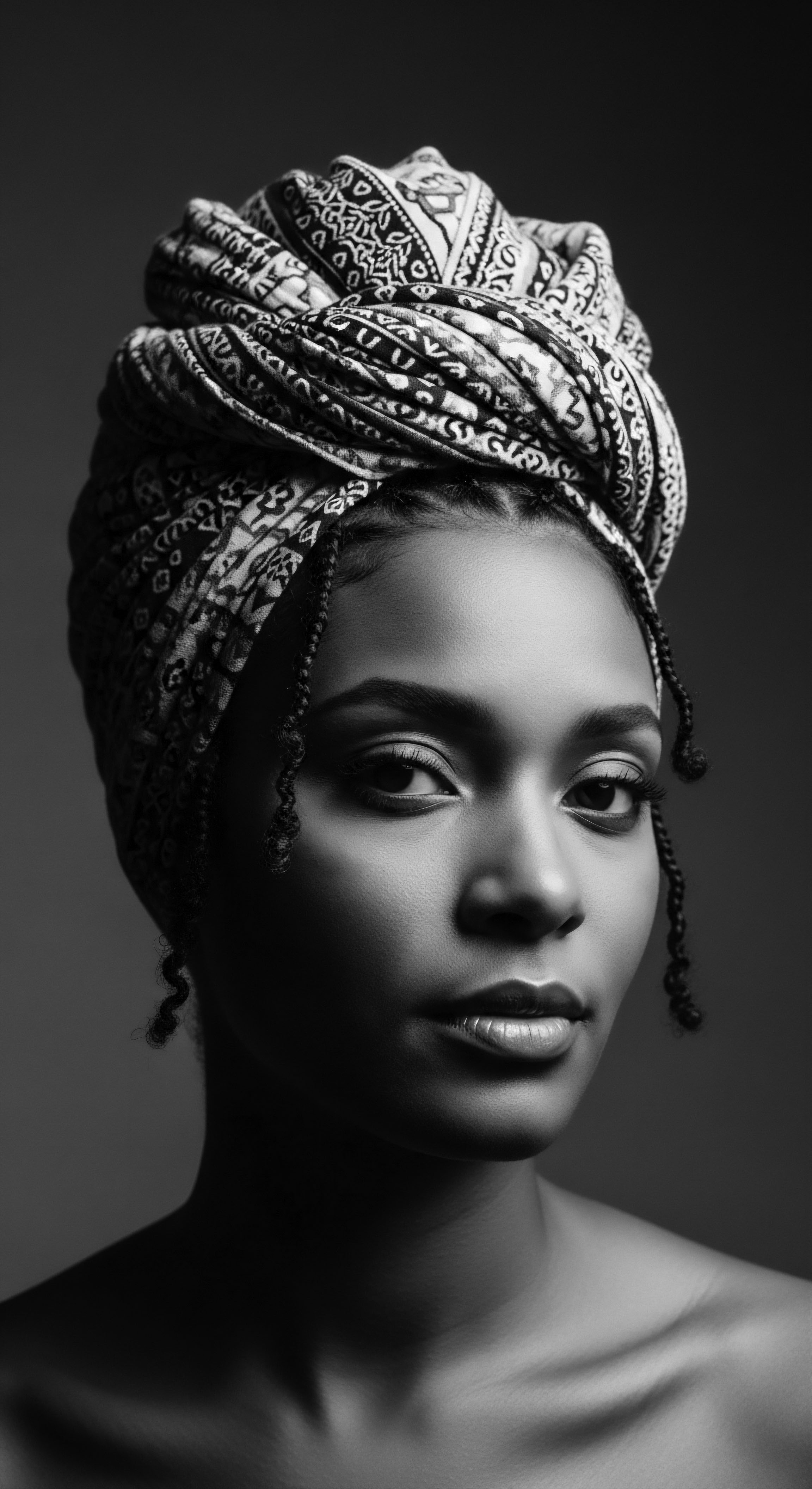
What traditional head coverings shield textured hair?
Traditional head coverings shield textured hair by protecting it from environmental stressors, retaining moisture, and serving as powerful cultural symbols of heritage.
How does textured hair’s structure relate to its symbolic strength?
Textured hair’s structure inherently provides volume and form, enabling diverse styles that historically symbolized resilience and cultural identity.
Camellia Sinensis Benefits
Meaning ❉ Camellia Sinensis offers a confluence of benefits for textured hair and scalp health, deeply rooted in ancestral wisdom and validated by science.
How do hair follicles affect textured hair?
Hair follicle shape dictates curl, influencing textured hair's heritage of specific care and styling traditions.