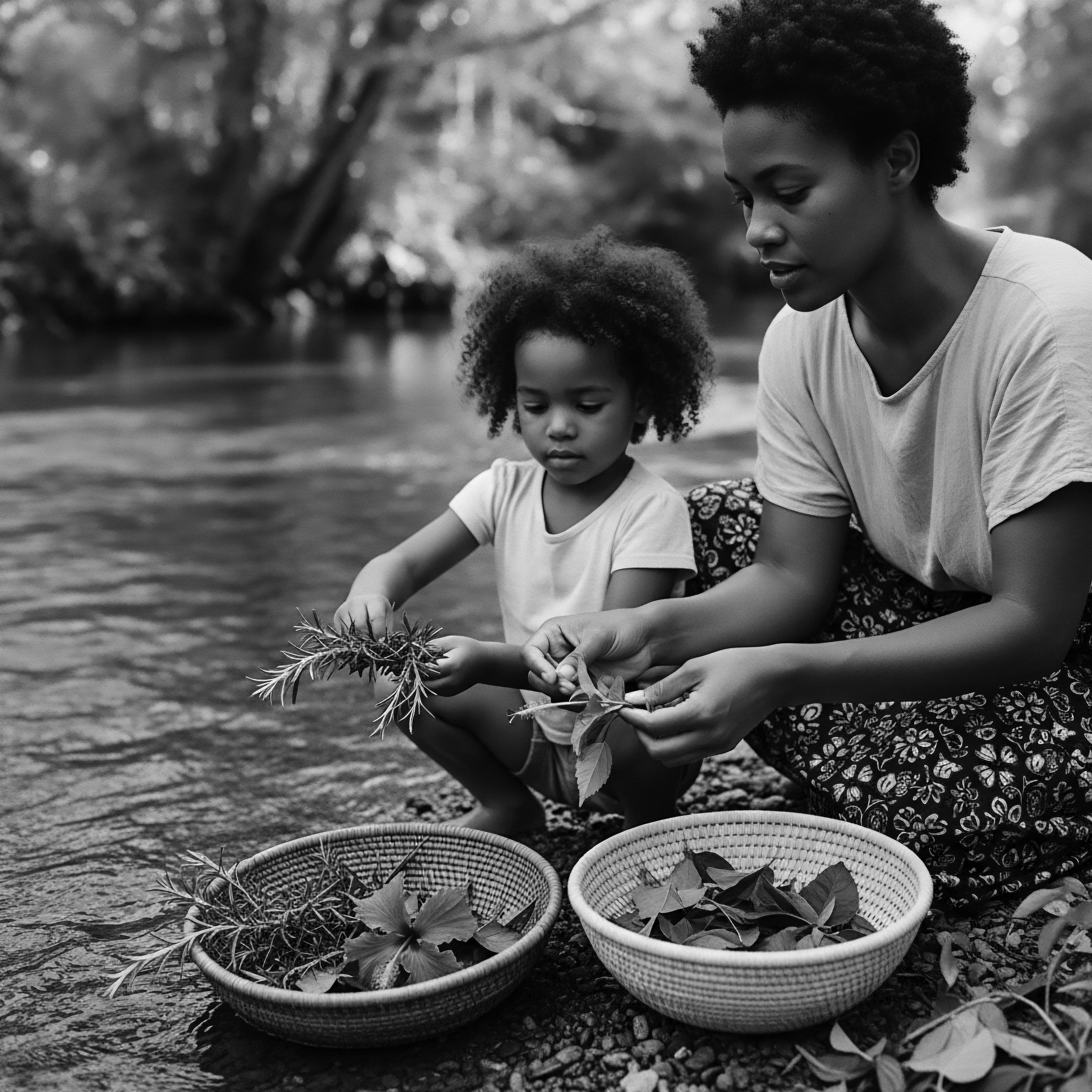
What ancient plant ingredients are found in modern textured hair products?
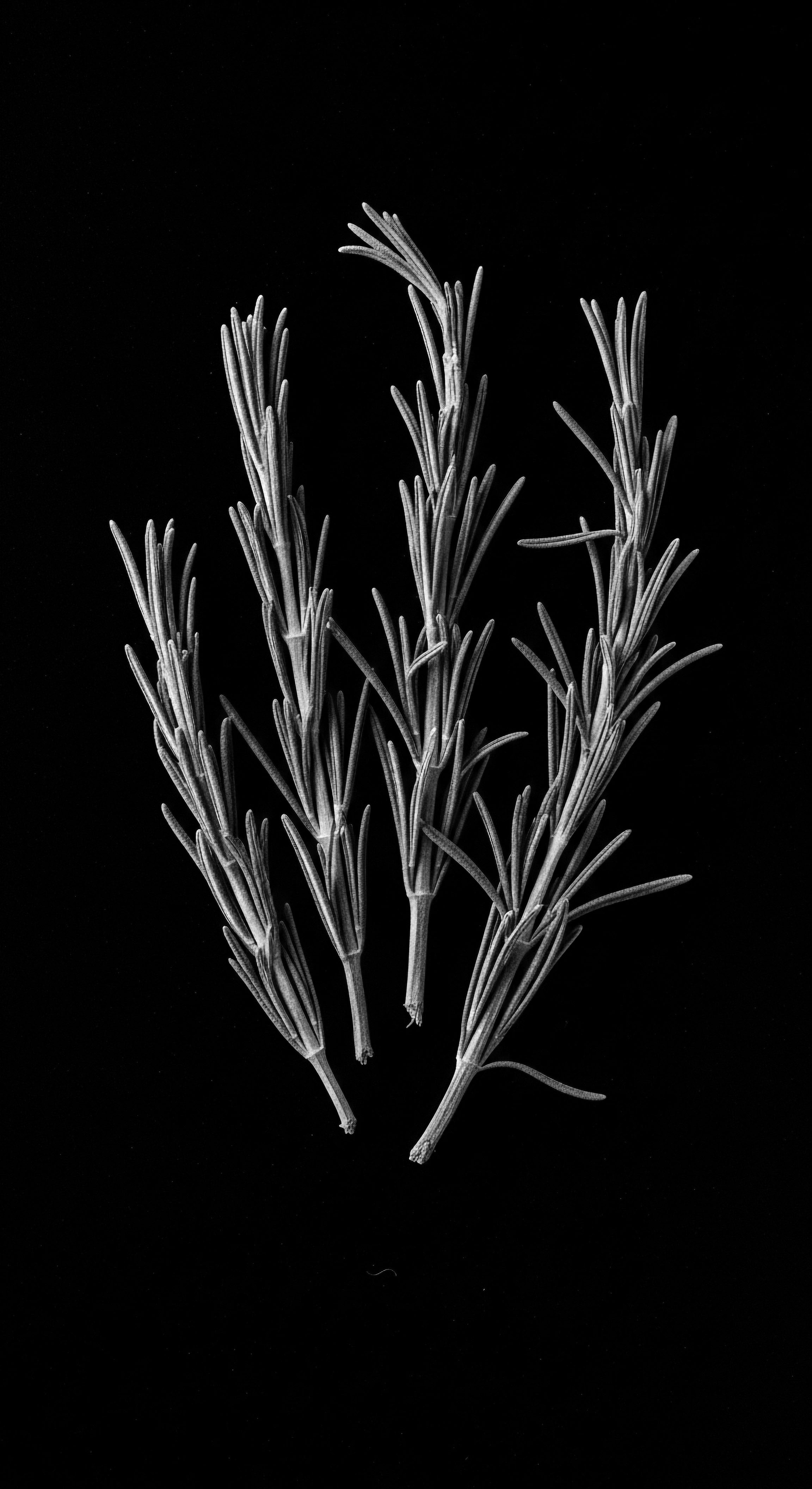
Modern textured hair products regularly feature ancient plant ingredients like shea butter, chebe, amla, and moringa, carrying forward centuries of heritage care.
In what ways did indigenous butters sustain textured hair during historical adversity?
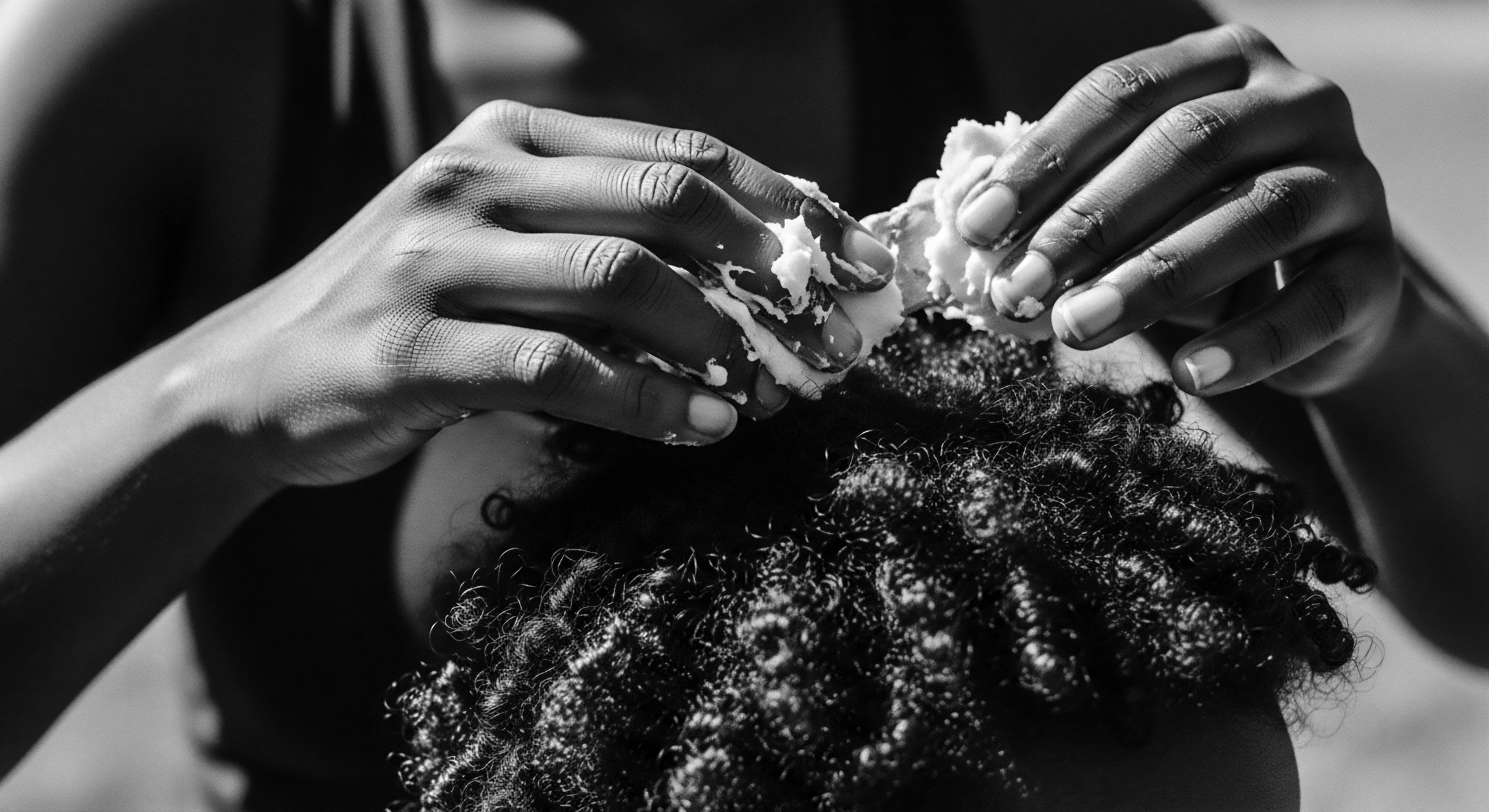
Indigenous butters provided critical moisture and protection for textured hair, reinforcing identity during times of adversity.
Tea Benefits Heritage
Meaning ❉ Tea Benefits Heritage explores the historical, cultural, and scientific legacy of botanical infusions for textured hair care rooted in ancestral wisdom.
What historical techniques defended textured hair from sun damage?
Ancestors used plant oils, intricate coverings, and protective styles to shield textured hair from sun, rooted in deep heritage.
What plant-based ingredients validate modern hair science for textured hair?
Plant-based ingredients like shea, coconut, aloe, and chebe powder validate modern hair science by showing ancestral wisdom.
What historical methods of hair protection resonate with current textured hair practices?
Historical hair protection for textured strands centers on ancestral wisdom, using natural methods for preservation and cultural expression.
What cultural practices ensured the passing of hair heritage knowledge?
Cultural practices like communal grooming and symbolic braiding ensured the vibrant passing of textured hair heritage knowledge.
What ingredients were historically used to protect textured hair?
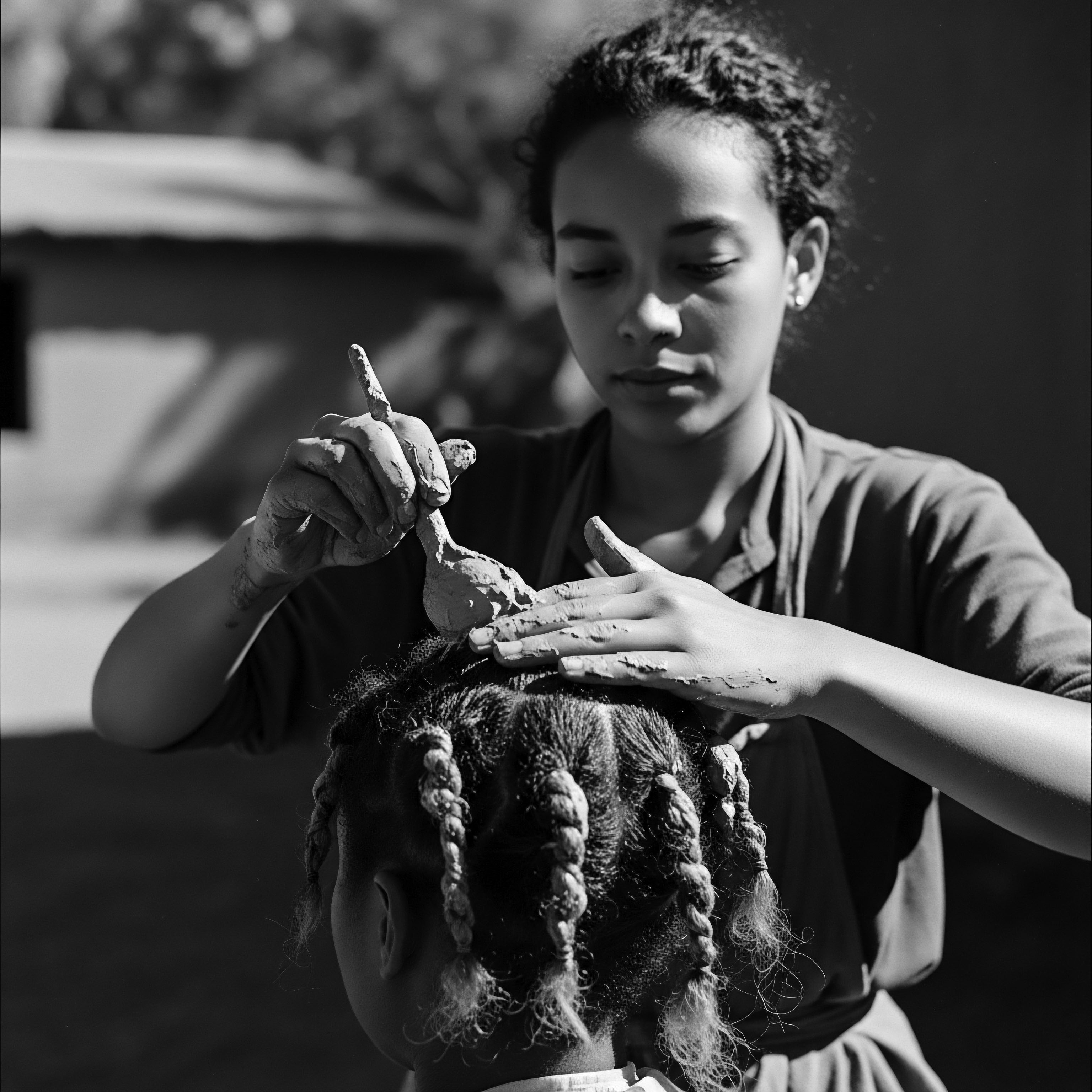
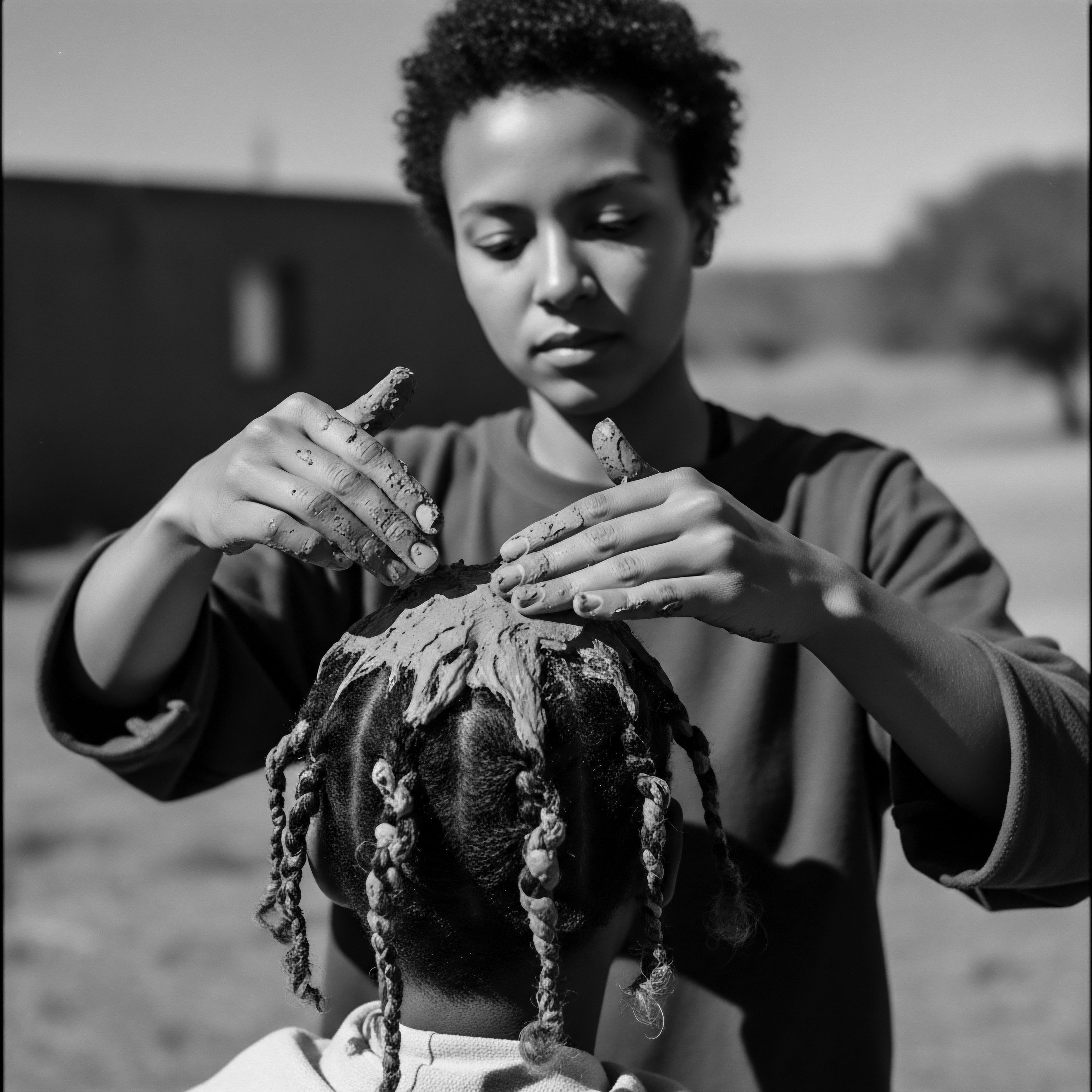
Historically, textured hair was protected using natural oils, butters, and clays, deeply embedded in cultural heritage and ancestral wisdom.
Community Survival
Meaning ❉ Community Survival in textured hair heritage defines the collective strength in preserving cultural identity and ancestral practices.
How does mucilage from ancestral plants help smooth textured hair?
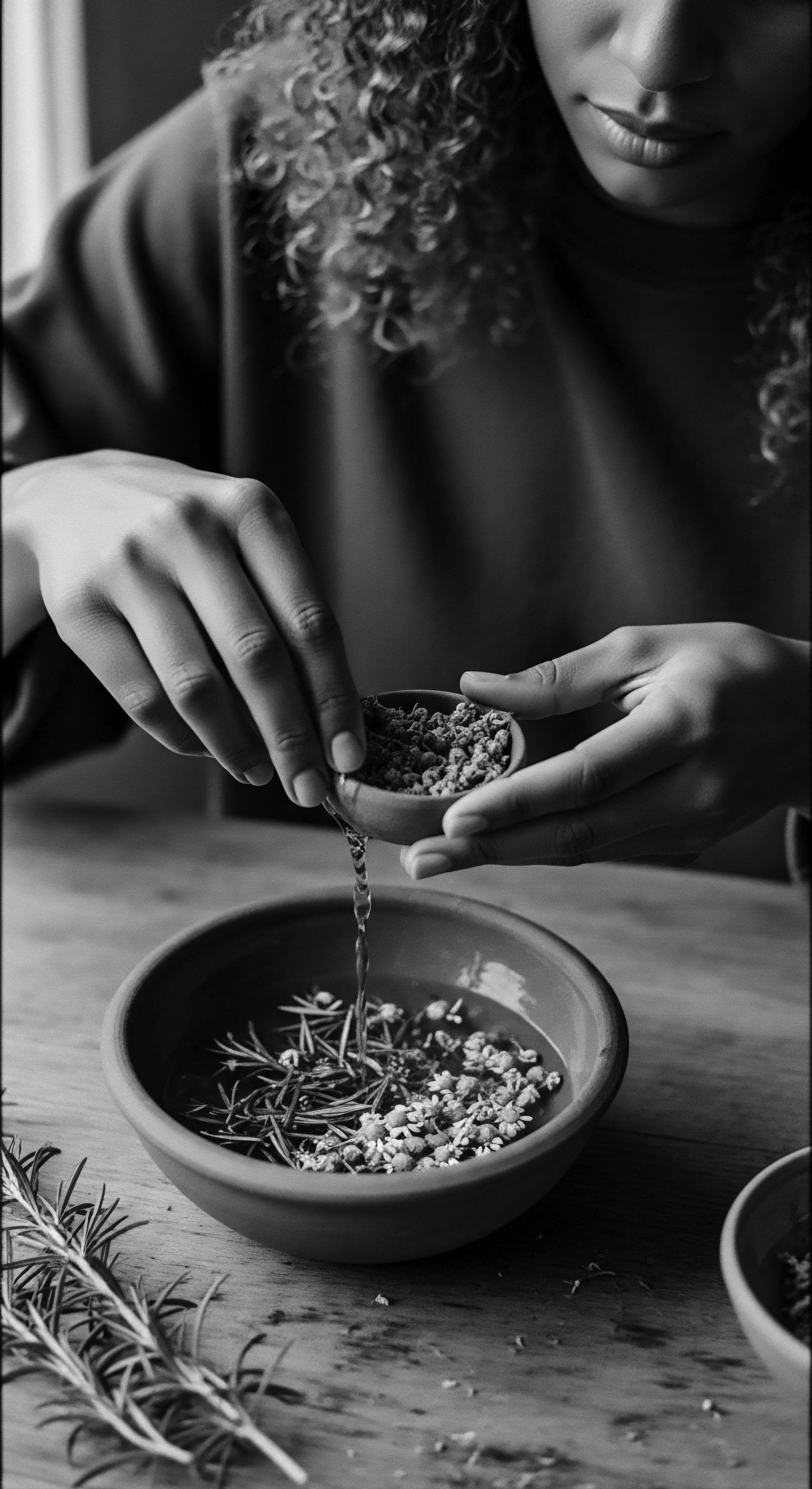
Ancestral plant mucilage smooths textured hair by forming a hydrating, protective film that eases cuticle lay and enhances slip, a timeless heritage practice.
Can rhassoul clay contribute to preserving textured hair’s moisture inherited through ancestral lines?
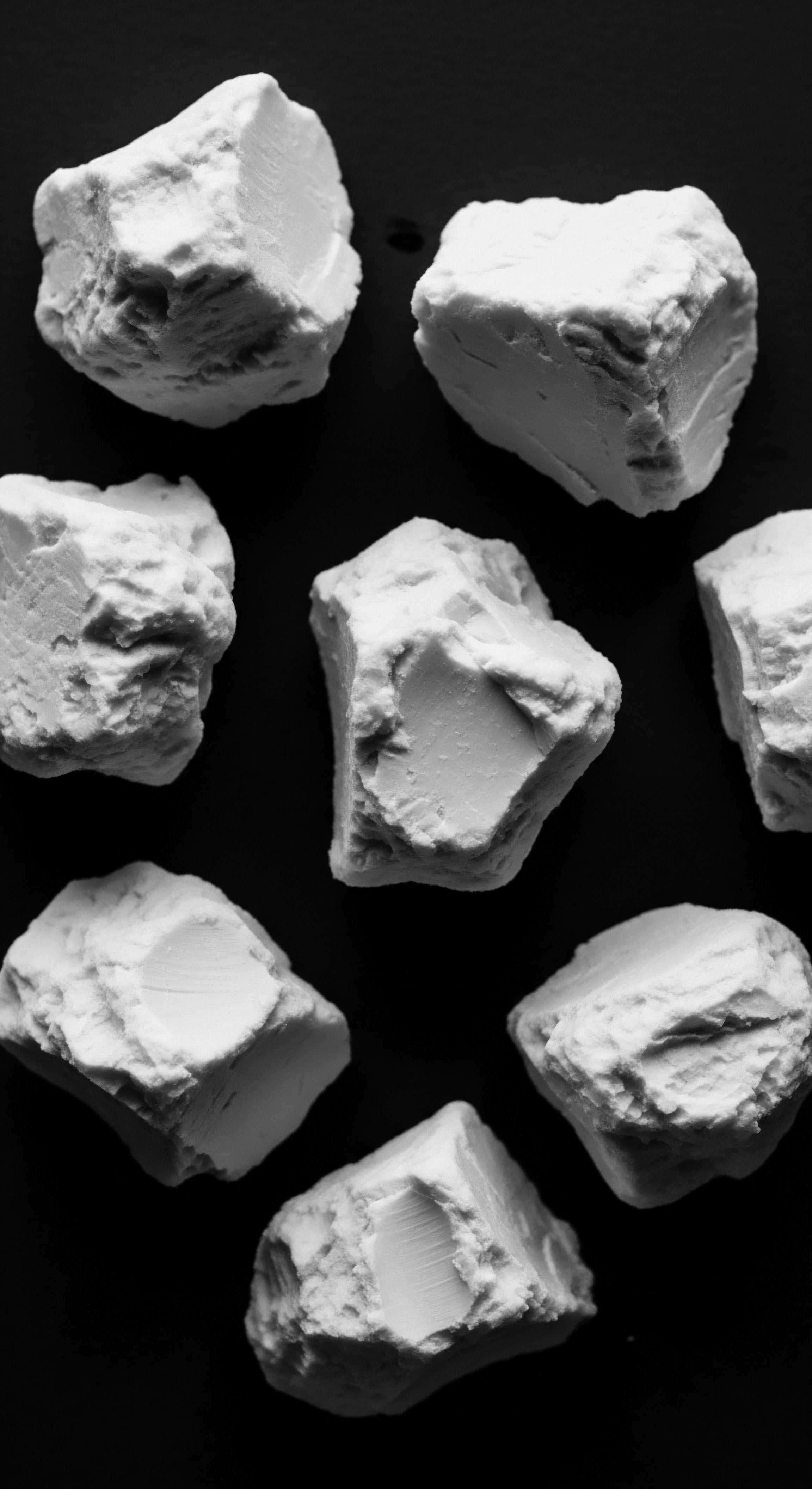
Rhassoul clay helps preserve textured hair's moisture by gently cleansing and conditioning, honoring ancestral hydration practices.
How did ancient practices reflect textured hair’s biology?
Ancient practices adapted to textured hair's biology by emphasizing hydration and protection, a heritage of insightful care.
Scalp Health Tools
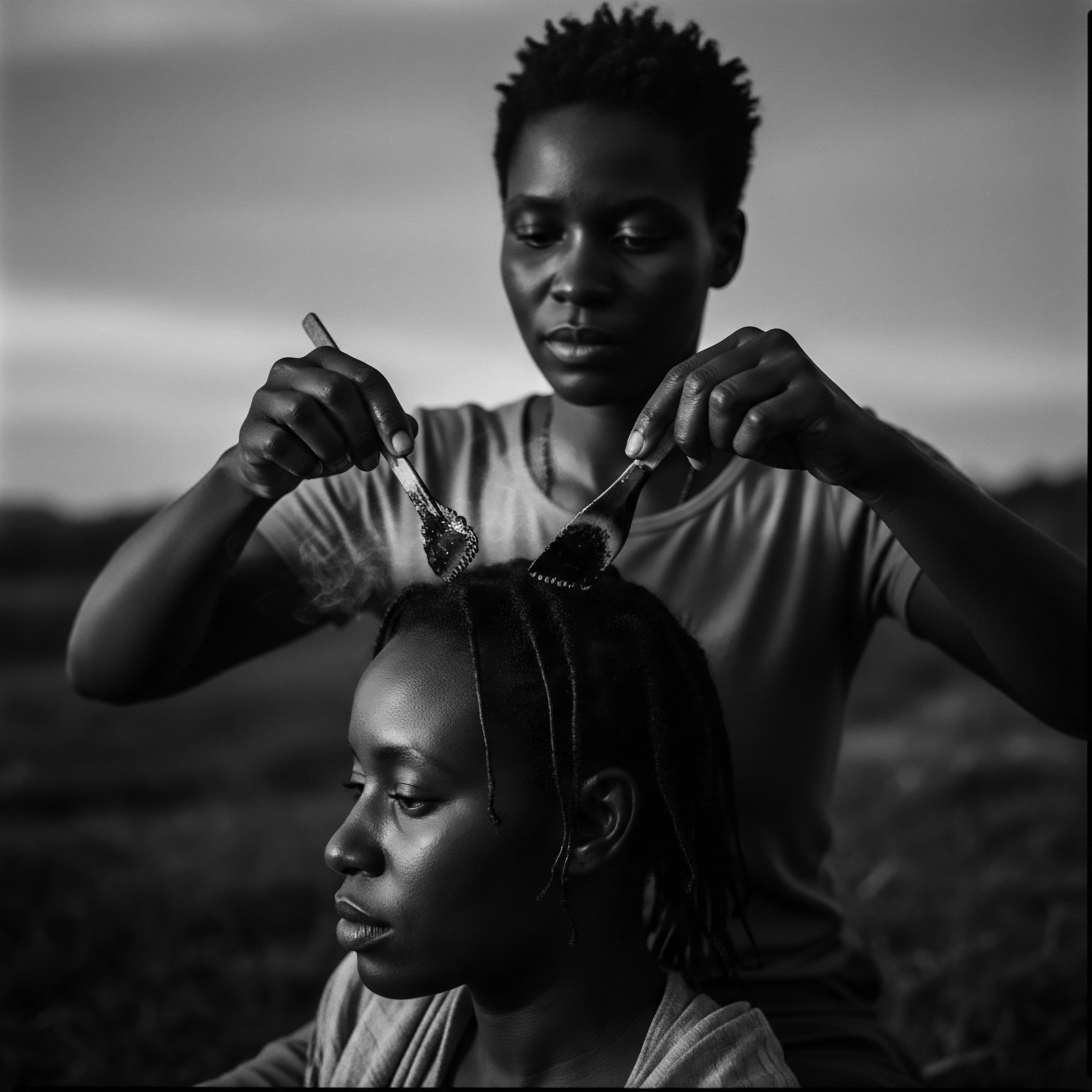
Meaning ❉ Scalp health tools are essential implements and practices, rooted deeply in ancestral wisdom, that nourish and protect the scalp for textured hair vitality.
Could historical food scarcity influence modern textured hair?
Historical food scarcity likely contributed to present-day textured hair characteristics, echoing ancestral nutrition through generations.
What historical cleansing methods compare to rhassoul clay’s action on textured hair?
Rhassoul clay cleanses textured hair by absorbing impurities, mirroring historical methods that honored delicate strands.
What ancestral knowledge validates the botanicals in textured hair products?
Ancestral knowledge validates botanicals in textured hair products through centuries of proven use, cultural reverence, and an intuitive understanding of nature's potent remedies for hair vitality.
Ayilo Clay
Meaning ❉ Ayilo Clay is a kaolin-based earth, deeply rooted in West African heritage, traditionally used for gentle cleansing and nurturing of textured hair.
Do traditional African protective styles benefit textured hair today?
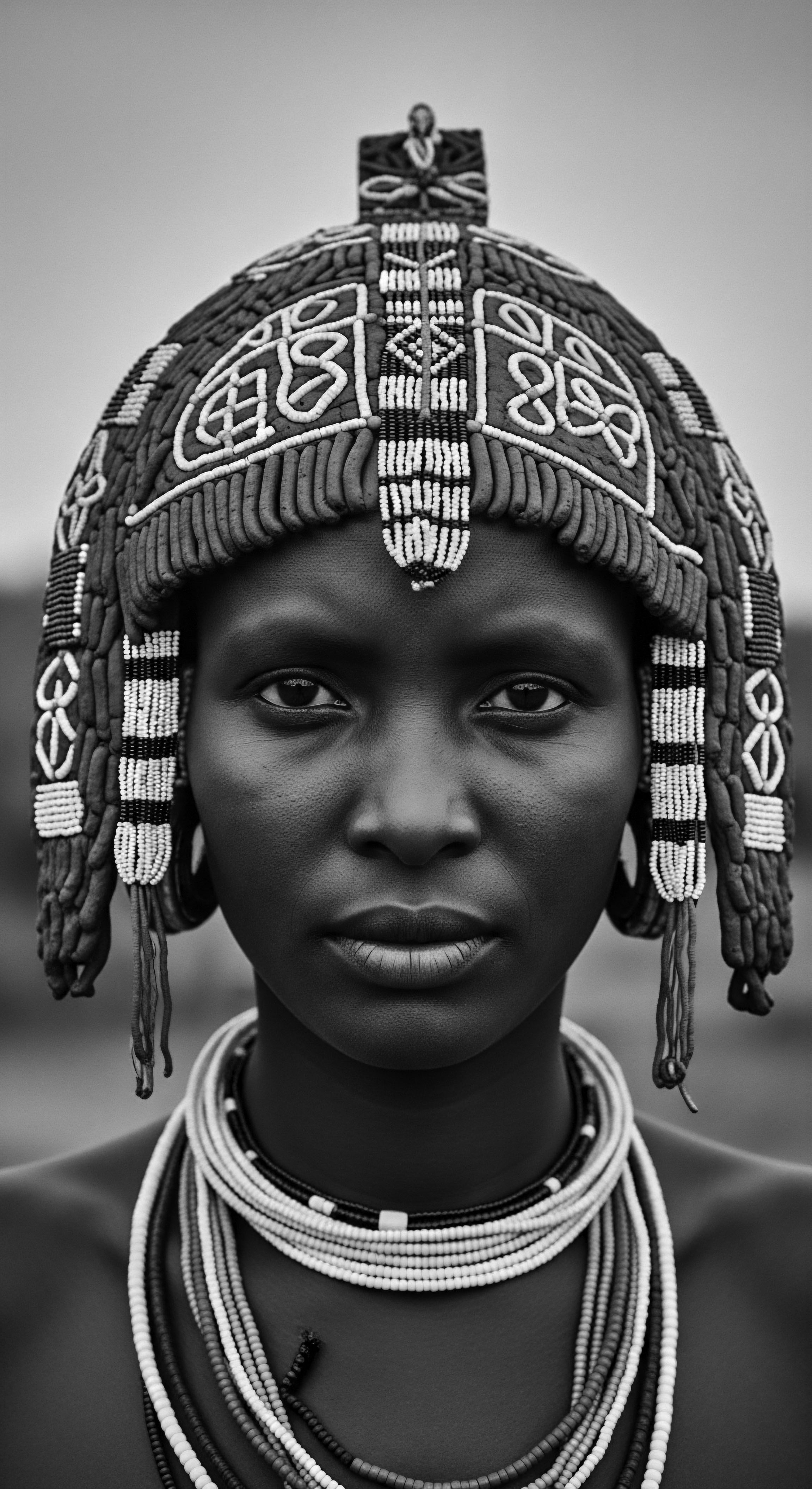
Traditional African protective styles offer enduring benefits to textured hair by honoring ancestral wisdom and unique hair biology.
In what ways did communal hair rituals strengthen Black heritage?
Communal hair rituals solidified Black heritage by fostering collective identity, transmitting ancestral knowledge, and providing spaces for cultural preservation.
Which traditional botanicals nourish textured hair?
Traditional botanicals from ancestral practices deeply nourish textured hair, reflecting a rich heritage of care and resilience.
Natural Hair Prioritization
Meaning ❉ Natural Hair Prioritization honors textured hair's inherent structure and beauty, re-centering ancestral wisdom and cultural identity.
Can the nutritional wisdom of African heritage diets reverse modern hair challenges?
African heritage diets offer a blueprint for reversing modern hair challenges through nutrient-rich, traditional foodways that align with textured hair biology.
What historical examples show the resilience of textured hair care?
Historical examples illuminate how textured hair care, from ancient protective styles to natural ingredient use, has consistently embodied cultural preservation and self-affirmation.
How do ancestral traditions inform current textured hair moisture science?
Ancestral wisdom profoundly informs current textured hair moisture science, recognizing and addressing hydration needs through deep heritage practices.
What cultural heritage aspects influence oiling practices for textured hair?
Oiling practices for textured hair are deeply influenced by ancestral wisdom, reflecting a historical understanding of hair's unique needs and cultural significance.
What is the biological basis for textured hair’s natural dryness?
Textured hair's dryness stems from its coil shape hindering sebum travel and its cuticle structure affecting moisture retention, a biological reality long understood and addressed by ancestral care.
How did textured hair traditions endure historical oppression and shape modern selfhood?
Textured hair traditions endured by serving as defiant symbols of heritage, fostering communal bonds, and continually adapting to shape modern selfhood.
How do traditional African beauty rituals inform contemporary textured hair care?
Traditional African beauty rituals inform contemporary textured hair care through ancestral wisdom, ingredient use, and protective styling.
Can understanding ancient grains deepen connection to textured hair heritage?
Understanding ancient grains reveals a profound connection to textured hair heritage through ancestral diets and traditional practices.