Scientific insights confirm traditional plant-based hair care for textured hair by validating ancestral practices that fortify strands, hydrate, and maintain scalp health.
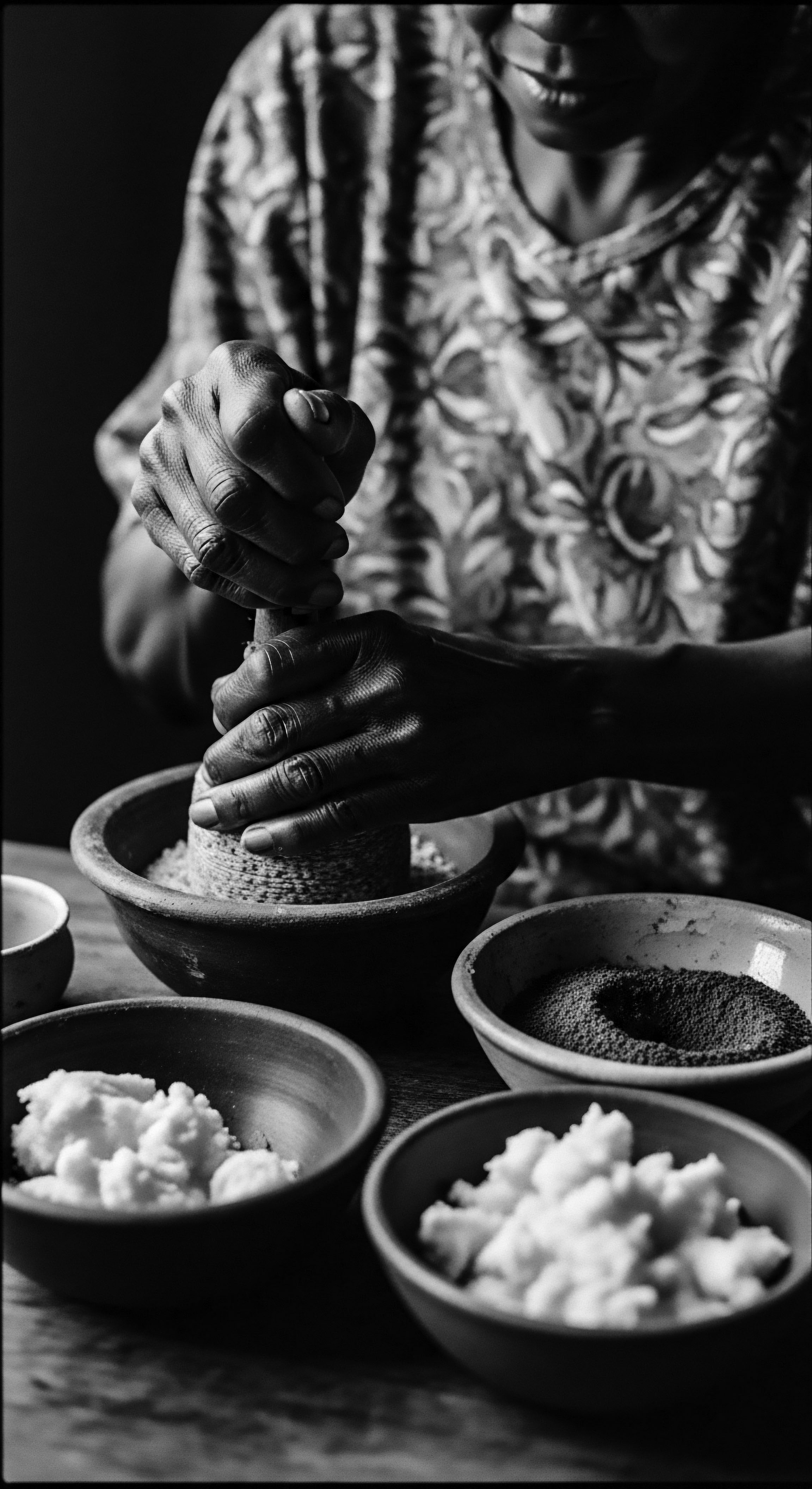
Traditional African ingredients, steeped in heritage, provide essential nourishment and protection for textured hair, fostering its health and length retention.
Modern science confirms ancient cleansing ingredients for textured hair offer gentle purification, respecting its natural moisture and supporting scalp health, honoring a legacy of ancestral wisdom.
Traditional plants cleanse textured hair through natural saponins and conditioning mucilage, a heritage practice honoring ancestral wisdom for gentle care.
Historical hair rituals for textured hair serve as a profound conduit, linking individuals to their cultural heritage through shared practices, ancestral wisdom, and expressions of identity.
Hair coverings in Black heritage embody layered cultural meanings, serving as symbols of identity, spiritual connection, protection for textured hair, and powerful acts of resistance.
Protective coverings for textured hair are a profound link to ancestral practices, symbolizing resilience, identity, and holistic care across generations.
African heritage shaped hair care traditions through ancient practices, communal rituals, and the deep understanding of textured hair's unique needs, creating a legacy of protective styling and natural ingredient use.
Scientific insights confirm that traditional African hair care practices align with the unique biological needs of textured hair, preserving its heritage.
Rhassoul clay connects to North African hair heritage through its historical use as a gentle cleanser and conditioner for textured hair, embodying ancestral wisdom.
Ancient protective styles preserved textured hair by minimizing manipulation, sealing moisture, and providing a physical shield, honoring ancestral heritage.
Historical hair rituals honored Black hair heritage by serving as profound expressions of identity, spirituality, and community within textured hair traditions.
Ancestral cleansing methods, rooted in natural ingredients and protective practices, offer a profound heritage-driven benefit for modern textured hair routines.
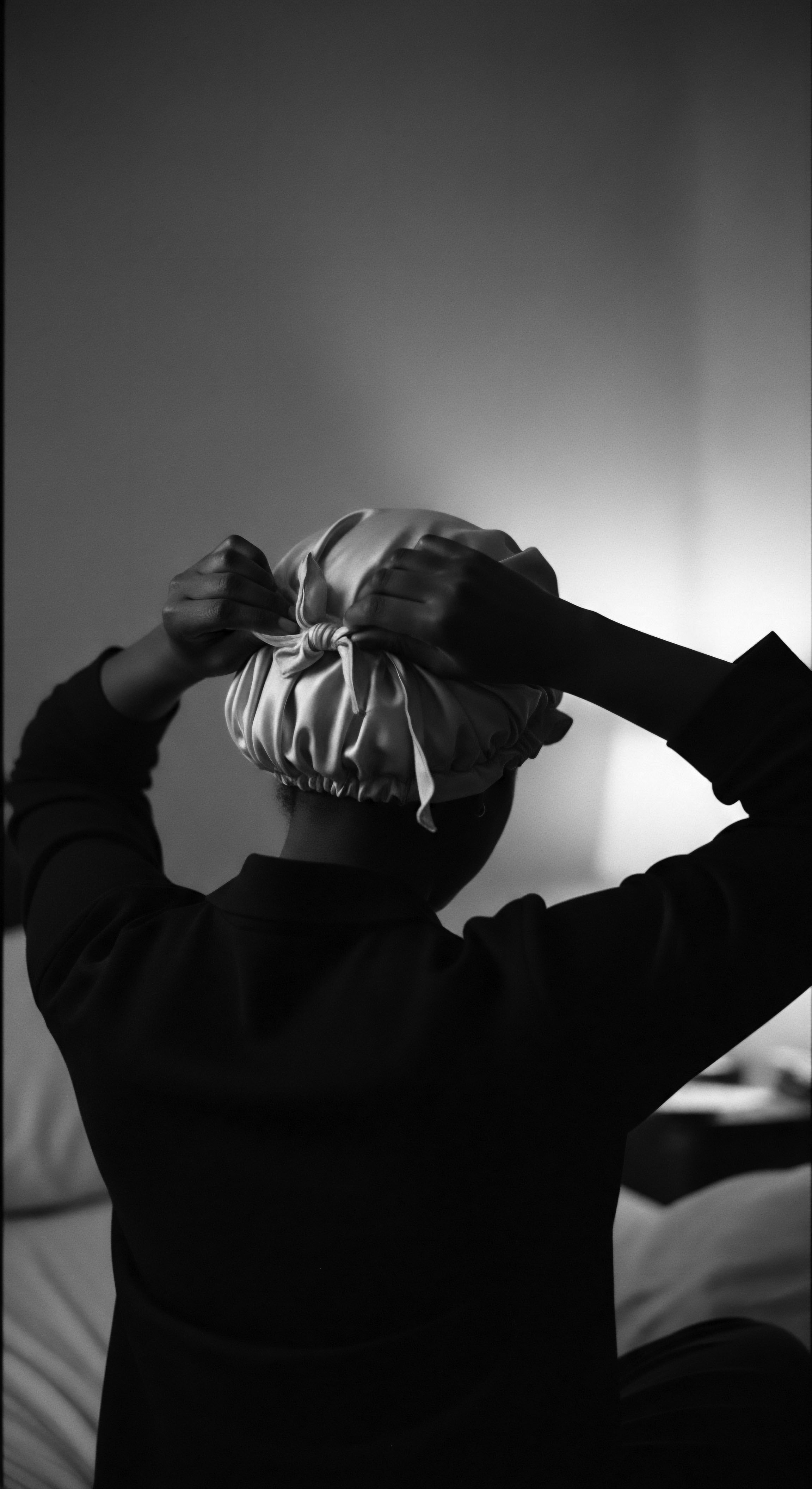
Protecting textured hair at night with silk or satin honors a heritage of care, preserving moisture and preventing damage rooted in ancestral wisdom and modern science.
Ancient hair rituals provide effective solutions for contemporary textured hair challenges by offering time-tested practices rooted in deep ancestral wisdom.
The heritage of natural hair movements traces back to ancient African reverence for hair as identity, surviving centuries of oppression to become a powerful reclamation of textured beauty.
Traditional ingredients like saponin-rich plants and mineral clays gently cleansed textured hair, honoring its unique heritage and ancestral practices.
Ancestral hair rituals profoundly shape modern textured hair care through inherited wisdom, protective styling, and natural ingredient use, honoring a rich cultural heritage.
Historical struggles, from forced identity erasure to systemic discrimination, shaped the profound need for textured hair protections rooted in ancestral resilience.
We use cookies to personalize content and marketing, and to analyze our traffic. This helps us maintain the quality of our free resources. Manage your preferences below.
This helps support our free resources through personalized marketing efforts and promotions.
Analytics cookies help us understand how visitors interact with our website, improving user experience and website performance.
Personalization cookies enable us to customize the content and features of our site based on your interactions, offering a more tailored experience.