Ancestral coverings preserved textured hair by offering physical protection from elements and friction, while also serving as cultural and spiritual symbols.
Traditional African cultures cleansed textured hair using natural botanicals and clays, emphasizing gentle care, moisture retention, and communal rituals rooted in heritage.
Ancestral hair rituals inform contemporary textured hair practices by offering foundational care principles and serving as enduring symbols of cultural identity.
Historical African hair rituals persist in contemporary care through enduring techniques, natural ingredient usage, and their profound connection to textured hair heritage and identity.
Modern understanding, through genetic and material science, substantiates the wisdom of traditional textured hair care practices and their cultural significance.
Historical methods shielded textured hair through ancestral protective styles, natural emollients, and cultural head coverings, preserving its inherent beauty.
Textured hair's biological definition stems from elliptical follicles and unique keratin structures, profoundly influencing its historical care and cultural heritage.
Historical cleansing agents for textured hair connect to broader cultural heritage through ancestral wisdom, communal rituals, and identity preservation.
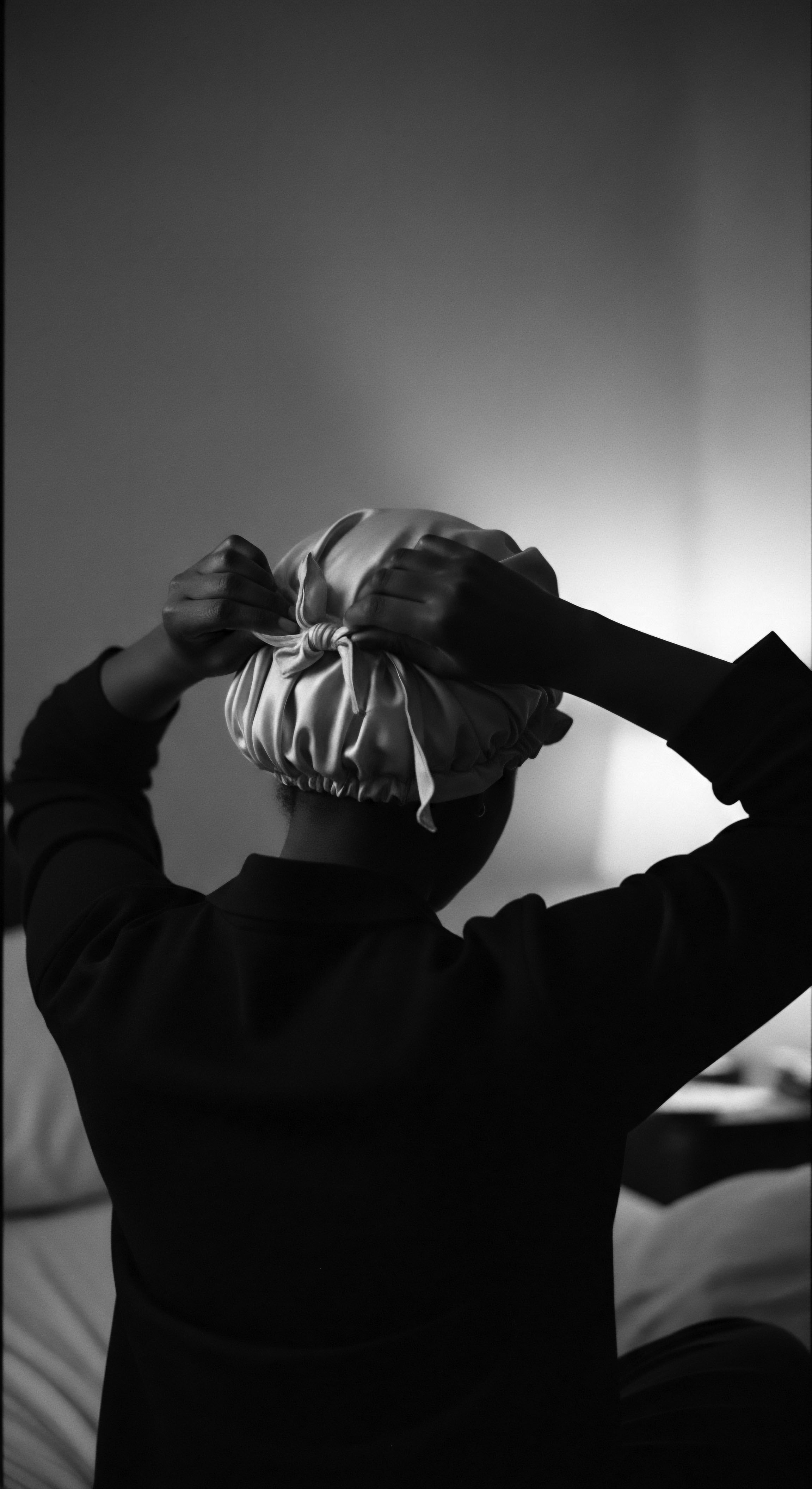
Historical overnight hair care practices, rooted in ancestral wisdom and resilience, deeply influence modern textured hair routines by emphasizing protection, moisture retention, and cultural identity.
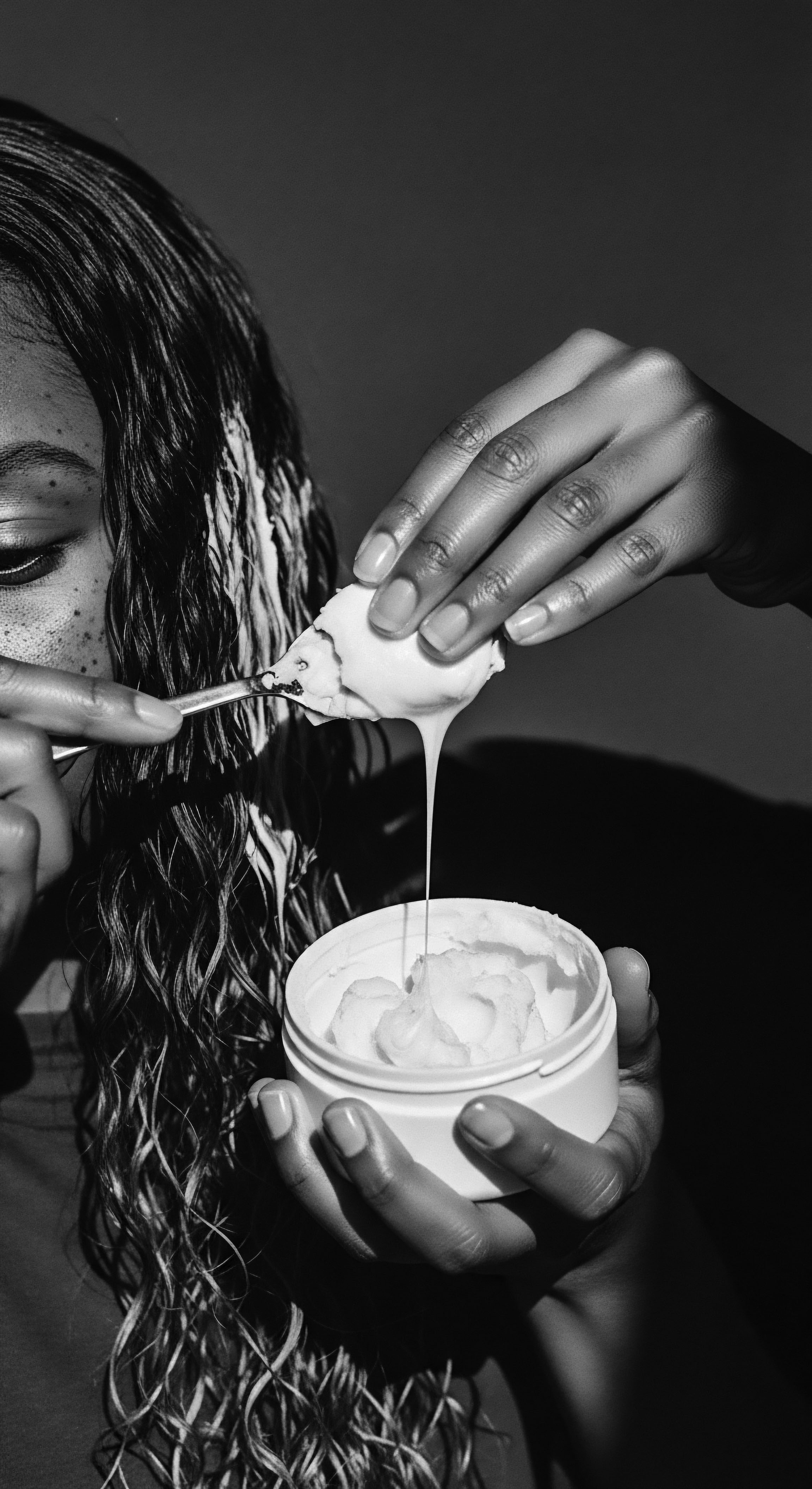
Historical plant remedies for Black hair moisture, like shea butter and castor oil, deeply hydrated and protected textured strands, embodying ancestral care.
Fermented rice water's historical use for textured hair is supported by its rich content of amino acids, vitamins, and antioxidants, which strengthen strands and honor ancestral care traditions.
The ancestral significance of textured hair practices lies in their role as a living chronicle of identity, social status, and resilience across Black and mixed-race heritage.
Traditional oils like shea butter, coconut, castor, jojoba, and olive oil moisturize coils by sealing in hydration, a practice deeply rooted in textured hair heritage.
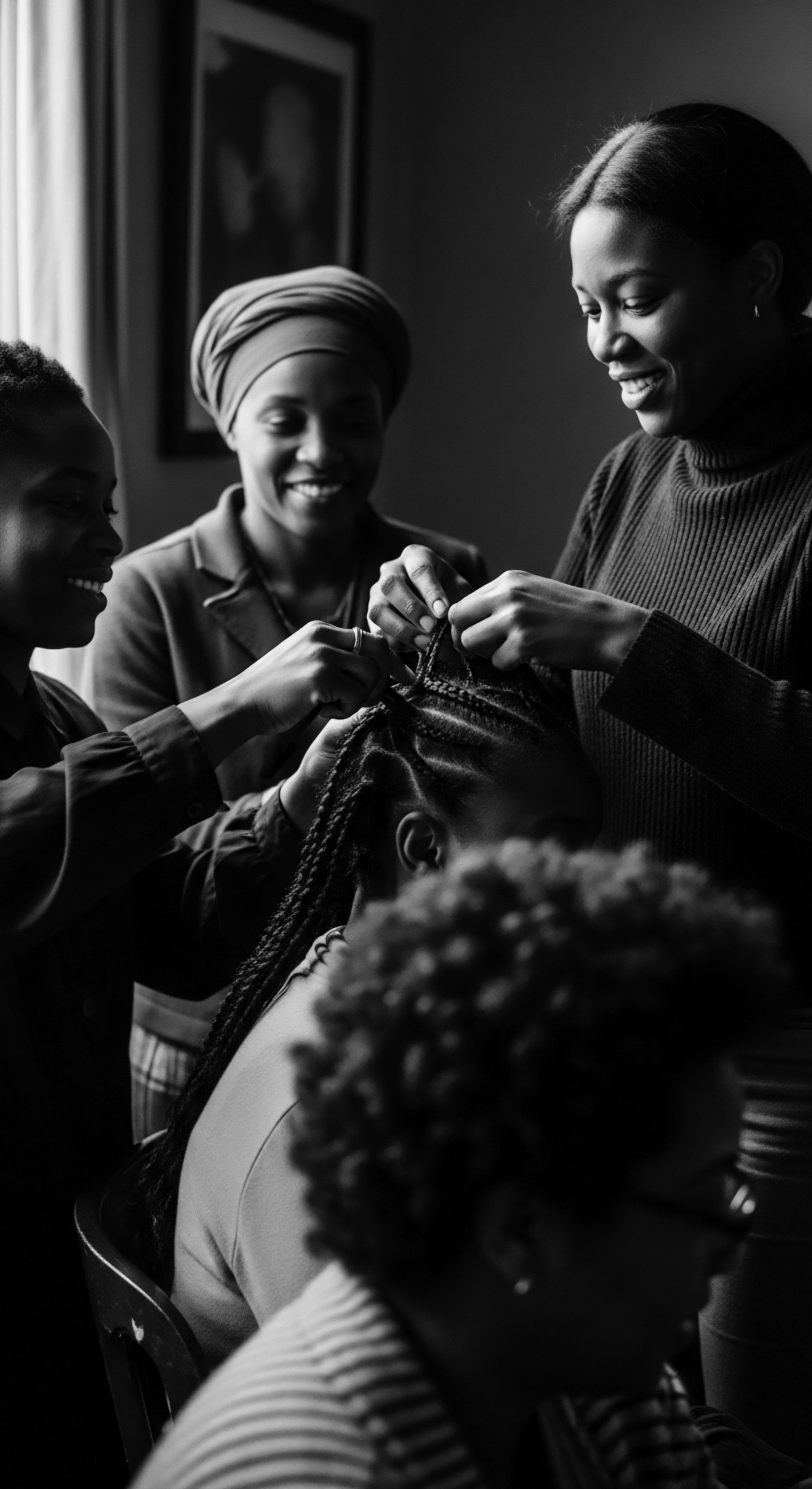
Traditional textured hair care rituals embody resilience by preserving cultural identity, serving as tools of resistance, and fostering community bonds across generations.
Ancestral hair coverings protected textured strands by shielding them from environmental damage, preserving moisture, and signifying cultural heritage.
Historical cleansing agents for textured hair often included natural clays, plant-based saponins, and herbal infusions, nourishing strands while honoring ancestral heritage.
Science reveals textured hair's unique properties stem from elliptical follicles and disulfide bonds, echoing ancestral care for its distinct heritage.
Traditional methods safeguarded textured hair through ancestral wisdom, protective styling, natural botanicals, and communal rituals, preserving heritage and health.
We use cookies to personalize content and marketing, and to analyze our traffic. This helps us maintain the quality of our free resources. Manage your preferences below.
This helps support our free resources through personalized marketing efforts and promotions.
Analytics cookies help us understand how visitors interact with our website, improving user experience and website performance.
Personalization cookies enable us to customize the content and features of our site based on your interactions, offering a more tailored experience.