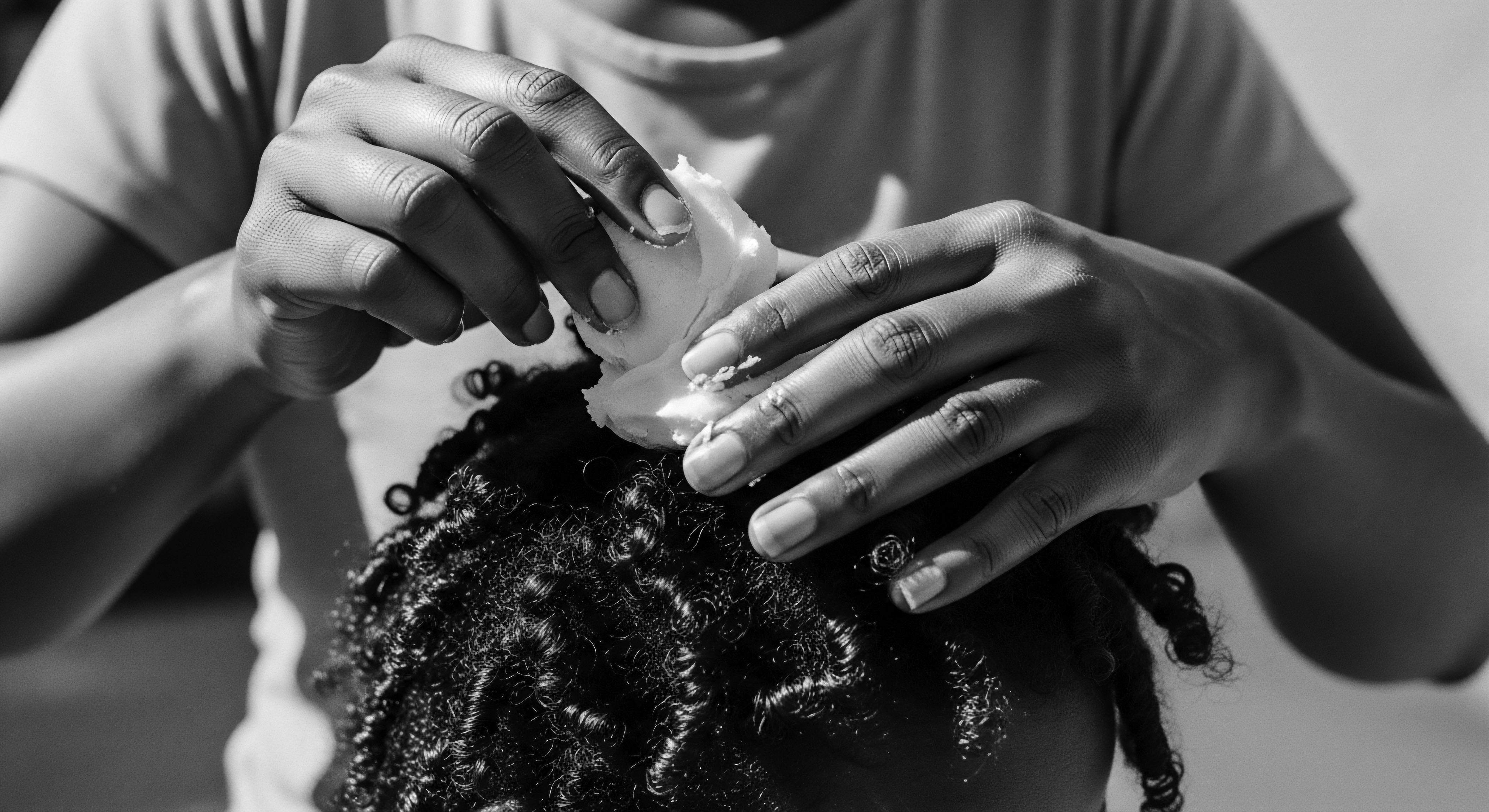
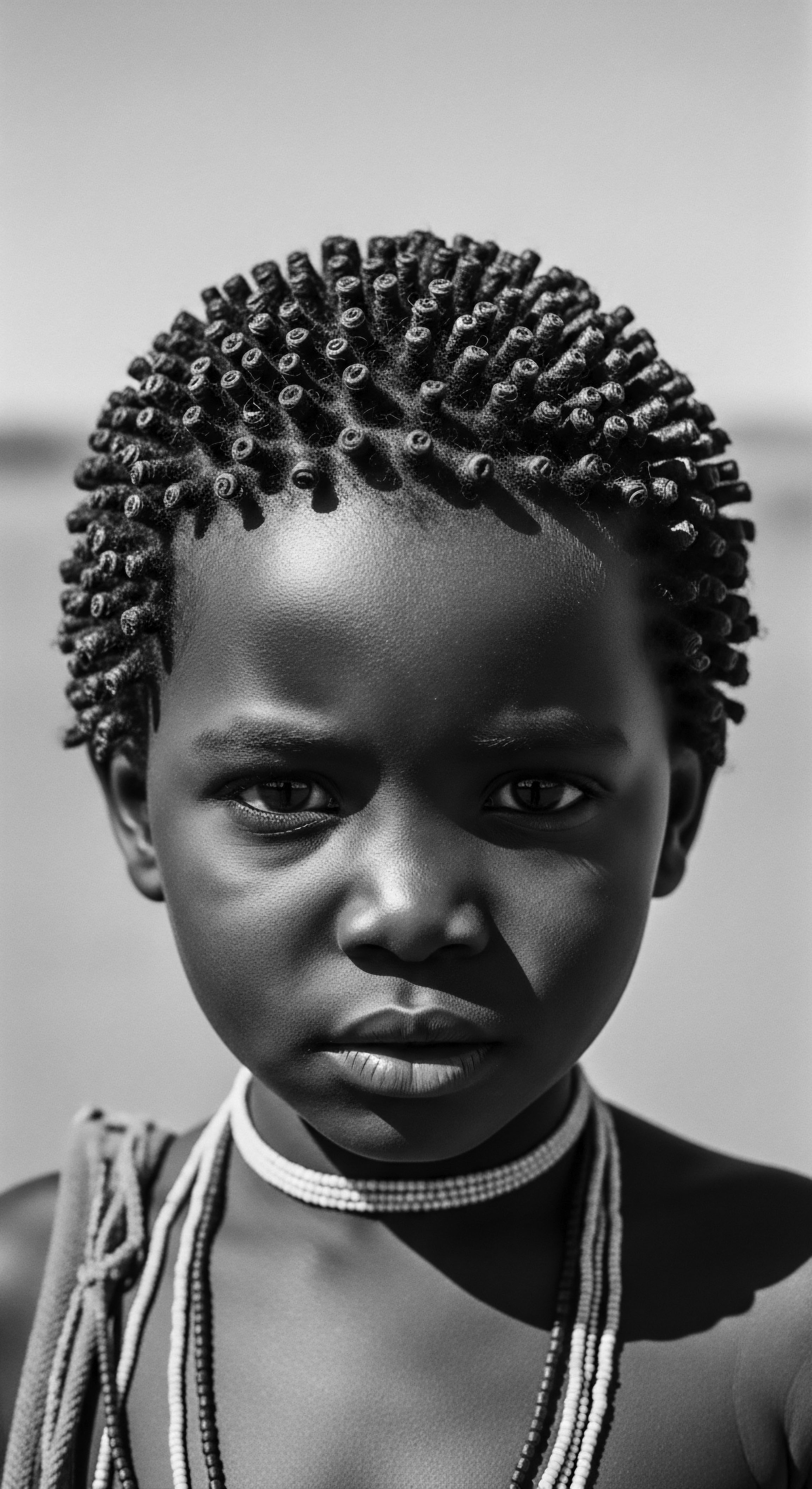
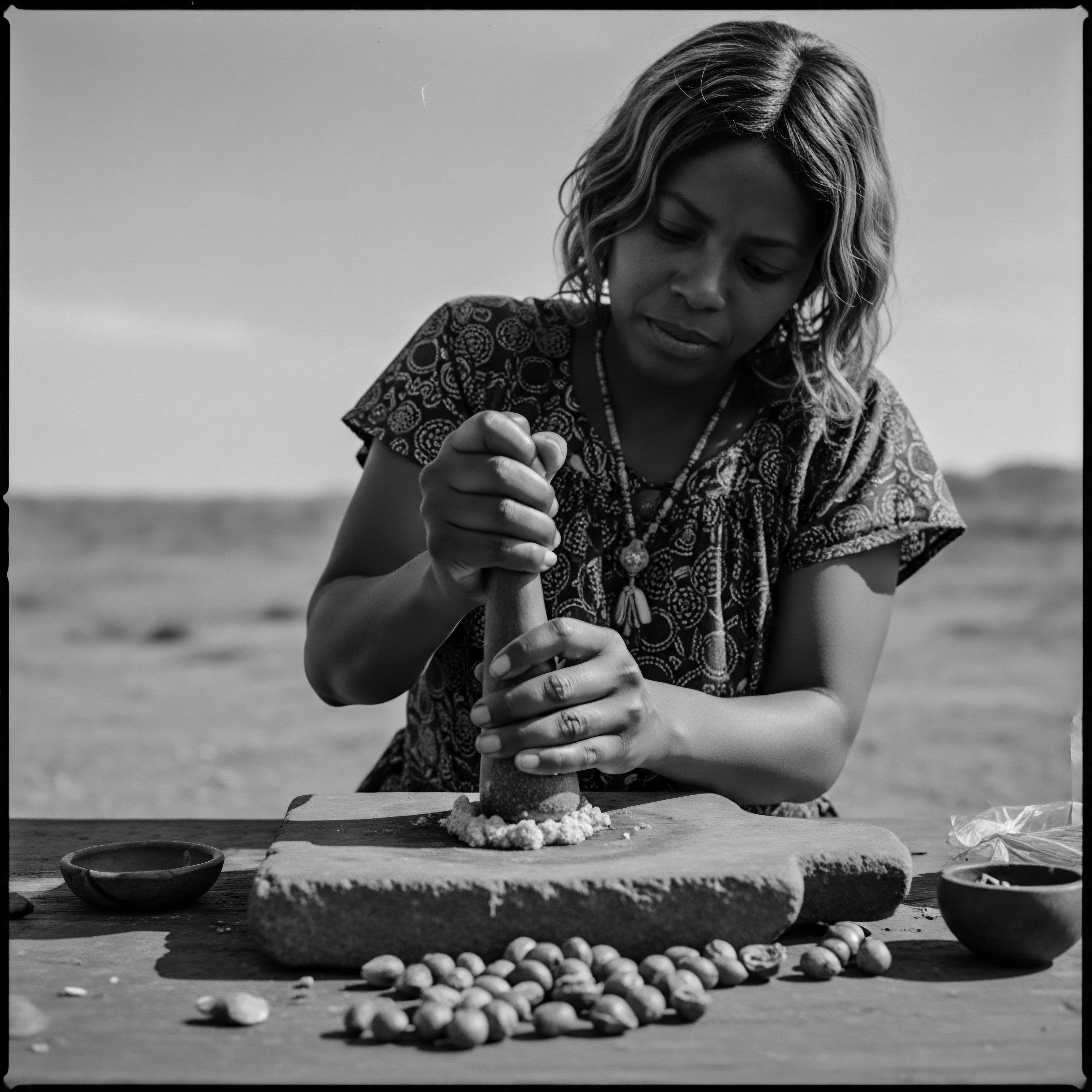
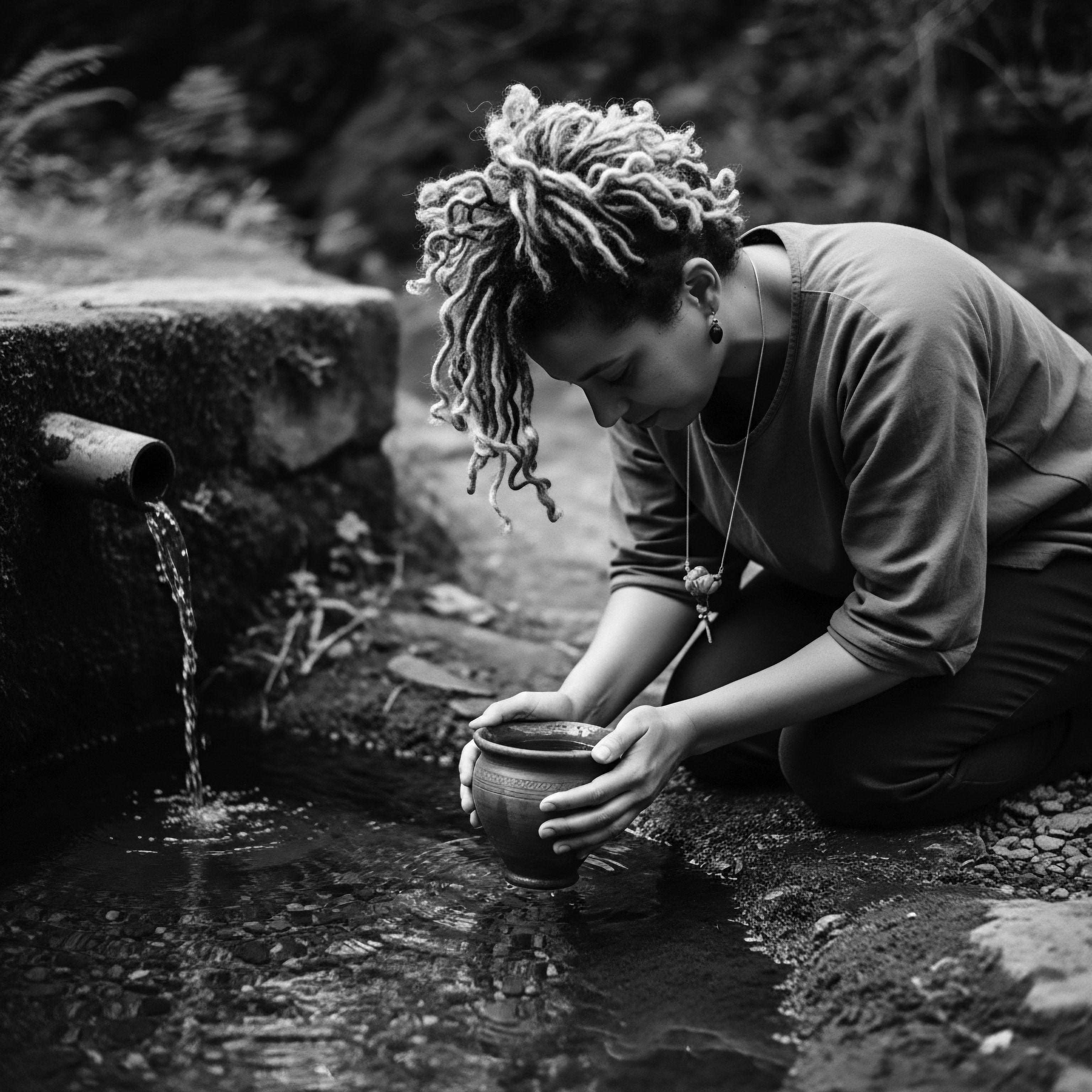
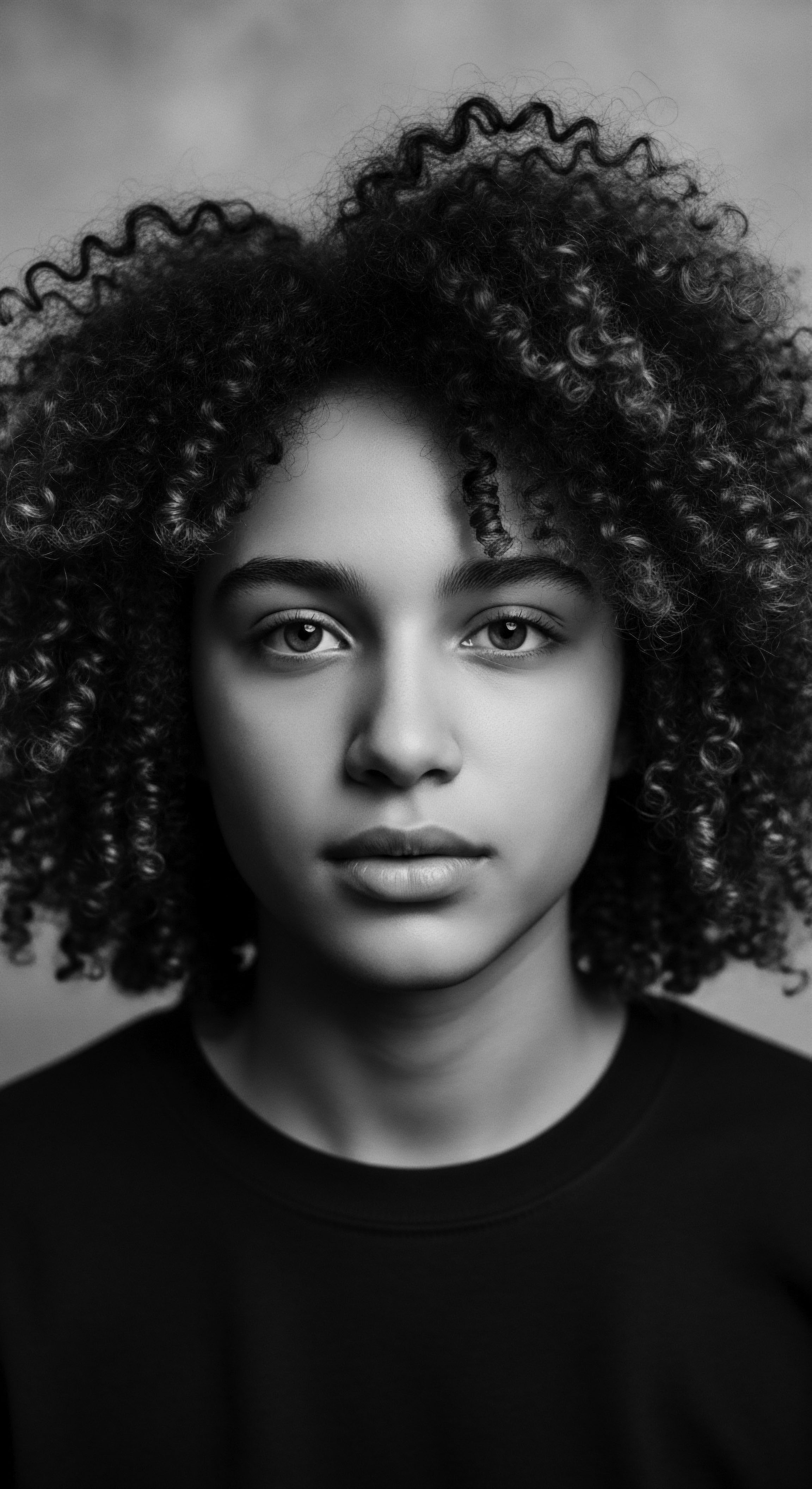
Traditional plant emollients like shea butter, cocoa butter, and Jamaican black castor oil were vital to Black hair moisture heritage, providing essential lubrication, protection, and cultural connection for textured hair.
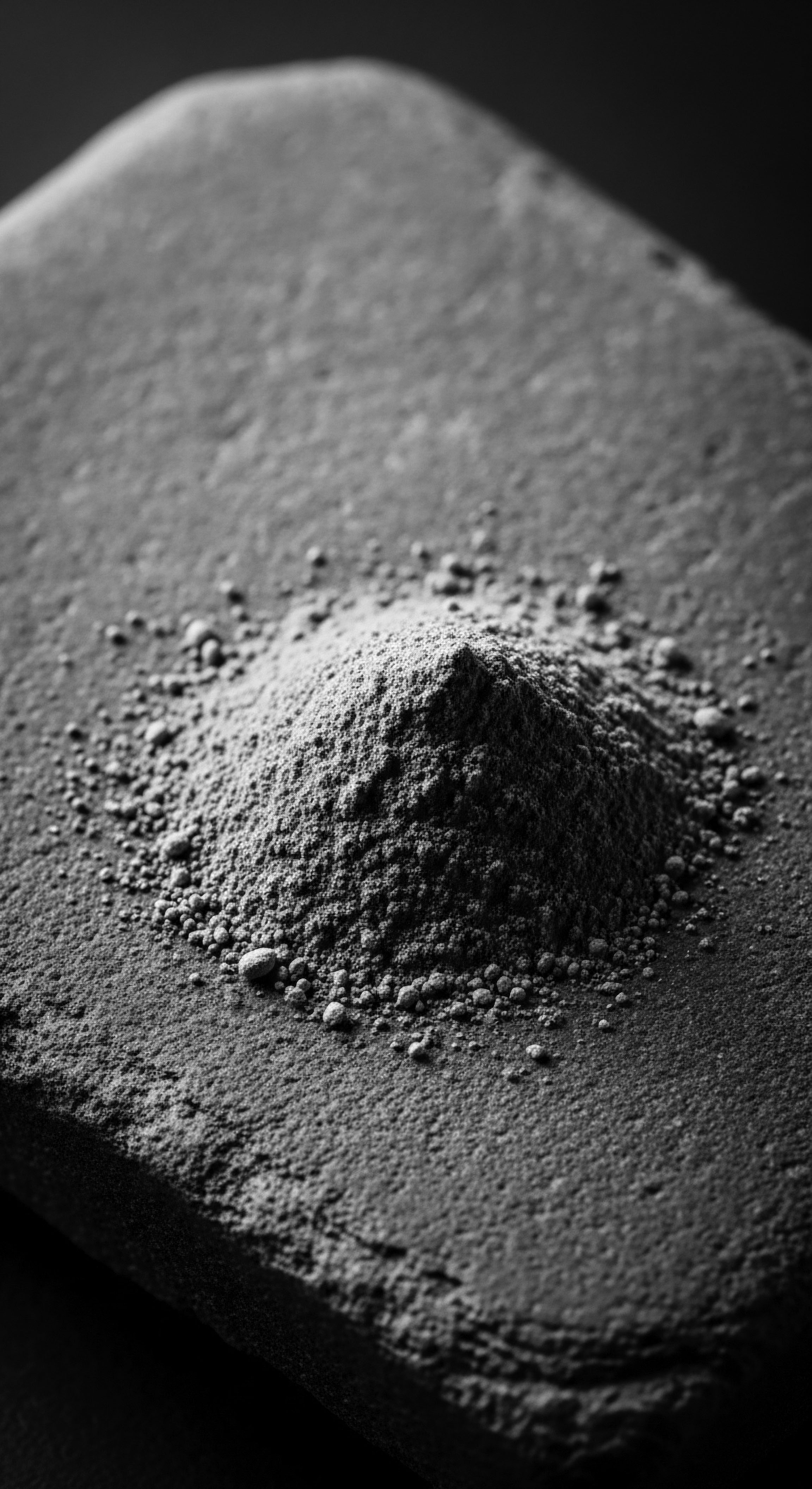
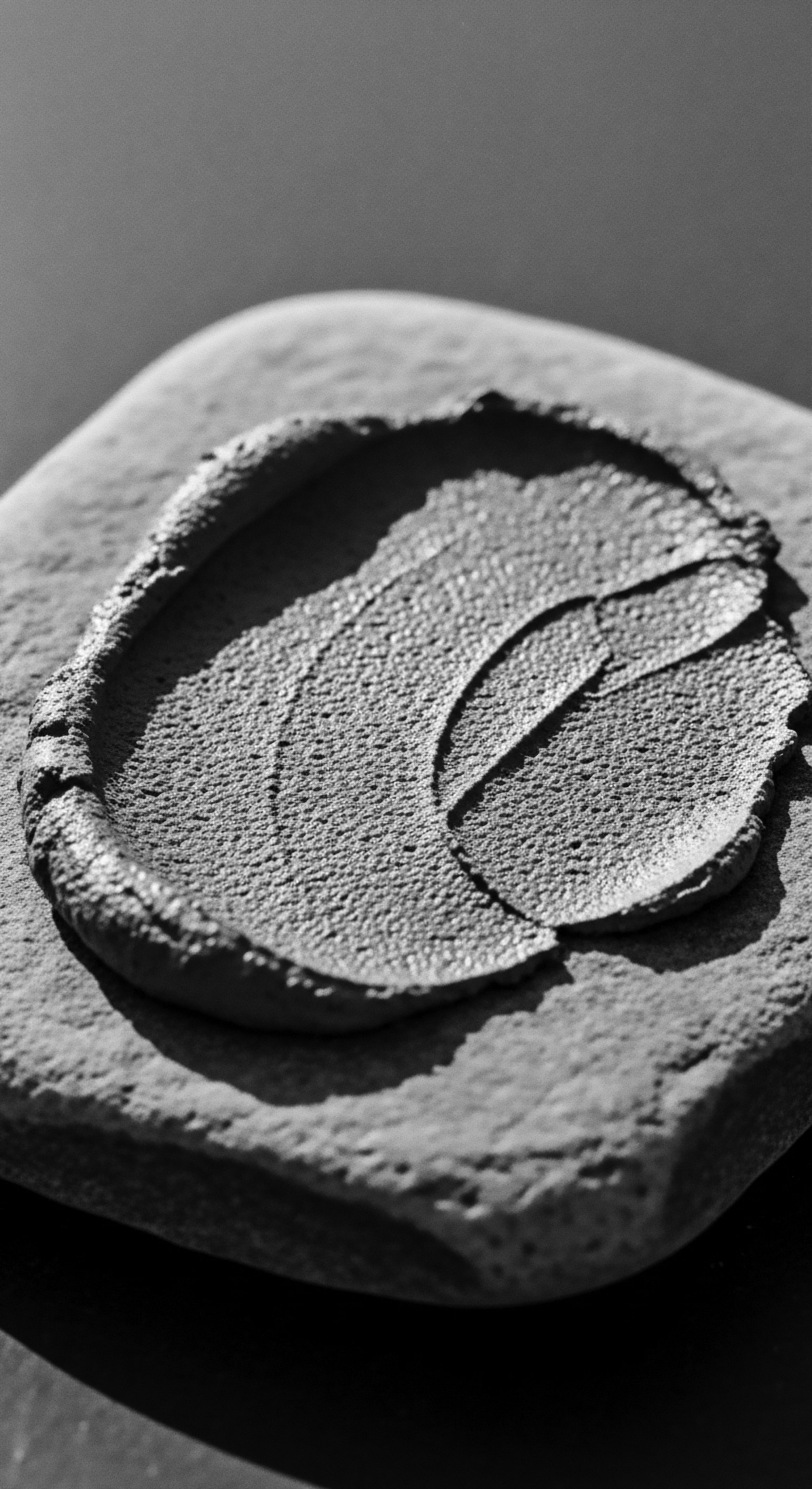
Rhassoul clay, a mineral-rich earth from Morocco, offers a heritage-aligned gentle cleanse, often suitable for textured hair types when understanding porosity.
Protective styles and oiling are culturally significant as living connections to ancestral practices of identity, resistance, and holistic care for textured hair.
Scientific evidence confirms plant-based remedies traditionally used for coiled hair heritage offer genuine benefits for hair health and scalp balance.
Meaning ❉ The Braiding Practices History details the evolution of hair manipulation as a profound cultural, protective, and identity-shaping tradition.
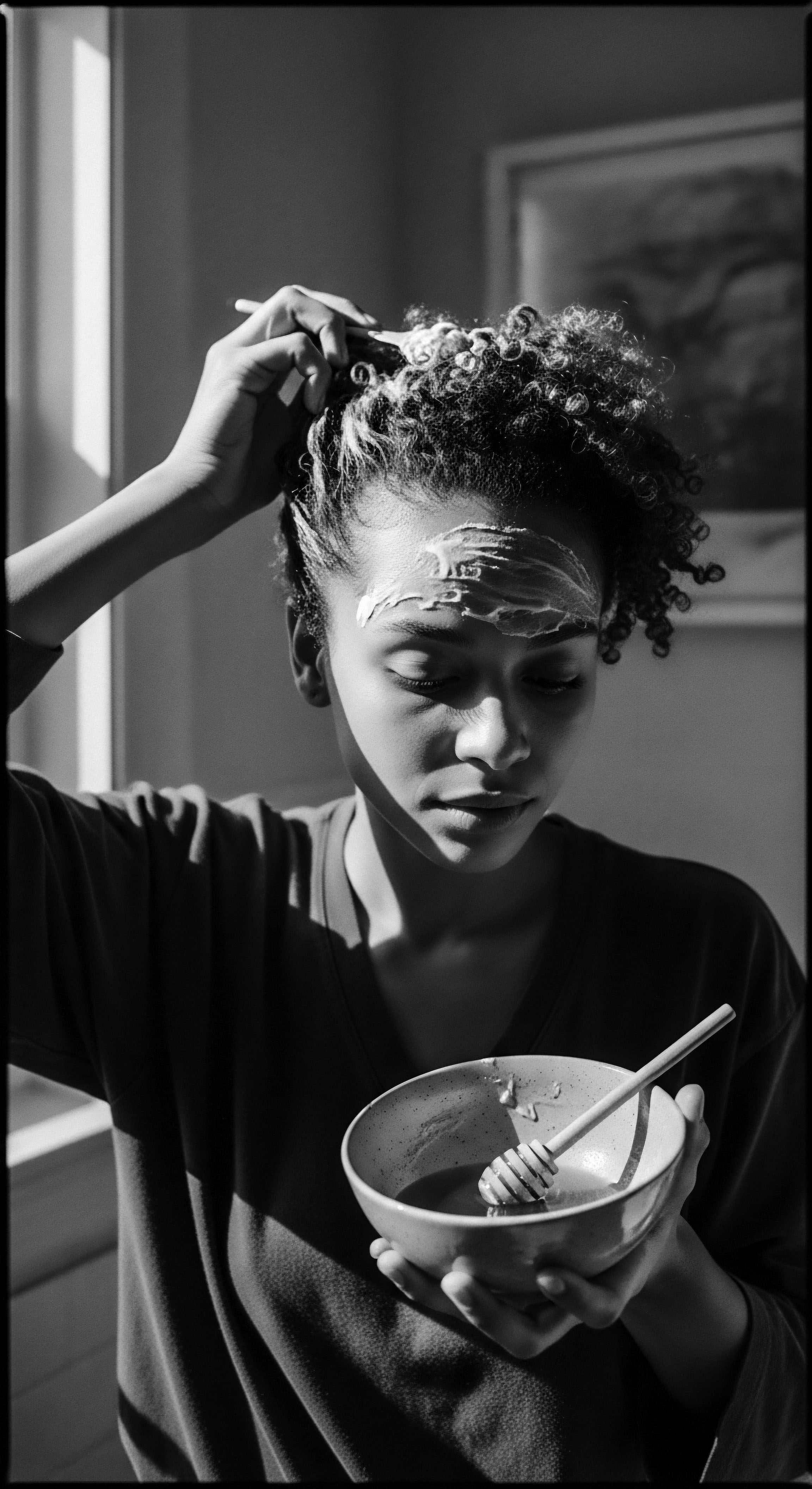
Historical hair rituals for textured strands inform modern care by emphasizing deep moisture, scalp health, and protective styling rooted in ancestral knowledge.
Ancestral methods protected textured hair from overnight dryness through the diligent application of natural emollients and careful use of protective head coverings.
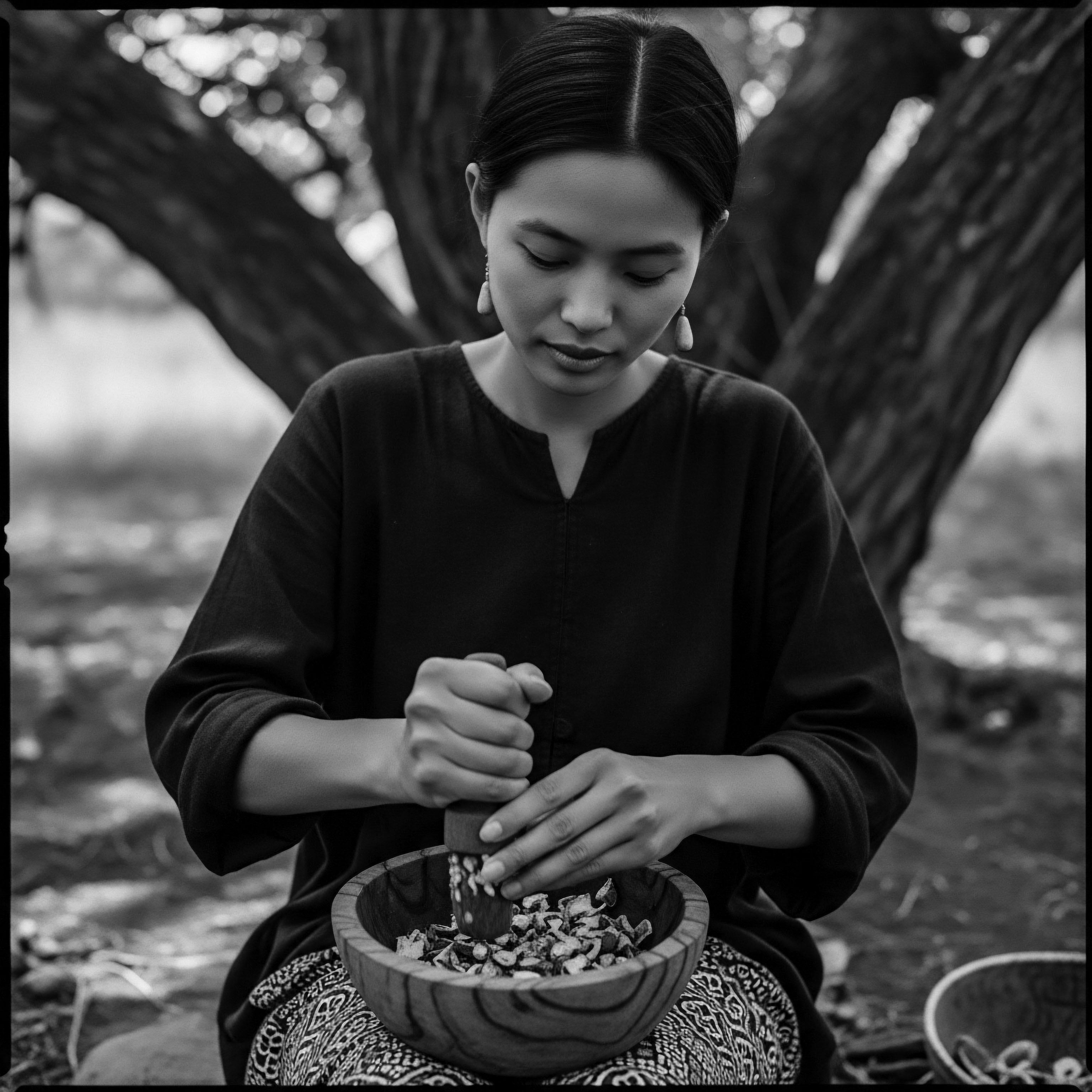
Chebe powder represents a Chadian hair heritage passed down through generations, serving to strengthen textured hair and promote length retention through dedicated ritual.
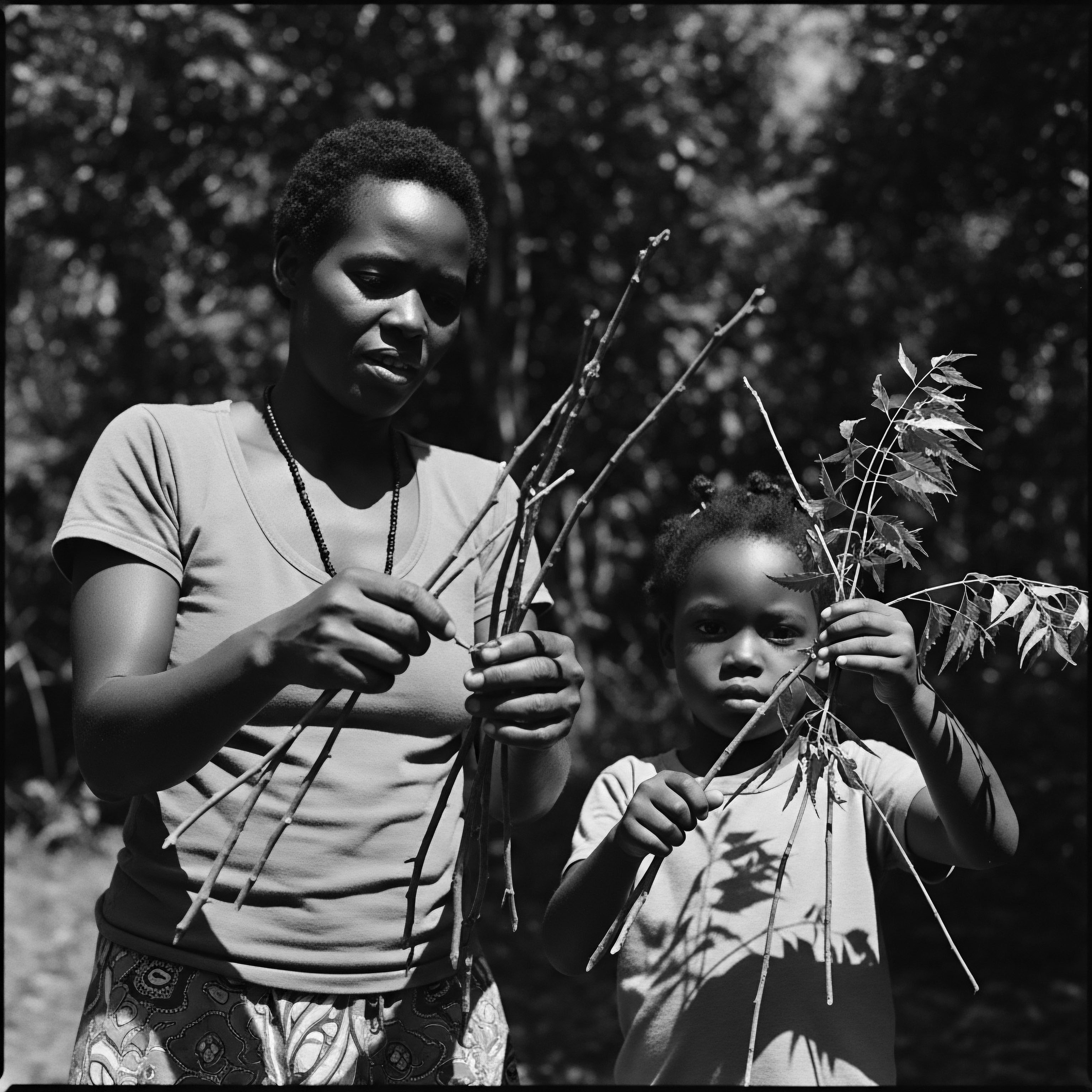
Plant-based remedies like shea butter, oils, and herbal powders traditionally nourished and shielded textured hair, continuing a legacy of ancestral care.
Meaning ❉ Sleep Protection Hair encompasses cultural and scientific practices to safeguard textured hair during rest, preserving its health and historical integrity.
Castor oil became a heritage staple through its profound journey from ancient African remedy to a symbol of resilience within textured hair care traditions.
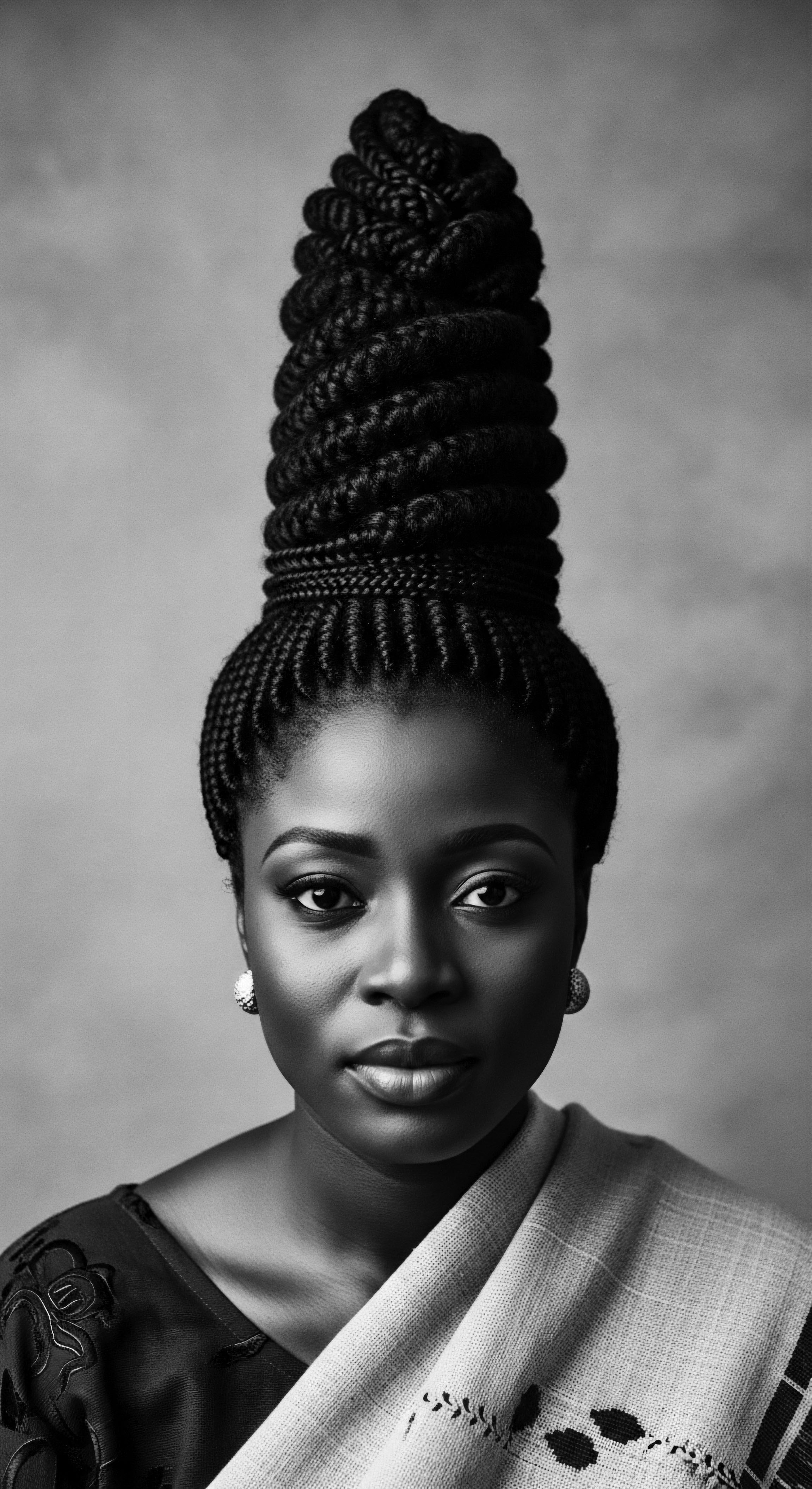
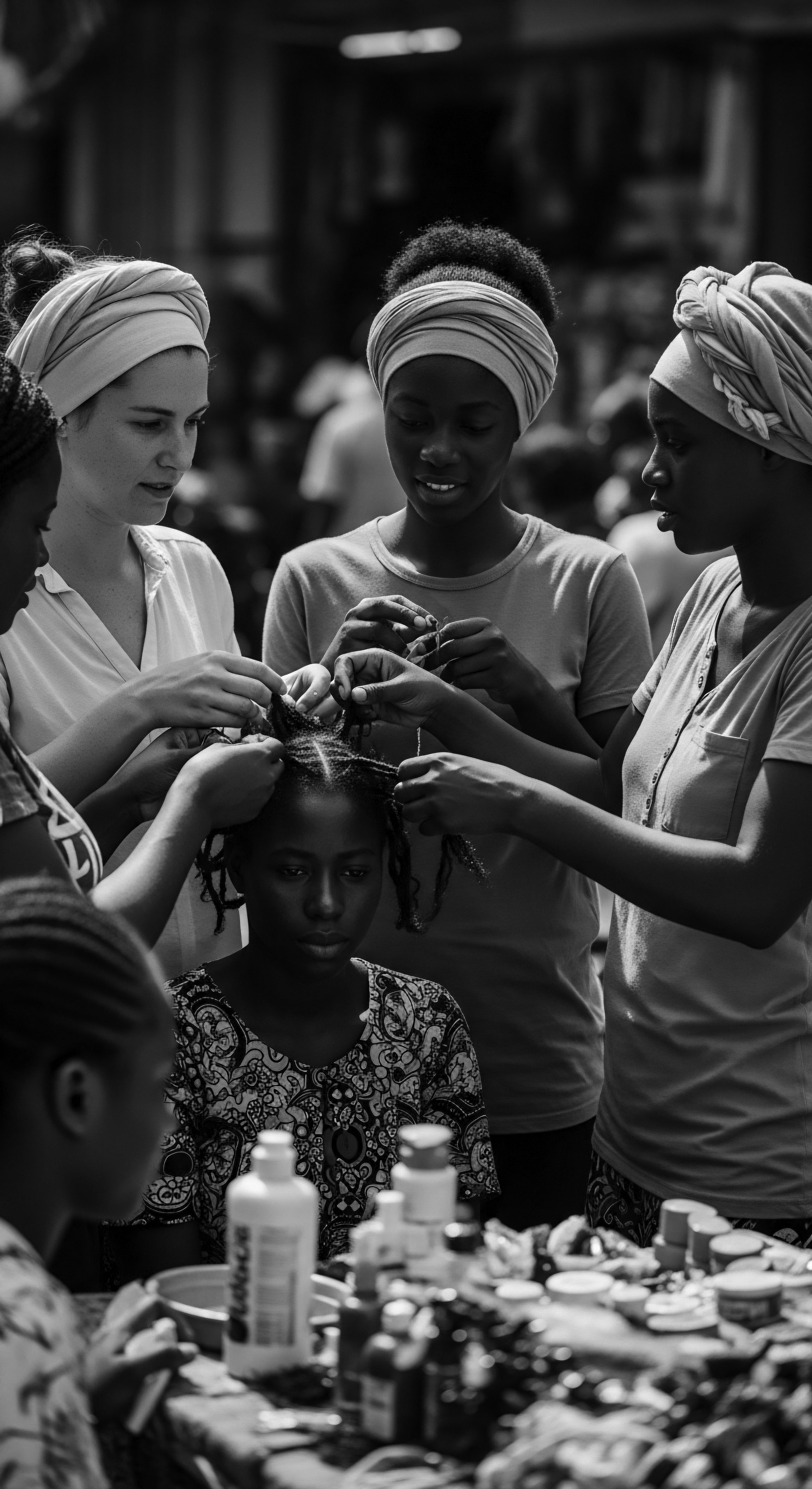
Ancestral West African hair rituals protected textured hair through meticulous protective styling, nourishing natural ingredients, and communal care, rooted in deep cultural significance.
Meaning ❉ Freedom Impact is the profound liberation felt through self-determined hair practices, honoring ancestral wisdom and shaping identity for textured hair.
Meaning ❉ Ancestral Formulations encapsulate time-honored practices, botanical knowledge, and methods for textured hair care rooted deeply in cultural heritage and resilience.
Meaning ❉ The Silk Pillowcase History signifies the continuous journey of protective hair care, from ancient ancestral wisdom to modern science, rooted in Black and mixed-race hair traditions.
Red palm oil’s carotenoids, Vitamin E, and fatty acids offer deep nourishment, protecting and strengthening textured hair, a practice rooted in ancestral wisdom.
Meaning ❉ Hair protein needs denote the essential requirement for keratin and structural reinforcement to maintain textured hair's integrity and strength across its heritage.
Ancestral practices nourished textured hair with botanicals by applying plant-derived oils, butters, and herbs for hydration, strength, and cultural expression.
We use cookies to personalize content and marketing, and to analyze our traffic. This helps us maintain the quality of our free resources. Manage your preferences below.
This helps support our free resources through personalized marketing efforts and promotions.
Analytics cookies help us understand how visitors interact with our website, improving user experience and website performance.
Personalization cookies enable us to customize the content and features of our site based on your interactions, offering a more tailored experience.