Can ancient hair protection methods offer scientific benefits for contemporary textured hair?
Ancient hair protection methods offer scientific benefits for textured hair by minimizing manipulation, retaining moisture, and utilizing nourishing botanicals, rooted deeply in cultural heritage.
What historical knowledge links textured hair to environmental adaptation?
Textured hair’s heritage reveals a profound ancestral adaptation for protection and temperature regulation in diverse environments.
How do ancestral hair care traditions influence modern practices for textured hair?
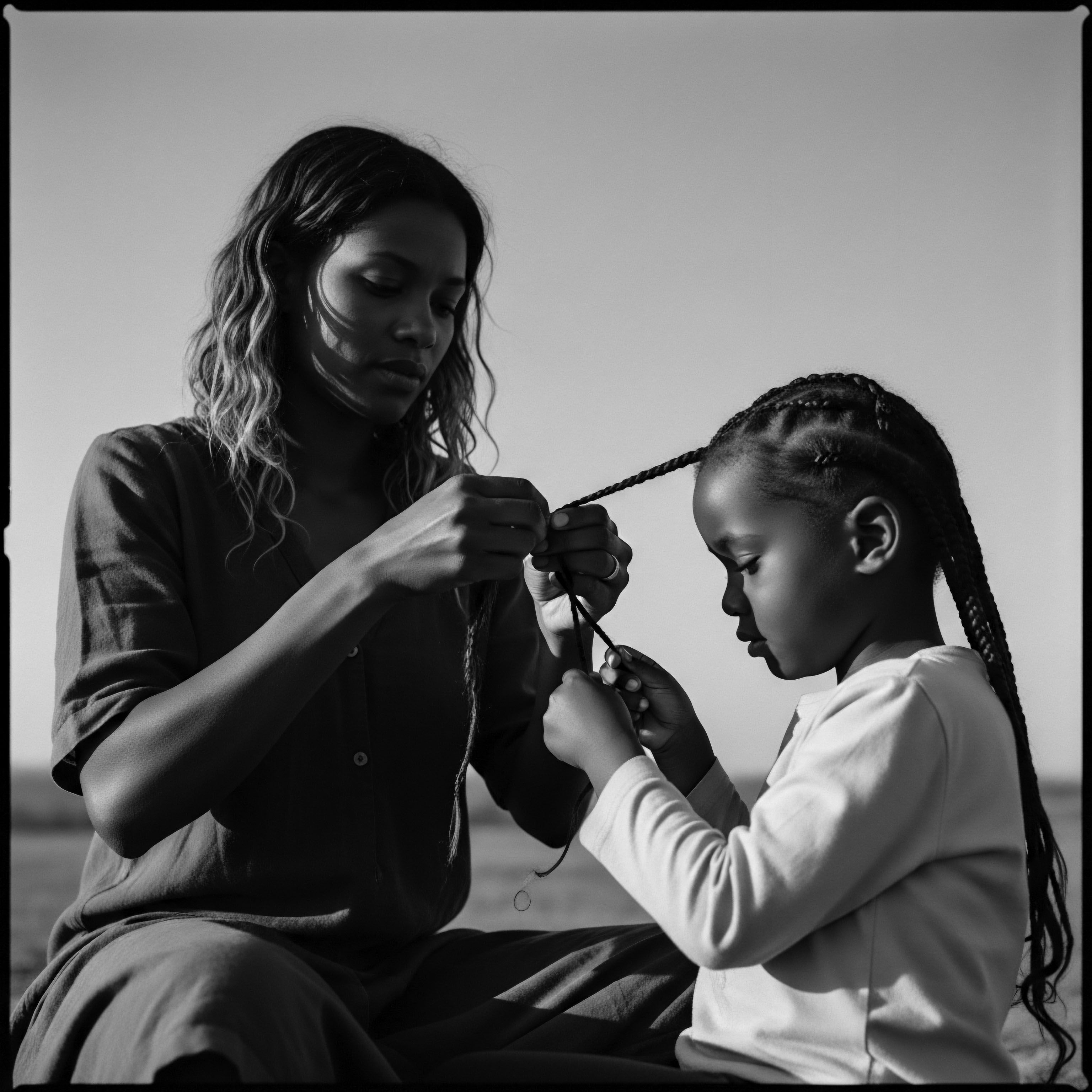
Ancestral hair traditions deeply influence modern textured hair care by grounding practices in heritage, resilience, and profound cultural connection.
Why do specific fatty acids benefit textured hair?
Specific fatty acids benefit textured hair by mirroring ancestral practices of lipid application, providing unique protection and deep conditioning.
Why are silk coverings preferred for textured hair protection?
Silk coverings reduce friction and retain moisture, honoring ancestral hair protection heritage for textured hair.
Do natural humectants in black soap benefit textured hair?
Natural humectants in black soap, like glycerin, draw moisture to textured hair, honoring centuries of ancestral hydration wisdom.
What ancestral methods preserved textured hair’s moisture in dry climates?
Ancestral methods preserved textured hair's moisture through strategic protective styles, natural emollients, and communal care rooted in heritage.
What cultural meanings are woven into textured hair practices?
Textured hair practices are a profound cultural expression, preserving identity, community, and ancestral knowledge across generations.
How do historical practices inform modern textured hair routines?
Historical practices inform modern textured hair routines by providing a heritage of protection, nourishment, and identity through adapted ancestral wisdom.
How did ancient Egyptians hydrate textured hair?
Ancient Egyptians hydrated textured hair using natural oils, animal fats, and protective styles, a timeless heritage of moisture preservation.
Epigenetic Hair Factors
Meaning ❉ Epigenetic Hair Factors are molecular modifications influencing gene expression in hair cells, profoundly shaping textured hair characteristics through environmental and ancestral experiences.
How do historical hair practices influence modern textured hair product ingredients?
Historical hair practices profoundly influence modern textured hair product ingredients by relaying ancestral wisdom about plant efficacy and hair needs.
What ancestral African cleansing practices inform modern textured hair care?
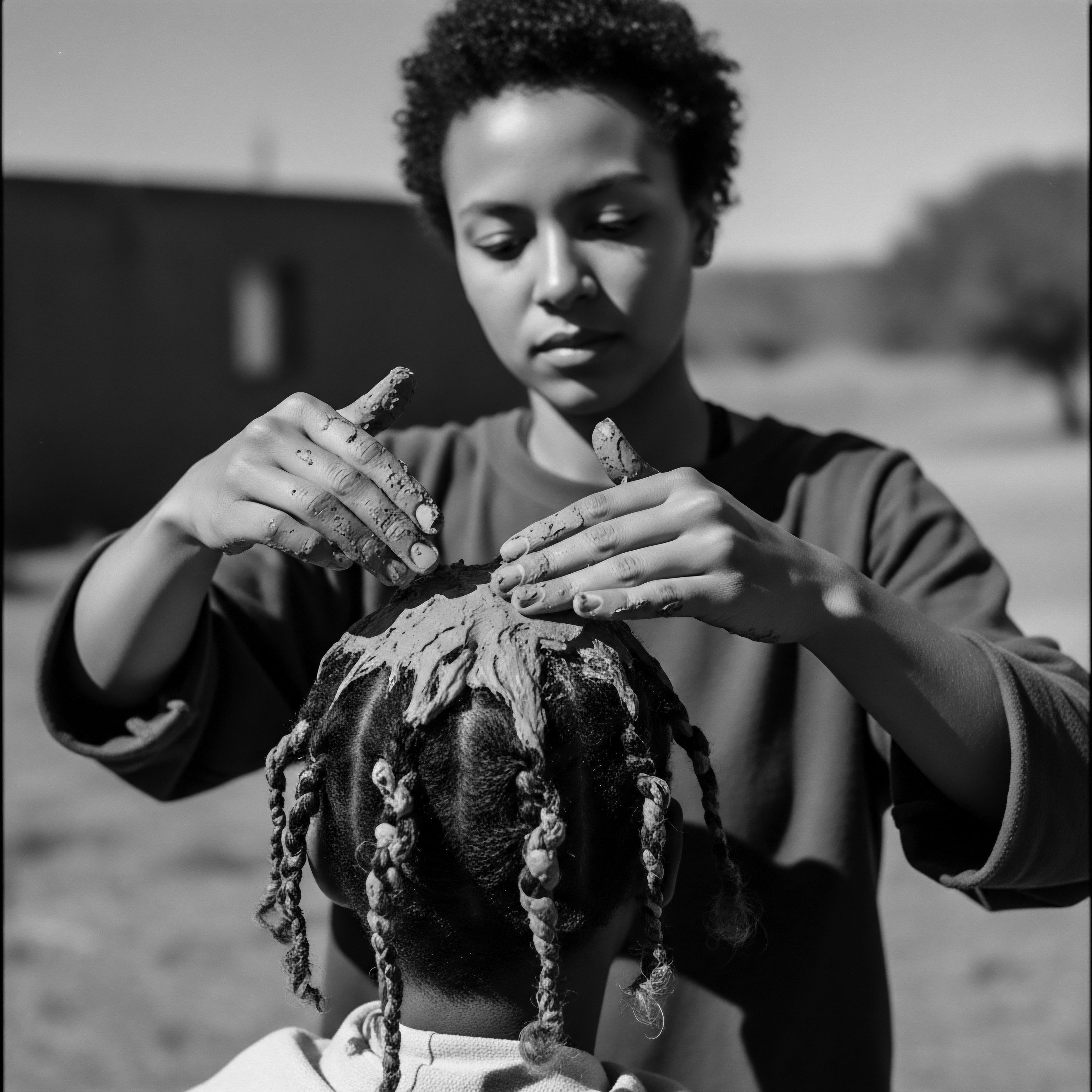
Ancestral African cleansing methods, centered on natural clays and botanicals, deeply inform modern textured hair care, preserving its heritage.
Yucca Hair Moisture
Meaning ❉ Yucca Hair Moisture describes the hydration and suppleness imparted to hair through the yucca plant, rooted in ancestral wisdom and natural cleansing.
Can ancestral wisdom truly guide the future of textured hair product innovation?
Ancestral wisdom offers a profound, heritage-rich blueprint for future textured hair product innovation.
In what ways do heritage hair practices influence modern self-perception?
Heritage hair practices profoundly shape modern self-perception by linking individuals to ancestral wisdom and cultural identity.
What scientific principles confirm historical textured hair oiling effectiveness?
Historical textured hair oiling aligns with scientific principles like moisture retention, cuticle smoothing, and oxidative defense, rooted in ancestral knowledge.
What historical styling practices inform contemporary textured hair products?
Contemporary textured hair products are profoundly shaped by centuries of ancestral care rituals, material understanding, and cultural significance.
Mandingue Diet
Meaning ❉ The Mandingue Diet is a holistic, ancestral West African hair wellness system valuing botanicals, communal practices, and identity.
What historical significance do Amazonian oils hold for Black hair heritage?
Amazonian oils provided ancestral Black hair care with vital nourishment and a deep connection to resilience and cultural identity.
What is the ancestral significance of oiling textured hair in Africa?
Oiling textured hair in Africa is an ancestral practice deeply rooted in cultural identity, community bonds, and a profound understanding of hair's needs.
What historical role did rice play in hair heritage?
Rice played a historical role in textured hair heritage through its use in ancestral care and its symbolic transport for survival by enslaved African women.
Thermoregulatory Adaptation
Meaning ❉ Thermoregulatory Adaptation is the body's capacity to maintain stable internal temperature, profoundly shaped by textured hair heritage and ancestral practices.
What traditional oils preserved textured hair?
Traditional oils like shea butter, castor, and coconut oil preserved textured hair by sealing moisture and protecting its delicate structure.
How does textured hair structure respond to historical oil applications?
Historical oil applications nourished textured hair structure, enhancing pliability and reducing moisture loss.
Grain Hair
Meaning ❉ Grain Hair denotes the inherent structural and textural properties of hair, especially in coiled and kinky types, deeply rooted in ancestral heritage.
What ancient food rituals shaped textured hair care practices across cultures?
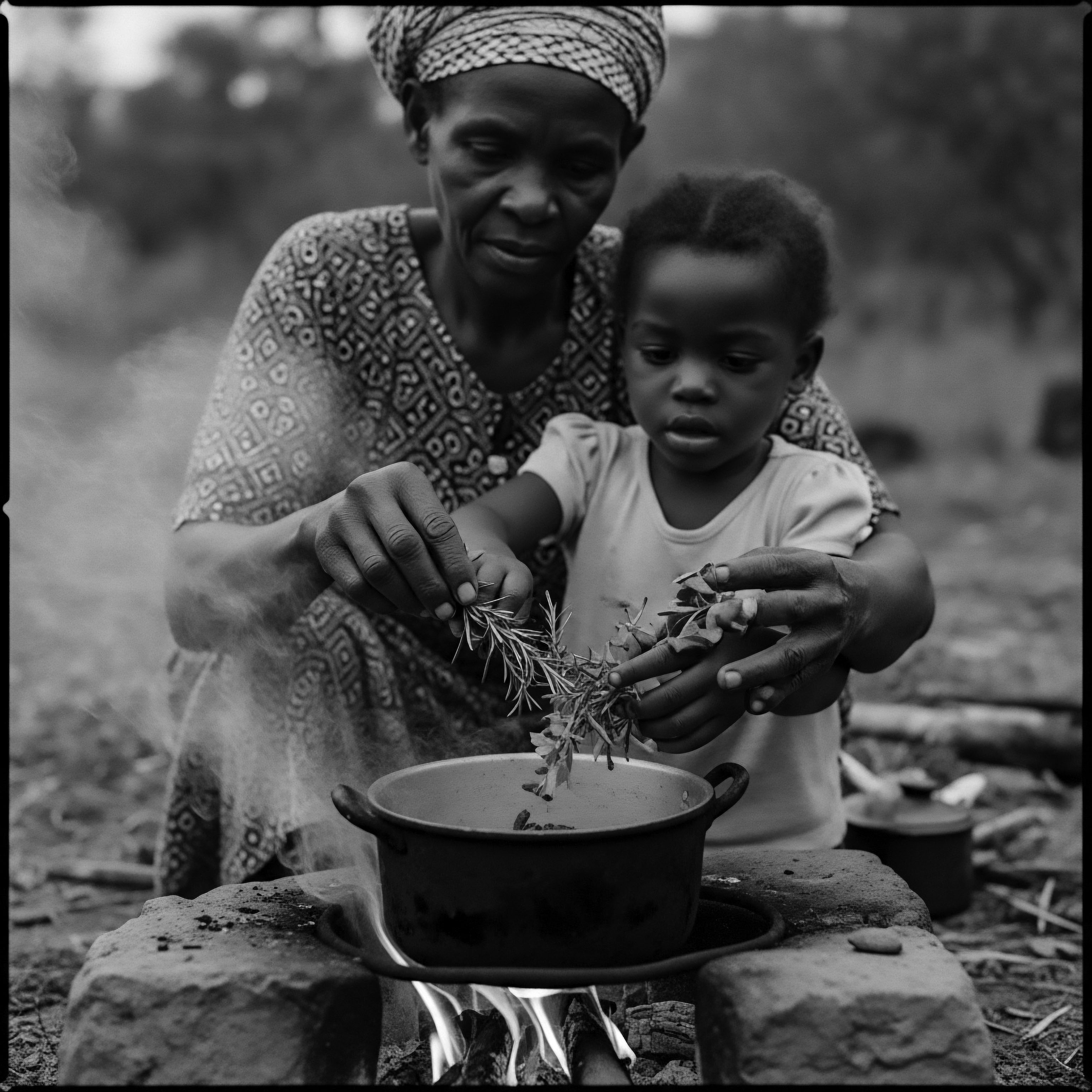
Ancient food rituals profoundly shaped textured hair care by utilizing edible ingredients and shared preparations as a central pillar of ancestral heritage.
What enduring cultural roles do traditional hair oils maintain in textured hair heritage?
Traditional hair oils uphold deep cultural functions in textured hair heritage, serving as historical, communal, and identity-affirming practices.
Do ancient oils nourish textured hair strands?
Ancient oils, rooted in diverse cultural heritage, offer tangible nourishment for textured hair strands by addressing intrinsic moisture needs and providing protective qualities.