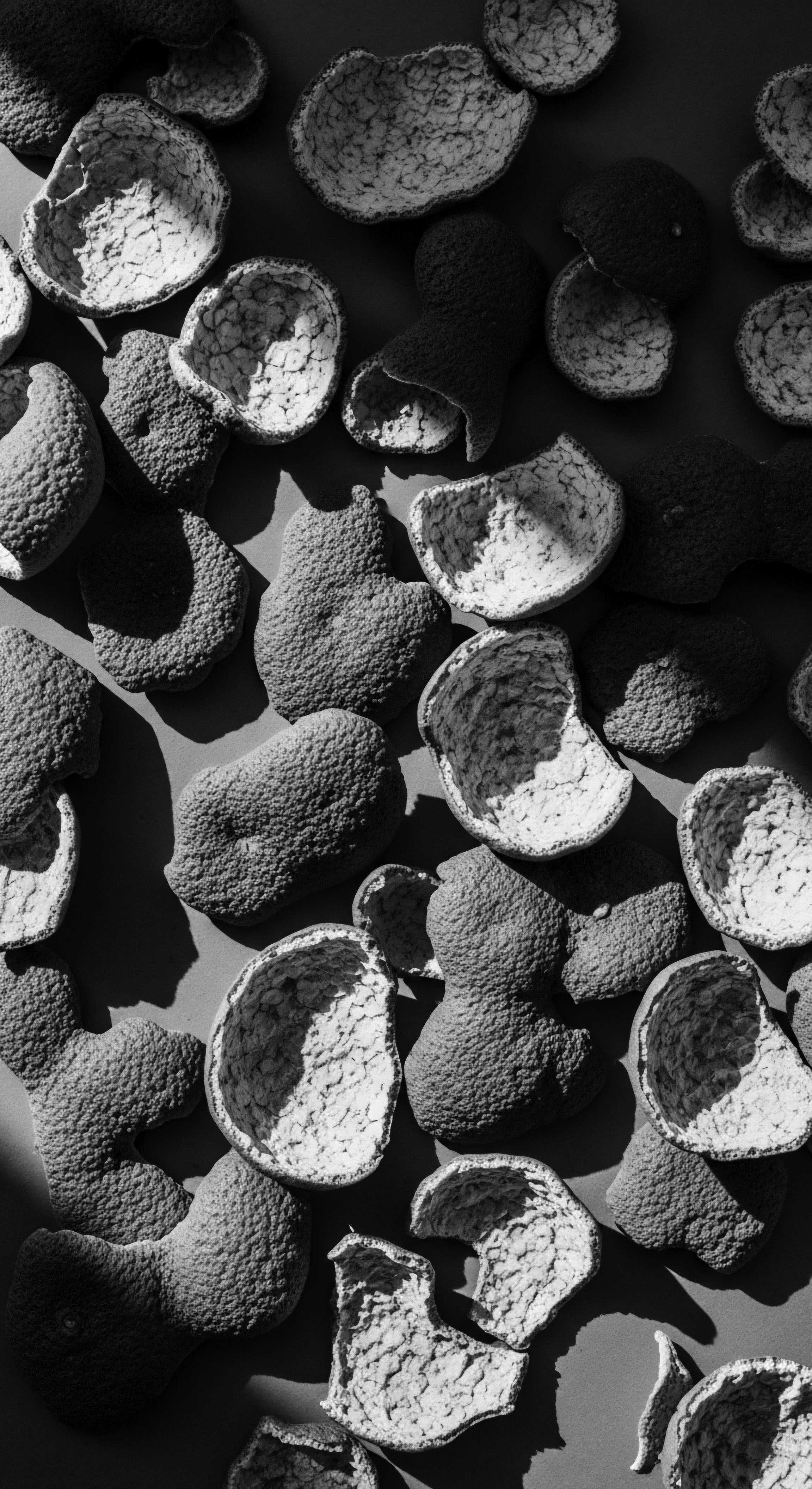
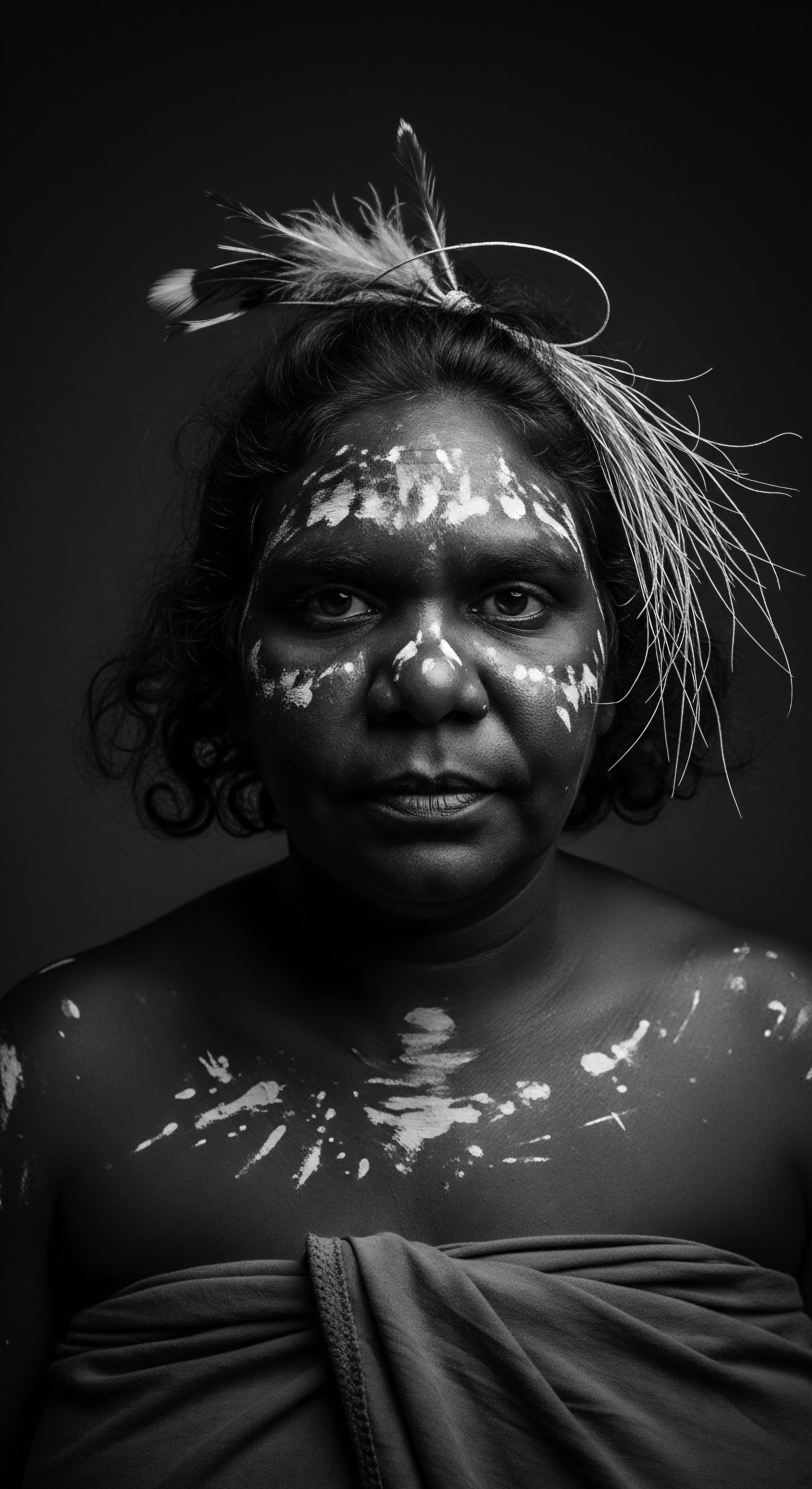
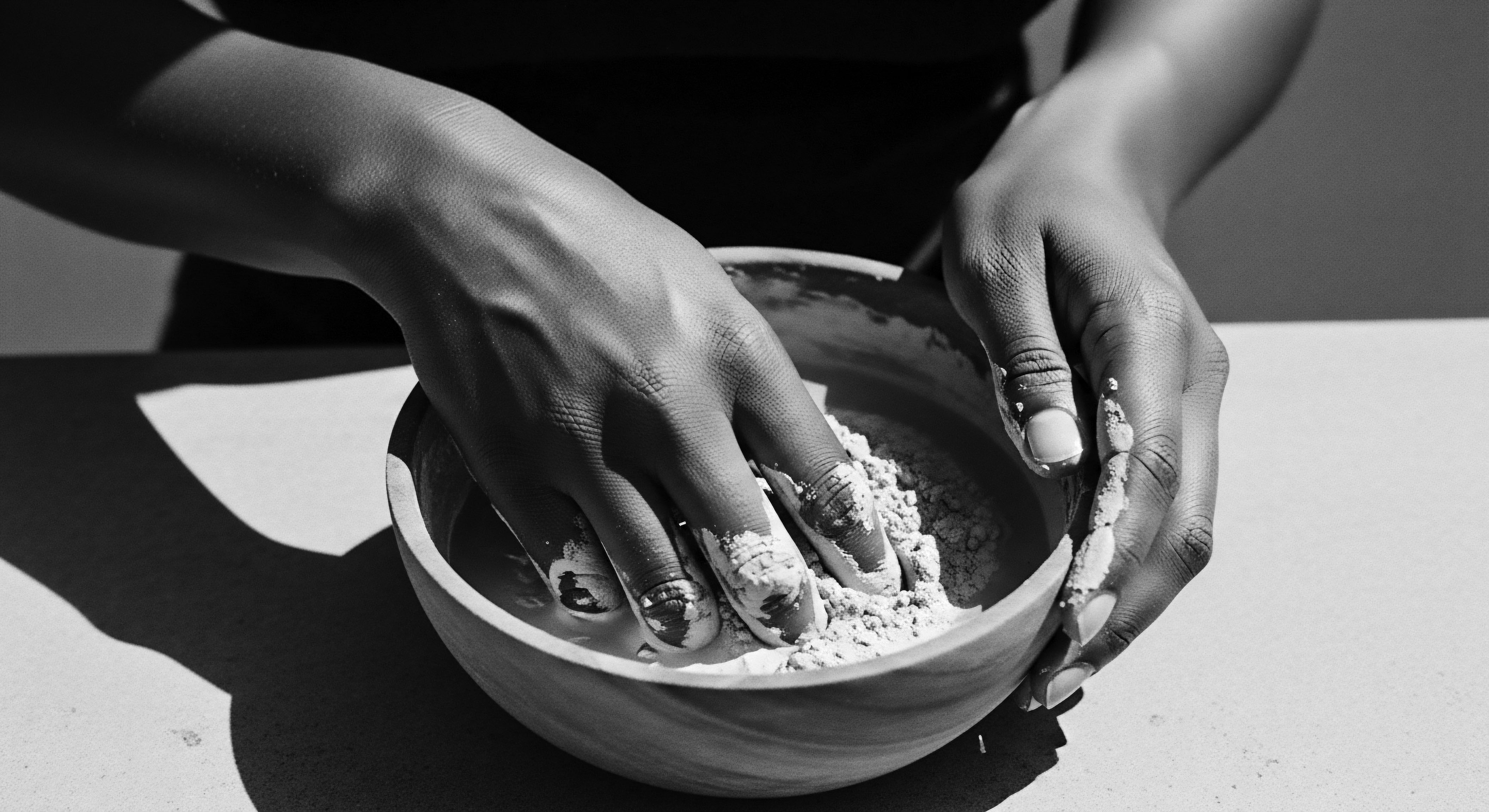
Ancestral diets, rich in whole grains, legumes, leafy greens, and healthy fats, provided vital nutrients for textured hair health, a testament to enduring heritage.
Meaning ❉ Generational Knowledge signifies the historical transfer of wisdom, practices, and identity through textured hair care within diasporic communities.
Traditional hair practices for sun defense for textured hair harnessed physical barriers like styling and coverings, alongside natural oil and clay applications, rooted in ancestral heritage.
Ancient botanical wisdom from diverse cultures shapes modern textured hair regimens through time-tested herbal remedies and oils, honoring a rich heritage.
Meaning ❉ Ancient Plant Fats are lipid-rich botanical extracts historically used for their nourishing and protective properties for textured hair, rooted in ancestral wisdom and cultural significance.
Historical rainforest oil uses validate modern textured hair science by aligning ancestral practices with contemporary understanding of hair needs and oil properties, confirming a shared heritage of care.
Textured hair's unique biology, with its coiled structure, deeply influenced ancient self-care focusing on moisture, protection, and cultural expression.
Meaning ❉ Textured Hair Philanthropy is the practice of supporting, preserving, and celebrating textured hair and its cultural significance through shared knowledge, resources, and advocacy.
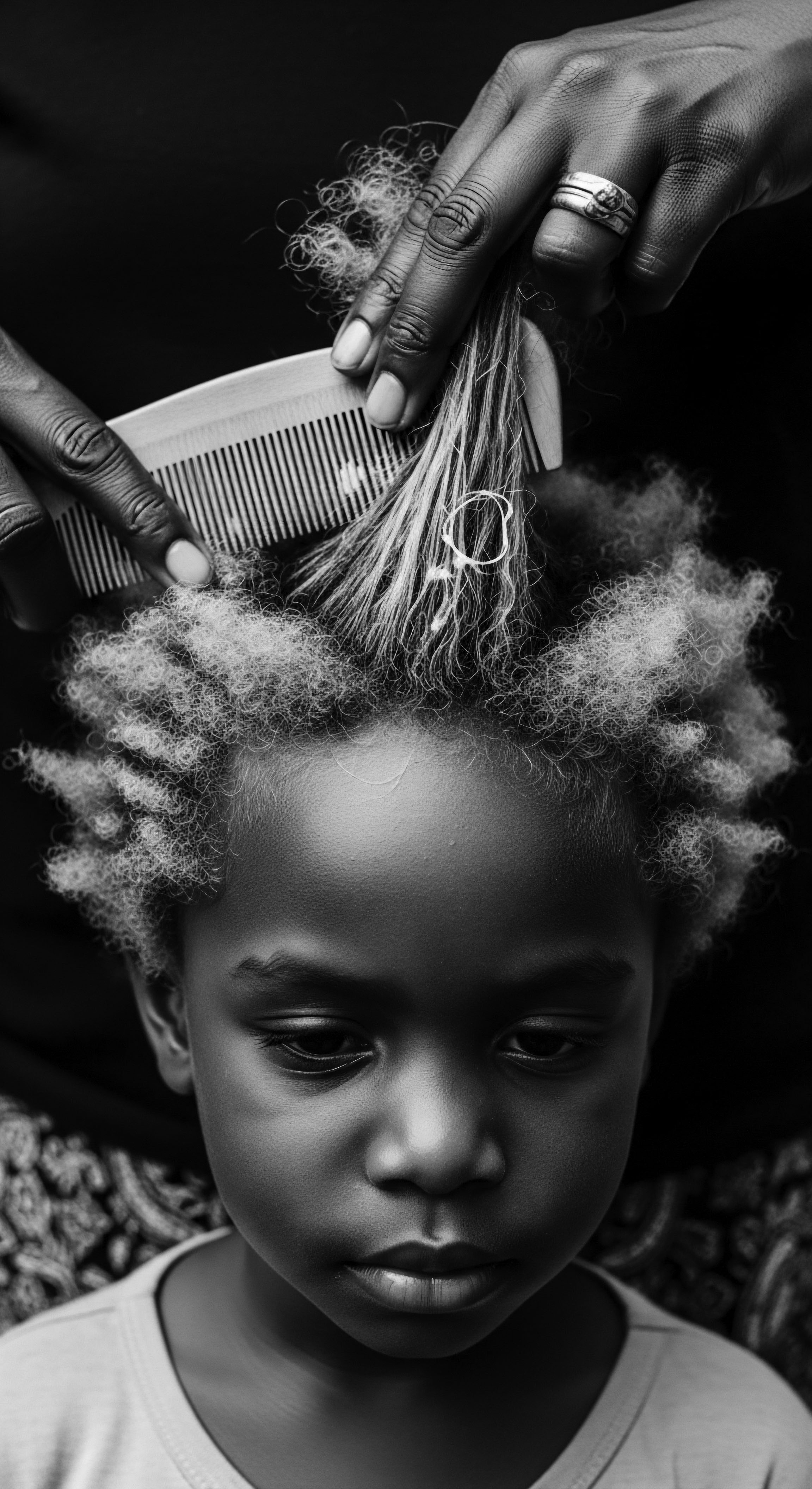
Textured hair practices encapsulate a profound cultural meaning, deeply rooted in Black and mixed-race heritage as a symbol of identity, communication, and resilience.
Traditional West African rituals provide a heritage-rich guide for contemporary textured hair care through their deep understanding of hair structure, protective styling, and holistic wellness.
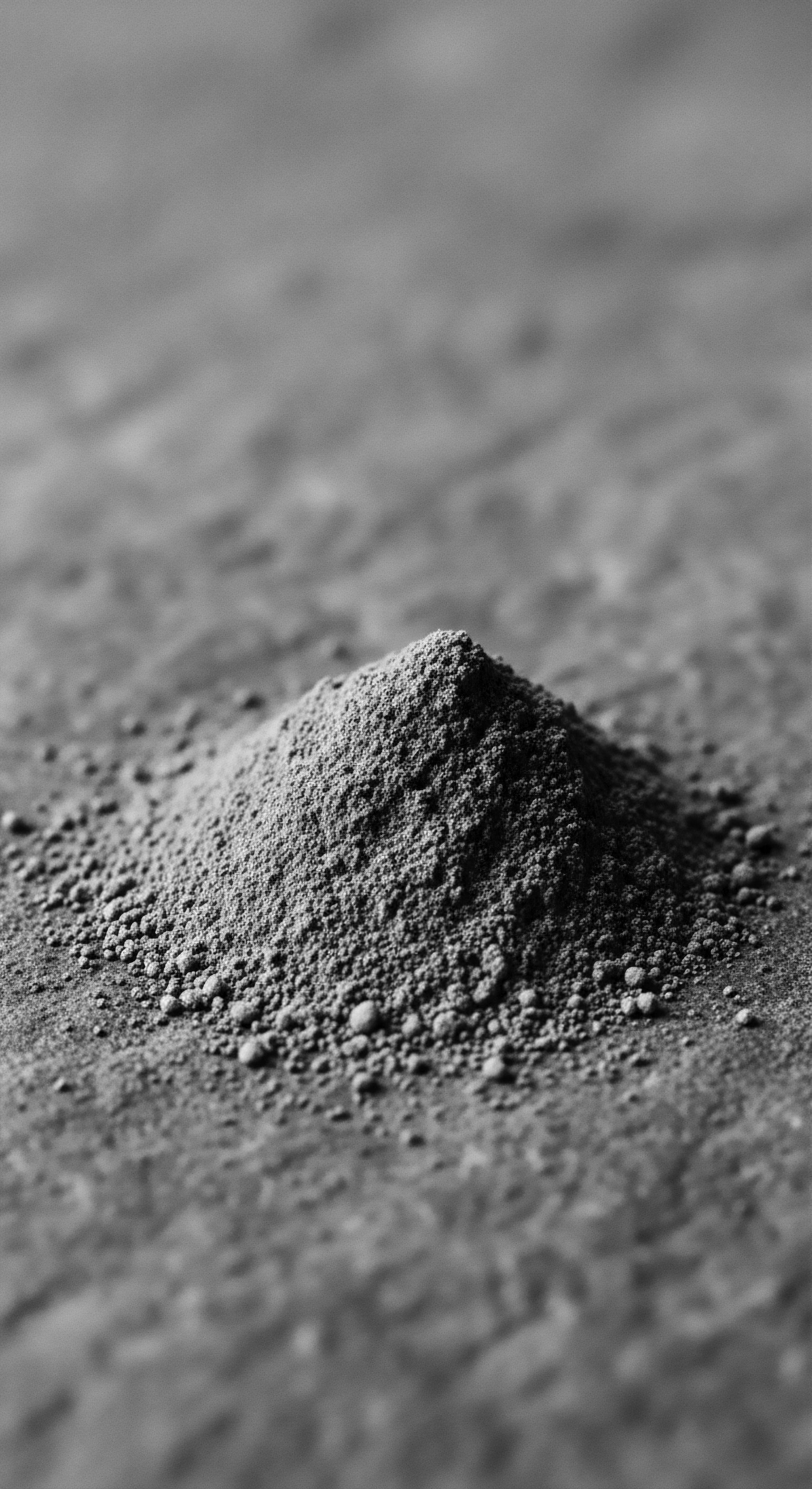
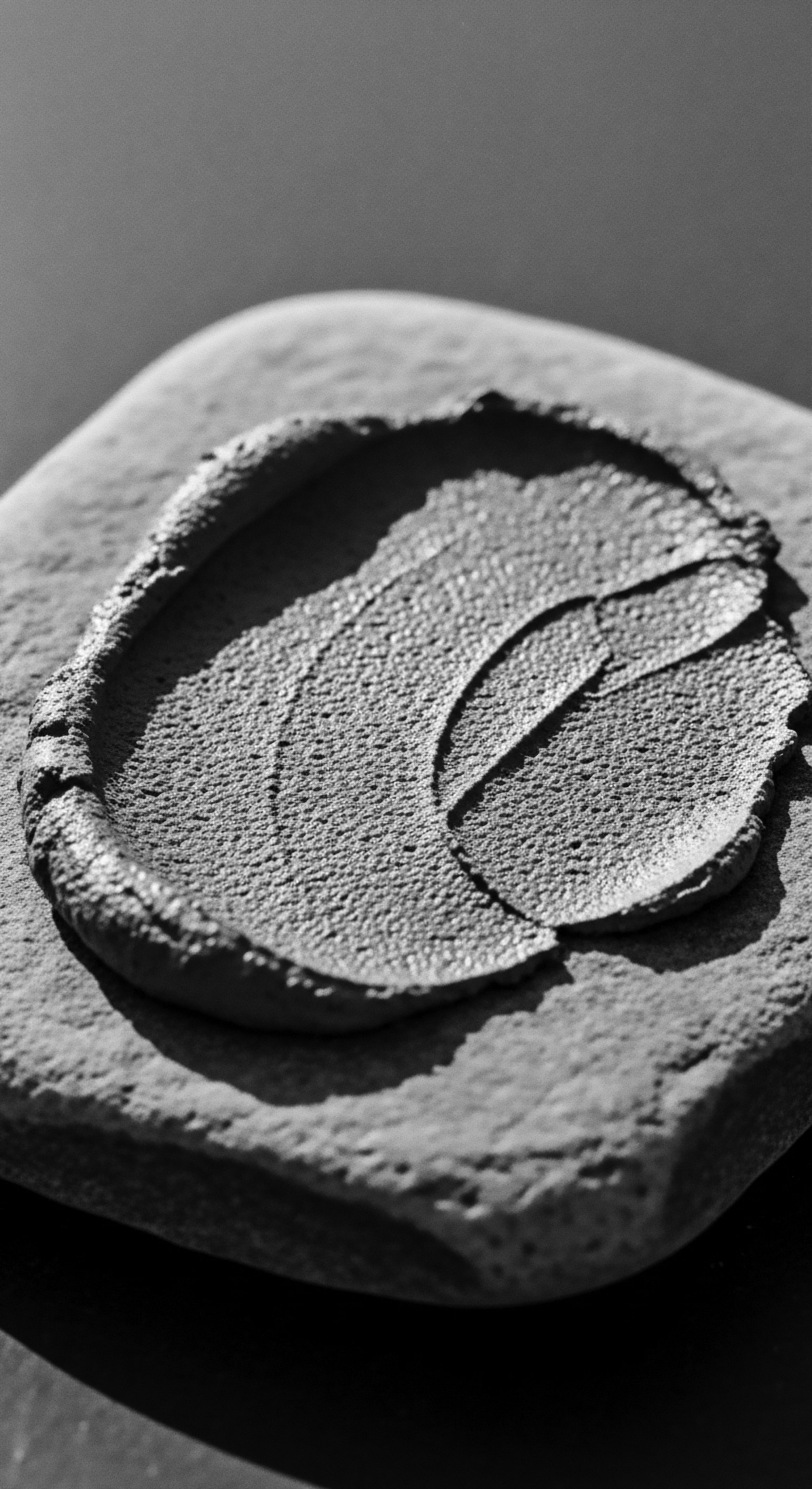
Natural clays like Rhassoul, Bentonite, and Kaolin historically purified textured hair by drawing out impurities and balancing moisture, honoring deep ancestral heritage.
Textured hair's care needs are shaped by its unique biology and centuries of ancestral practices, profoundly altered by historical disruptions and reclaimed through heritage.
Historical oils like shea butter and coconut oil, rooted in ancestral practices, deeply influenced modern textured hair care by providing essential nourishment and protection.
Ancient African practices safeguarded textured hair through indigenous plant oils, protective styling, and communal care, rooted in a deep heritage of ancestral wisdom.
The best materials for textured hair protection include smooth fabrics like silk and satin, and plant-based butters and oils, all rooted in heritage for moisture and friction reduction.
Specific plant compounds like ricinoleic acid from castor beans and fatty acids from shea fortify textured hair, drawing from centuries of heritage wisdom.
Traditional African ingredients offer textured hair protection by sealing moisture, reducing breakage, and nourishing the scalp, honoring ancestral wisdom.
We use cookies to personalize content and marketing, and to analyze our traffic. This helps us maintain the quality of our free resources. Manage your preferences below.
This helps support our free resources through personalized marketing efforts and promotions.
Analytics cookies help us understand how visitors interact with our website, improving user experience and website performance.
Personalization cookies enable us to customize the content and features of our site based on your interactions, offering a more tailored experience.