Modern science confirms that traditional moisture methods for textured hair heritage, like natural oils and protective styles, offer tangible benefits by addressing unique hair structure.
Meaning ❉ Heated Oils Heritage describes the ancestral practice of warming natural oils for hair care, honoring cultural wisdom and enhancing textured hair nourishment.
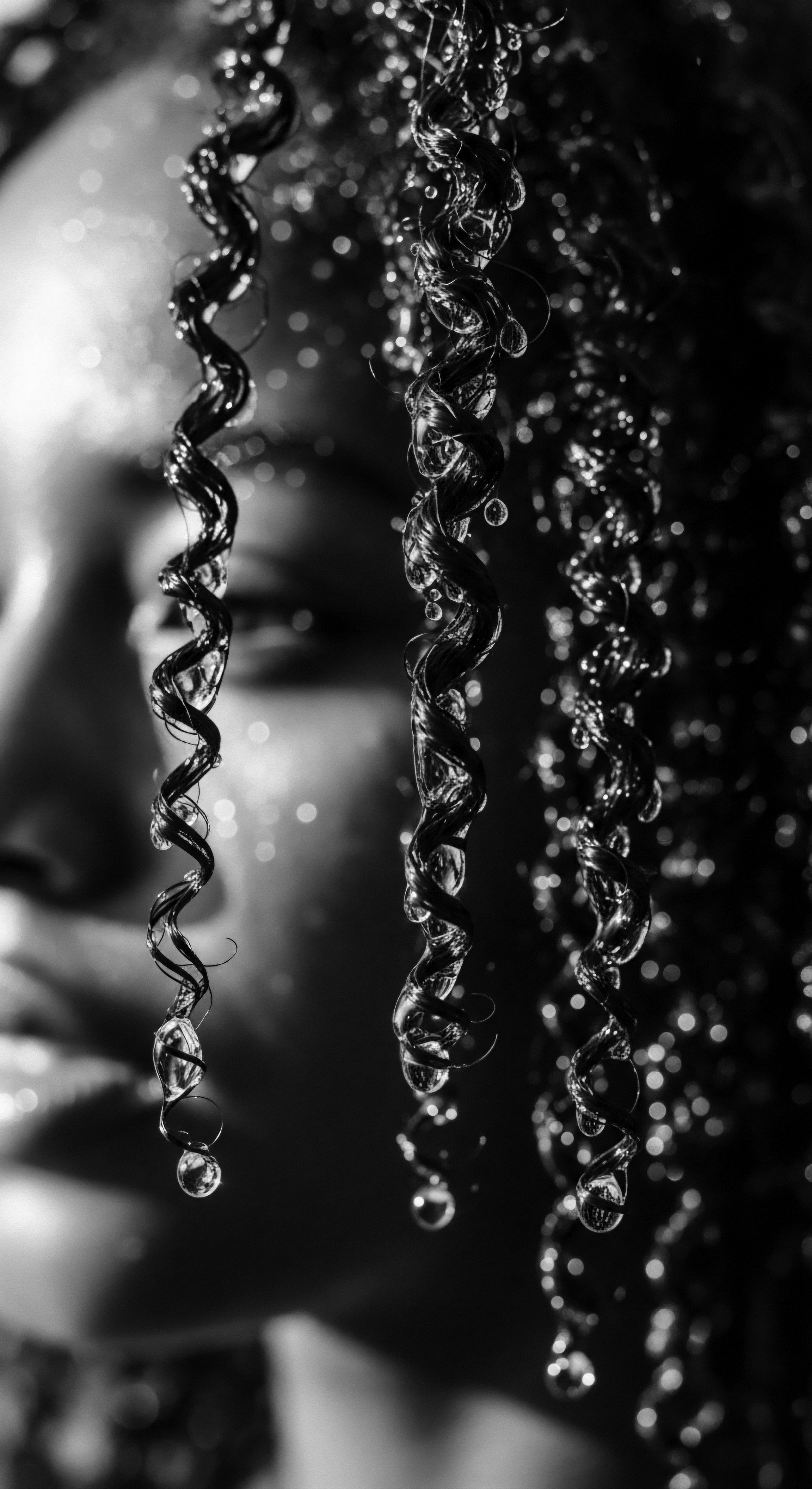
Hair oils protect textured coils by creating a hydrophobic barrier that seals in moisture, a practice echoing ancestral heritage of care and resilience.
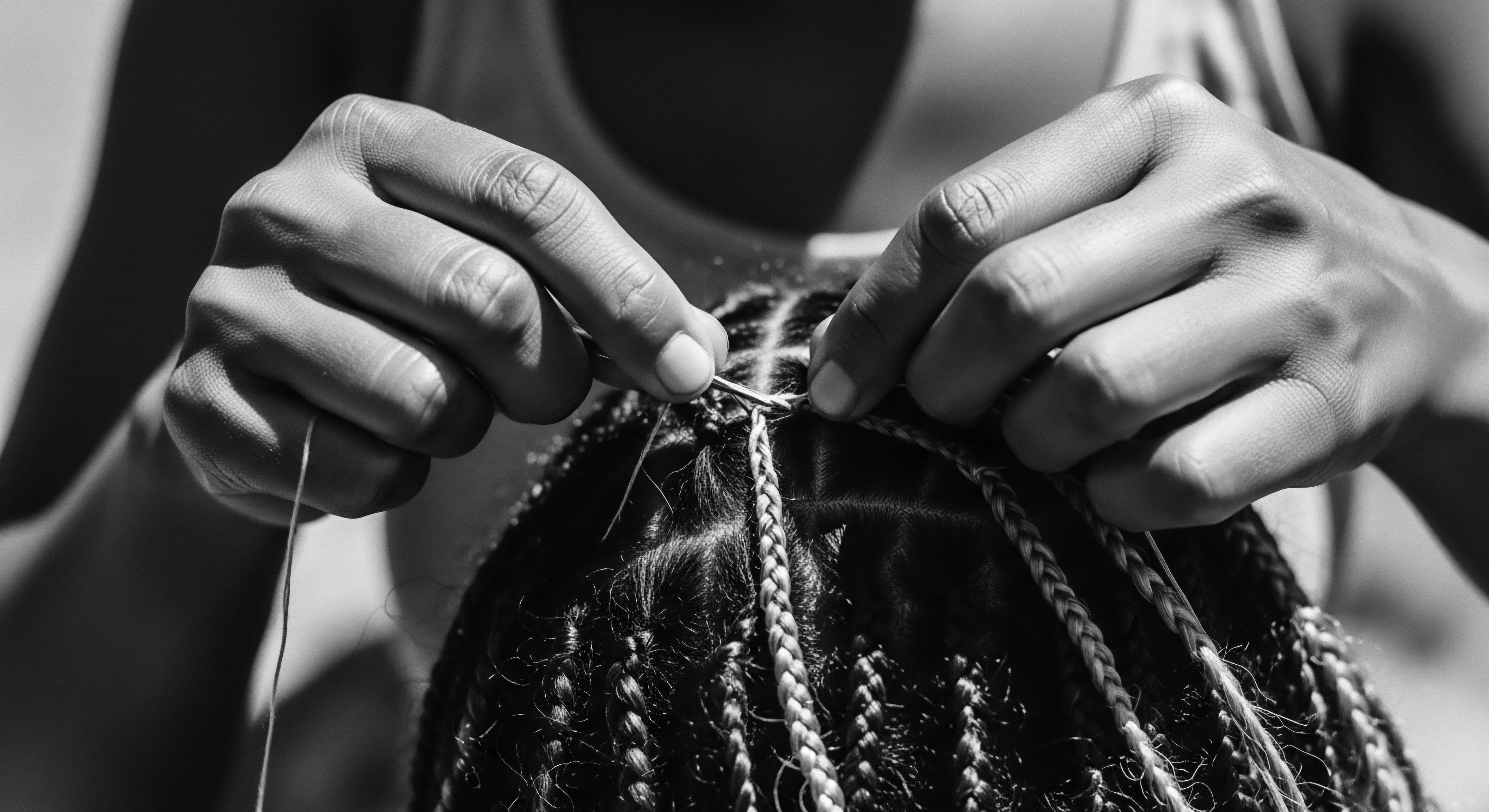
Historical bonnets protected textured hair by reducing friction, retaining moisture, and preserving styles, a practice deeply rooted in Black hair heritage and ancestral wisdom.
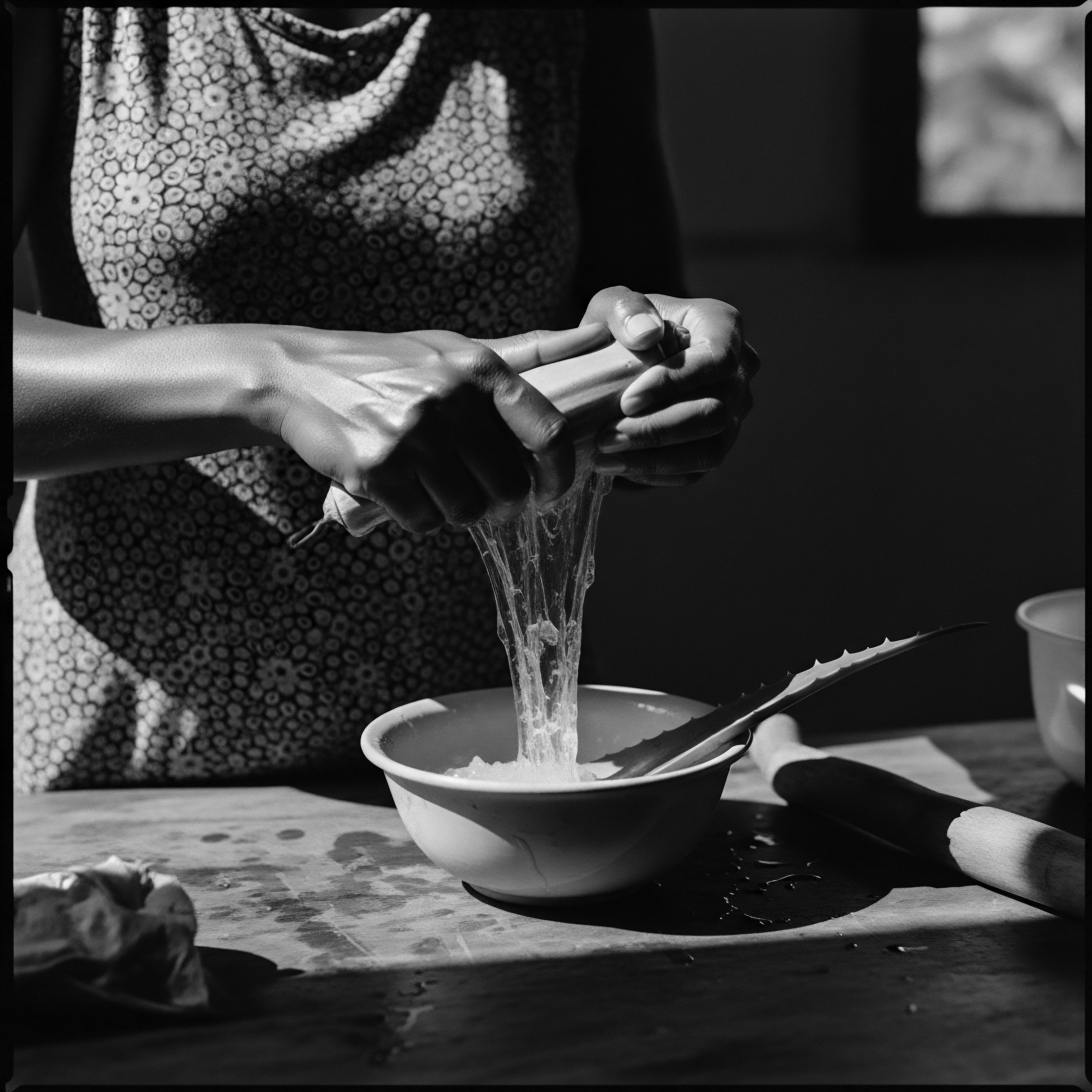
Traditional ingredients like shea butter, coconut oil, moringa oil, honey, and aloe vera are affirmed by modern science for their deep moisturizing, strengthening, and protective properties for textured hair, rooting current understanding in ancestral wisdom.
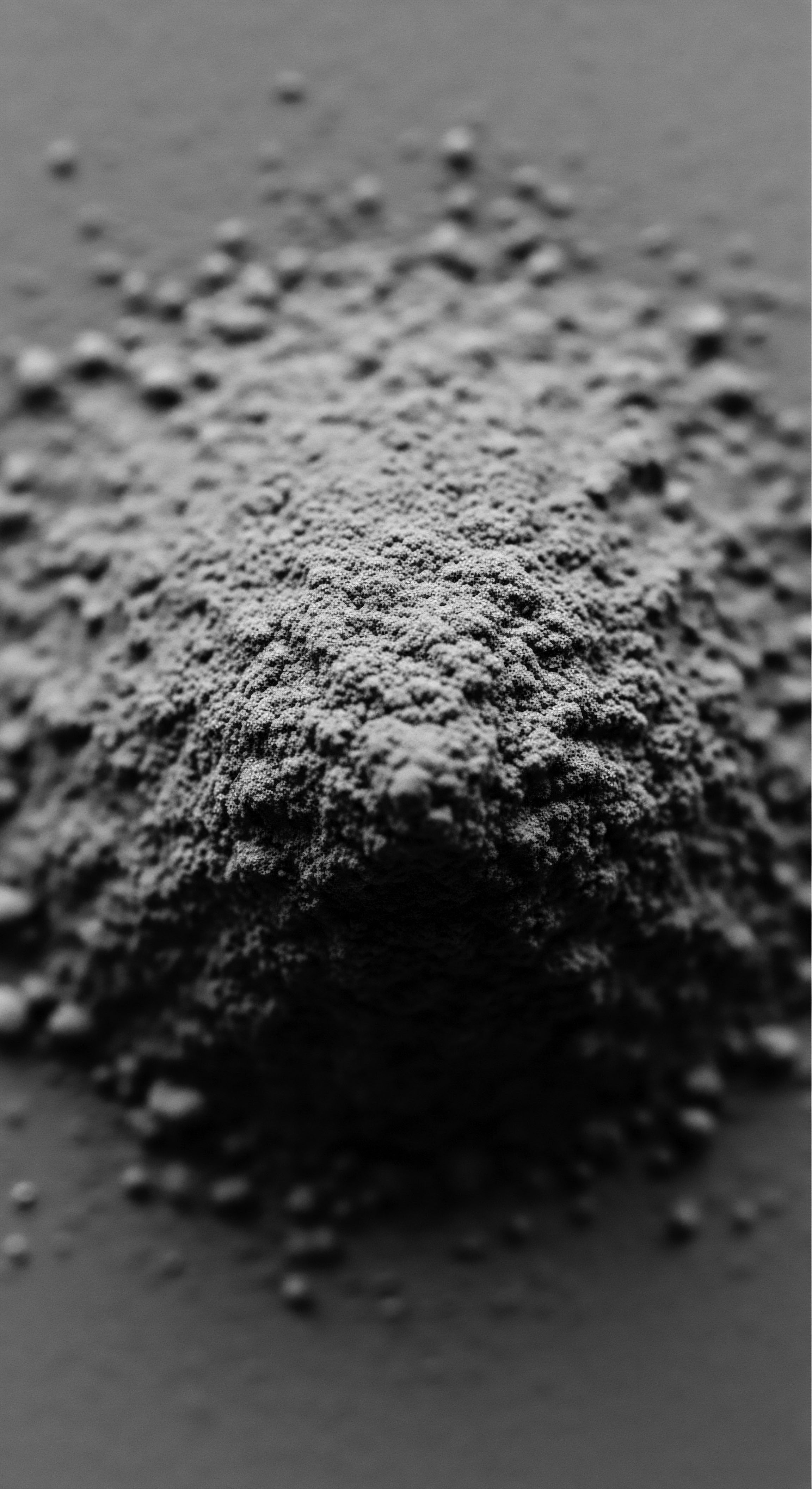
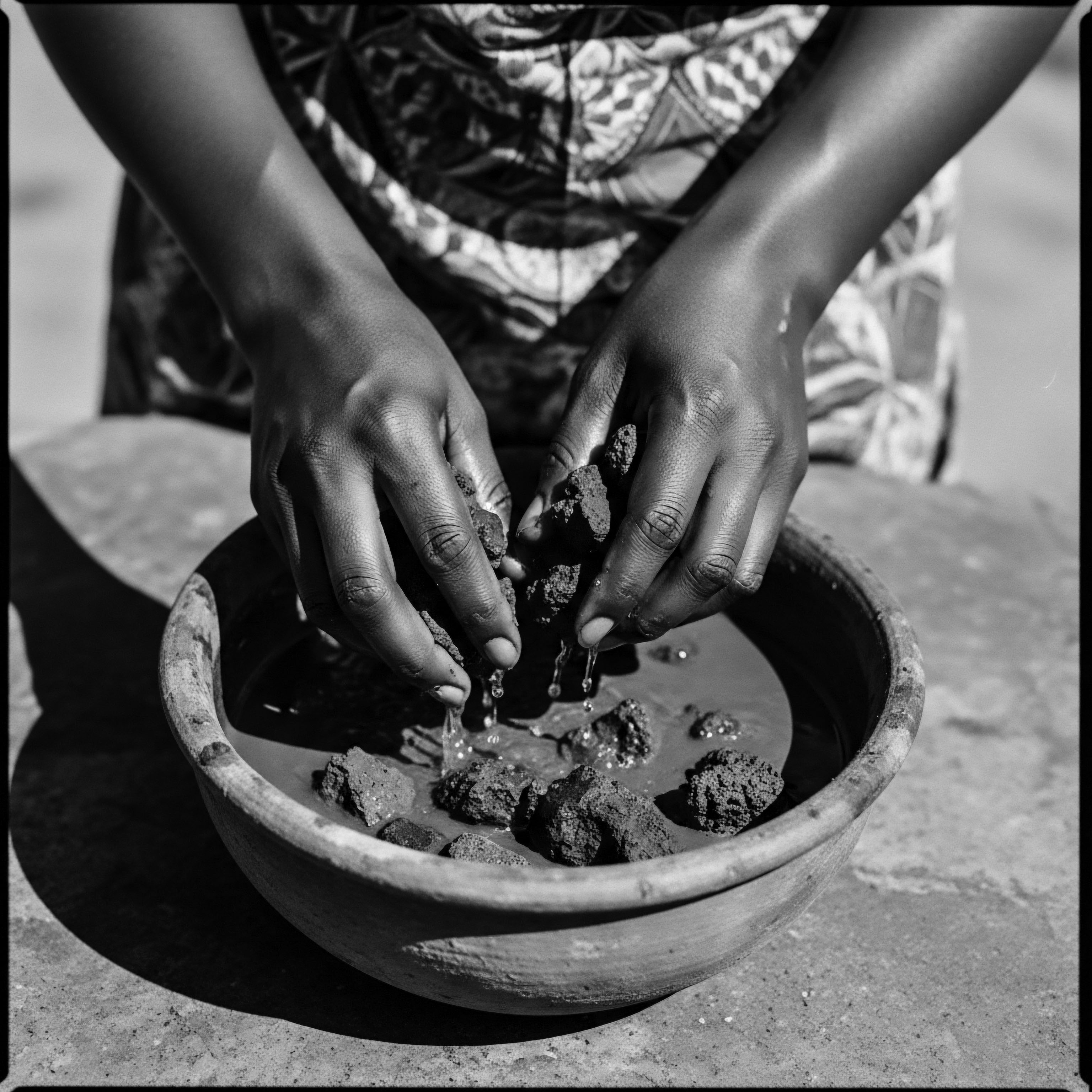
Rhassoul clay, a mineral-rich ancient Moroccan earth, can effectively replace modern shampoos for textured hair, honoring ancestral cleansing traditions.
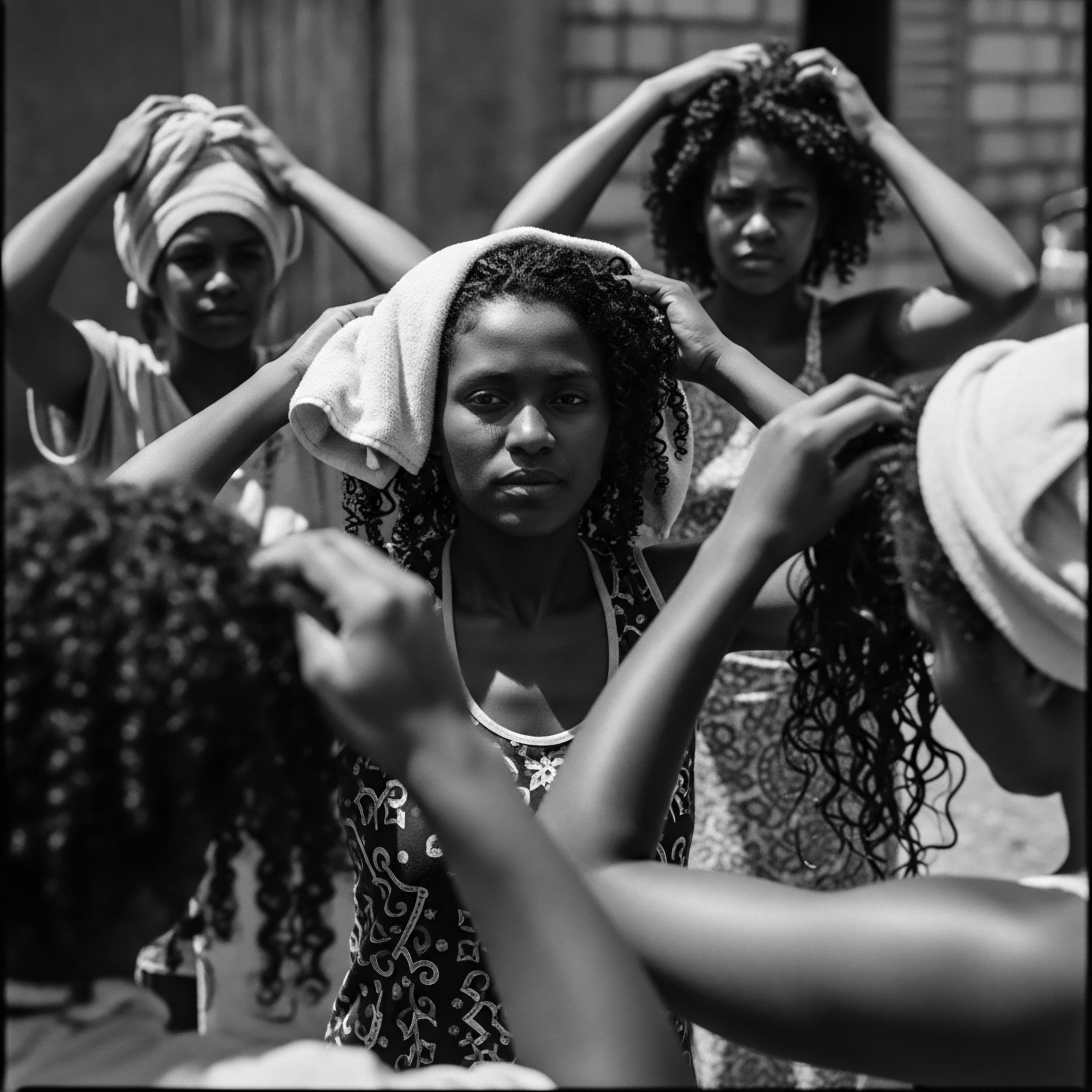
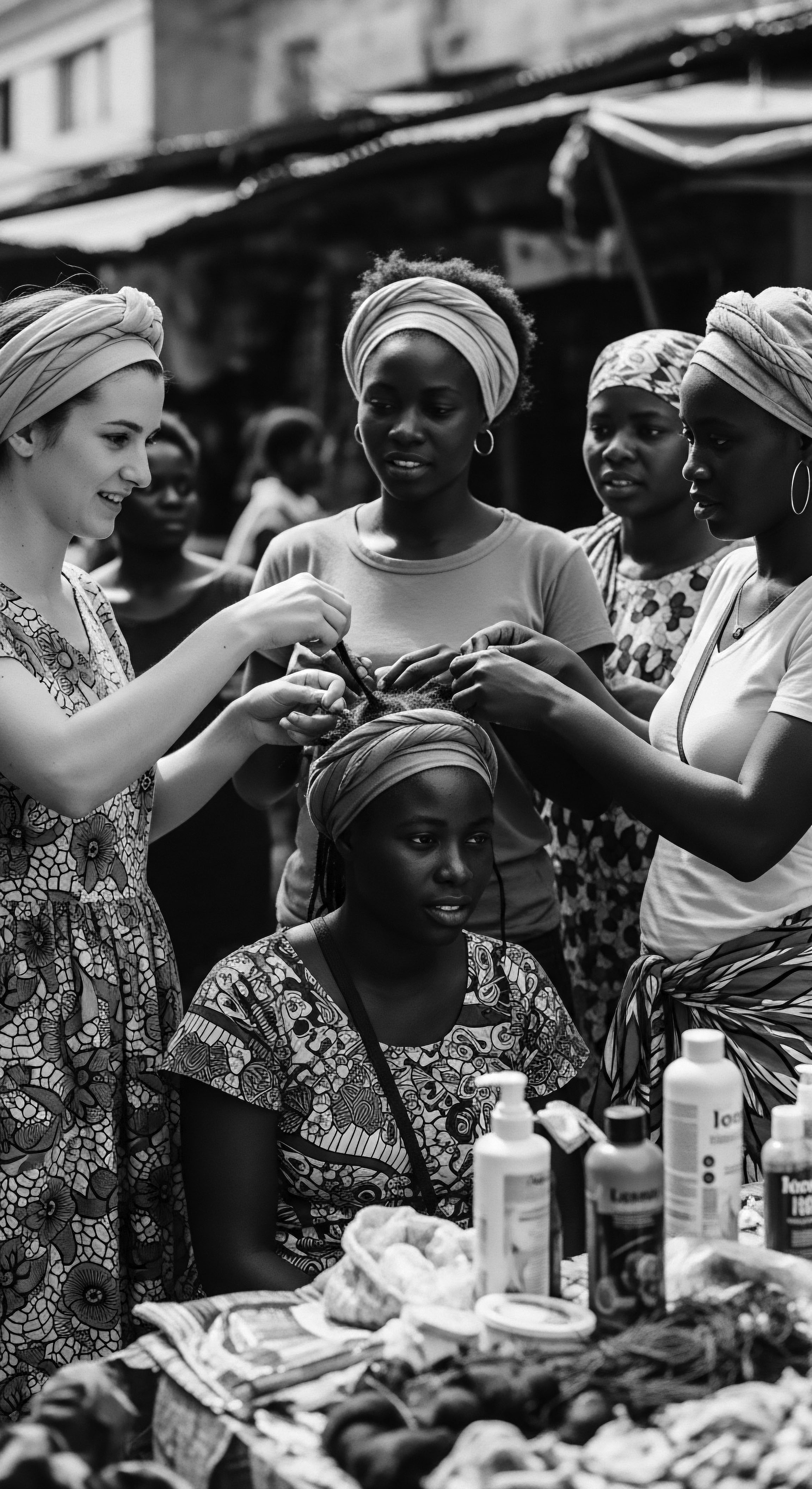
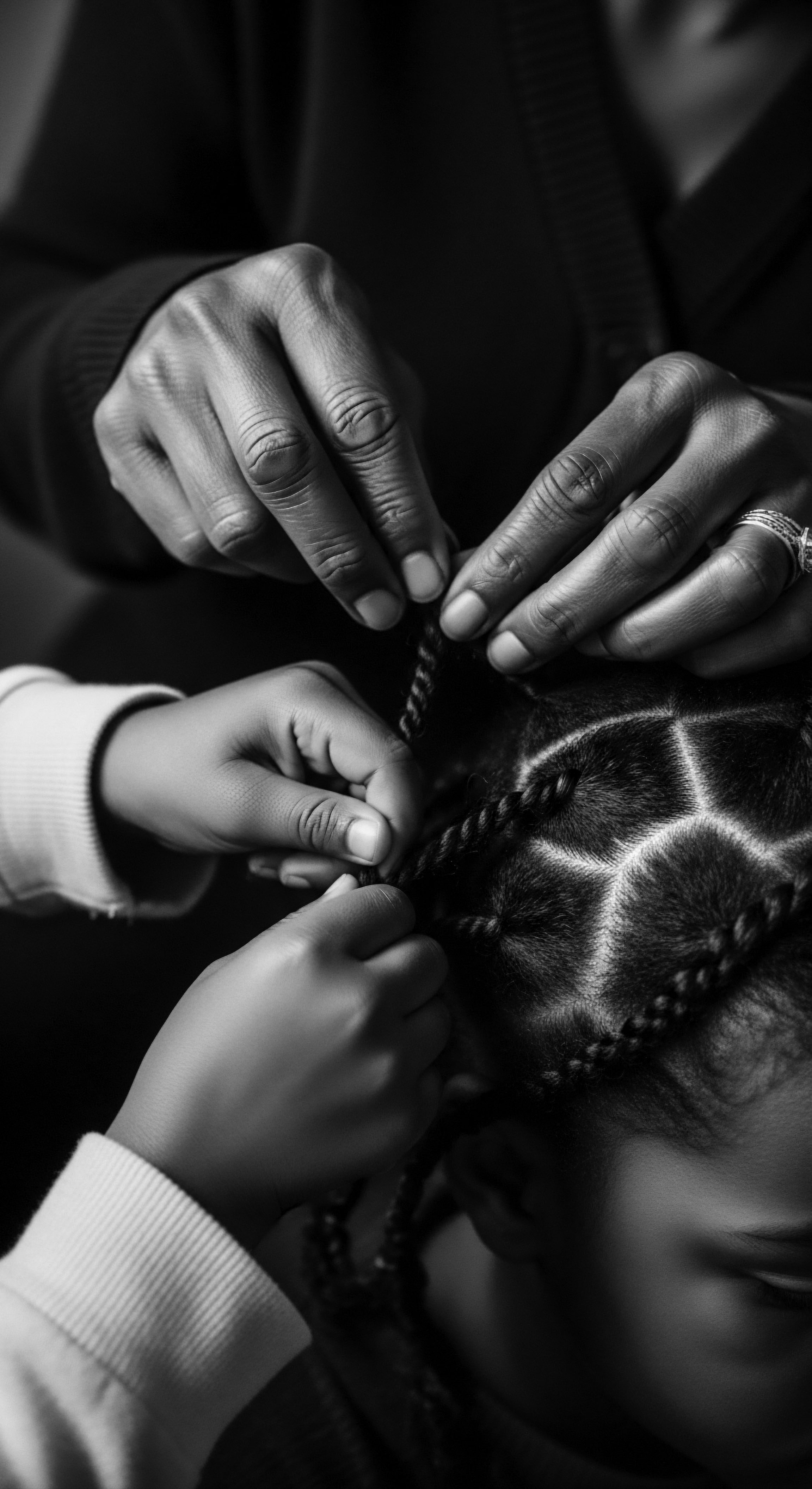
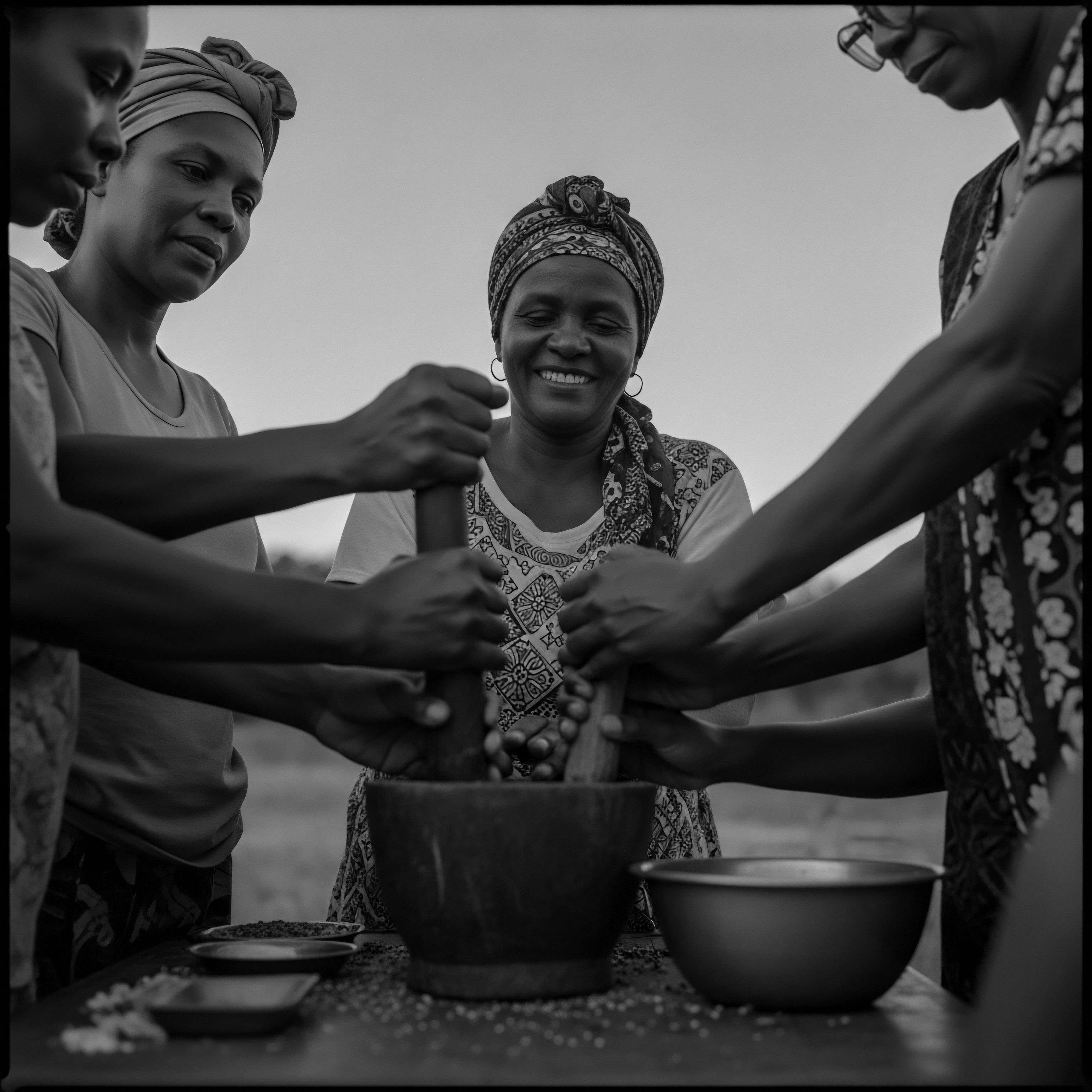
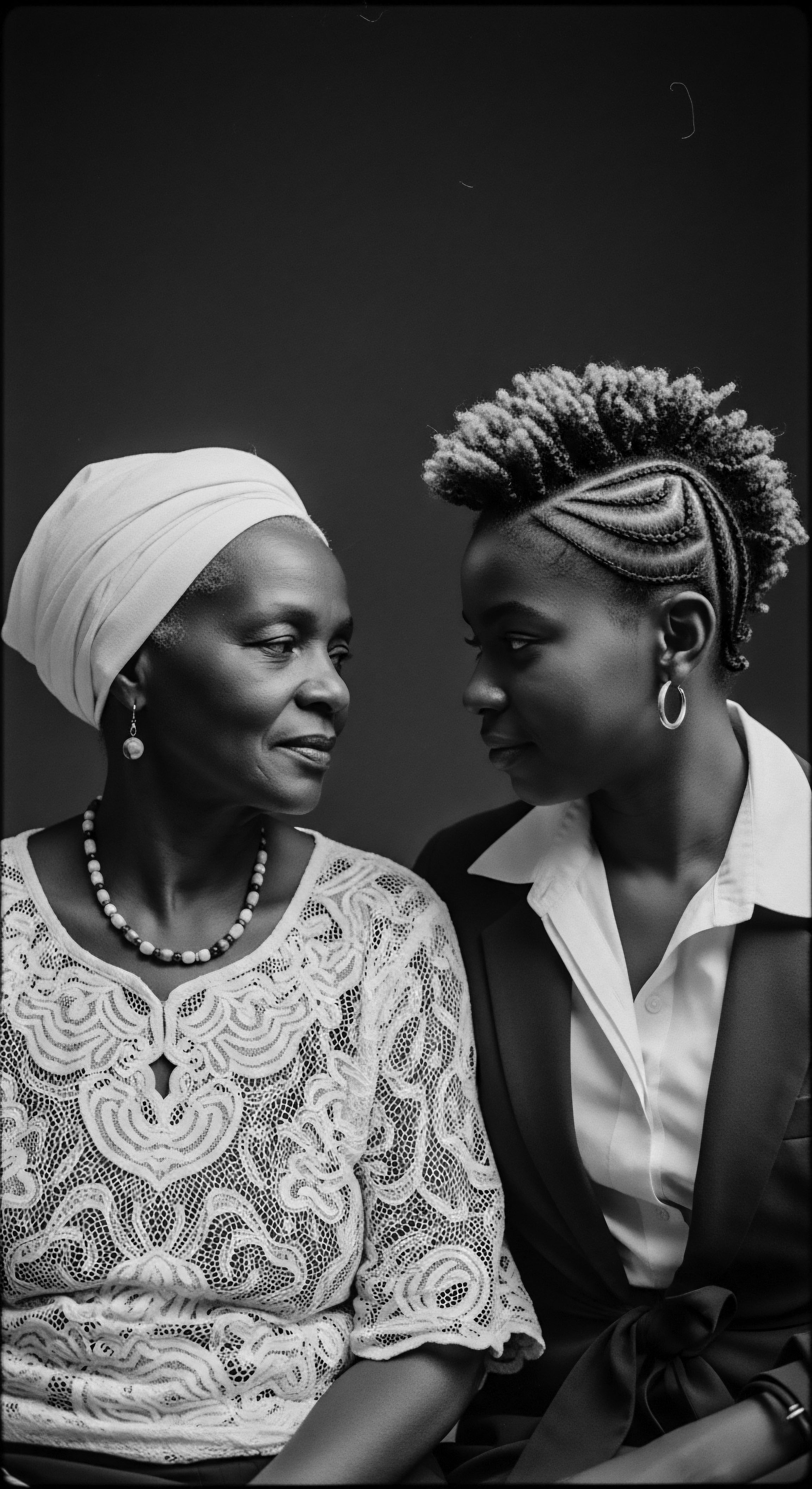
Communal practices shaped ancestral textured hair care by fostering shared knowledge, intergenerational skill transfer, and reinforcing social identity through collective grooming rituals.
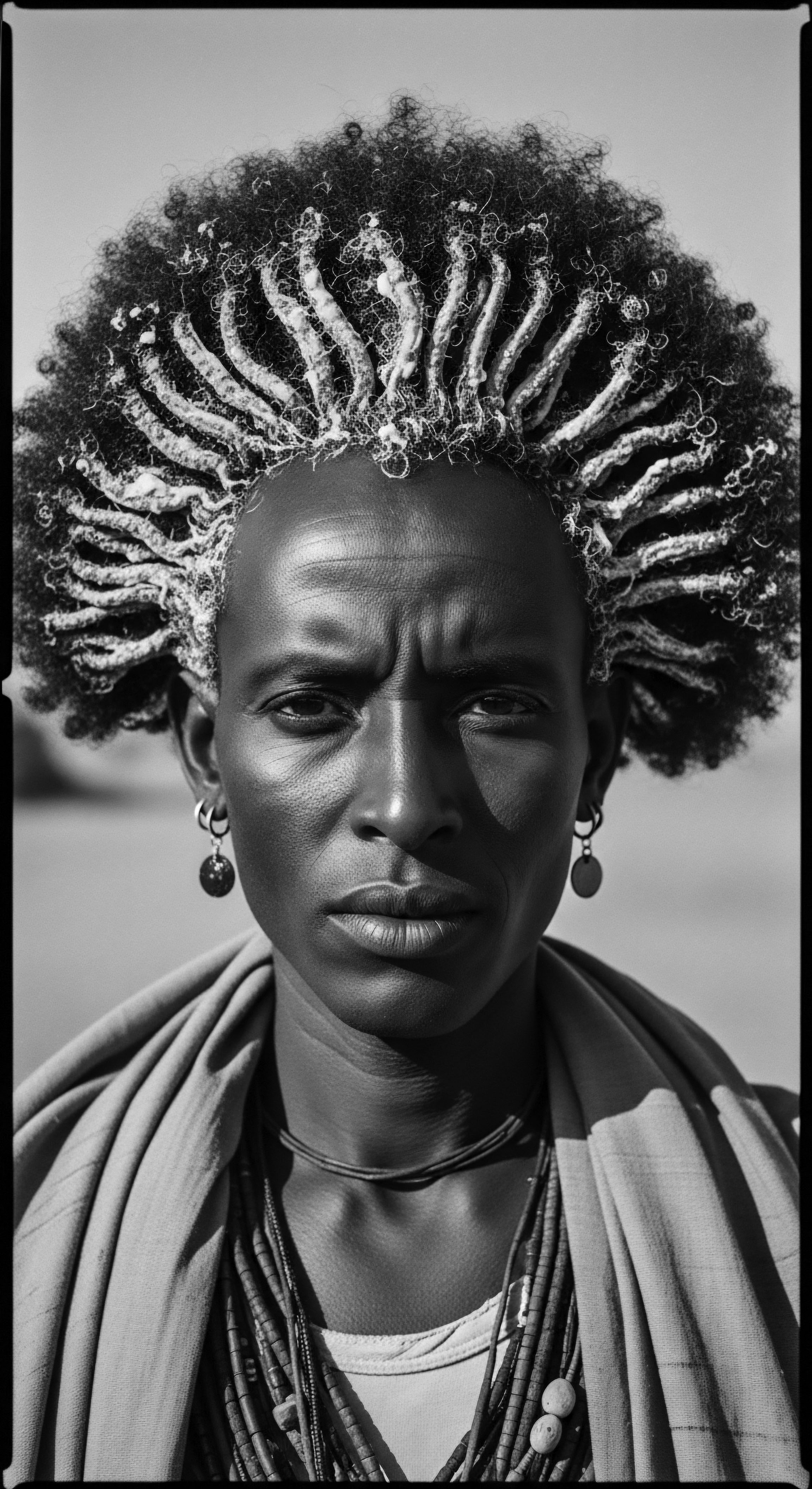
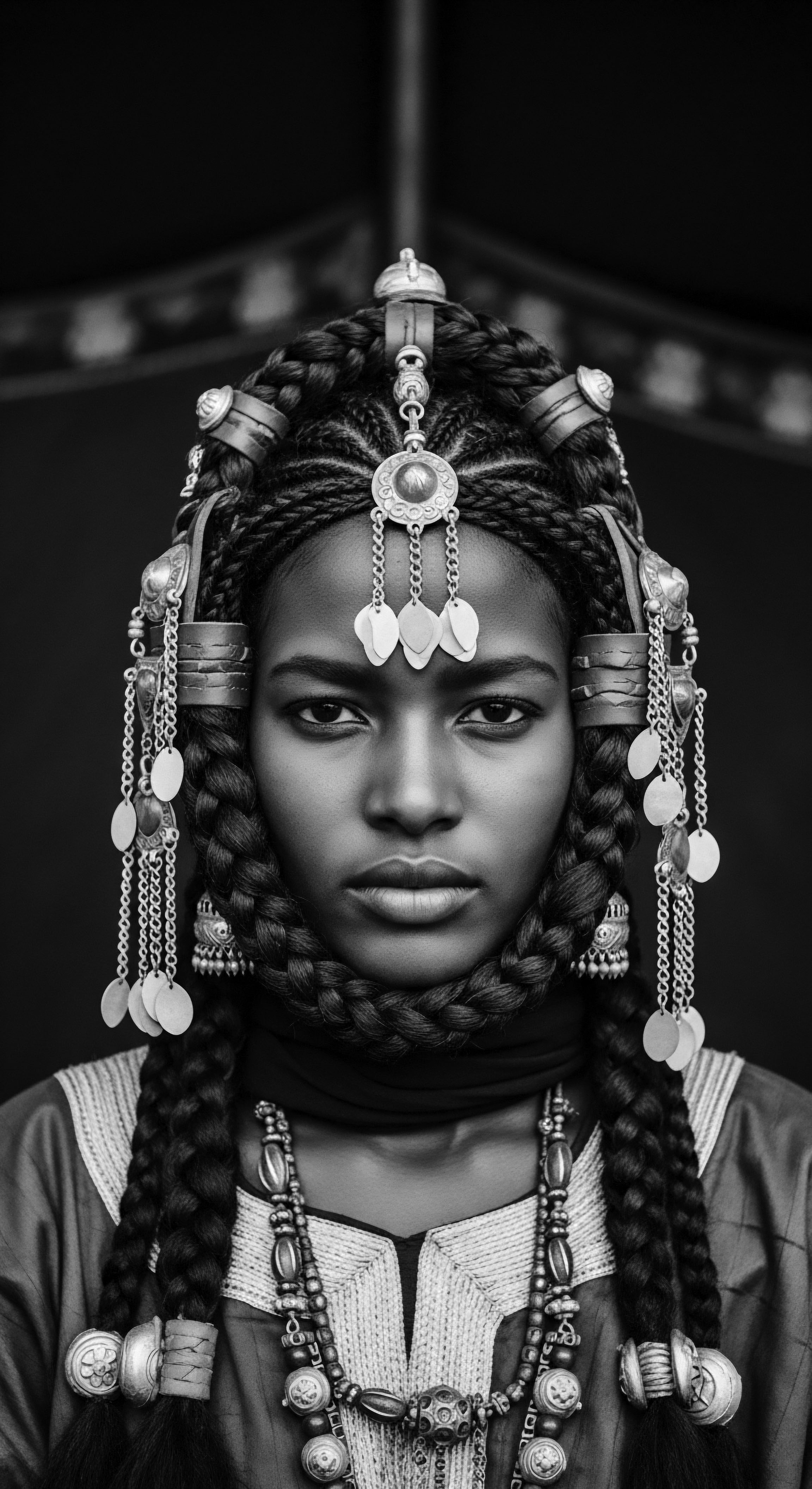
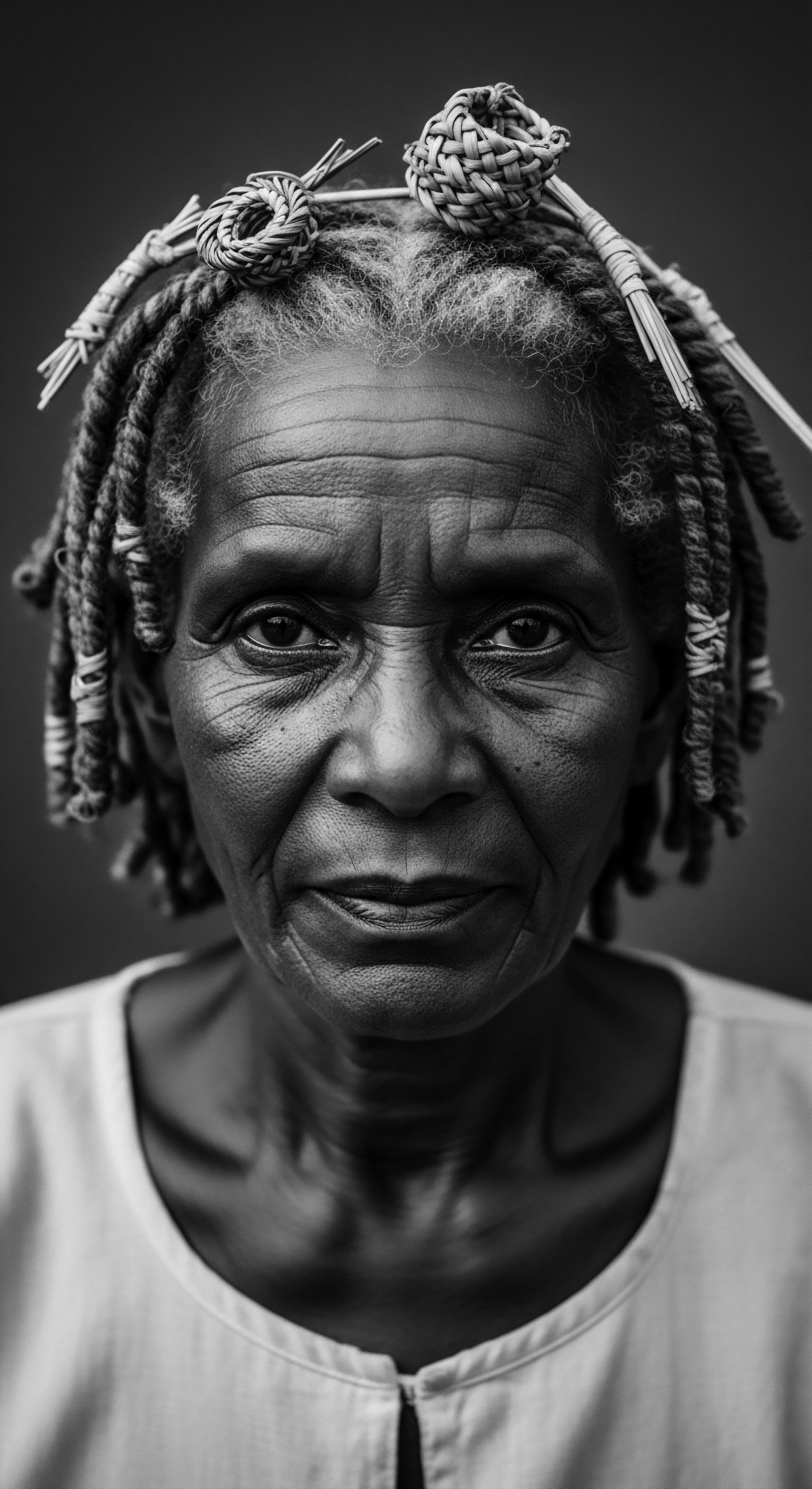
Historical hair practices conveyed care for textured hair through protective styling, natural ingredient use, and communal rituals deeply rooted in heritage.
Unprotected textured hair during sleep incurs friction and moisture loss, leading to dryness and breakage, issues historically mitigated by ancestral protective practices.
Plant-based remedies historically and presently address textured hair concerns by providing vital moisture, strength, and scalp health, deeply rooted in ancestral knowledge and cultural heritage.
Historical shifts in textured hair products reflect a profound journey from ancestral botanical care to complex modern formulations shaped by cultural identity and resilience.
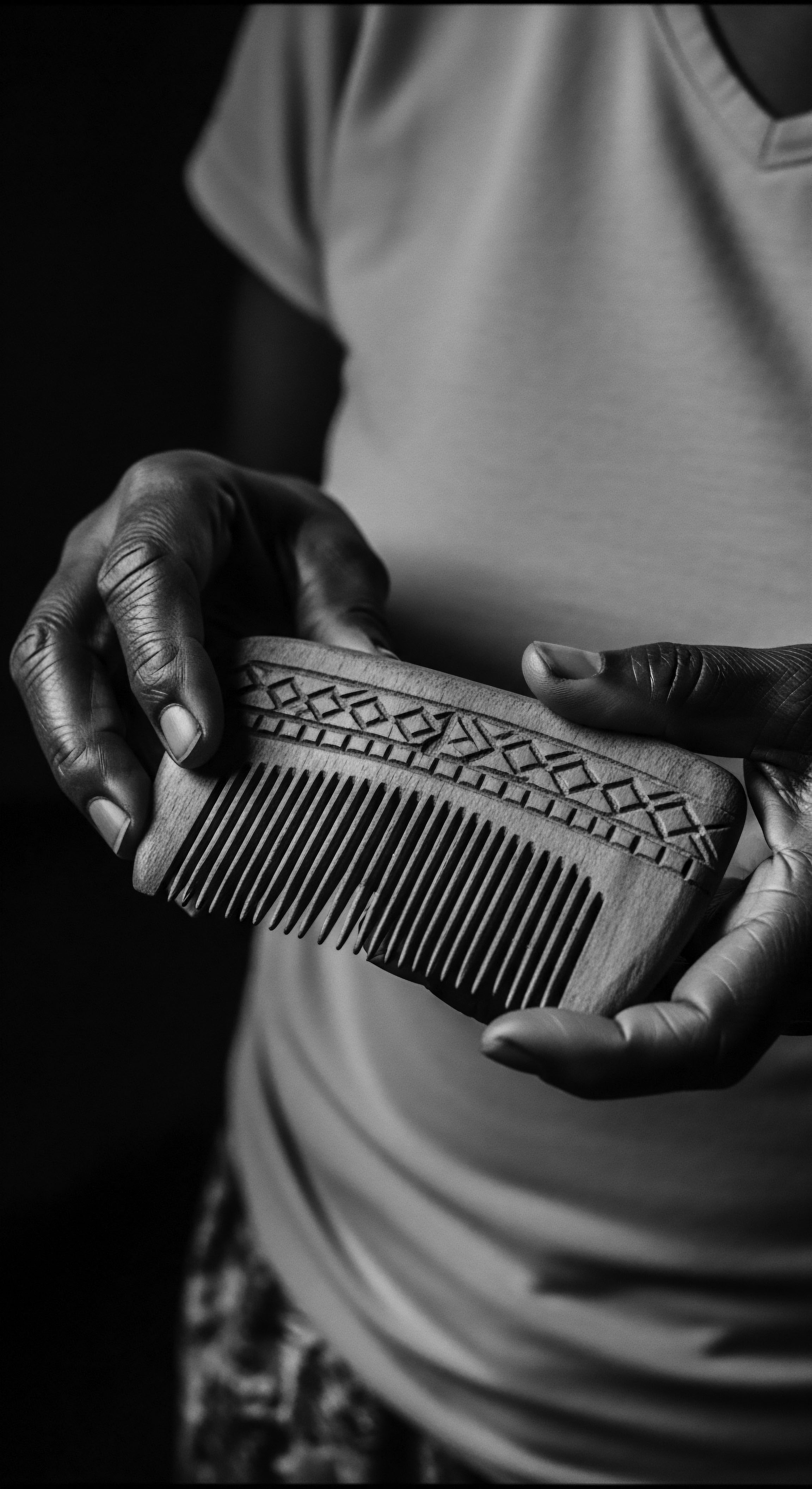
Historical hair tools, born of ancestral ingenuity, directly inform modern textured hair styling by providing foundational designs for detangling, shaping, and protecting diverse curl patterns.
Shea butter served as a foundational moisturizer, protective agent, and cultural staple in ancestral textured hair care rituals, linking generations through shared heritage.
Ancestral diets, rich in proteins, essential vitamins, and minerals from whole, unprocessed foods, laid the nutritional foundation for textured hair's enduring resilience and strength.
Historical nutrition directly influenced textured hair health, shaping its resilience through inherited dietary practices and cultural resourcefulness.
Traditional African and diasporic foods, rich in specific proteins, vitamins, and minerals, historically strengthened textured hair by providing essential internal nourishment, linking diet directly to heritage and vitality.
Ancestral hair oiling safeguarded textured strands by providing moisture, reducing friction, and supporting scalp health, a heritage of resilience and care.
Dietary choices, deeply rooted in heritage, directly influence textured hair's moisture by providing essential building blocks for healthy strands and scalp.
We use cookies to personalize content and marketing, and to analyze our traffic. This helps us maintain the quality of our free resources. Manage your preferences below.
This helps support our free resources through personalized marketing efforts and promotions.
Analytics cookies help us understand how visitors interact with our website, improving user experience and website performance.
Personalization cookies enable us to customize the content and features of our site based on your interactions, offering a more tailored experience.