What ancestral oils benefited textured scalps?
Ancestral oils, such as shea butter and castor oil, provided protective moisture and soothed textured scalps, rooted in millennia of heritage.
What cultural significance do combs hold in African heritage?
Combs hold profound cultural significance in African heritage for textured hair, serving as symbols of identity, status, spirituality, and resistance across millennia.
What are hair heritage laws?
Hair heritage laws are legal protections safeguarding the right to wear natural or traditional hairstyles linked to racial and cultural identity.
Can ancient botanical knowledge offer solutions for current textured hair concerns?
Ancient botanical wisdom offers time-tested remedies for textured hair by connecting heritage to holistic care and protection.
In what ways do modern hair practices continue ancestral wisdom and heritage?
Modern hair practices for textured hair profoundly continue ancestral wisdom by preserving cultural identity and employing historically proven natural care methods.
In what ways did food systems historically connect to African hair heritage?
Food systems historically offered vital nutrients and topical remedies that profoundly sustained and shaped African textured hair heritage.
What historical significance do natural cleansing practices hold for African hair heritage?
Natural cleansing practices hold profound historical meaning for African hair heritage, symbolizing identity, community, and reverence for ancestral wisdom.
How do modern bonnets scientifically benefit textured hair health?
Modern bonnets scientifically shield textured hair from friction and moisture loss, preserving its structure and honoring ancestral protective practices.
How did heritage hair practices use oils for sun?
Heritage hair practices used natural oils, like shea butter, to create a physical barrier, seal moisture, and offer mild solar protection for textured strands.
In what ways did ancient hair practices honor Black hair heritage?
Ancient practices revered Black hair heritage through meticulous care, elaborate styling, and spiritual meaning, reflecting deep communal identity.
How does heritage influence modern hair discrimination laws?
Heritage informs modern hair discrimination laws by revealing centuries of systemic bias against textured hair, prompting legal recognition of its cultural significance.
Can modern science validate traditional textured hair practices?
Modern science validates traditional textured hair practices by revealing the biochemical efficacy of ancestral wisdom.
How do hair’s structure and heritage connect?
Hair's structure and heritage align through shared ancestral experiences, dictating unique characteristics and cultural care traditions.
What is the role of hair length in expressing modern Black identity and heritage?
Hair length in modern Black identity expresses enduring heritage and resistance to imposed standards, reflecting ancestral knowledge and self-determination.
Which Ancient Botanicals Still Serve Modern Textured Hair Care?
Ancient botanicals like shea butter, yucca, and henna continue to serve modern textured hair care by offering cleansing, conditioning, and protective benefits rooted in ancestral wisdom.
What is Chebe Powder’s Connection to African Hair Heritage?
Chebe powder strengthens textured hair, preventing breakage and allowing it to retain significant length, a tradition rooted deeply in Chadian African hair heritage.
What plant-based ingredients offered heritage sun defense for Black hair?
Ancestral practices for textured hair sun defense relied on plant-based emollients and botanicals, a legacy of inherited wisdom.
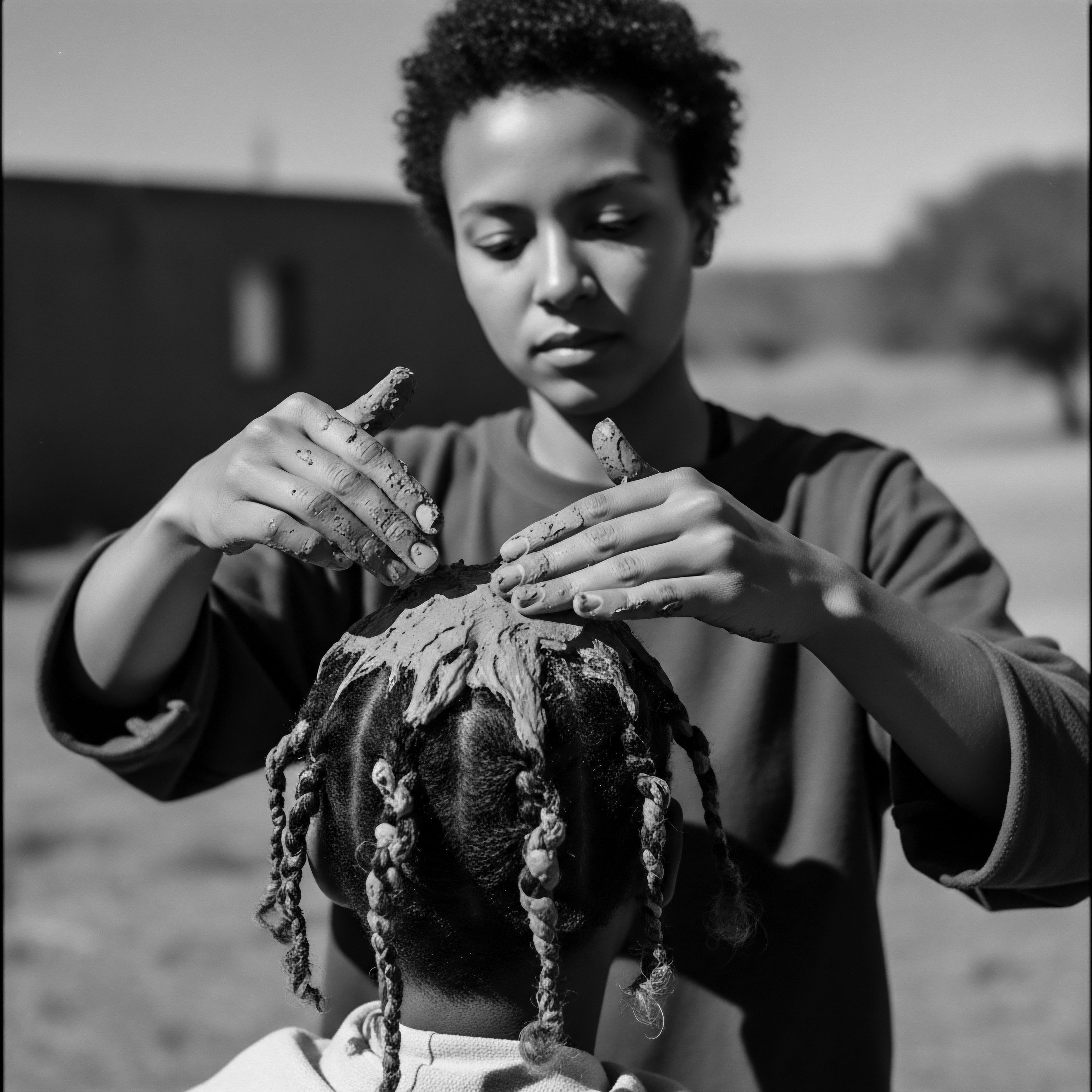
What ancient cleansing rituals involving minerals shaped hair heritage?
Ancient mineral cleansing rituals, using clays and ashes, shaped textured hair heritage by providing gentle, effective care.
How did braiding practices preserve Black cultural heritage across generations?
Braiding practices preserved Black cultural heritage by serving as ancestral communication, communal bonding, and a symbol of identity and resistance.
What historical impacts shaped argan oil’s cultural significance in hair heritage?
Argan oil's cultural significance in hair heritage stems from centuries of Amazigh women's ancestral practices nourishing textured hair.
What scientific insights validate traditional Black hair care heritage?
Scientific understanding validates ancestral Black hair care through biophysical insights into textured strands and traditional methods.
What ancestral practices demonstrate shea butter’s profound impact on hair heritage?
Ancestral practices demonstrate shea butter's lasting impact on textured hair heritage through protective care, communal ritual, and diasporic resilience.
How did Black women’s responses to Tignon Laws influence future hair expression heritage?
Black women transformed oppressive tignon mandates into statements of beauty, shaping a powerful heritage of hair as identity and resistance.
In what ways did ancient tools reflect cultural identity and hair care heritage?
Ancient hair tools for textured hair conveyed cultural identity through symbolic carvings and were central to care heritage.
Can the biology of textured hair reveal cultural heritage links?
Textured hair's biology intricately reveals cultural heritage through genetic predispositions and ancestral care traditions.
How did slavery impact Black hair heritage?
Slavery deeply severed ancestral hair practices, imposing neglect while igniting resilient, covert traditions of care and communication, shaping Black hair heritage.
Can braided styles preserve cultural heritage across diverse African communities?
Braided styles are dynamic cultural archives, preserving history and identity across diverse African communities through intricate patterns and shared rituals.
Can Modern Science Explain The Effectiveness of Traditional Textured Hair Practices?
Modern science affirms that traditional textured hair practices align with hair biology, reinforcing the value of ancestral care and heritage.
How do communities use shea butter for heritage?
Communities use shea butter for heritage through ancestral care rituals and economic empowerment, deeply rooted in textured hair traditions.