How did forced migration influence hair care practices for heritage?
Forced migration profoundly reshaped textured hair care, fostering ingenious adaptations rooted in cultural memory and ancestral resilience.
Can specific ancestral rituals truly address contemporary textured hair concerns?
Ancestral rituals offer potent, heritage-informed solutions for contemporary textured hair needs, emphasizing gentle, holistic care principles.
Why did ancient protective styles promote textured hair growth?
Ancient protective styles fostered textured hair growth by minimizing manipulation and promoting moisture retention, honoring intrinsic hair needs.
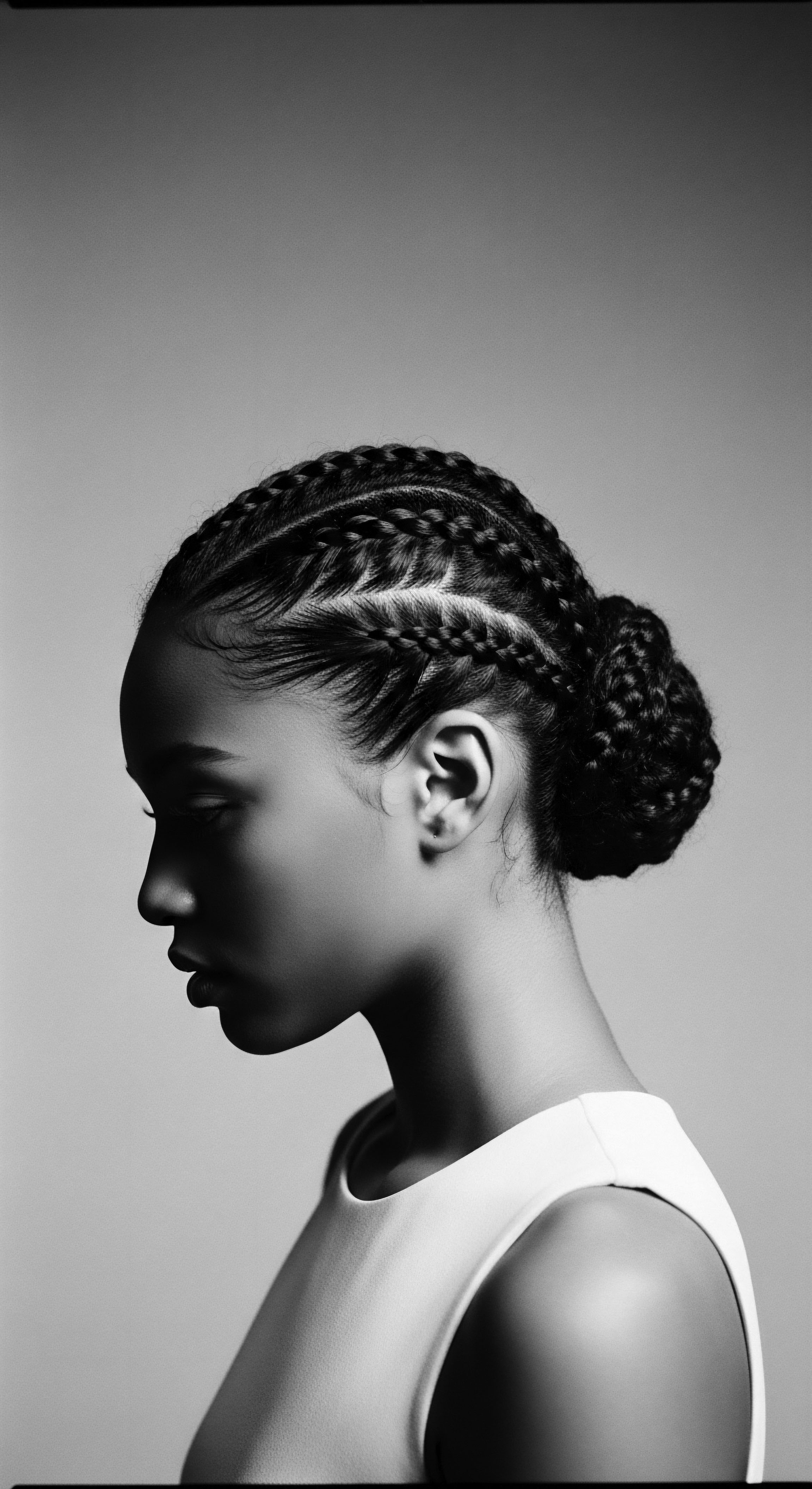
What historical meaning do braids carry for African heritage?
Braids for African heritage represent ancient communication, social standing, spiritual connection, and powerful resistance for textured hair.
Which Amazonian oils strengthen textured strands?
Amazonian oils like Patauá, Buriti, and Pracaxi strengthen textured strands through a heritage of ancestral wisdom and rich botanical composition.
Nutritional Foundations
Meaning ❉ Nutritional Foundations refers to the essential internal and external nourishment that sustains the health and resilience of textured hair.
Can historical hair practices offer insights into modern textured hair care challenges?
Historical hair practices provide insights into textured hair challenges by highlighting ancestral wisdom for moisture, protection, and holistic well-being.
Why did historical styling choices impact textured hair growth?
Historical styling choices impacted textured hair growth by imposing damaging standards and simultaneously preserving ancestral wisdom.
How do traditional practices for textured hair support long-term health?
Traditional textured hair practices, deeply rooted in ancestral wisdom, foster long-term health by honoring the hair's natural structure and preserving moisture.
Identity Bonds
Meaning ❉ Identity Bonds embody the deep, intertwined connections between self, community, and the profound heritage of textured hair.
In what ways did traditional oiling sustain textured hair heritage through generations?
Traditional oiling sustained textured hair heritage by providing essential moisture, protecting unique strand structures, and serving as a profound cultural and communal ritual across generations.
What historical care rituals connected textured hair to community?
Historical care rituals fostered communal bonds, identity, and shared knowledge through the tending and adornment of textured hair heritage.
Can modern hair routines honor historical African heritage?
Modern hair routines can honor African heritage by consciously integrating ancestral wisdom, ingredients, and the deep cultural meanings of textured hair.
Can traditional botanical knowledge enhance textured hair regimens?
Traditional botanical knowledge provides profound, heritage-rooted insights that significantly enhance modern textured hair regimens.
Korean Ginseng
Meaning ❉ Korean Ginseng is a revered root, rich in ginsenosides, understood for its capacity to stimulate hair vitality and scalp health, echoing ancestral care principles.
In what ways do historical struggles inform textured hair’s present resilience?
Historical struggles forged textured hair's resilience by transforming oppression into a powerful heritage of identity, care, and cultural persistence.
How does cultural heritage influence modern hair care regimens?
Cultural heritage profoundly shapes modern hair care by grounding regimens in ancestral wisdom, protective practices, and indigenous ingredients.
Afro-textured Hair Morphology
Meaning ❉ Afro-textured Hair Morphology details the unique biological structure and cultural significance of tightly coiled hair, rooted in African heritage.
What protective styles carry historical meaning from our heritage?
Protective styles like cornrows, locs, and Bantu knots carry deep historical meaning, rooted in textured hair heritage and ancestral practices.
How do ancient hair practices improve textured hair health?
Ancient hair practices improve textured hair health by honoring its unique structure through ancestral wisdom and natural elements.
What historical techniques preserved African textured hair?
Ancestral African techniques preserved textured hair through natural ingredients, protective styling, and communal care rituals emphasizing heritage.
What traditional botanicals shaped ancient hair care heritage?
Traditional botanicals like shea butter and Chebe powder deeply shaped ancient textured hair care, connecting past wisdom to living heritage.
What historical factors influence textured hair’s moisture balance?
Historical factors including climate, ancestral practices, and diaspora experiences profoundly influenced textured hair's moisture balance.
Can traditional ingredients nourish modern textured hair?
Traditional ingredients can profoundly nourish modern textured hair, connecting contemporary care to centuries of ancestral wisdom and heritage.
What traditional ingredients were central to heritage hair oiling?
Heritage hair oiling centralized ingredients like shea butter, coconut oil, and castor oil, deeply honoring textured hair's ancestral needs.
What scientific properties of shea butter benefit textured hair?
Shea butter's rich fatty acids and unsaponifiable compounds seal moisture and soothe scalps, honoring centuries of textured hair heritage.
Can ancient scalp oiling practices inform modern textured hair regimens?
Ancient scalp oiling offers a heritage-rich framework for modern textured hair regimens, providing moisture, protection, and a link to ancestral wisdom.
How does cultural heritage influence modern coily hair care?
Cultural heritage shapes coily hair care by preserving ancestral wisdom, influencing techniques, and affirming identity.
Why do textured hair types need emollients?
Textured hair requires emollients to seal moisture, smoothing its distinct structure and honoring ancestral care traditions.