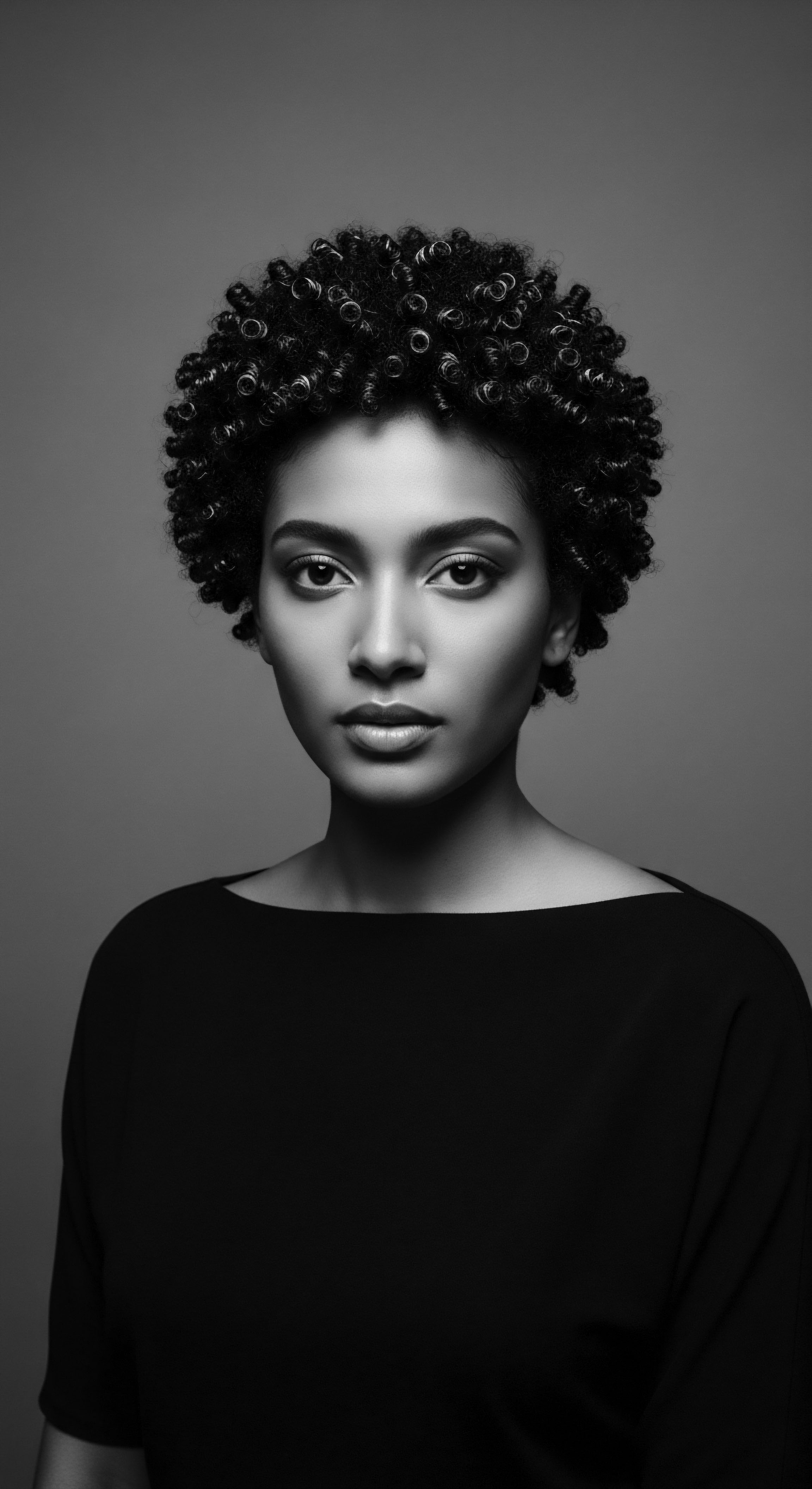
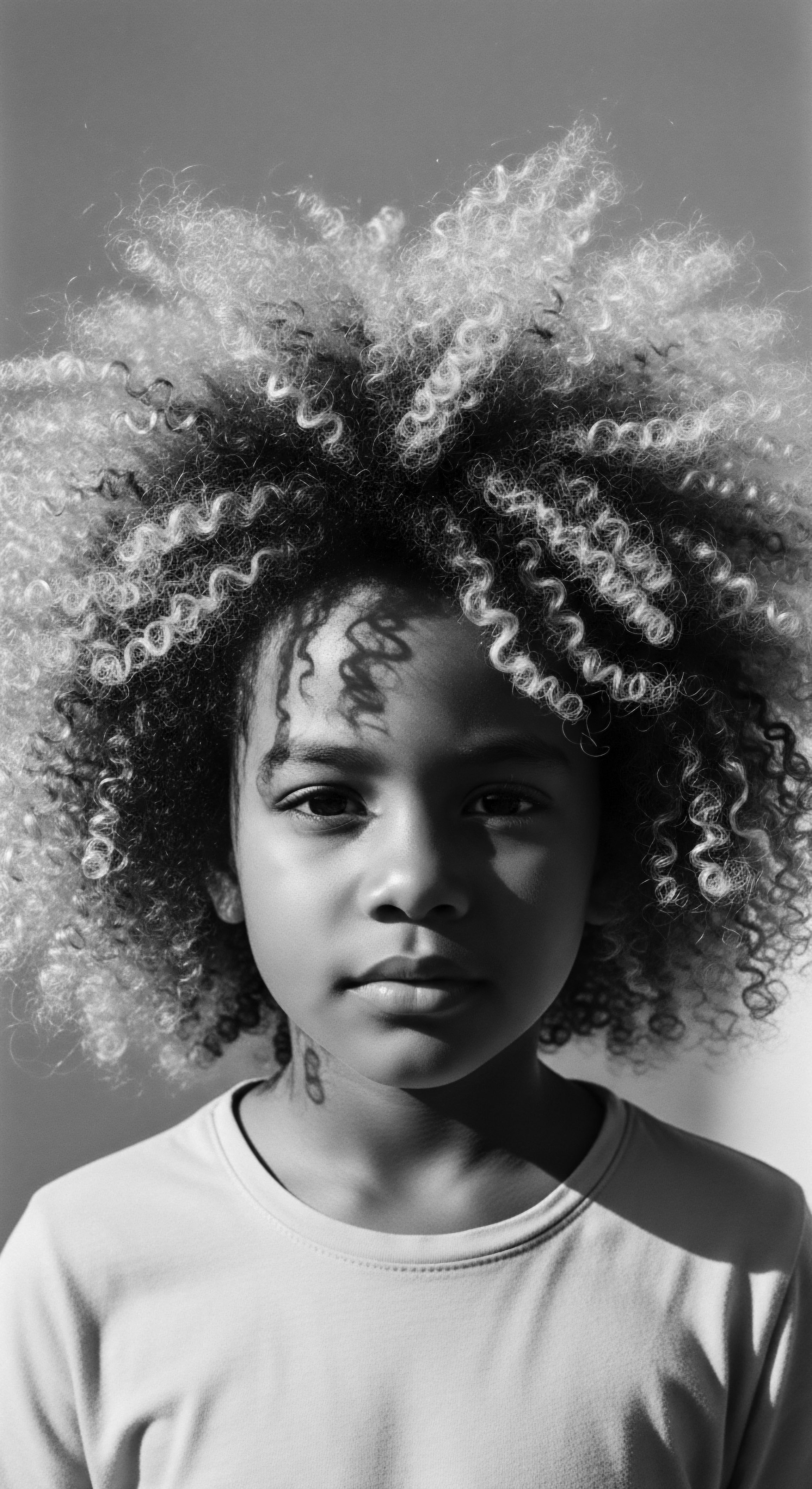
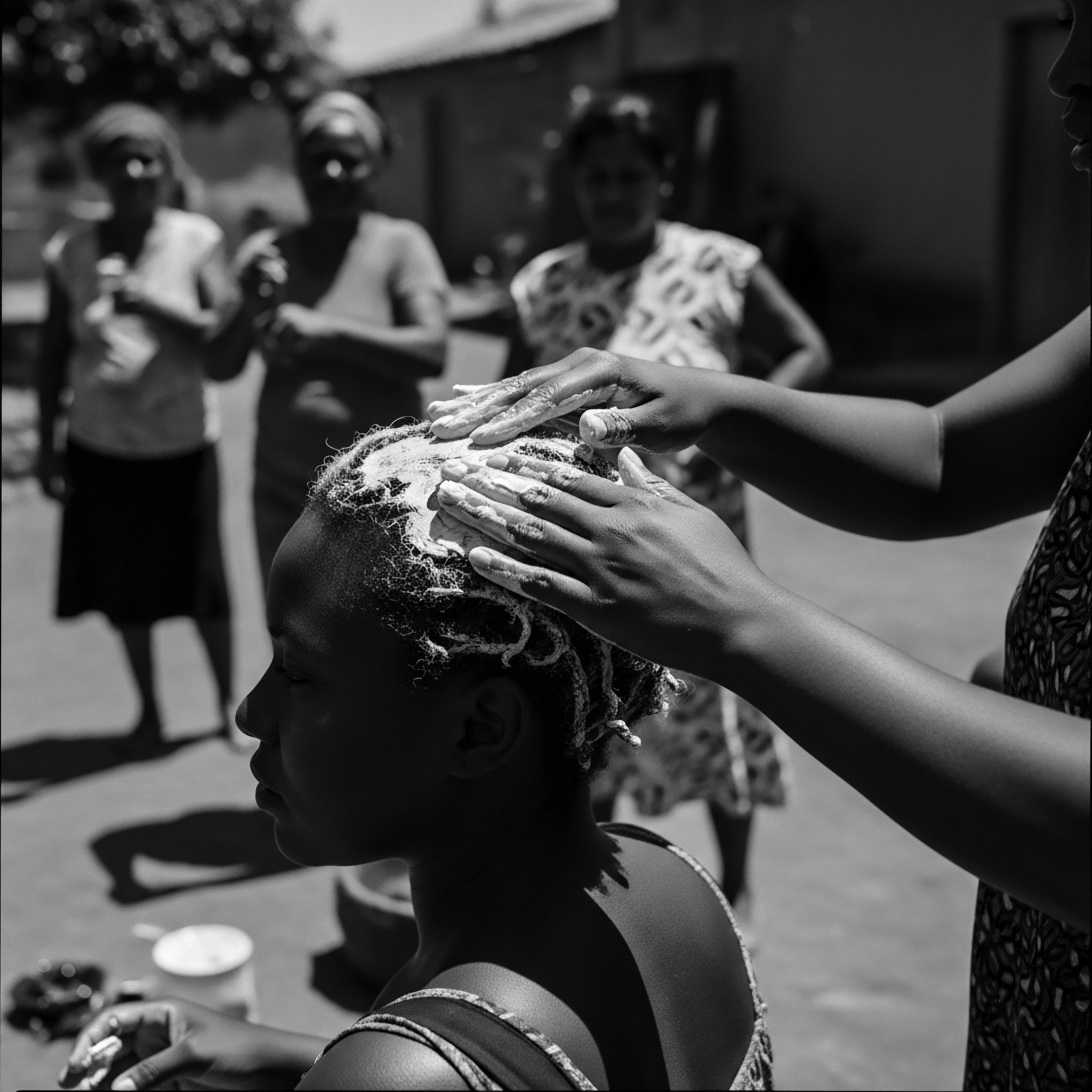
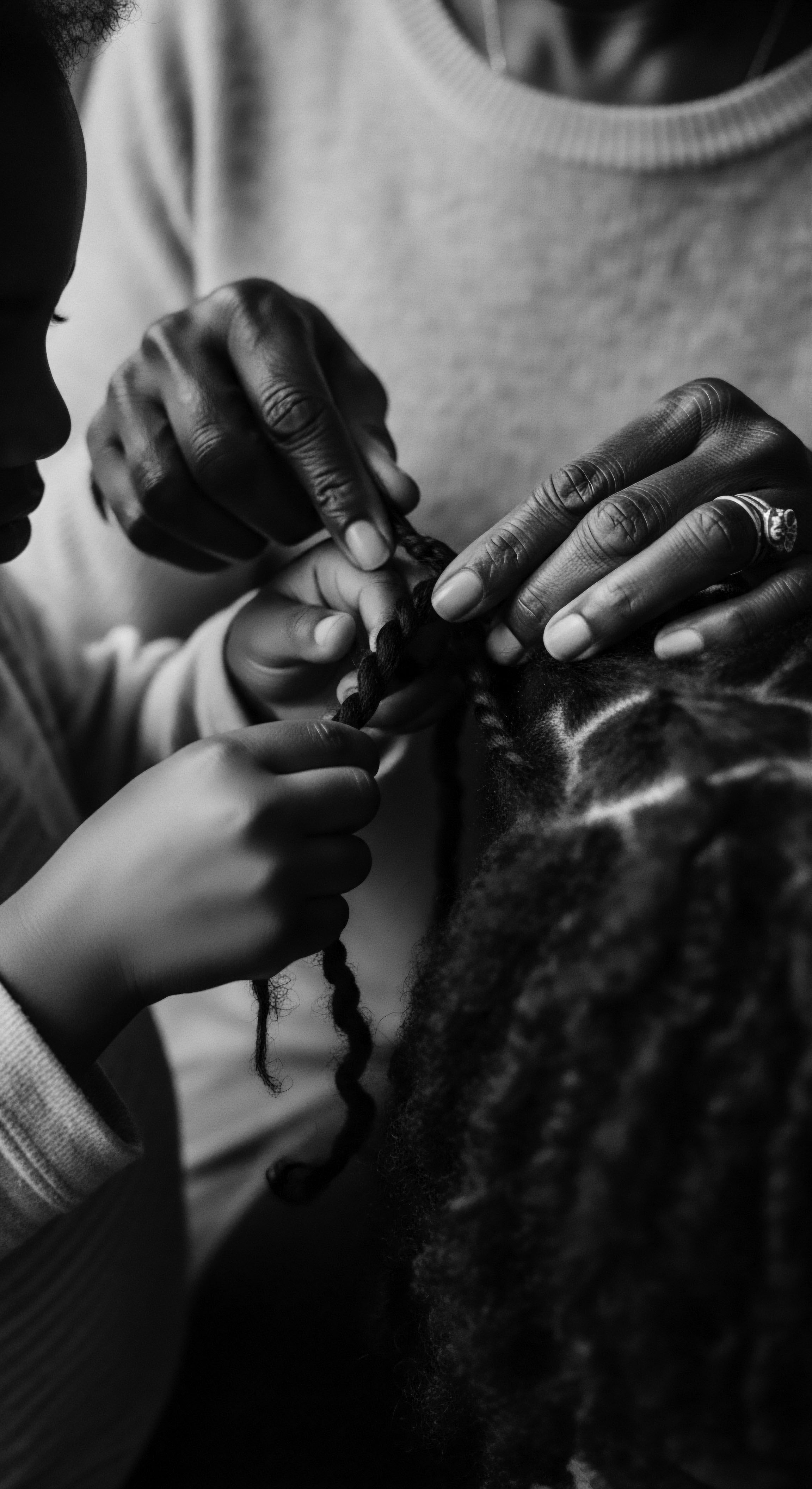
Cultural practices, passed through generations, significantly enhance textured hair's resilience by offering protective rituals and fostering a sense of heritage-driven care.
Textured hair styles became a symbol of defiance through continuous acts of heritage preservation and self-affirmation against oppressive beauty norms.
Meaning ❉ Hair and Sustenance defines the biological needs and cultural practices that nourish textured hair, reflecting its profound heritage and identity.
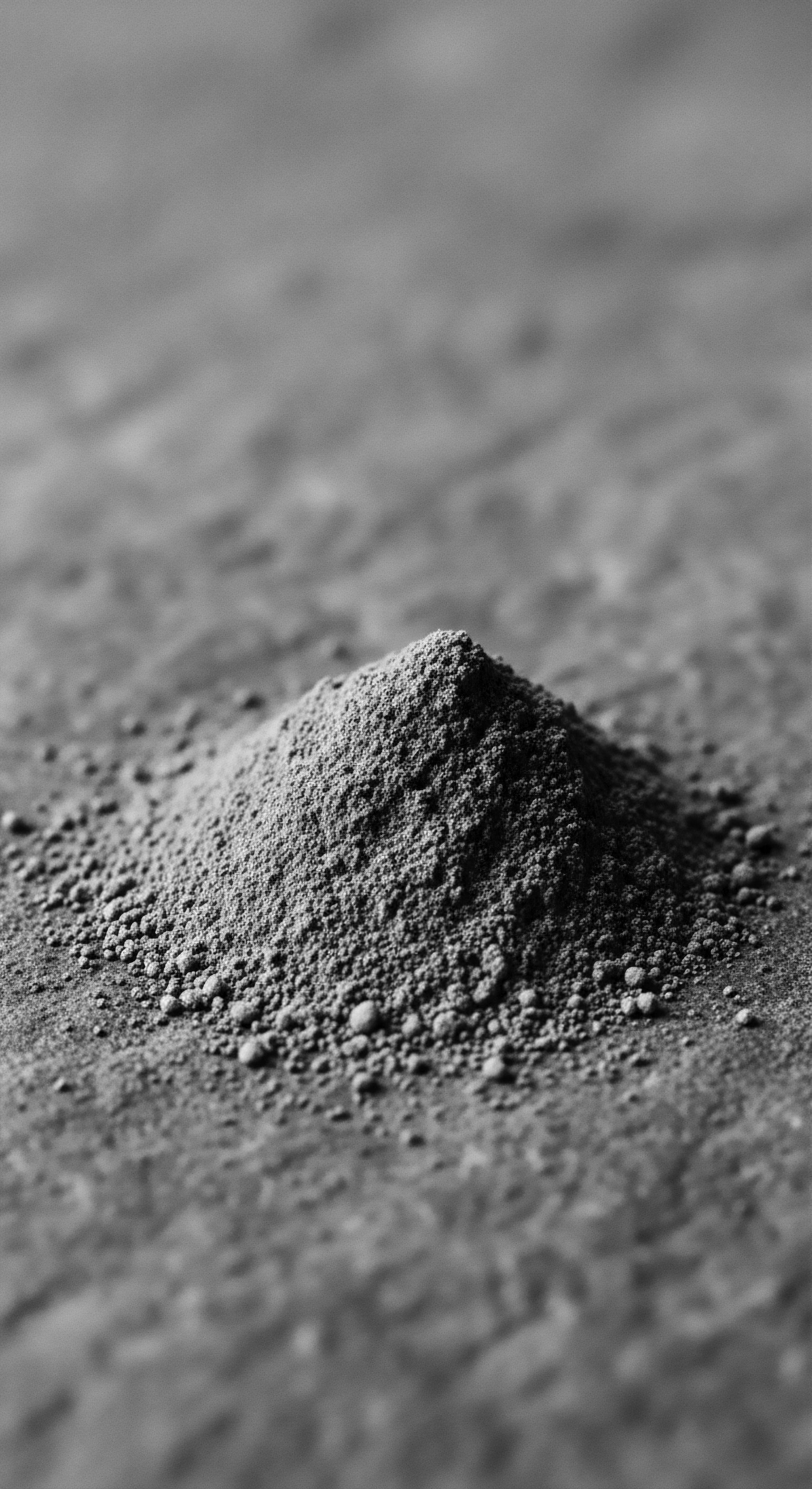
Rhassoul clay, a mineral-rich earth element, offers a gentle, heritage-aligned cleansing for textured hair by absorbing impurities without stripping vital oils.
Meaning ❉ The adaptive capacity of diasporic communities to utilize food-related botanical knowledge for sustenance and textured hair care, embodying cultural survival.
Traditional hair coverings, often silk or satin, aided moisture retention by reducing friction and creating a humid microclimate around textured strands.
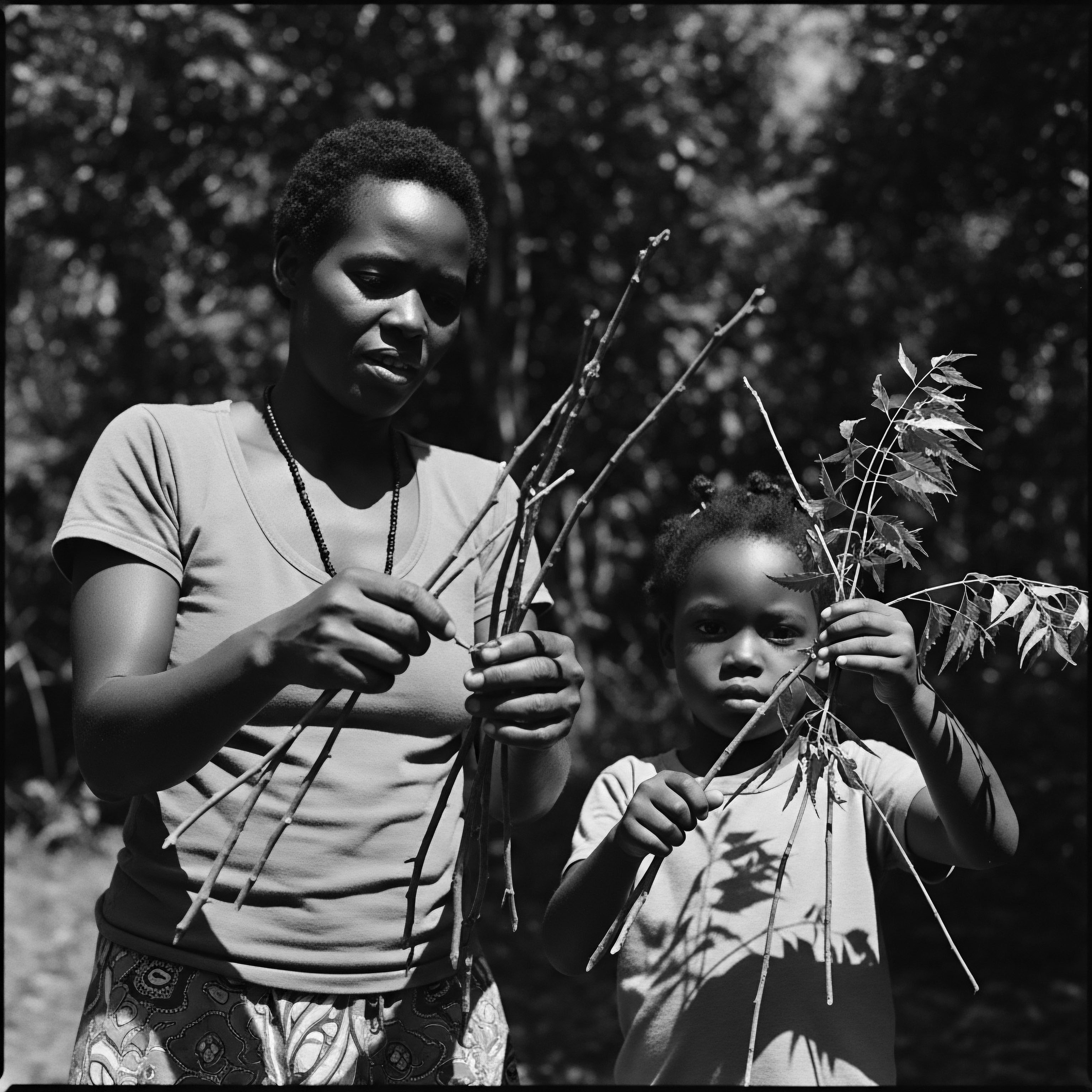
Traditional herbs, used in ancestral rituals, balanced textured hair by providing moisture, strength, and scalp health, deeply connecting care to heritage.
Meaning ❉ Scalp Defense encompasses the biological resilience and culturally informed practices protecting the scalp, vital for textured hair health and identity.
Historical practices preserved textured hair moisture through ancestral knowledge, natural emollients, protective styling, and ritualistic care, deeply rooted in Black and mixed-race heritage.
Ancestral practices for textured hair care shape today's rituals through inherited wisdom, protective styling origins, and botanical ingredient knowledge.
Historical forces including slavery and colonialism profoundly reshaped textured hair norms, devaluing ancestral beauty while fueling ongoing reclamation of heritage.
Ancestral wisdom continues to shape textured hair product development by inspiring formulations with time-honored ingredients and practices deeply rooted in heritage.
Ancient botanical rituals shaped current textured hair care by providing foundational knowledge of natural ingredients and practices for cleansing, protecting, and adorning strands.
Traditional protective styles retain textured hair length by shielding strands from friction and environmental harm, a practice rooted in ancestral wisdom.
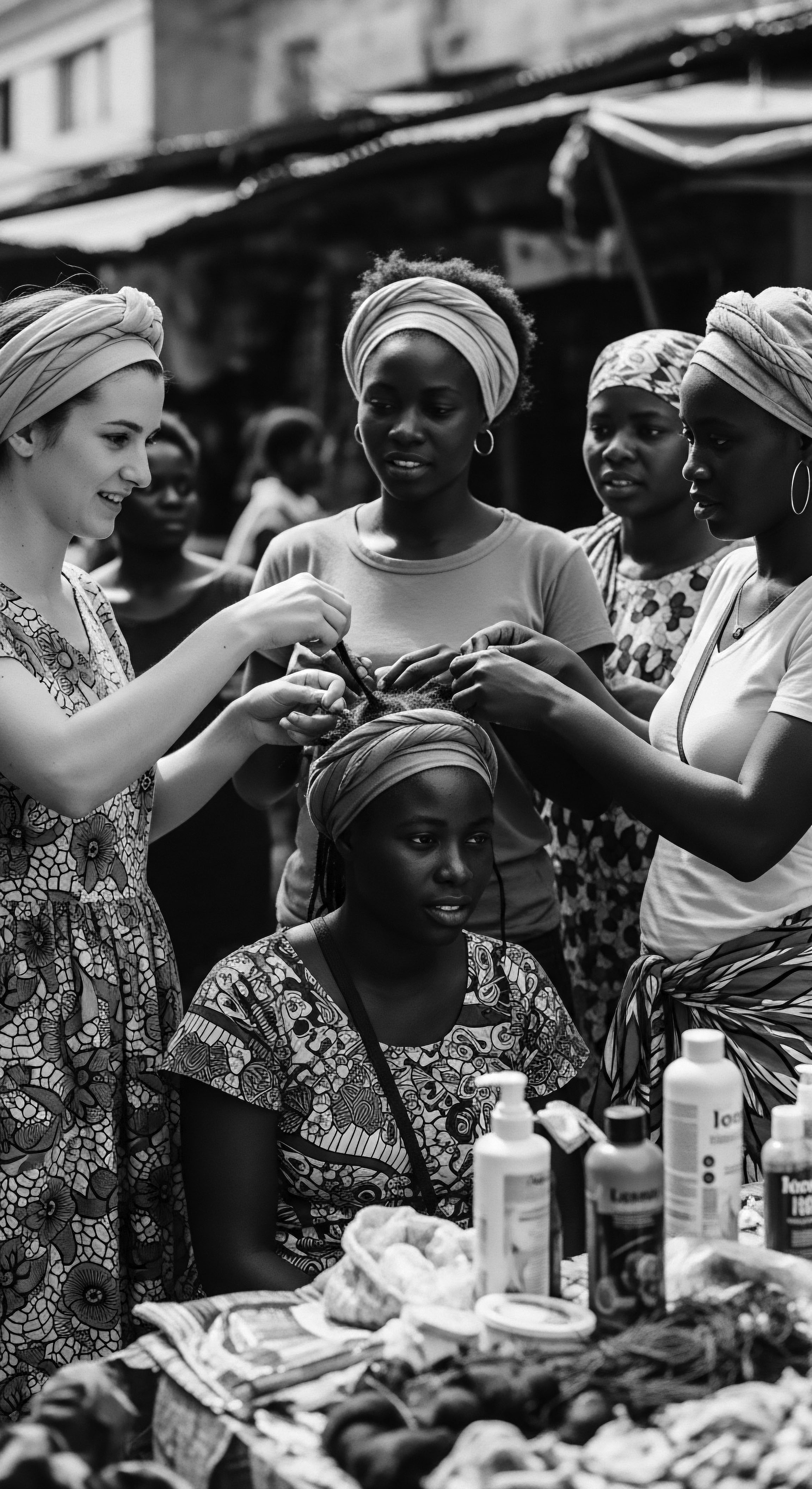
Historical hair care practices, particularly for textured hair, reflect cultural heritage through communal rituals, symbolic styling, and acts of defiant self-expression.
Traditional styles for textured hair stand as living archives, preserving ancestral knowledge, cultural identity, and profound resilience across generations.
Traditional botanicals like Chebe, Amla, and Jamaican Black Castor Oil, deeply rooted in textured hair heritage, improve growth by nourishing the scalp and strengthening strands.
We use cookies to personalize content and marketing, and to analyze our traffic. This helps us maintain the quality of our free resources. Manage your preferences below.
This helps support our free resources through personalized marketing efforts and promotions.
Analytics cookies help us understand how visitors interact with our website, improving user experience and website performance.
Personalization cookies enable us to customize the content and features of our site based on your interactions, offering a more tailored experience.