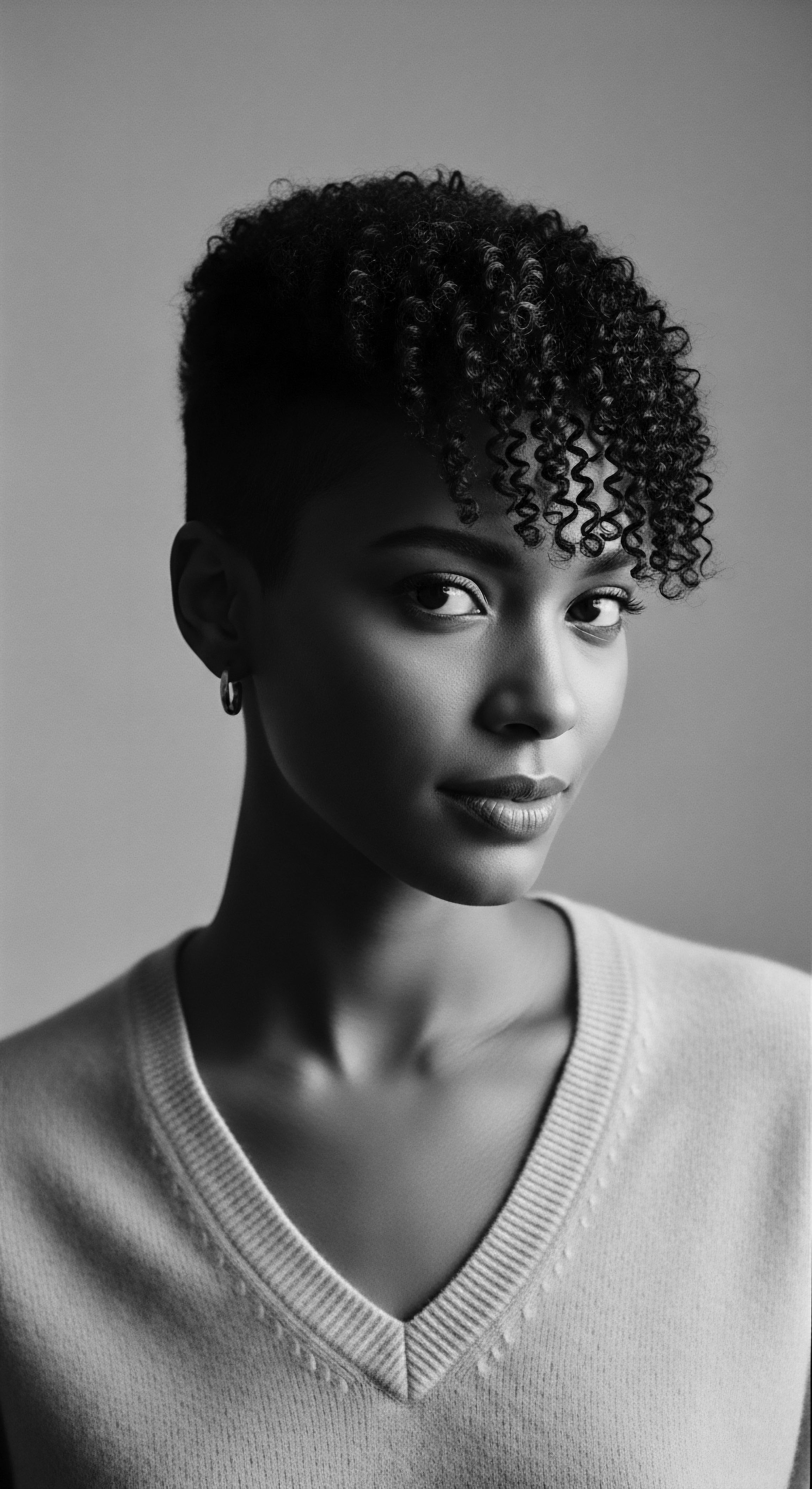
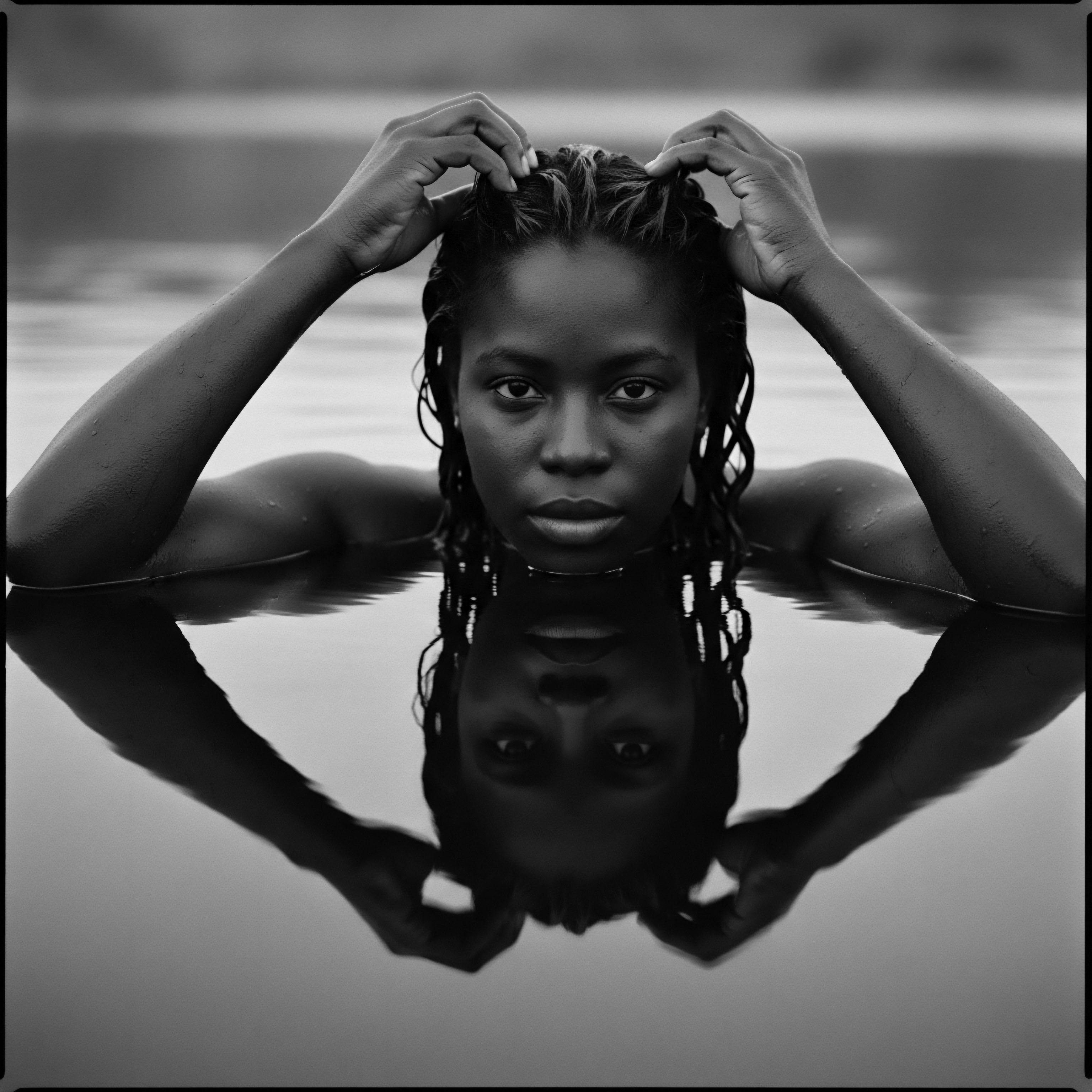
Modern science confirms scalp massage supports textured hair health by boosting circulation and stimulating follicles, honoring its deep heritage in ancestral care.
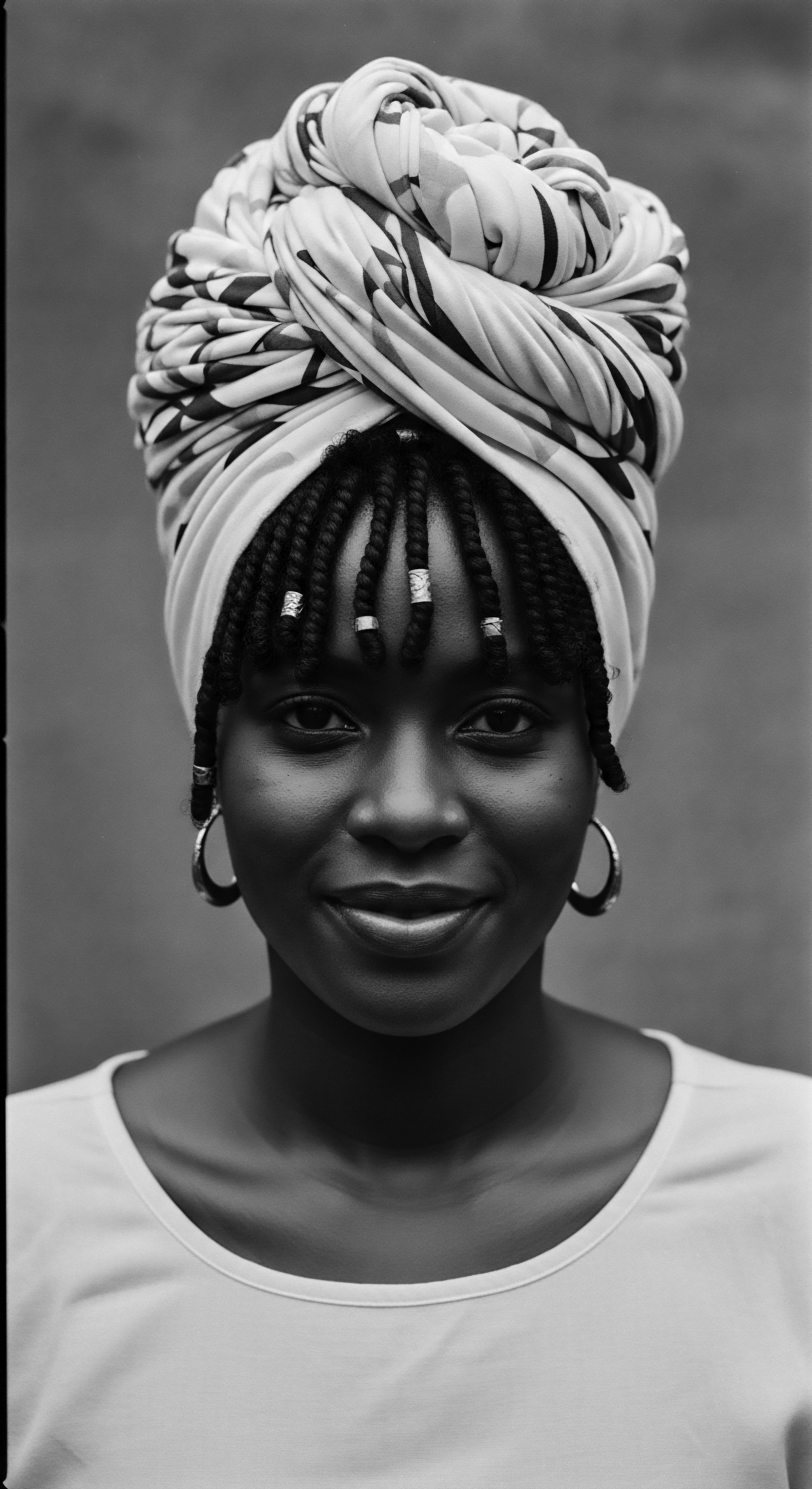
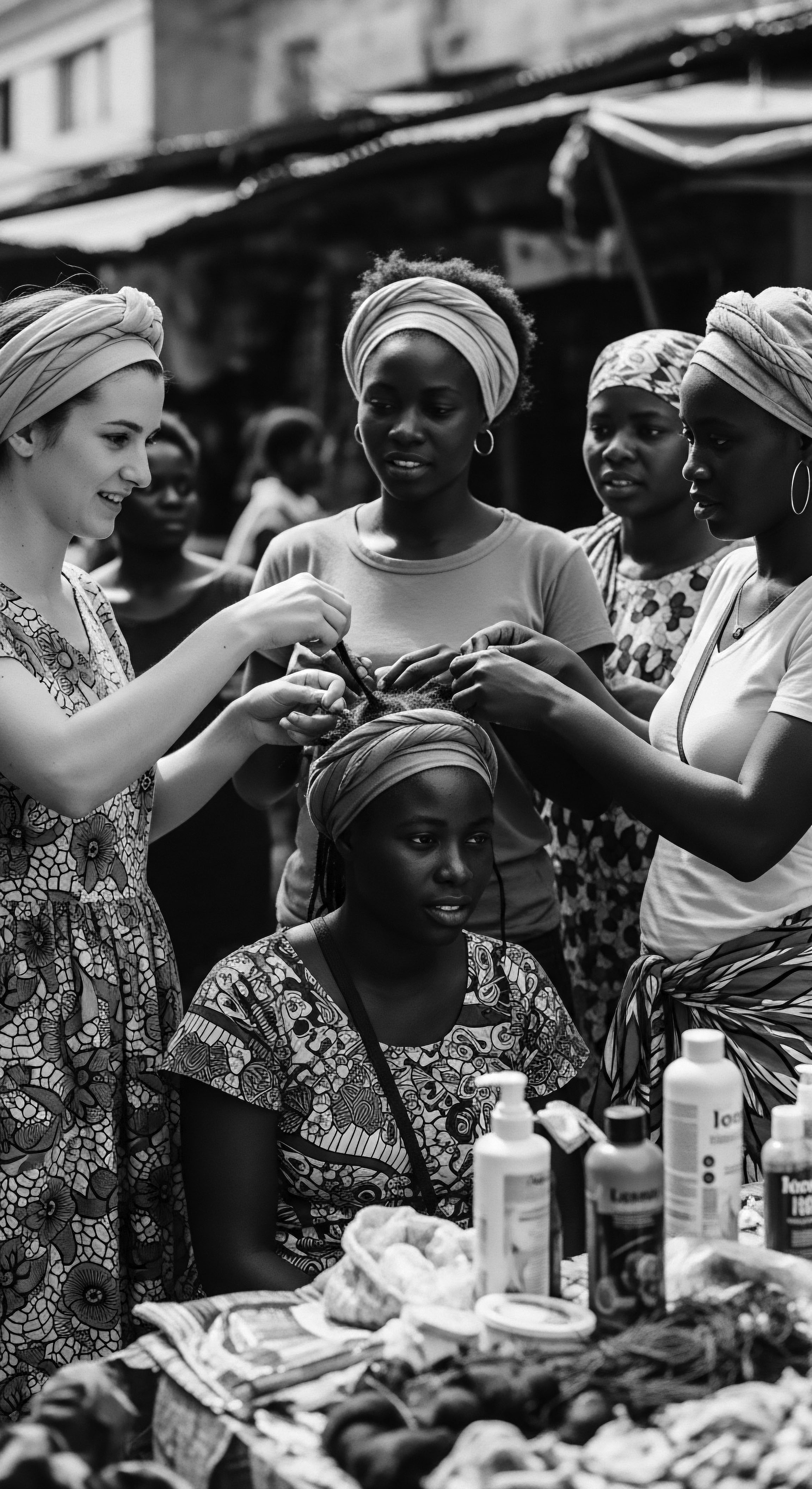
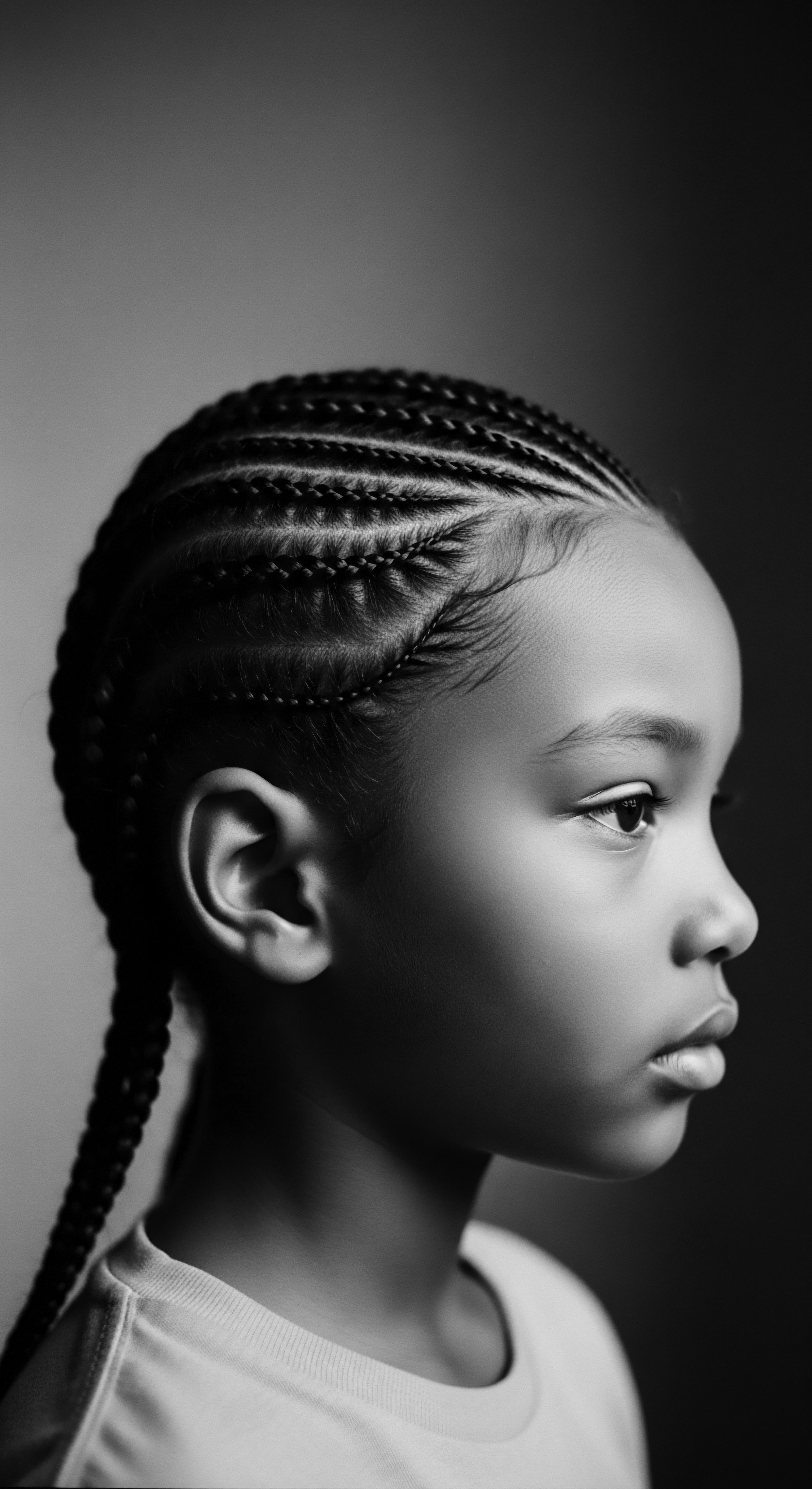
Modern head coverings safeguard textured hair by extending ancestral practices of protection, preserving moisture and style, and affirming cultural identity.
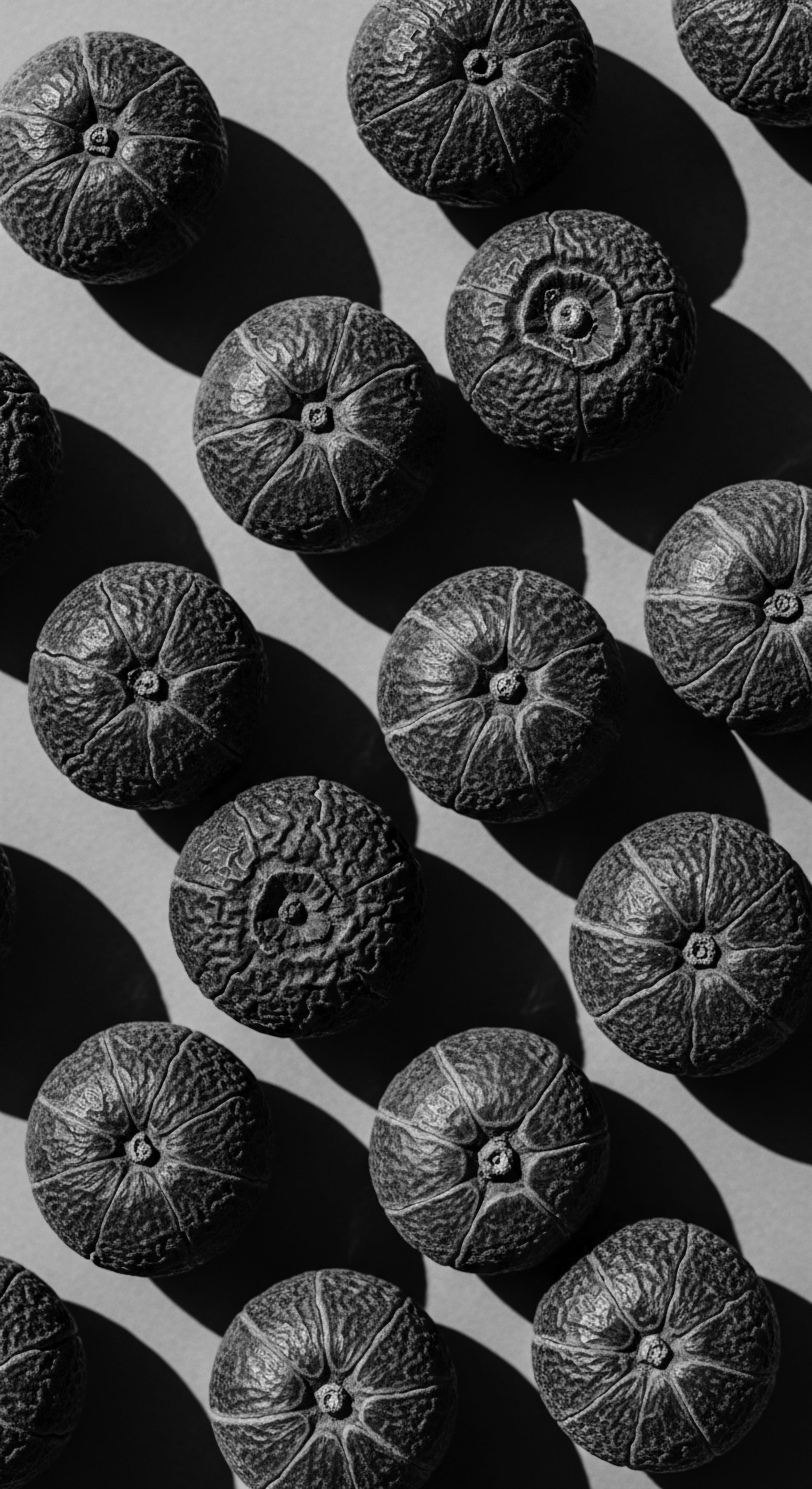
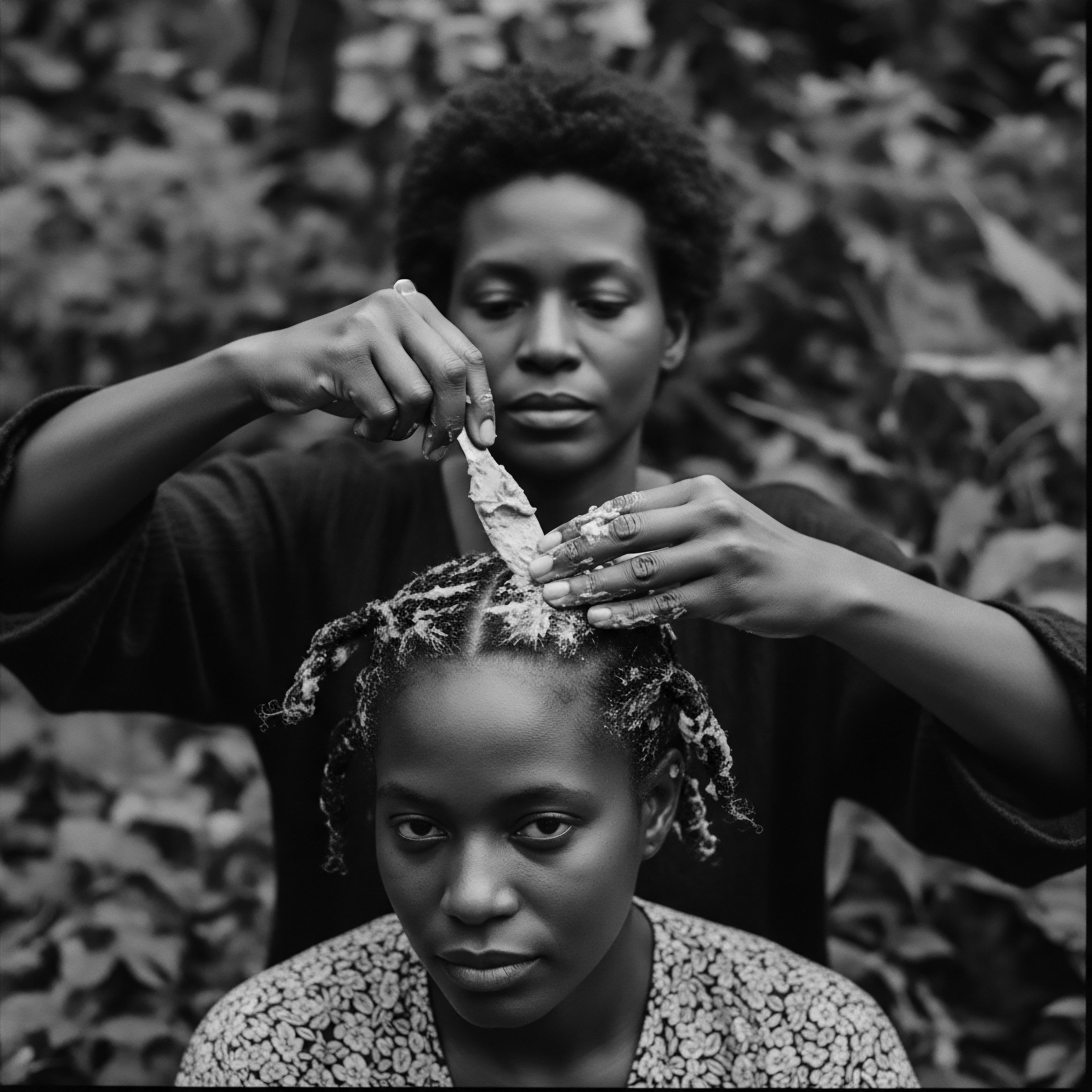
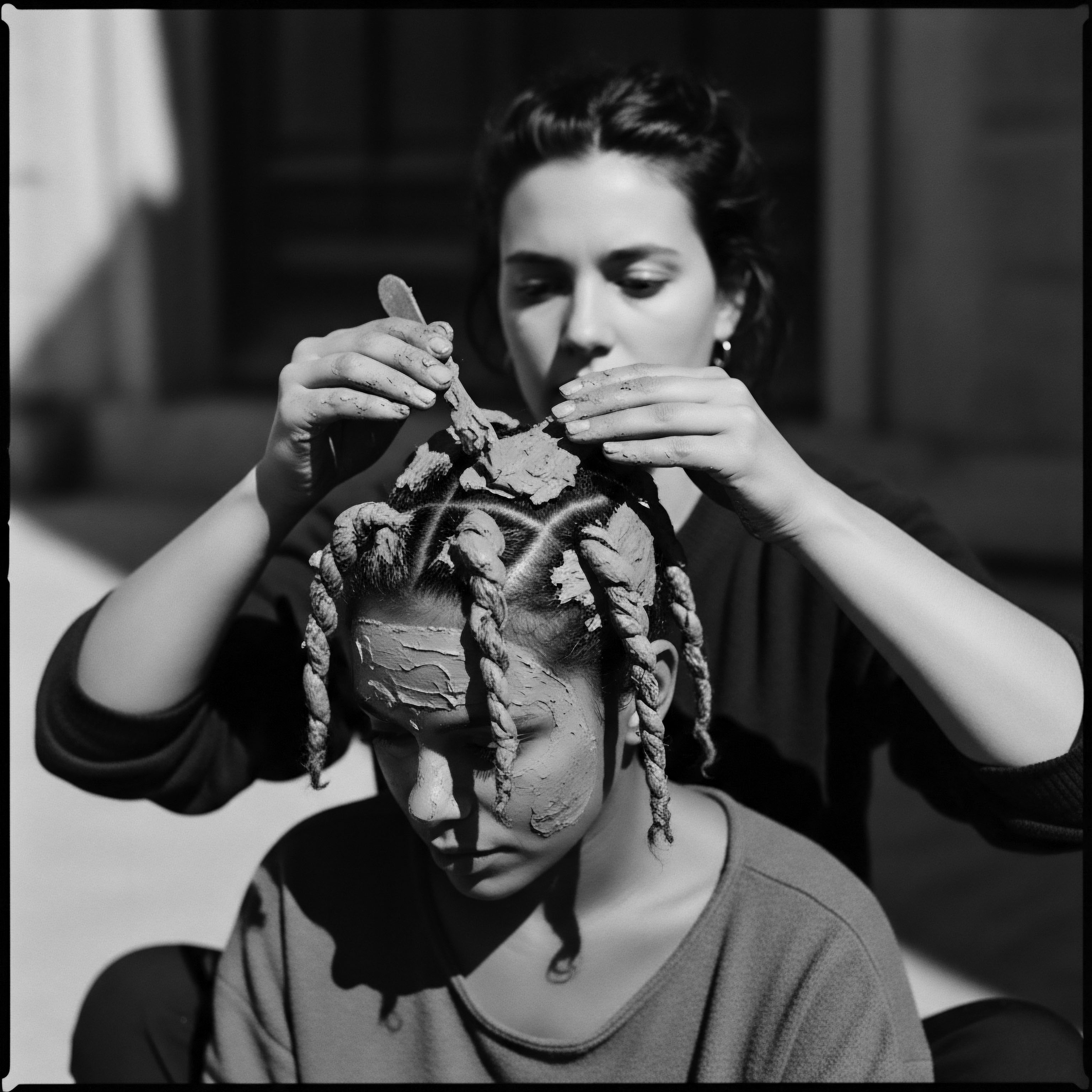
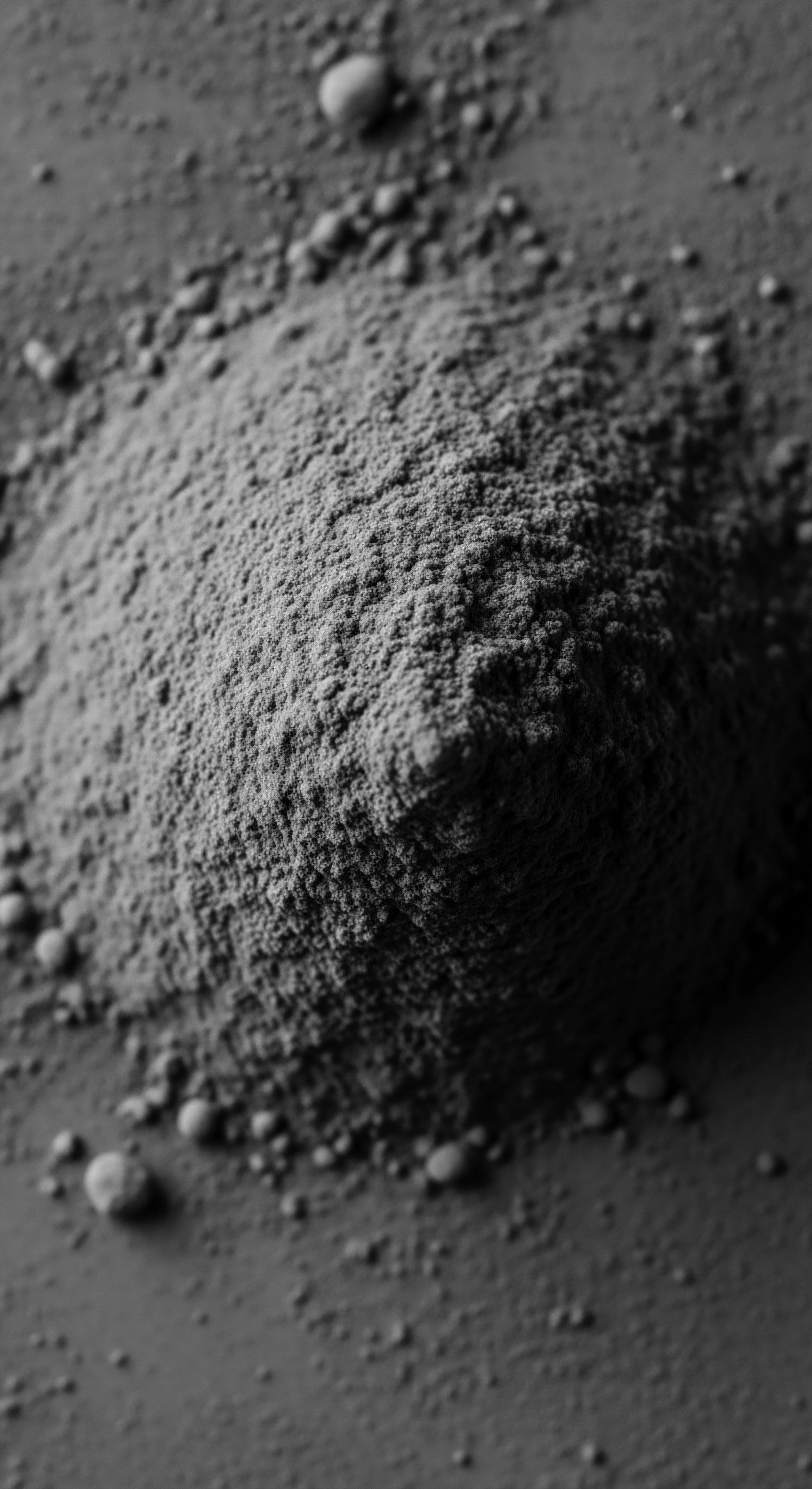
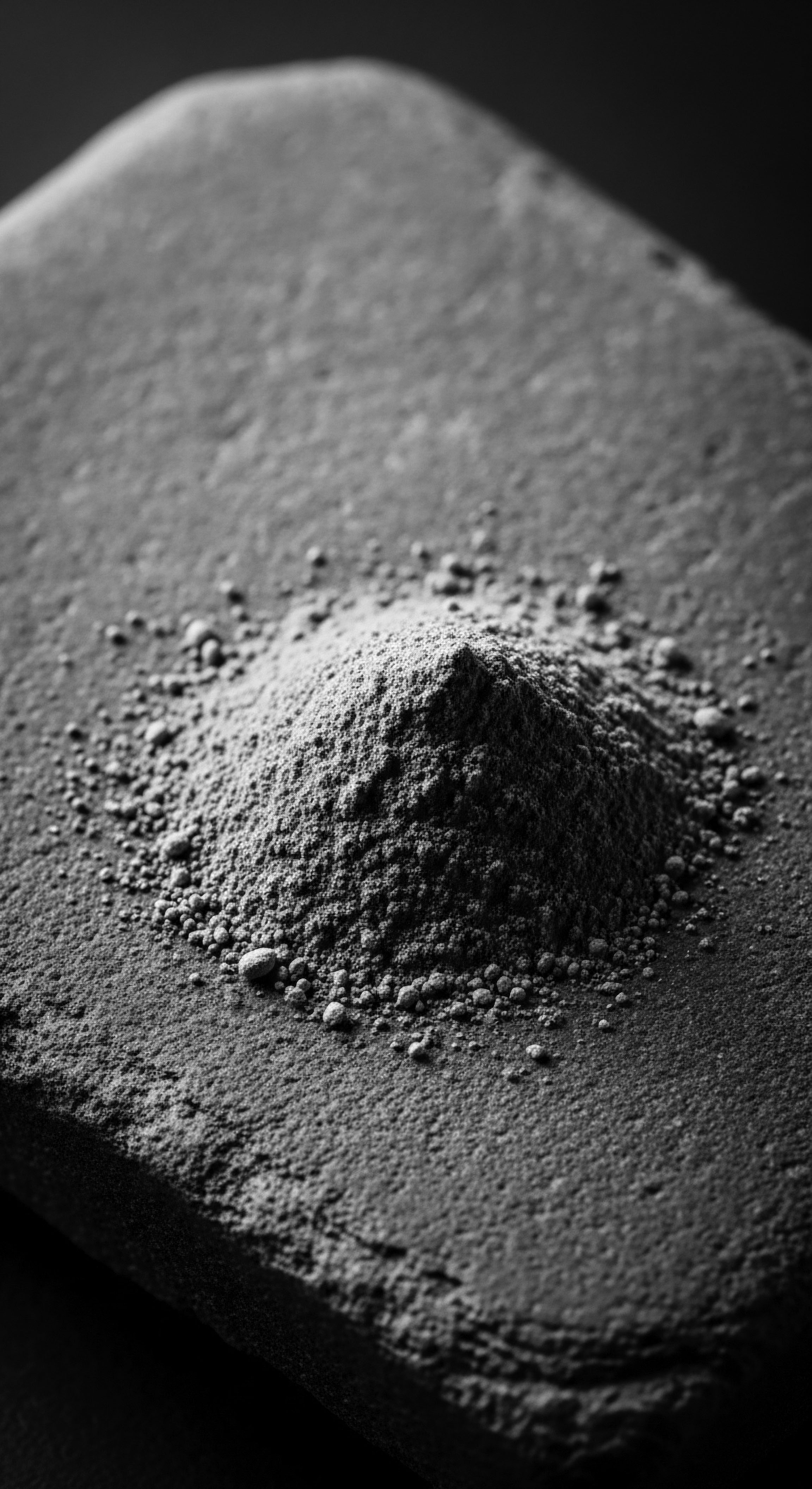
Traditional Rhassoul clay practices improve textured hair moisture by offering gentle, mineral-rich cleansing that honors ancestral care and preserves natural lipids.
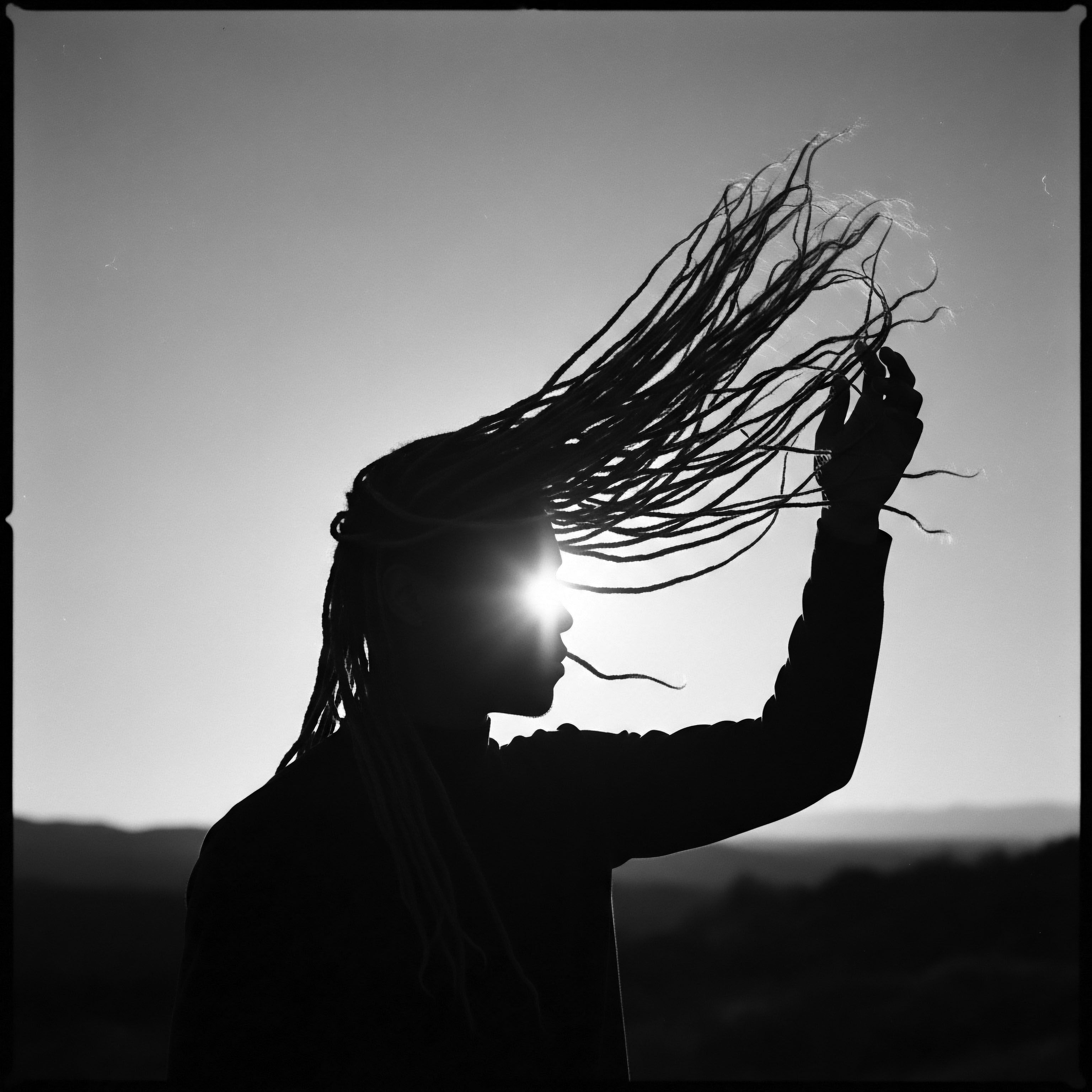
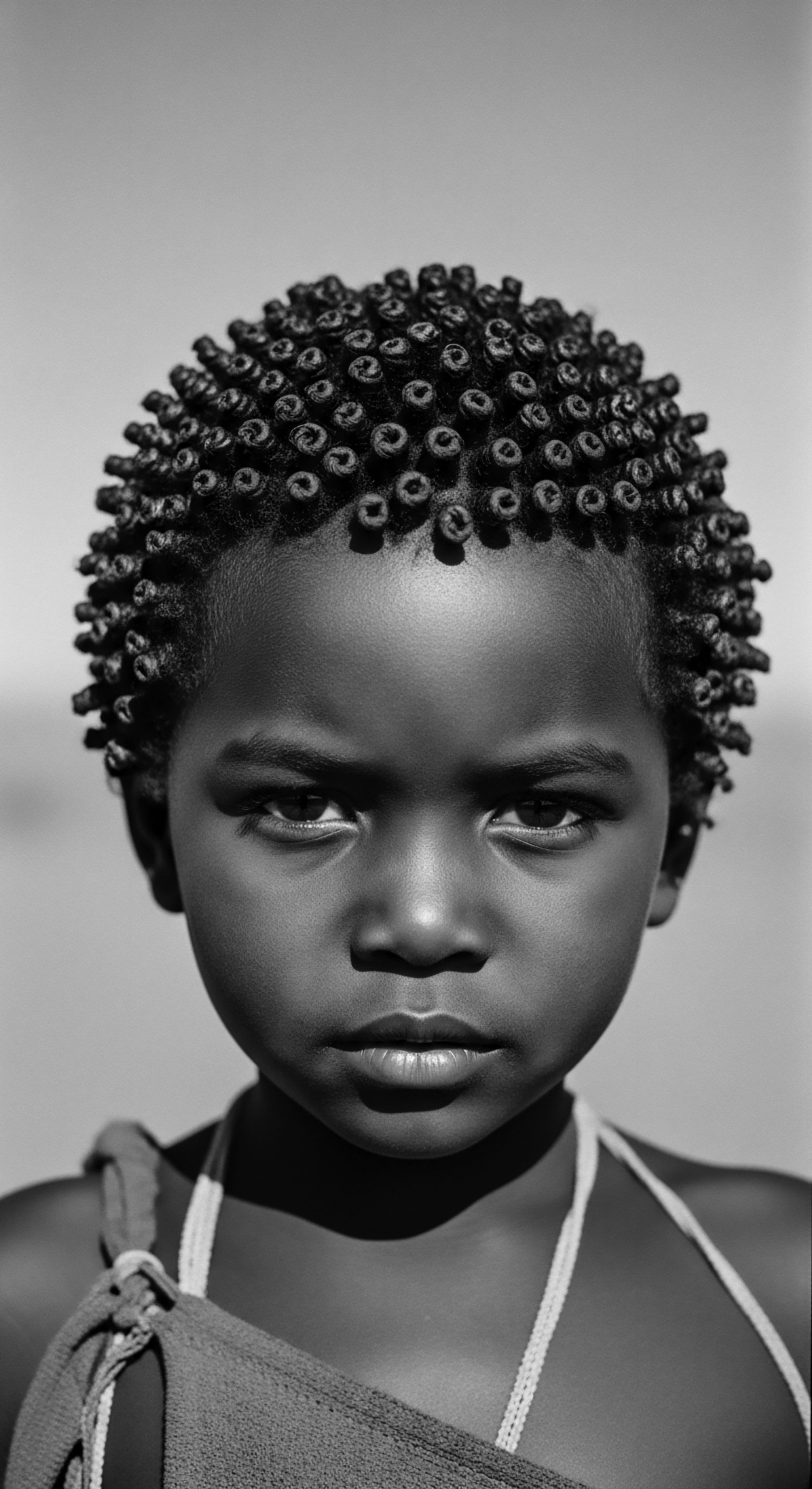
Modern hair science affirms ancestral textured hair care practices, revealing their deep, intuitive understanding of hair biology and protective efficacy.
Traditional hair oils offer sun protection through ancestral practices, using natural compounds that absorb UV, provide antioxidants, and form a protective barrier.
Traditional African ingredients like shea butter and red ochre offered natural sun protection for textured hair, rooted in centuries of communal heritage.
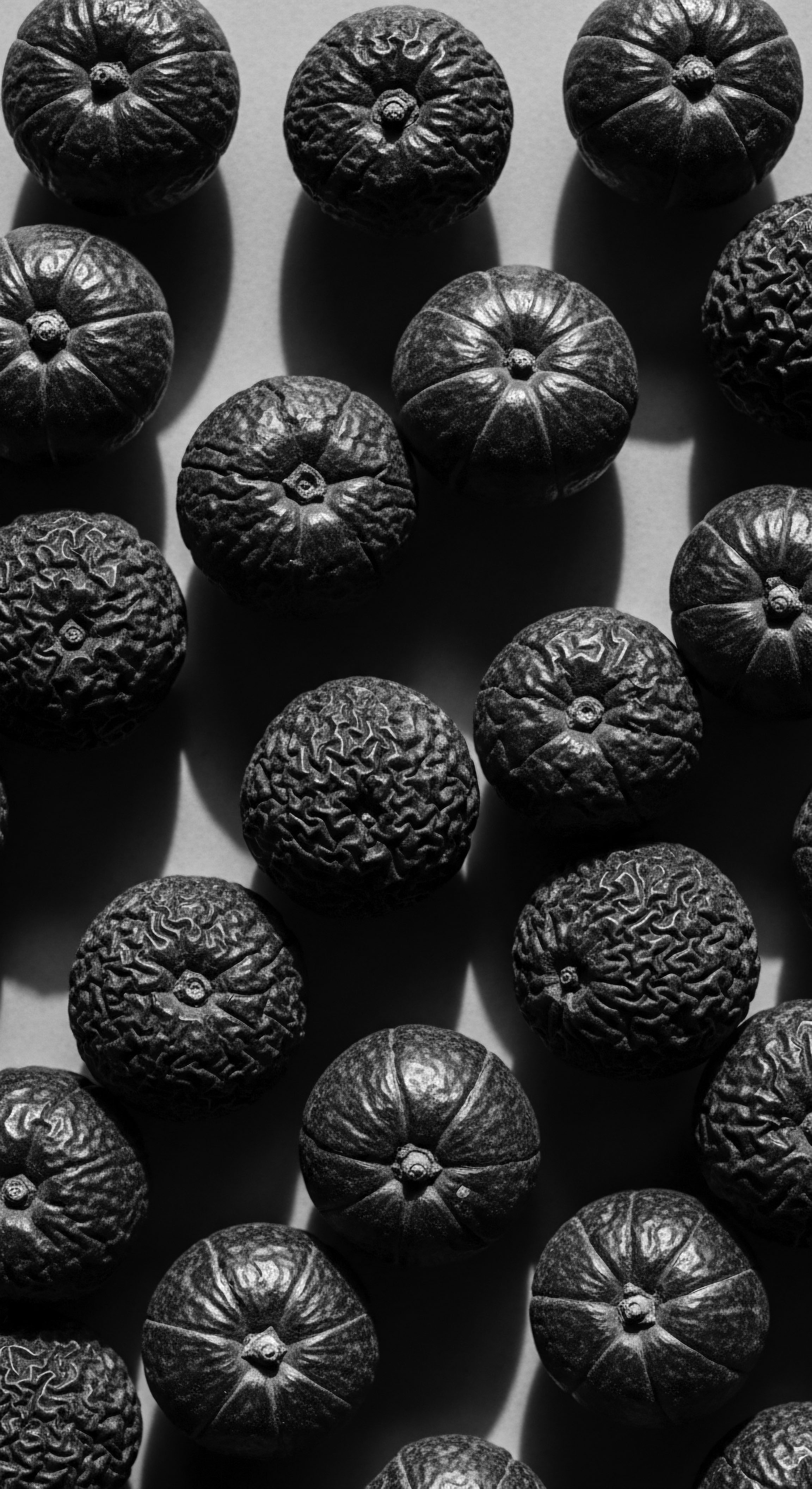
Haitian Black Castor Oil, revered through generations, fortifies textured hair by sealing moisture and reinforcing strands, deeply connecting to ancestral care traditions.
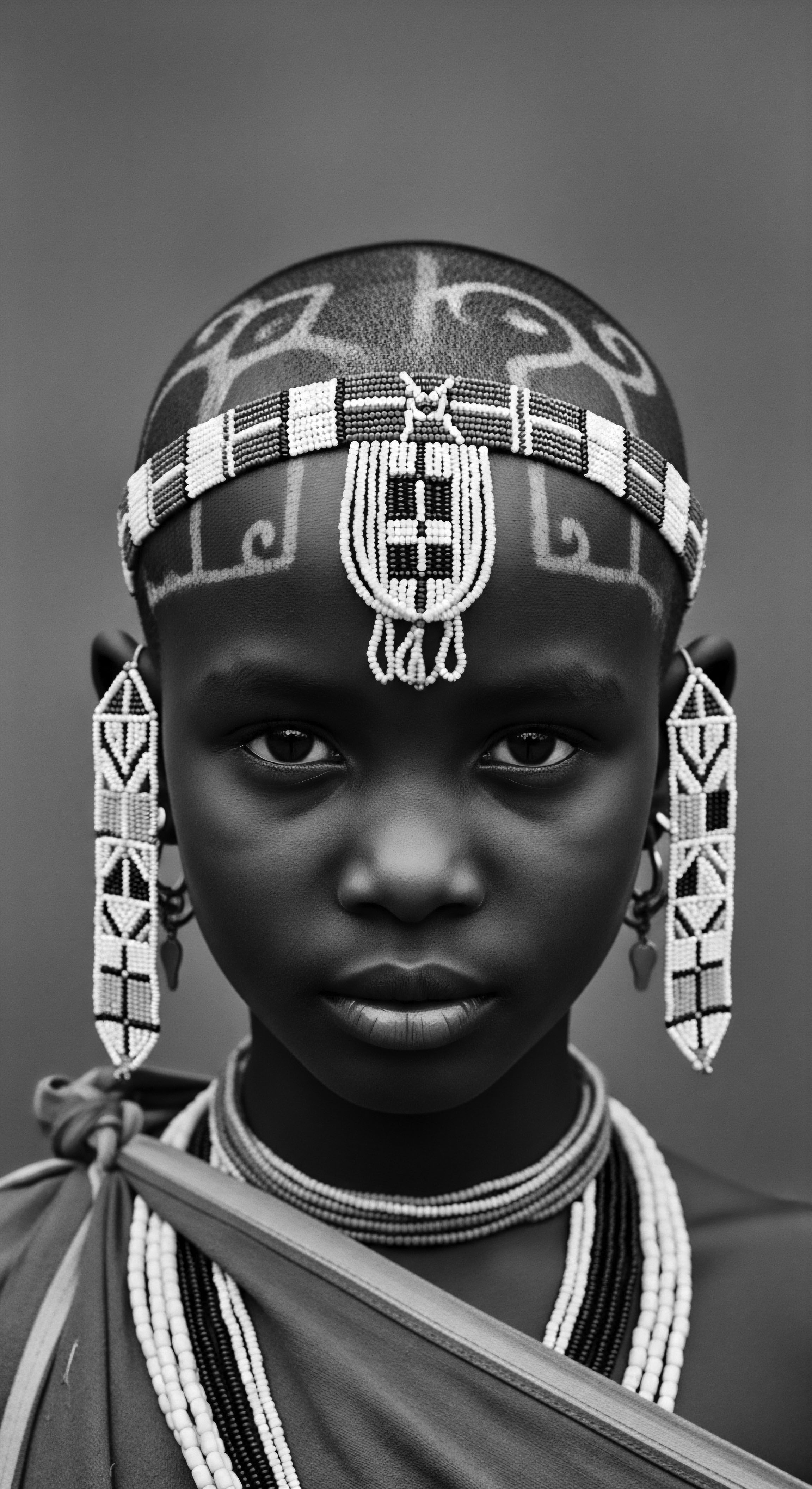
Ancestral practices for textured hair's sun defense include unique styling, natural coverings, and applying plant-derived oils and pastes that embody a rich heritage of environmental adaptation.
Traditional cultures shielded textured hair from UV damage using physical coverings, ancestral botanical oils, and specific styling, honoring heritage.
Historical oppression forcefully redefined textured hair, twisting its heritage from cultural reverence to a symbol of perceived inferiority, leading to a profound journey of reclamation and self-acceptance.
Meaning ❉ Generational Resilience in textured hair denotes the inherited strength and cultural wisdom passed down, ensuring hair's vitality and identity.
Coconut oil holds historical significance for textured hair through its enduring role in ancestral care, nourishing traditions, and as a symbol of cultural identity.
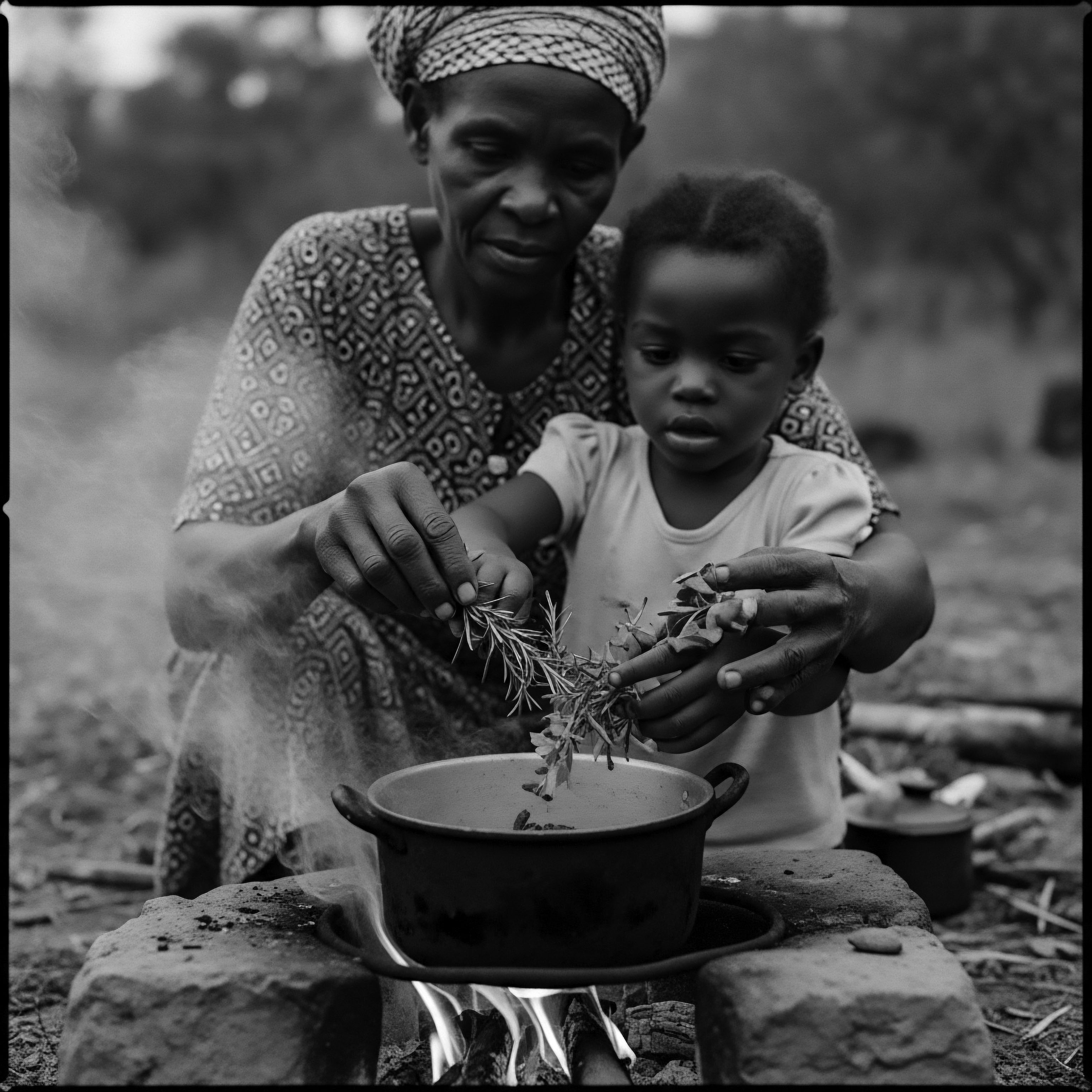
Ancestral botanical wisdom shapes contemporary textured hair care by providing enduring insights into natural emollients, protective styling, and holistic well-being.
Meaning ❉ Oiling is the foundational practice of applying natural lipids to hair and scalp, deeply rooted in the heritage of textured hair care and cultural resilience.
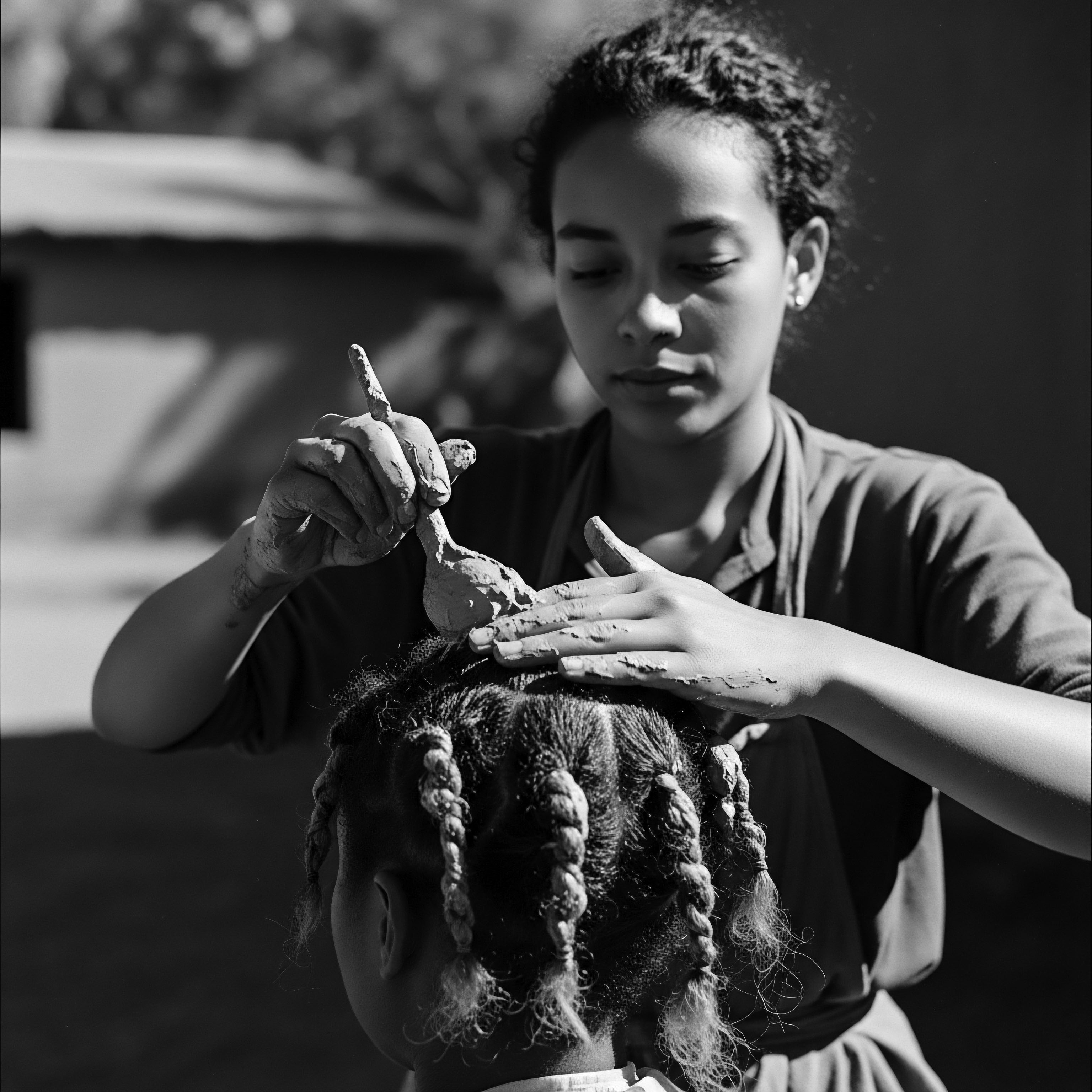
Ancient African hair traditions featuring clay offer a heritage-rich path to enhance modern textured hair wellness by providing gentle cleansing, mineral fortification, and a profound cultural connection.
We use cookies to personalize content and marketing, and to analyze our traffic. This helps us maintain the quality of our free resources. Manage your preferences below.
This helps support our free resources through personalized marketing efforts and promotions.
Analytics cookies help us understand how visitors interact with our website, improving user experience and website performance.
Personalization cookies enable us to customize the content and features of our site based on your interactions, offering a more tailored experience.