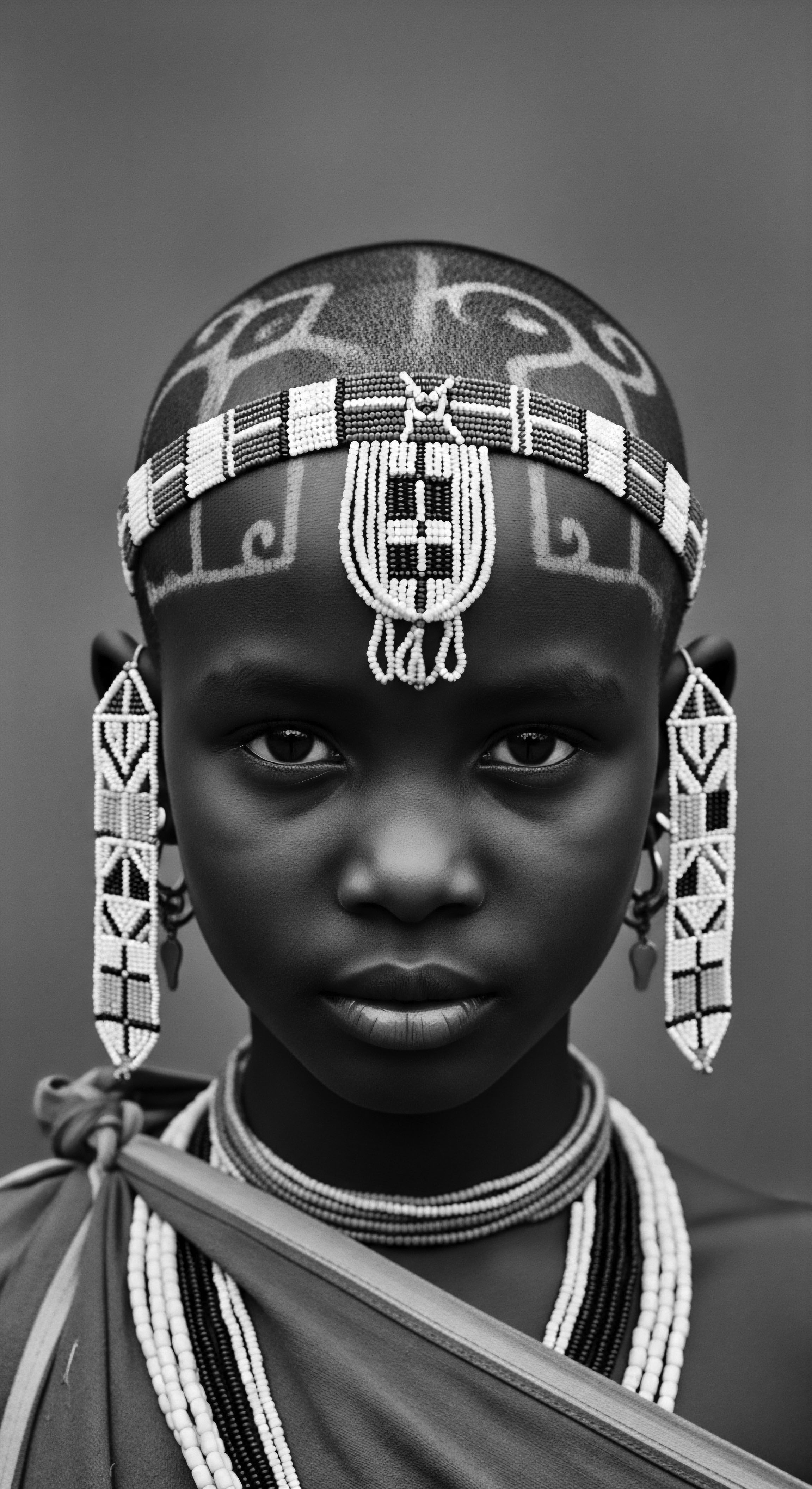
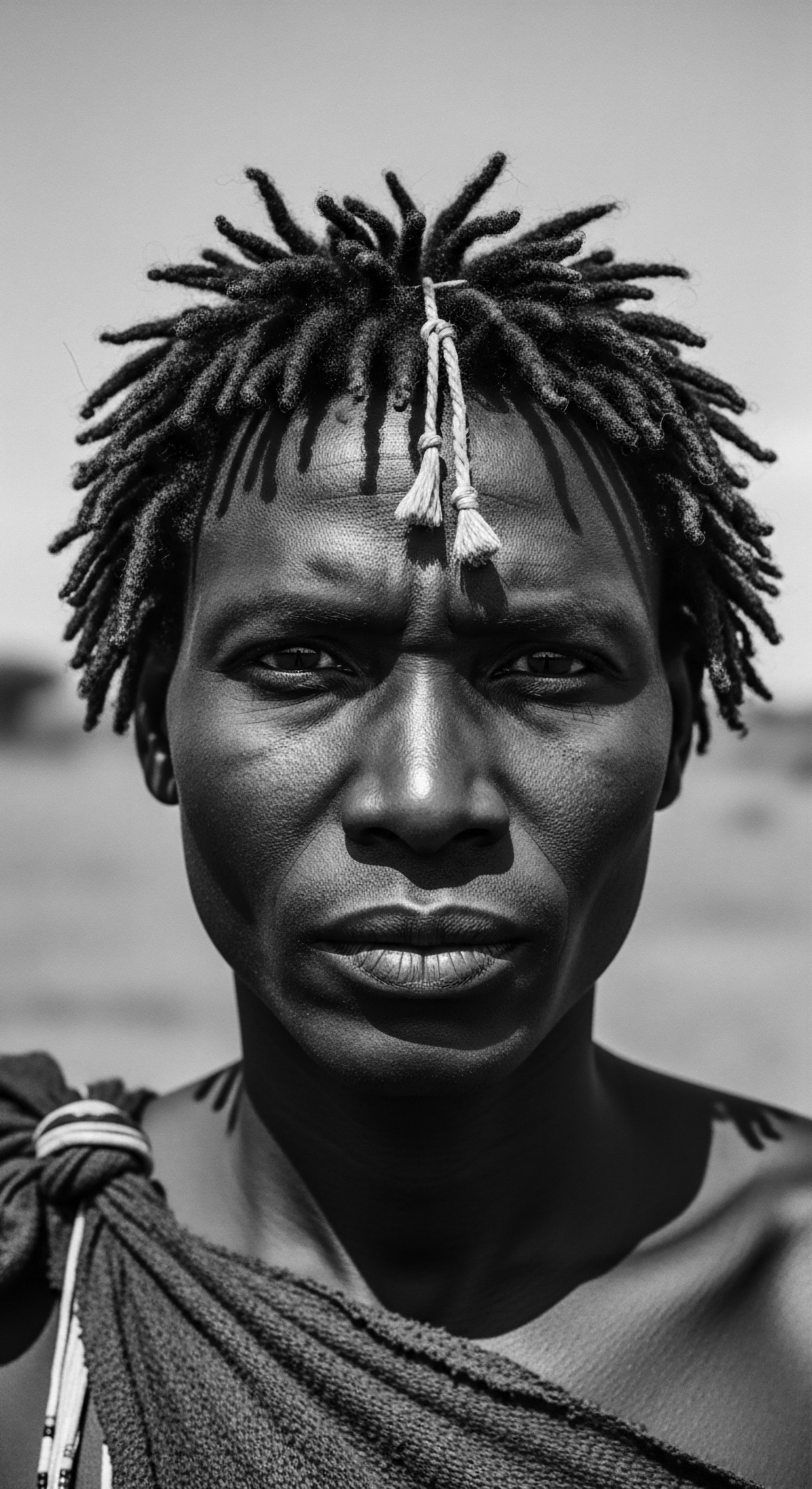
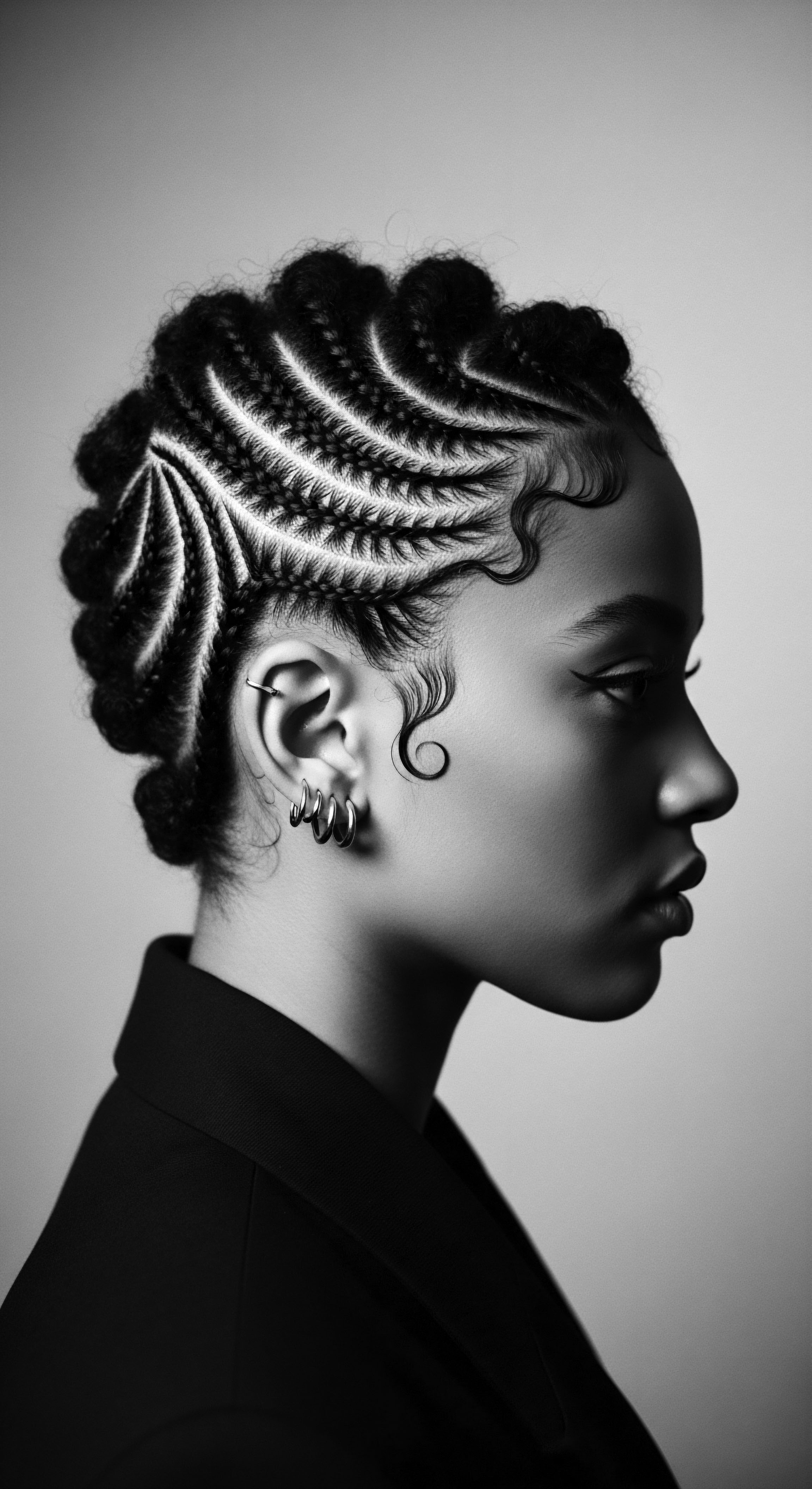
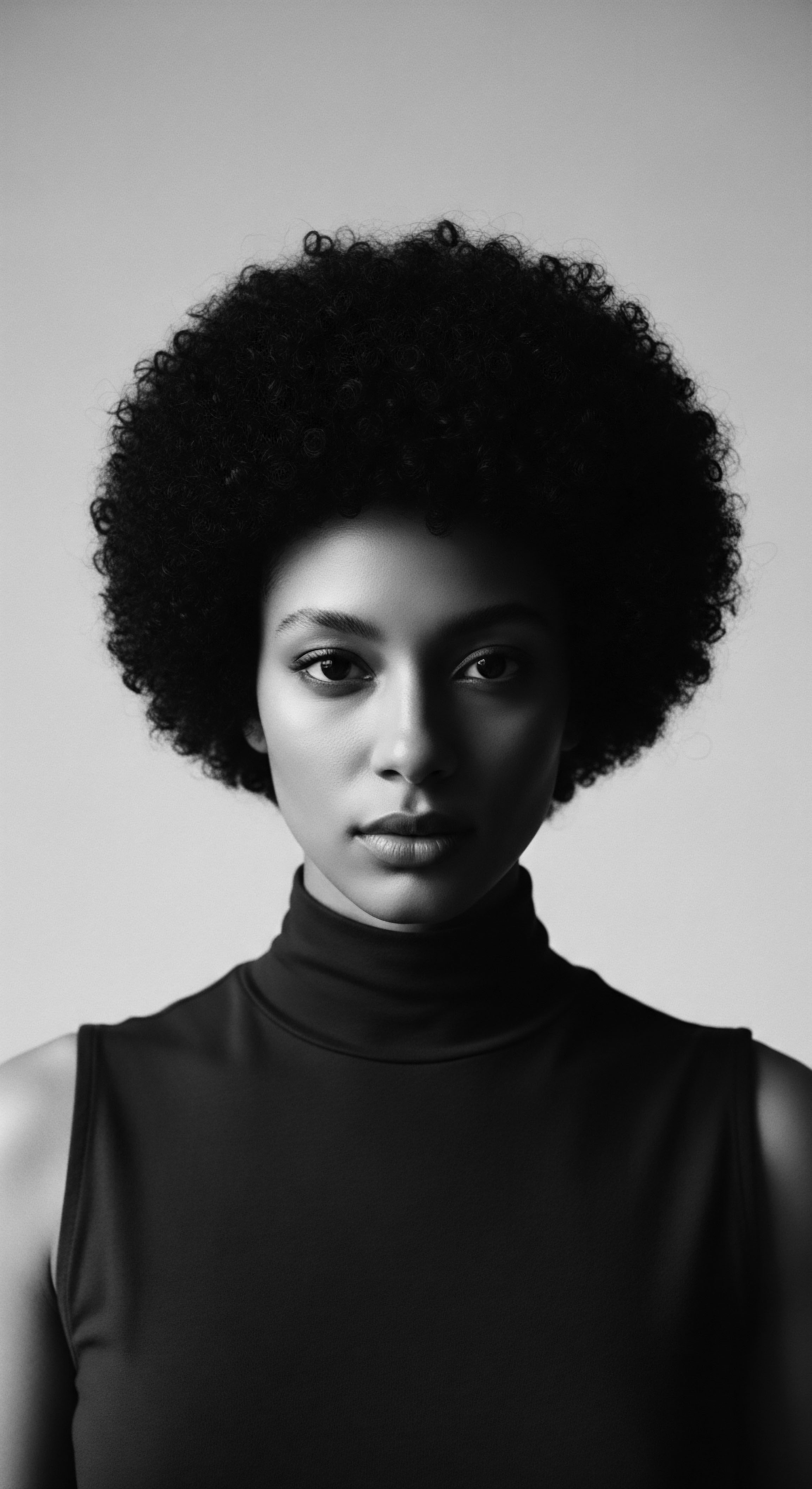
What historical significance did hair hold in African societies?
Hair in African societies held deep communal, spiritual, and social significance, a vibrant record of textured hair heritage.
What enduring legacy do textured hair practices hold today?
Textured hair practices hold a living heritage, a profound connection to ancestral wisdom, resistance, and identity.
In what ways did ancestral hair care rituals mirror modern scientific understanding of hair health?
Ancestral textured hair rituals intuitively understood hair biology, mirroring modern science's focus on moisture, protection, and scalp wellness, deeply rooted in heritage.
In what ways did historical hair care traditions fortify cultural identity?
Historical hair care traditions, particularly for textured hair, fortified cultural identity through communal rituals, symbolic styling, and ancestral wisdom.
How did ancient Africans groom their textured hair?
Ancient Africans groomed textured hair using diverse natural elements and intricate styles to express identity, social rank, and spiritual connection.
How did ancient communities safeguard their hair?
Ancient communities protected textured hair with elaborate styles, natural preparations, and communal rituals, reflecting deep heritage and environmental adaptation.
How did head wraps become symbols of Black heritage?
Head wraps became symbols of Black heritage through their evolution from traditional African adornment to defiant cultural statements against oppression, rooted deeply in textured hair care and identity.
What scientific benefits did historical hair materials offer textured strands?
Historical materials provided moisture, strength, and scalp health benefits for textured strands, affirming ancestral wisdom through modern science.
In what ways do historical moisture practices connect to Black hair heritage?
Historical moisture practices connect to Black hair heritage through ancestral plant-based remedies and resilient care rituals.
Can protective styles be worn without fear of school or work penalties?
Protective styles, deeply rooted in textured hair heritage, are increasingly gaining acceptance, though historical biases persist, necessitating ongoing advocacy and cultural education.
What ancient African hair rituals influence contemporary textured hair care?
Ancient African hair rituals infuse contemporary textured hair care through enduring traditions of protective styling, natural ingredient use, and a deep reverence for heritage.
What historical laws suppressed Black hair practices?
Historical laws like the Tignon Laws suppressed Black hair practices by enforcing Eurocentric beauty standards and erasing cultural identity.
How has traditional hair oiling shaped Black hair care heritage?
Traditional hair oiling profoundly shaped Black hair care heritage by preserving cultural identity and providing essential nourishment for textured strands.
What specific hair benefits do satin bonnets offer textured hair?
Satin bonnets shield textured hair from friction and moisture loss, preserving its ancestral vitality and curl patterns.
What is the spiritual meaning of Black hair heritage?
The spiritual meaning of Black hair heritage is rooted in its ancestral connection to identity, resilience, and sacred communal practices.
In what ways did textured hair practices serve as communal identity markers during historical adversity?
Textured hair practices served as communal identity markers by encoding heritage, resistance, and belonging amidst adversity.
How do ancestral hair traditions shape modern practices?
Ancestral hair traditions deeply shape modern practices by providing foundational wisdom, techniques, and cultural significance for textured hair heritage.
How do protective styles connect to ancient heritage?
Protective styles for textured hair directly link to ancient heritage through ancestral care, cultural symbolism, and communal identity.
How has hair symbolism evolved for Black identity over time?
Black hair symbolism has evolved from ancient spiritual connections to contemporary assertions of identity and resilience, deeply rooted in textured hair heritage.
How does cultural heritage shape modern hair care choices for Black communities?
Cultural heritage profoundly shapes modern Black hair care choices, drawing upon ancestral wisdom for techniques, ingredients, and the very meaning of textured hair identity.
What traditional ingredients addressed different moisture needs in textured hair?
Traditional ingredients for textured hair moisture, rooted in heritage, included plant-based oils, butters, and clays, chosen for their deep hydration and sealing properties.
How did ancient Africans care for their hair?
Ancient Africans cared for hair using natural ingredients and intricate styles, reflecting deep cultural and spiritual significance.
What ancestral hair care customs ensured long-term moisture for textured hair?
Ancestral hair customs ensured moisture for textured hair through protective styles, natural ingredients, and holistic well-being.
What materials protected African textured hair?
Ancestral practices employed natural oils, butters, powders, and head coverings to protect textured hair, preserving health and cultural identity.
What traditional care protects coiled hair heritage?
Traditional care protects coiled hair heritage through ancestral wisdom, natural ingredients, and protective styling rooted in deep cultural meaning.
In what ways did historical oppression reshape textured hair science?
Historical oppression distorted textured hair science by imposing Eurocentric norms, devaluing ancestral knowledge, and perpetuating discrimination that shaped research and care.
In what ways did traditional hair rituals serve as communal gathering points and knowledge transfer?
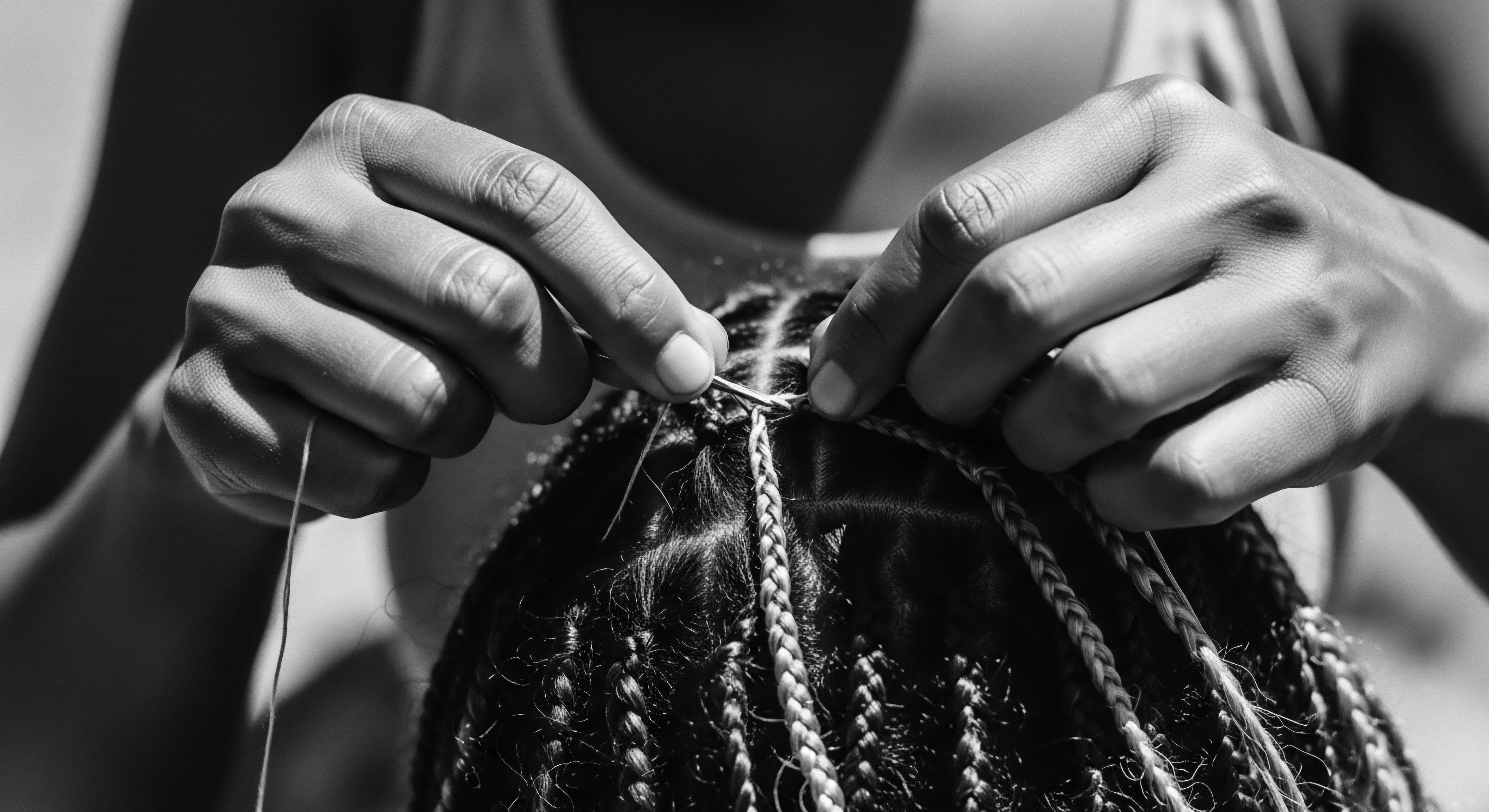
Hair rituals were communal spaces for sharing techniques, wisdom, and cultural identity, particularly for textured hair heritage.