What is the cultural significance of hair coverings in Black heritage?
Hair coverings in Black heritage are profound cultural markers, reflecting ancestral wisdom, protection, and identity for textured hair.
In what ways do traditional hair oils connect cultural identity to hair health?
Traditional hair oils embody a timeless connection between textured hair vitality and cultural heritage, passed down through generations.
How did ancestral practices shape hair strength?
Ancestral practices shaped hair strength through protective styles, natural emollients, and communal care, rooted in cultural heritage.
What historical laws oppressed textured hair?
Historical laws, like the Tignon Laws, oppressed textured hair to enforce racial hierarchies, but communities transformed these decrees into acts of heritage and defiance.
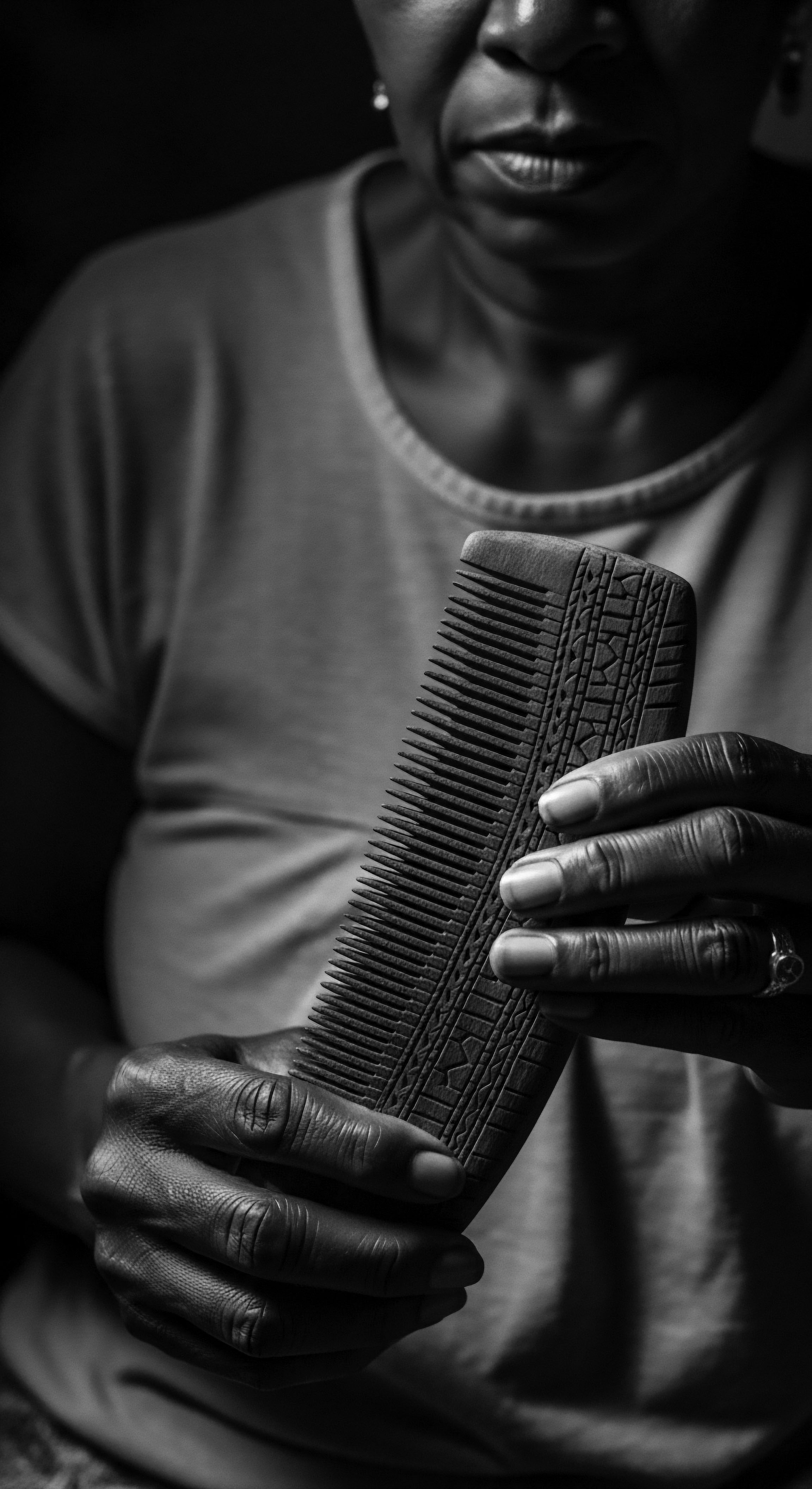
How do ancient combs reflect hair heritage?
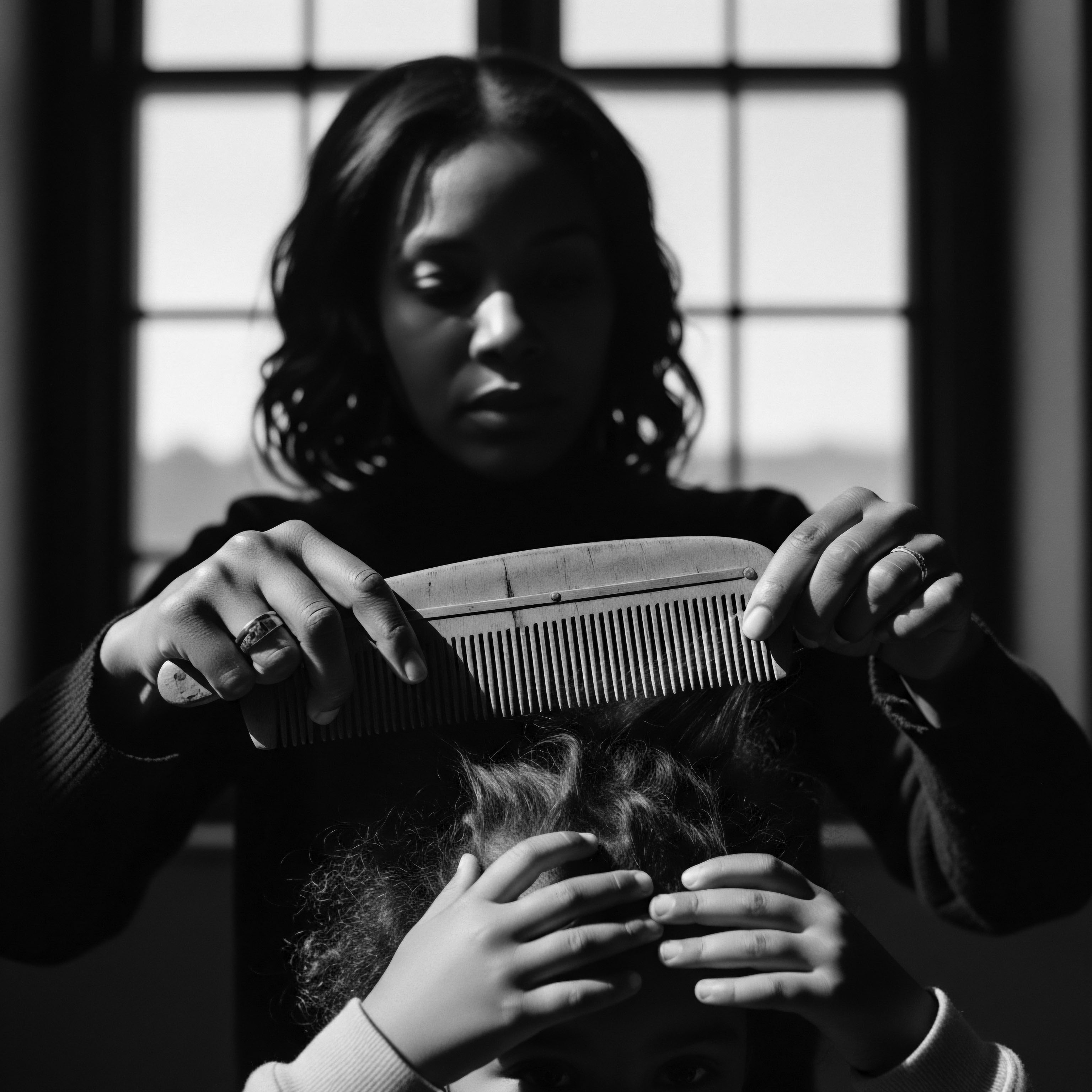
Ancient combs reveal millennia of deep knowledge and cultural reverence for textured hair, linking ancestral practices to enduring identity.
What historical oils were most vital for preserving Black hair traditions?
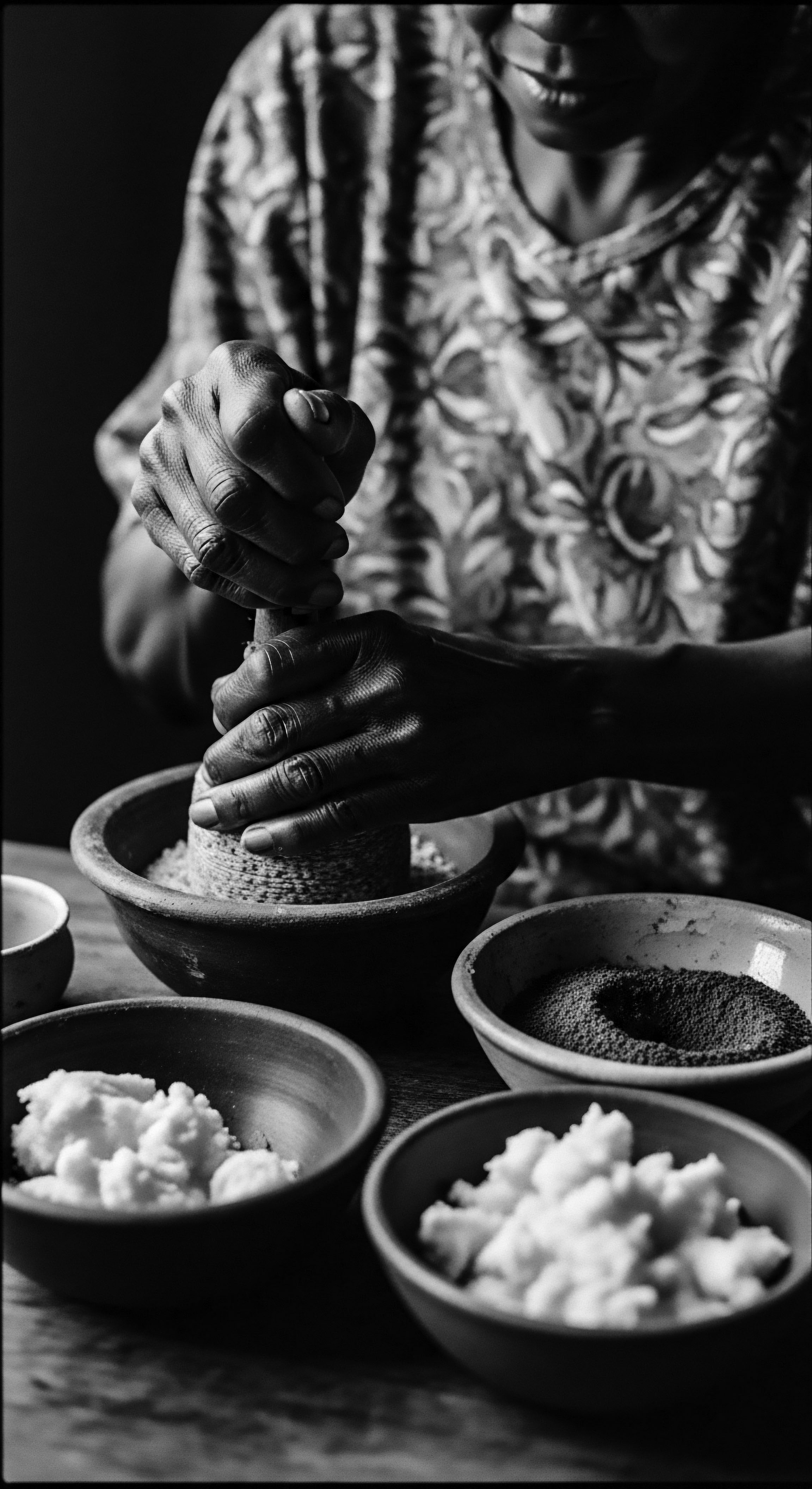
Historical oils like shea, palm, and castor were fundamental for preserving Black hair traditions, offering moisture, protection, and cultural significance.
What plant-based cleansers historically sustained textured hair heritage?
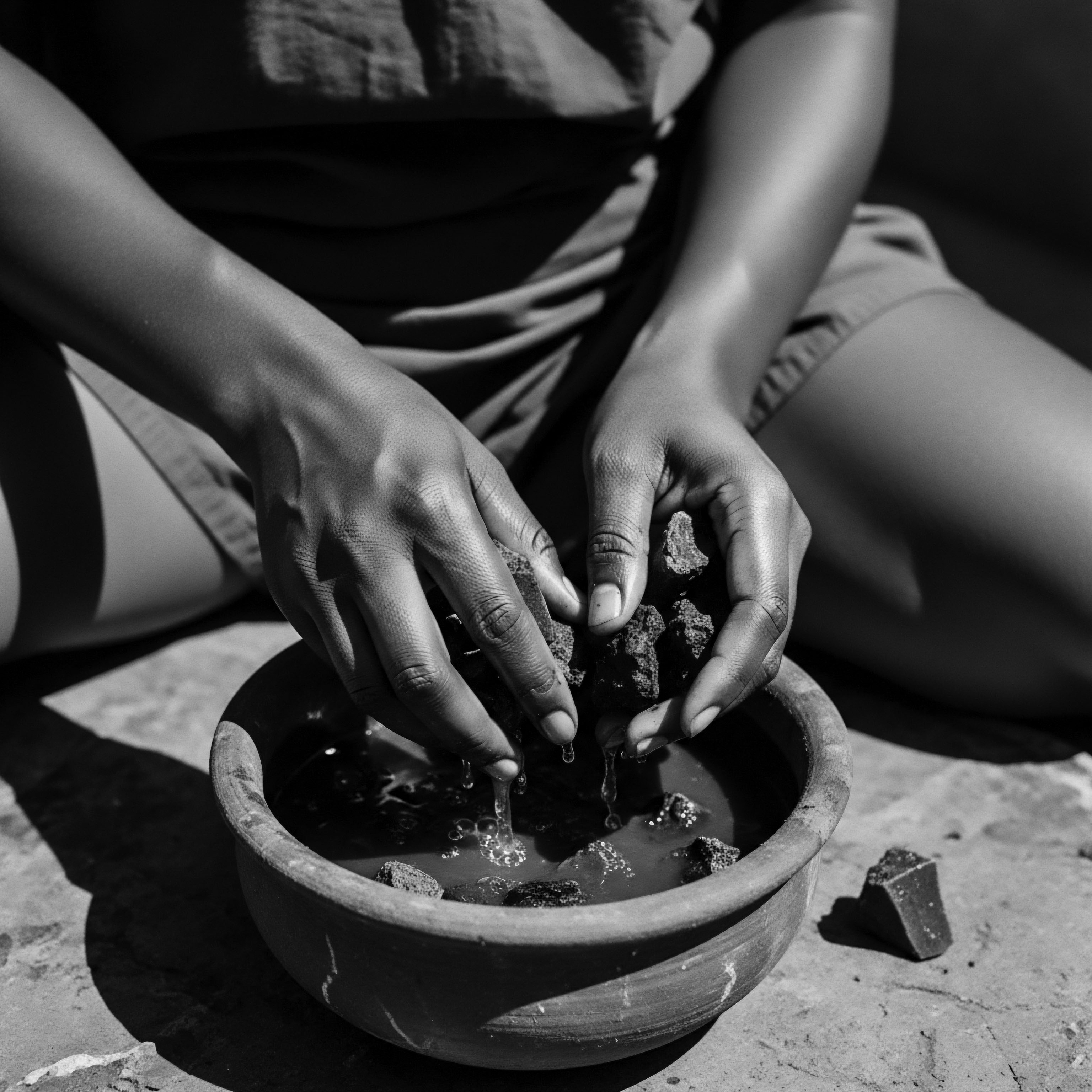
Plant-based cleansers like Yucca, African Black Soap, Rhassoul clay, and Indian herbs historically sustained textured hair heritage with gentle care.
How do modern hydrating creams connect to ancestral practices?
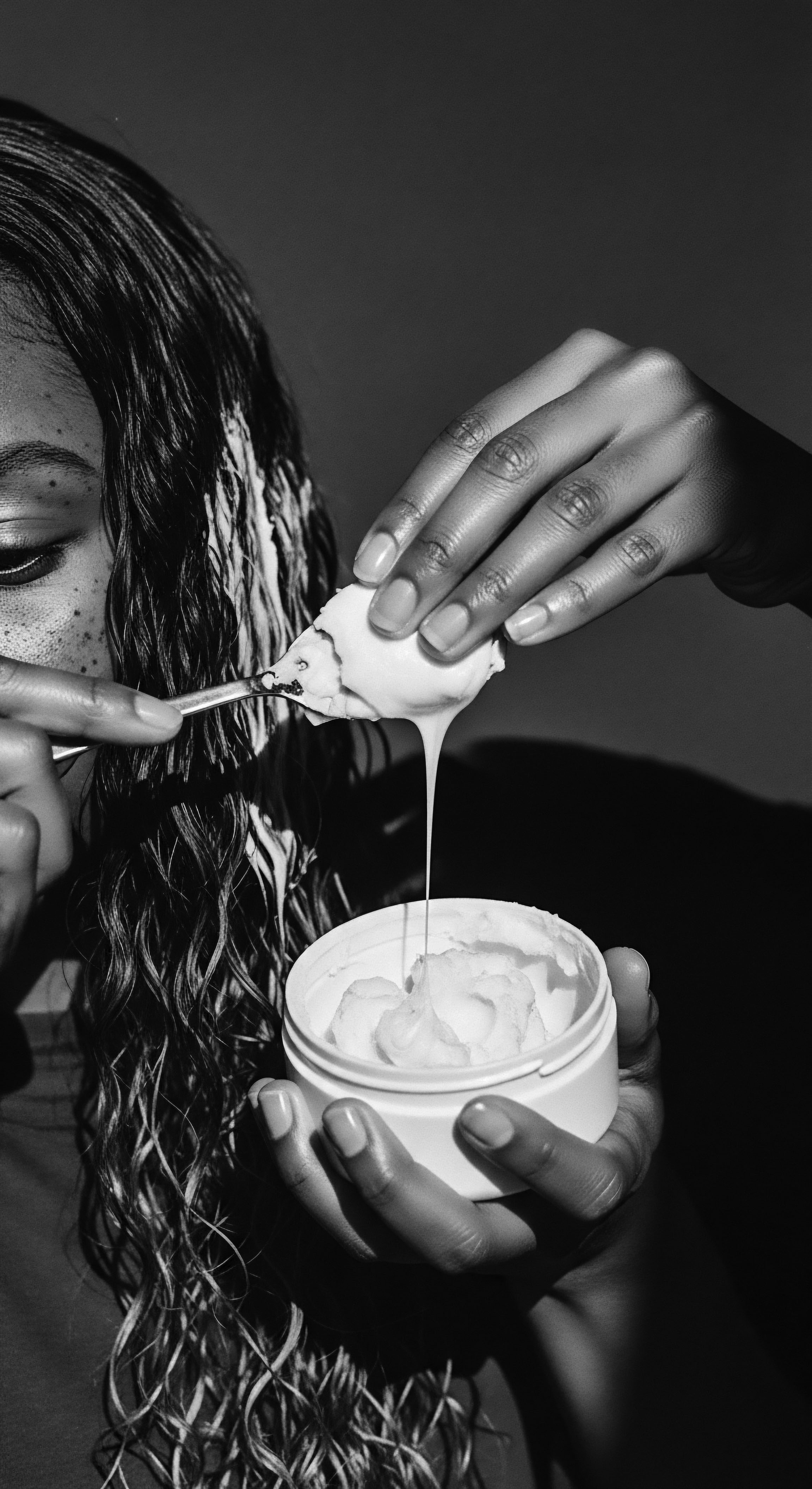
Modern hydrating creams draw from ancestral practices by echoing ancient moisture techniques, rooted in textured hair heritage.
How do ancestral hair care ingredients connect to modern hair science?
Ancestral textured hair care, born of deep observation, finds scientific validation in its holistic understanding of hair structure and protective practices.
How did early scientific racism define textured hair?
Early scientific racism categorized textured hair as 'woolly' or 'primitive,' reducing its complex biological forms and rich cultural heritage to markers of perceived inferiority.
What historical role did cornrows play in resistance movements?
Cornrows served as a vital tool in resistance movements, concealing maps and seeds while symbolizing profound cultural heritage.
What cultural connections exist between textured hair and its ancestral ingredients?
Textured hair’s profound connection to its ancestral ingredients reflects a heritage of deep cultural wisdom and enduring care practices.
How did hair rituals aid cultural preservation through time?
Hair rituals aided cultural preservation by acting as a living archive of identity, communication, and ancestral resilience for textured hair communities.
How do ancestral African practices influence hair wellness today?
Ancestral African practices deeply inform textured hair wellness today by providing a heritage of holistic care, protective styling, and symbolic expression.
How did ancient wisdom shape textured hair care?
Ancient wisdom shaped textured hair care through deep ancestral knowledge, valuing hair as a symbol of identity and spiritual connection.
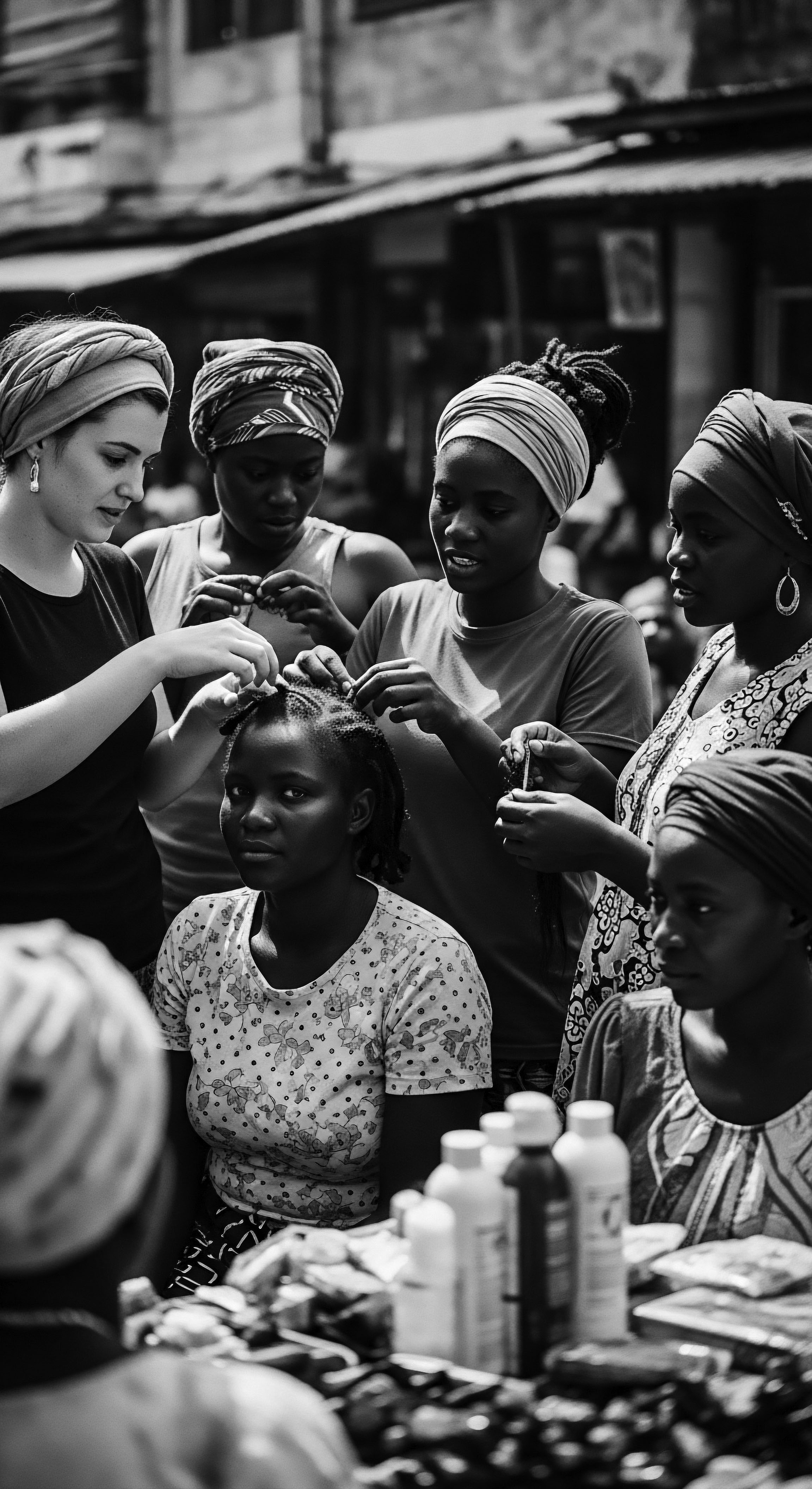
How did historical hair care practices influence cultural identity and community?
Historical hair care practices for textured hair profoundly shaped cultural identity and community by serving as sites for cultural transmission and declarations of selfhood.
How did oiling hair become a symbol of resistance?
Oiling hair transformed into a resistance symbol by preserving ancestral practices and identity against dehumanization.
How do historical oiling practices for textured hair influence modern care?
Historical oiling practices for textured hair underscore a continuous ancestral heritage of care and resilience.
Why is moisture vital for textured hair health?
Moisture is essential for textured hair's ancestral structure, enabling pliability and reducing breakage, echoing generations of protective heritage.
How do ancestral hair rituals align with contemporary hair biology?
Ancestral hair rituals align with contemporary biology by offering protective, nourishing methods for textured hair, rooted in deep heritage.
What historical cleansing practices honored textured hair?
Historical cleansing practices honored textured hair through gentle, plant-based rituals, reflecting cultural identity and ancestral wisdom.
What is the historical link between head wraps and textured hair care?
Head wraps connect ancestral protective practices with textured hair care, embodying heritage and resilience.
Can modern science validate ancient hair care for textured strands?
Modern science affirms ancient textured hair care through understanding its biological benefits and deep historical cultural relevance.
How do plant-based components benefit textured hair?
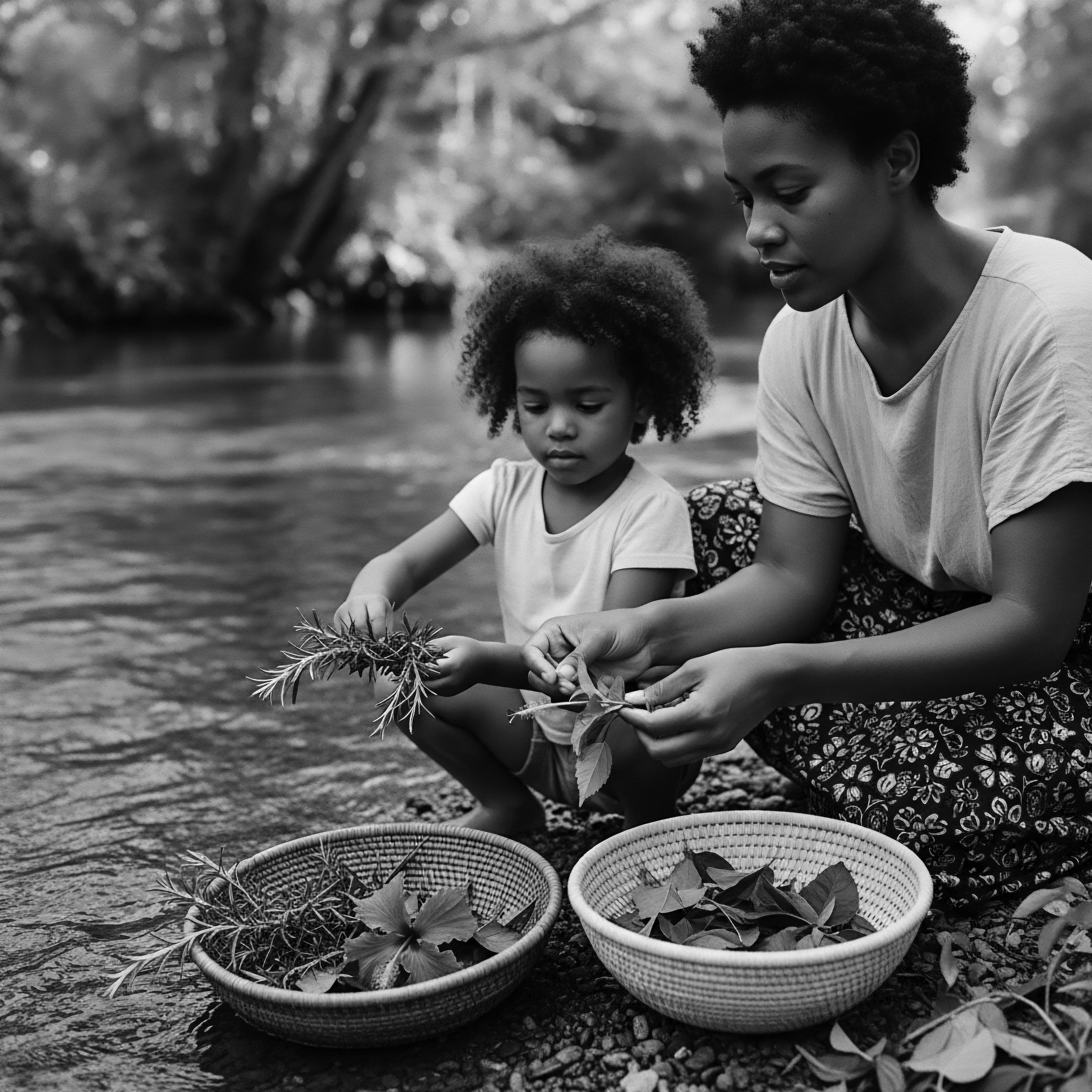
Plant-based components offer deep moisture, strength, and scalp health benefits, echoing centuries of textured hair heritage.
What specific laws suppressed textured hair expression historically?
Historical laws and social dictates suppressed textured hair expression by enforcing Eurocentric beauty standards.
What historical significance do hair oiling rituals possess?
Hair oiling rituals represent an enduring testament to textured hair heritage, connecting ancestral wisdom with modern care.
What historical role did specific tools play in textured hair styling?
Tools for textured hair styling historically served as vital conduits for heritage, shaping cultural identity and enduring across generations.
Protective Hair Designs
Meaning ❉ Protective Hair Designs are intentional styles for textured hair, minimizing manipulation and reflecting profound cultural heritage and resilience.
In what ways does hair oiling honor Black hair’s cultural resilience?
Hair oiling honors Black hair’s cultural resilience by extending ancestral practices of nourishment and protection, reflecting a continuous heritage of self-care and identity.