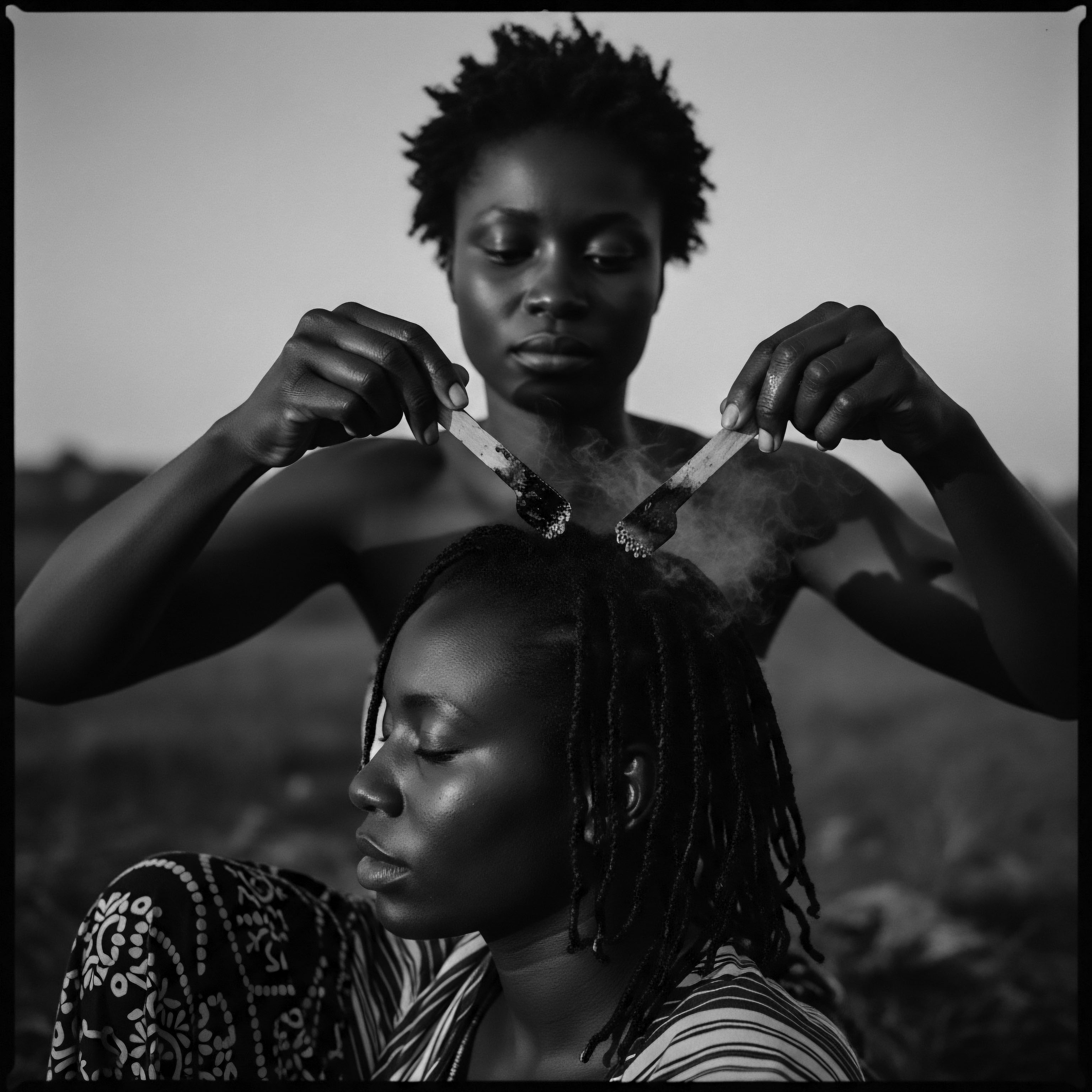
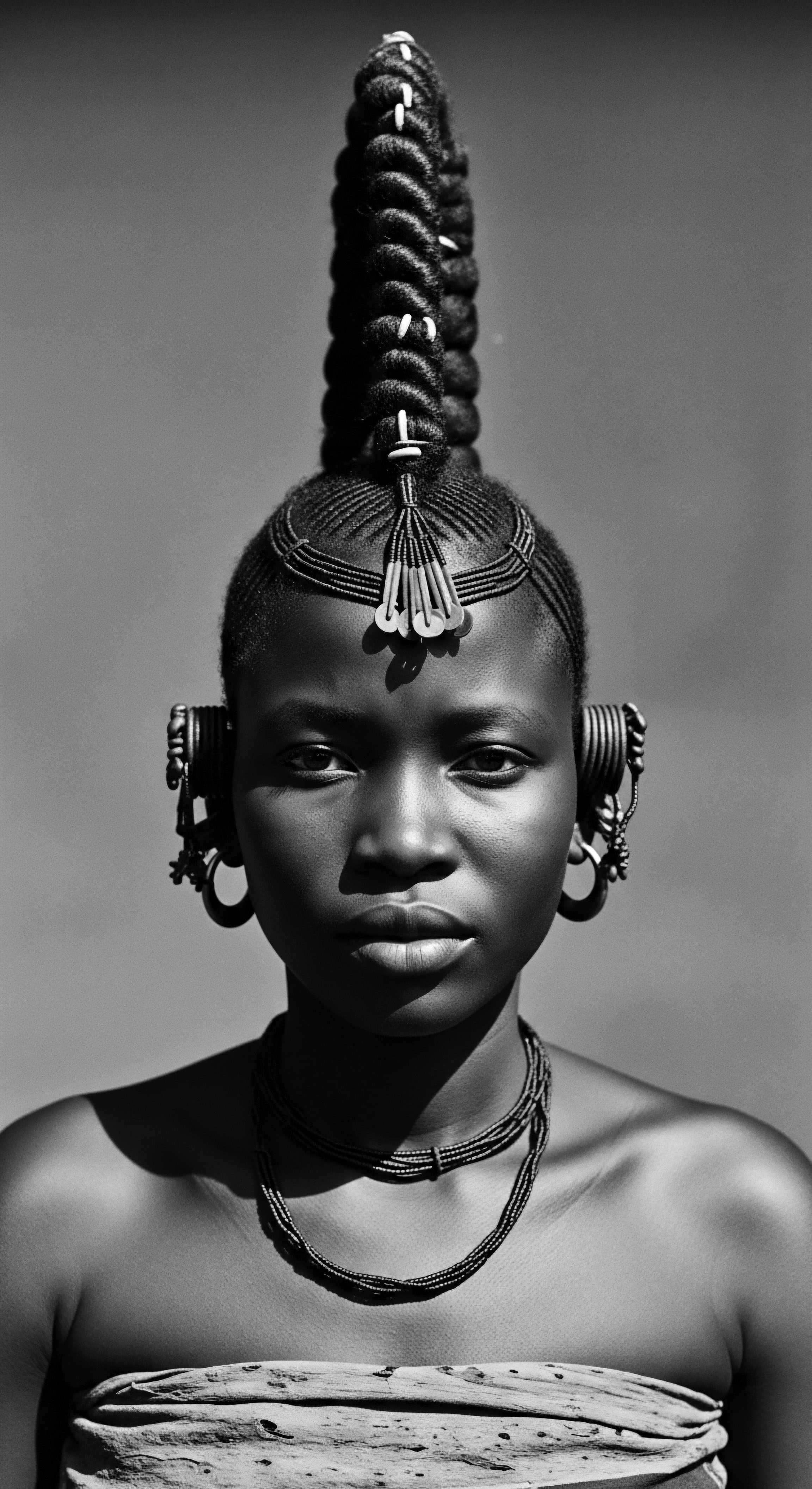
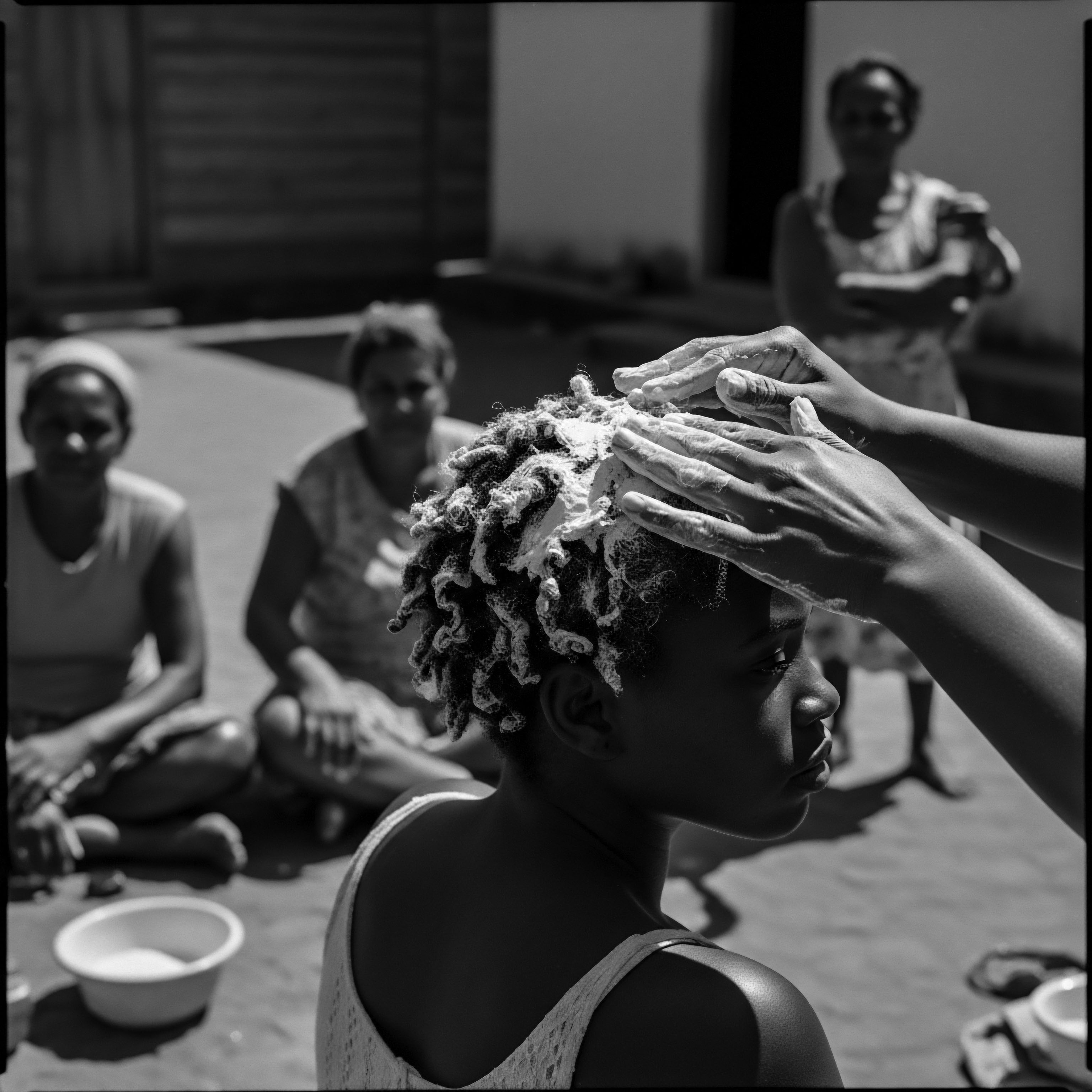
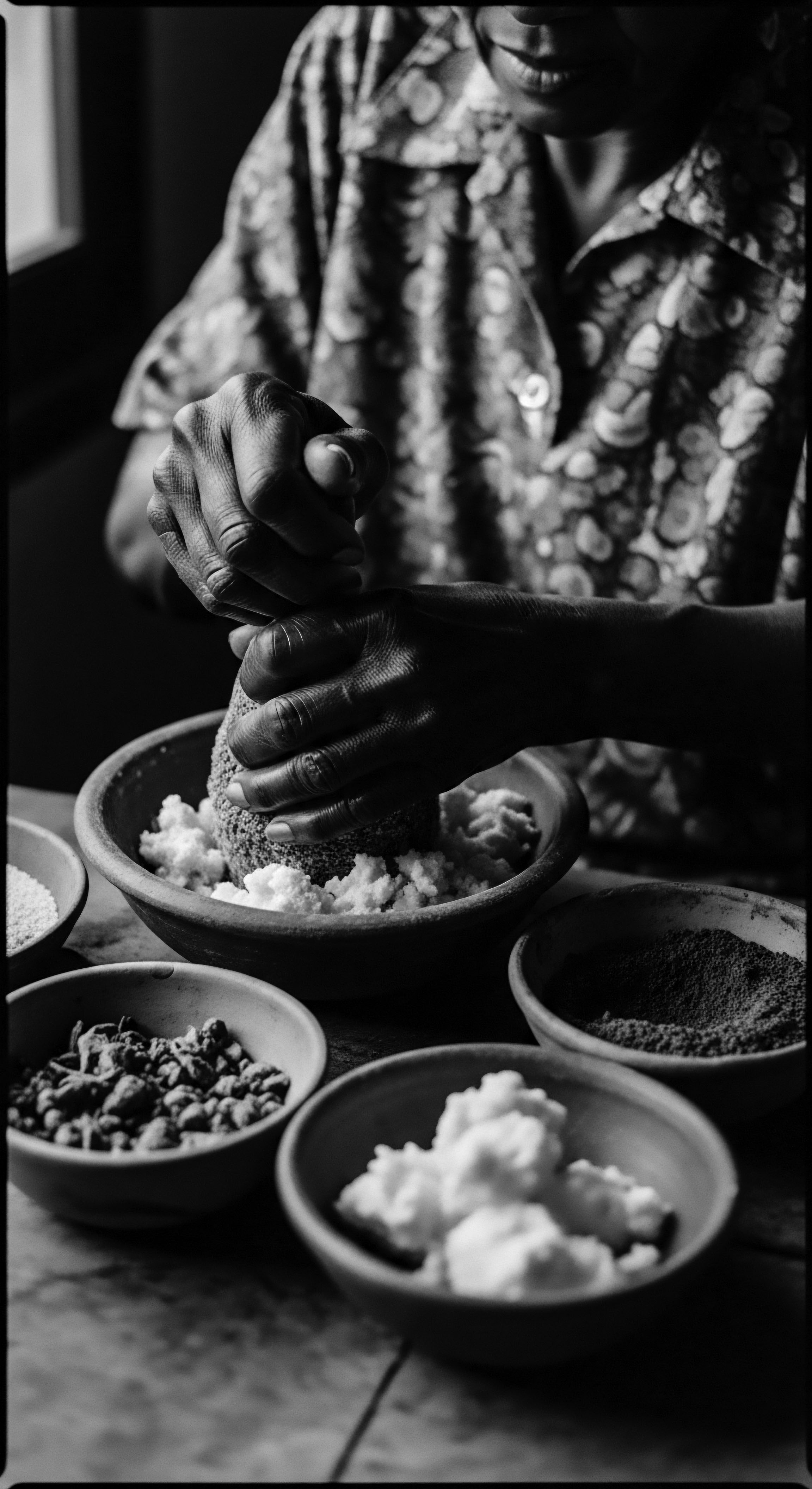
What cultural significance did clay hair practices hold for Black heritage?
Clay hair practices held profound cultural significance for Black heritage, intertwining self-expression with ancestral wisdom.
What historical laws affected textured hair heritage?
Historical laws sought to control and diminish textured hair, impacting identity and heritage, yet inspiring enduring resilience.
How does iron deficiency specifically impact textured hair’s heritage?
Iron deficiency weakens hair, altering its texture and compromising the heritage of vibrant, resilient textured hair.
How does cultural heritage influence modern perspectives on black soap for textured hair care?
Cultural heritage shapes modern views on black soap by connecting textured hair care to ancestral wisdom, community rituals, and identity reclamation.
How does the biology of textured hair necessitate heritage-informed oil use?
Textured hair’s unique biology requires oil to counteract inherent dryness and protect its structure, a need understood for generations.
Can modern legislation undo the historical harm to hair heritage?
Modern legislation like the CROWN Act helps dismantle systemic discrimination against textured hair, affirming cultural identity and fostering heritage reclamation.
What historical examples connect plant oil use to sun defense in textured hair heritage?
Ancestral use of plant oils provided essential sun defense for textured hair, a heritage of natural protection and profound cultural wisdom.
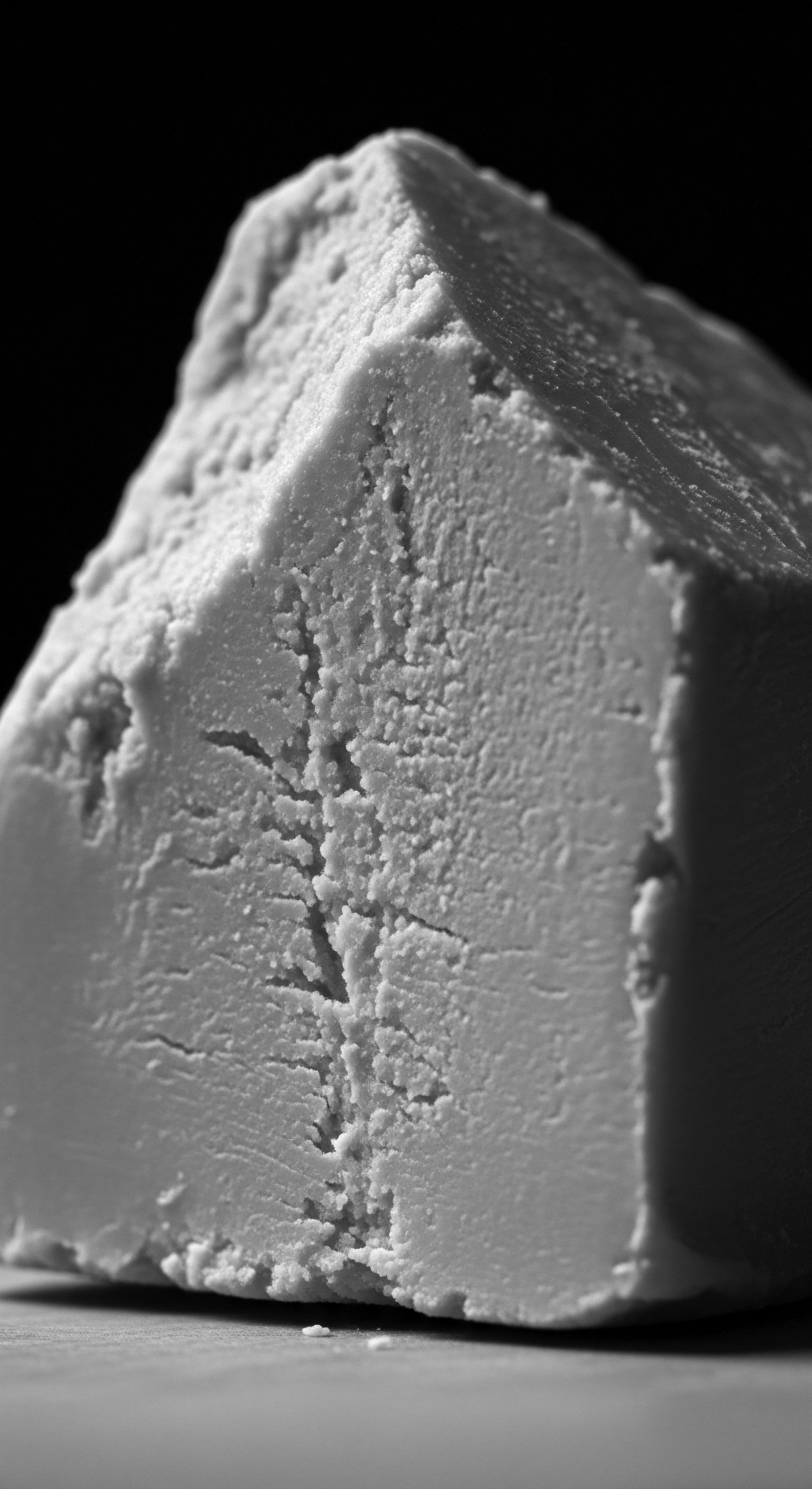
Which specific clays hold cultural ties to hair heritage?
Specific clays like Rhassoul, Bentonite, Kaolin, and various ochres hold deep cultural ties to textured hair heritage through ancient cleansing, protective, and ritualistic uses.
What scientific insights confirm the benefits of historical hair oiling for textured hair heritage?
Historical hair oiling for textured hair lineage finds scientific confirmation in its ability to seal cuticles, reduce protein loss, and support scalp health.
What plant-based ingredients from heritage nourish textured hair?
Plant-based ingredients from heritage nourish textured hair by providing deep moisture, protection, and strength, echoing ancestral wisdom.
What enduring legacy does moisture hold for textured hair heritage?
Moisture holds a profound legacy for textured hair heritage, grounding historical care practices in biological need and cultural expression.
What historical significance does Murumuru butter hold for textured hair heritage?
Murumuru butter, sourced from the Amazon, holds historical significance as an ancestral ally for textured hair, deeply rooted in indigenous and Afro-diasporic care practices.
What historical oils guarded textured hair heritage?
Historical oils like shea, coconut, and castor protected textured hair heritage through generations of ancestral care.
How do cowrie shells signify wealth in African heritage?
Cowrie shells signify wealth in African heritage through their historical use as currency and their enduring spiritual connection to fertility and prosperity, often displayed in textured hair.
What is the role of cultural identity in textured hair heritage?
Cultural identity in textured hair heritage is a profound connection, where strands echo ancestral wisdom, communal bonds, and enduring resilience.
How did historical environmental factors influence hair care heritage?
Historical environments profoundly shaped textured hair heritage, guiding ancestral protective practices and ingredient choices for survival.
What minerals in clay benefit textured hair from a heritage perspective?
Clay's minerals, like magnesium and silica, cleanse and strengthen textured hair, preserving ancient heritage hair care practices.
What historical botanicals strengthened textured hair heritage?
Historical botanicals, like shea butter and Chebe powder, strengthened textured hair through protective and nourishing ancestral practices rooted in diverse heritage.
Which ancestral practices protected the vitality of Black and mixed-race hair heritage?
Ancestral practices nurtured Black and mixed-race hair vitality through holistic care, protective styles, and deep communal heritage.
What historical care practices define textured hair heritage?
Historical care practices for textured hair embody ancestral wisdom, utilizing natural ingredients and protective styles for health and as a powerful expression of identity and heritage.
Why did certain plants become central to textured hair heritage?
Plants became central to textured hair heritage as ancestral wisdom keepers, offering tailored solutions for unique needs and weaving cultural identity into care rituals.
What is the role of heritage in understanding textured hair care efficacy?
Heritage reveals how centuries of ancestral wisdom inform and validate the efficacy of textured hair care practices.
Unverified Claims
Meaning ❉ Unverified claims in textured hair heritage are deeply meaningful ancestral practices, lacking formal scientific proof but rooted in cultural efficacy.
How does cultural heritage influence hair care practices for textured hair?
Cultural heritage informs textured hair care by preserving ancestral practices, traditional ingredients, and communal rituals tied to identity and wellbeing.
What historical practices preserve textured hair heritage and vitality?
Historical practices preserve textured hair heritage by linking ancestral care, styling, and community rituals to enduring identity and vitality.
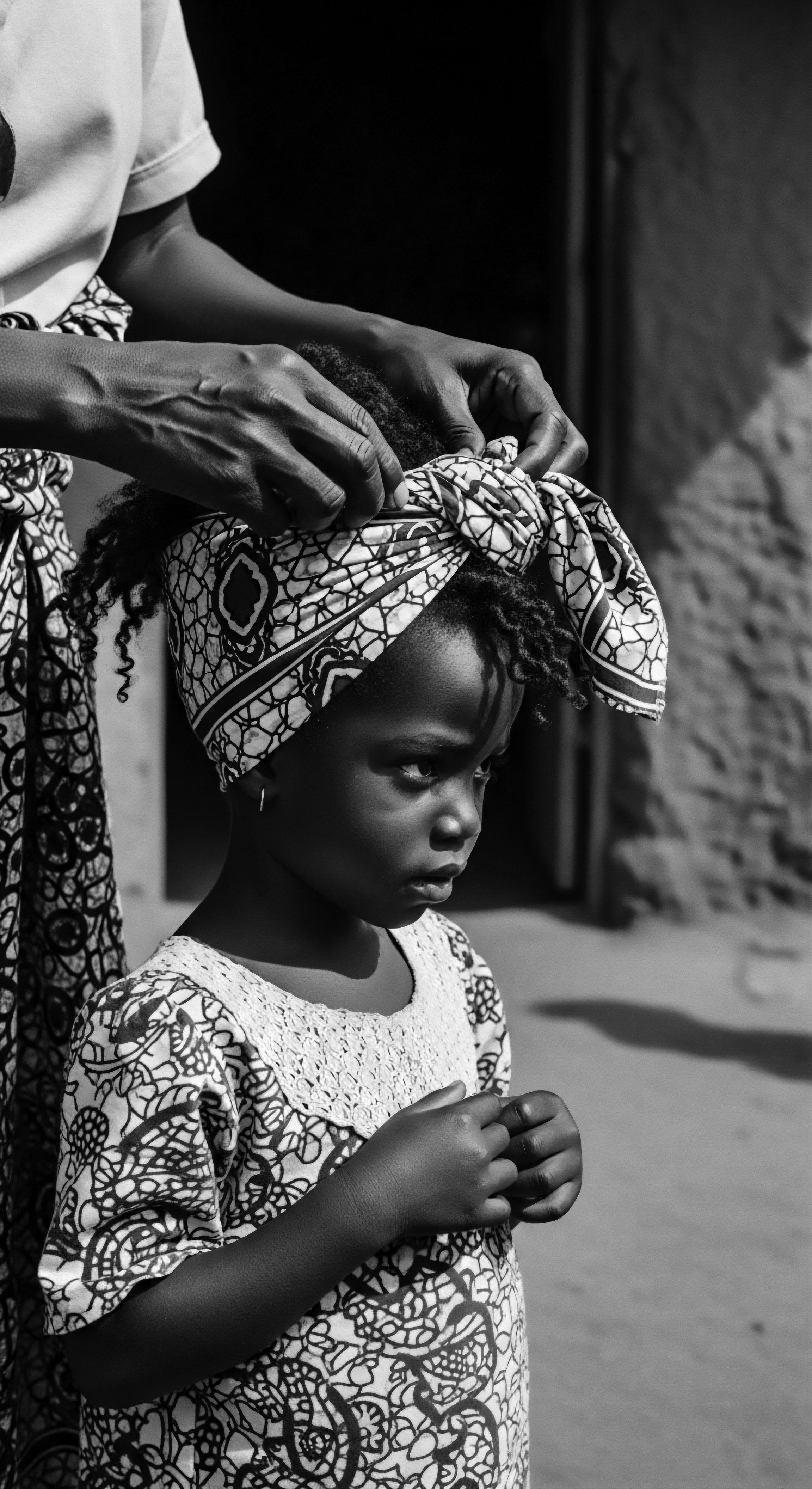
In what ways did headwraps serve as both protection and cultural identity for textured hair heritage?
Headwraps shielded textured hair from harm while declaring cultural identity and ancestral heritage.
Can traditional plant oil practices inform modern care for textured hair heritage?
Traditional plant oil practices offer rich heritage insights for modern textured hair care, connecting ancestral wisdom with contemporary needs.
What historical examples connect plant oils to textured hair heritage?
Plant oils like shea butter and castor oil were ancestral staples, deeply connecting textured hair heritage to natural care.