How do traditional African hair practices connect to modern textured hair care science?
Traditional African hair practices deeply connect to modern textured hair care science through shared principles of moisture, protection, and honoring heritage.
Can ancient plant-based cleansers benefit modern textured hair?
Ancient plant-based cleansers offer profound benefits for modern textured hair, connecting us to a rich heritage of effective, gentle care.
Why do textured strands need moisture?
Textured strands inherently need moisture due to their unique, coiled structure and a rich heritage of care practices.
Unsaponifiable Constituents
Meaning ❉ Unsaponifiable constituents are distinct, beneficial compounds in natural oils that resist saponification, offering unique properties for hair health and traditional care.
What ancestral customs connect plant oil use to identity for textured hair?
Ancestral plant oil customs bind textured hair care to a heritage of identity, community, and resilience.
What challenges arise for textured hair in professional or academic settings?
Textured hair faces challenges in formal settings due to historical biases, impacting identity and career paths while overlooking rich heritage.
How do historical challenges shape modern textured hair practices?
Historical challenges forged enduring textured hair practices, deeply connecting modern care to ancestral resilience and cultural heritage.
How does science validate historical textured hair care with plant oils?
Science validates historical textured hair care with plant oils by confirming their molecular ability to moisturize, strengthen, and protect hair fibers, echoing ancestral wisdom.
Which natural compounds protect textured hair?
Natural compounds sourced from ancient traditions shield textured hair by offering profound moisture, environmental defense, and structural integrity, reflecting a timeless heritage of care.
What historical plant compounds supported textured hair health?
Historical plant compounds, from shea to hibiscus, deeply nourished textured hair, a living testament to ancestral wisdom and heritage.
How does Amazonian plant use relate to textured hair health?
Amazonian plants provide profound hydration and strength for textured hair, honoring centuries of ancestral practices.
How can modern routines benefit from ancient textured hair wisdom?
Modern textured hair routines benefit by integrating ancestral wisdom, honoring heritage, and promoting holistic well-being.
Coil Pattern Change
Meaning ❉ Coil Pattern Change describes an alteration in the hair strand's natural coiling, deeply connected to heritage and care practices.
Can ancient practices using natural greens prevent textured hair breakage?
Ancient practices using natural greens, steeped in textured hair heritage, bolster strands by addressing dryness and cuticle integrity.
What is the historical significance of Chébé for textured hair communities?
Chébé's historical significance lies in its millennia-old use by Chadian women for length retention, forming a cornerstone of textured hair heritage.
Can traditional hair care practices still serve modern textured hair needs?
Ancestral textured hair practices offer timeless, deeply relevant solutions rooted in heritage, science, and cultural identity.
What traditional ingredients nourish textured hair today, reflecting ancient wisdom?
Ancestral plant wisdom, especially from African and Indigenous traditions, offers enduring nourishment for textured hair today.
Can headwraps enhance textured hair health and moisture?
Headwraps enhance textured hair health by creating a protective environment, reducing friction, and preserving moisture, deeply rooted in ancestral care practices.
Ancestral Scalp Nourishment
Meaning ❉ Ancestral Scalp Nourishment is the intergenerational wisdom and practice of caring for scalp and textured hair using traditional methods and natural elements.
What ancestral practices shape Himba textured hair wellness?
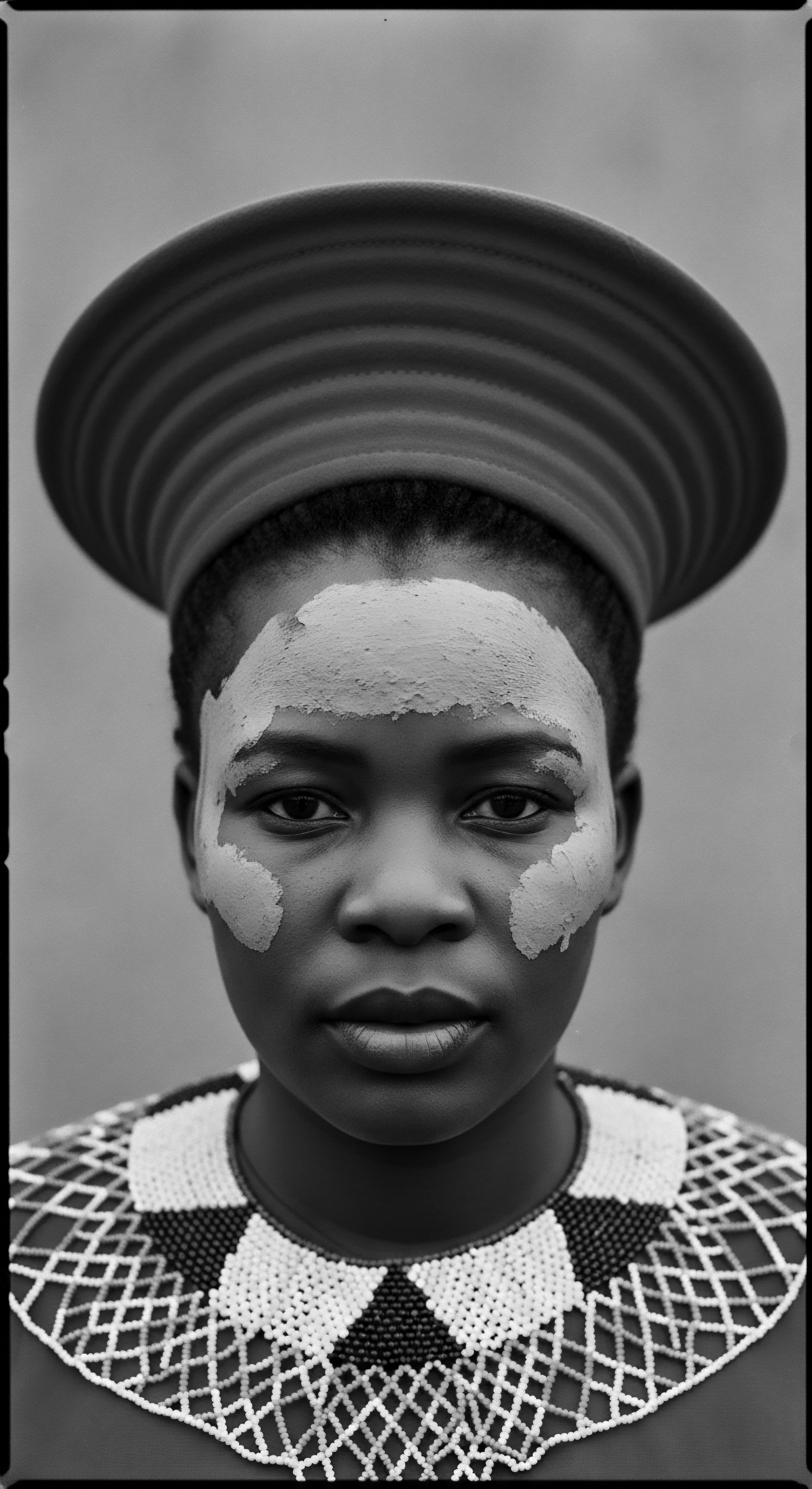
Himba ancestral practices shape textured hair wellness through otjize, a natural blend that offers protection, deep moisture, and cultural expression.
How did textured hair care survive the disruptions of colonial eras?
Textured hair care survived colonialism through ancestral wisdom, adapting traditional practices into acts of cultural and personal resilience, preserving heritage.
In what ways did ancient styling techniques preserve hair health and heritage?
Ancient styling protected textured hair through protective designs, natural emollients, and tools that honored its delicate structure, preserving both health and ancestral identity.
What traditional oils nourished textured scalps across the diaspora?
Traditional oils nourished textured scalps across the diaspora through ancestral wisdom, adapting local plants to preserve hair health and cultural heritage.
How did shea butter become a central part of hair heritage?
Shea butter became central to textured hair heritage by providing ancient, protective nourishment validated by generations of ancestral wisdom.
Can textured hair structure explain traditional care methods and their efficacy?
Textured hair's unique structure intrinsically shaped traditional care, a heritage of methods fostering moisture and resilience.
How do laws recognize hair heritage?
Laws increasingly recognize textured hair heritage by prohibiting discrimination based on natural styles like locs and braids.
Which traditional ingredients shield textured hair effectively?
Ancestral butters and oils form a protective layer, reducing moisture loss and shielding textured hair from environmental elements.
What ancestral practices define textured hair health?
Ancestral practices define textured hair health through holistic care, communal rituals, and deep reverence for its unique structure.
How does textured hair care link ancient methods with modern science?
Textured hair care links ancestral practices with modern science by demonstrating the enduring efficacy of heritage-based methods through contemporary biological understanding.