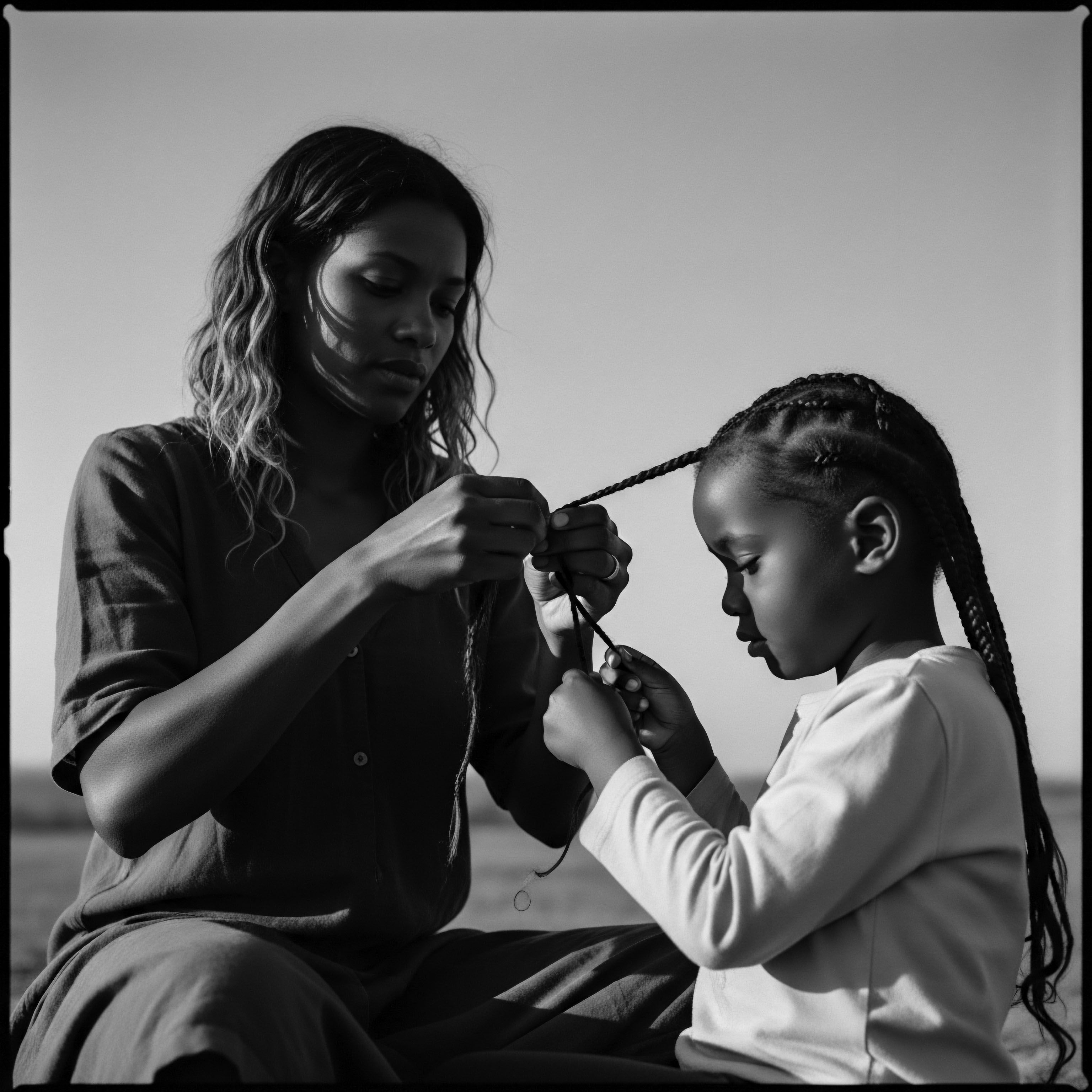
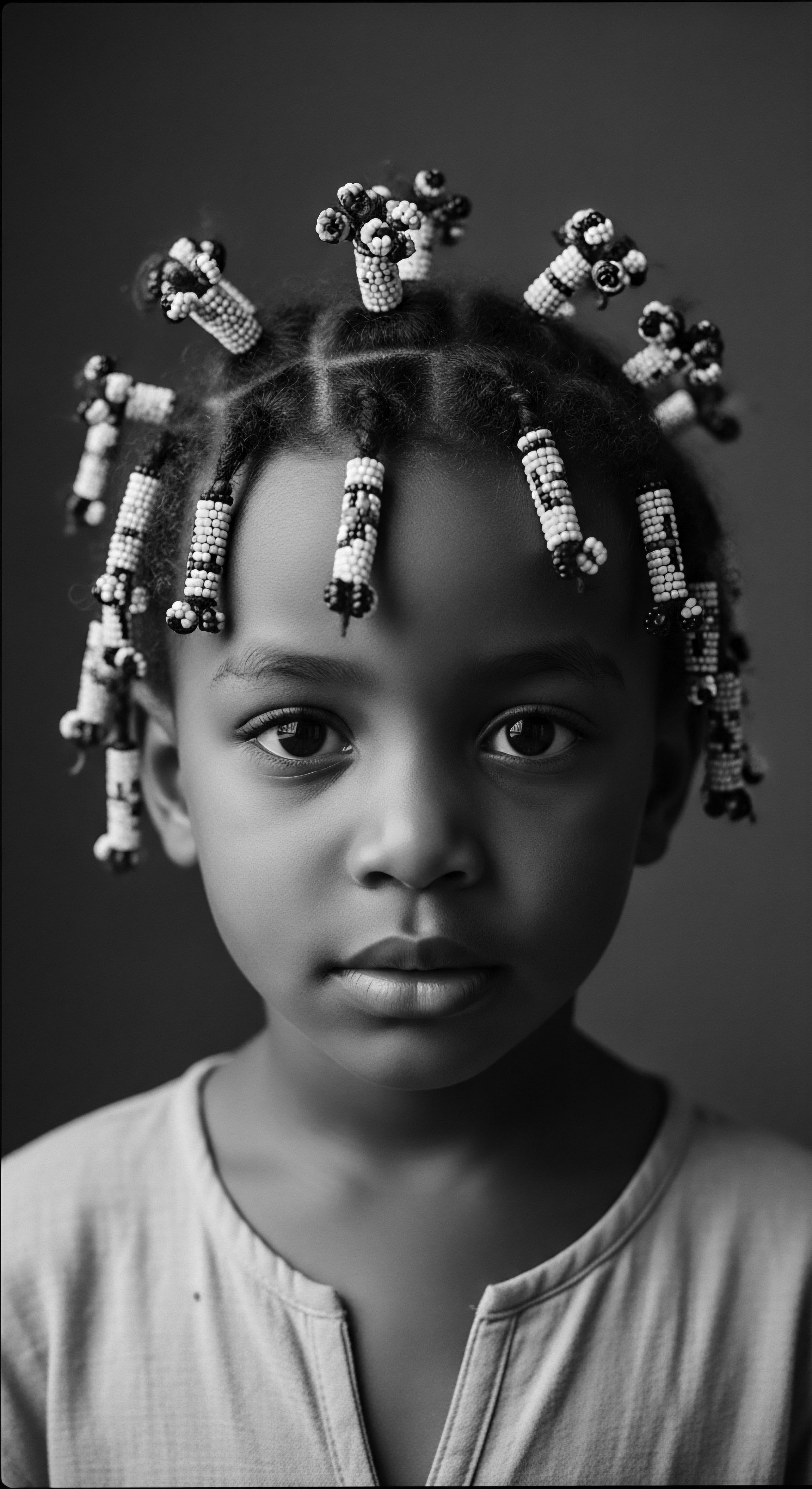
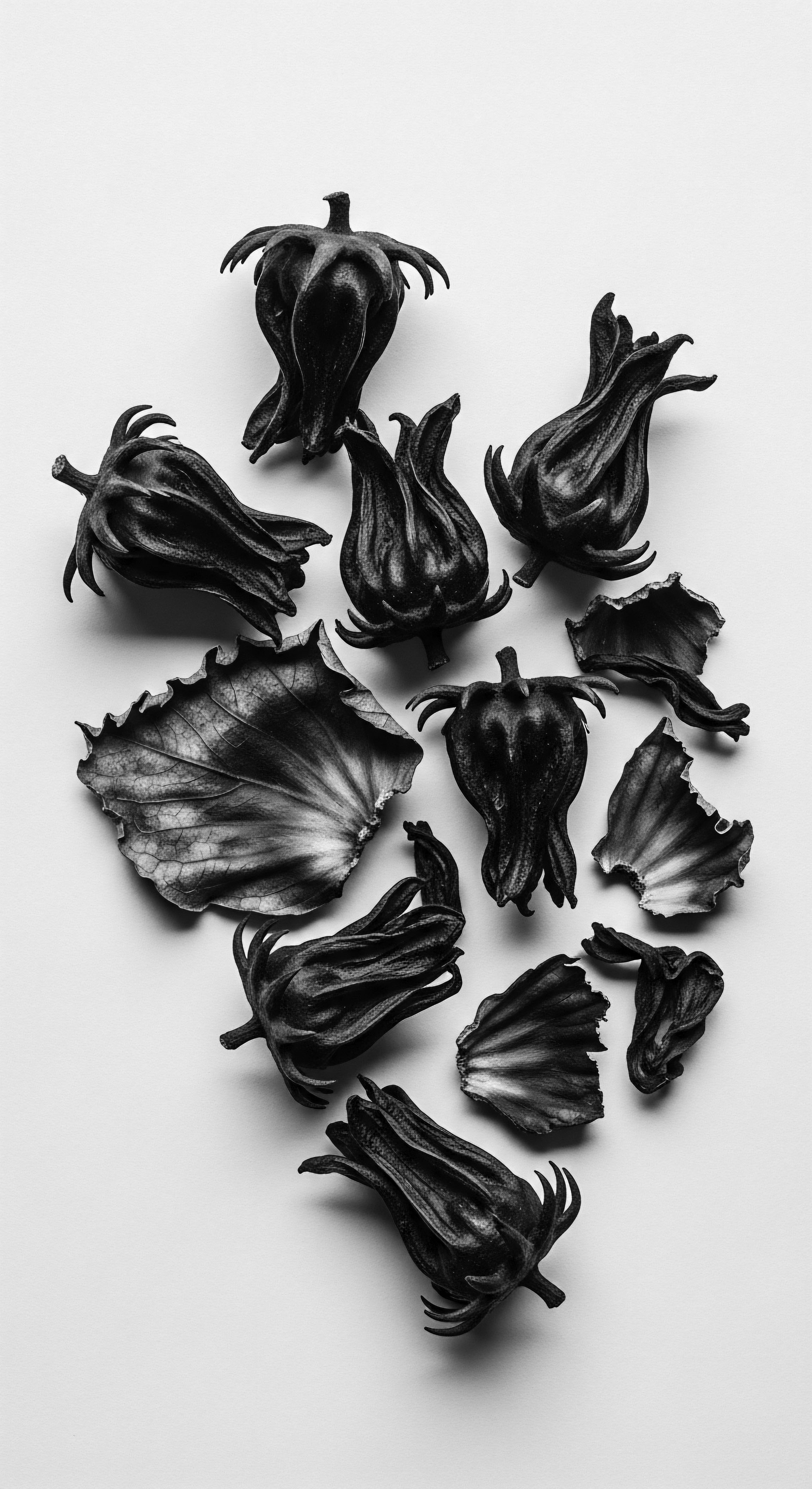
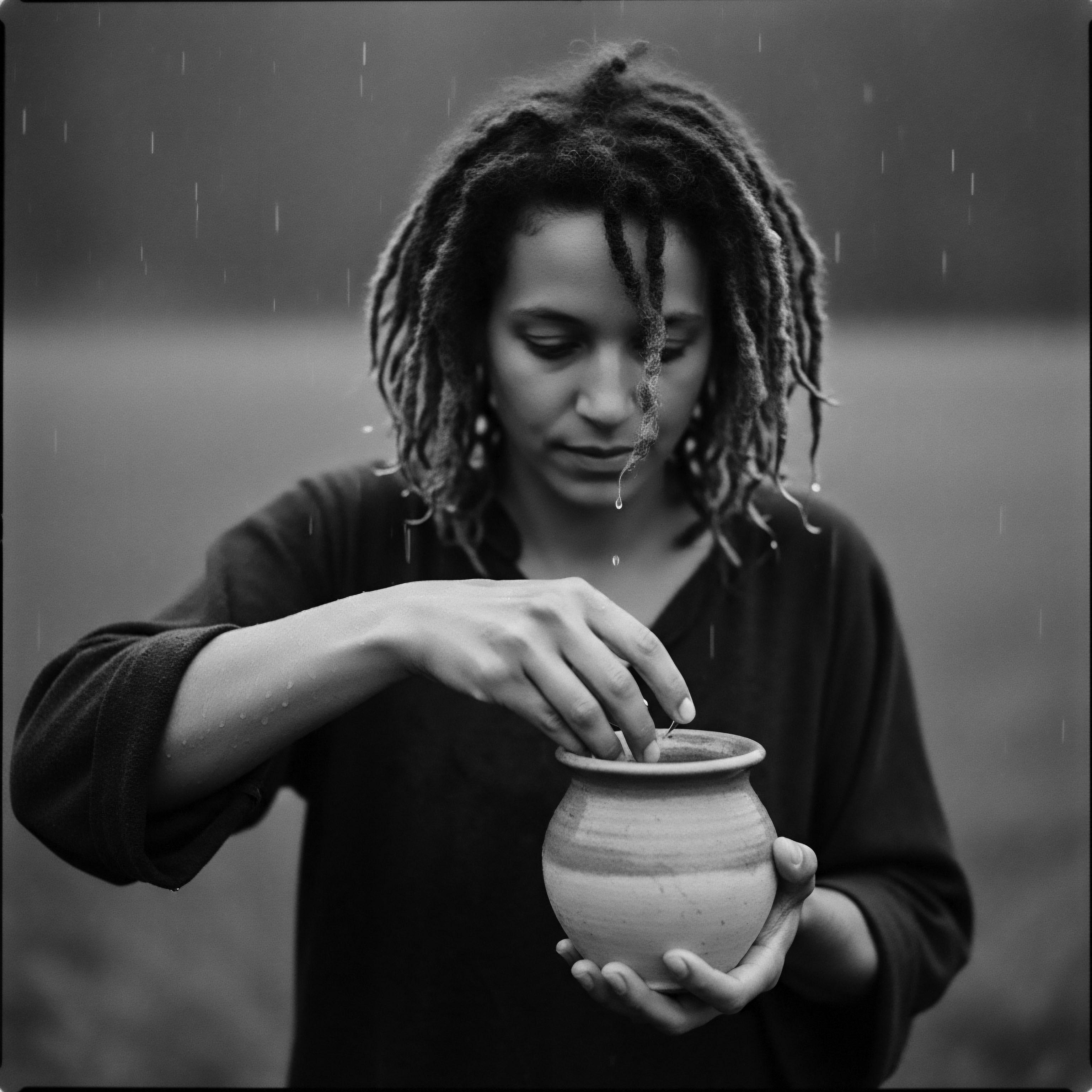
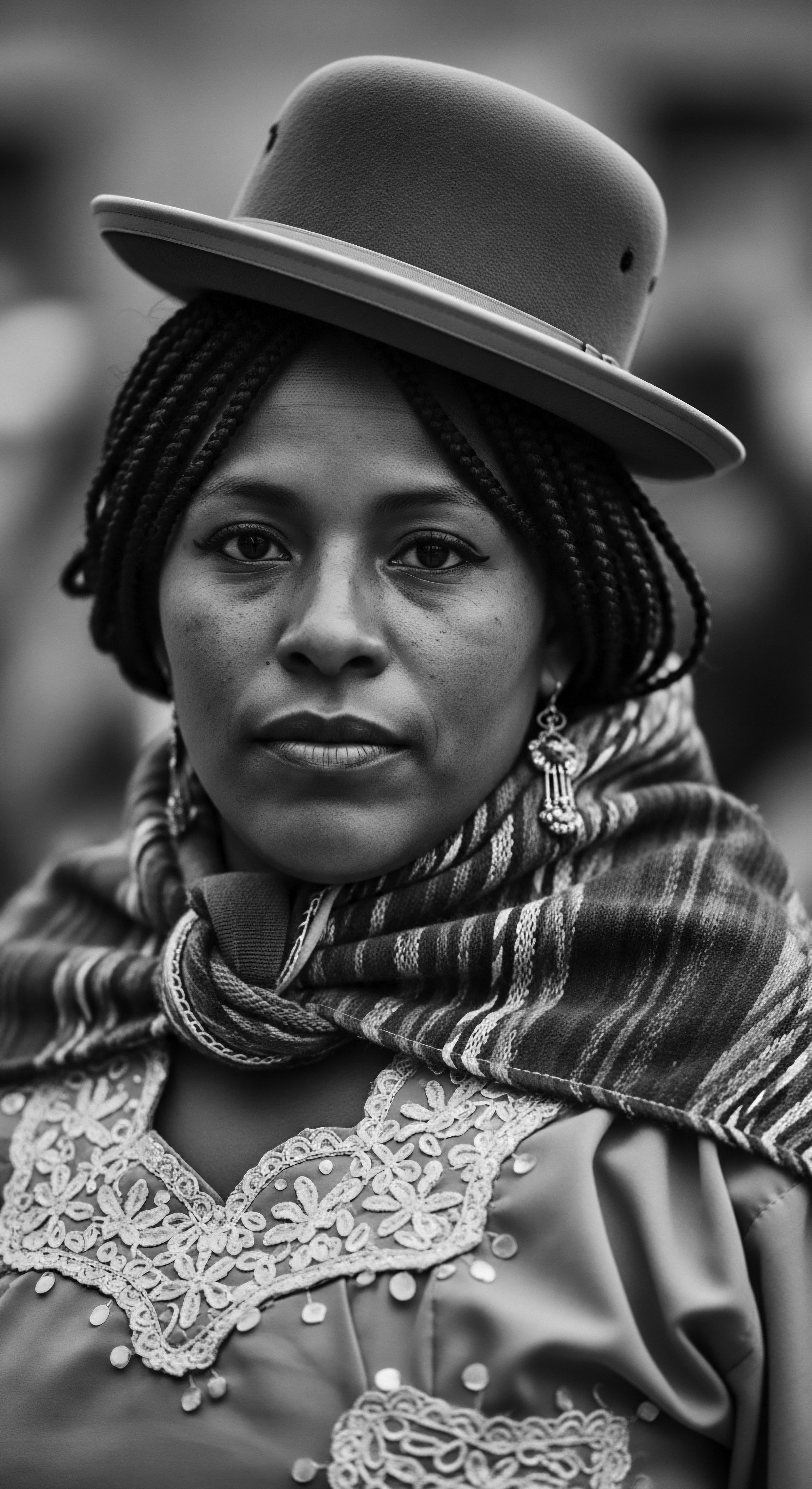
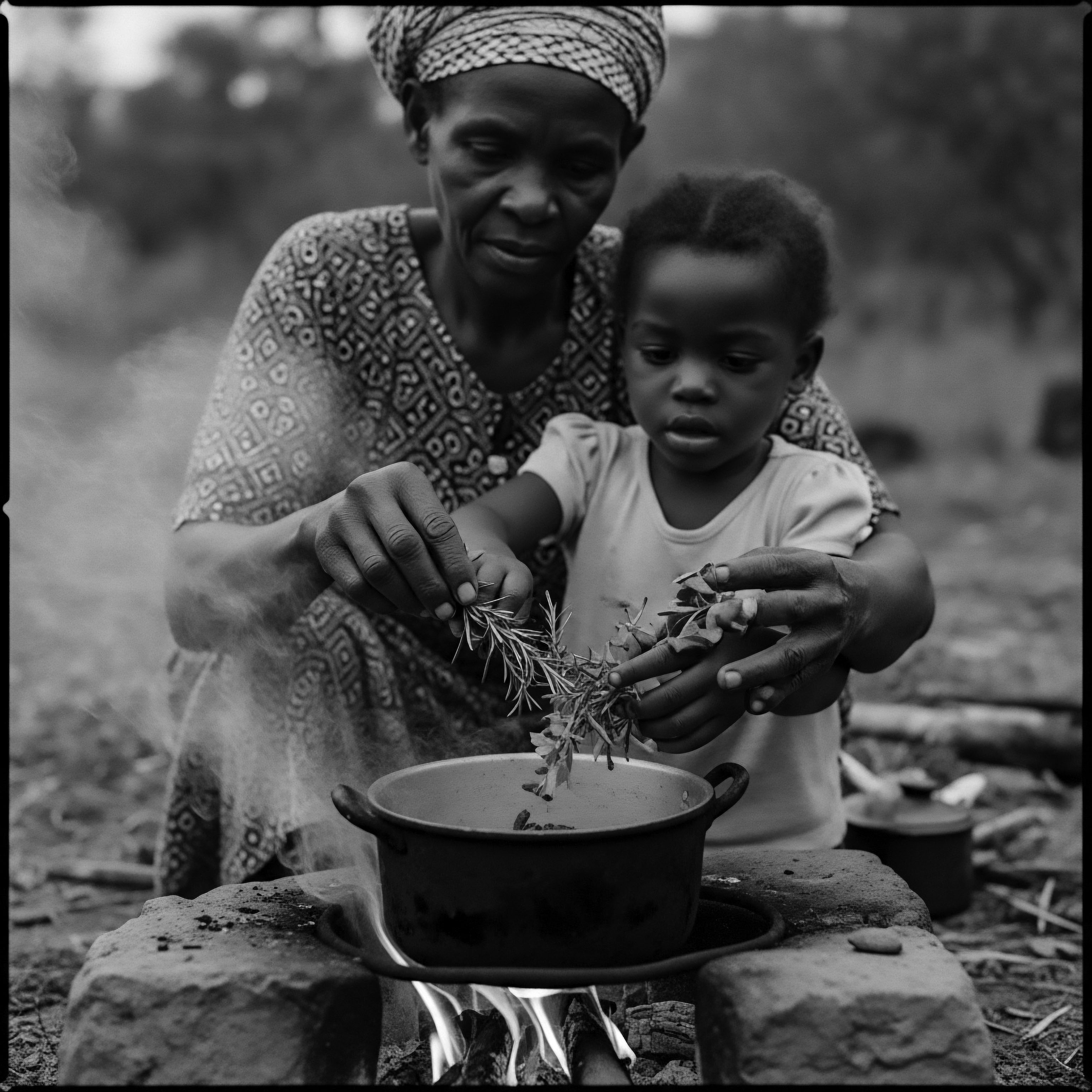
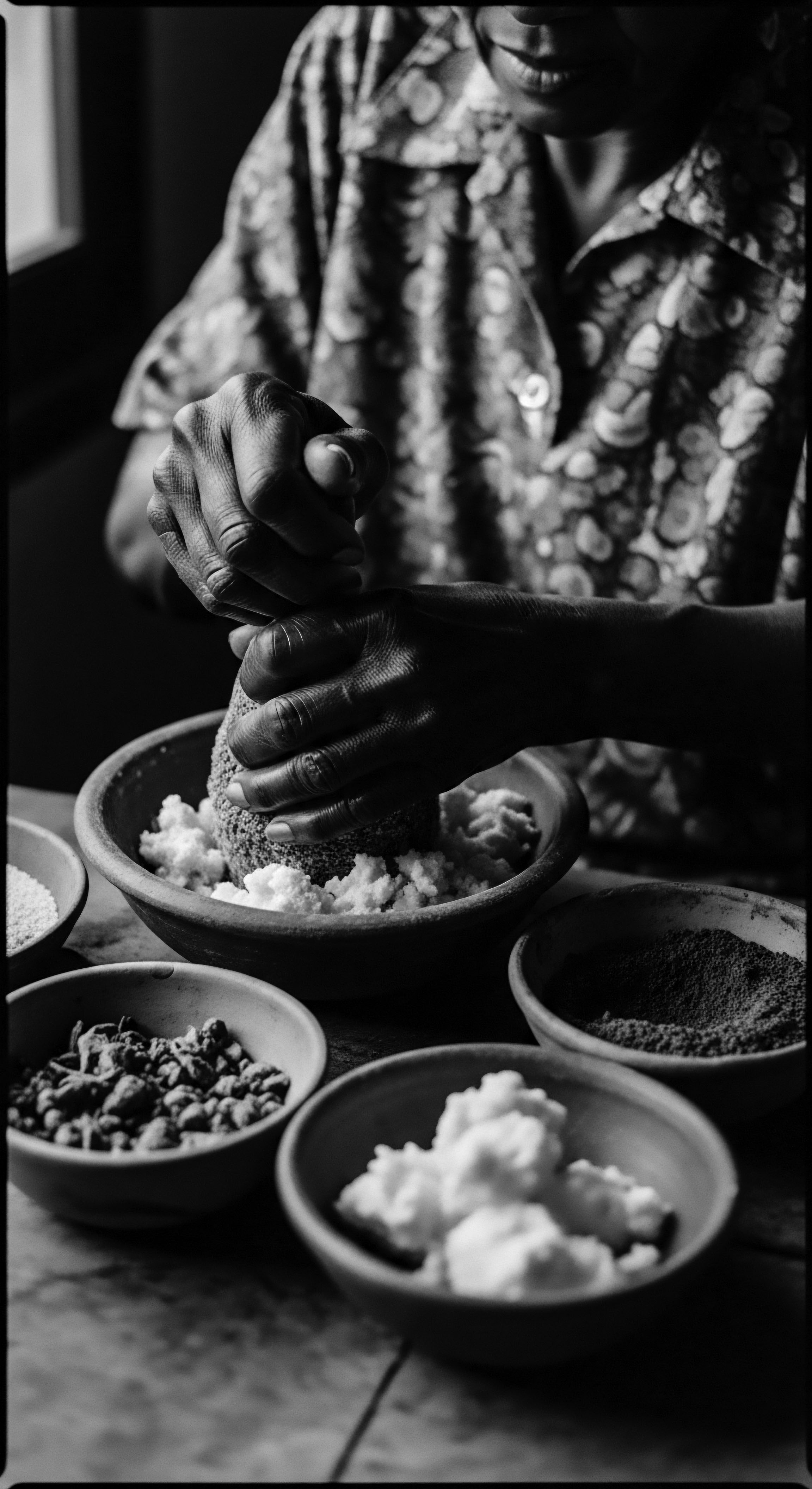
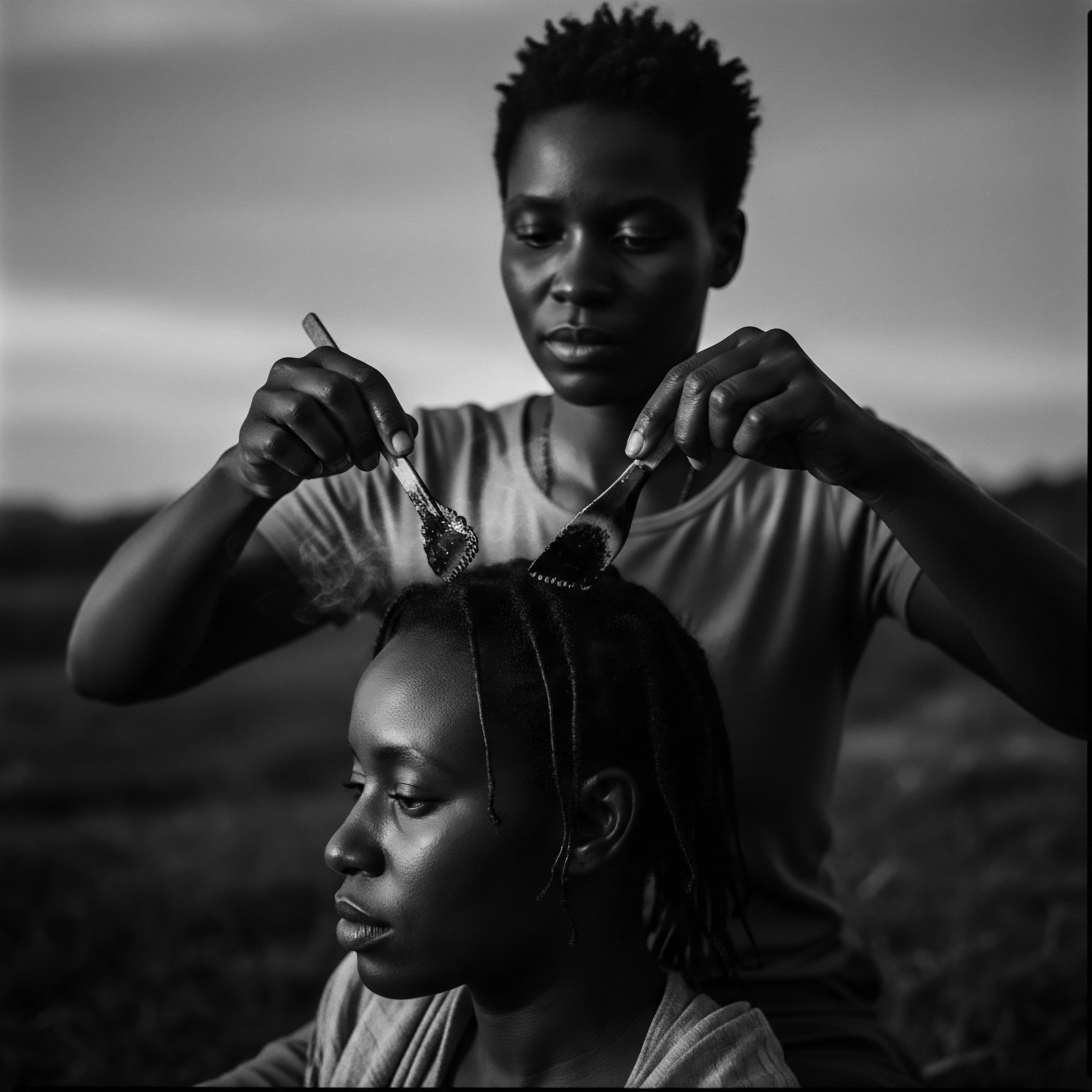
Traditional dietary customs, rich in vital nutrients, profoundly supported textured hair health by providing essential internal nourishment for strong, vibrant strands, a legacy rooted in deep heritage.
Meaning ❉ Amazonian Biocultural is the deep, reciprocal influence between Amazon's biodiversity and traditional human knowledge, particularly for textured hair heritage.
Meaning ❉ An editorial definition of "Asian Foods" through the lens of textured hair heritage, exploring its ancestral wisdom and botanical significance.
Meaning ❉ Warmth Application is the intentional use of elevated temperature to hair and scalp, rooted in ancestral practices, to enhance hair health, malleability, and styling.
Meaning ❉ Hair heredity explains the intergenerational transmission of hair characteristics, deeply linked to cultural identity and ancestral care practices.
Colonialism devalued textured hair by imposing Eurocentric beauty standards, leading to a profound, enduring struggle over cultural identity and self-acceptance.
Meaning ❉ Societal and unconscious devaluation of hair displaying characteristics of age, particularly amplified for textured hair due to racialized beauty standards.
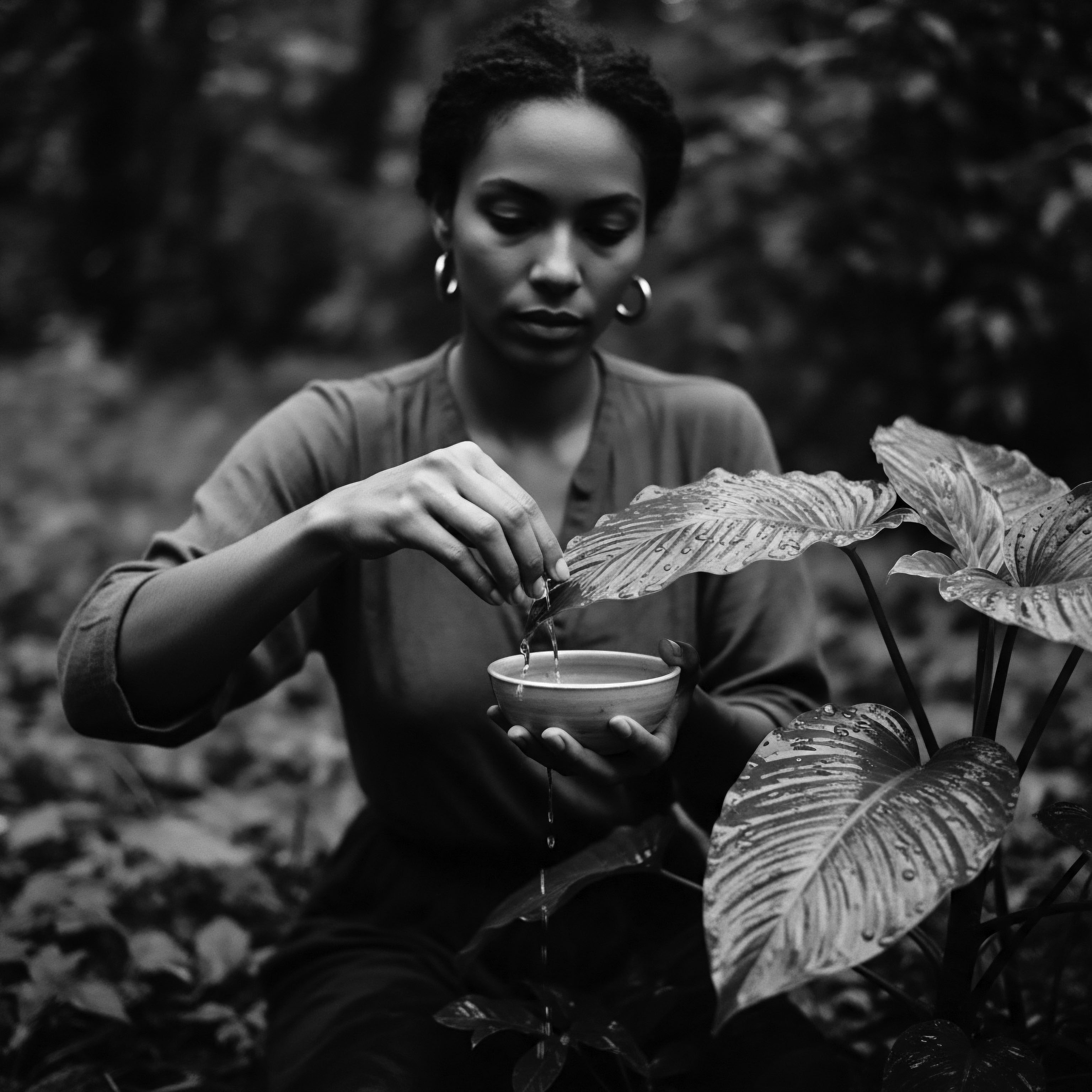
Meaning ❉ A deep exploration of Traditional African Herbs as indigenous botanical wisdom for textured hair, rooted in ancestral practices and cultural identity.
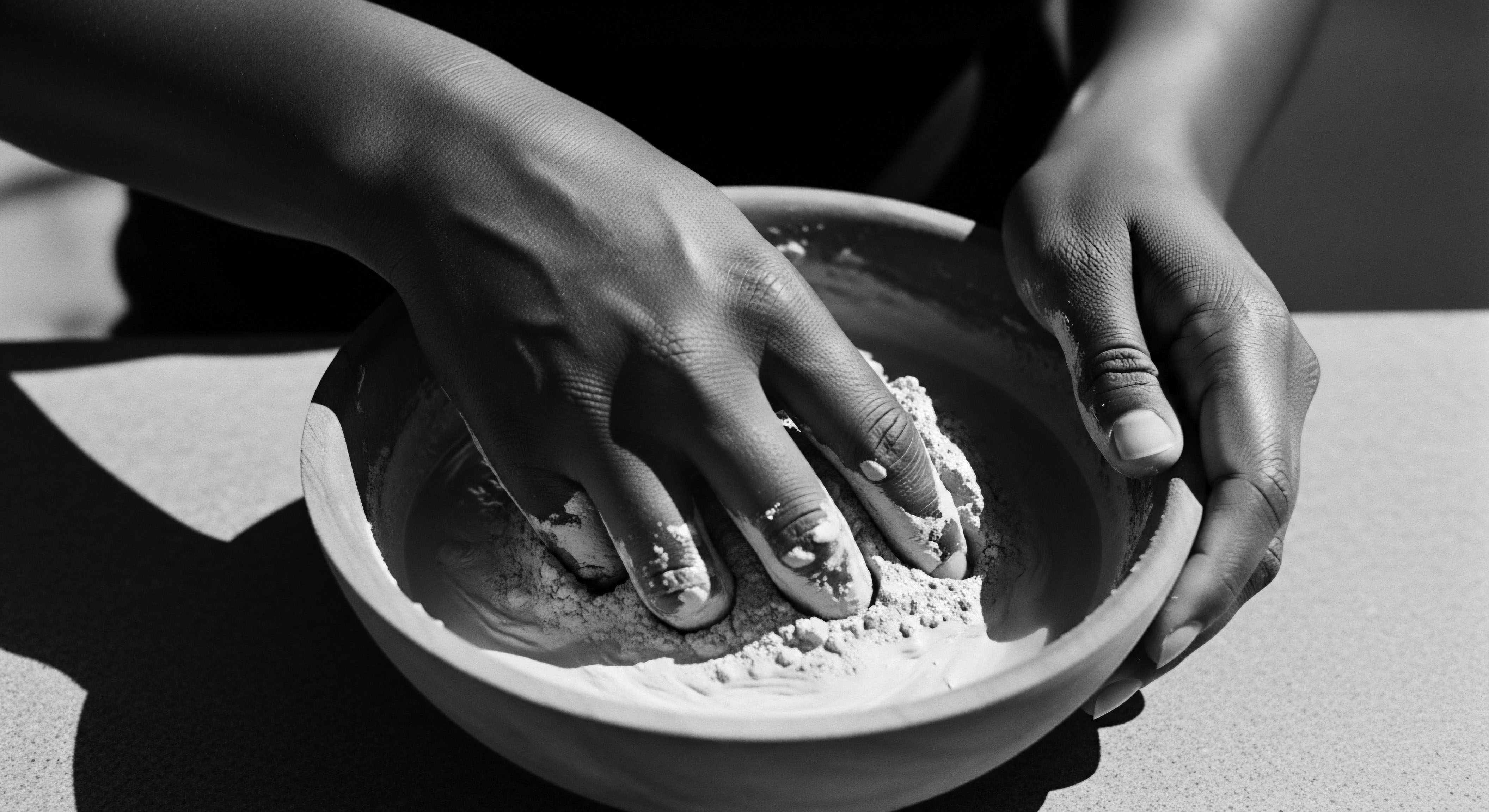
Ancient peoples purified textured hair using natural elements like clays and plant saponins, an inherited practice steeped in cultural reverence and deep knowledge of nature.
Traditional ingredients for textured hair vitality were natural plant-based oils, butters, herbs, and mineral clays, deeply rooted in ancestral heritage.
Meaning ❉ African Hair Growth is the biological development of textured hair, encompassing its unique structural characteristics and its deep cultural, historical, and communal significance as an emblem of identity and resilience.
Cultural rituals from diverse ancestral traditions provide foundational protective care, ingredient knowledge, and holistic philosophies for textured hair's lasting health.
Meaning ❉ The Ungurahua Cultural Significance defines the profound ancestral connection between Amazonian communities and the Oenocarpus bataua palm for hair heritage.
Modern hair science often validates ancestral ingredient choices for textured hair by affirming their historical, observed benefits through contemporary biochemical understanding.
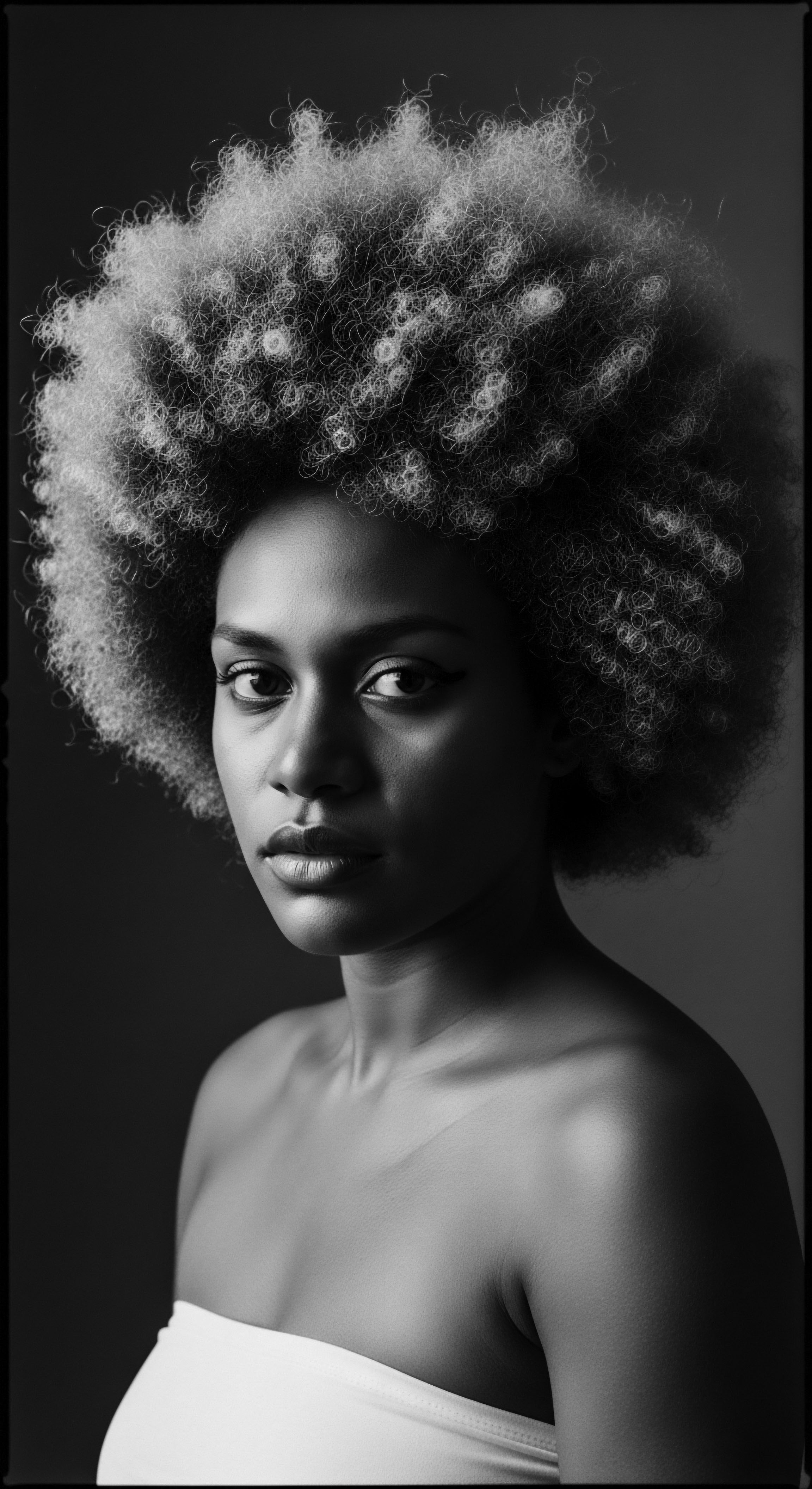
Textured hair's historical significance lies in its profound connection to ancestral heritage, serving as a beacon of cultural identity and resilience.
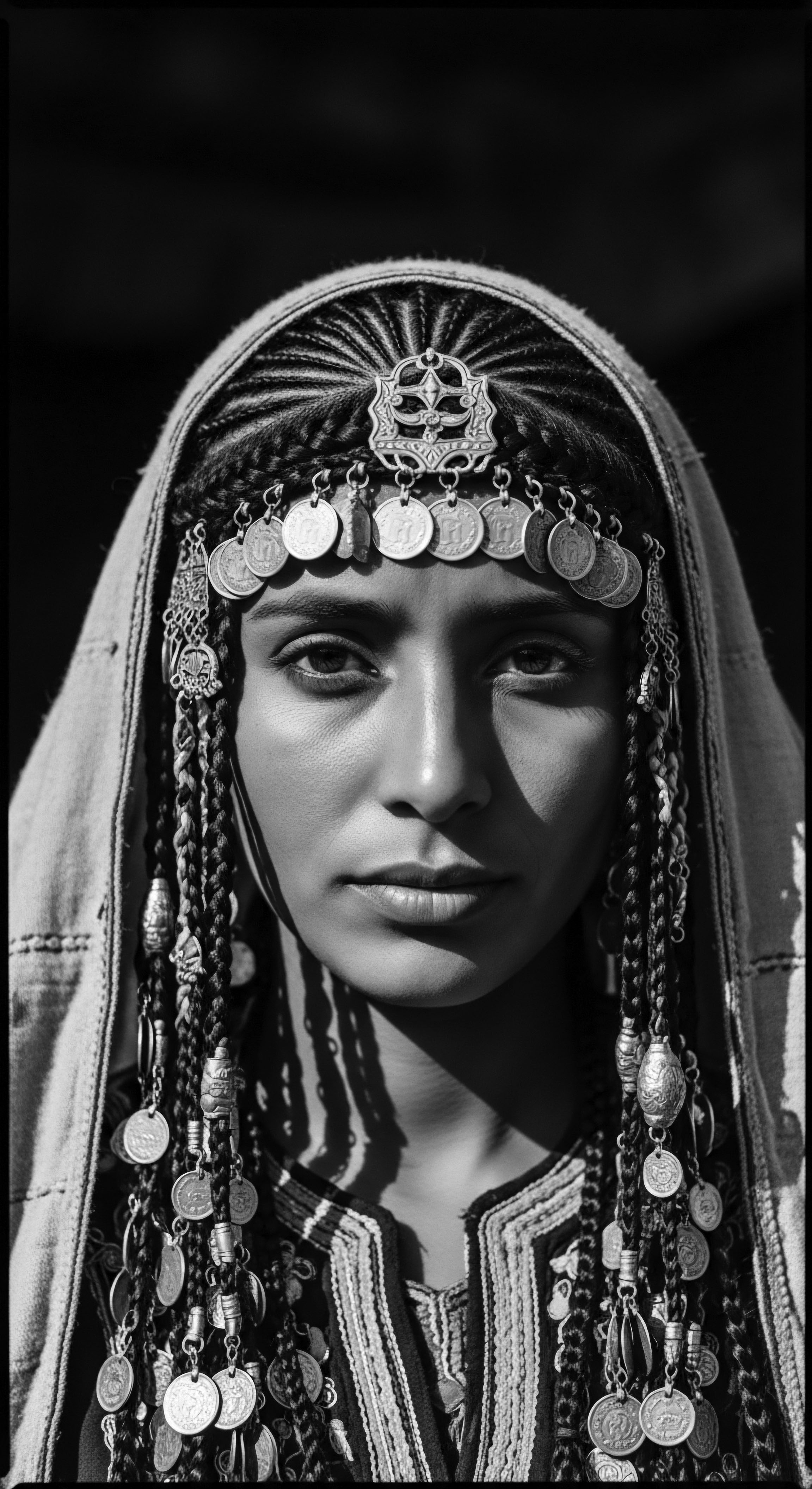
Ancient African haircare safeguarded textured hair through protective styles, natural ingredients, and communal rituals emphasizing moisture retention and minimal manipulation.
Meaning ❉ Cultural Psychology explores how cultural contexts, especially textured hair heritage, profoundly shape individual and collective identity, well-being, and historical experiences.
Traditional nighttime rituals remain fundamental for textured hair, their protective principles validated across centuries and scientific advancements.
We use cookies to personalize content and marketing, and to analyze our traffic. This helps us maintain the quality of our free resources. Manage your preferences below.
This helps support our free resources through personalized marketing efforts and promotions.
Analytics cookies help us understand how visitors interact with our website, improving user experience and website performance.
Personalization cookies enable us to customize the content and features of our site based on your interactions, offering a more tailored experience.