Why do textured hair strands experience moisture loss?
Textured hair’s unique structure, shaped by heritage, causes faster moisture escape and demands intentional hydration.
How did ancient plant compounds provide slip for textured hair?
Ancient plant compounds provided slip through mucilage, saponins, and oils, easing detangling and affirming textured hair heritage.
What historical ingredients purify textured hair effectively?
Ancestral elements like clays, saponin-rich plants, and rice water gently purified textured hair, honoring deep heritage.
How did early Africans cleanse textured hair?
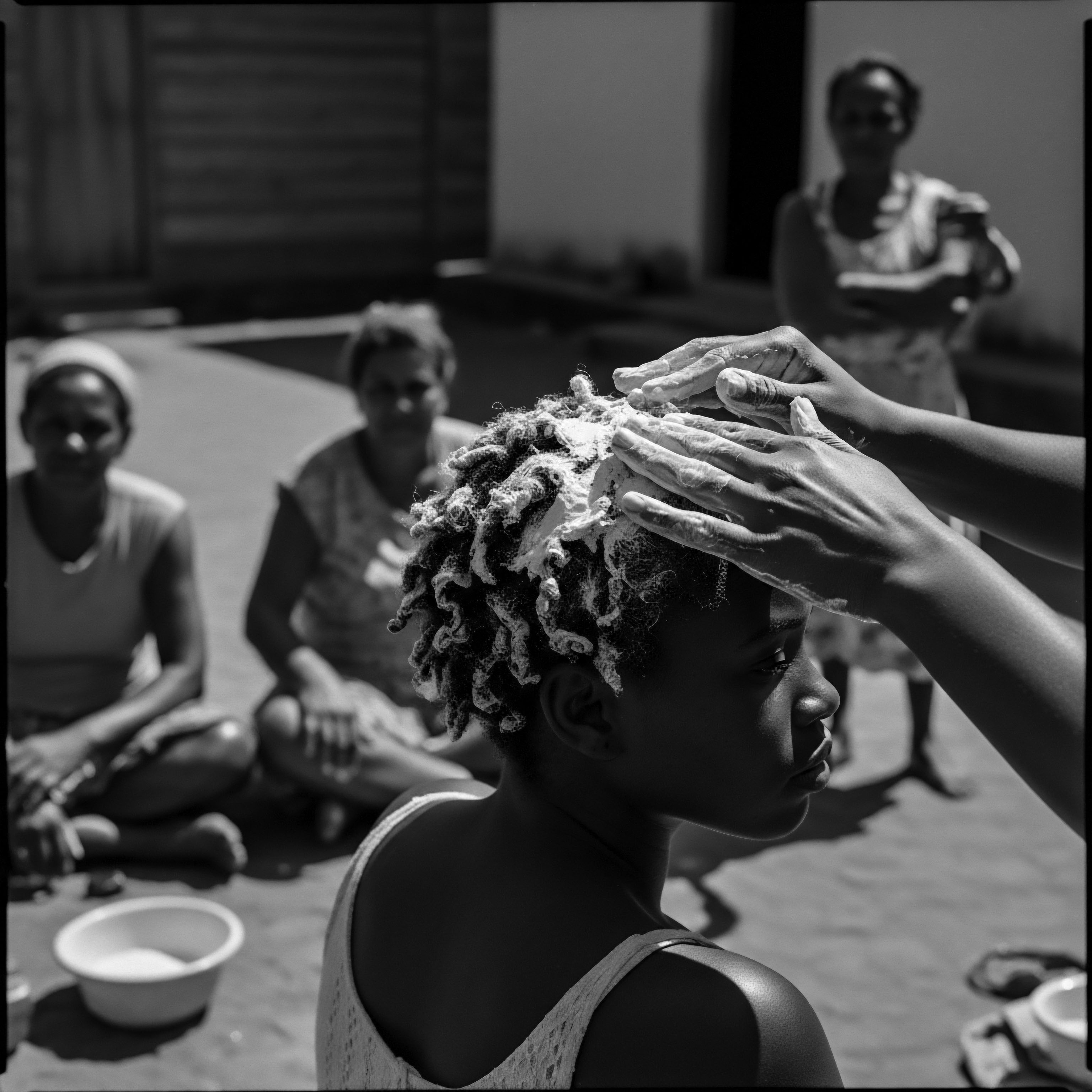
Early Africans cleansed textured hair using natural elements like clay, plant saponins, and ash, emphasizing gentle, heritage-rooted care.
What is the ancestral significance of cleansing rituals for textured hair?
Ancestral cleansing rituals for textured hair carry profound heritage, linking individuals to ancestral wisdom, cultural identity, and holistic well-being.
What ancient African styles still influence modern textured hair care?
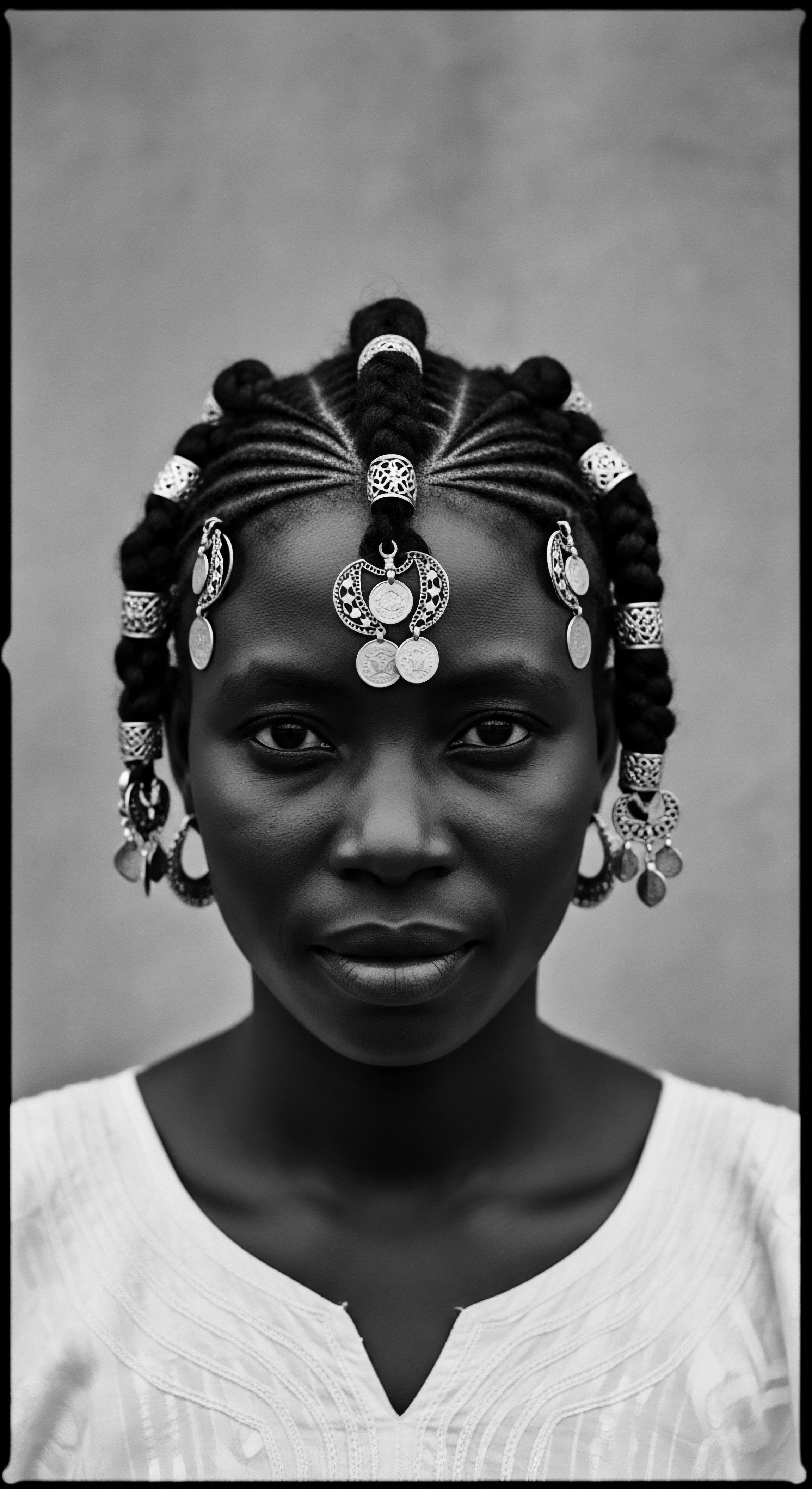
Ancient African hair styles profoundly shaped modern textured hair care through their enduring protective methods and deep cultural meanings.
How do Chebe rituals support length retention in textured hair?
Chebe rituals support length retention by coating hair, reducing breakage, and sealing moisture, honoring Chadian ancestral hair heritage.
Did ancestral hair care support natural moisture of textured hair?
Ancestral textured hair care, deeply rooted in heritage, actively supported moisture through protective styles and natural emollients.
Jojoba Oil Ancestral Use
Meaning ❉ Jojoba Oil Ancestral Use defines the historical application of jojoba's unique liquid wax by indigenous peoples for hair and skin.
What ancestral wisdom informs modern textured hair routines today?
Ancestral wisdom informs modern textured hair routines by providing foundational knowledge in ingredients, protective styling, and holistic care rooted in cultural heritage.
Scalp Cleanse
Meaning ❉ The Scalp Cleanse purifies the scalp, an essential practice for textured hair health, deeply rooted in ancestral traditions and scientific understanding.
Can dietary ancient grains enhance textured hair strength?
Dietary ancient grains, rich in proteins and vital nutrients, enhance textured hair strength by supporting keratin synthesis and overall follicle health, reflecting ancestral wisdom.
What historical botanical applications aided textured hair length?
Historical botanical applications aided textured hair length by protecting strands from breakage, nourishing the scalp, and retaining vital moisture, rooted deeply in ancestral heritage.
Afro Hair Rituals
Meaning ❉ Afro Hair Rituals encompass ancestral care practices and cultural expressions deeply connected to the heritage and identity of textured hair.
What ancient African methods supported textured hair scalp balance?
Ancient African methods balanced textured hair scalp health through nourishing plant oils, cleansing compounds, and protective styling rooted in heritage.
How did historical hair practices influence today’s regimens for textured hair?
Historical hair practices, rooted in ancestral wisdom and cultural identity, deeply influence contemporary textured hair regimens through enduring principles of protection and nourishment.
How did heritage influence ancient scalp cleansers?
Ancestral practices for scalp cleansing were deeply influenced by textured hair heritage, using natural ingredients and communal rituals.
What plant-based ingredients did ancestors use for sun defense on textured hair?
Ancestors used plant-based ingredients like shea butter, red ochre, and various oils to protect textured hair from sun damage, a practice rooted in deep heritage.
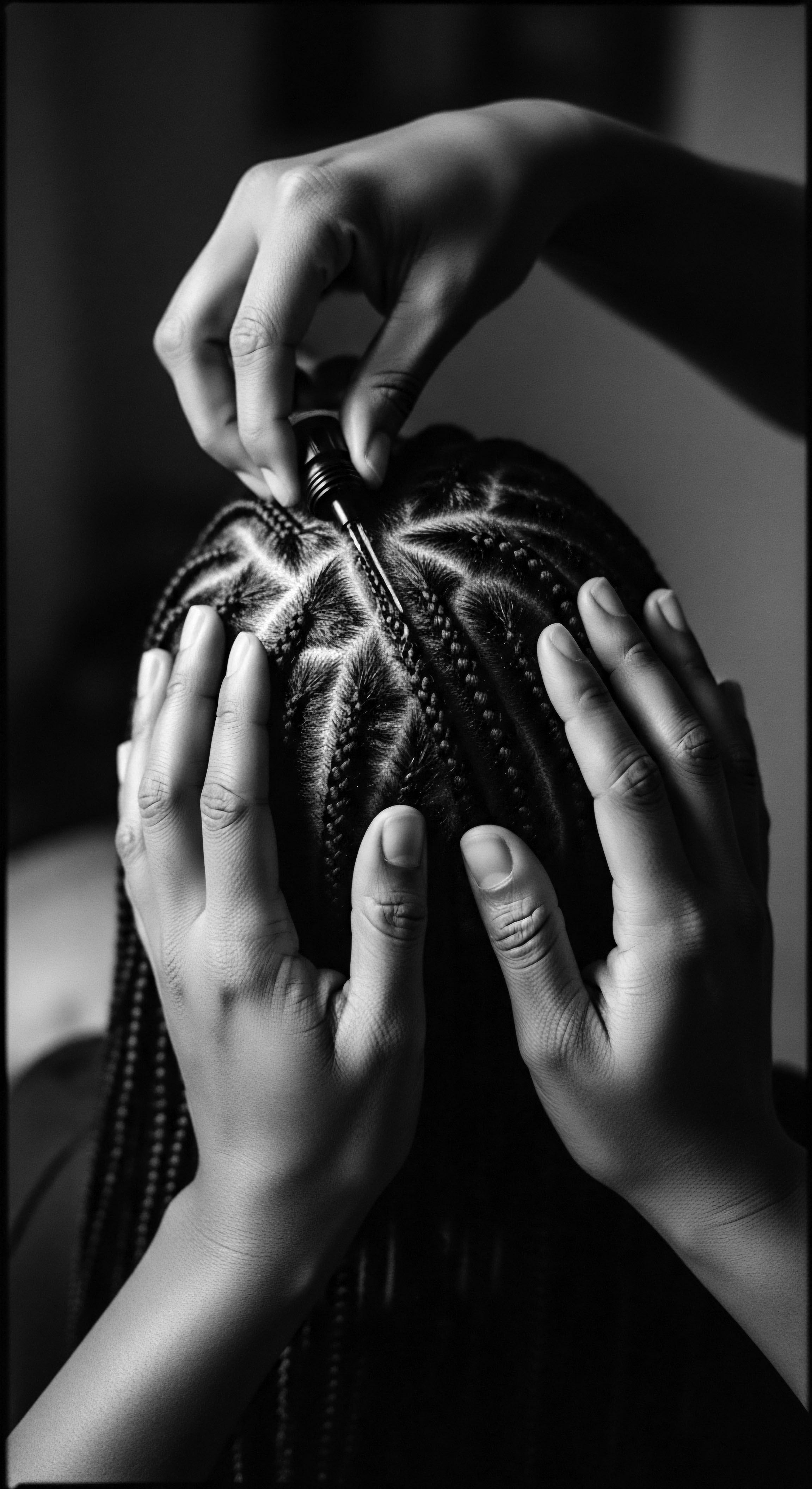
Why do traditional hair practices emphasize scalp oiling for textured hair?
Traditional scalp oiling for textured hair is a heritage practice, rooted in inherent hair structure and ancestral holistic wellness.
How does cultural heritage influence hair cleansing?
Cultural heritage profoundly shapes hair cleansing by informing ingredient choices, communal practices, and individual acts of identity for textured hair.
How did historical practices safeguard textured hair against UV?
Historical practices safeguarded textured hair against UV through protective styling, natural coverings, and the use of indigenous oils and butters.
How does cultural heritage influence hair wellness in Black communities?
Cultural heritage shapes Black hair wellness by influencing styling, care rituals, and its symbolism as a source of identity and resistance.
What ancestral practices preserved textured hair through natural oils?
Ancestral practices preserved textured hair through natural oils by protecting it from the elements, locking in moisture, and lubricating strands for styling.
How effective are ancient cleansing methods for textured hair?
Ancient cleansing methods for textured hair are effective, offering gentle purification and deep nourishment rooted in centuries of heritage.
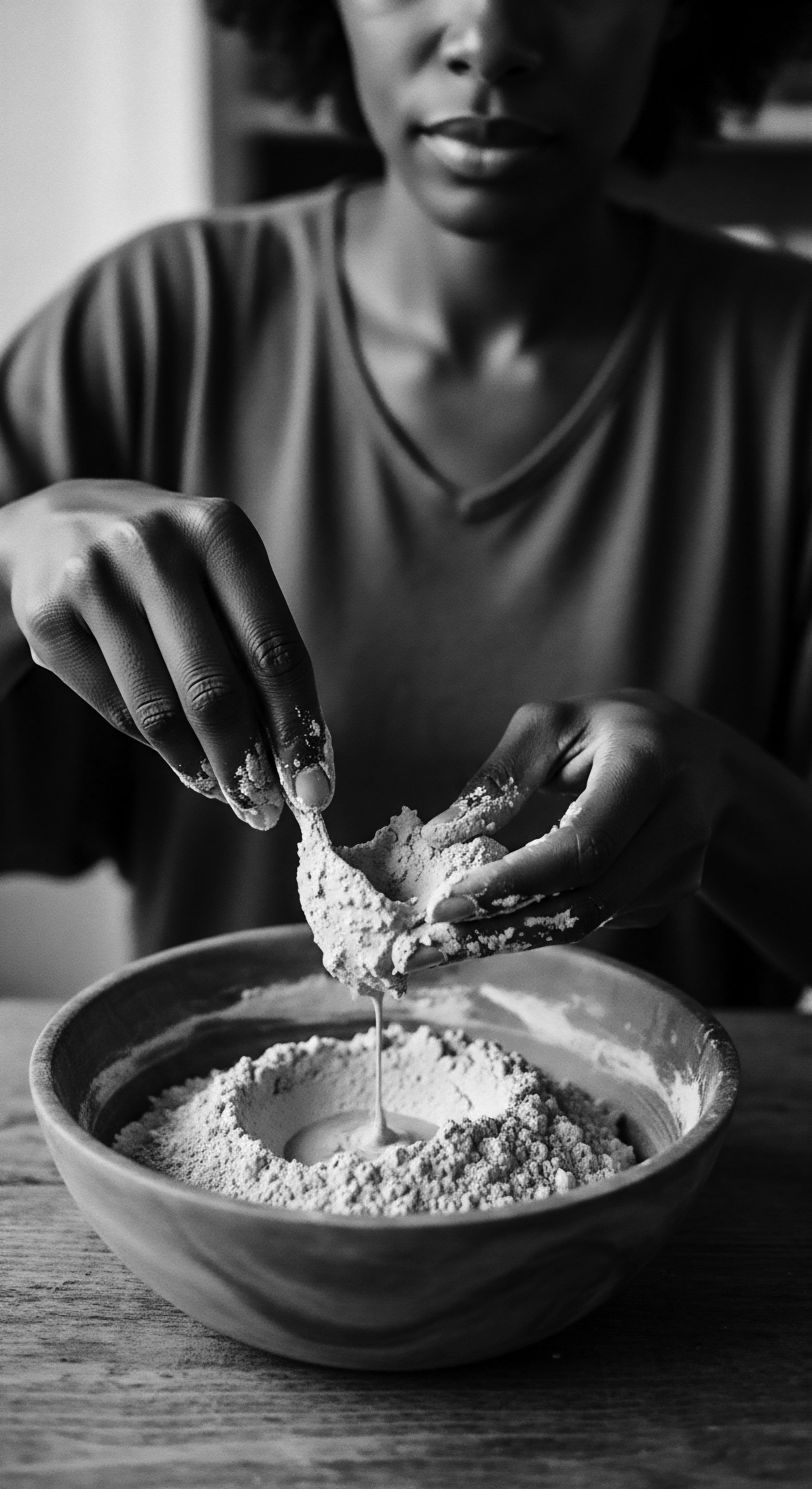
How do earth clays clean textured hair?
Earth clays cleanse textured hair by drawing out impurities and oils through unique mineral structures, honoring ancestral cleansing practices.
Can historical hair practices prevent modern scalp irritation for textured hair?
Historical textured hair practices, deeply rooted in ancestral heritage, offered solutions to scalp irritation by prioritizing gentle care and natural ingredients.
What ancestral rituals using botanical elements sustained textured hair vitality across generations?
Ancestral botanical rituals sustained textured hair vitality through centuries-old wisdom, reinforcing heritage and community ties.
How do traditional hair oils preserve textured hair?
Traditional hair oils preserve textured hair by providing ancestral moisture, protection, and cultural significance.
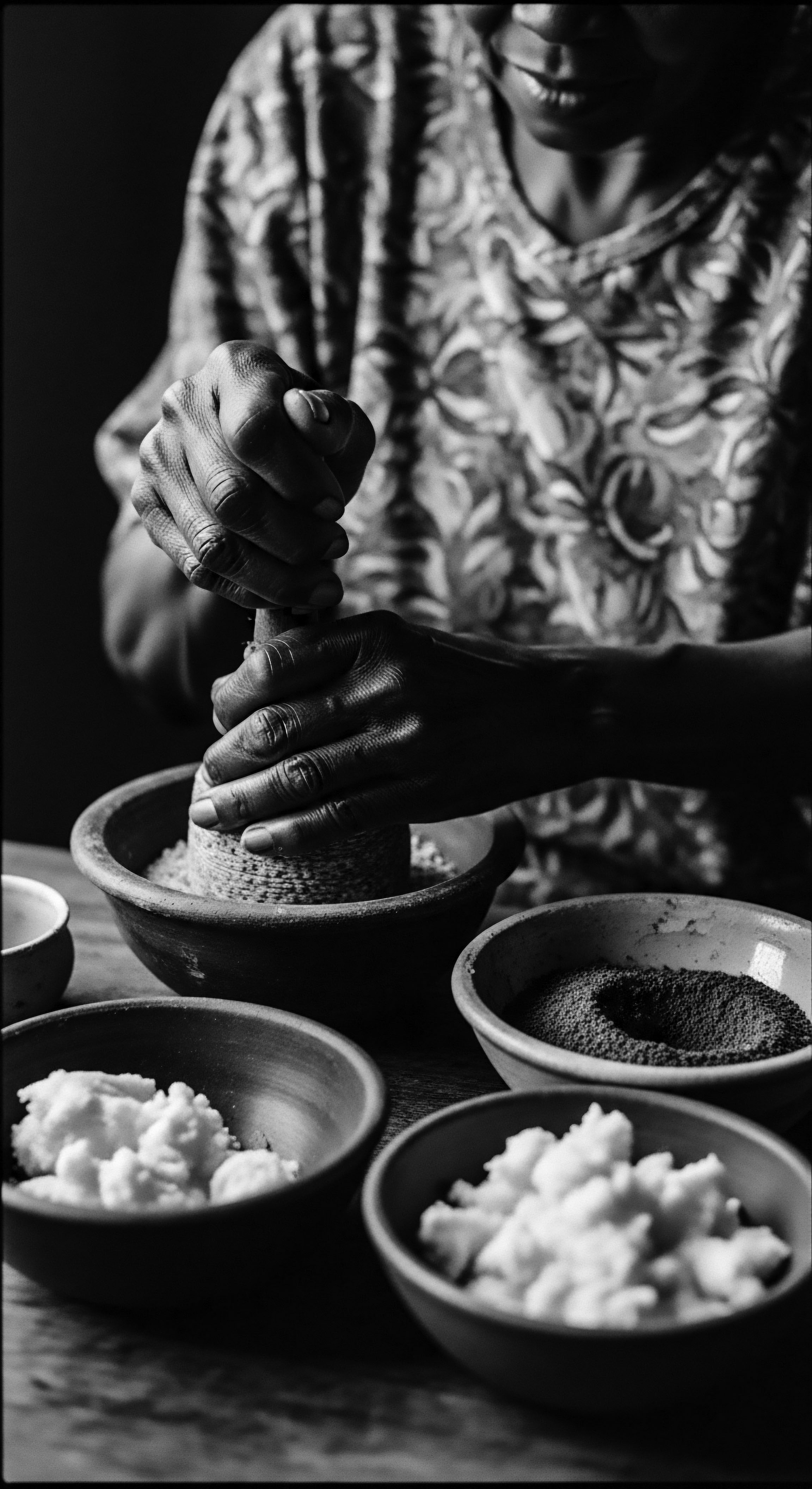
What traditional African ingredients nourish textured scalps?
Traditional African ingredients, steeped in heritage, deeply nourish textured scalps through historical botanical wisdom and community practices.