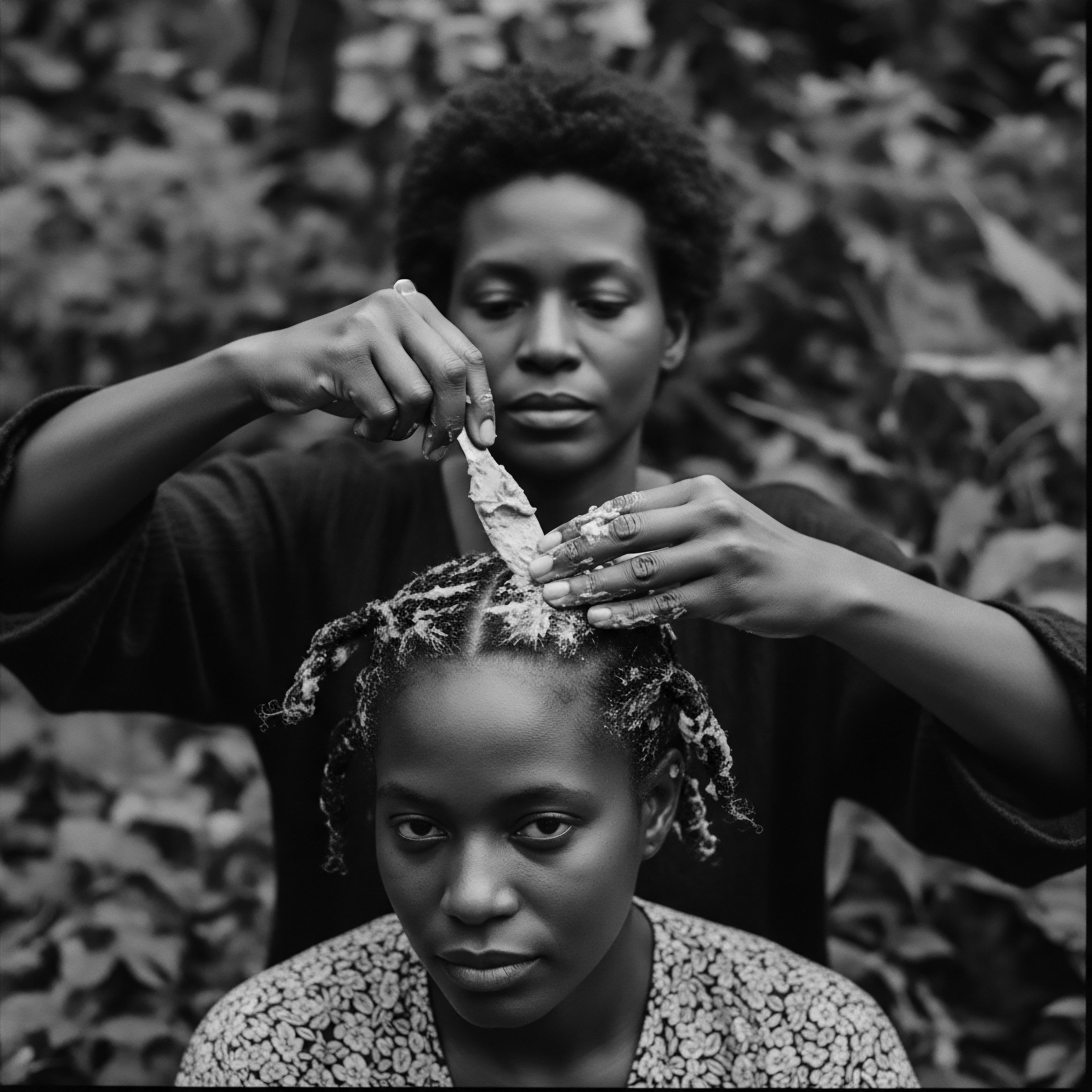
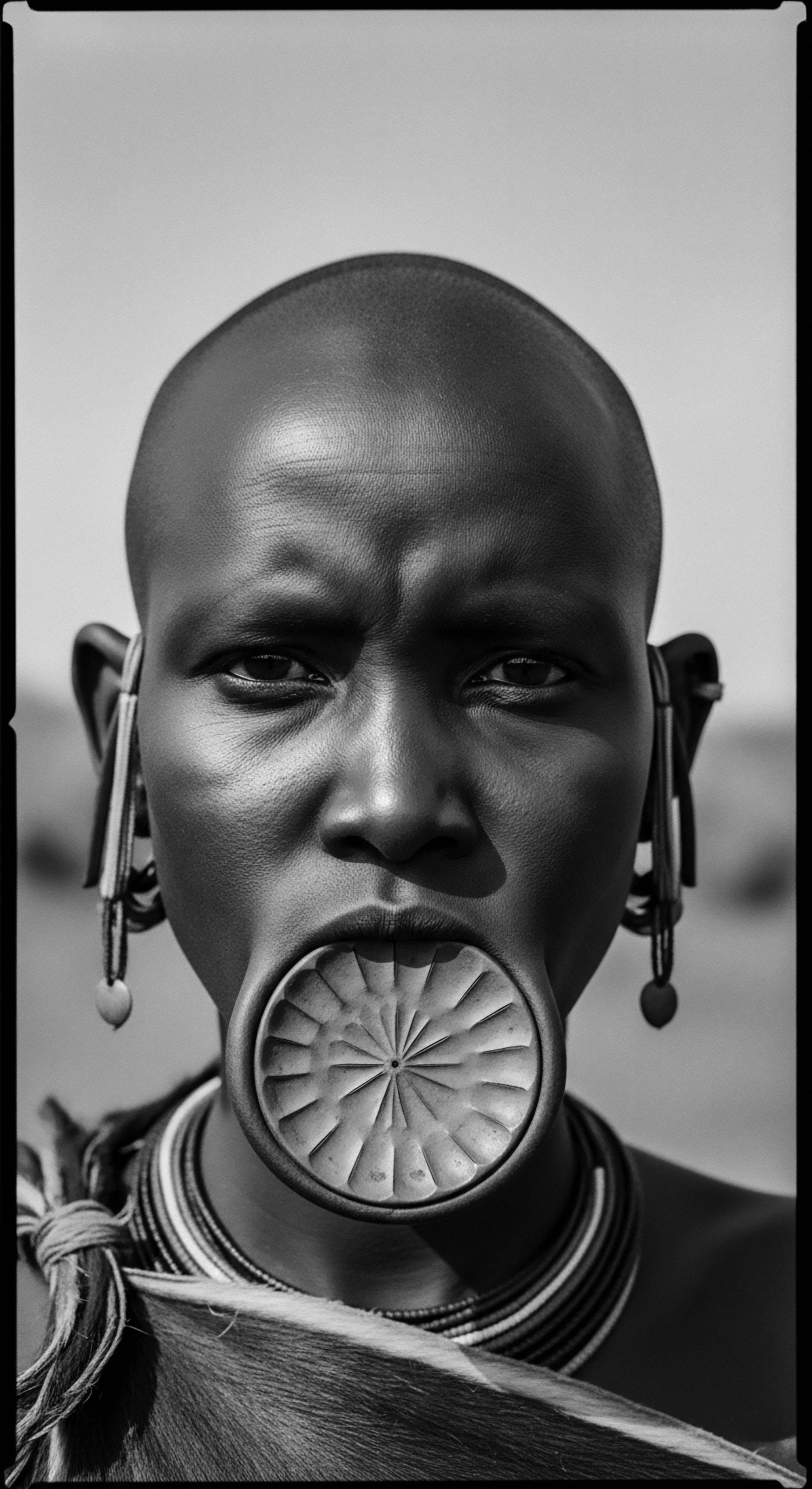
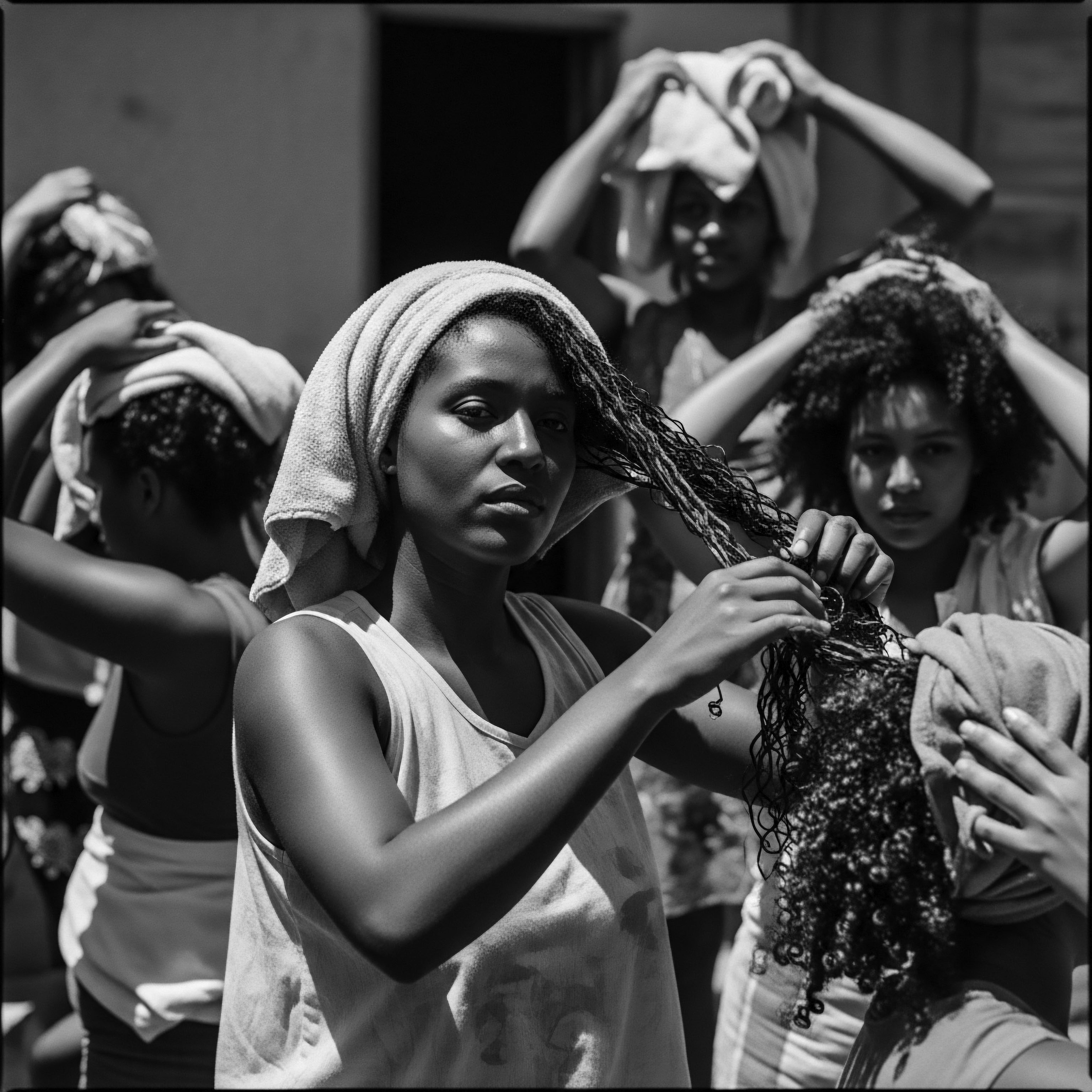
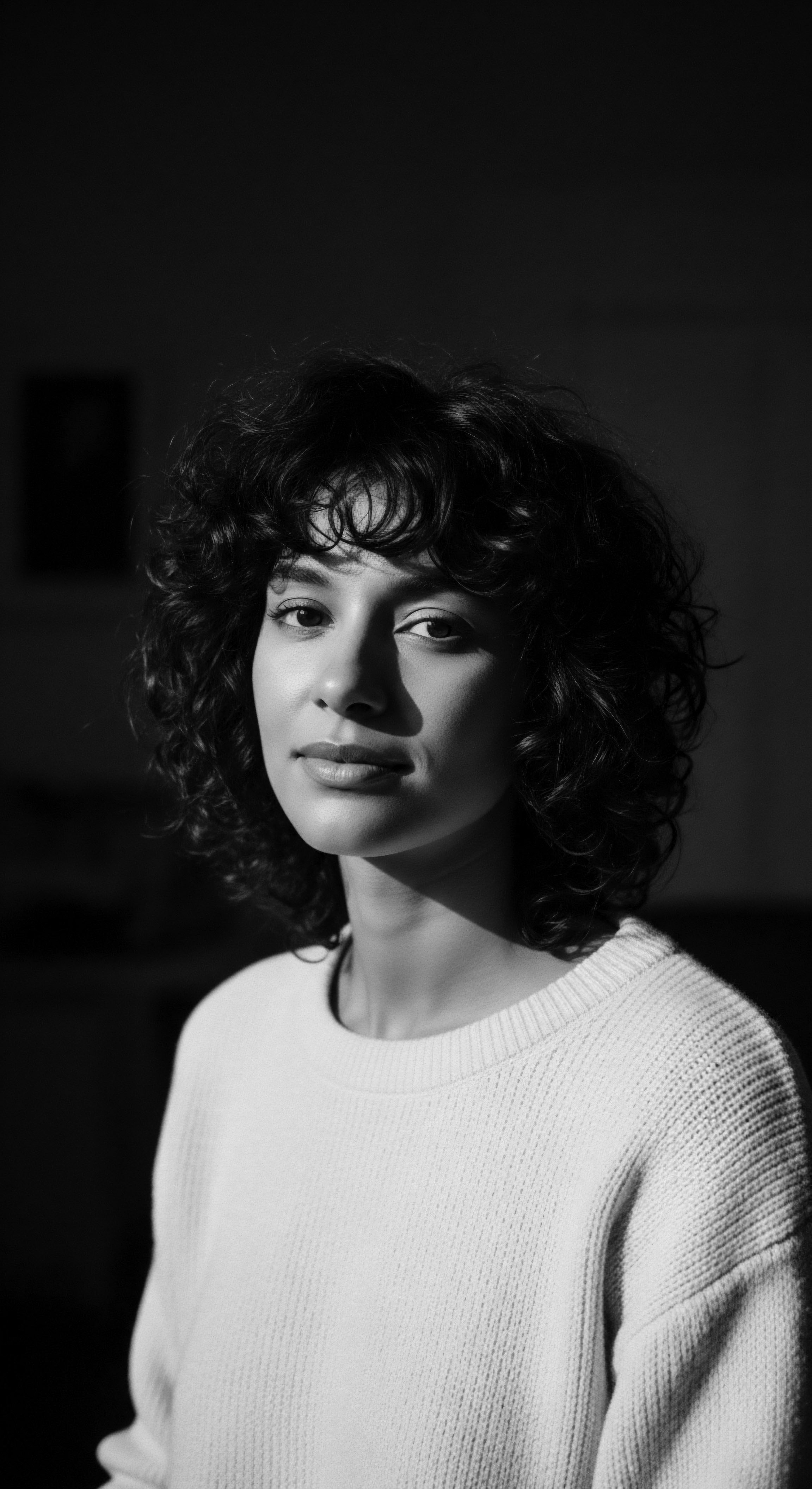
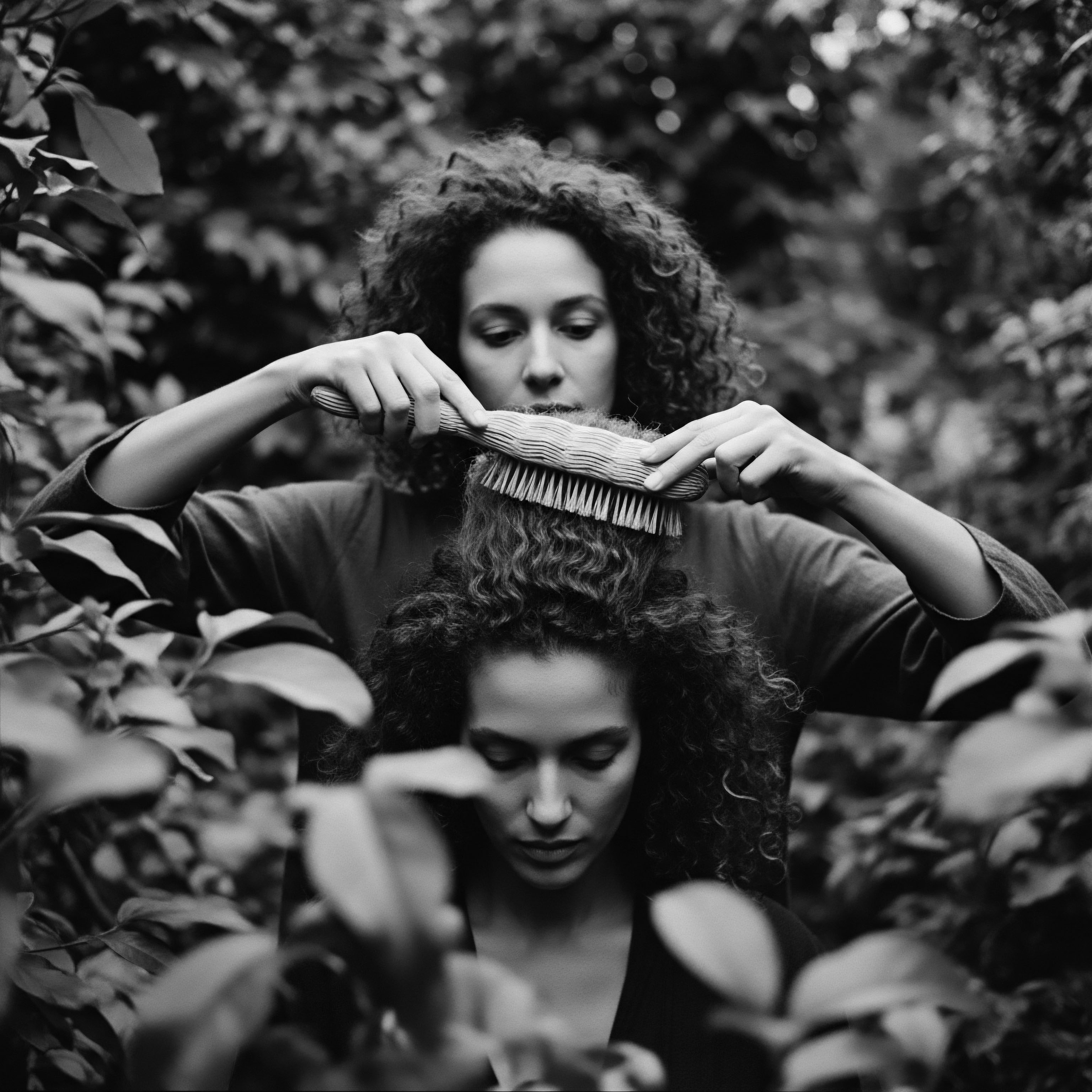
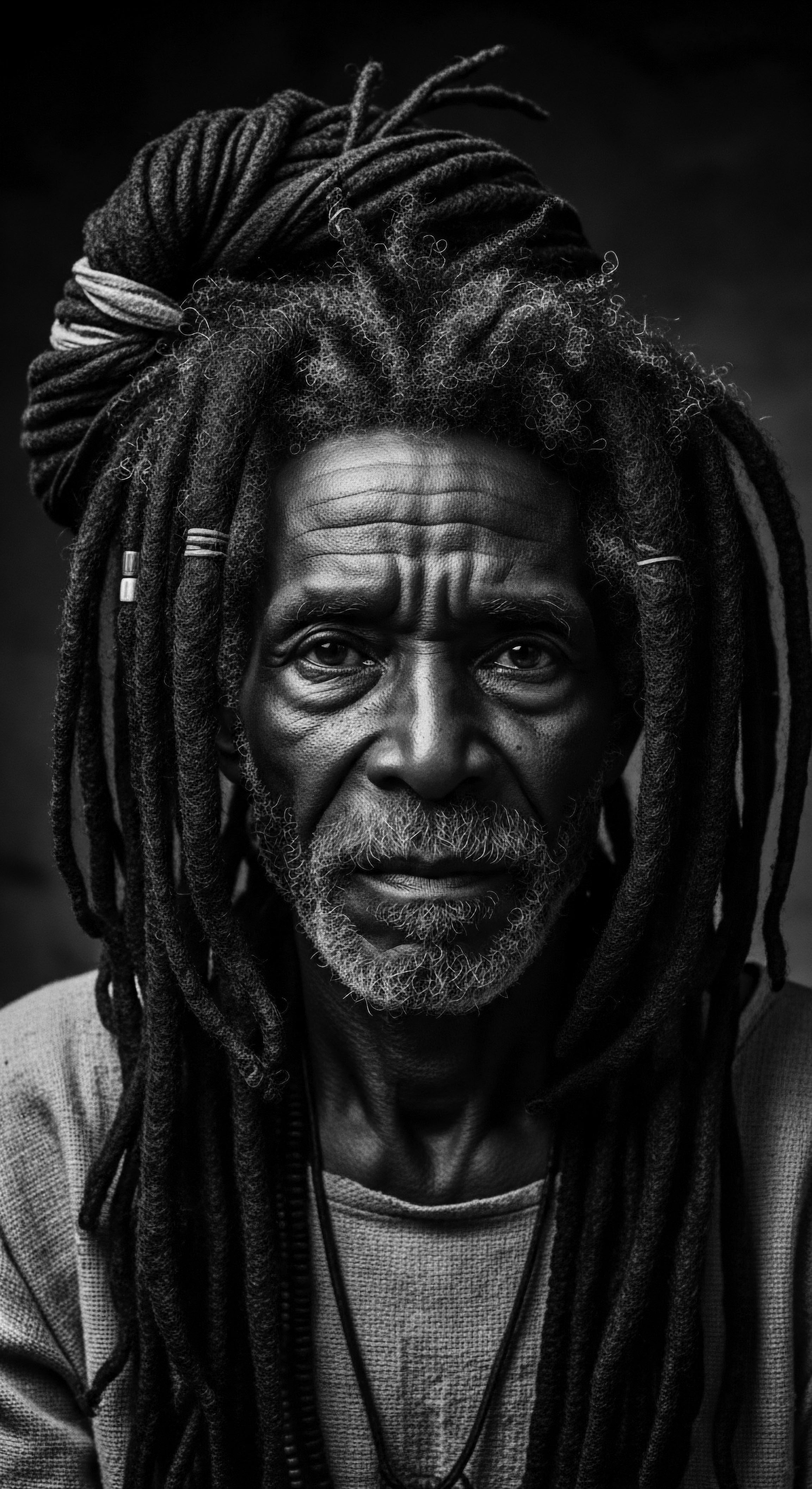
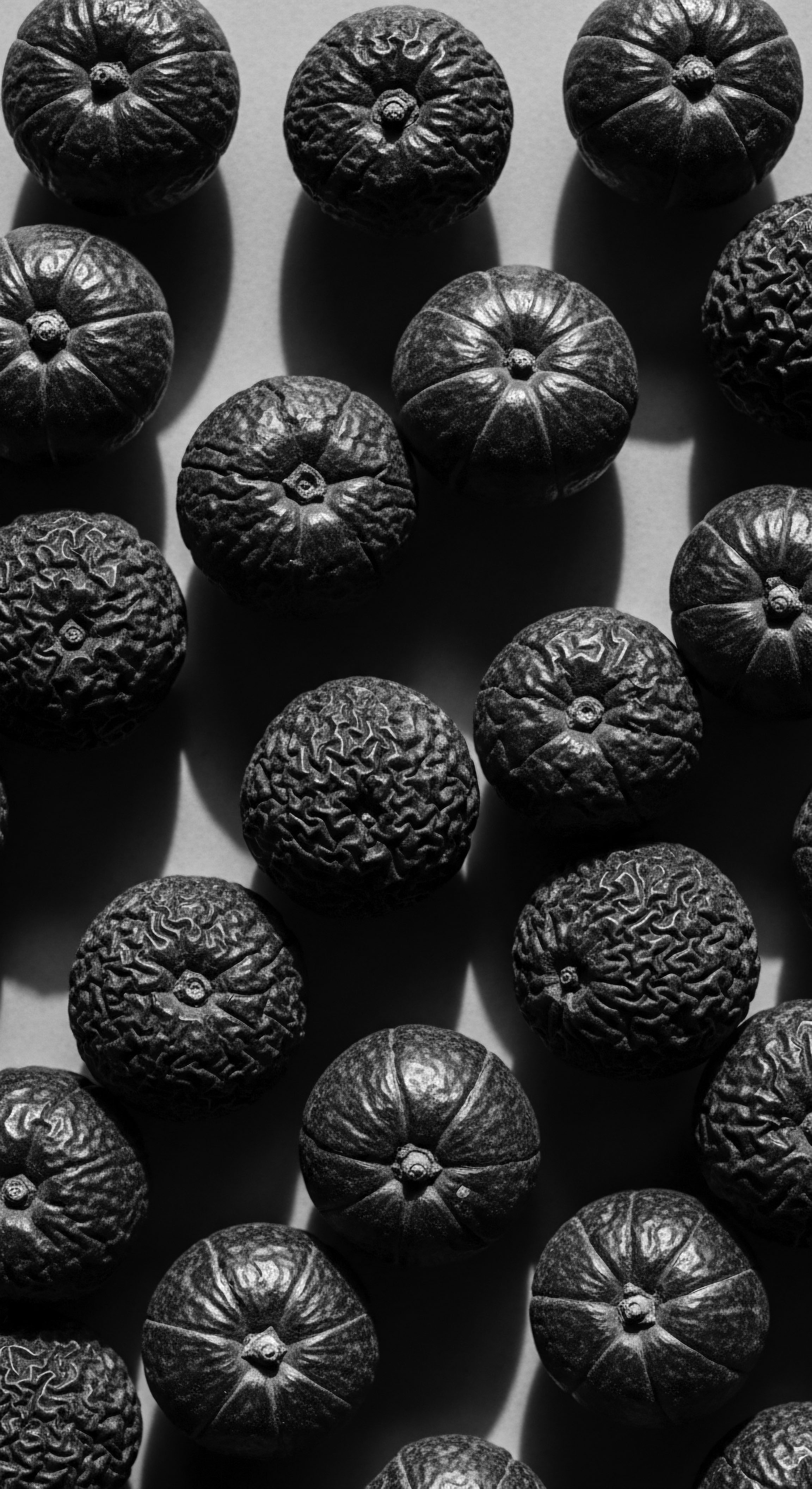
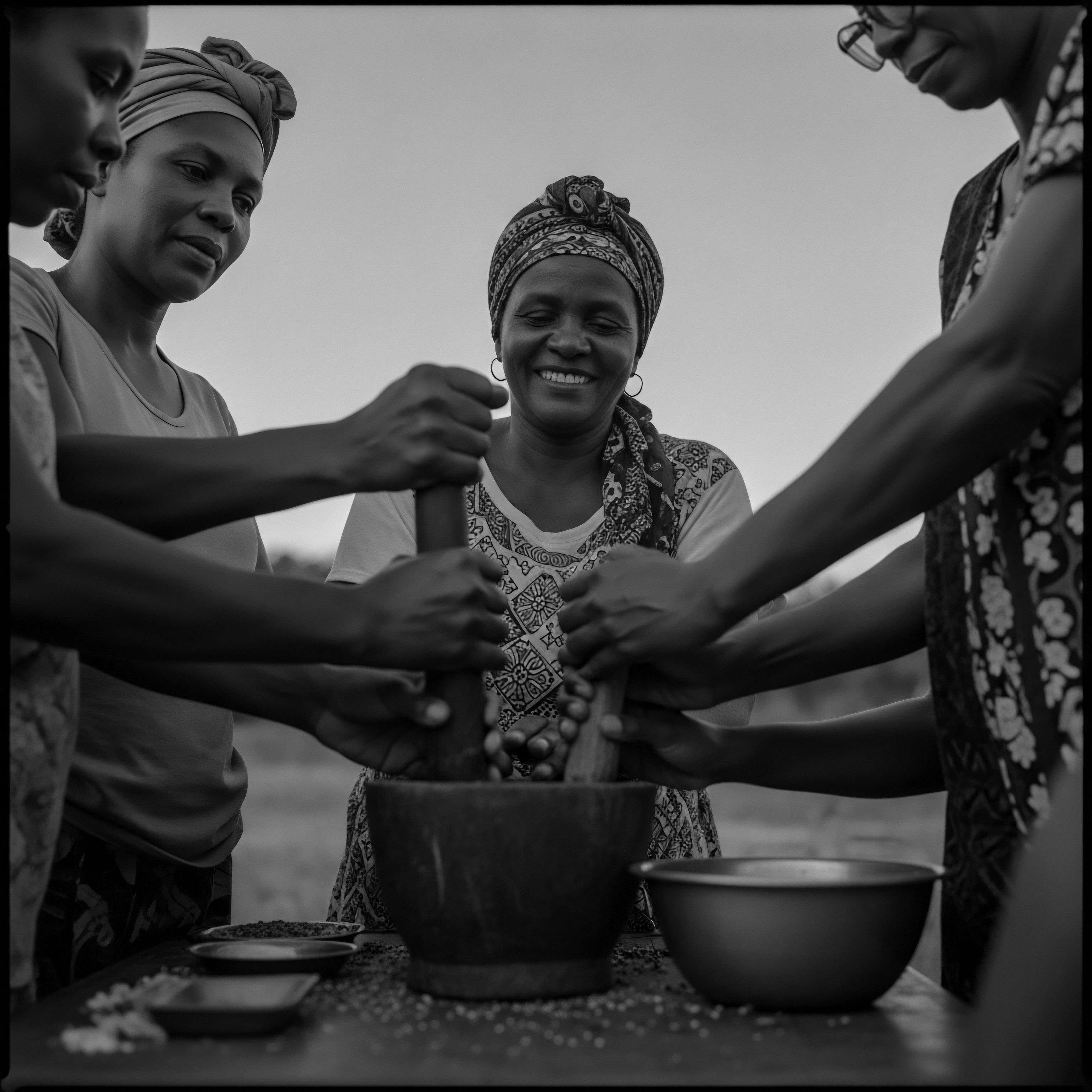
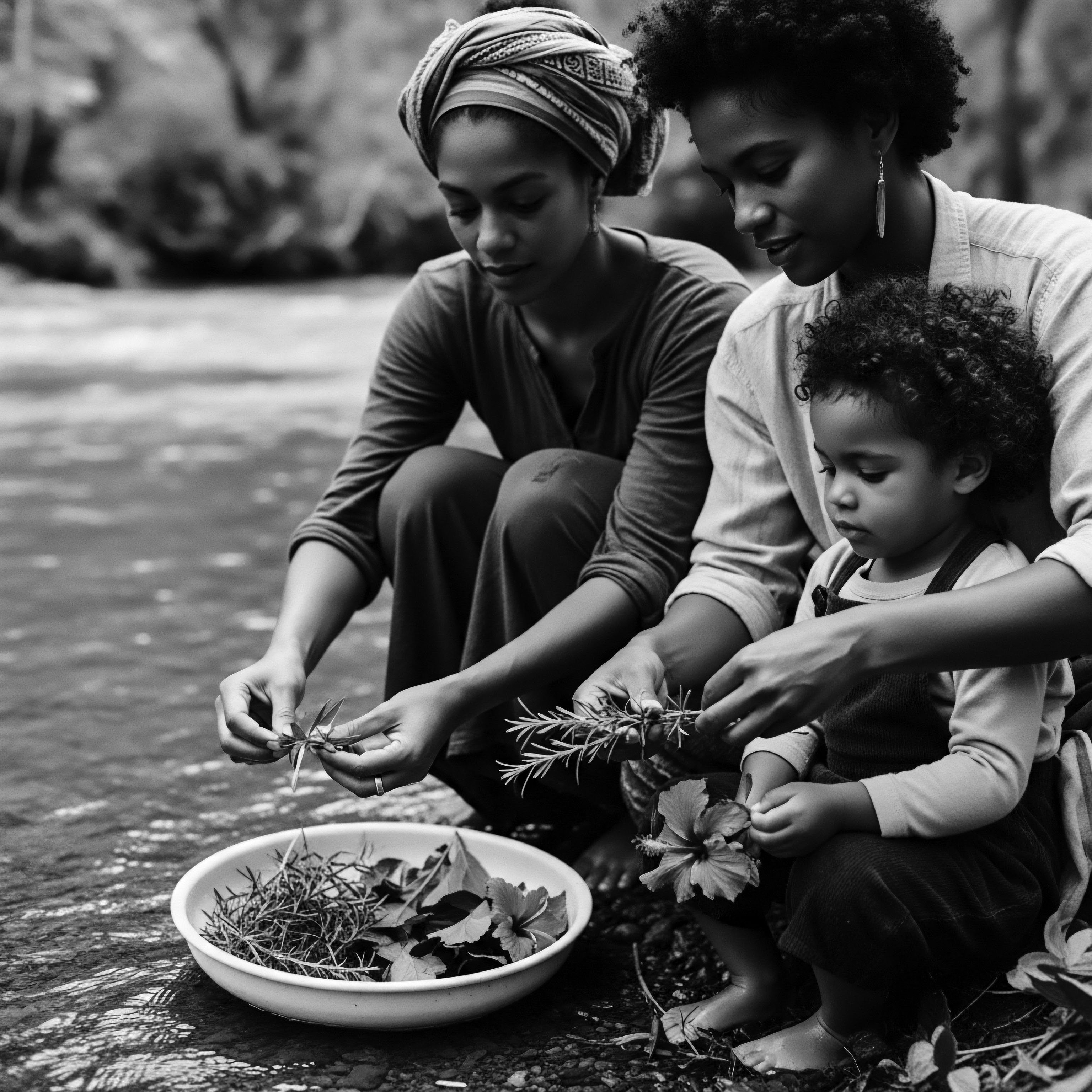
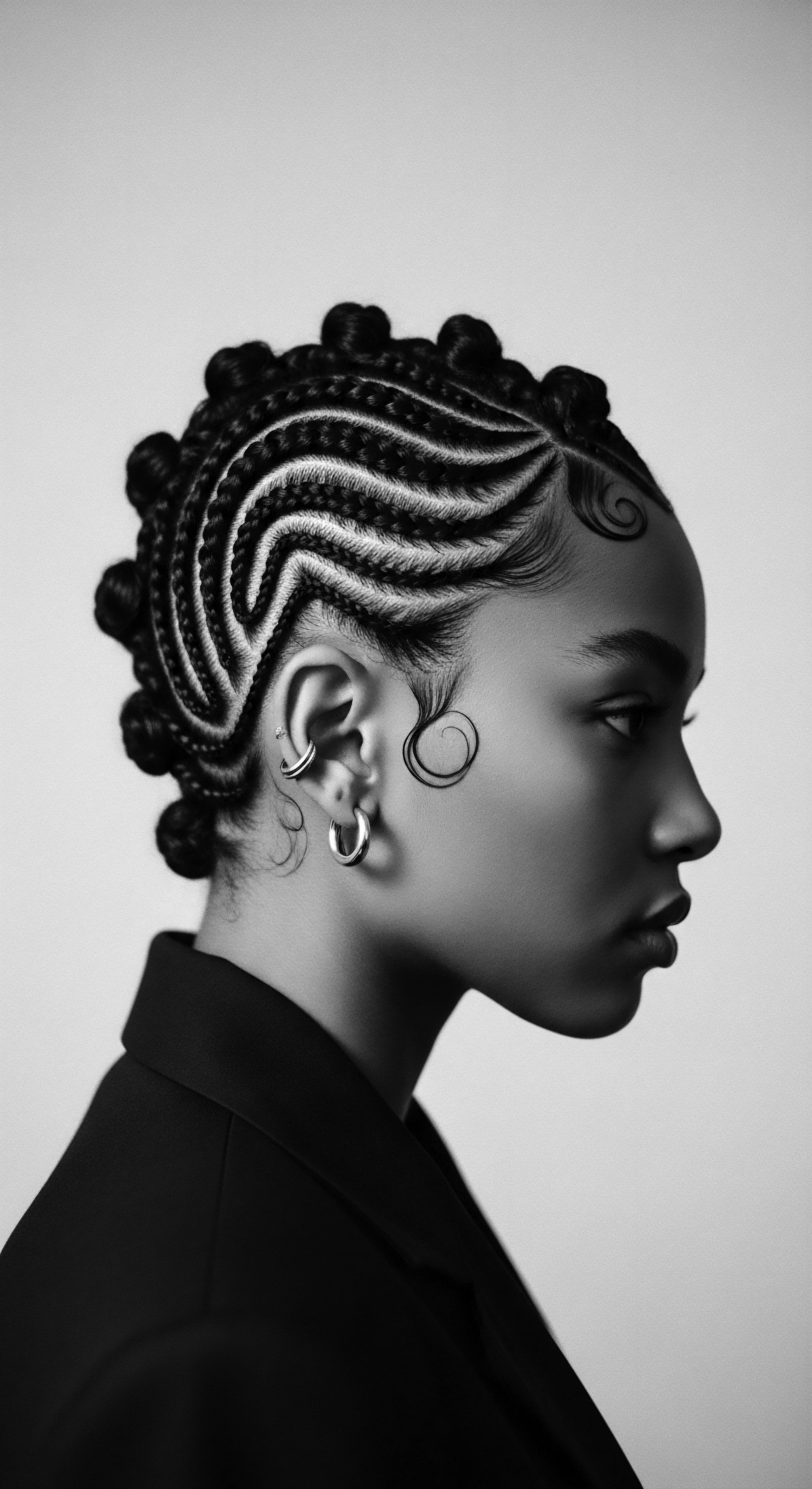
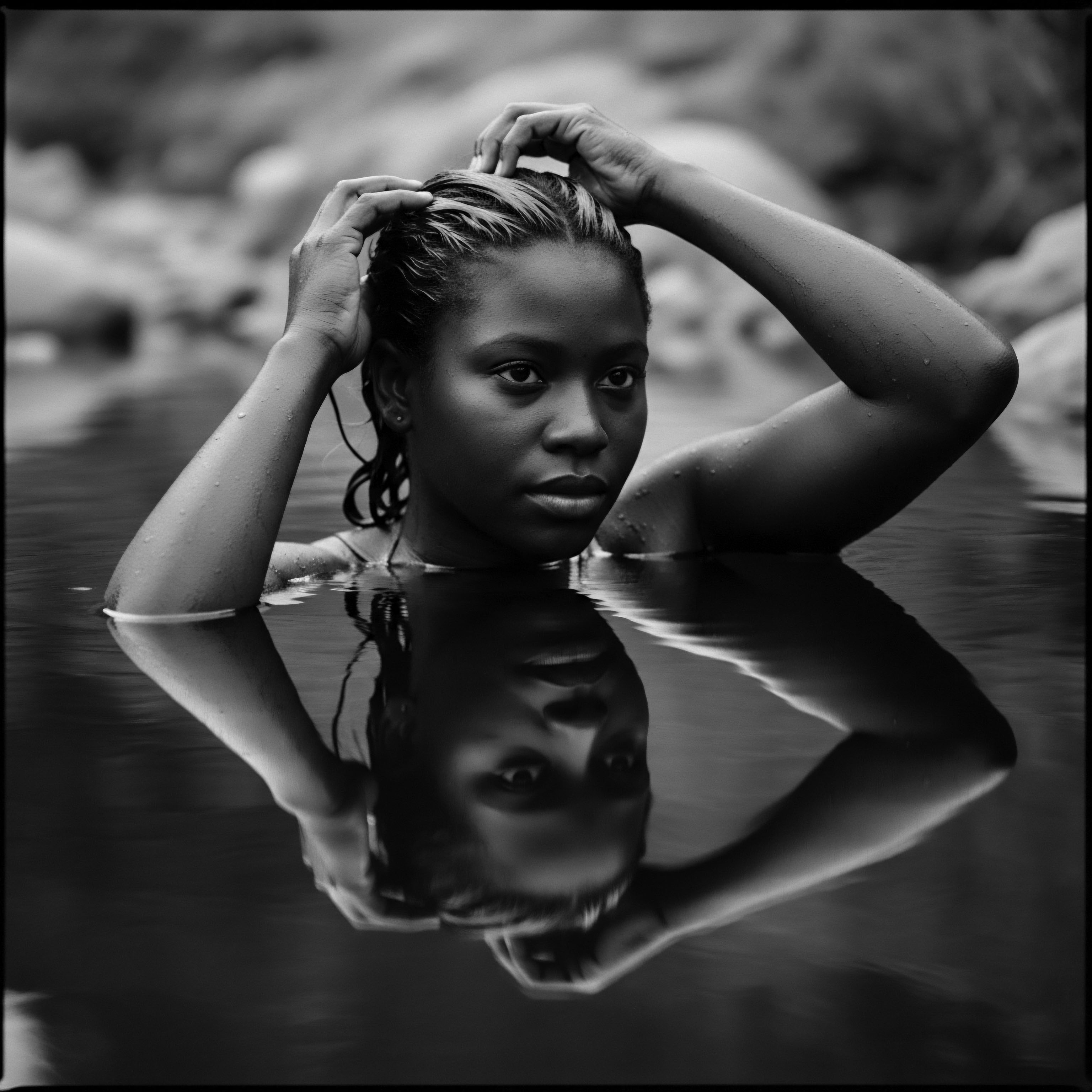
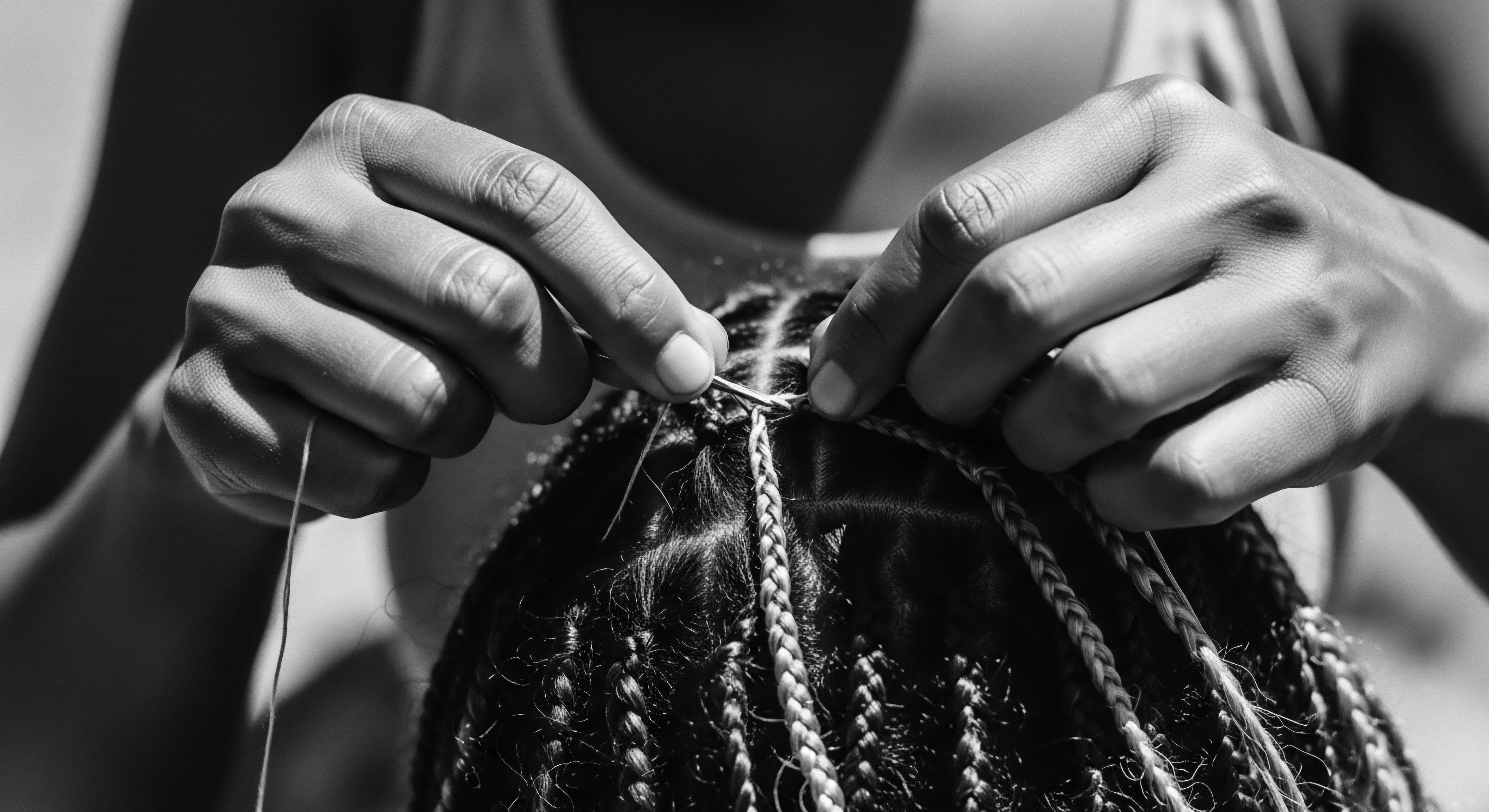
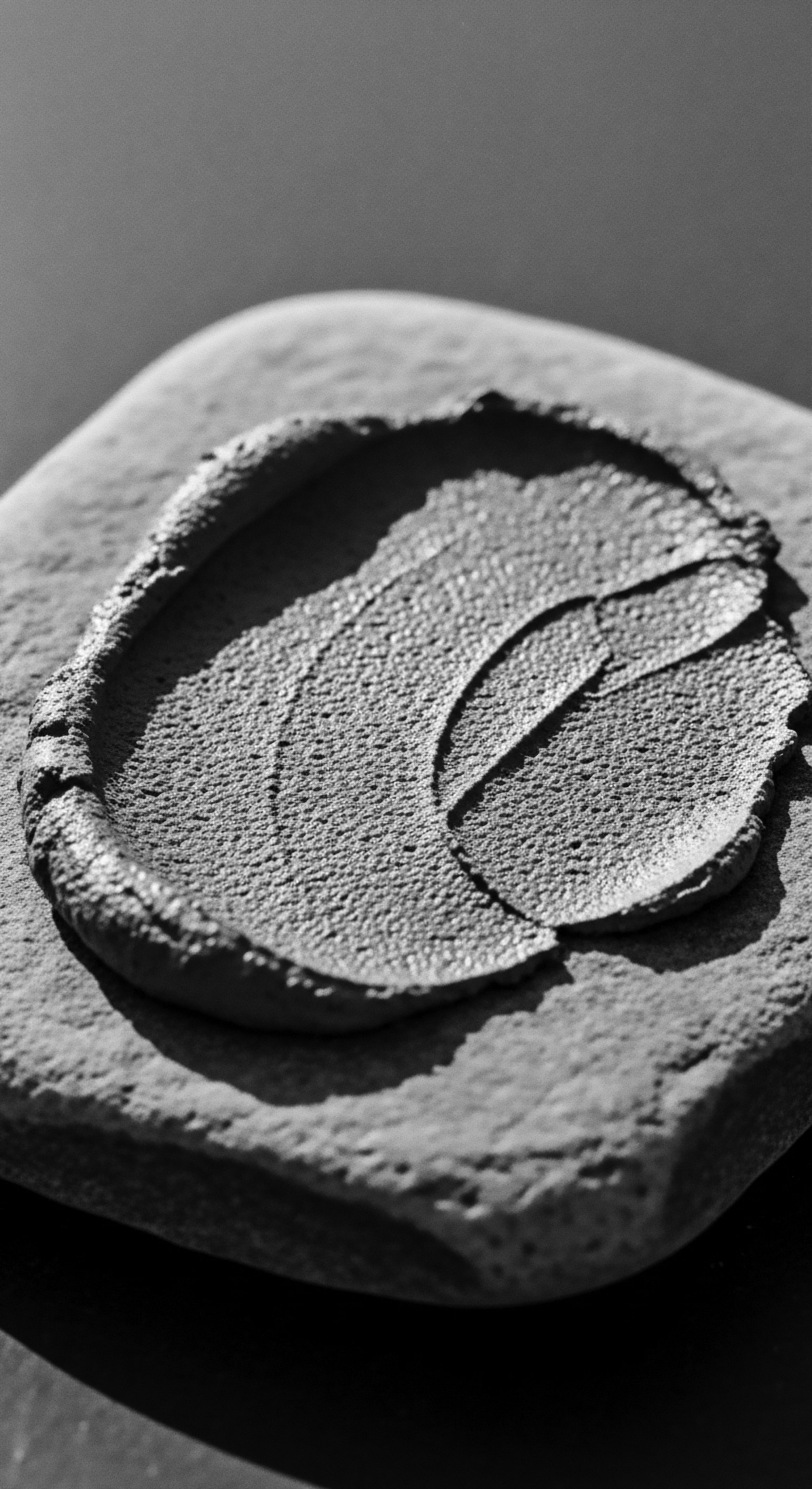
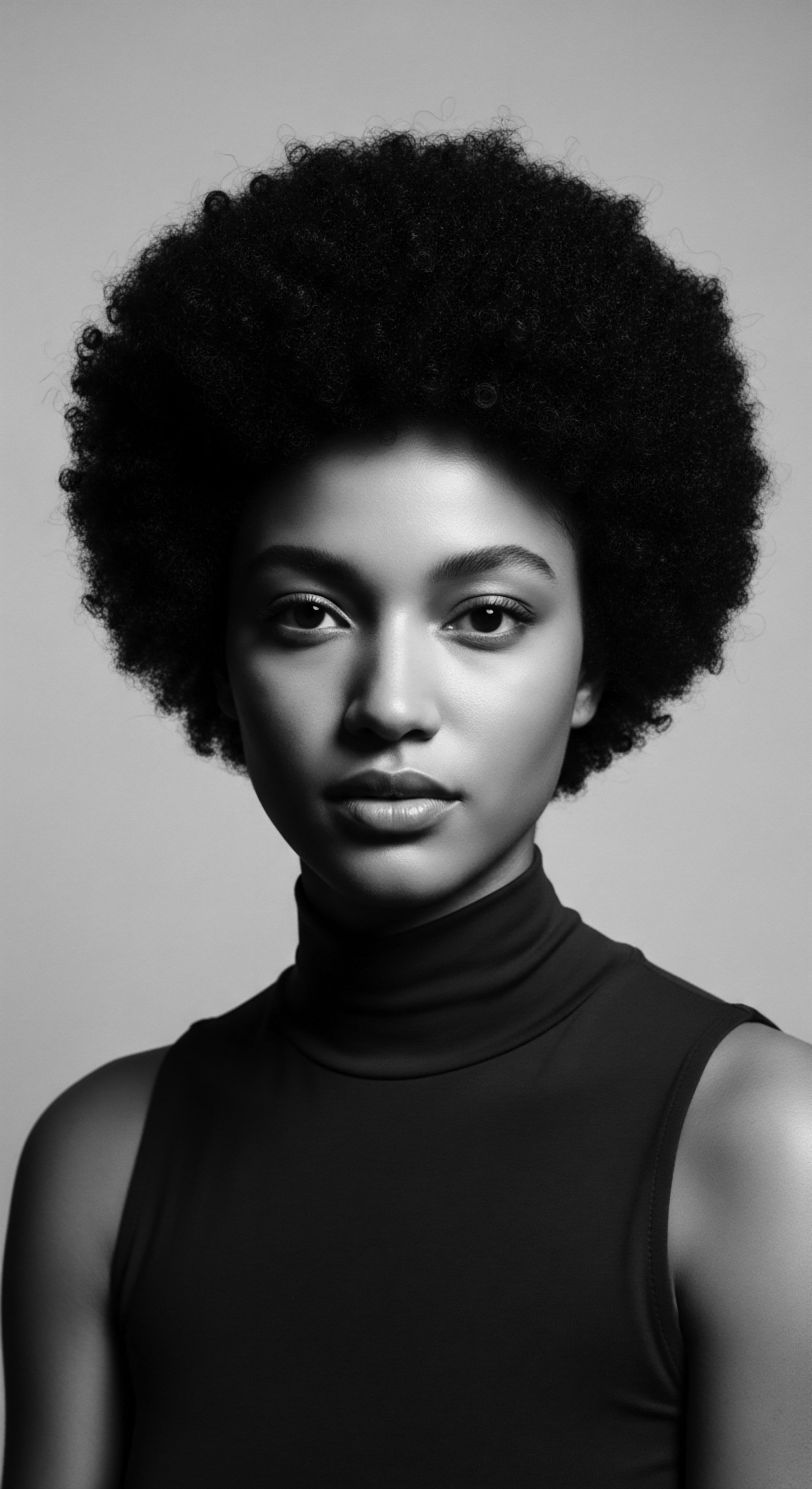
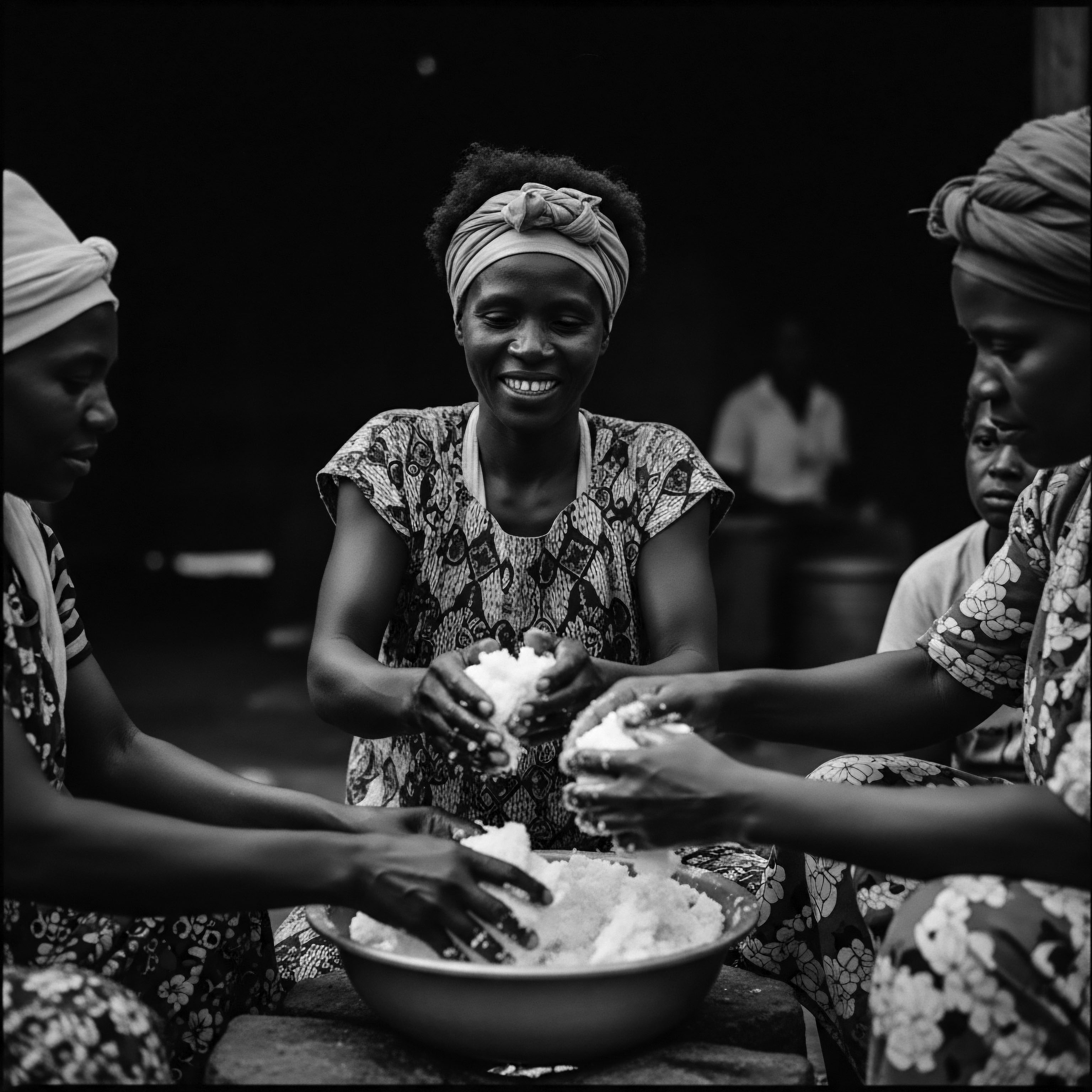
Traditional care honors silver textured strands by employing ancestral practices and botanicals that respect their unique character, connecting to heritage.
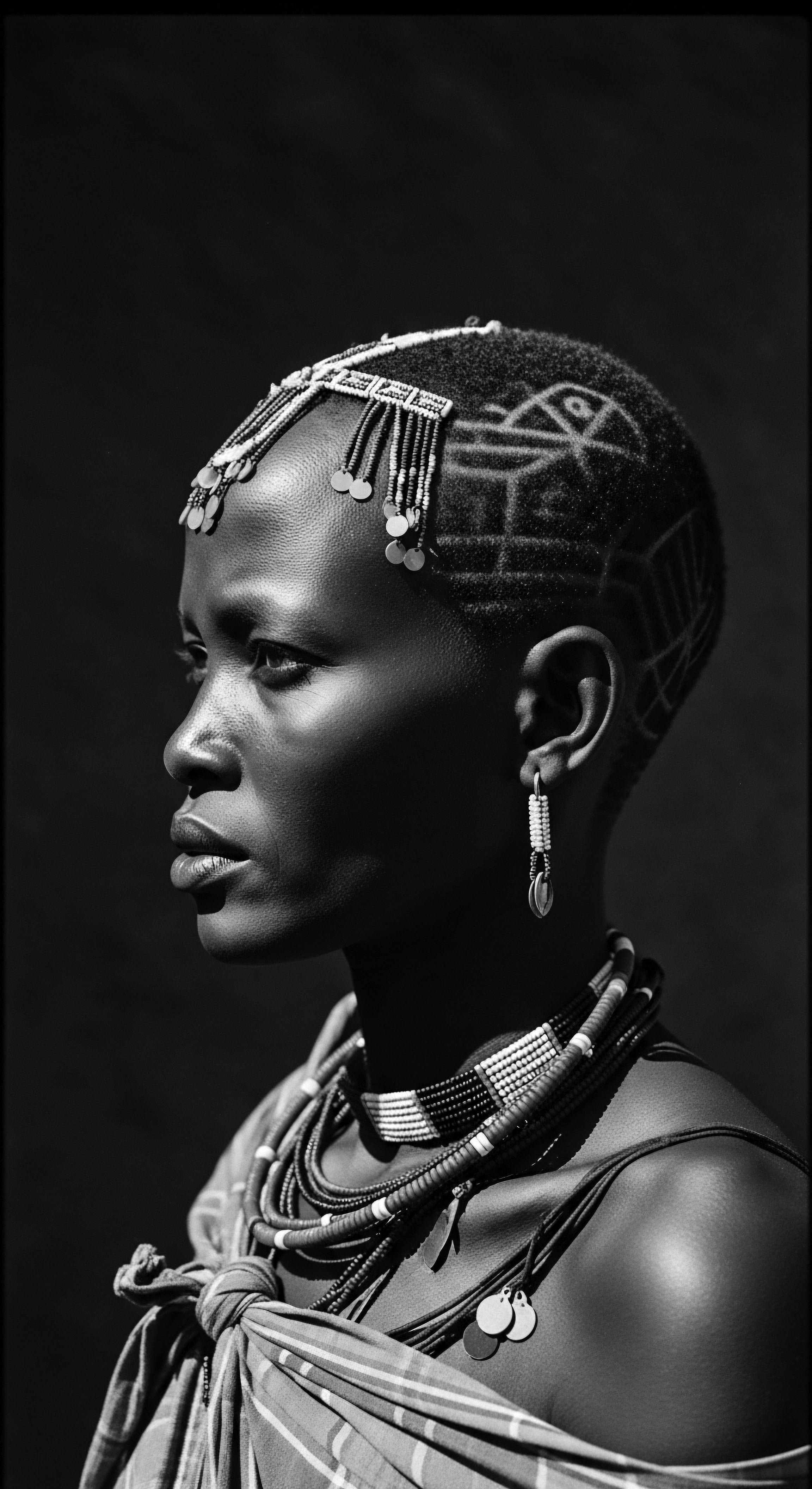
Historical perceptions of gray textured hair, shaped by ancestral reverence and later by Eurocentric standards, persist as a complex aspect of textured hair heritage.
Ancestral practices for textured hair moisture center on natural emollients, protective styling, and consistent, holistic care deeply rooted in cultural heritage.
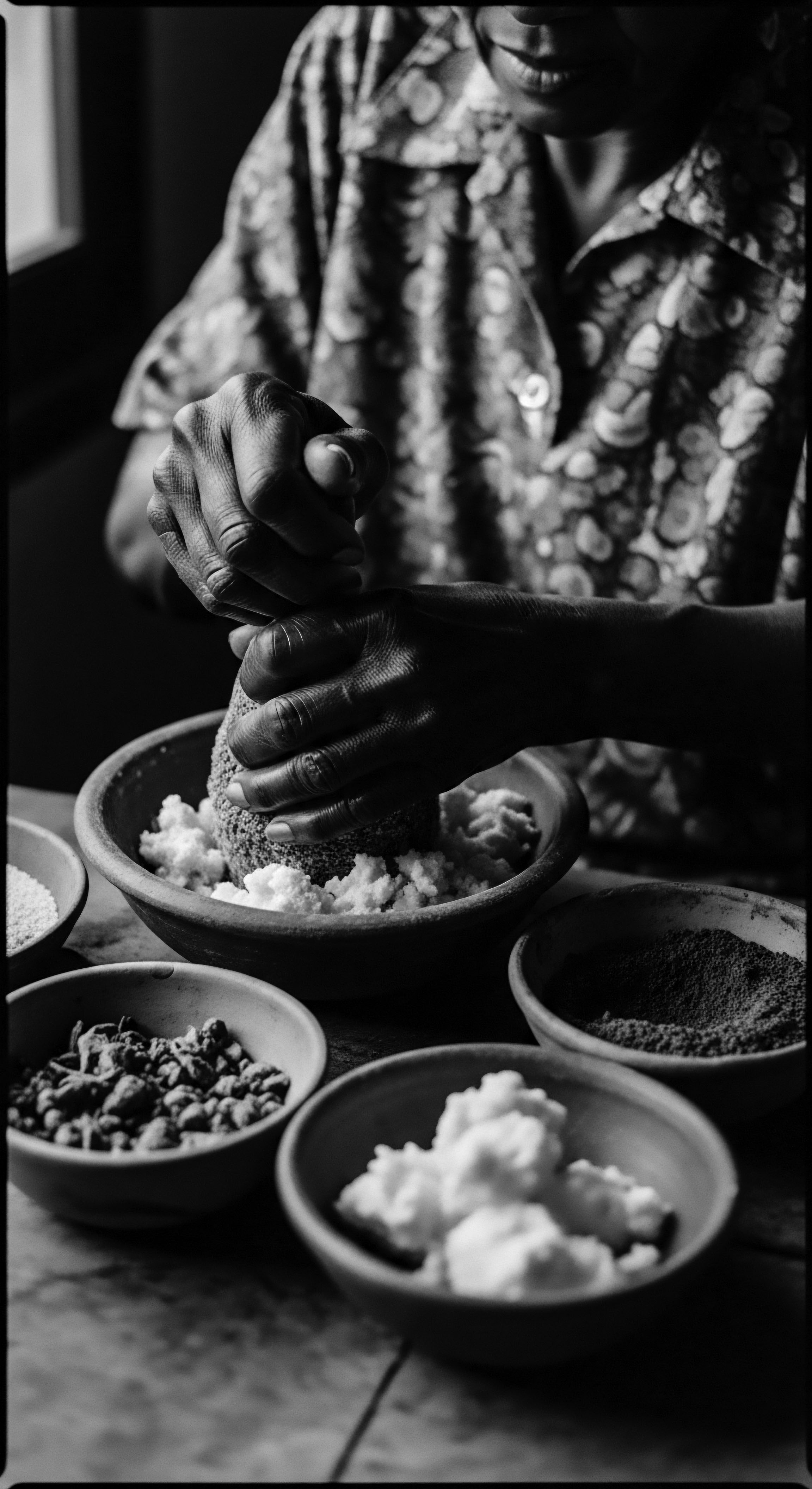
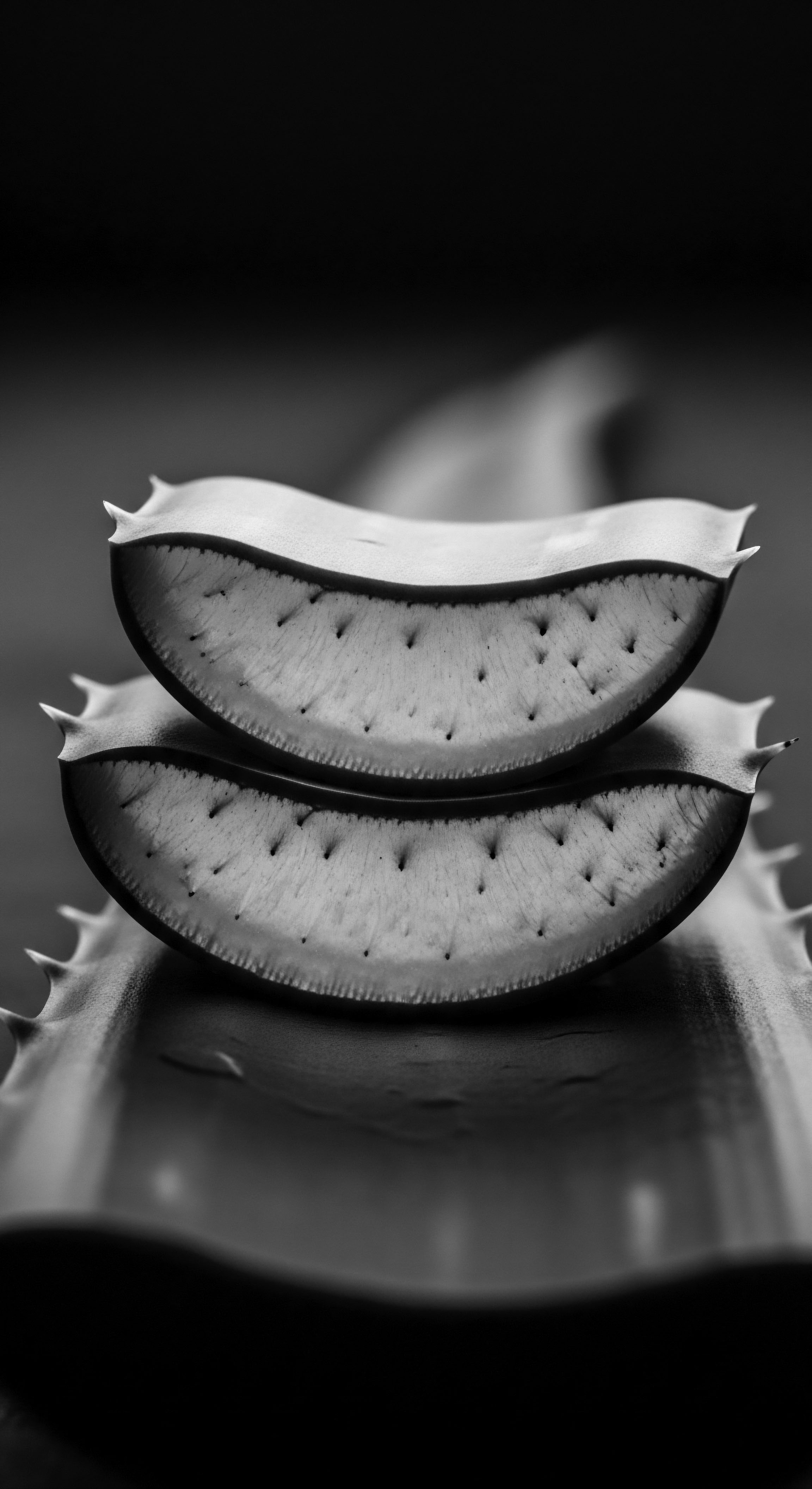
Ancient African cultures preserved textured hair using plant emollients like shea butter, palm oil, and baobab oil, recognizing their moisturizing and protective benefits.
Traditional treatments for aging textured hair health centered on natural ingredients and protective styles, deeply rooted in ancestral heritage and community care.
Indigenous communities preserved textured hair health through symbiotic relationships with nature, applying ancestral botanical wisdom to sustain robust strands.
Protective styling historically shielded textured hair from dryness by containing strands and using natural emollients, a heritage of ancestral wisdom.
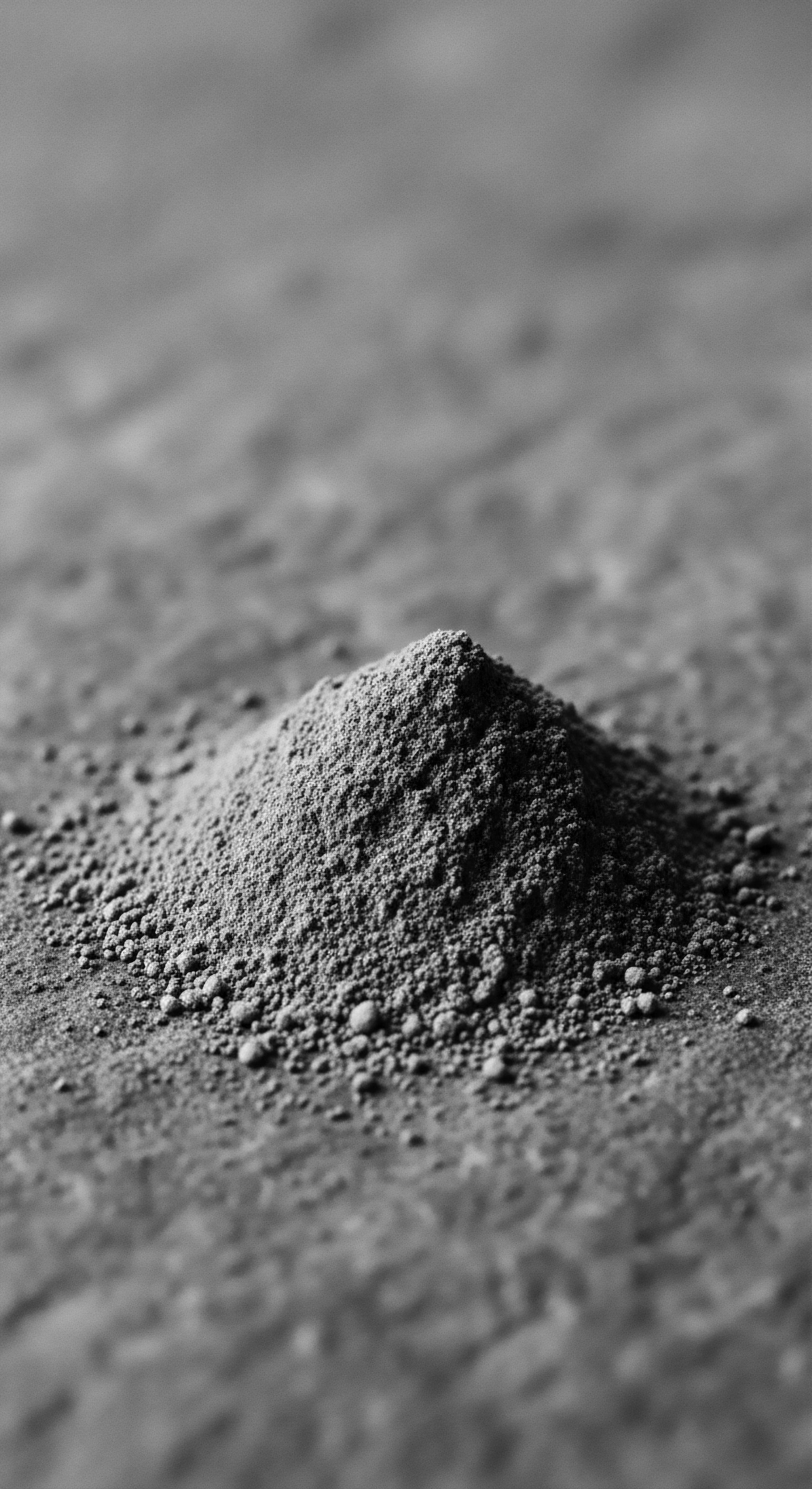
Traditional ingredients like shea butter and Chebe powder benefit textured hair cuticles by providing protective layers, smoothing scales, and retaining moisture through ancestral wisdom.
Ancient plant-based butters, oils, and earth-derived cleansers, deeply rooted in Black hair heritage, continue to define textured hair product formulations.
Ancestral hair oiling significantly protected textured strands by providing essential moisture and a physical barrier, rooted in generations of heritage wisdom.
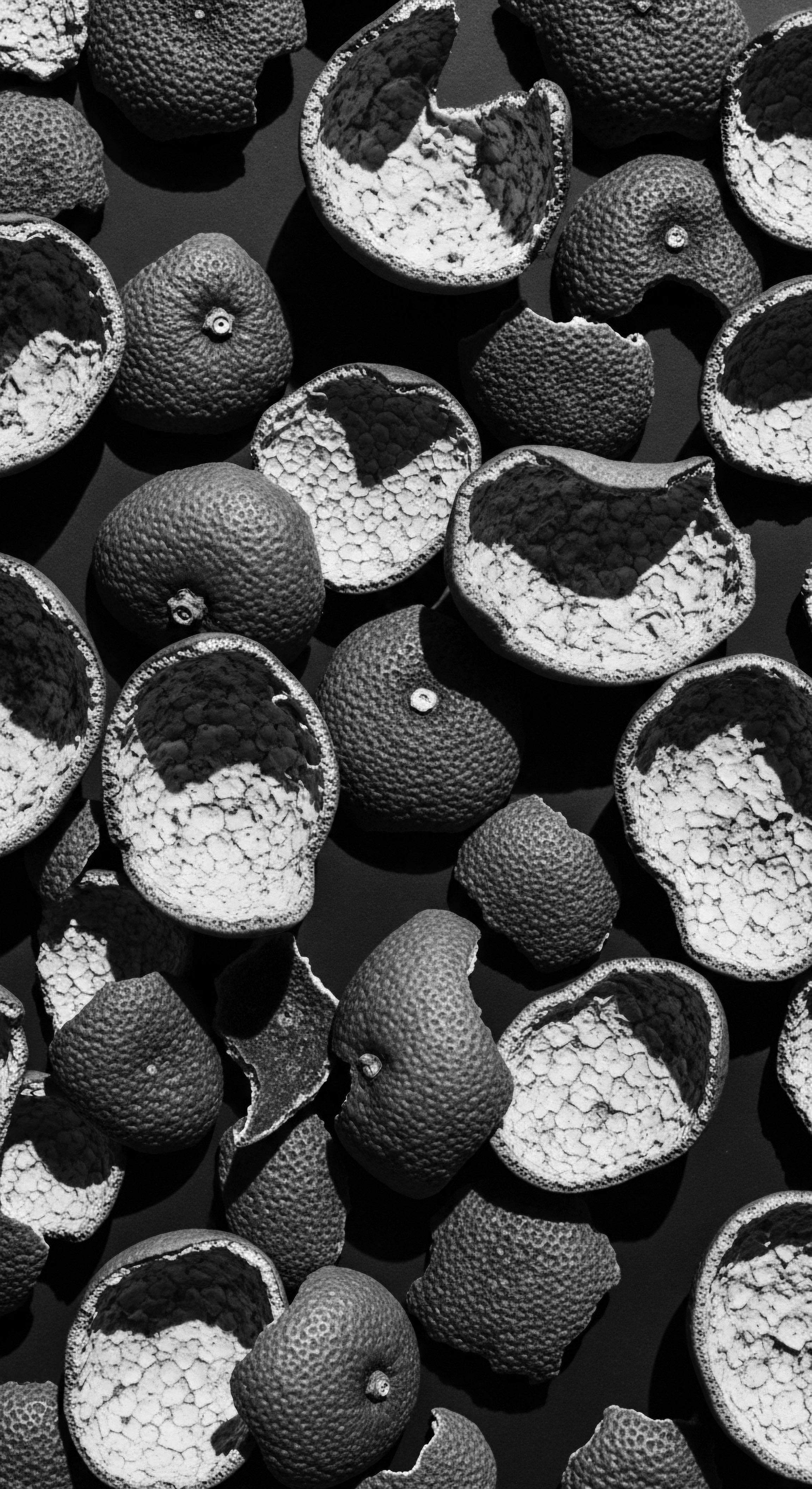
Red clay, rich in iron oxides, traditionally shielded textured hair from the sun by forming a physical barrier and absorbing harmful rays, a practice deeply rooted in ancestral care.
Ancestral practices nurtured textured hair scalp well-being through plant-based remedies, protective styling, and holistic communal care, deeply embedded in cultural heritage.
Red clay's historical use on textured hair offered sun protection through its inherent mineral composition and physical barrier properties, a deep ancestral wisdom.
Meaning ❉ Waterless Hair Care refers to methods of cleansing, conditioning, and styling hair without the traditional use of liquid water, often reflecting ancestral practices.
Ancestral textured hair care centered on ingredients like shea butter, coconut oil, castor oil, and clays to moisturize, cleanse, and protect, deeply rooted in heritage.
Meaning ❉ Plant Lipid Haircare signifies the use of botanical oils, butters, and waxes to nourish and protect textured hair, deeply rooted in cultural heritage.
Clay minerals like silica, magnesium, and calcium gently cleanse textured hair by absorbing impurities and nourishing strands, honoring ancestral care traditions.
Historical textured hair techniques, deeply rooted in ancestral practices, continue to offer effective solutions for modern care, preserving heritage and promoting hair health.
We use cookies to personalize content and marketing, and to analyze our traffic. This helps us maintain the quality of our free resources. Manage your preferences below.
This helps support our free resources through personalized marketing efforts and promotions.
Analytics cookies help us understand how visitors interact with our website, improving user experience and website performance.
Personalization cookies enable us to customize the content and features of our site based on your interactions, offering a more tailored experience.