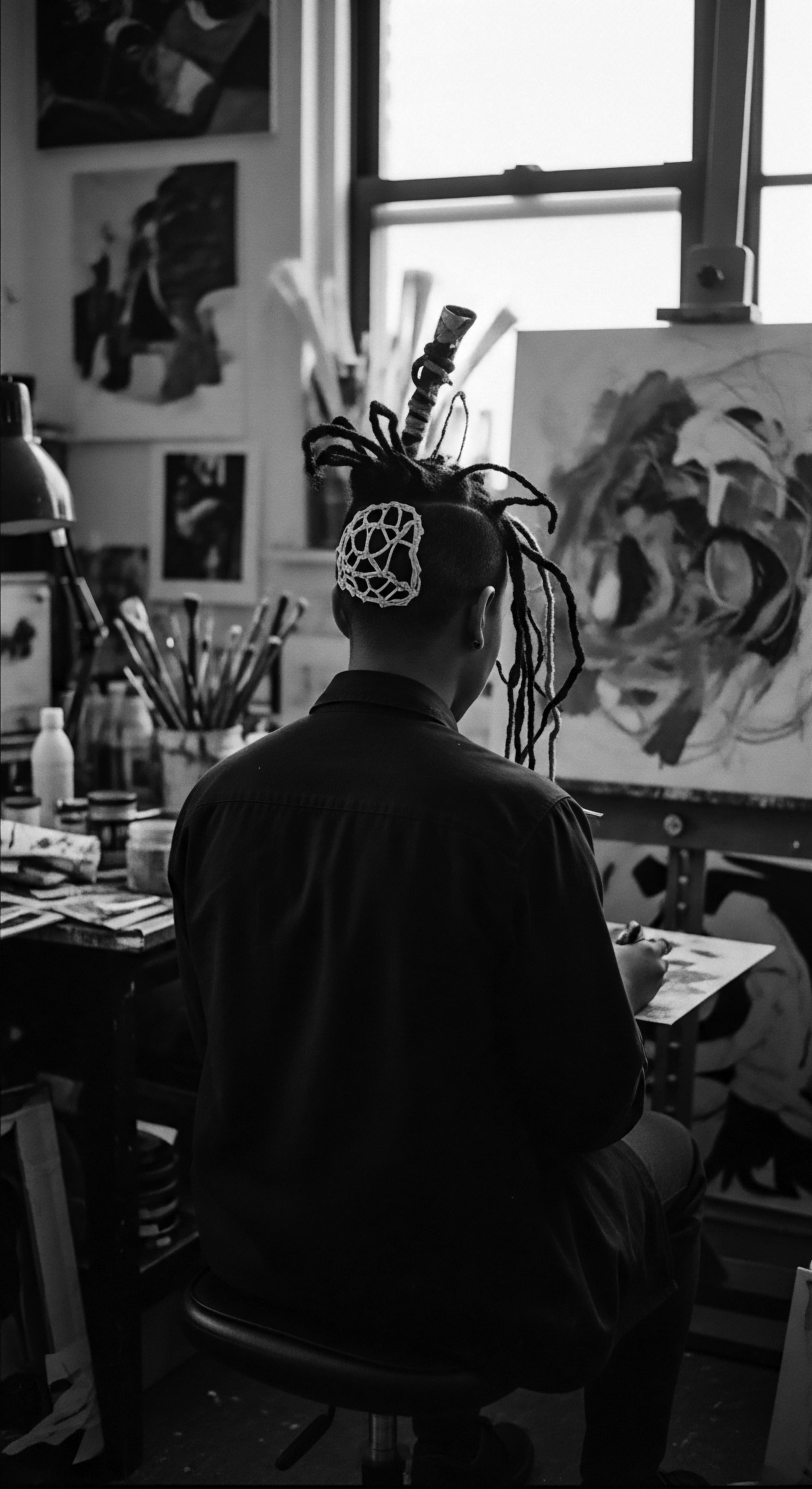
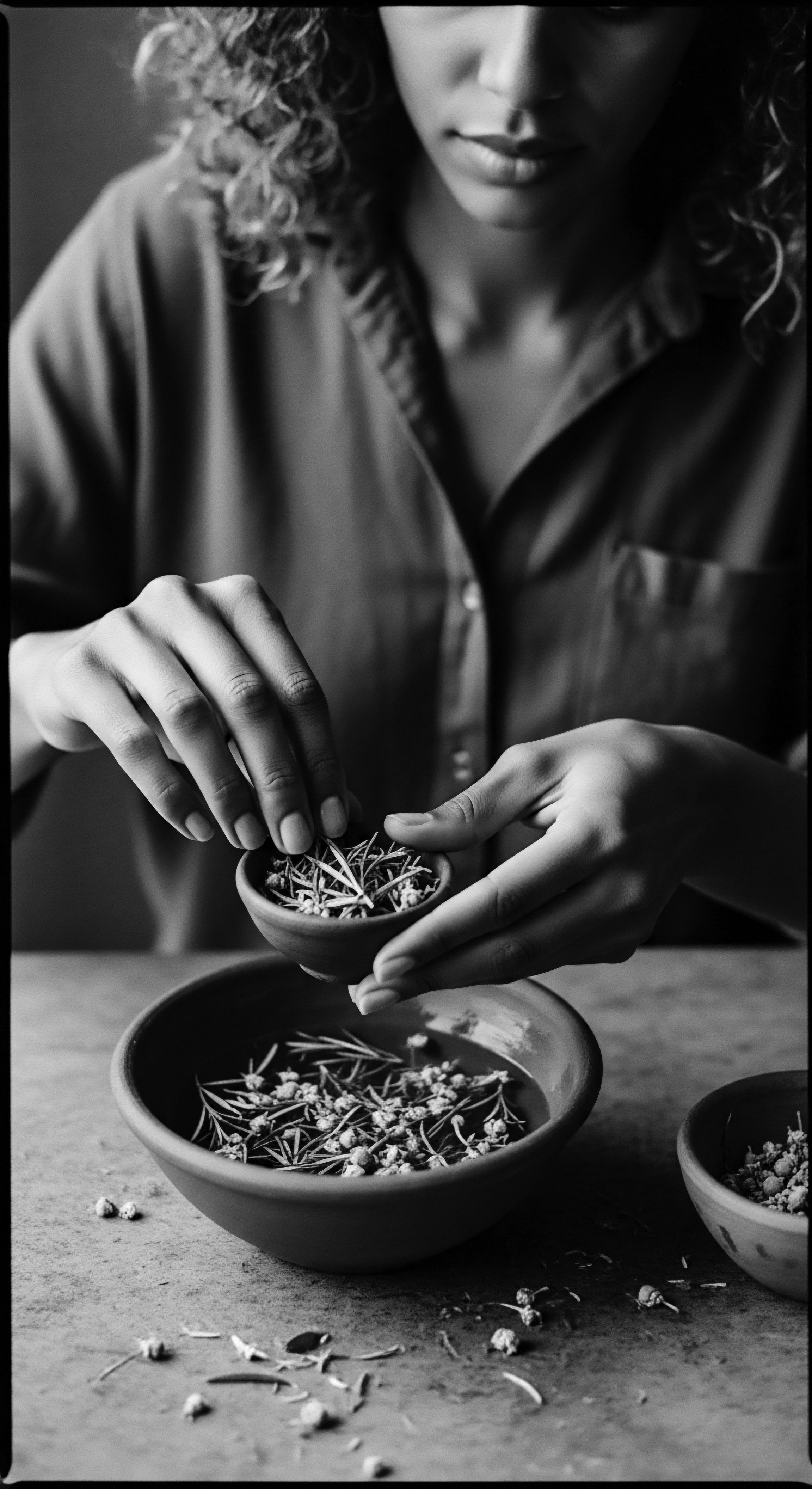
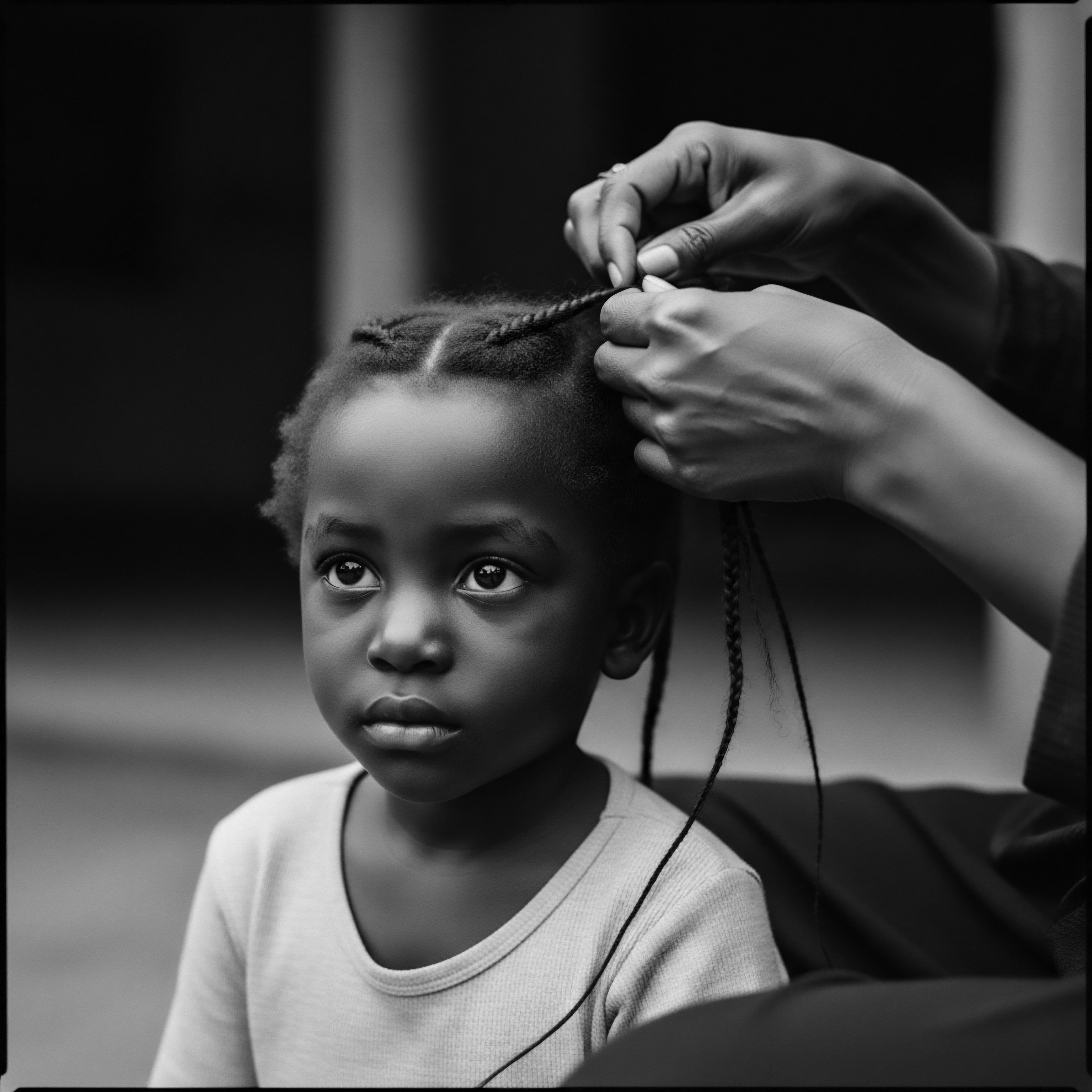
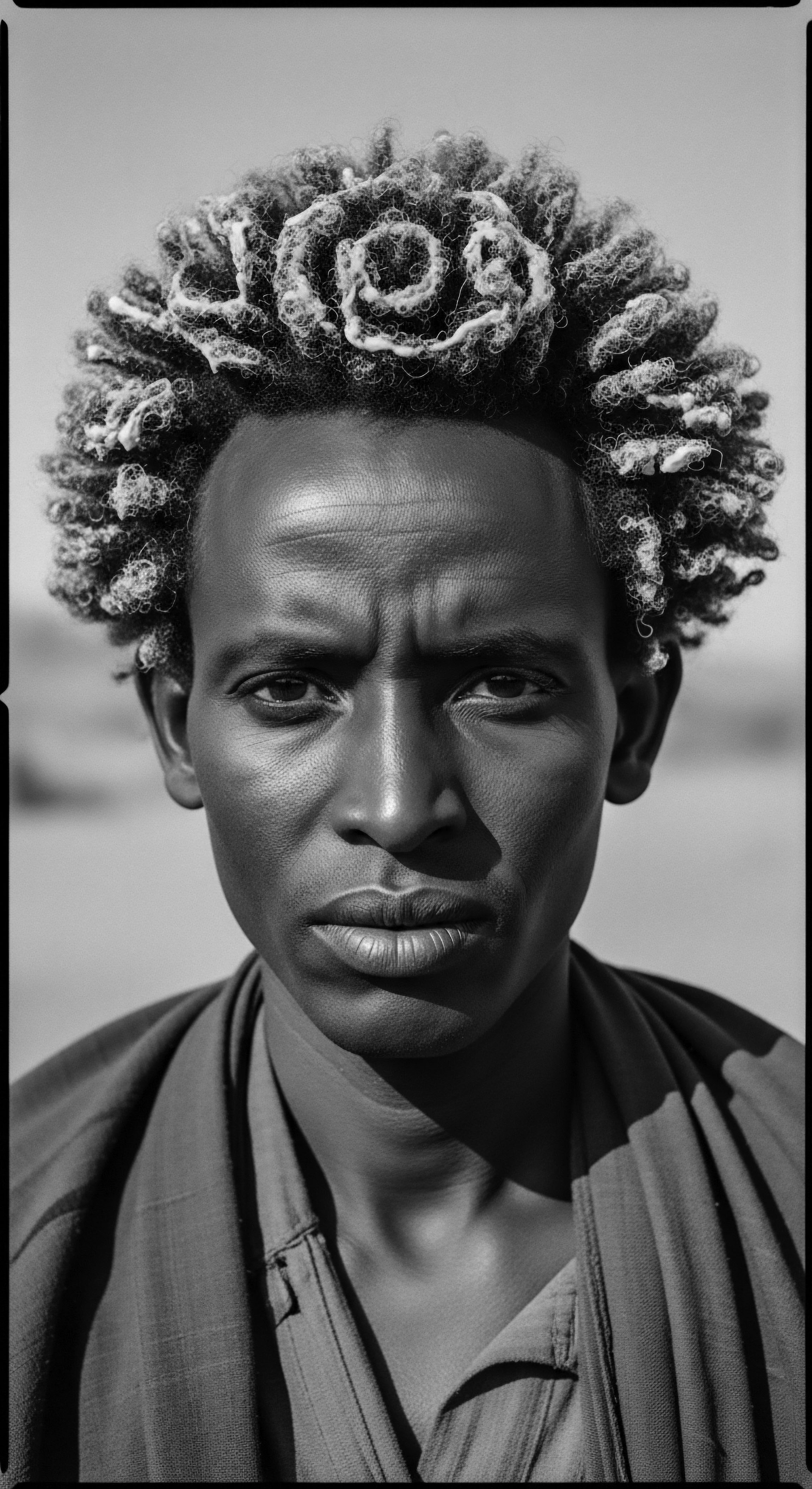
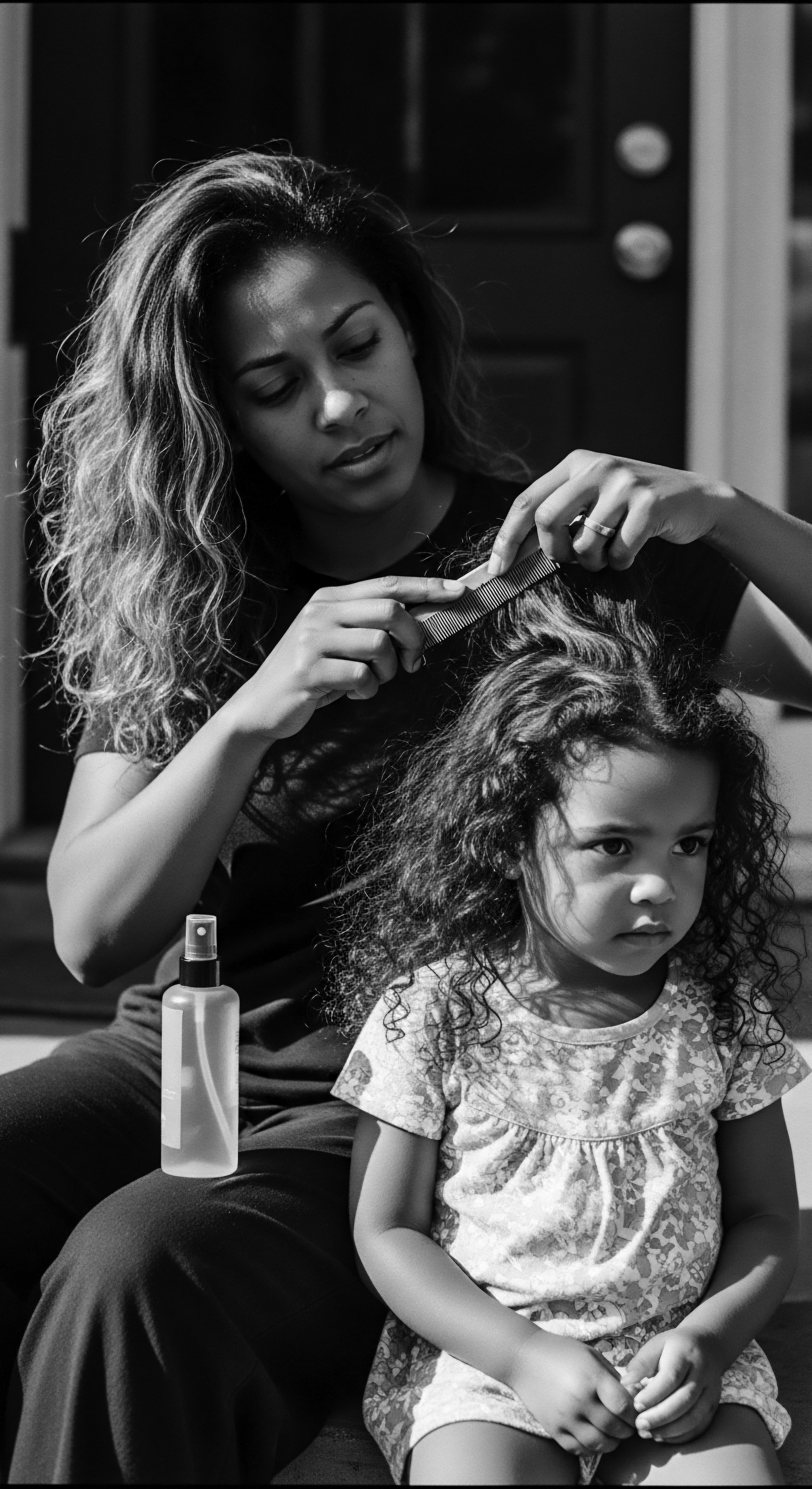
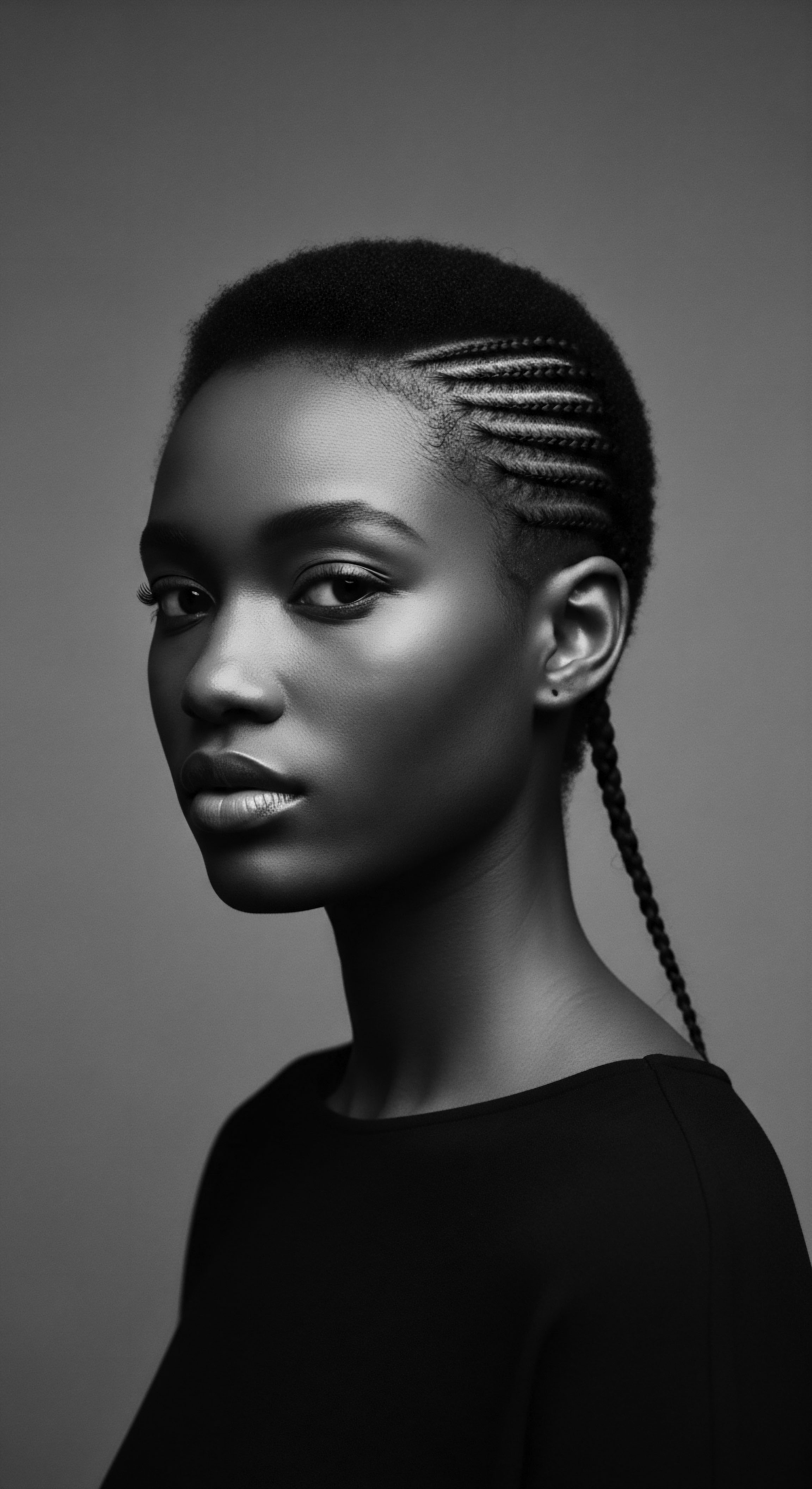
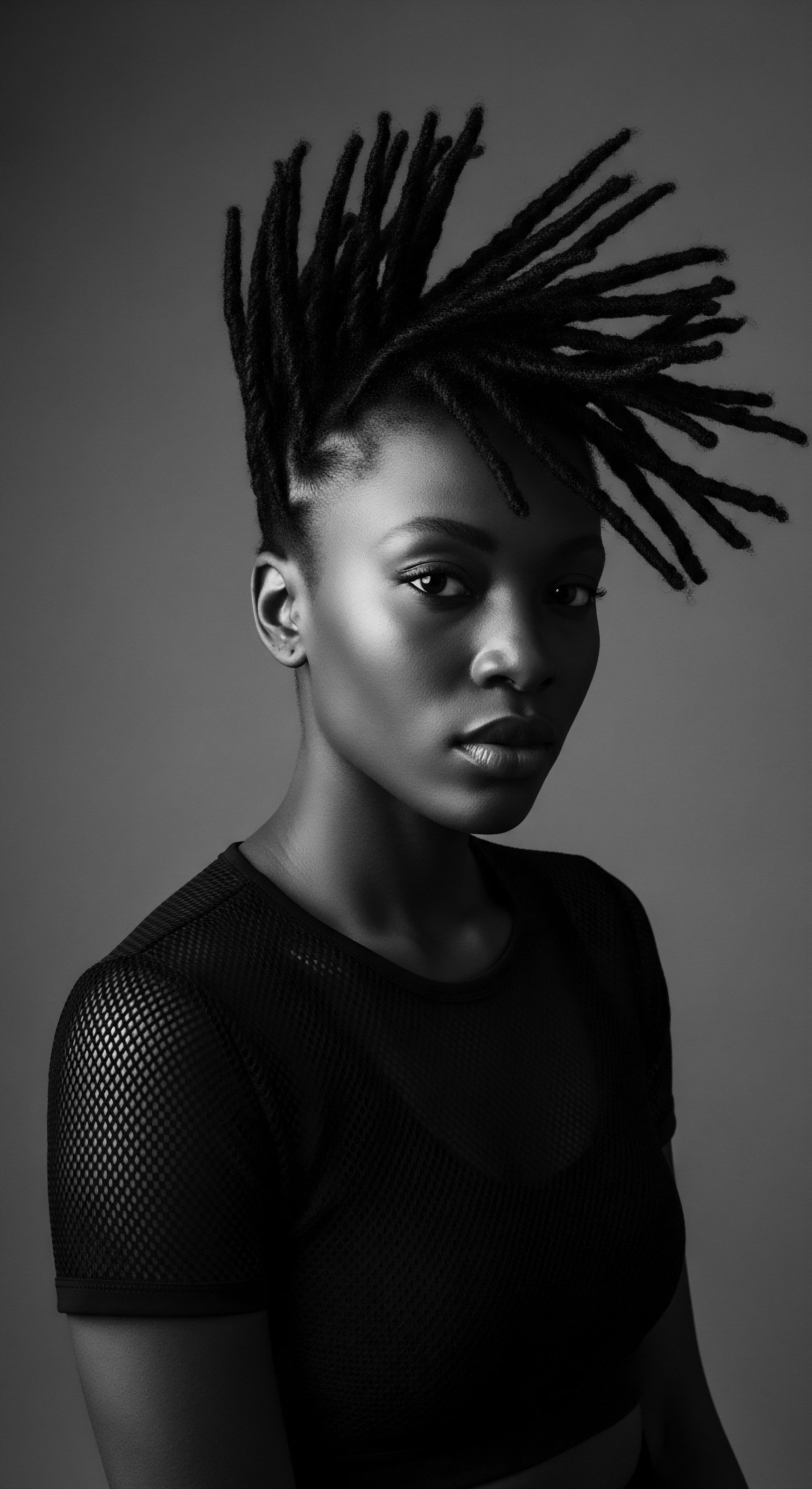
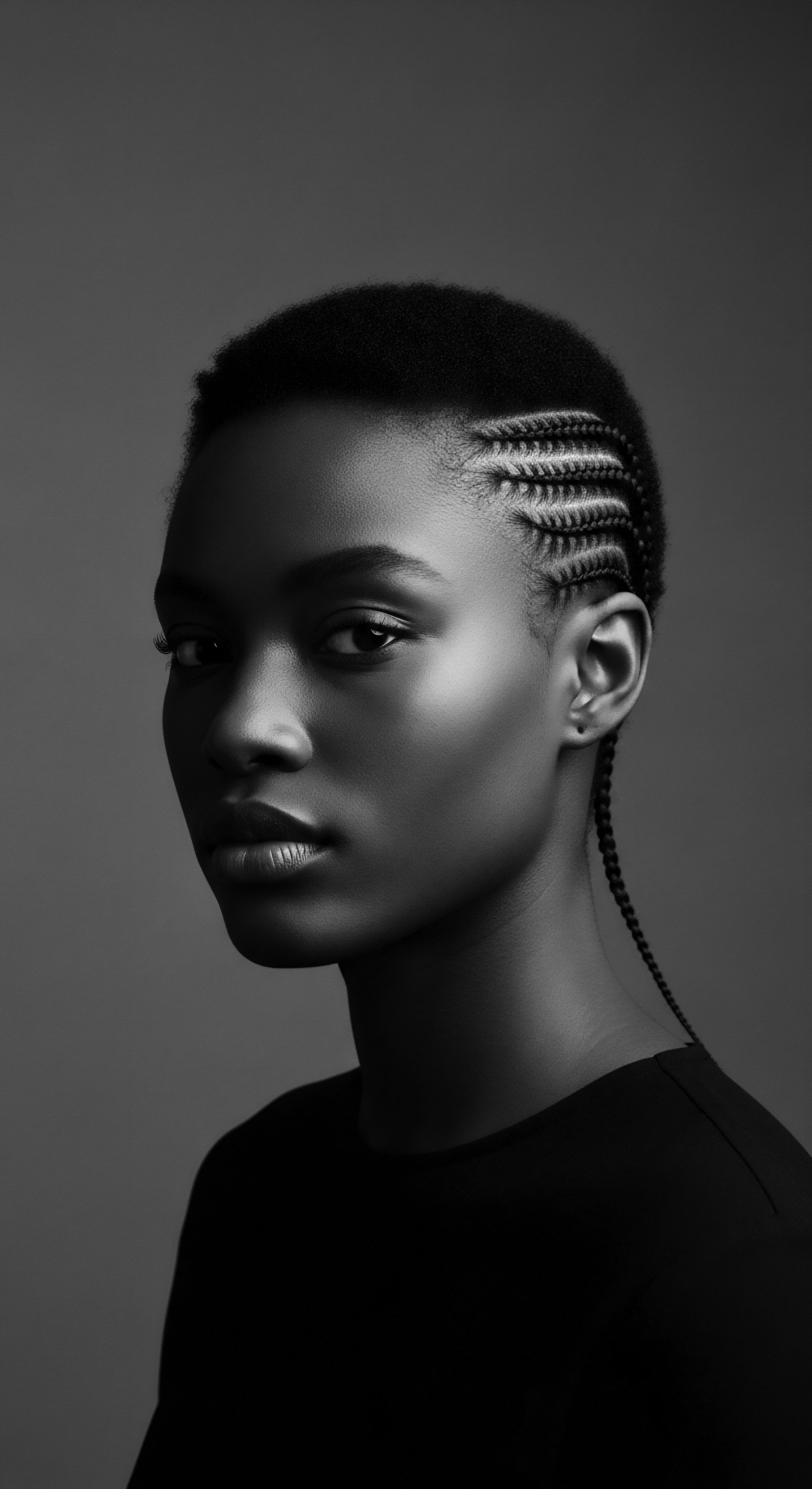
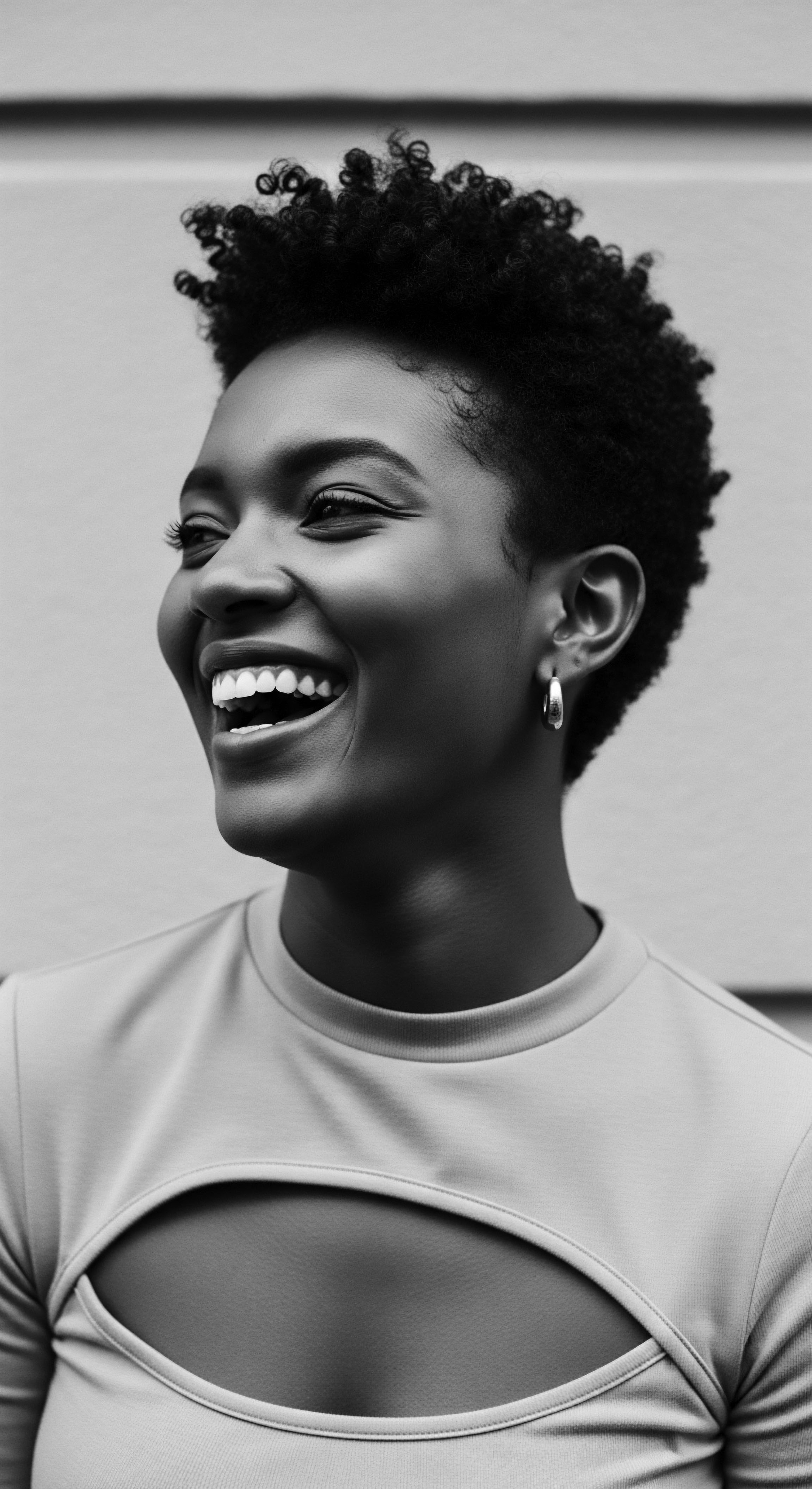
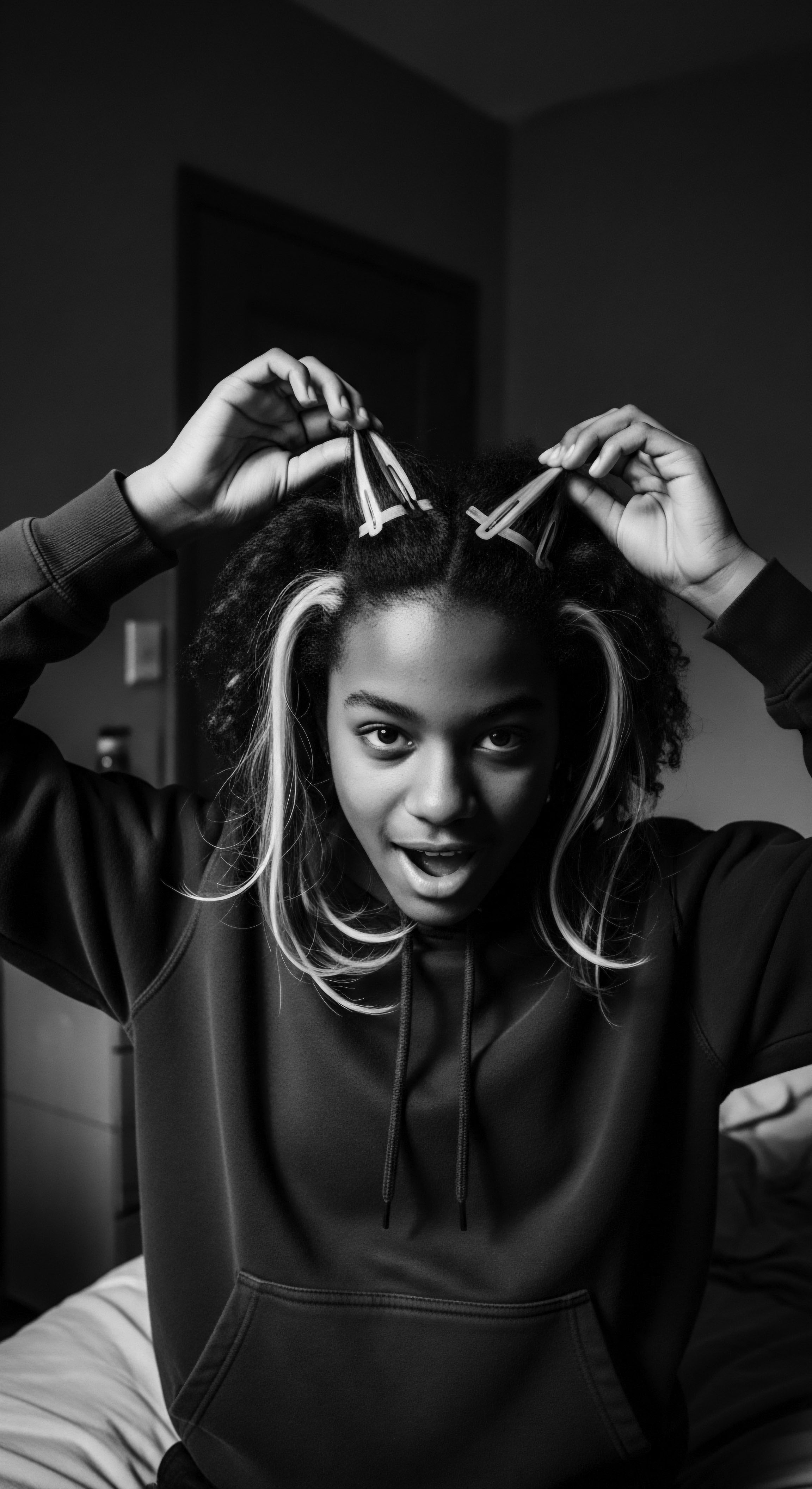
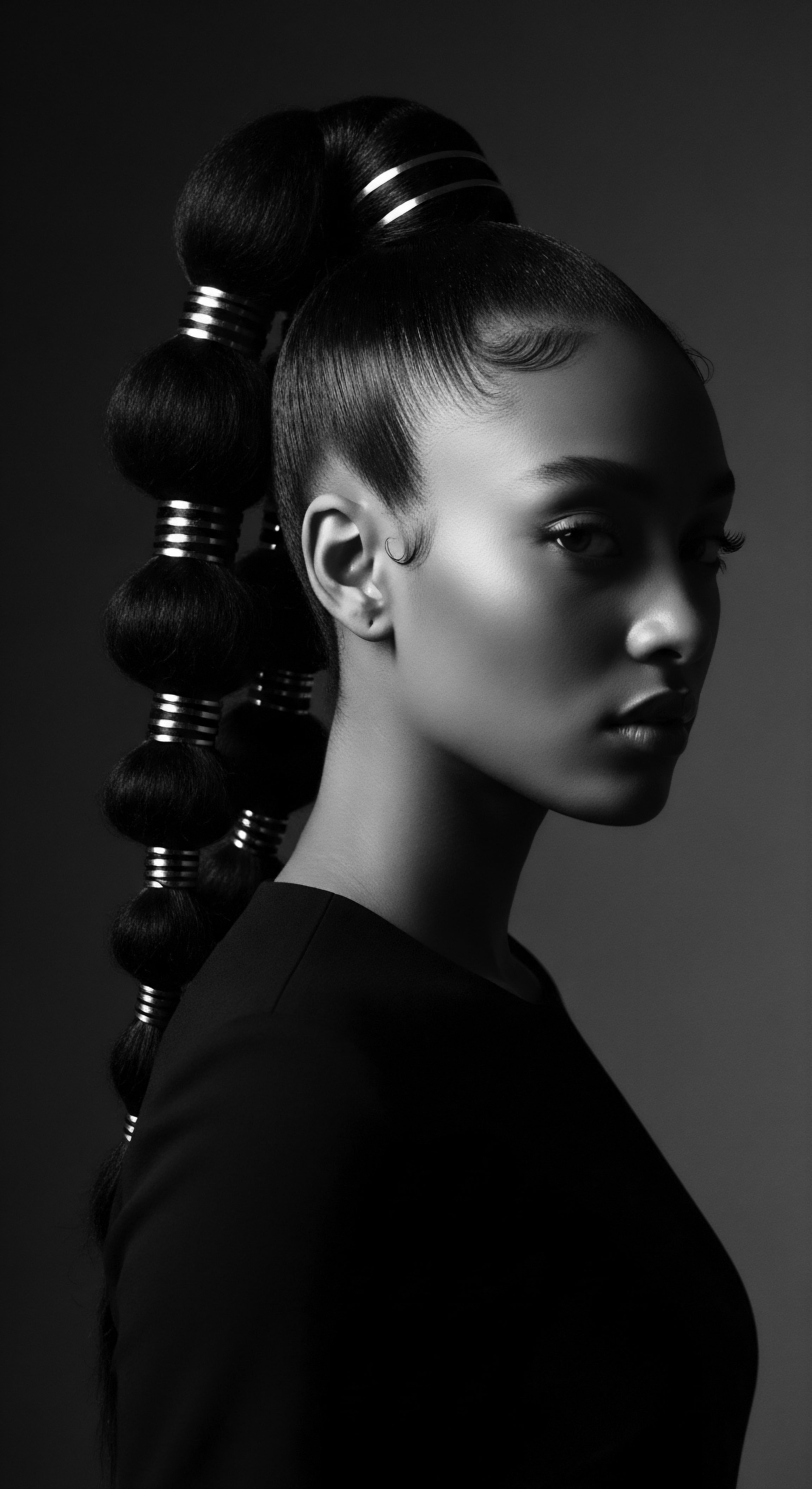
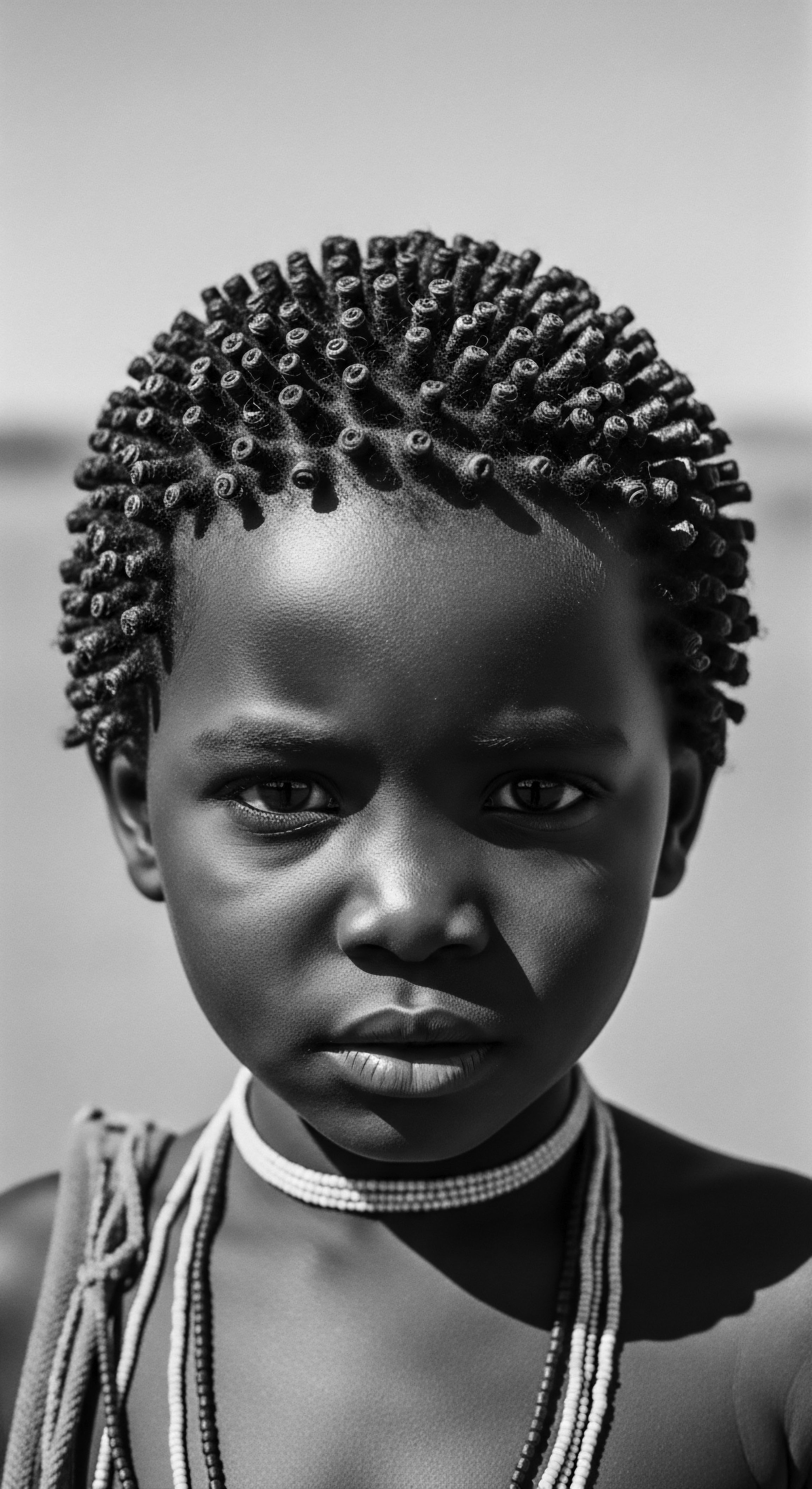
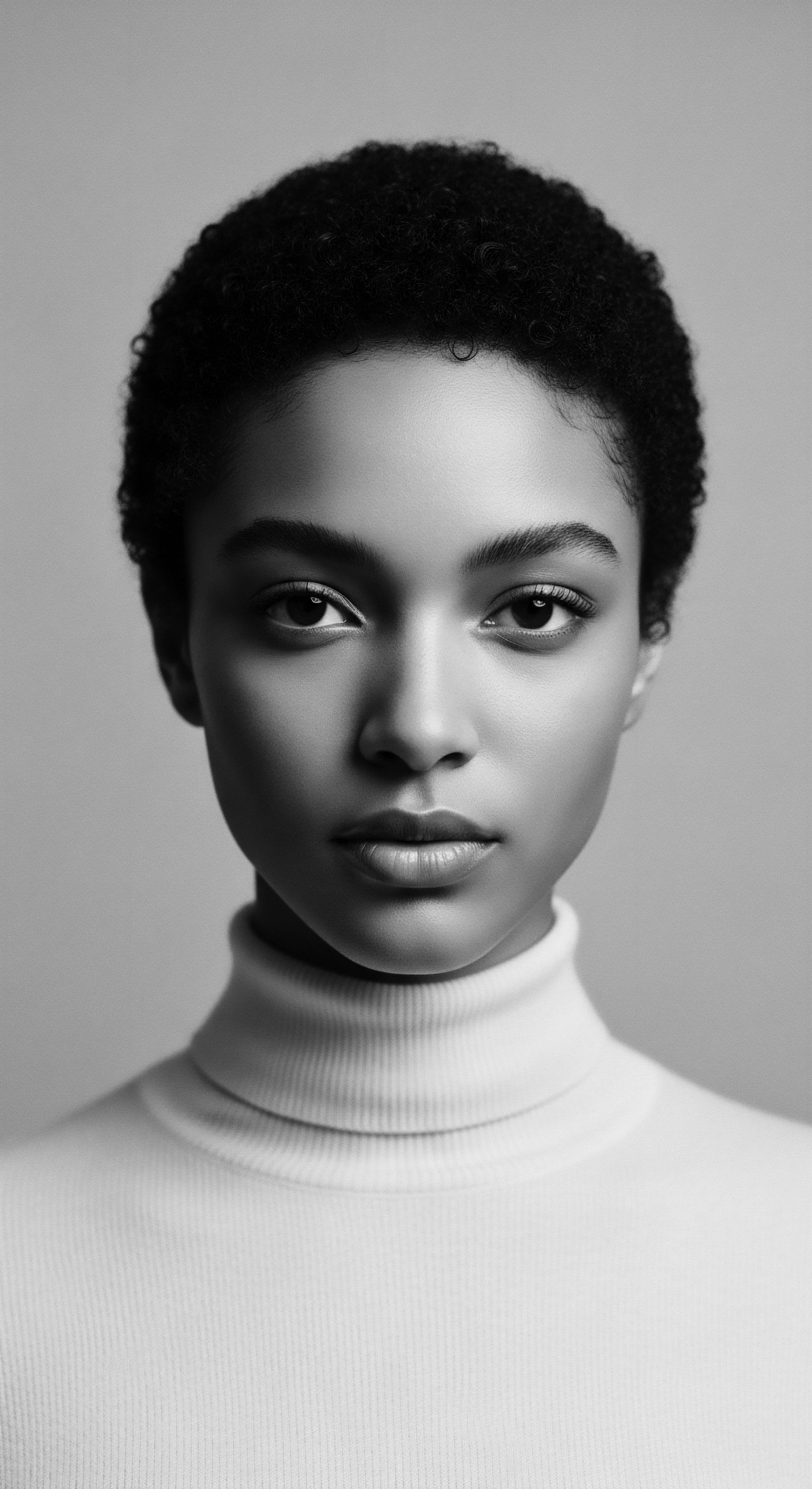
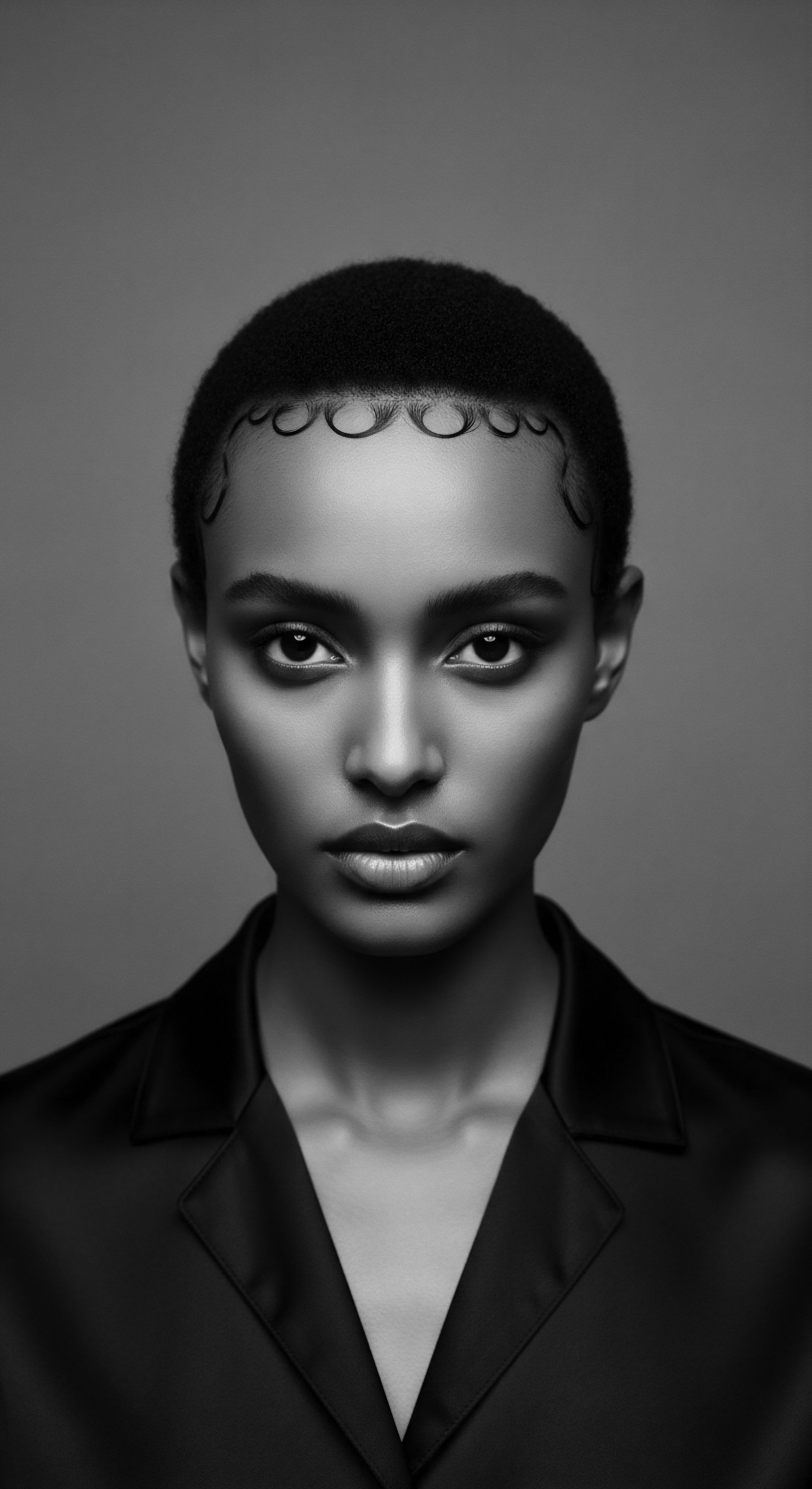
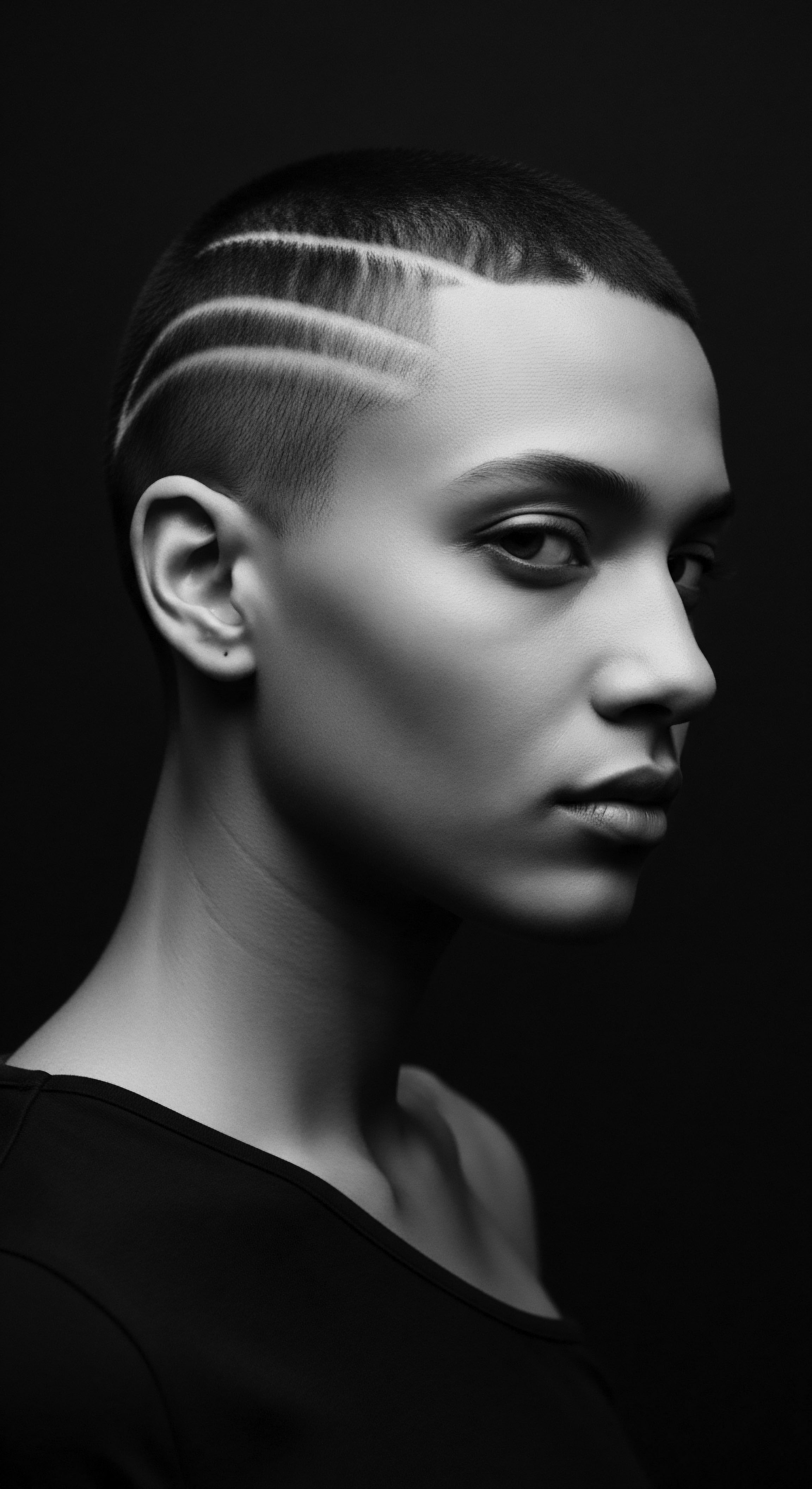
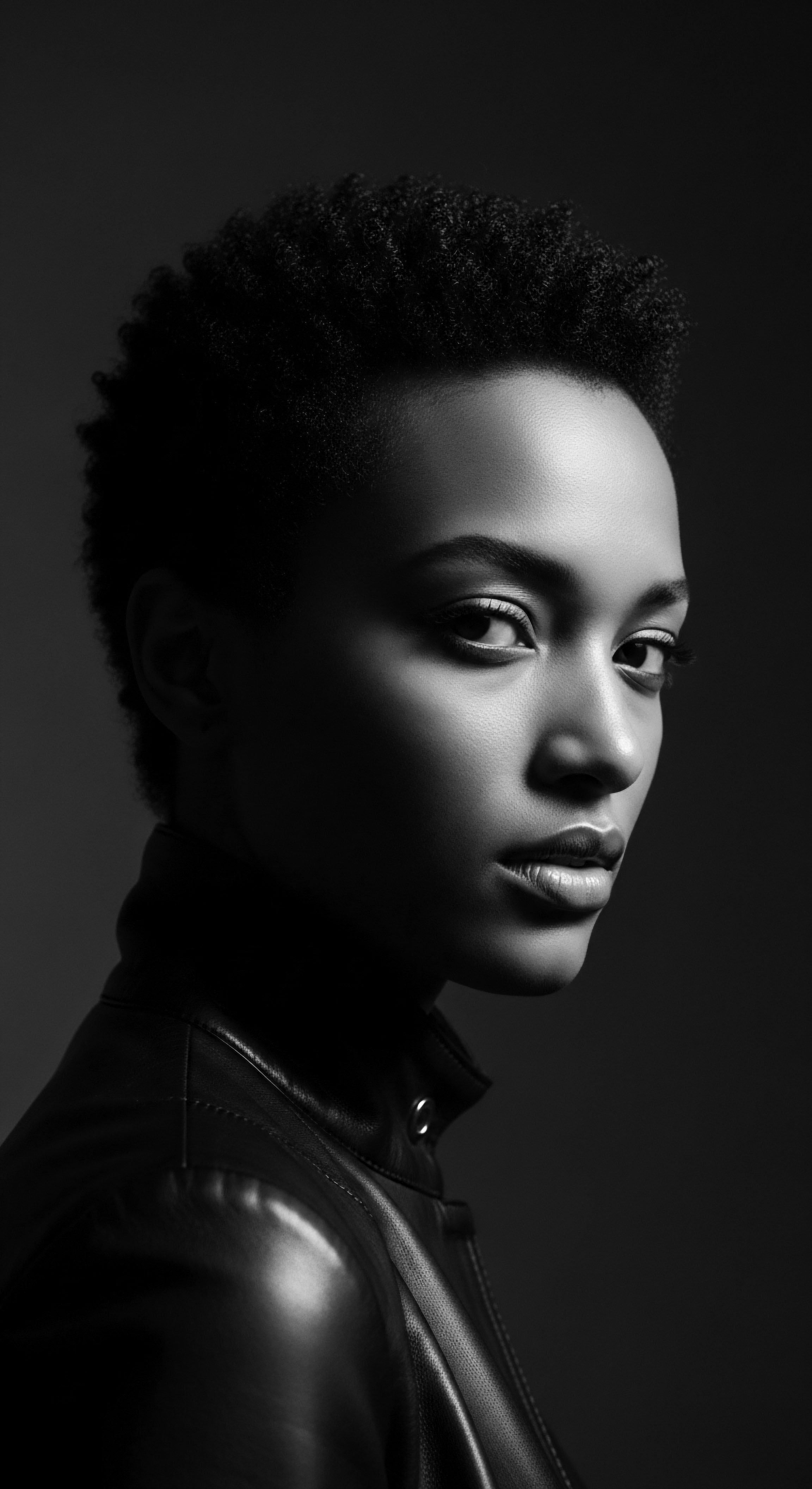
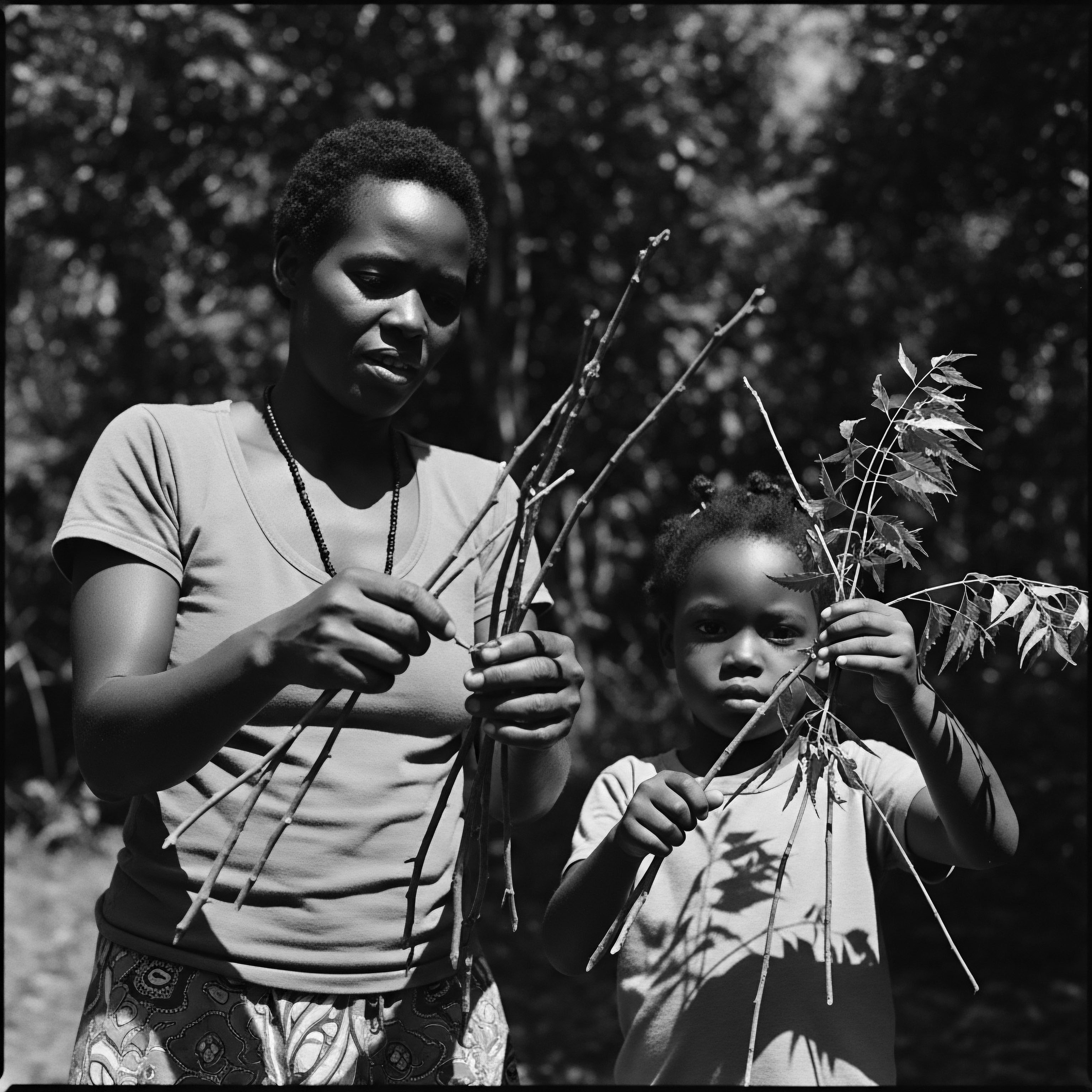
Ancient protective styles persist for textured hair because they align with its biology and honor ancestral care, fostering resilience and cultural continuity.
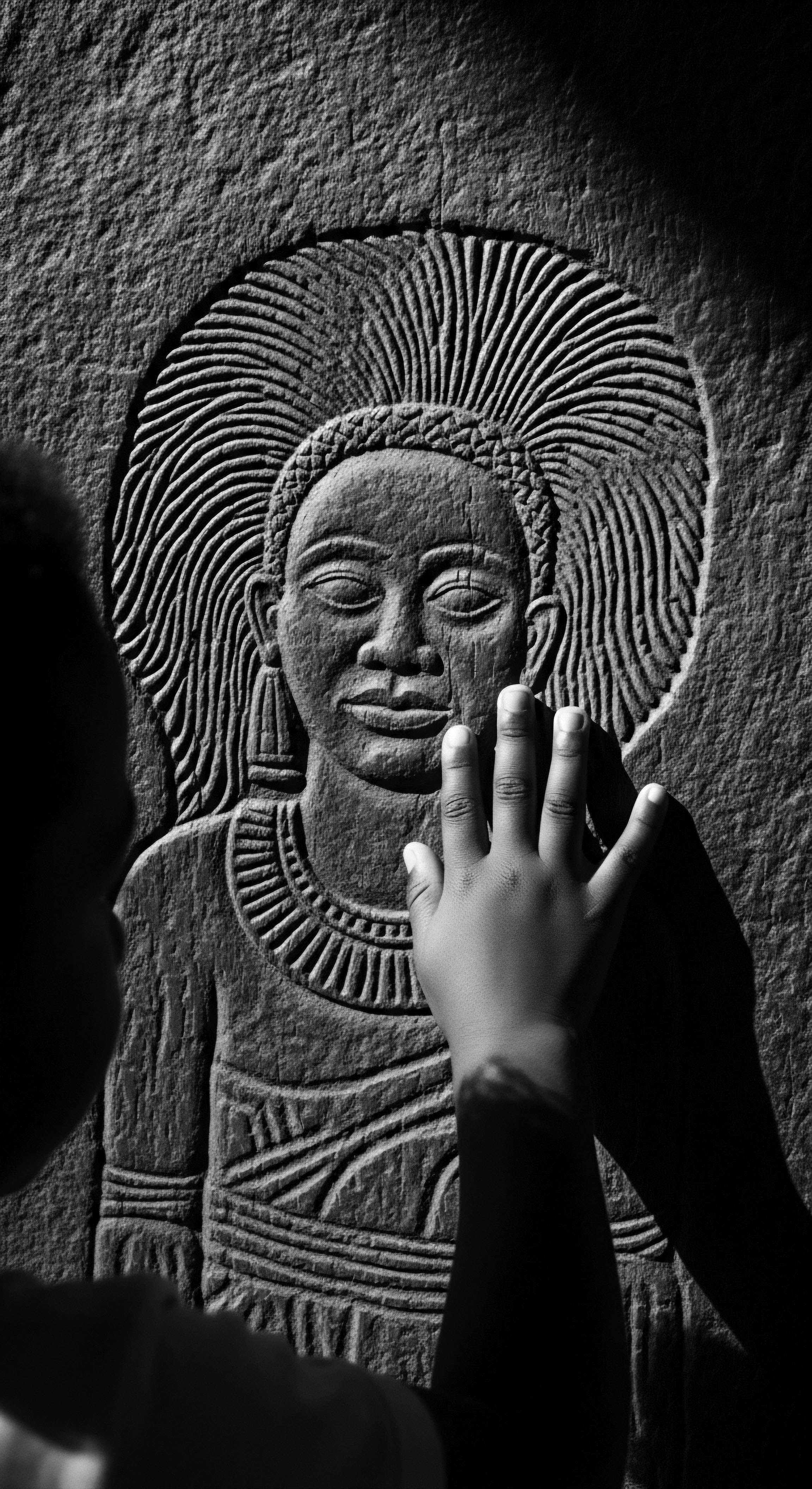
Textured hair tools ancestrally symbolize identity, status, spirituality, and communal connection, serving as tangible links to profound cultural legacies.
Meaning ❉ Wooden Hair Tools embody ancestral wisdom and cultural resonance for textured hair, serving as conduits of care and identity across generations.
The enduring cultural values of textured hair, deeply rooted in ancestral heritage, are increasingly recognized in law as protected aspects of racial identity.
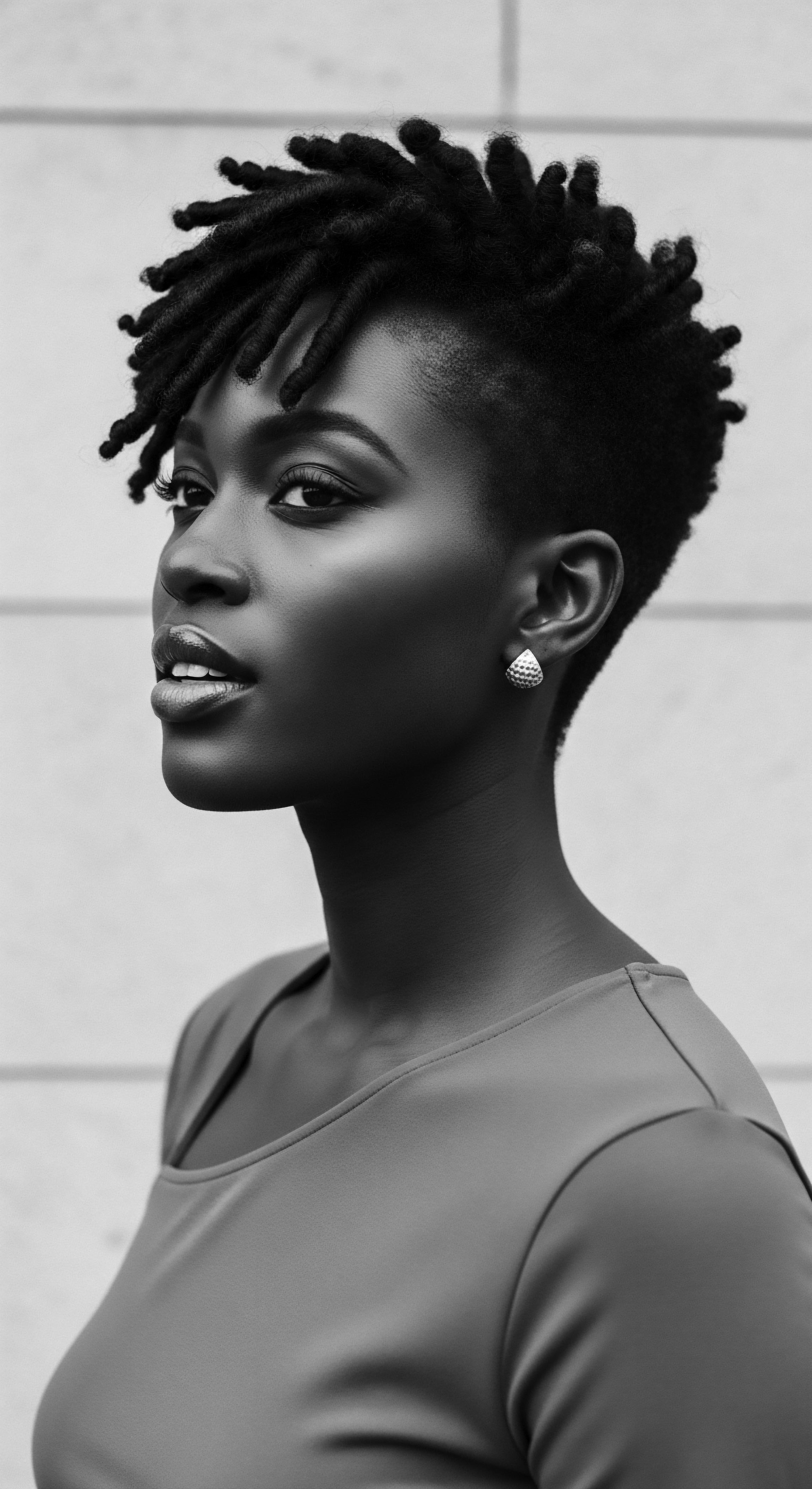
Legal protection for textured hair expressions safeguards inherited cultural identity and ancestral practices against historical and ongoing discrimination.
Historical hair care practices, particularly those rooted in African traditions, profoundly shape modern textured hair routines by providing foundational knowledge of natural ingredients, protective styling techniques, and a holistic approach to hair health, all deeply connected to cultural identity and resilience.
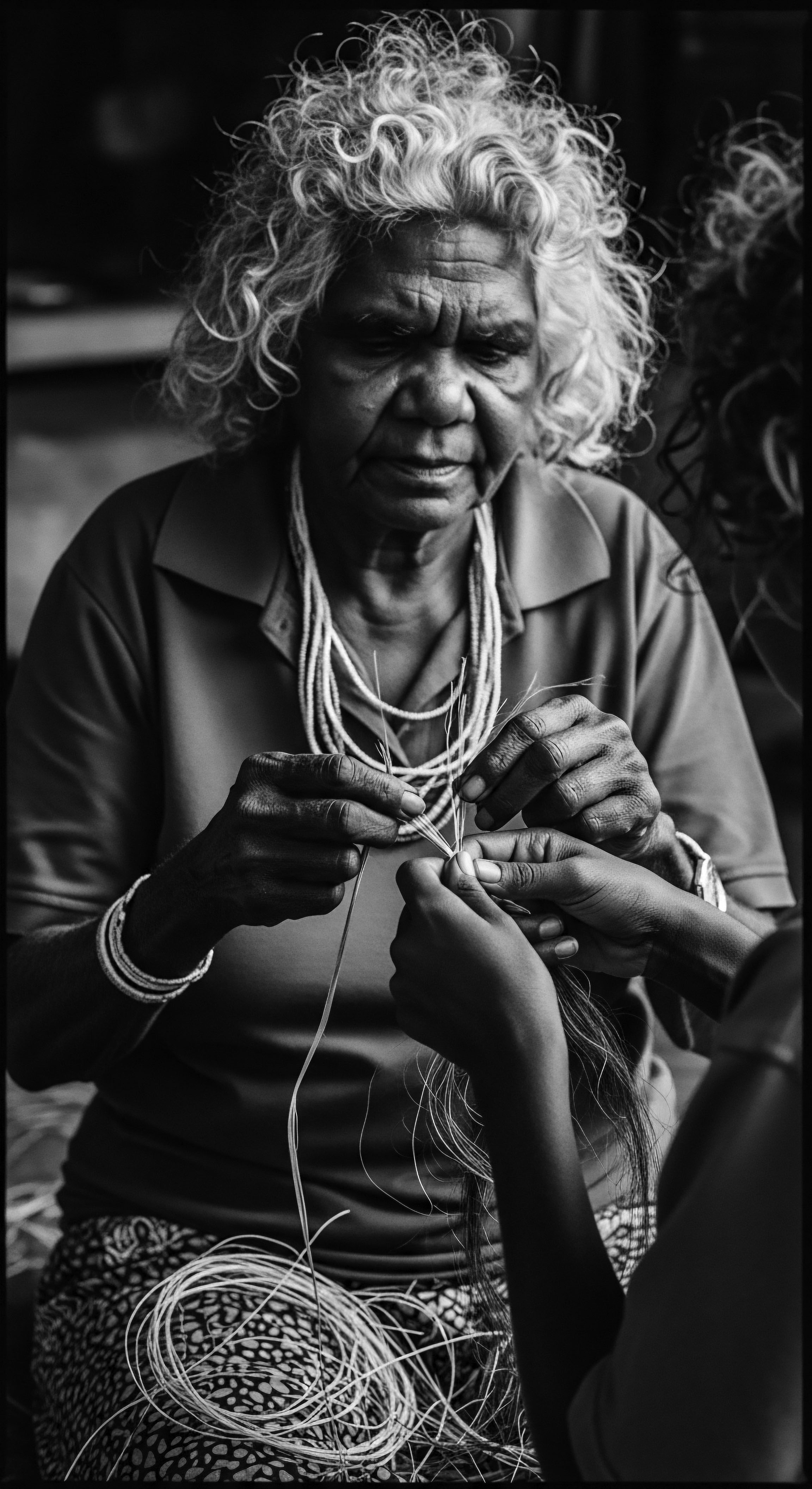
Ancient civilizations, particularly African societies, often revered natural textured hair as central to identity and spirituality, styling it with cultural significance.
Ancestral communities in arid lands utilized oils like shea butter, castor, and moringa to deeply moisturize and protect textured hair, preserving a rich heritage of resilient care.
Meaning ❉ Hydrating Rituals are comprehensive, heritage-informed practices for optimizing moisture in textured hair, connecting ancestral wisdom with modern understanding.
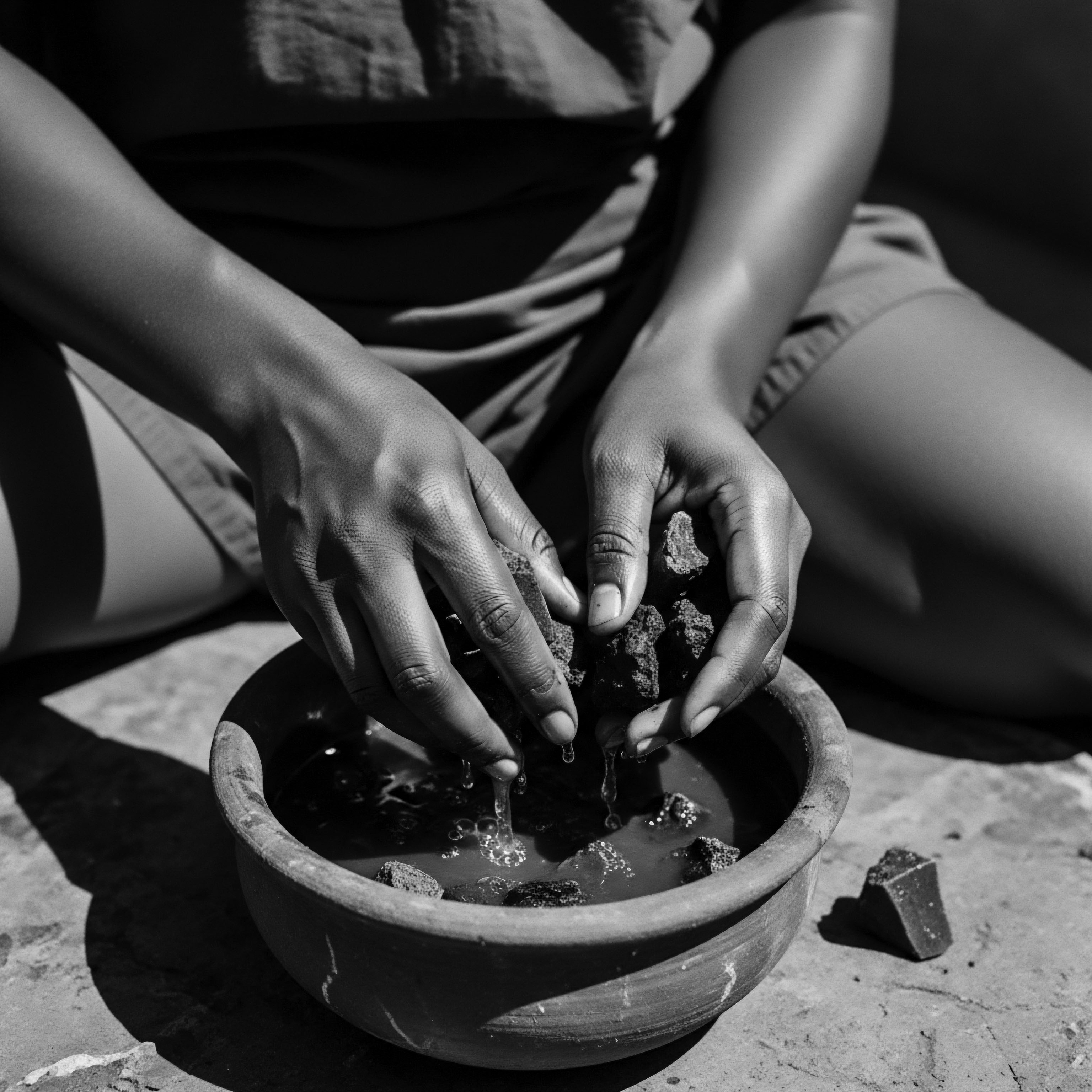
Historical evidence points to ancient cultures using clays like rhassoul and bentonite for cleansing and styling textured hair, reflecting a deep ancestral heritage.
Meaning ❉ Hair Moisture Traits describe the unique capacity of individual hair strands to absorb, retain, and interact with hydration, profoundly influencing textured hair care practices.
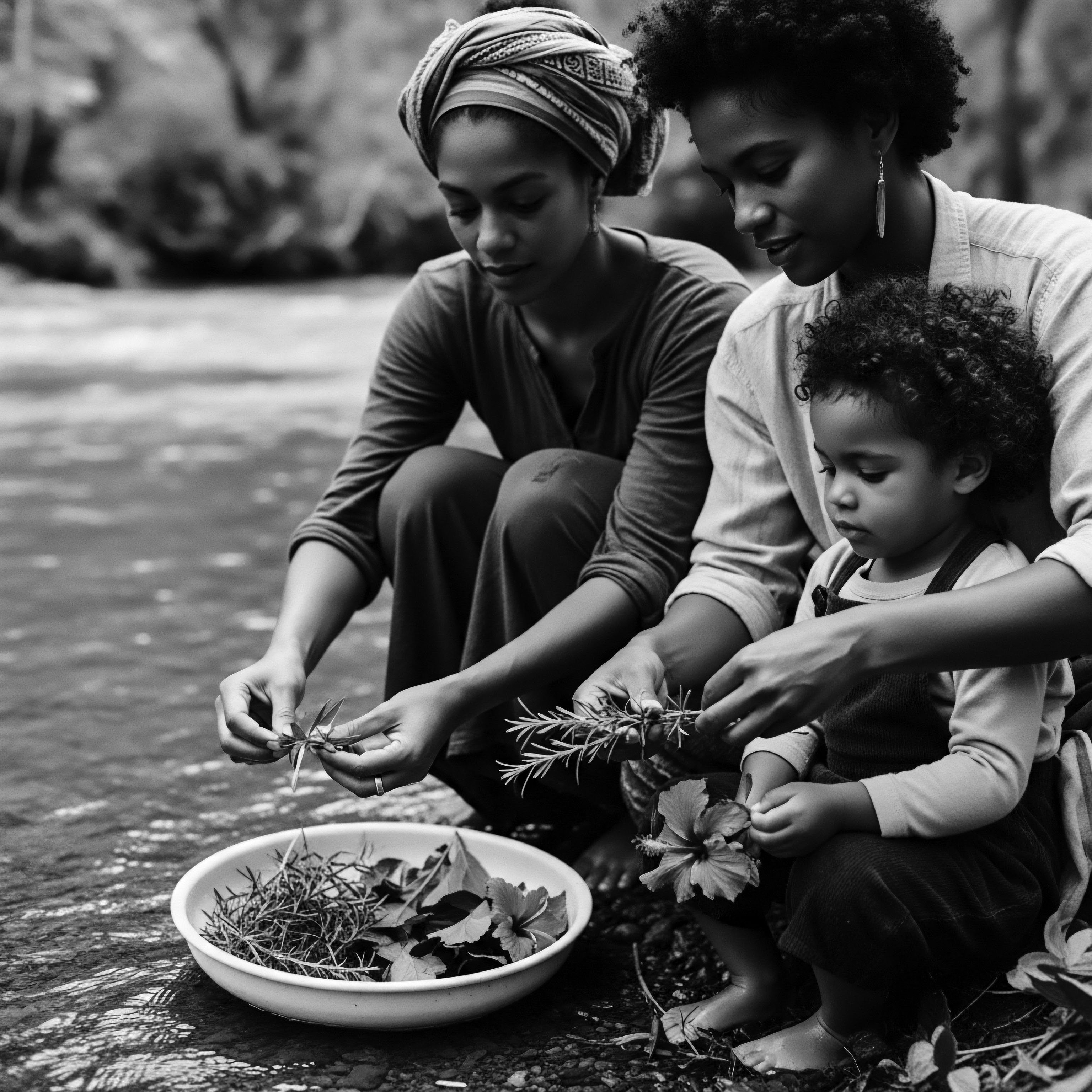
Historical textured hair care traditions offer profound lessons in natural nourishment, protective styling, and hair’s enduring role as a marker of identity and resilience.
Meaning ❉ Atay Morocco denotes the traditional Moroccan mint tea ritual, a cultural cornerstone that fosters community, transmits ancestral wisdom, and subtly informs heritage-based self-care, including textured hair practices.
Textured hair feels drier due to its coiled shape hindering natural oil spread and its cuticle structure affecting moisture retention, a truth echoed in ancestral practices.
We use cookies to personalize content and marketing, and to analyze our traffic. This helps us maintain the quality of our free resources. Manage your preferences below.
This helps support our free resources through personalized marketing efforts and promotions.
Analytics cookies help us understand how visitors interact with our website, improving user experience and website performance.
Personalization cookies enable us to customize the content and features of our site based on your interactions, offering a more tailored experience.