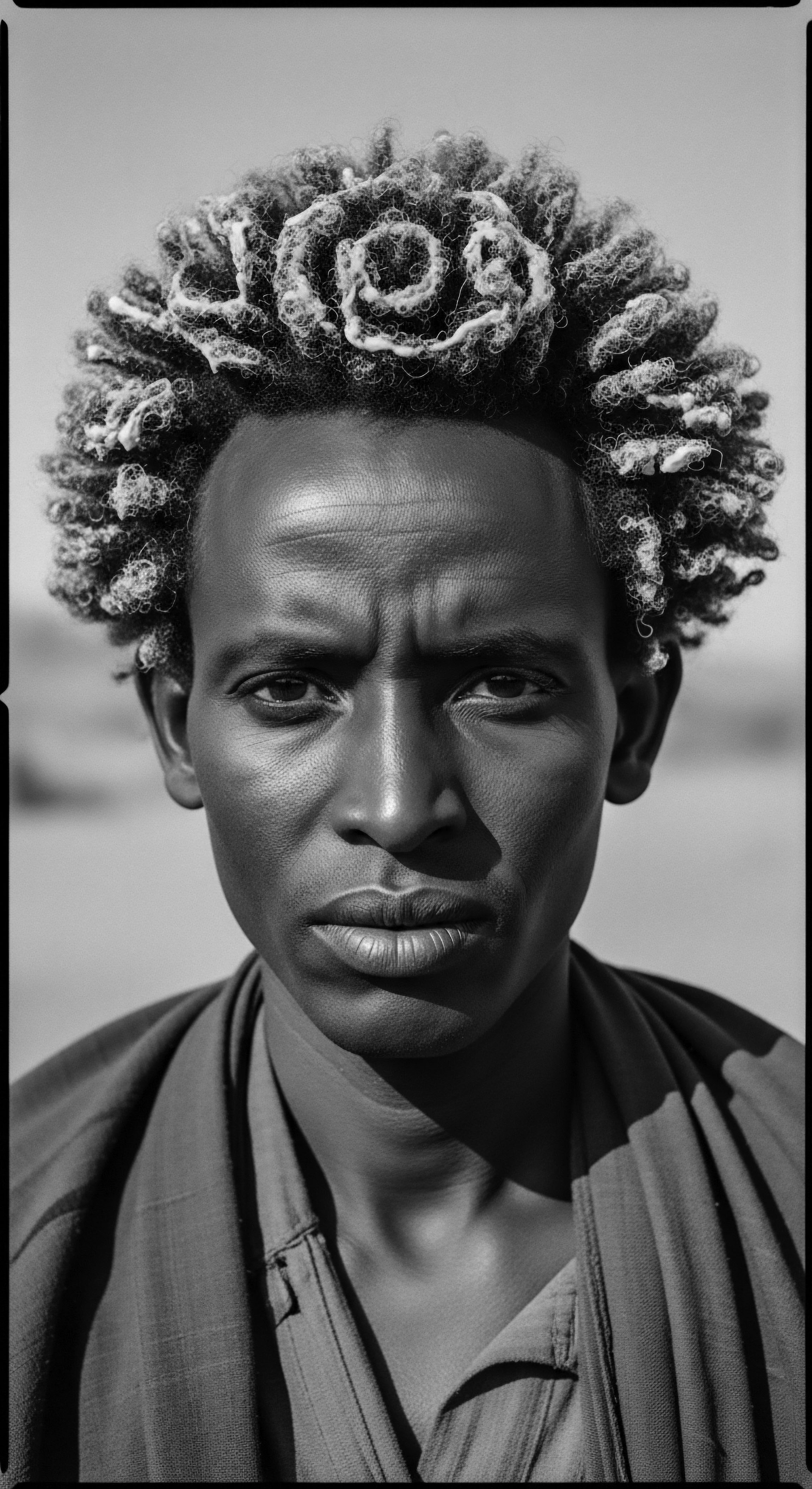
Afro-Textured Hair Regimens
Meaning ❉ Afro-Textured Hair Regimens are comprehensive care systems for coiled hair, honoring its heritage and unique needs for health and vitality.
What historical adaptations shaped textured hair structure?
Textured hair structure adapted for climate protection and thermoregulation, a biological heritage profoundly shaped by ancestral ingenuity.
Mixed Hair Biology
Meaning ❉ Mixed Hair Biology describes the confluence of varied hair textures stemming from diverse genetic and ancestral inheritances, especially in mixed-race individuals.
What ancestral ingredients are used in today’s coily hair products?
Today's coily hair products frequently contain ancestral ingredients like shea butter and coconut oil, honoring a rich heritage of natural hair care wisdom.
What ancestral practices link textured hair care to identity?
Ancestral practices link textured hair care to identity through deep cultural symbolism, communal rituals, and acts of resistance that honor heritage.
Ghanaian Clay
Meaning ❉ Ghanaian Clay is an earth-derived resource representing ancestral wisdom and cultural continuity in Black hair care traditions.
What scientific benefits do headwraps offer for textured hair hydration?
Headwraps, through ancestral wisdom and material science, preserve textured hair's hydration by reducing friction and preventing moisture evaporation.
What structural properties of textured hair informed ancient care practices?
Textured hair's fragility and need for moisture inspired ancient care rituals deeply rooted in heritage.
How did early societies maintain textured hair?
Early societies maintained textured hair through protective styles, natural ingredients, and communal rituals rooted in cultural identity.
Carthaginian Hair
Meaning ❉ Carthaginian Hair signifies the enduring strength and ancestral wisdom of textured hair, deeply rooted in ancient North African care traditions and identity.
Indigenous Resources
Meaning ❉ Indigenous Resources for hair care embody ancestral knowledge, natural elements, and cultural practices, connecting us to a rich heritage.
How did ancient African hair practices contribute to length retention in textured hair?
Ancient African hair practices fostered length retention through protective styling, nourishing ingredients, and cultural rituals.
What is the long-term impact of heritage-based hair routines?
Heritage-based hair routines provide a profound, long-term connection to cultural identity, communal resilience, and ancestral wisdom for textured hair.
Which ancestral ingredients preserved textured hair’s inherent oils?
Ancestral ingredients, like shea butter and Chebe powder, preserved textured hair's inherent oils by forming protective barriers.
Hot Comb Impact
Meaning ❉ The Hot Comb Impact defines the complex thermal, social, and psychological effects of the heated comb on textured hair, rooted deeply in heritage.
How do Black hair care businesses preserve cultural heritage?
Black hair care businesses preserve heritage by serving as cultural hubs, passing down ancestral styling practices, and reintroducing traditional ingredients.
What historical laws relate to textured hair discrimination?
Historical laws aimed to control identity by dictating hair, profoundly impacting textured hair heritage and ancestral practices.
Silent Language
Meaning ❉ The Silent Language of textured hair conveys history, culture, and identity through its intrinsic properties and the practices surrounding its care.
How did colonialism impact Black hair identity?
Colonialism profoundly distorted Black hair identity by devaluing ancestral textures and practices, forcing assimilation while inspiring acts of cultural preservation and resistance.
What ancestral botanical treatments aided textured hair?
Ancestral botanical treatments for textured hair relied on nourishing plants like shea butter and Chebe, reflecting a heritage of holistic care and cultural preservation.
How do ancestral hair care traditions affirm contemporary Black identity and heritage?
Ancestral hair traditions affirm contemporary Black identity by weaving historical wisdom, cultural resilience, and sacred self-care into textured hair heritage.
What ancient botanical ingredients shaped early textured hair nourishment and protection?
Ancient botanical ingredients, like shea butter and baobab oil, nourished textured hair by providing moisture and protection, honoring a rich ancestral heritage.
Hair Covering Dynamics
Meaning ❉ The Hair Covering Dynamics explores the cultural, historical, and personal significance of hair coverings within textured hair heritage.
In what ways do traditional hair tools connect to hair heritage?
Traditional hair tools link directly to textured hair heritage by embodying ancestral knowledge, cultural resilience, and continuous identity expression.
How did slavery impact traditional textured hair practices and their continuity?
Slavery severely disrupted traditional textured hair practices, yet communal ingenuity and resilience ensured continuity as acts of heritage reclamation.
How did ancient hair tools influence community bonds?
Ancient hair tools fostered collective identity, transmitting cultural wisdom and reinforcing communal bonds through shared grooming rituals and resilience.
What is the enduring significance of the CROWN Act for textured hair heritage?
The CROWN Act protects textured hair as a vital aspect of Black and mixed-race heritage, affirming cultural identity and individual expression.
How do historical hair tools relate to modern textured hair care?
Historical hair tools inform modern textured hair care by transferring ancestral wisdom and cultural practices.
How did ancestral hair practices with shea butter influence cultural identity?
Ancestral shea butter practices deeply influenced cultural identity by intertwining hair care with communal rituals and a profound sense of heritage.