How do ancestral hair rituals influence today’s professional settings?
Ancestral hair rituals shape today's professional settings through enduring heritage, influencing perceptions and driving legislative change for textured hair acceptance.
What ancestral practices shielded textured hair overnight?
Ancestral practices shielded textured hair overnight through protective styles and natural coverings, honoring hair's deep heritage.
How does shea butter help a dry scalp?
Shea butter aids dry scalp by offering deep moisture and anti-inflammatory properties, a heritage of care for textured hair across generations.
What is the biological reason textured hair needs moisture protection?
Textured hair's coiled structure and raised cuticles inherently limit natural oil distribution and quicken moisture loss, a biological reality long met by heritage protective practices.
Punic Hair Practices
Meaning ❉ Punic Hair Practices denote the sophisticated, heritage-rich hair care and styling traditions of ancient Carthage and North Africa, deeply connected to textured hair ancestry.
What ancestral oils nurtured community?
Ancestral oils sustained community by facilitating shared care rituals and solidifying cultural identity within textured hair heritage.
In what ways did historical perceptions of hair structure shape cultural identity?
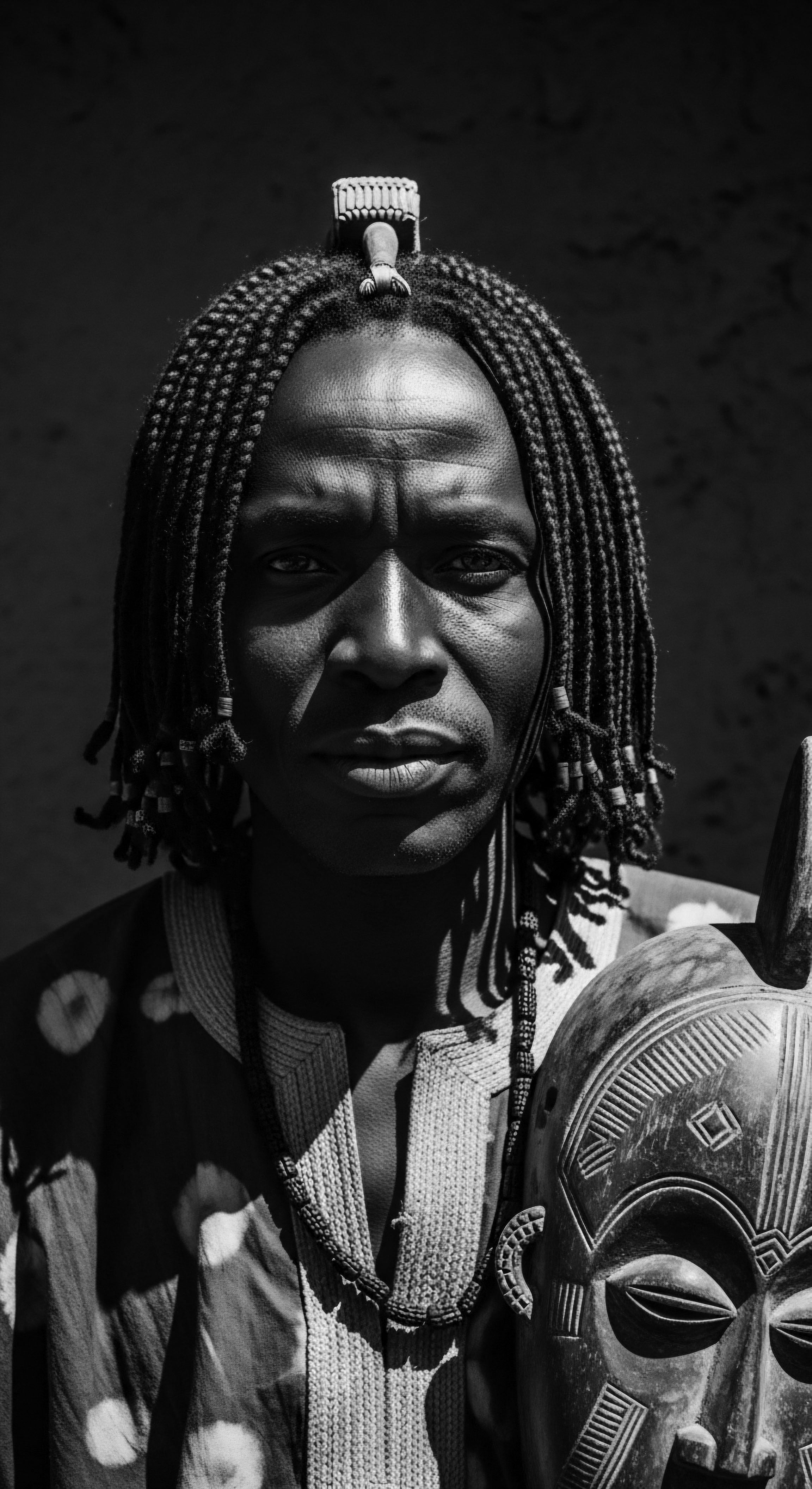
Historical perceptions of hair structure shaped cultural identity by acting as vital markers of belonging, social status, spiritual connection, and later, as symbols of resistance and enduring heritage for textured hair communities.
Why do headwraps continue to matter for modern textured hair?
Headwraps continue to matter for modern textured hair by serving as a practical and symbolic link to rich ancestral heritage and hair care traditions.
What is the biological basis of hair coiling?
Hair coiling originates from the asymmetrical shape of its follicle, a genetic trait deeply connected to textured hair heritage.
Do bonnets prevent textured hair breakage?
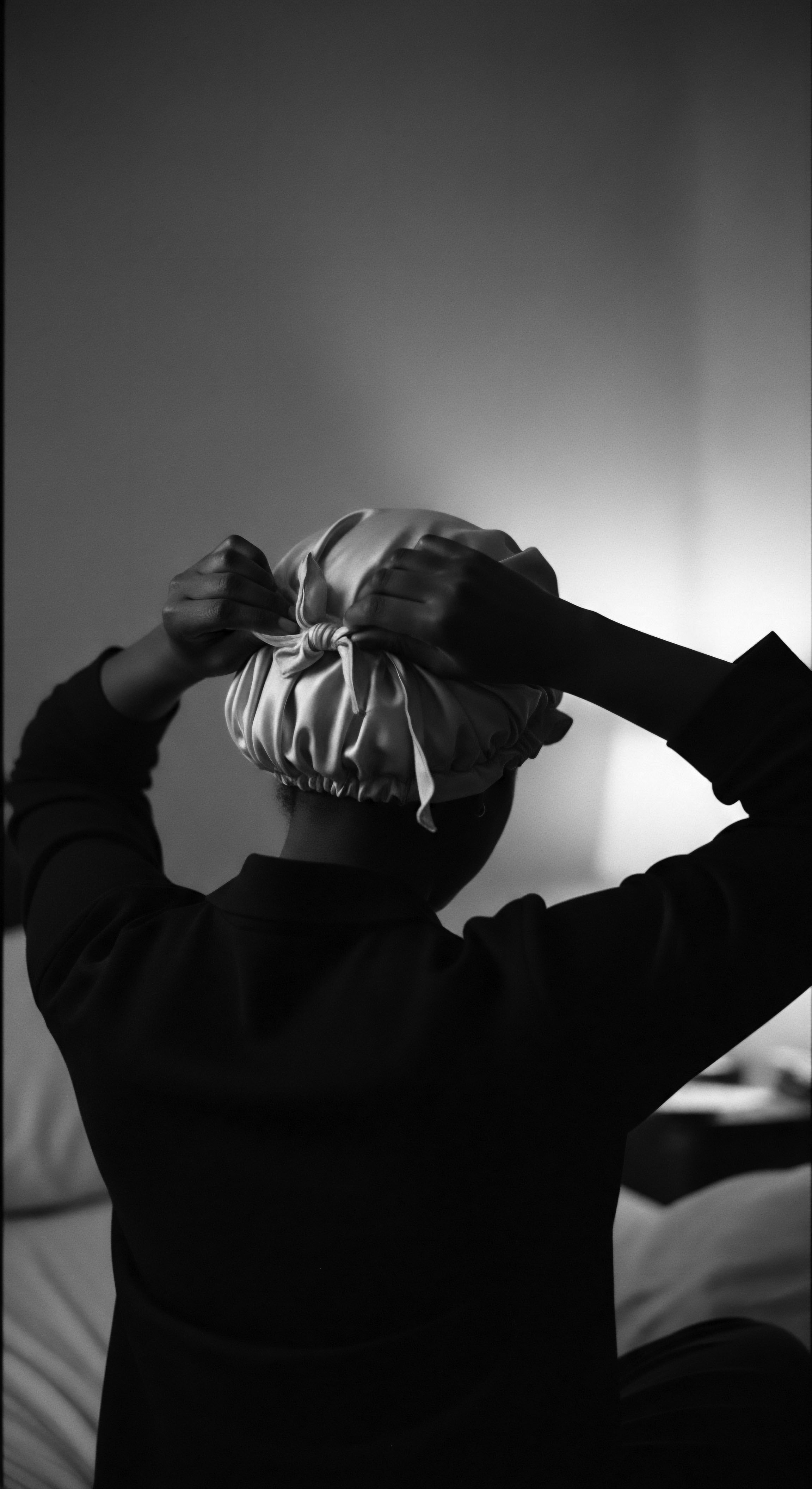
Bonnets protect textured hair by reducing friction and retaining moisture, extending a heritage of care and preventing breakage.
What ancestral hair traditions did CROWN Act protect?
The CROWN Act safeguards ancestral hair traditions by prohibiting discrimination against natural textured hair, affirming cultural identity.
How did ancestral hair practices connect to community during enslavement?
Ancestral hair practices provided enslaved communities with a vital connection to heritage, enabling covert communication and reinforcing collective identity.
In what ways did historical hair tools reinforce Black hair heritage?
Historical hair tools anchored Black hair heritage through functional ingenuity, cultural symbolism, and communal rituals of care and identity.
Can celebrating Black hair history influence future workplace policies?
Celebrating Black hair history helps redefine workplace professionalism by honoring textured hair heritage and fostering inclusive policies.
What plants did enslaved Africans use for hair?
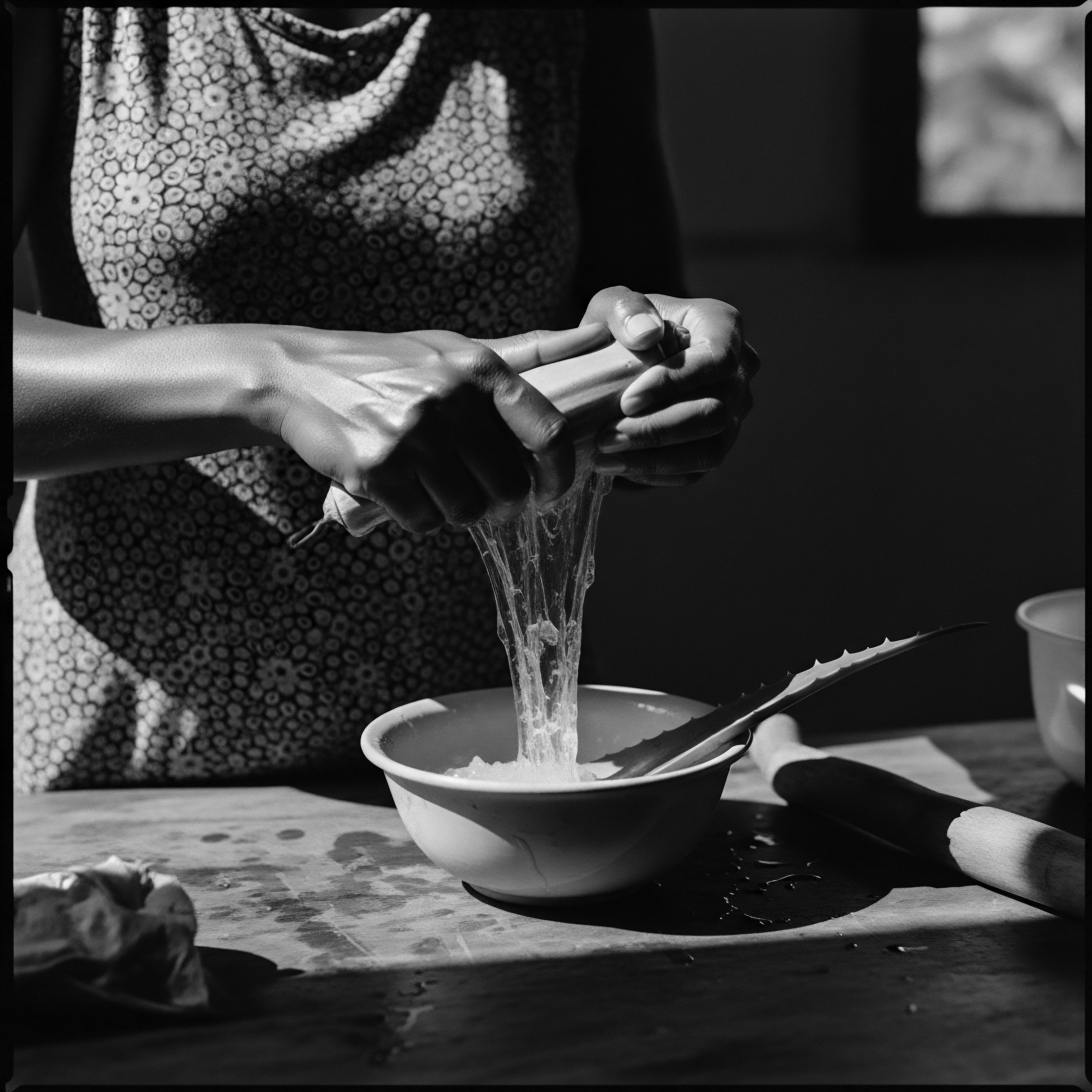
Enslaved Africans used plant resources like shea butter, palm oil, aloe vera, okra, and hibiscus for cleansing, conditioning, and styling, preserving textured hair heritage.
In what ways did shared hair rituals preserve ancestral heritage and identity?
Shared hair rituals consistently preserved ancestral identity and heritage through communal practices and symbolic styles.
How did braiding hair aid escape?
Braided hair, especially cornrows, aided escape by concealing maps, valuable seeds, and coded messages, serving as a vital heritage-infused tool for liberation.
What ancestral hair practices continue today?
Ancestral practices for textured hair care endure through protective styles, natural ingredient use, and holistic wellness views.
How did hair care become a communal ritual?
Hair care became a communal ritual through shared heritage, reinforcing identity and transmitting ancestral wisdom across generations.
How did styling transmit heritage?
Styling transmits textured hair heritage through ancestral practices, resilience against oppression, and its role as a living cultural archive.
What traditional African hair tools shielded strands?
Traditional African hair tools primarily shielded strands by minimizing manipulation and providing physical barriers against environmental elements, deeply rooted in cultural heritage.
In what ways did ancestral hair oiling rituals strengthen community bonds and identity?
Ancestral hair oiling rituals fortified communal bonds and identity through shared cultural practices and the intergenerational transfer of wisdom, particularly for textured hair heritage.
What economic role do women play in the shea industry?
Women are the primary economic force in the shea industry, sustaining ancestral practices and empowering communities through their labor and heritage.
How does heritage inform modern coily hair care practices?
Heritage guides modern coily hair care by preserving ancient techniques and ingredient knowledge, validating them through science.
What cultural significance did ancient hair rituals hold for identity?
Ancient hair rituals were crucial to identity, reflecting social status, age, and spiritual beliefs within textured hair heritage.
How did ancestral practices validate modern hair science for heritage strands?
Ancestral practices intuitively safeguarded textured hair, with modern science now affirming their inherent efficacy for heritage strands.
How does shea production preserve cultural knowledge?
Shea production preserves knowledge by anchoring textured hair care in ancestral wisdom, communal rituals, and economic autonomy.
How did ancestral communities understand hair biology?
Ancestral communities understood hair biology through observation, practical application, and its profound connection to heritage and spiritual identity.
Why are modern protective hairstyles deeply tied to ancestral practices and heritage?
Modern protective hairstyles deeply honor ancestral practices by safeguarding textured hair and preserving rich cultural narratives.