Can Modern Science Explain Heritage Hair Rinses?
Modern science affirms the efficacy of heritage hair rinses by revealing the biochemical properties behind ancestral textured hair care traditions.
In what ways did the natural hair movement challenge societal beauty standards?
The natural hair movement reclaimed Black identity by challenging Eurocentric beauty standards and honoring ancestral hair heritage.
What historical significance do traditional African oils hold for textured hair identity?
Traditional African oils hold profound significance for textured hair identity, embodying ancestral wisdom, communal care, and cultural resilience.
What historical significance do hair oils hold in African cultures?
Hair oils in African cultures carry immense historical weight, symbolizing status, spirituality, and care for textured strands.
Which traditional oils connect self-care to African diaspora heritage?
Traditional oils like shea butter and Jamaican black castor oil profoundly connect self-care to African diaspora textured hair heritage.
Which traditional African oils offer protection for scalp health in textured hair?
Traditional African oils, born from ancestral wisdom, deeply nourish and protect the scalp, honoring textured hair heritage.
What is the cultural significance of hair oiling in ancestral practices?
Hair oiling in ancestral practices is a cultural affirmation, deeply preserving textured hair heritage through generations of mindful care.
In what ways does textured hair represent enduring cultural heritage?
Textured hair represents enduring cultural heritage as a living archive of identity, resistance, and ancestral wisdom.
In what ways has textured hair been a tool for community resilience through generations?
Textured hair is a profound symbol of heritage, acting as a resilient tool for communal identity and survival across generations.
How did ancient Egyptian hair practices protect strands?
Ancient Egyptian hair practices utilized oils, protective styles, and wigs to shield strands from environmental damage, fostering hair resilience.
How do ancient hair tools compare to modern ones?
Ancient and modern hair tools both uphold textured hair's heritage, evolving from natural materials to advanced polymers while maintaining core functions of care and identity.
What ancient ingredients benefited hair?
Ancestral ingredients like shea butter and aloe vera sustained textured hair health through millennia, anchoring a profound heritage of care.
What is the historical significance of specific textured hair protective styles?
Textured hair protective styles historically served as vital cultural markers, tools of resistance, and expressions of identity, deeply woven into Black and mixed-race heritage.
What cultural significance did hair adornments hold in historical African societies?
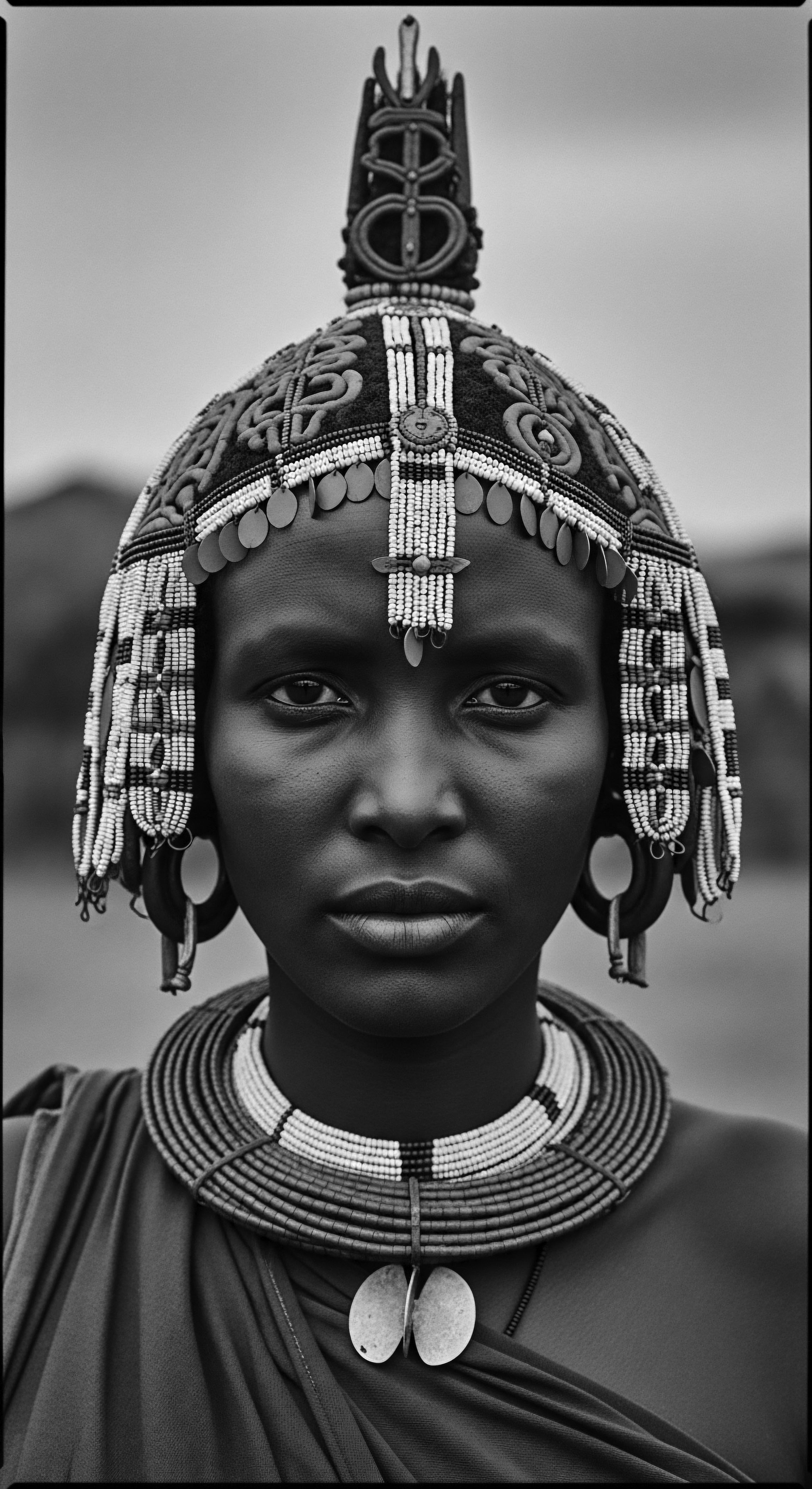
Hair adornments in historical African societies marked status, spirituality, and identity, connecting individuals to their textured hair heritage.
What is the historical significance of Black hair in legislation?
Black hair legislation historically targeted identity but now works to protect textured hair heritage, affirming cultural dignity.
In what ways did historical shea butter processing impact its benefits for hair heritage?
Historical shea butter processing preserved vital compounds, profoundly impacting its nourishing and protective benefits for textured hair heritage.
What ancient grooming tools shaped Black identity?
Ancient grooming tools, from bone picks to wooden combs, shaped Black identity by embodying ancestral care, community, and self-expression for textured hair.
What is the significance of hair adornments in Black cultural heritage?
Hair adornments in Black cultural heritage signify identity, status, spirituality, and serve as enduring symbols of resilience.
How do ancestral hair traditions impact modern styling choices?
Ancestral hair traditions deeply influence modern styling choices by offering foundational techniques and holistic care principles rooted in textured hair heritage.
Cultural Depilation
Meaning ❉ Cultural Depilation explores how societies shape hair perception, particularly textured hair, revealing suppression and the reclamation of heritage.
How did hair styling serve as resistance during historical oppression?
Hair styling served as a coded language and visual affirmation of cultural identity during historical oppression.
Can specific hair patterns communicate hidden messages of cultural heritage?
Yes, specific hair patterns powerfully communicate cultural heritage, acting as visual texts conveying ancestry, social standing, and resistance within textured hair communities.
How did communal hair care transmit cultural knowledge?
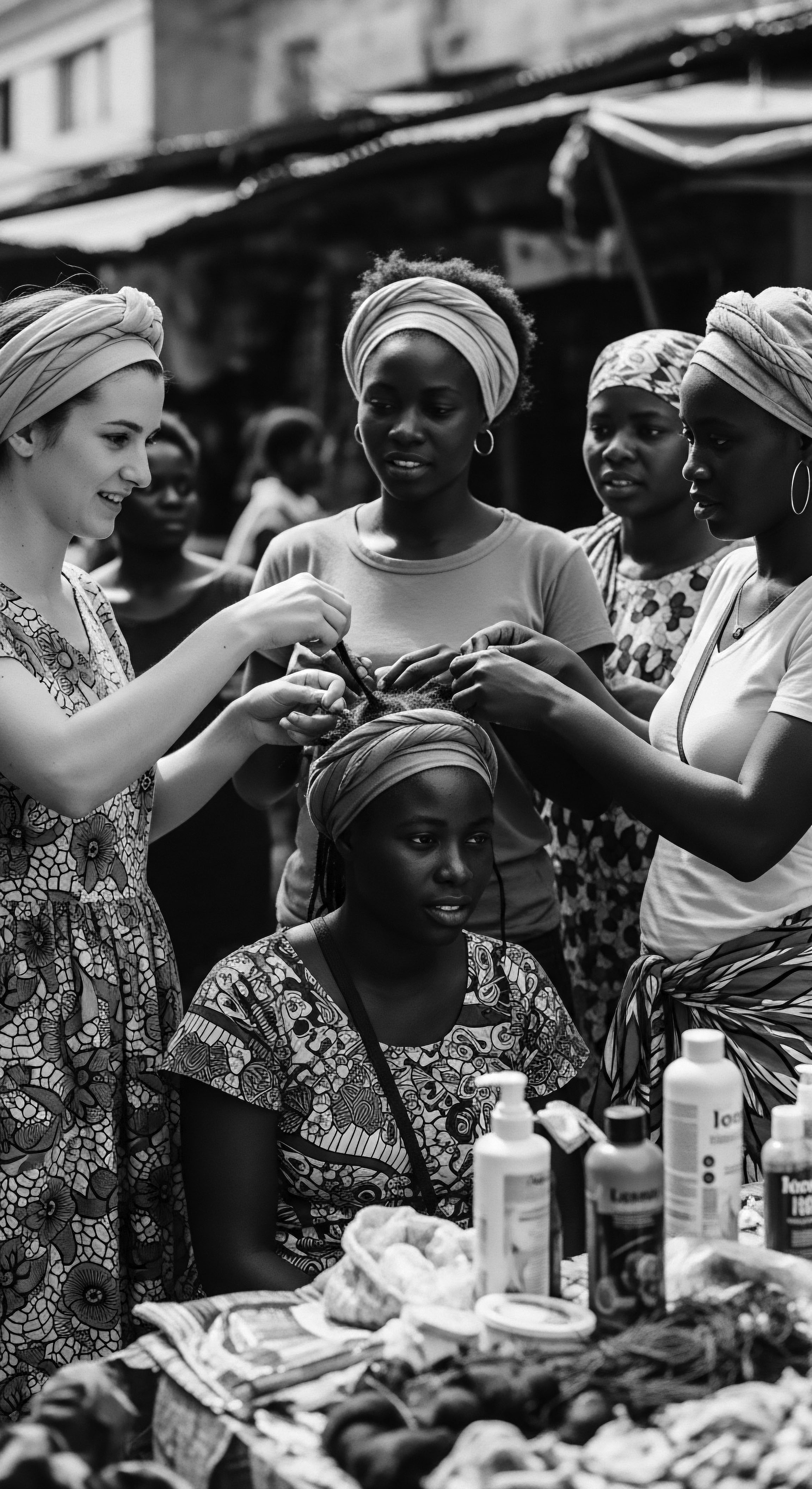
Communal hair care transmits cultural knowledge through shared ritual, tactile learning, and stories, embedding heritage in textured strands.
How do traditional hair care practices connect to cultural identity?
Traditional hair care practices for textured hair profoundly link to cultural identity through ancestral wisdom, communal rituals, and symbols of resilience.
What traditional rinses balanced alkaline hair cleansers?
Traditional rinses used acidic ingredients to balance hair's pH after alkaline cleansers, honoring textured hair heritage.
What is the historical significance of natural Black hair?
Natural Black hair, with its diverse textures, serves as a living archive of heritage, resistance, and identity for communities of African descent.
How did ancestral black soap affect hair cuticle?
Ancestral black soap, often alkaline, opened the hair cuticle, a cleansing action balanced by traditional acidic rinses within a heritage of textured hair care.
How did enslaved people use hair for freedom?
Enslaved people utilized textured hair as a covert communication tool and an enduring symbol of cultural heritage and resistance.
How did historical biases shape hair policies?
Historical biases shaped hair policies by enforcing Eurocentric standards, suppressing ancestral practices, and impacting identity for textured hair communities.