What traditional oiling practices sustain textured hair heritage globally?
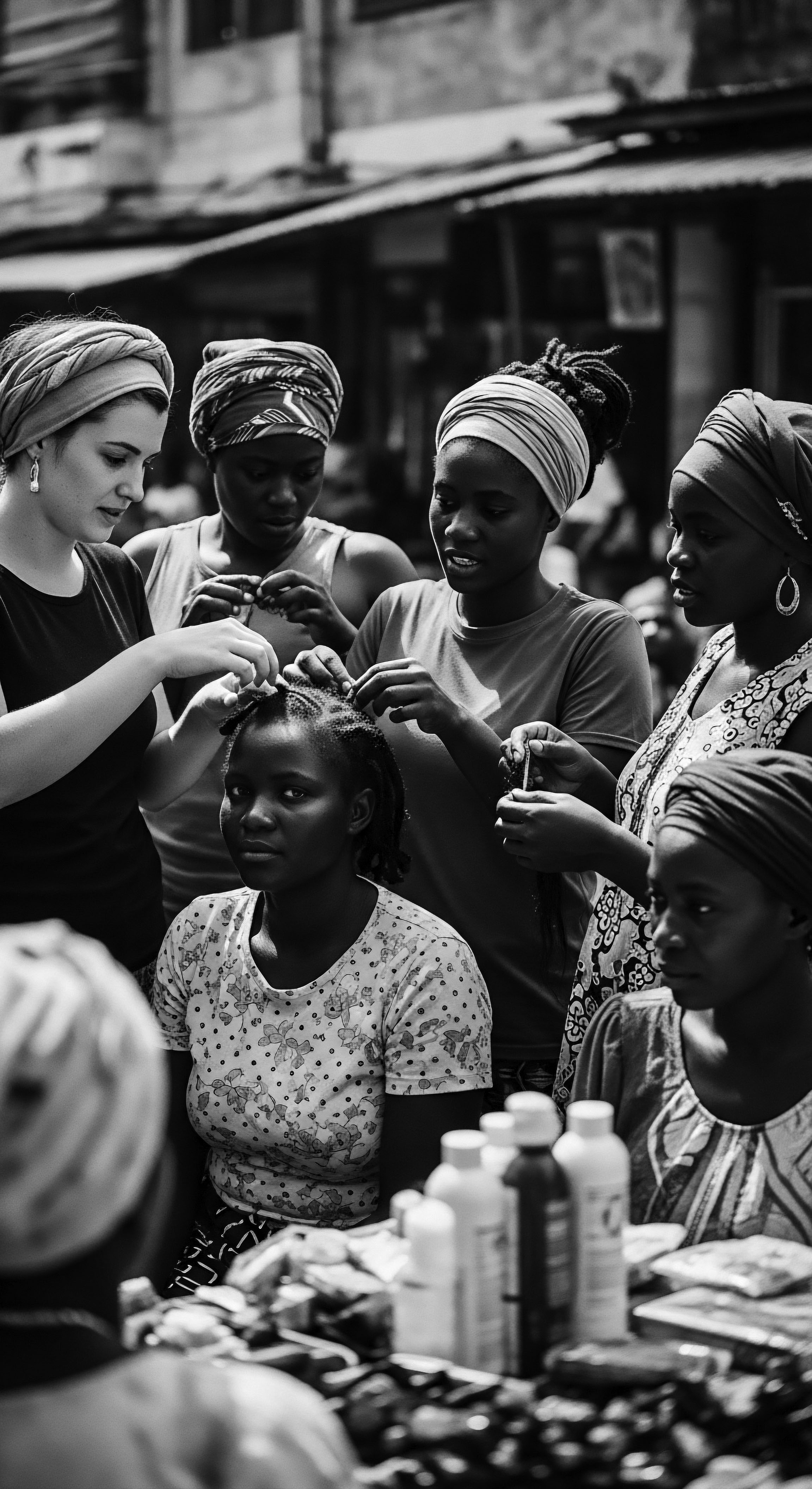
Traditional oiling practices globally sustain textured hair heritage through ancestral wisdom, communal rituals, and the inherent properties of natural oils.
How do traditional African styles preserve hair heritage?
Traditional African styles embody and preserve textured hair heritage through cultural symbolism, historical resilience, and ancestral care practices.
How do ancient hair care methods influence modern textured hair heritage?
Ancient hair care practices provide the foundational knowledge and cultural heritage for modern textured hair methods.
How did heritage shape ancient African hair practices?
Heritage profoundly shaped ancient African hair practices through symbolic styling, ancestral ingredients, and holistic care for textured hair.
How did global heritage shape textured hair ingredient choices?
Global heritage profoundly shaped textured hair ingredient choices through ancestral botanical knowledge and culturally significant practices.
What enduring heritage practices support Black hair health today?
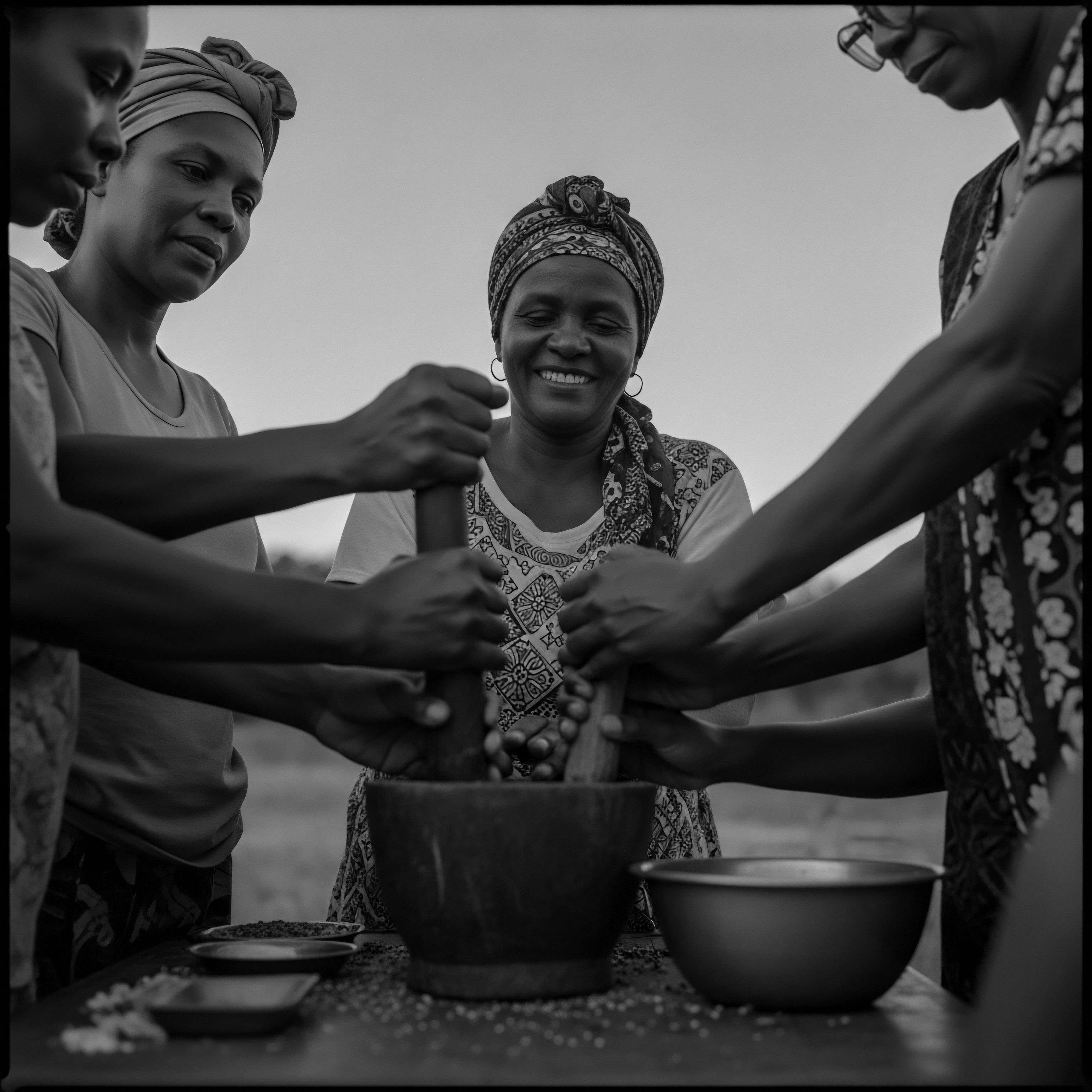
Enduring heritage practices support Black hair health today by honoring the textured strand's unique biology through ancestral wisdom and communal care rituals.
Can modern science explain why coconut oil benefits textured hair, connecting to heritage?
Coconut oil's molecular structure deeply penetrates textured hair, a scientific validation of enduring ancestral care.
What is the science behind ancestral oiling practices for textured hair heritage?
Ancestral oiling practices for textured hair leverage botanical compounds and application methods to protect and nourish, reflecting deep inherited wisdom.
Phoenician Cosmetology
Meaning ❉ Phoenician cosmetology is a deep system of ancient personal care and beauty, profoundly influencing textured hair heritage through ancestral wisdom.
What traditional care practices address hair porosity in Black heritage?
Traditional Black heritage hair care practices use ancestral knowledge to manage moisture, often through protective styles and natural ingredients, honoring a deep connection to identity.
What historical examples show clay’s role in textured hair heritage?
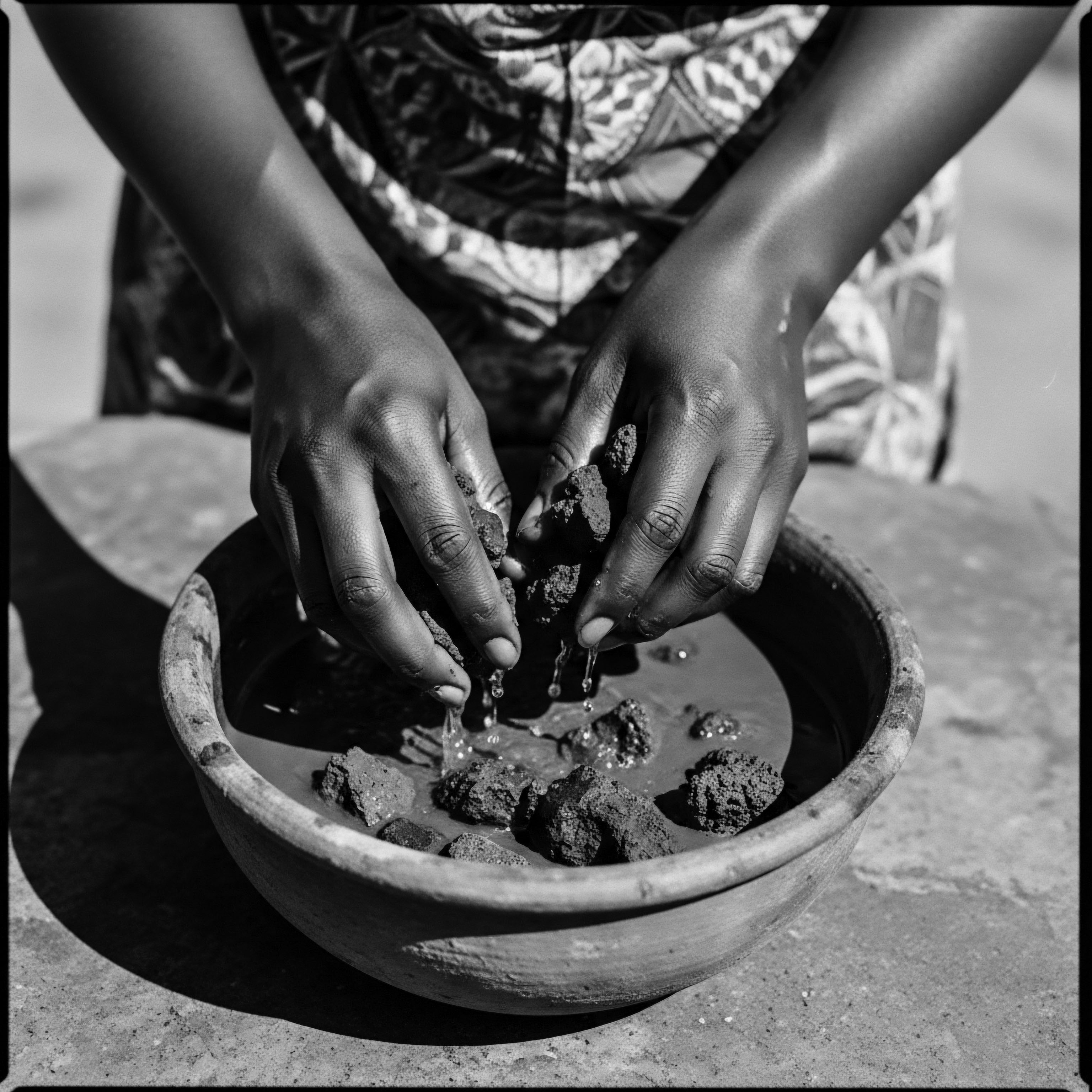
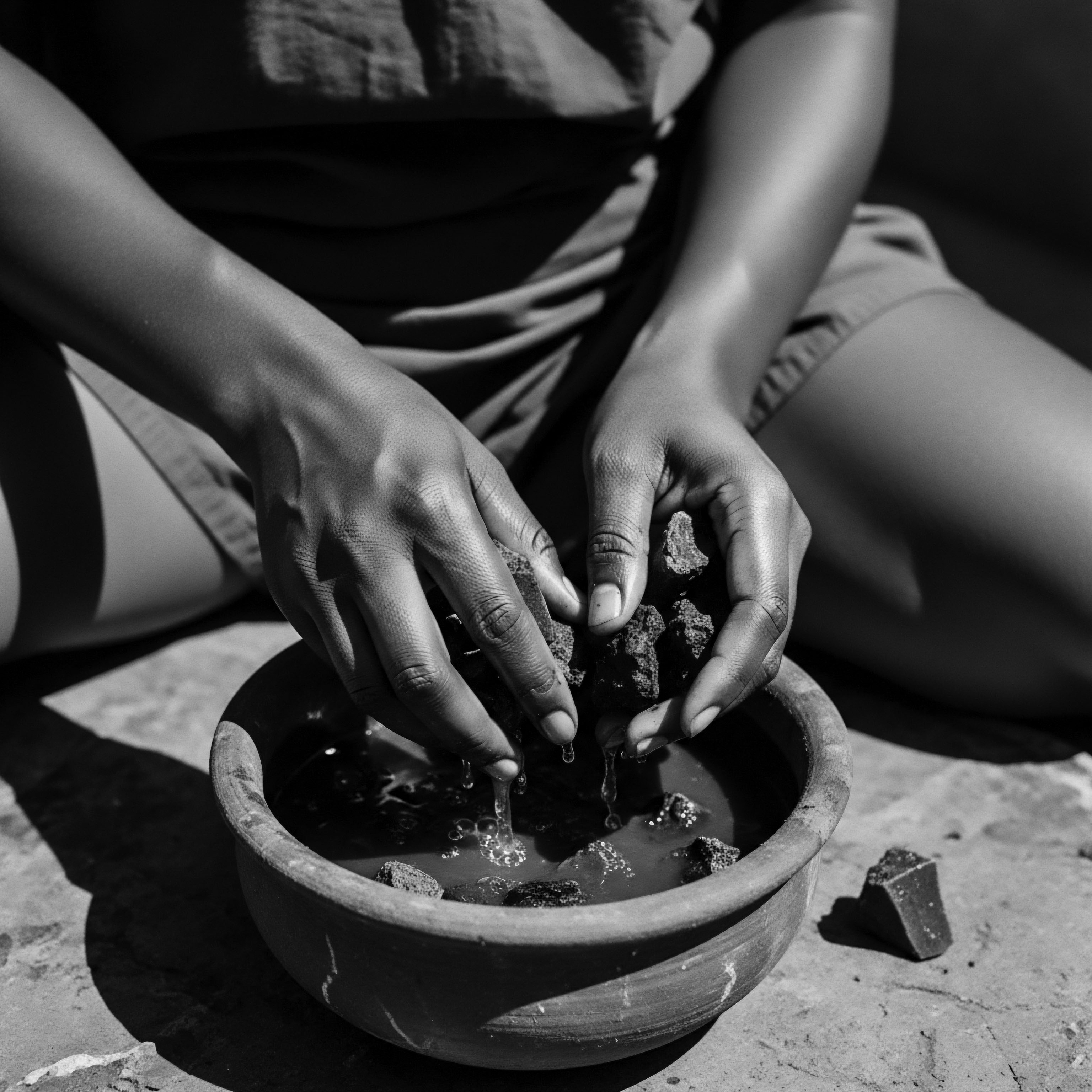
Clay's historical role in textured hair heritage spans continents, serving as a cleanser, protector, styler, and cultural marker.
Mineral Diet Heritage
Meaning ❉ The Mineral Diet Heritage connects ancestral dietary patterns and mineral intake to the enduring health and resilience of textured hair across generations.
In what ways do scientific insights validate traditional textured hair care methods from heritage?
Scientific discoveries confirm that ancestral hair care methods for textured hair, rooted in heritage, offer genuine physiological benefits that align with contemporary understanding.
Can modern science validate the heritage of traditional African hair care?
Modern science confirms the efficacy of traditional African hair care, finding scientific principles in ancestral practices and ingredients.
How do traditional hair care methods reflect heritage?
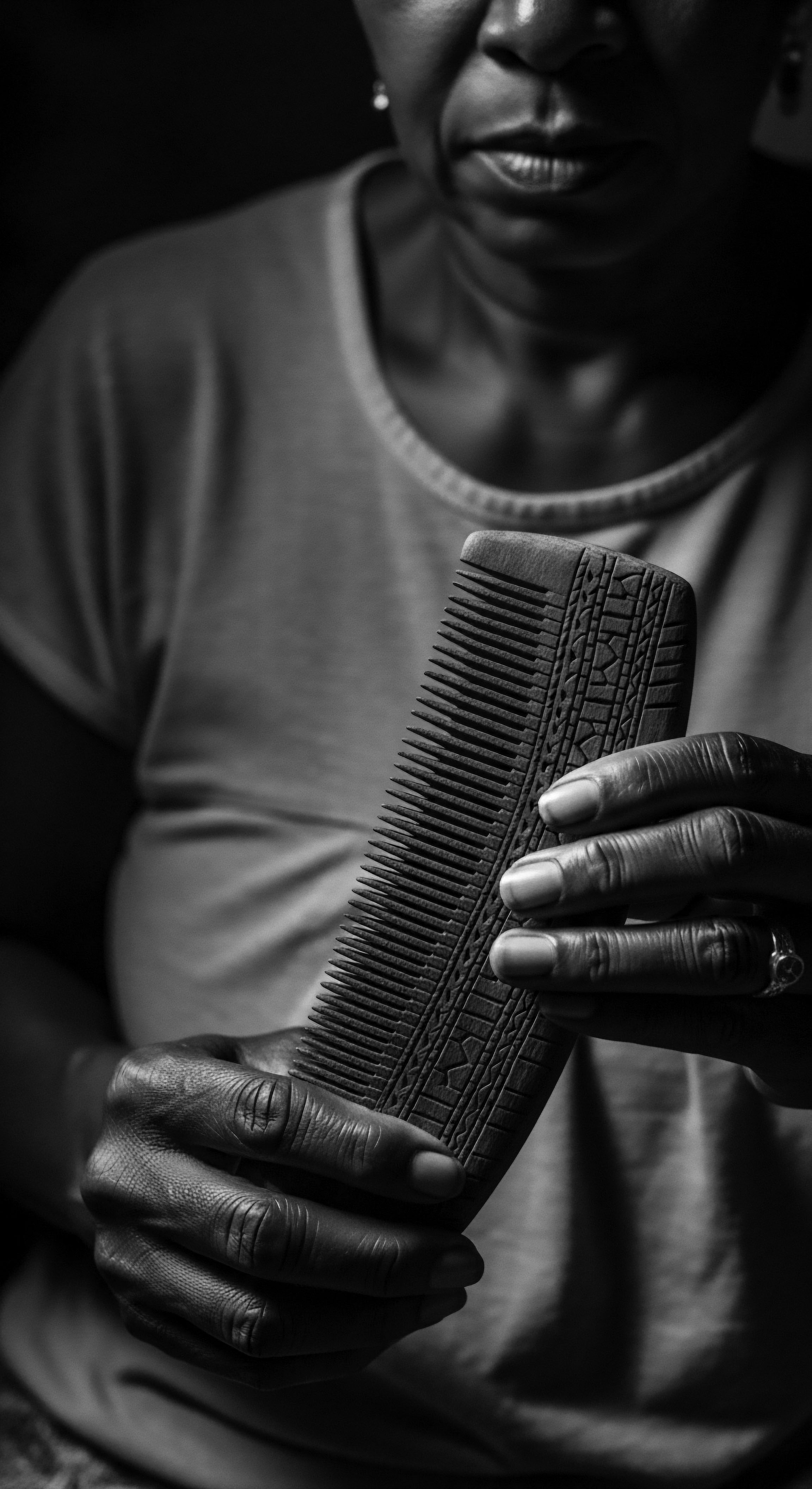
Traditional hair care methods reflect heritage through practices, tools, and styles that embody cultural identity, resilience, and ancestral wisdom.
How does textured hair heritage inform modern hair science?
Textured hair heritage informs modern science by revealing ancient adaptations, care rituals, and cultural values that validate and guide contemporary understanding.
How does heritage influence today’s textured hair regimens?
Textured hair regimens today are profoundly shaped by ancestral knowledge, cultural resilience, and historical practices of care and identity.
How do head wraps protect textured hair and its heritage?
Head wraps protect textured hair by providing a physical barrier against elements, retaining moisture, and serving as a powerful cultural symbol of heritage and resistance.
Can ancient hair styling communicate identity and heritage today?
Ancient hair styling deeply communicates identity and heritage by embodying cultural values, social markers, and ancestral resilience.
How does cultural heritage shape nighttime textured hair protection?
Cultural heritage profoundly shapes nighttime textured hair protection, preserving ancestral care practices and identity.
Can understanding hair heritage improve self-perception and community bonds?
Understanding textured hair heritage deeply enhances self-perception and community bonds by connecting individuals to ancestral wisdom and shared cultural narratives.
Why do bonnets hold cultural significance in textured hair heritage?
Bonnets protect textured hair, preserving moisture and styles, embodying a historical legacy of care and cultural pride.
Mineral Rich Diets
Meaning ❉ A Mineral Rich Diet involves consuming foods abundant in essential minerals, crucial for textured hair vitality, rooted in ancestral wisdom and historical foodways.
What traditional care rituals preserve dreadlocks’ unique heritage?
Traditional care rituals for dreadlocks preserve their heritage by blending ancestral wisdom with biological understanding, honoring identity.
Punic Cosmetology
Meaning ❉ Punic Cosmetology encompasses ancient hair, skin, and body care practices from Carthage, blending Phoenician, North African, and trade-influenced traditions.
How did ancient plant uses shape textured hair heritage?
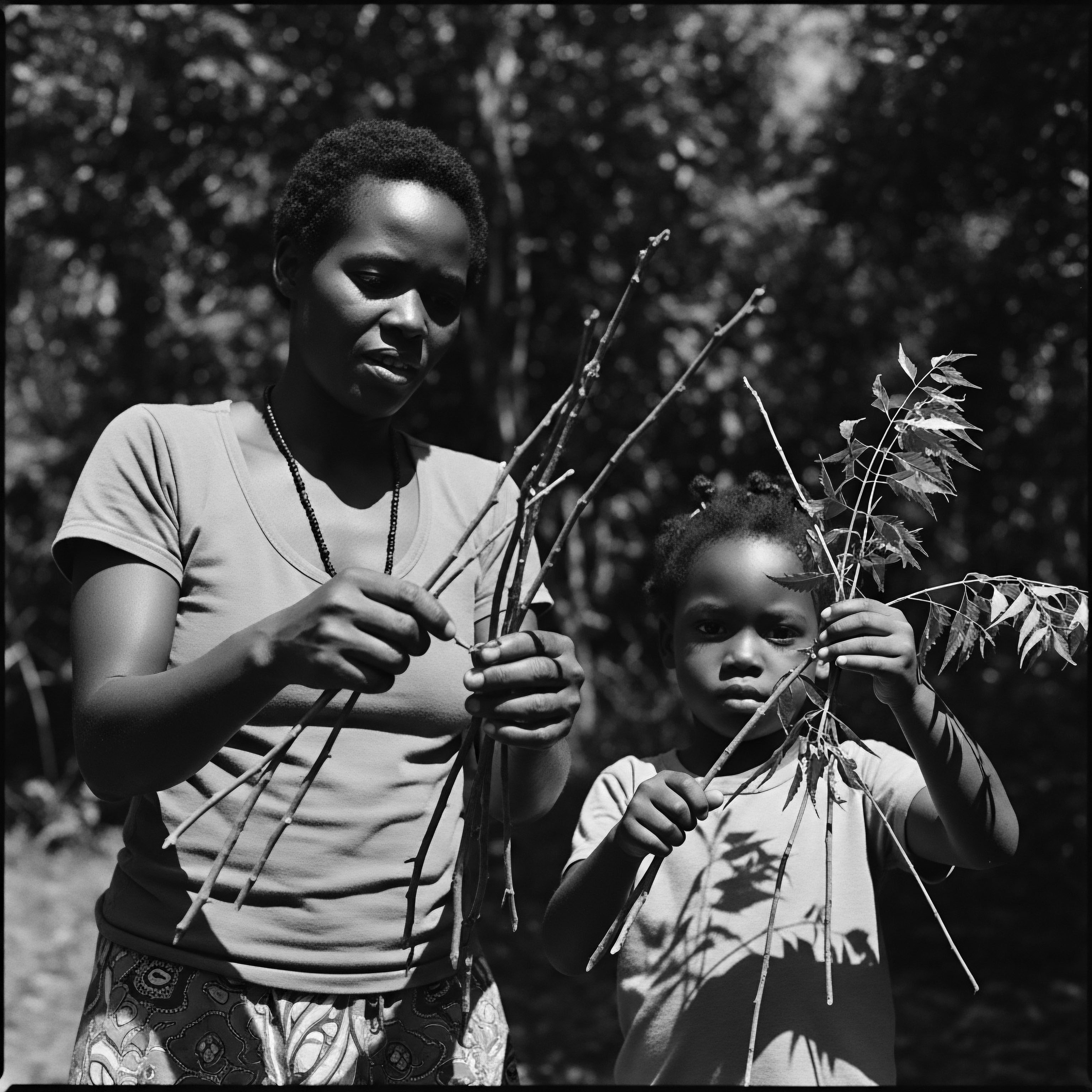
Ancient plant uses shaped textured hair heritage by providing essential cleansing, moisturizing, and strengthening properties. They fostered community and celebrated cultural identity, a legacy rooted in natural wisdom.
What is the spiritual connection of dreadlocks in African heritage?
Dreadlocks embody a deep spiritual connection to African heritage, serving as a powerful symbol of identity, resistance, and ancestral wisdom.
Which botanicals commonly validate textured hair heritage?
Botanicals like shea butter, castor oil, and aloe vera affirm textured hair heritage through generations of traditional use, validating ancient care practices.
In what ways does heritage influence modern textured hair care?
Heritage guides modern textured hair care by grounding practices in ancestral wisdom and cultural significance.