Do ancestral ingredients offer genuine benefits for contemporary textured hair?
Ancestral ingredients offer genuine benefits for contemporary textured hair by providing time-tested nourishment and a profound connection to heritage.
In what historical ways do oils connect to textured hair heritage?
Oils have historically been integral to textured hair heritage, providing moisture, protection, and cultural significance across generations and geographies.
Which heritage oils suit coiled textures?
Heritage oils like shea, coconut, baobab, and castor deeply nourish coiled textures, echoing ancestral wisdom for moisture and strength.
How do ancestral hair care practices shape modern self-perception for textured hair?
Ancestral hair care practices fundamentally shape modern self-perception for textured hair by establishing a heritage of beauty, resistance, and community connection.
In what ways do traditional black soap ingredients benefit textured hair heritage?
Traditional black soap ingredients cleanse and nourish, directly linking to textured hair heritage through ancestral wisdom and ritual.
How did protective styles preserve moisture in African hair heritage?
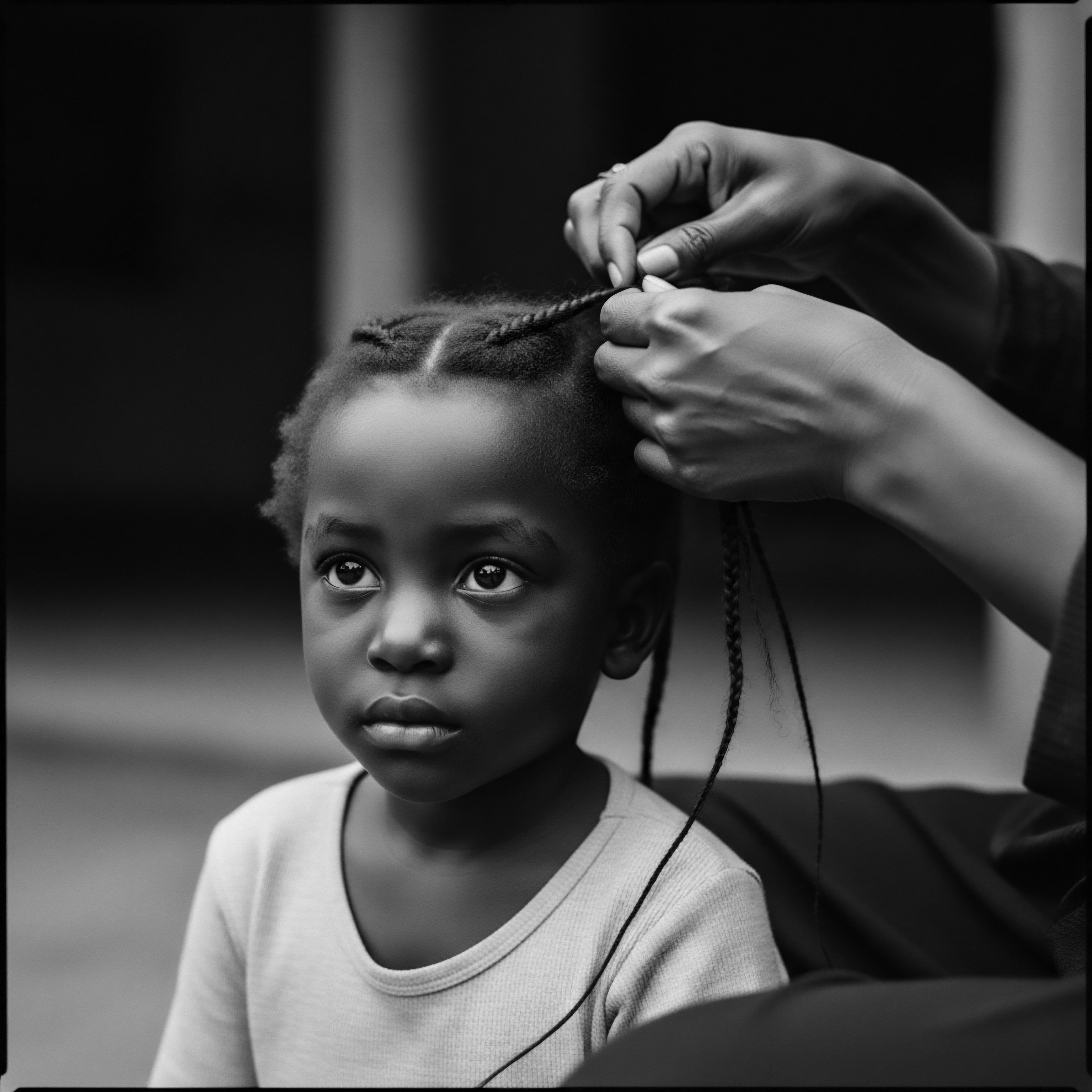
Protective styles preserved moisture in African hair by tucking ends, minimizing manipulation, and sealing with natural ingredients, rooted in ancestral knowledge.
How did Amazonian heritage influence hair traditions?
Amazonian heritage profoundly influenced textured hair traditions through its rich botanical wisdom, holistic care, and deep spiritual connection.
Oiling Practices History
Meaning ❉ Oiling Practices History is the continuous ancestral and cultural journey of applying natural emollients to hair for health, protection, and identity.
How does heritage inform modern hair care oil practices?
Heritage deeply shapes modern hair oil practices through ancestral wisdom, ingredient selection, and enduring cultural significance for textured hair.
Can supporting sustainable ingredient sourcing truly reverse colonial environmental damage for hair heritage?
Sustainable ingredient sourcing, through ethical trade and regenerative practices, offers a tangible path to restoring ecological balance and cultural identity for textured hair heritage.
Cultural Detangling
Meaning ❉ Cultural Detangling is the conscious process of unraveling historical narratives and societal biases associated with textured hair.
How did heritage influence hair care traditions globally?
Heritage profoundly shaped textured hair care by weaving ancestral wisdom into techniques, tools, and rituals, asserting identity and resilience.
How did ancestral hair washing benefit textured hair?
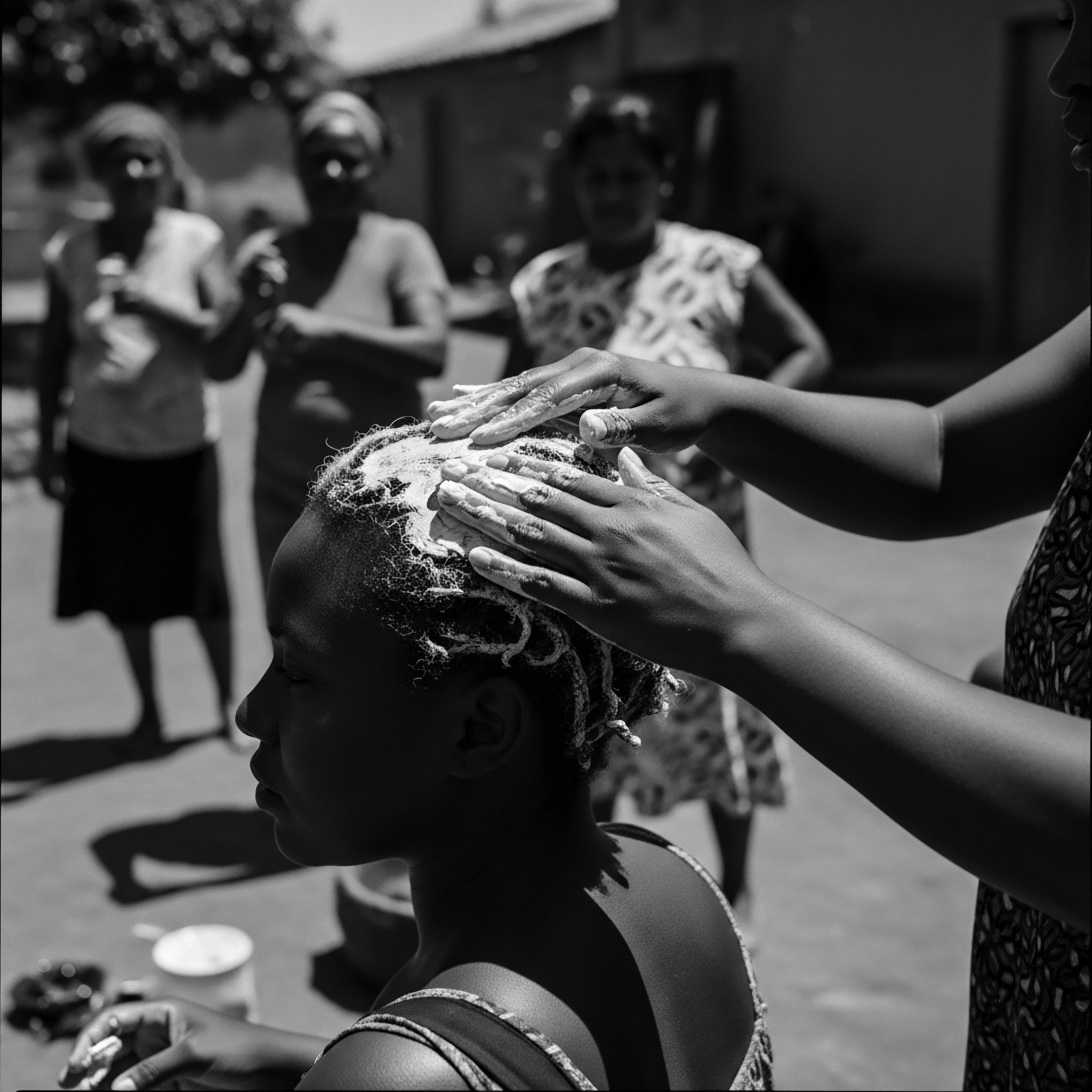
Ancestral hair washing benefited textured hair by utilizing natural, non-stripping agents that preserved moisture and honored its unique structure, a heritage of holistic care.
Which oils were essential for African hair heritage?
Ancestral oils like shea butter, black castor oil, and palm oil were essential for nourishing and protecting African textured hair heritage.
What is the heritage of African hair plants?
African hair plants represent a profound botanical heritage, deeply intertwined with ancestral wisdom and textured hair care traditions.
What scientific aspects of textured hair connect to ancestral care practices?
Ancestral textured hair practices echo scientific understanding, validating millennia of wisdom through biological and cultural heritage.
How does comb material choice influence hair health and heritage practices?
Comb material choice directly impacts textured hair health through friction and cuticle preservation, deeply interwoven with ancestral wisdom and cultural identity.
What scientific principles affirm the efficacy of heritage hair botanicals?
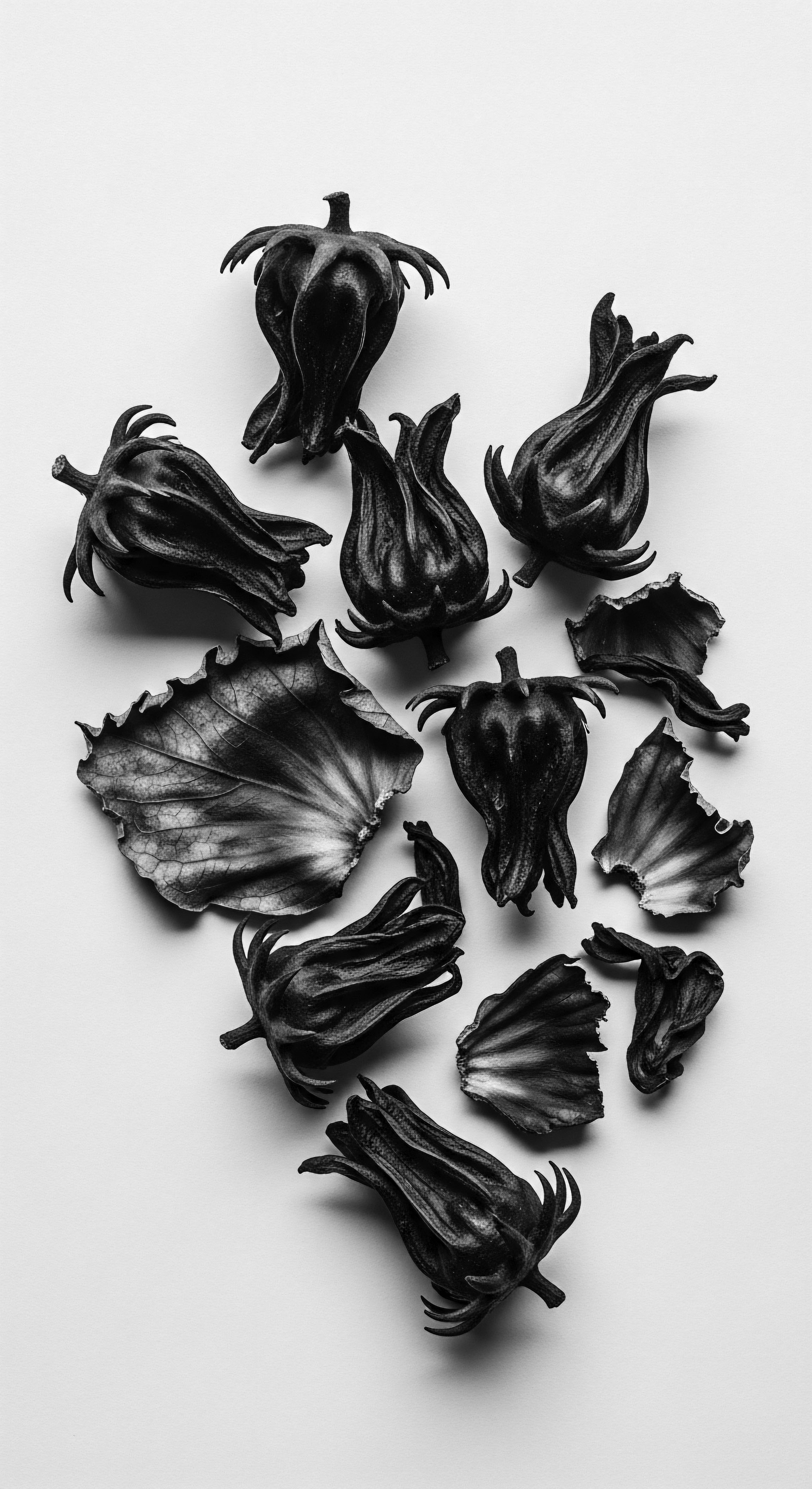
Heritage hair botanicals work through active compounds that align with modern scientific principles to hydrate, strengthen, and protect textured hair.
How has hair served as a record of Black heritage?
Black hair is a living archive, its textures and styles embodying centuries of ancestral wisdom and cultural resilience.
What scientific findings validate ancestral textured hair oiling?
Ancestral oiling, rooted in textured hair heritage, is scientifically validated by oils' ability to lubricate, seal, and nourish strands.
How does communal hair care reflect cultural heritage in contemporary times?
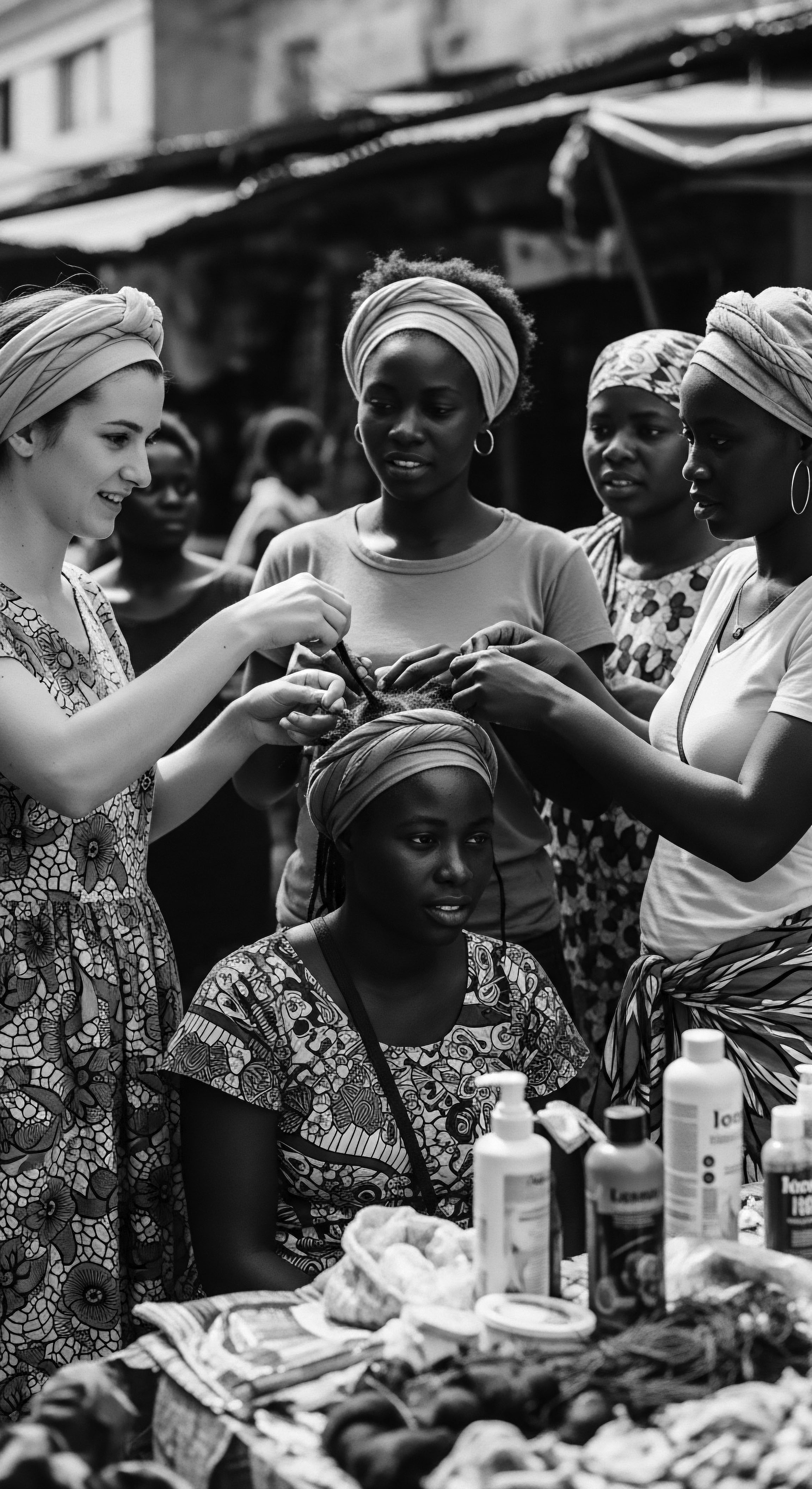
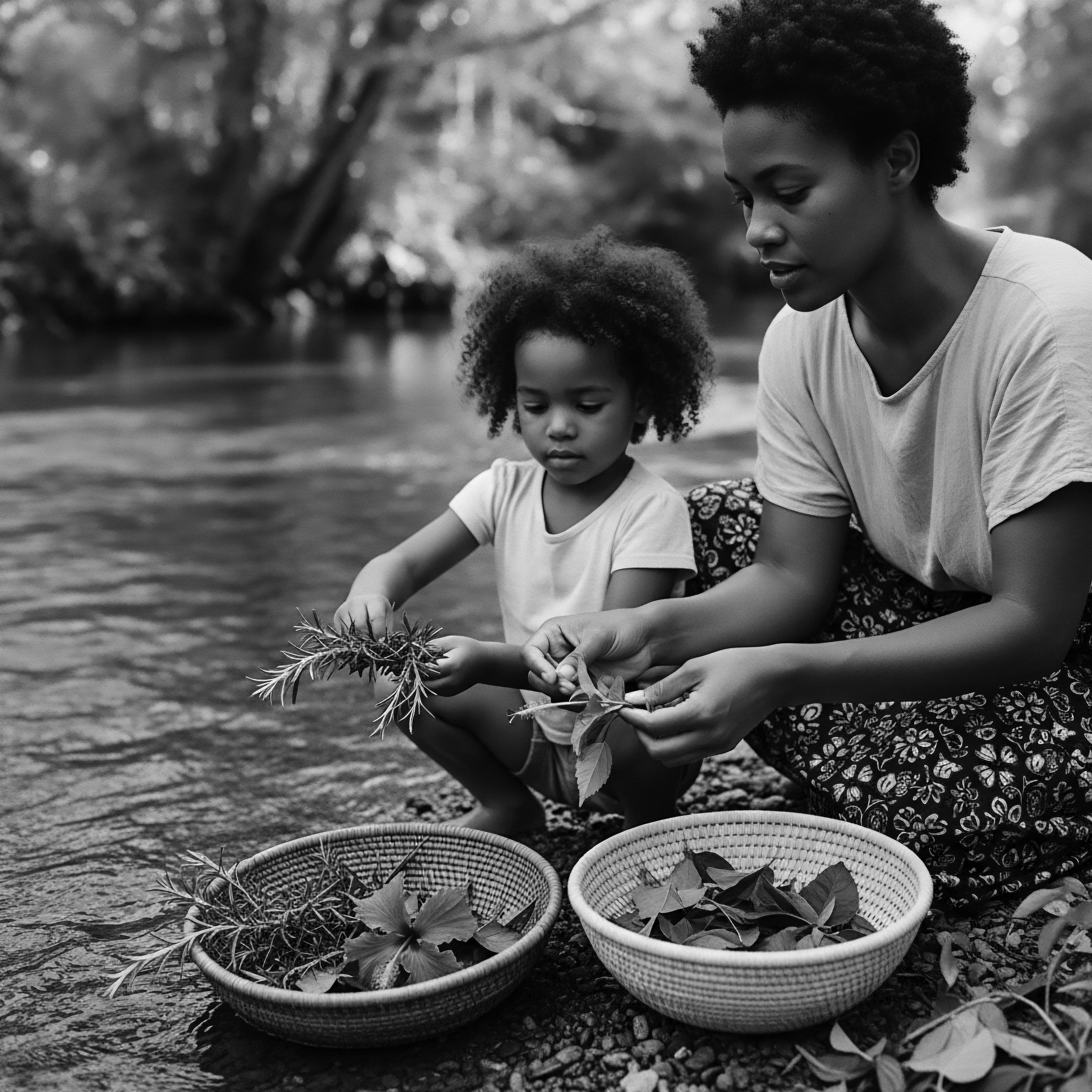
Communal hair care acts as a living archive, conveying ancestral wisdom, resilience, and identity through shared touch and tradition.
How does rhassoul clay honor the heritage of Black and mixed-race hair care?
Rhassoul clay honors Black and mixed-race hair heritage by connecting modern care to ancient North African rituals and natural hair health.
Which traditional plants nurtured Black hair heritage?
Traditional plants, from West African shea to Chadian Chebe, preserved Black hair heritage through centuries of dedicated care.
How did ancient cultural heritage shape hair cleansing rituals?
Ancient cultural heritage shaped hair cleansing rituals by emphasizing gentle, natural ingredients and communal practices attuned to textured hair’s unique needs.
What is the role of textured hair in cultural identity today?
Textured hair today serves as a powerful, living connection to ancestral heritage, community identity, and a steadfast assertion of selfhood.
In what ways did Himba hair practices symbolize life stages and heritage?
Himba hair practices symbolize life stages and heritage through distinct styles, the use of otjize paste, and communal rituals.
In what ways did hair reflect identity in ancient African heritage?
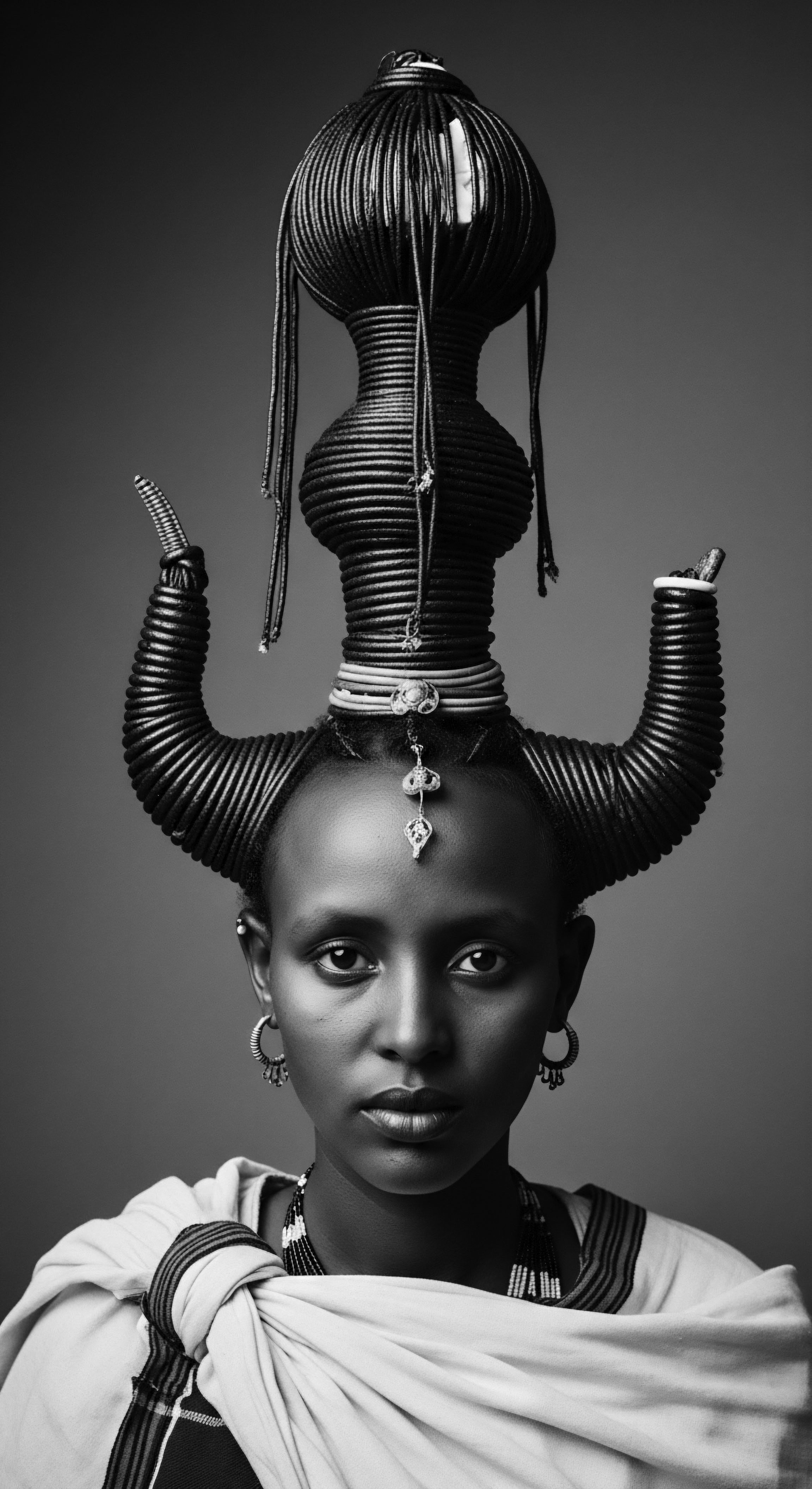
Hair in ancient African heritage was a profound expression of identity, status, spirituality, and cultural resilience through intricate styling and adornment.
What is the ancestral heritage behind hair protection during sleep?
Ancestral heritage in hair protection during sleep centers on preserving textured hair's moisture and style, deeply rooted in cultural identity and resilience.
Which plant was used for styling ancient textured hair?
Ancient textured hair was styled using plants like Chebe for strength and length retention, and Acacia gum for hold.