Did ancestral practices preserve textured hair from sun damage?
Ancestral practices preserved textured hair from sun damage through inherent hair structure, protective styling, and natural emollients and pigments.
What is the historical link between clay and textured hair heritage?
Clay historically linked to textured hair heritage by offering ancestral cleansing, conditioning, and cultural adornment drawn from earth's bounty.
What cultural practices shaped textured hair heritage?
Cultural practices shaped textured hair heritage by transforming care into rituals of identity, community, and spiritual connection.
Can fenugreek’s ancestral uses inform modern protective styling for textured hair?
Fenugreek’s ancestral uses for strength and moisture directly inform modern protective styling, honoring textured hair heritage.
What is the ancestral significance of red palm oil for textured hair?
Red palm oil holds ancestral significance for textured hair as a foundational emollient and protective agent, deeply rooted in African cultural practices for nourishment and styling across generations.
What was the cultural significance of hair dyeing rituals for textured hair?
Hair dyeing rituals for textured hair served as visual heritage markers, communicating identity, status, and spiritual connection within communities.
Can traditional hair coloring methods enhance modern textured hair care routines?
Traditional hair coloring methods, rooted in ancestral wisdom, naturally enhance modern textured hair routines by nourishing strands and deepening cultural connection.
Can ancient Polynesian hair rituals teach modern textured hair care practices?
Ancient Polynesian hair rituals, rooted in natural elements and community care, provide timeless lessons for modern textured hair care, honoring ancestral wisdom.
Do natural oils truly hydrate textured hair?
Natural oils primarily seal moisture into textured hair, deeply rooted in ancestral practices for care and resilience.
What historical evidence supports natural oil sun protection for textured hair?
Historical evidence points to ancestral use of natural oils like shea butter, coconut, and moringa for textured hair sun protection.
What traditional oils benefit textured scalp?
Traditional oils like shea, coconut, and castor oil provide moisture and protection, honoring textured hair's ancestral care heritage.
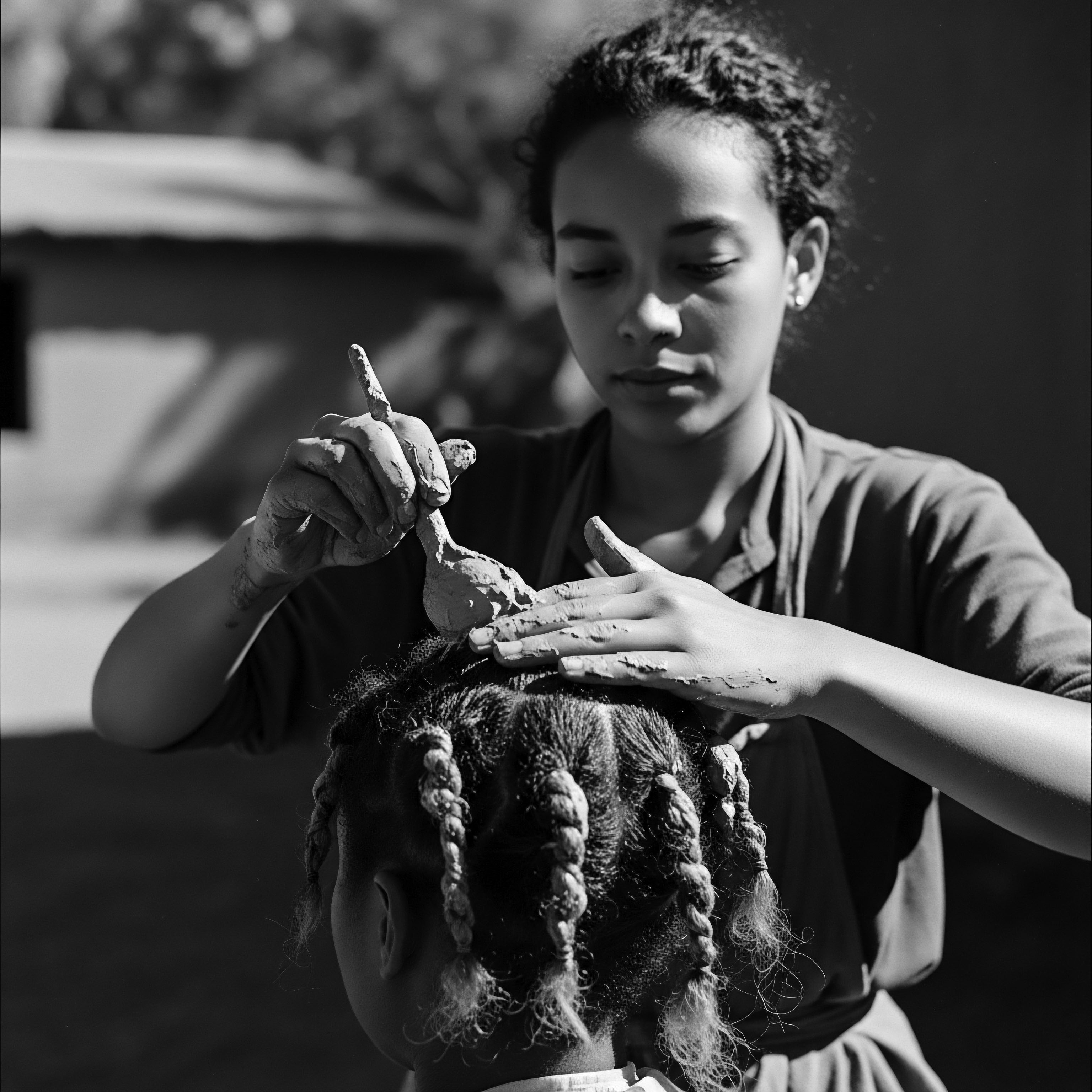
Can traditional clay hair treatments support moisture retention in textured strands?
Traditional clay treatments support moisture retention in textured strands by gently cleansing and creating a protective mineral film, echoing ancestral care practices.
Can all textured hair be equally resistant to sun degradation?
No, not all textured hair exhibits uniform resistance to sun degradation; however, ancestral practices provide enduring protective wisdom.
What historical cleansing rituals involved natural clay for textured hair?
Historical cleansing rituals for textured hair frequently involved natural clays like Rhassoul and Bentonite, honoring ancestral practices and cultural heritage.
How do earth minerals cleanse textured hair naturally?
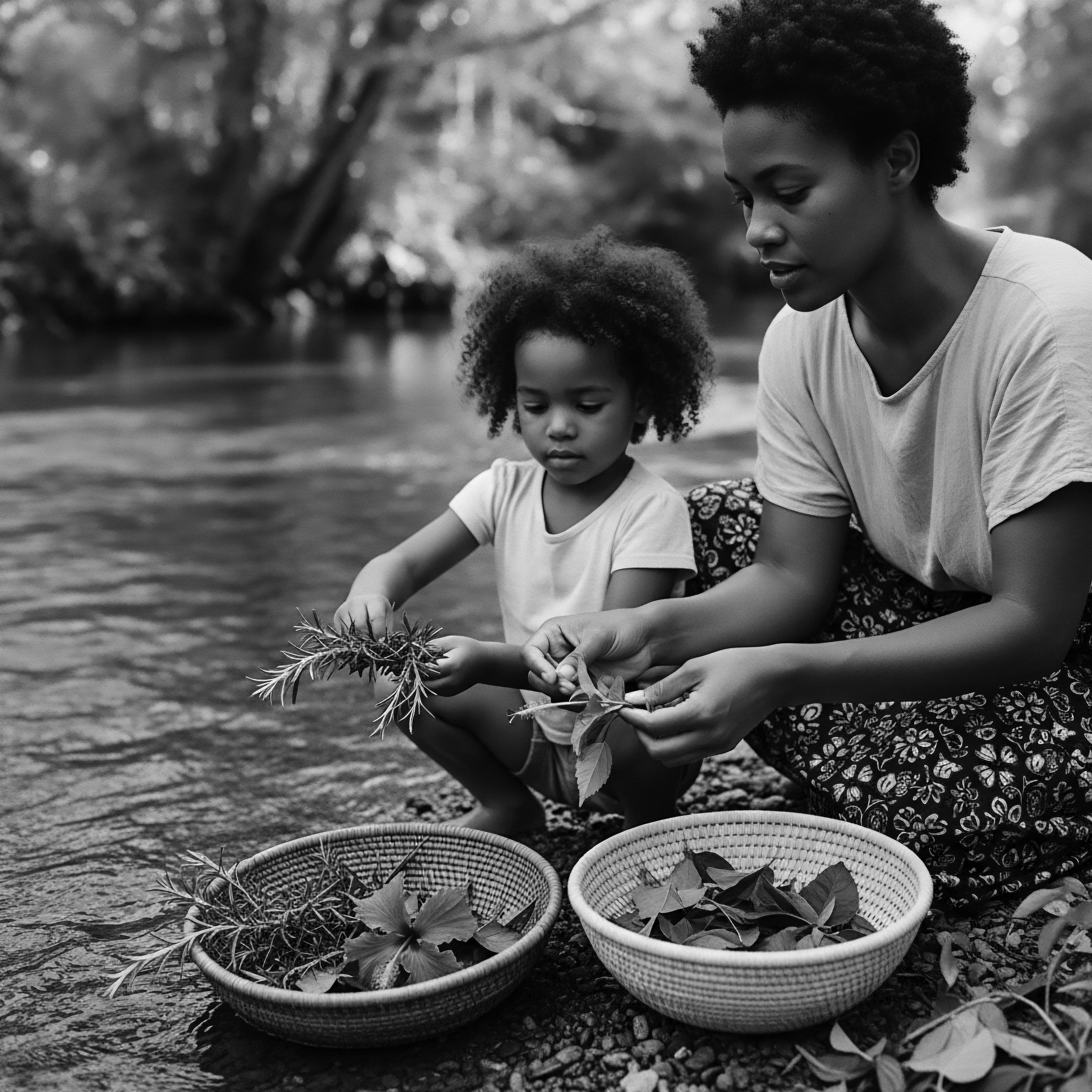
Earth minerals cleanse textured hair naturally by adsorbing impurities without stripping vital oils, a method passed down through generations of textured hair heritage.
Herbal Scalp Treatments
Meaning ❉ Herbal scalp treatments are time-honored plant-derived applications nurturing scalp health and hair vitality, deeply rooted in ancestral Black and mixed-race hair care traditions.
How can science validate traditional textured hair rituals of the diaspora?
Science affirms that ancestral textured hair rituals optimize hair health through methods rooted in deep historical heritage.
Shea Butter Components
Meaning ❉ Shea Butter Components are the natural fatty acids and unsaponifiable compounds offering ancestral nourishment and protection for textured hair.
How did the natural hair movement economically uplift communities rooted in hair heritage?
The natural hair movement economically uplifted communities by fueling Black-owned businesses, recirculating wealth, and reviving heritage-based product industries.
What traditional ingredients aided textured hair’s moisture balance?
Ancestral practices, utilizing natural oils and butters, provided essential moisture and protection for textured hair.
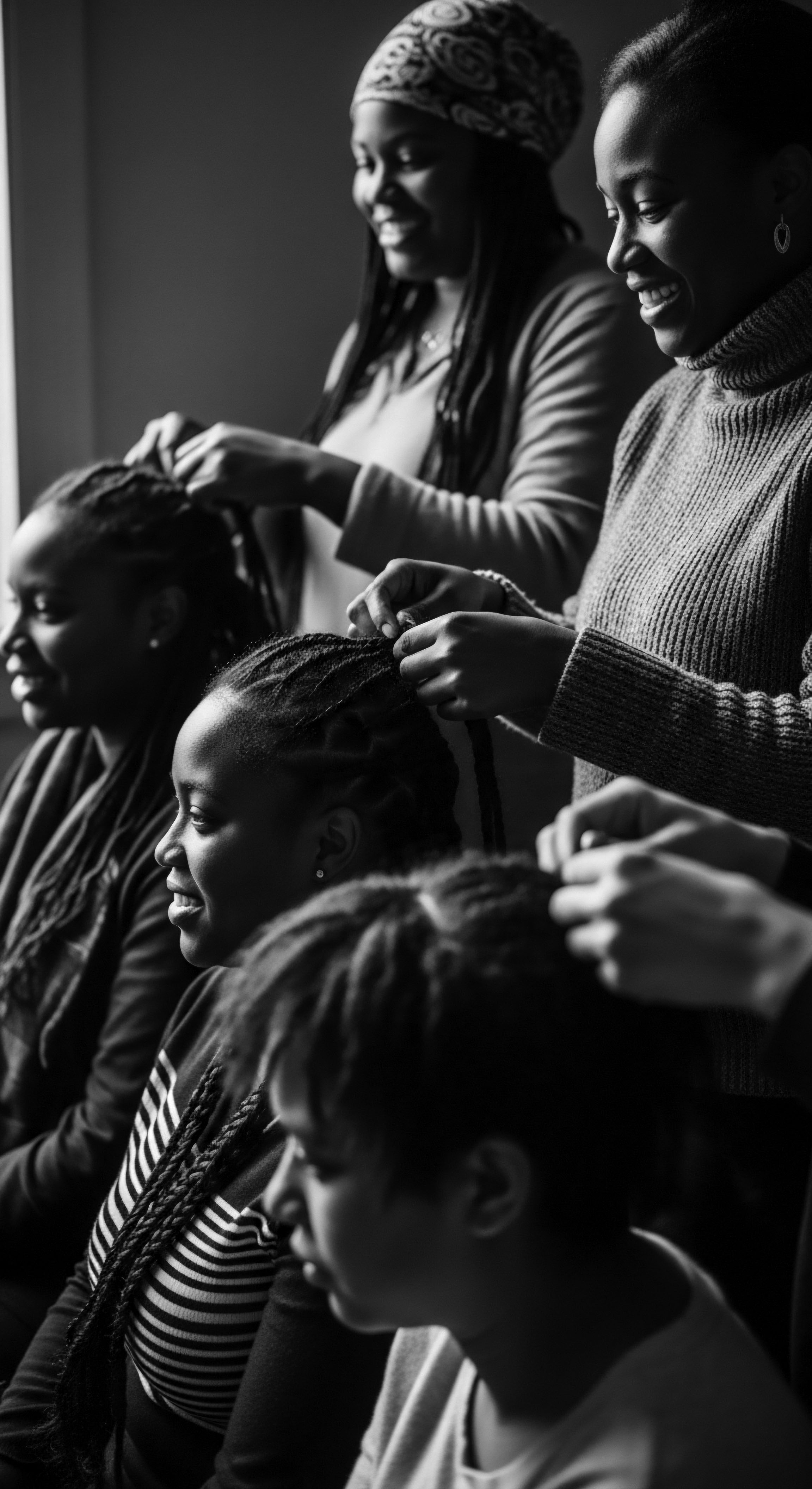
In what ways did ancestral hair routines celebrate communal identity and heritage?
Ancestral hair routines solidified communal identity through shared practices, cultural transmission, and meaningful adornments.
In what ways did ancient hair care rituals preserve cultural heritage?
Ancient hair rituals preserved cultural heritage by encoding identity, status, and communal narratives within textured hairstyles and care practices.
Can ancient hair care practices still serve our modern needs for textured hair?
Ancient hair care for textured hair provides foundational wisdom for modern practices, deeply connecting to heritage.
Cultural Hair Principles
Meaning ❉ Cultural Hair Principles define hair's profound meaning, care, and identity within communities, particularly those with textured hair, honoring ancestral wisdom.
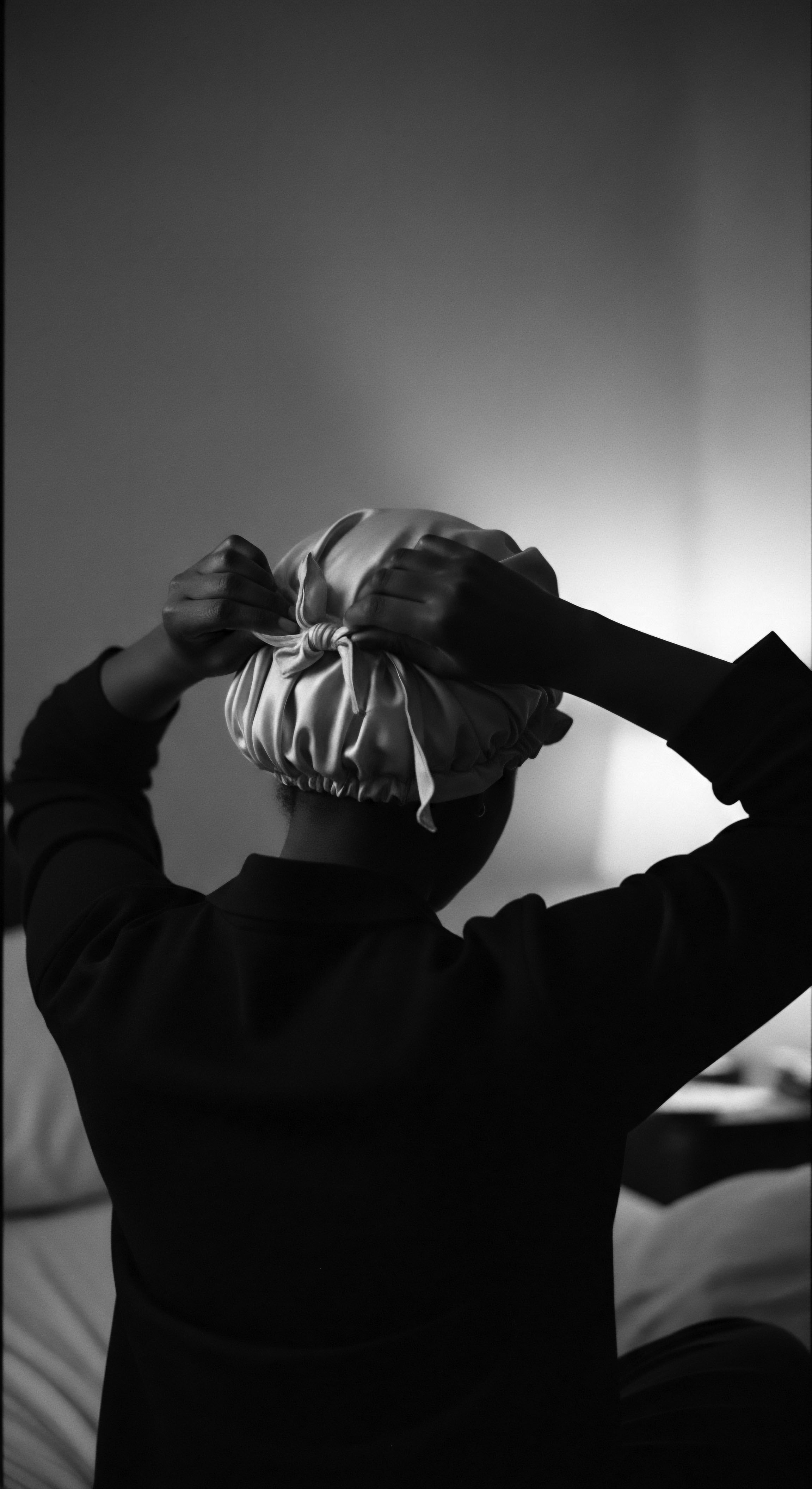
What is silk’s benefit for textured hair?
Silk benefits textured hair by reducing friction and preserving moisture, continuing an ancestral legacy of hair protection.
Buriti Oil Heritage
Meaning ❉ The Buriti Oil Heritage represents a continuous legacy of ancestral wisdom and scientific validation for nourishing textured hair.
How did traditional styling practices preserve heritage and identity?
Traditional styling practices preserved textured hair heritage by encoding identity, status, and communication within elaborate coifs.
Elder Reverence
Meaning ❉ Elder Reverence signifies profound respect for the inherited wisdom and enduring cultural practices of textured hair across generations.
How can heritage communities protect Chébé knowledge from appropriation?
Heritage communities safeguard Chébé knowledge through communal practices, ethical partnerships, and legal frameworks that value traditional wisdom.