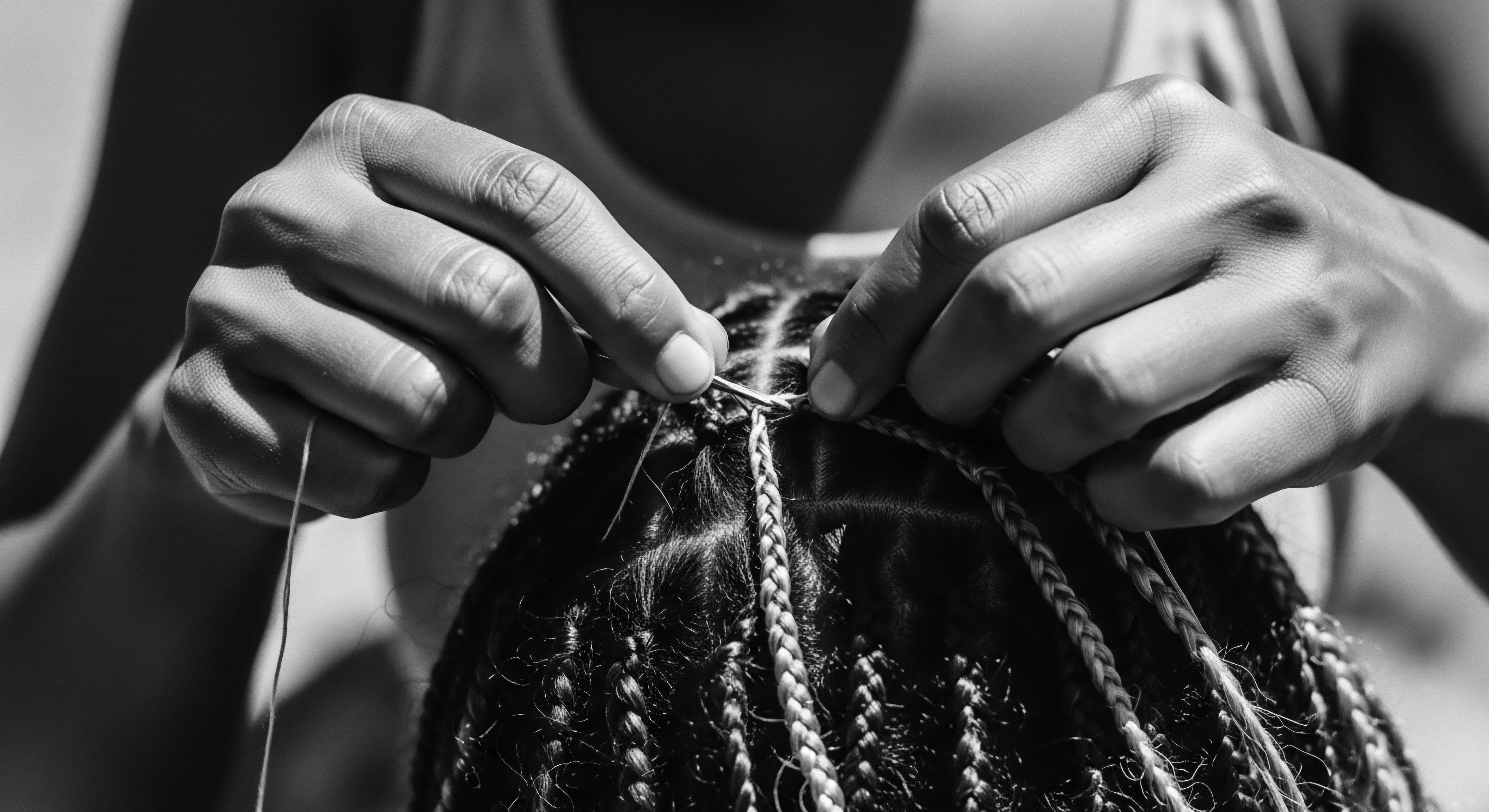
Meaning ❉ Natural Hair Care Roots signifies the foundational, often ancestral, practices and wisdom shaping textured hair care through cultural and biological understanding.
Cotton pillowcases can cause textured hair breakage by creating friction and absorbing moisture, a concern historically addressed through ancestral hair protection traditions.
Modern hair science validates traditional textured hair care ingredients by revealing the molecular and physiological mechanisms behind their ancestral efficacy.
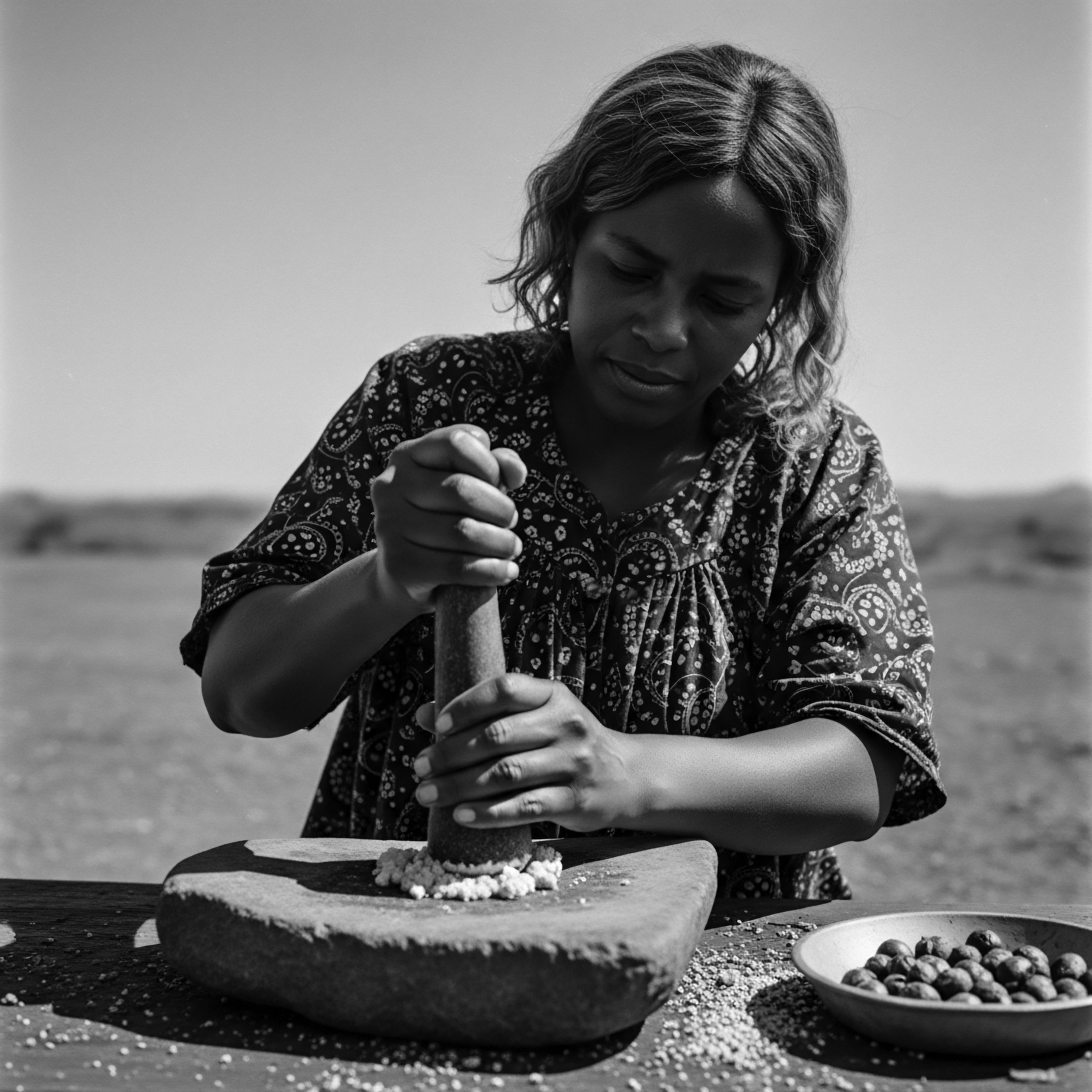
Traditional African ingredients, rooted in centuries of ancestral wisdom, nourish textured hair by supporting its inherent structure and honoring its heritage.
Textured hair is linked to cultural resistance through its use as a covert communication tool, a symbol of identity, and a protest against oppressive beauty standards.
Meaning ❉ Alkaline Hair Straightening permanently alters hair's curl pattern through chemical lanthionization, deeply rooted in textured hair heritage.
Traditional Caribbean plant rituals, rooted in ancestral wisdom, harness ingredients like Jamaican Black Castor Oil, aloe, and sea moss to naturally hydrate and strengthen textured hair, embodying a deep heritage connection.
Ancient hair care methods, steeped in textured hair heritage, offer valuable principles for modern regimens, validating the wisdom of ancestral practices.
Meaning ❉ The Saharan Trade Networks were vital conduits of cultural exchange, profoundly shaping the heritage and practices of textured hair across continents.
Traditional ingredients for textured hair hydration and protection largely came from plant-based oils, butters, and clays, deeply rooted in ancestral African and diaspora heritage.
Historical cultural practices often involved natural oils from indigenous plants to moisturize, protect, and preserve textured hair, reflecting ancestral heritage and ingenuity.
Ancient hair care methods offer modern benefits for textured strands by providing a heritage-rooted understanding of holistic care and natural ingredient efficacy.
Meaning ❉ Legal Gaps reveal the absence of specific legal protections for textured hair, reflecting historical biases and perpetuating cultural injustices.
Ancestral African methods guarded textured hair from environmental stressors through protective styling, natural emollients, and communal care, rooted deeply in heritage.
Ancient Africans strengthened textured hair through natural ingredients, protective styling, and communal care, honoring its heritage and spiritual value.
Deeply conditioning textured hair often relies on specific botanical oils like coconut, olive, and castor, continuing a rich heritage of ancestral care practices.
Oiling textured hair across ancestral lines is a deeply rooted cultural practice, connecting individuals to heritage, identity, and holistic well-being.
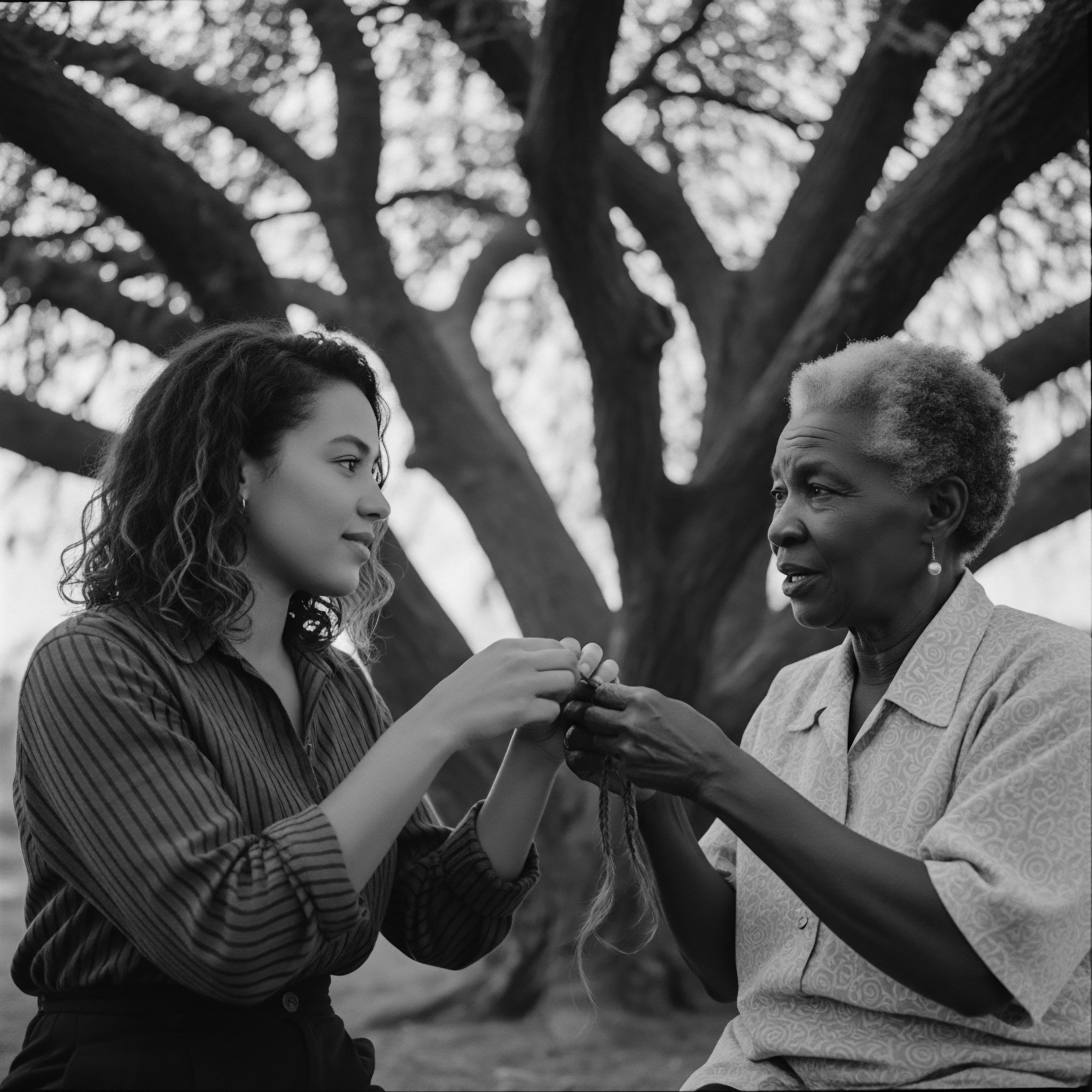
Ancient hair practices deeply inform modern textured hair care through ancestral wisdom, communal rituals, and the enduring use of natural ingredients.
We use cookies to personalize content and marketing, and to analyze our traffic. This helps us maintain the quality of our free resources. Manage your preferences below.
This helps support our free resources through personalized marketing efforts and promotions.
Analytics cookies help us understand how visitors interact with our website, improving user experience and website performance.
Personalization cookies enable us to customize the content and features of our site based on your interactions, offering a more tailored experience.