How did African cultures historically protect textured hair?
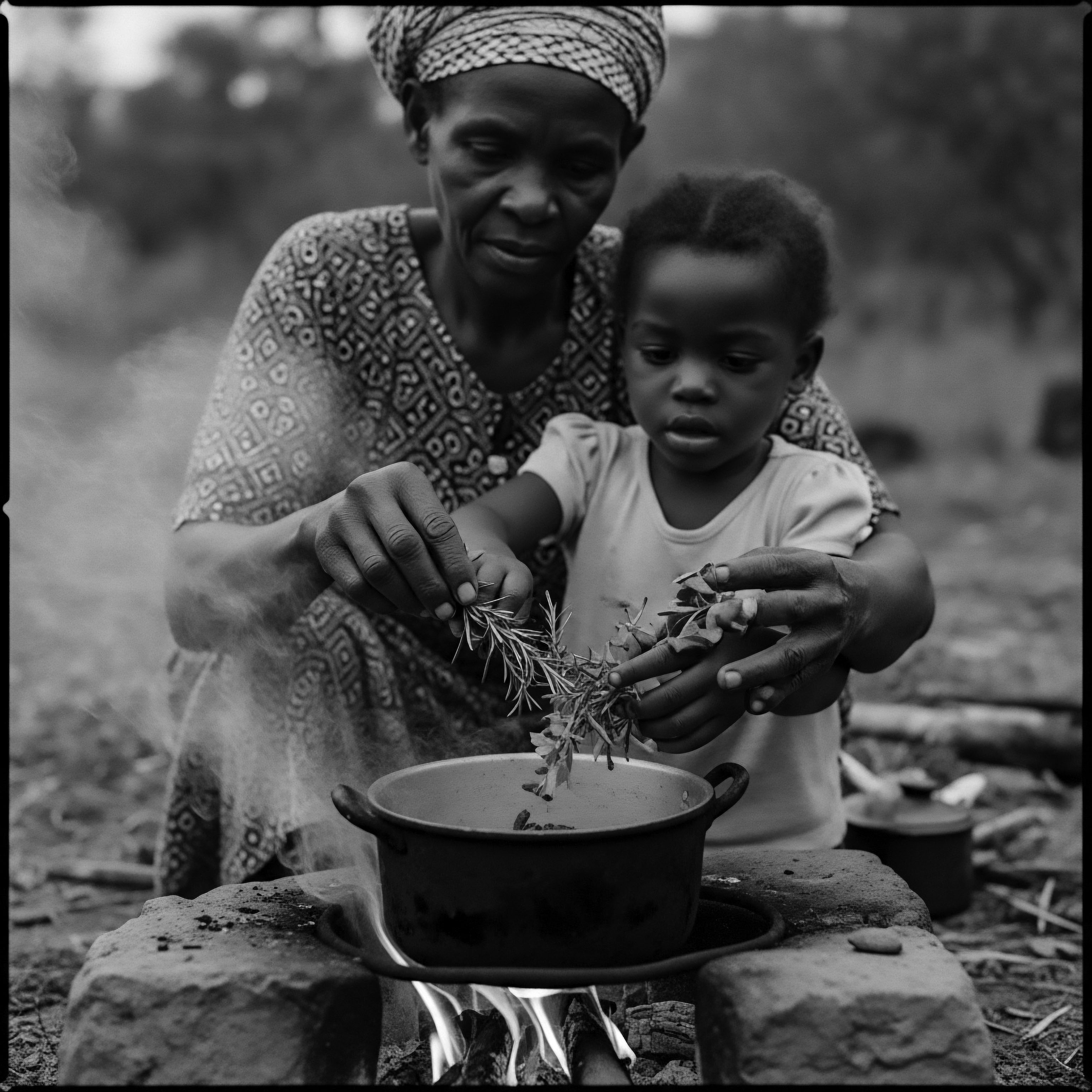
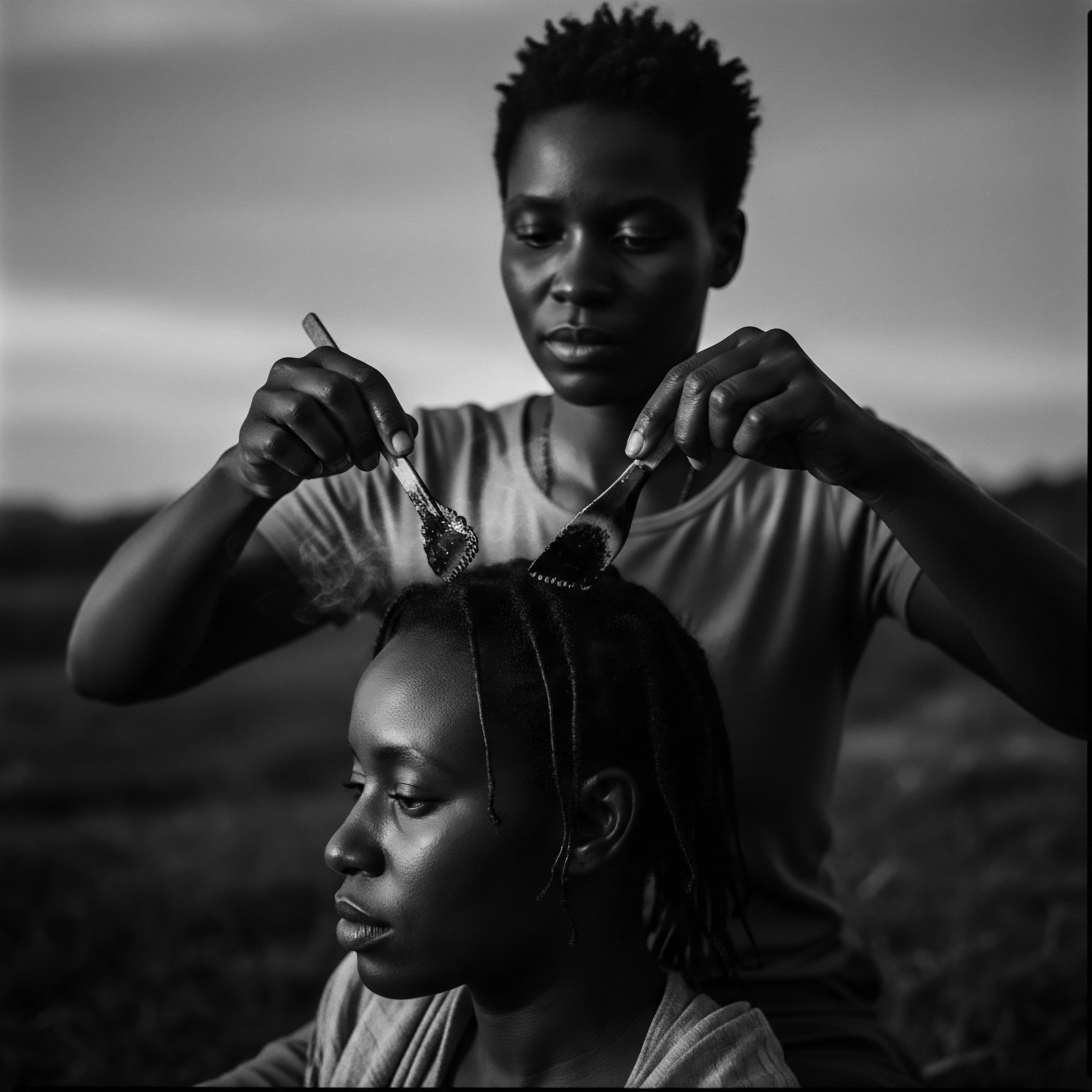
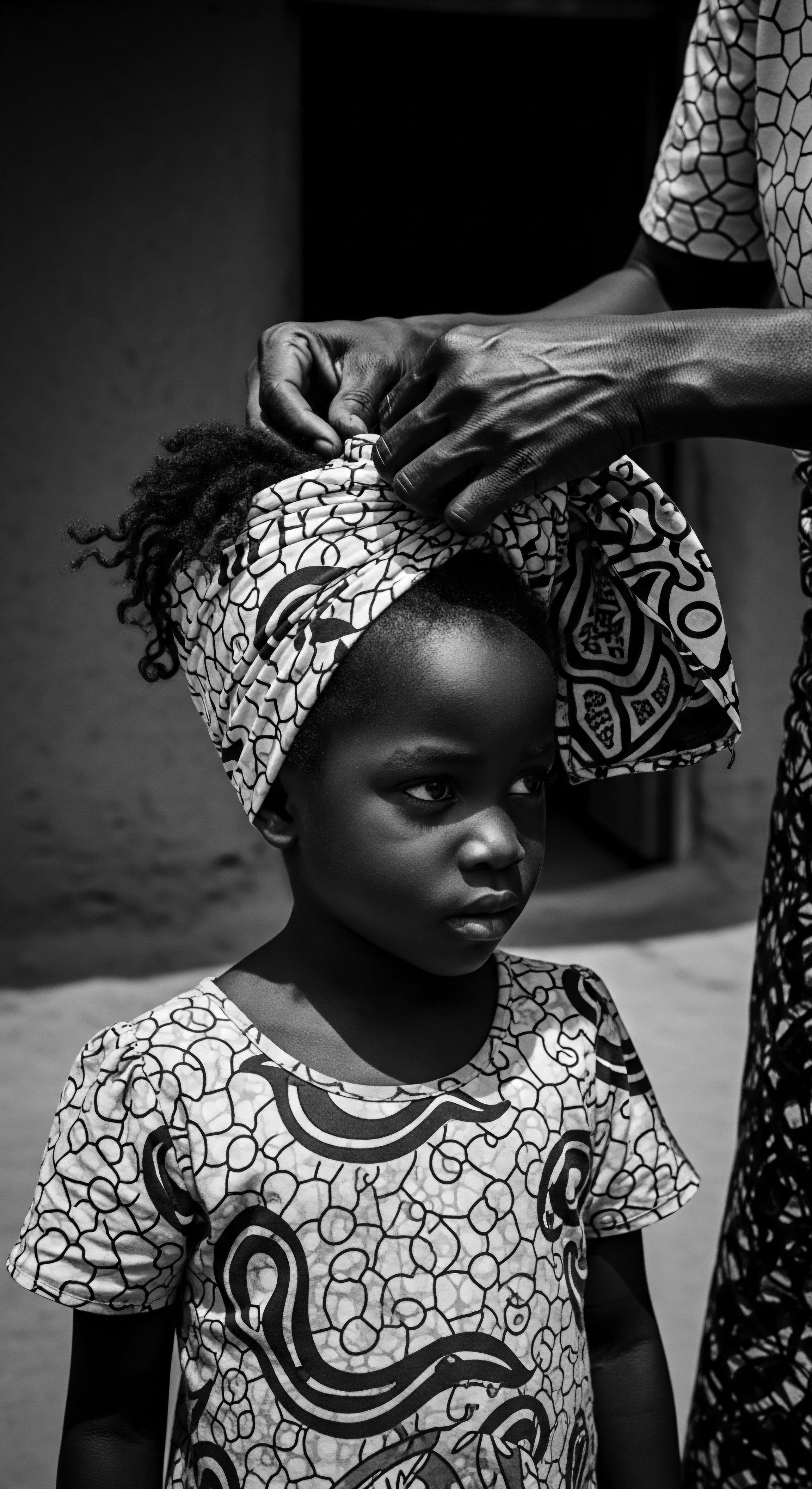
African cultures protected textured hair through natural ingredients, protective styles, and communal rituals, all rooted in heritage.
Ecological Knowledge
Meaning ❉ Ecological Knowledge for textured hair is the ancestral wisdom of environmental relationships, shaping care practices and cultural identity.
What ancestral hair practices demonstrate deep heritage and resilience?
Ancestral hair practices reveal deep heritage through sophisticated care, symbolic communication, and enduring resilience across textured hair communities.
Can ancient scalp care practices improve contemporary textured hair health?
Ancient scalp care practices offer profound heritage-infused wisdom for contemporary textured hair health.
What historical purposes did textured hair styling serve?
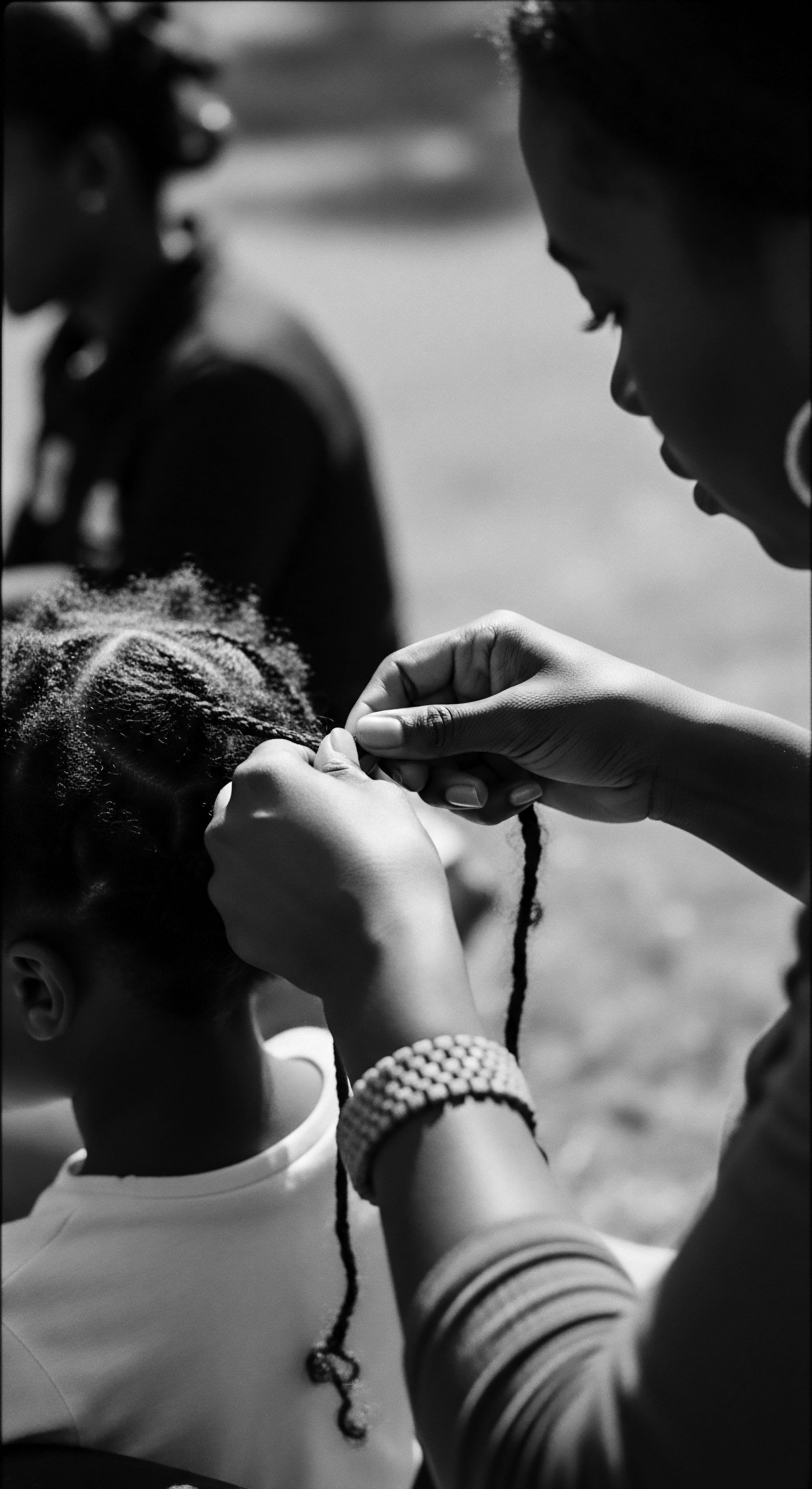
Textured hair styling served as an ancient visual language for identity, status, spirituality, and a powerful tool of resistance.
Racial Hair Justice
Meaning ❉ Racial Hair Justice demands equity and respect for all hair textures, dismantling systemic biases rooted in historical oppression and celebrating cultural heritage.
What links hair anatomy to Black hair heritage and hydration?
Hair anatomy's unique structure in Black heritage fundamentally guided ancestral hydration rituals and protective styles.
How did ancestral practices use plant ingredients for textured hair?
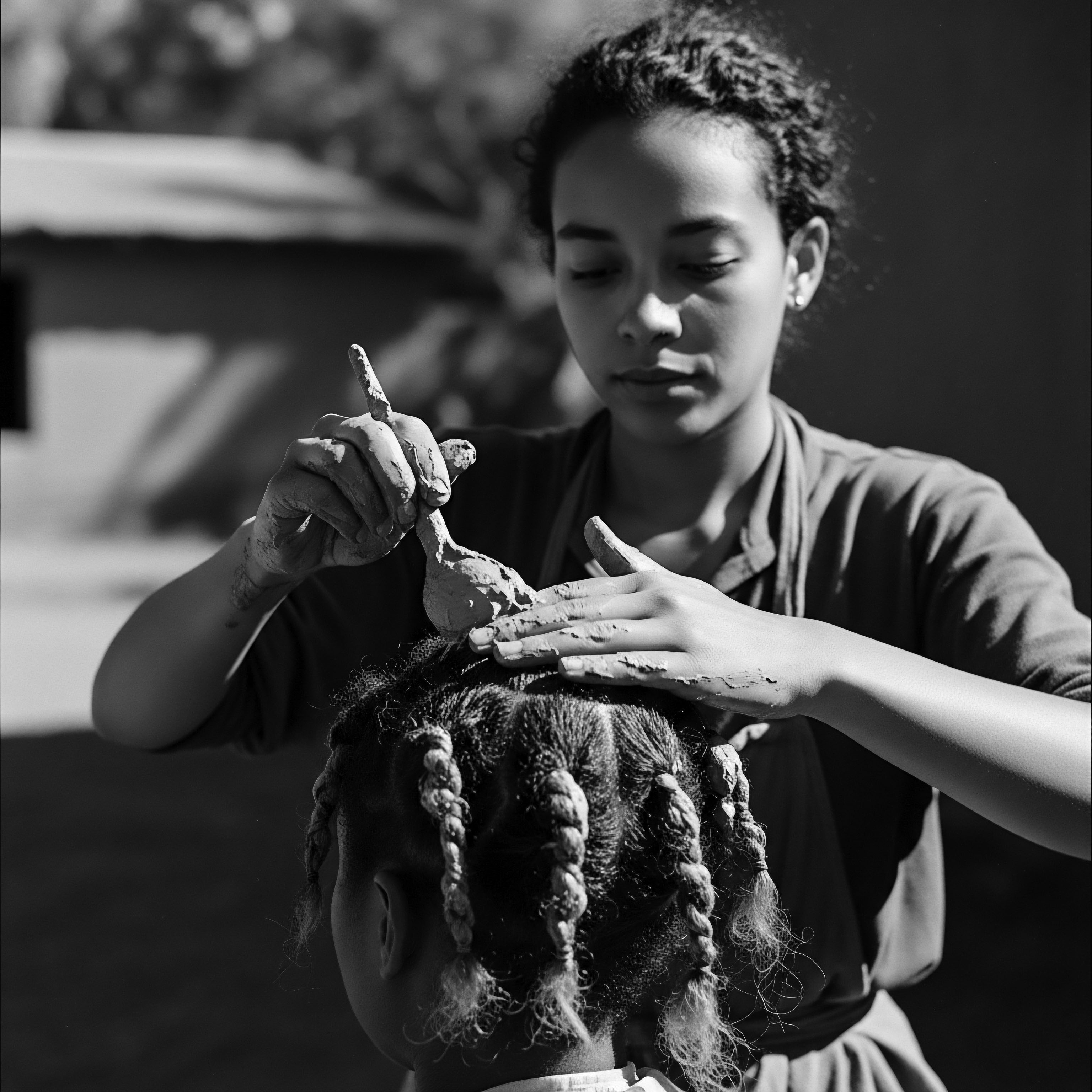
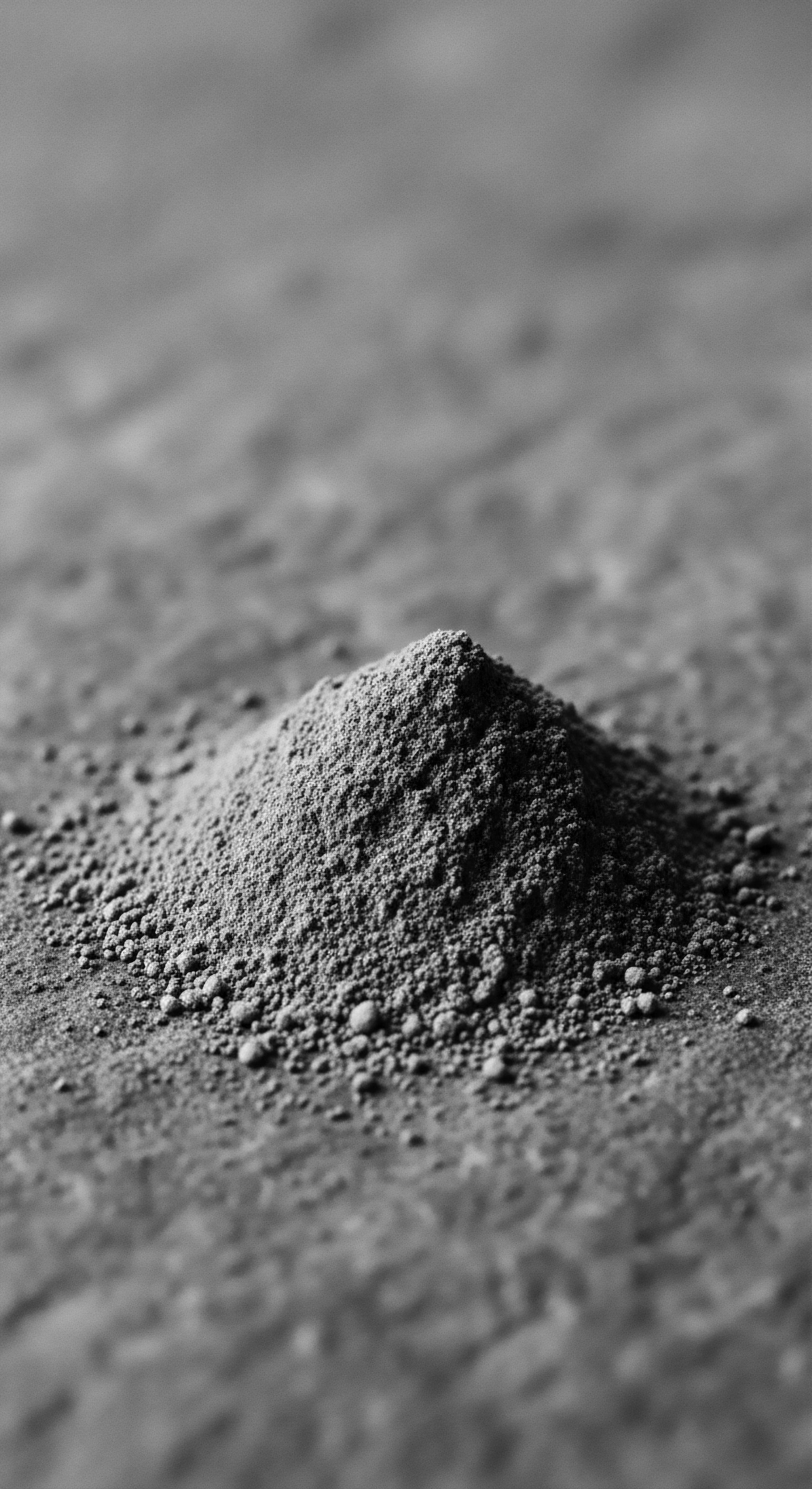
Ancestral practices harnessed diverse plant ingredients, like shea butter and chebe powder, to nourish and protect textured hair, reflecting deep heritage.
Why do legal rulings impact textured hair identity?
Legal rulings shape textured hair identity by historically defining and restricting its cultural expression, challenging its deep ancestral heritage.
How do ancestral hair practices define textured hair?
Ancestral hair practices define textured hair by rooting its care in heritage, communal wisdom, and reverence for identity.
What shared heritage connects Indian oiling to Black hair traditions?
Indian oiling and Black hair traditions share a heritage of plant-based oils and massage to preserve textured hair health and cultural identity.
What historical practices validate the benefits of botanical butters for textured hair?
Historical practices confirm botanical butters nourish textured hair by providing essential moisture and protection, honoring ancestral care.
What ancestral styling techniques continue to define textured hair care?
Ancestral styling traditions define textured hair care through enduring protective techniques, natural ingredient wisdom, and profound cultural significance.
In what ways do ancestral hair rituals resonate with contemporary textured hair health?
Ancestral hair rituals resonate today by offering timeless wisdom for textured hair health, deeply rooted in cultural heritage and natural care methods.
How did ancestral tools protect textured hair?
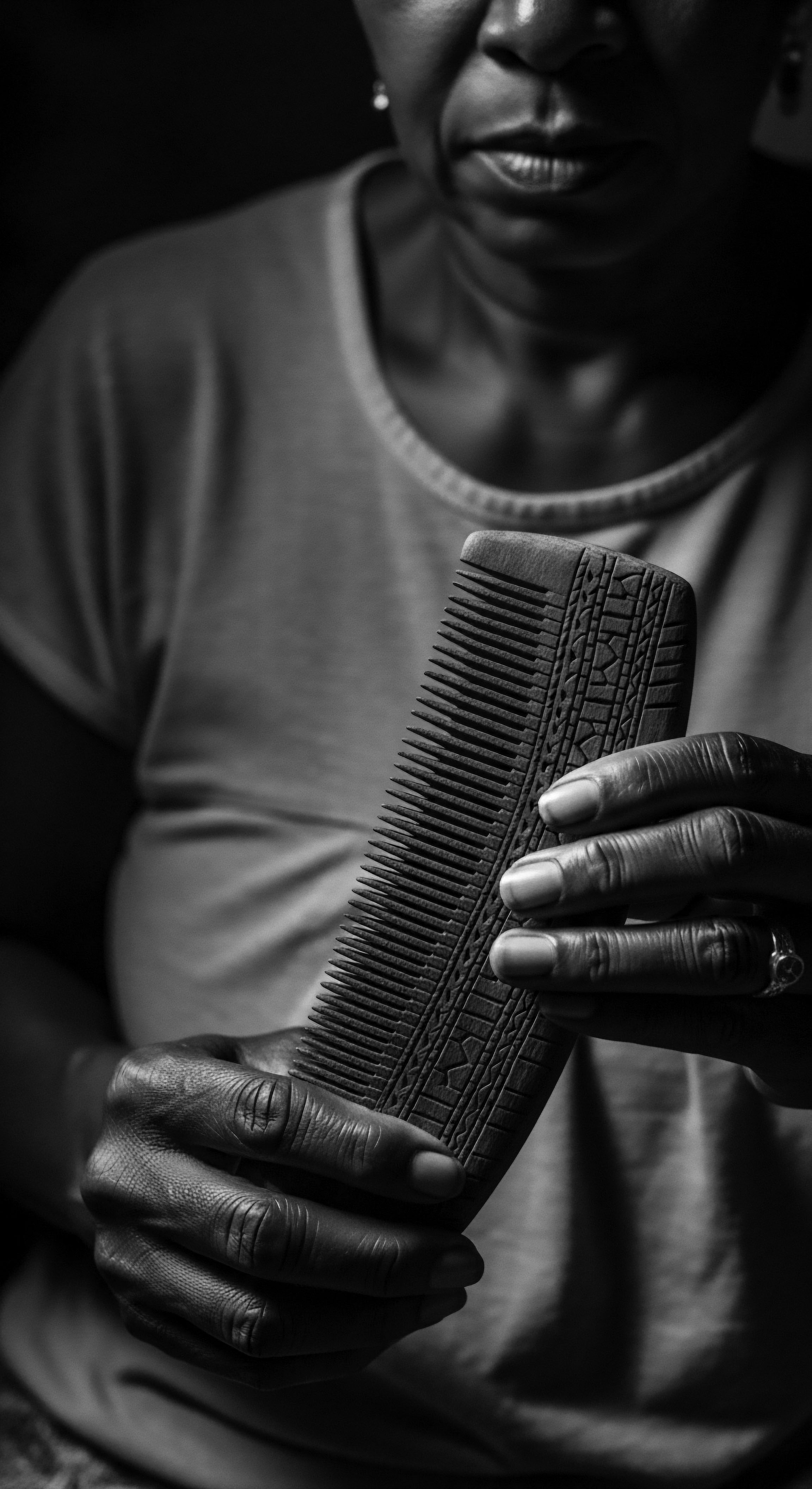
Ancestral tools protected textured hair by honoring its natural structure, minimizing friction, and enhancing moisture, embodying a legacy of careful stewardship.
How have ancestral hair practices sustained textured hair health?
Ancestral practices sustained textured hair health through holistic care, communal rituals, and intuitive understanding of natural ingredients.
What is the role of silk in traditional African hair care heritage?
Silk's gentle properties align with ancestral African hair care, offering profound protection and moisture retention for textured hair heritage.
What historical knowledge informs holistic textured hair care today?
Historical knowledge grounds textured hair care in ancestral wisdom, revealing deep connections to biology, cultural meaning, and holistic well-being.
Can traditional eating patterns reduce hair breakage for textured strands?
Traditional eating patterns, rooted in nutrient-rich ancestral foodways, can reduce textured hair breakage by fortifying strands from within.
Which traditional plants continue to validate their conditioning efficacy for hair heritage?
Traditional plants like shea butter, aloe vera, and fenugreek consistently condition textured hair, validating ancestral heritage.
How did early societies view textured hair care?
Early societies regarded textured hair care as a vital cultural practice deeply intertwined with identity, spirituality, and communal heritage.
What historical significance do textured hair care methods hold for identity?
Textured hair care methods represent a historical ledger of identity and resistance, linking Black and mixed-race communities to ancestral heritage.
What ancestral ingredients benefited textured hair protection?
Ancestral ingredients like shea butter and palm oil, alongside traditional styling, protected textured hair through rich historical wisdom.
How does heritage shape hair care?
Heritage profoundly shapes hair care by embedding ancestral wisdom, resistance narratives, and holistic practices within textured hair traditions.
What scientific principles uphold the traditional use of oils for textured hair?
Traditional oils for textured hair hydrate, protect, and fortify strands, a scientific wisdom deeply rooted in ancestral heritage and Black communities' care practices.
How did communal washing protect textured hair?
Communal washing of textured hair provided physical protection and reinforced cultural identity through shared ancestral practices.
What natural elements protected historical textured hair?
Historical textured hair was safeguarded by natural elements like shea butter and clays, rooted in deep ancestral wisdom and environmental harmony.
How does modern research validate the heritage of scalp oiling for textured hair?
Modern research affirms ancestral scalp oiling as a vital practice, validating its deep connection to textured hair heritage and well-being.
What historical practices inform modern moisture regimens for textured hair?
Historical practices, rooted in ancestral wisdom and natural ingredients, fundamentally inform modern moisture regimens for textured hair.