How does textured hair influence contemporary Black identity?
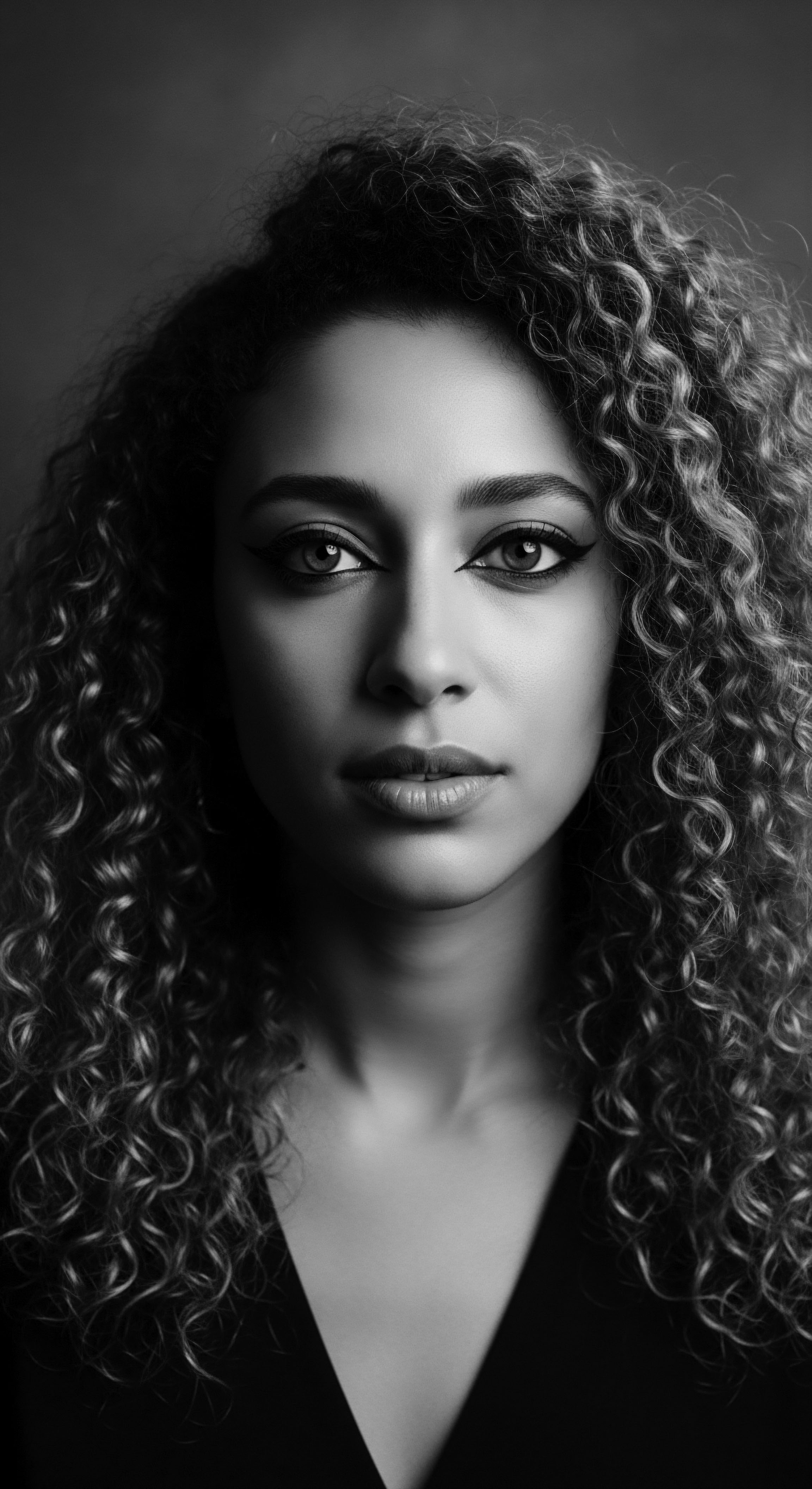
Textured hair profoundly shapes Black identity, serving as a powerful, living archive of resilience, cultural pride, and ancestral heritage.
What molecular differences affect oil absorption in textured hair?
Textured hair's unique molecular structure, including cuticle orientation and lipid content, dictates its oil absorption, a reality understood ancestrally.
What scientific distinctions explain why textured hair feels less hydrated?
Textured hair’s unique structure impedes natural oil distribution, prompting ancestral care rituals that honor its specific hydration needs.
What is the evolutionary significance of textured hair’s moisture requirements?
Textured hair’s moisture needs stem from its unique structure, an evolutionary gift balancing thermal protection with essential hydration, preserved through heritage care.
How do contemporary hair care rituals honor ancestral wisdom and heritage?
Contemporary hair care rituals honor textured hair heritage by continuing ancient practices and tools, adapting ancestral wisdom for modern needs and identity.
How do genetic variations impact textured hair’s water balance?
Genetic variations shape textured hair's unique structure, influencing lipid organization and cuticle behavior, which impacts its water balance and ancestral care practices.
How do heritage oils support ancestral hair care?
Heritage oils fortify textured hair by echoing ancestral wisdom, deeply connecting individuals to their cultural lineage and promoting strand health.
Why do historical struggles shape modern textured hair care?
Historical struggles fundamentally shape modern textured hair care by intertwining ancestral wisdom with ongoing efforts to reclaim identity and overcome systemic bias.
Can understanding hair porosity strengthen cultural connection to textured hair lineage?
Understanding hair porosity reveals the scientific foundation of ancestral textured hair care, deepening cultural ties to heritage.
What specific compounds in red palm oil benefit textured hair?
Red palm oil nourishes textured hair with fatty acids for moisture, carotenoids for protection, and potent Vitamin E isomers for scalp health, echoing ancestral care traditions.
How does historical understanding benefit textured hair?
Historical understanding of textured hair reveals its profound heritage, informing modern care with ancestral wisdom for optimal health.
What traditional ingredients provided moisture to textured hair across generations?
Ancestral practices harnessed natural ingredients like plant butters and oils to deeply hydrate textured hair, a heritage of resilience.
Which historical cleansing practices shaped textured hair heritage?
Historical cleansing practices profoundly shaped textured hair heritage through adaptation, resilience, and the enduring wisdom of ancestral care.
What scientific principles confirm the ancient understanding of water for textured hair resilience?
Scientific principles affirm ancient water wisdom for textured hair's resilience, revealing how moisture enhances strand strength and cultural expression.
How does modern science affirm historical textured hair traditions?
Modern science confirms historical textured hair traditions through structural analysis, protective styling benefits, and ingredient efficacy.
Which ancestral practices shaped textured hair’s moisture care?
Ancestral practices shaped textured hair moisture care through intuitive botanical knowledge and protective rituals rooted in heritage.
Cold-Pressed Oil
Meaning ❉ Cold-pressed oil is extracted through mechanical pressure at low temperatures, preserving its full spectrum of nutrients and embodying ancestral care for textured hair.
What is the ancestral significance of wash day rituals for textured hair?
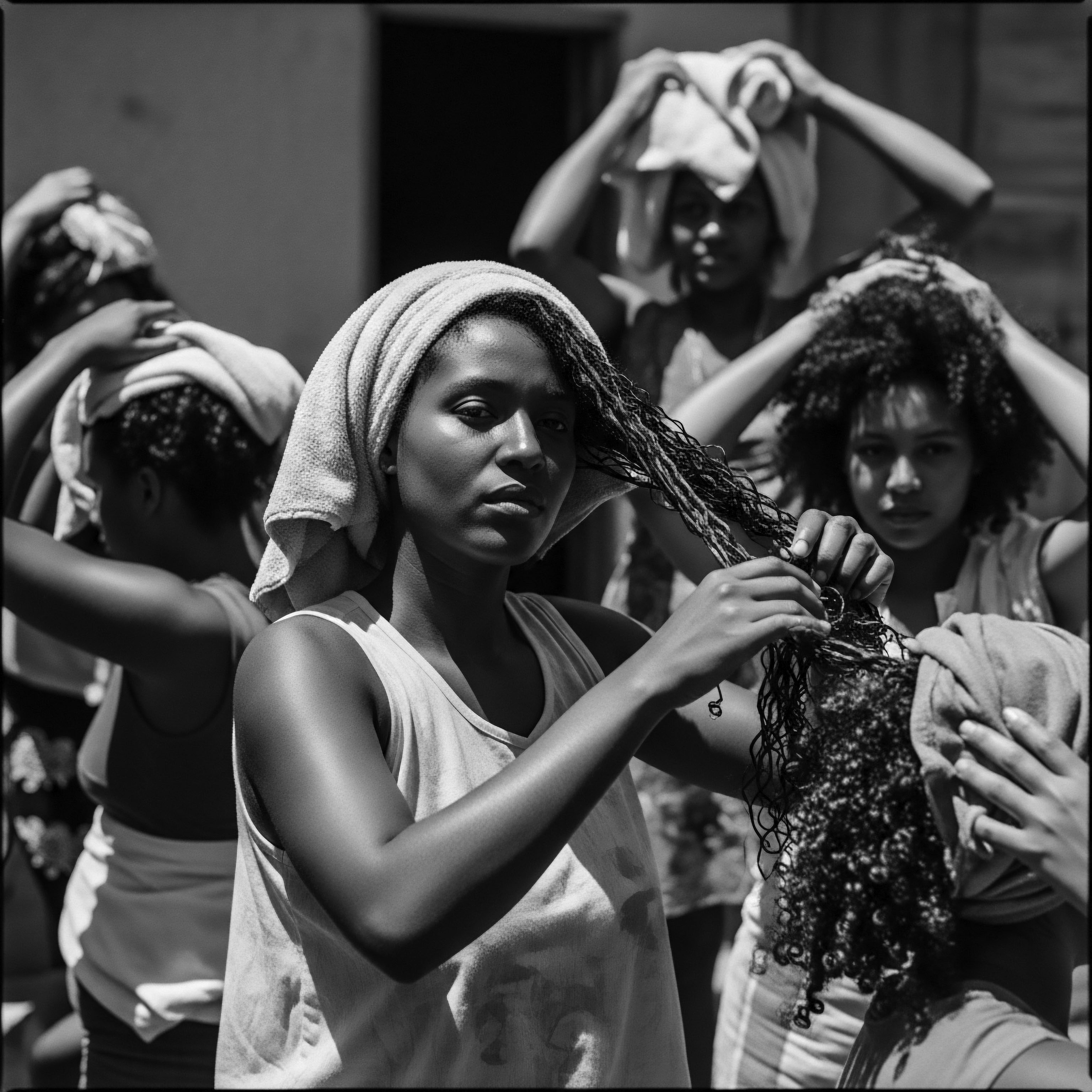
Wash day rituals for textured hair are a profound ancestral inheritance, embodying cultural preservation and self-reverence.
What ancestral practices informed black soap use for textured hair?
Ancestral practices for textured hair care utilized black soap, a natural cleanser rich in plant-based ingredients, rooted in West African heritage.
Which ancient ingredients deeply moisturized textured hair?
Ancient civilizations deeply moisturized textured hair using ingredients like shea butter, coconut oil, and castor oil, reflecting a profound heritage of natural care.
Why do textured hair needs align with traditional oiling?
Textured hair’s needs align with traditional oiling due to its inherent dryness and fragility, met by ancestral practices of protection and nourishment.
Why ancestral wisdom for textured hair?
Ancestral wisdom for textured hair honors heritage by providing holistic, time-tested care, preserving cultural identity, and fostering resilience.
What ancestral practices contributed to healthy textured hair in the diaspora?
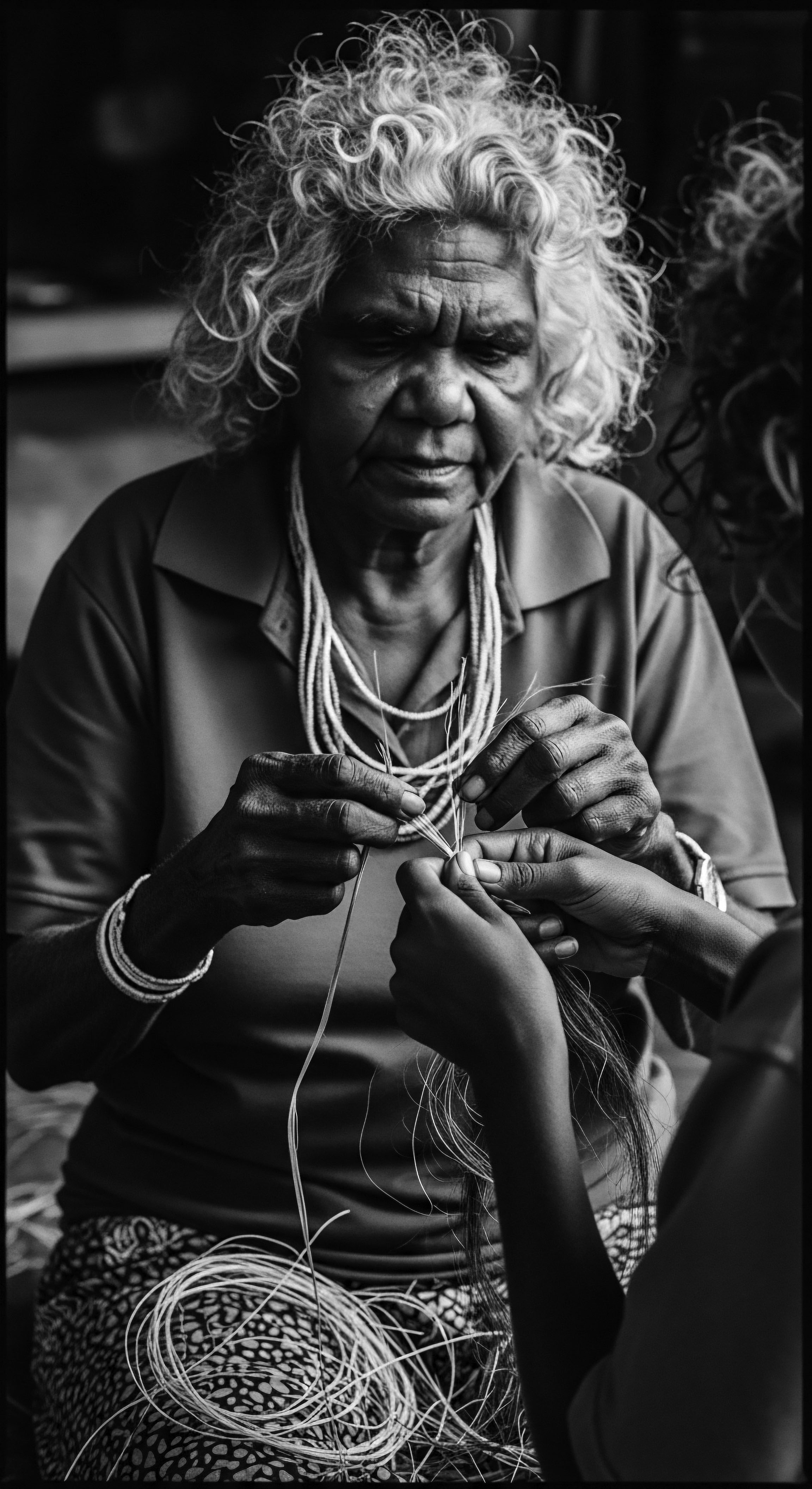
Ancestral practices for textured hair focused on protecting the hair shaft, retaining moisture, and communicating identity within a rich heritage.
Afro Pick Legacy
Meaning ❉ The Afro Pick Legacy is a powerful symbol of identity, resilience, and ancestral wisdom for textured hair across generations.
Does ancient clay cleanse textured hair gently?
Ancient clay offers gentle cleansing for textured hair by absorbing impurities and nourishing with minerals, a practice deeply rooted in heritage.
Can historical hair care wisdom guide future textured hair innovations?
Historical hair care wisdom, rooted in textured hair heritage, deeply guides innovations by validating ancestral practices and promoting holistic well-being.
What is the biological significance of lipids in textured hair?
Lipids in textured hair act as a vital shield, preserving moisture and reflecting ancestral care rituals.
How was textured hair a communication tool?
Textured hair served as a deep cultural lexicon, communicating social status, heritage, and coded messages across generations.
What legal protections exist today for textured hair rooted in civil rights principles?
Legal protections for textured hair affirm racial identity and cultural heritage, addressing historical discrimination rooted in civil rights principles.