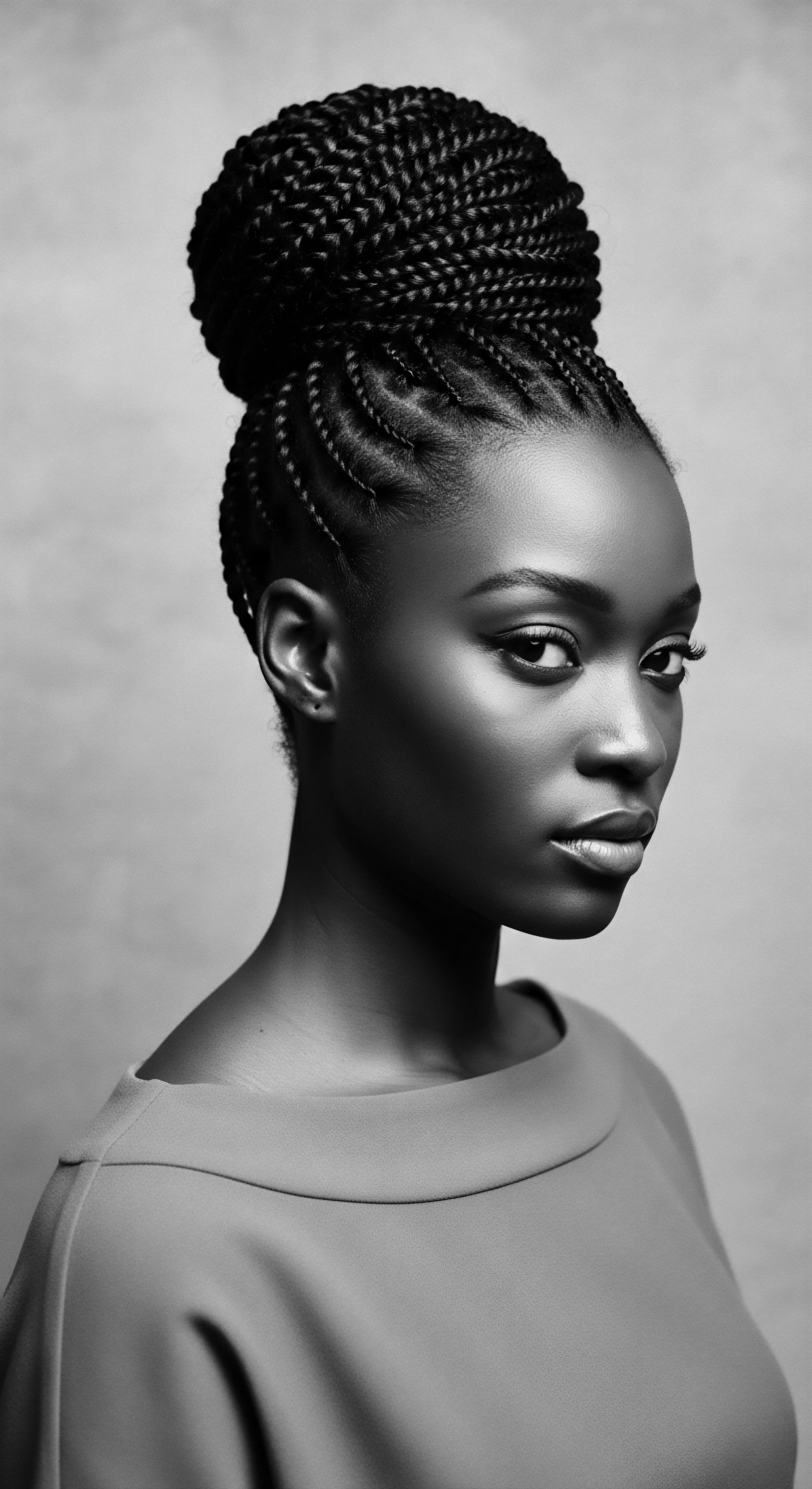
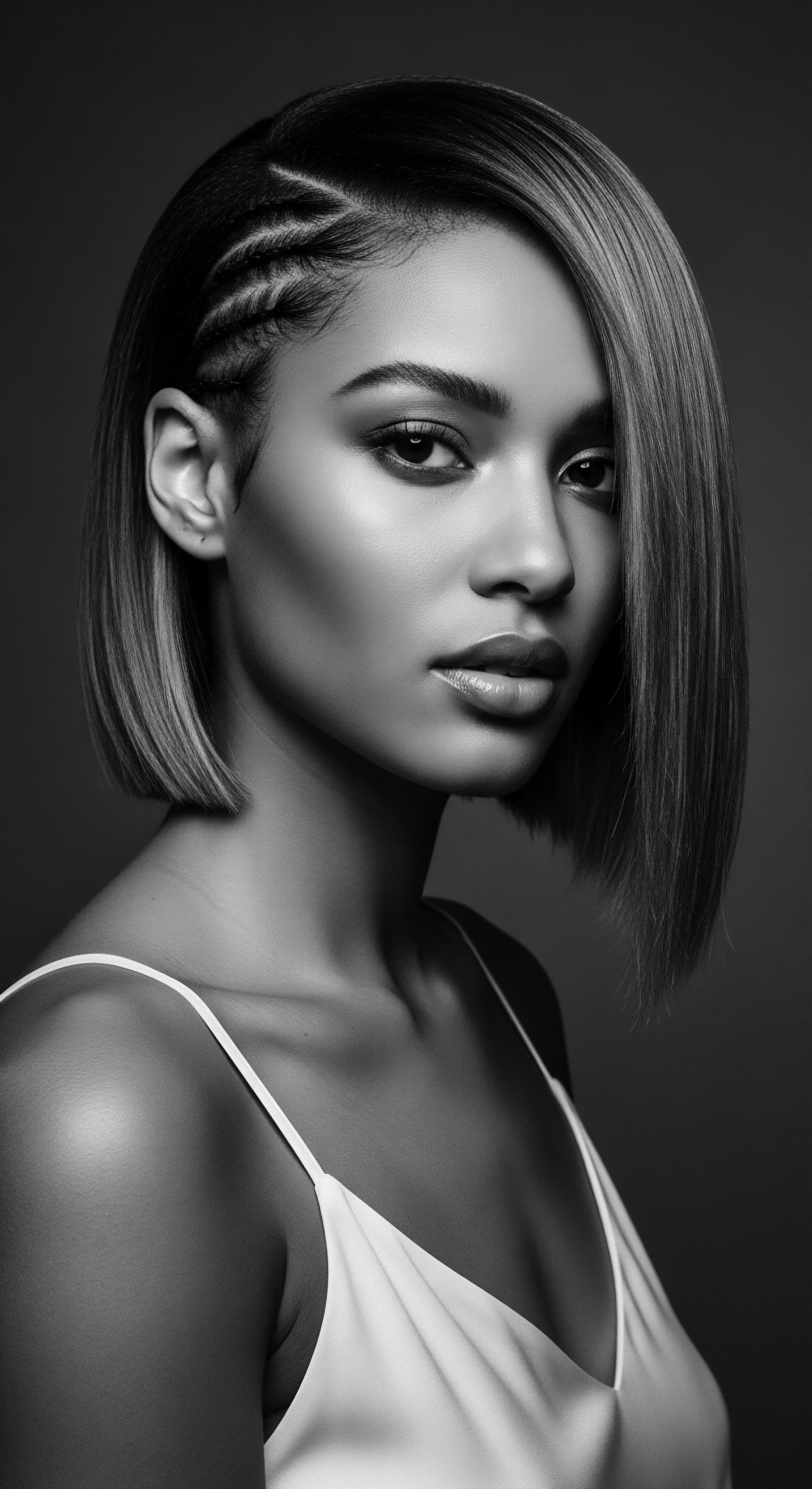
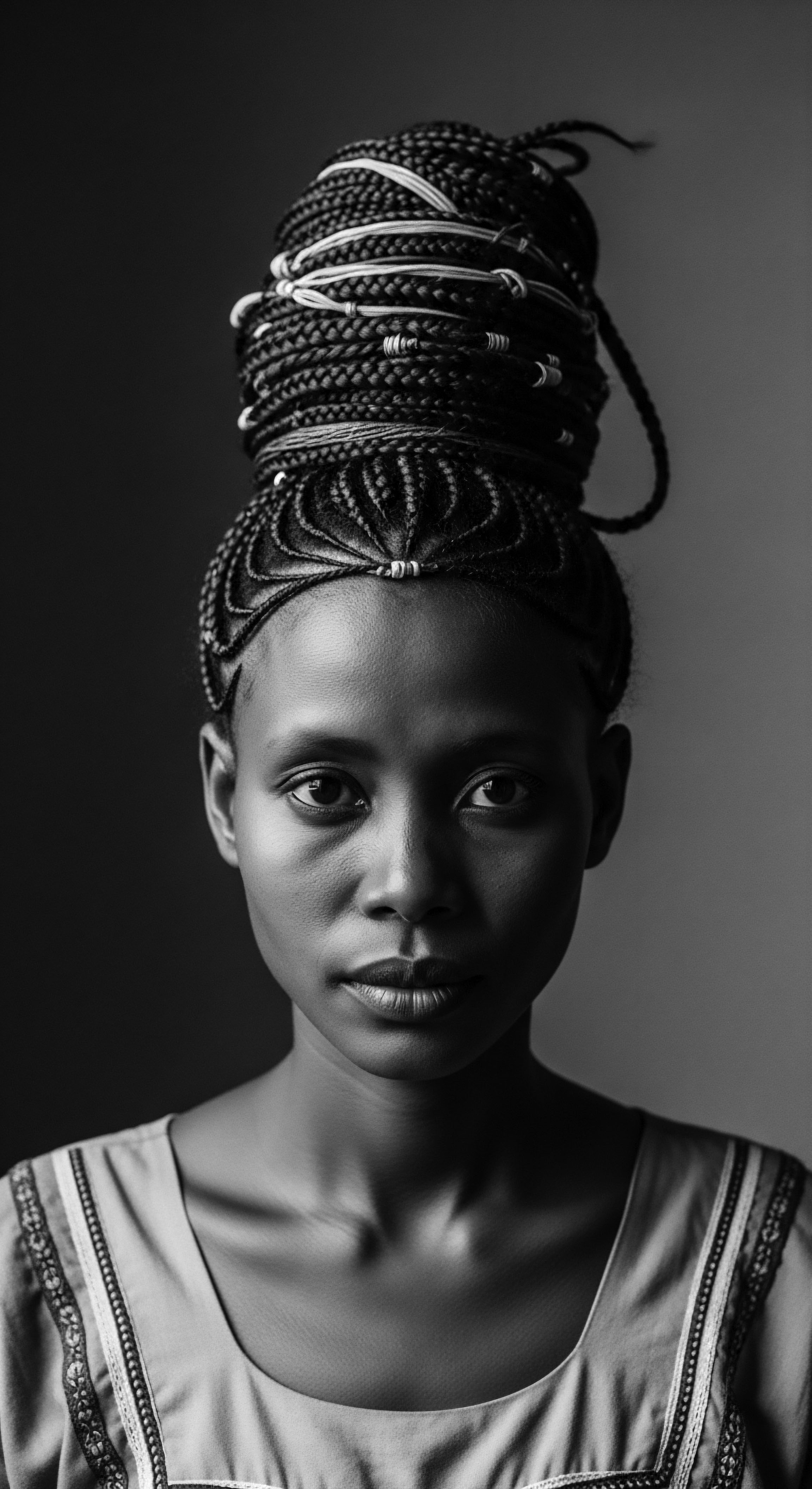
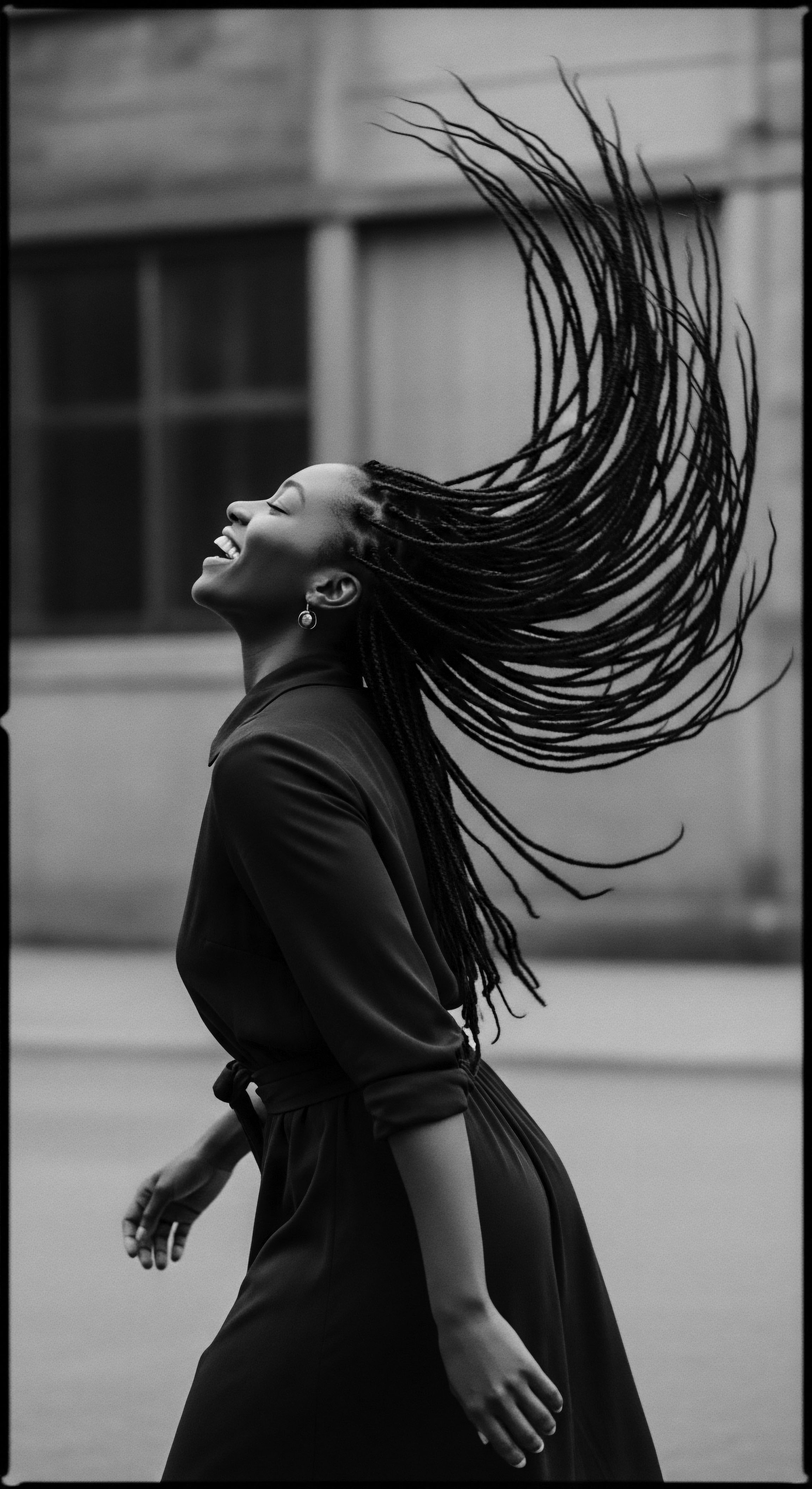
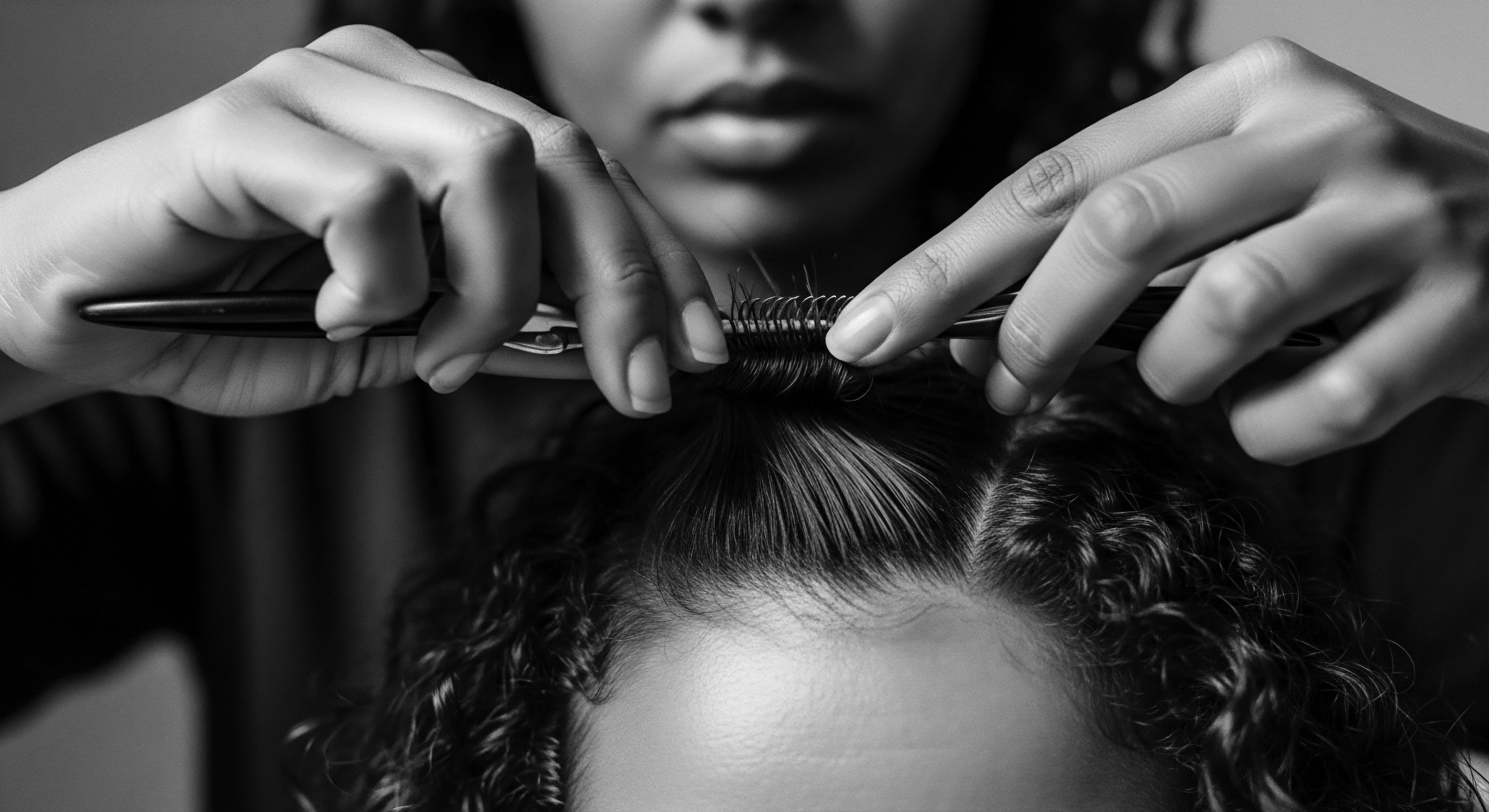
Meaning ❉ Inner hair strength defines the intrinsic resilience of a hair strand, rooted in its protein structure and a legacy of ancestral care practices.
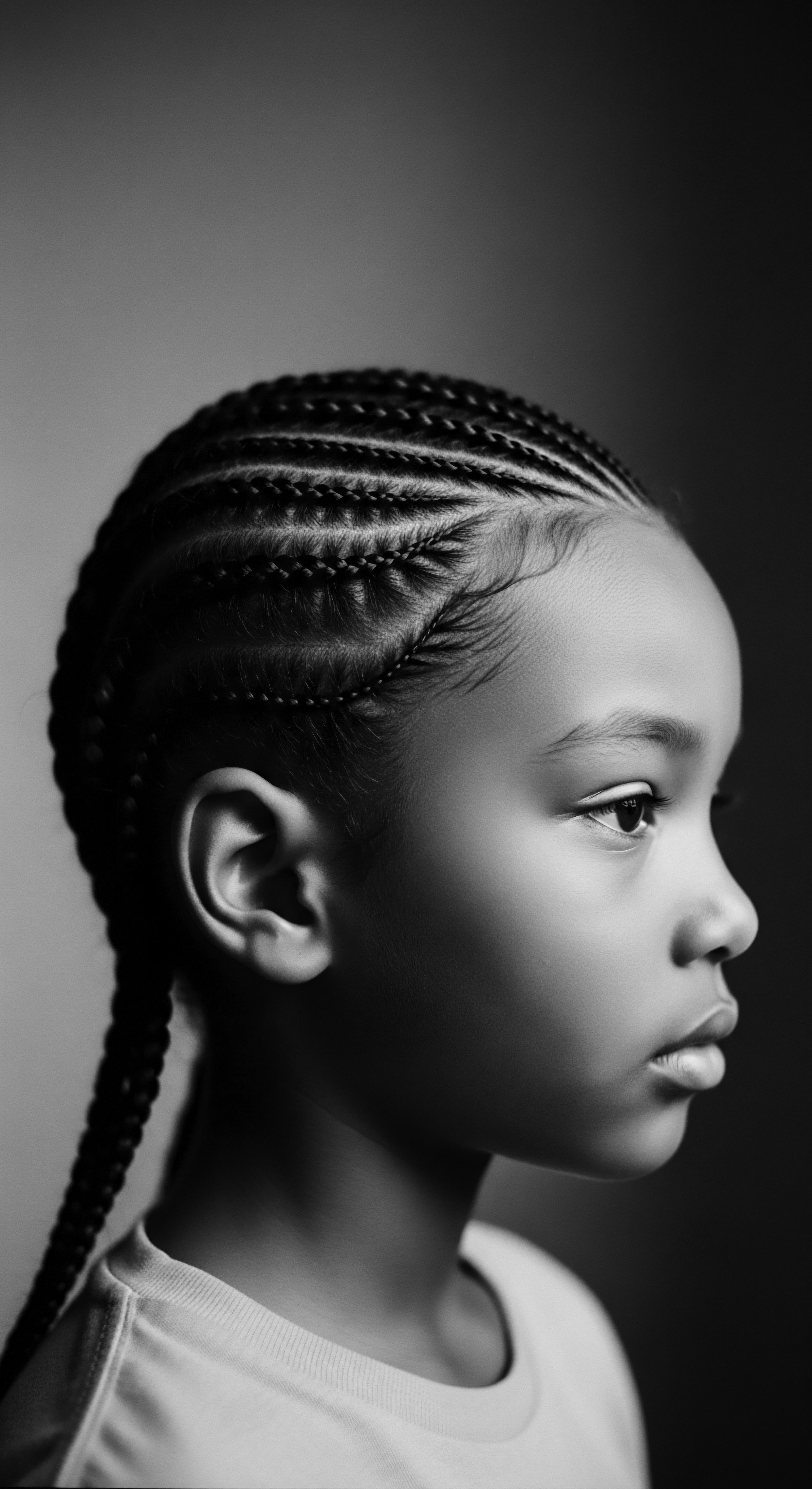
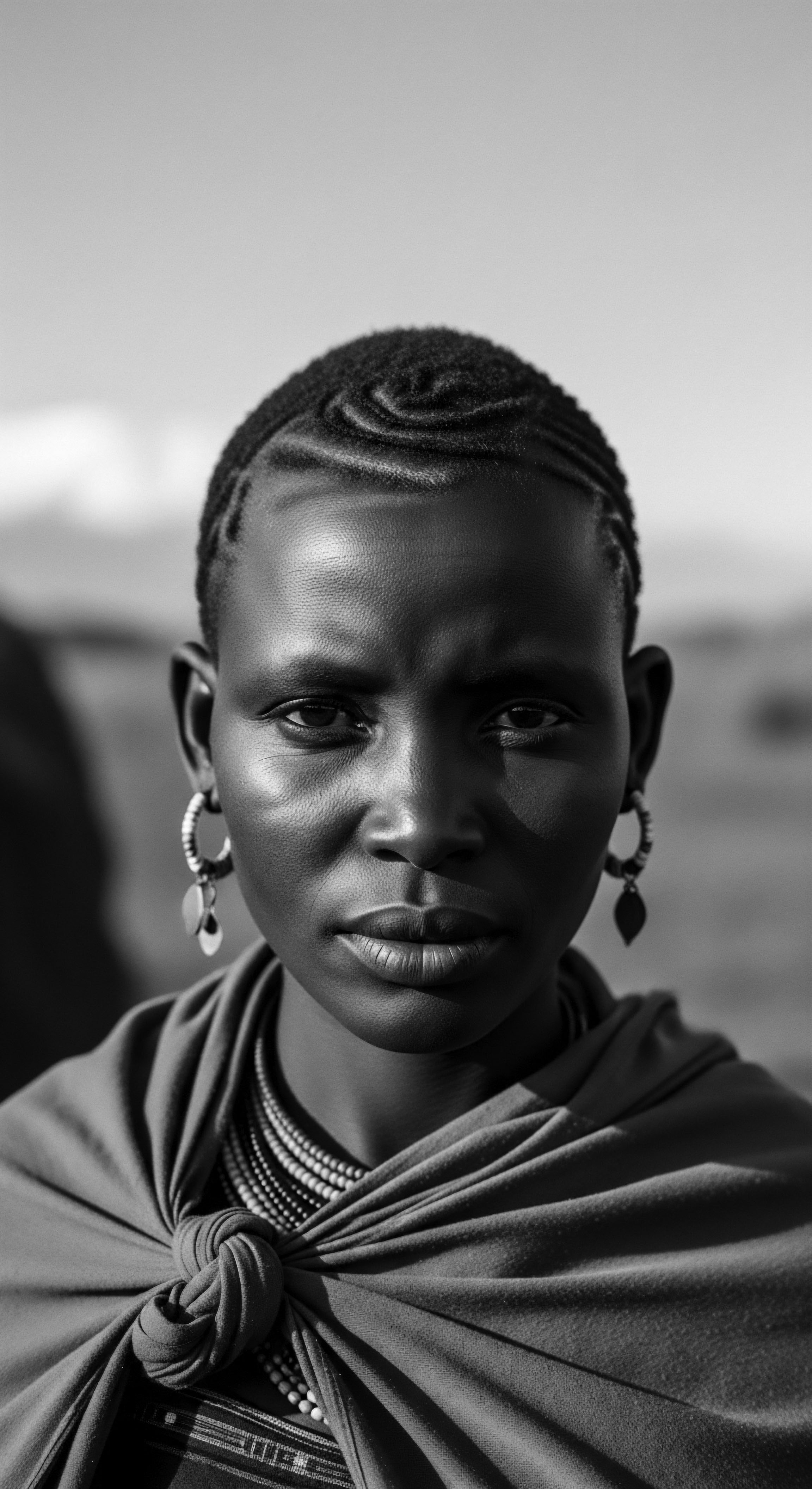
Ancestral hair practices offer deep wisdom for textured hair challenges through holistic care, protective styling, and natural ingredient usage, rooted in rich heritage.
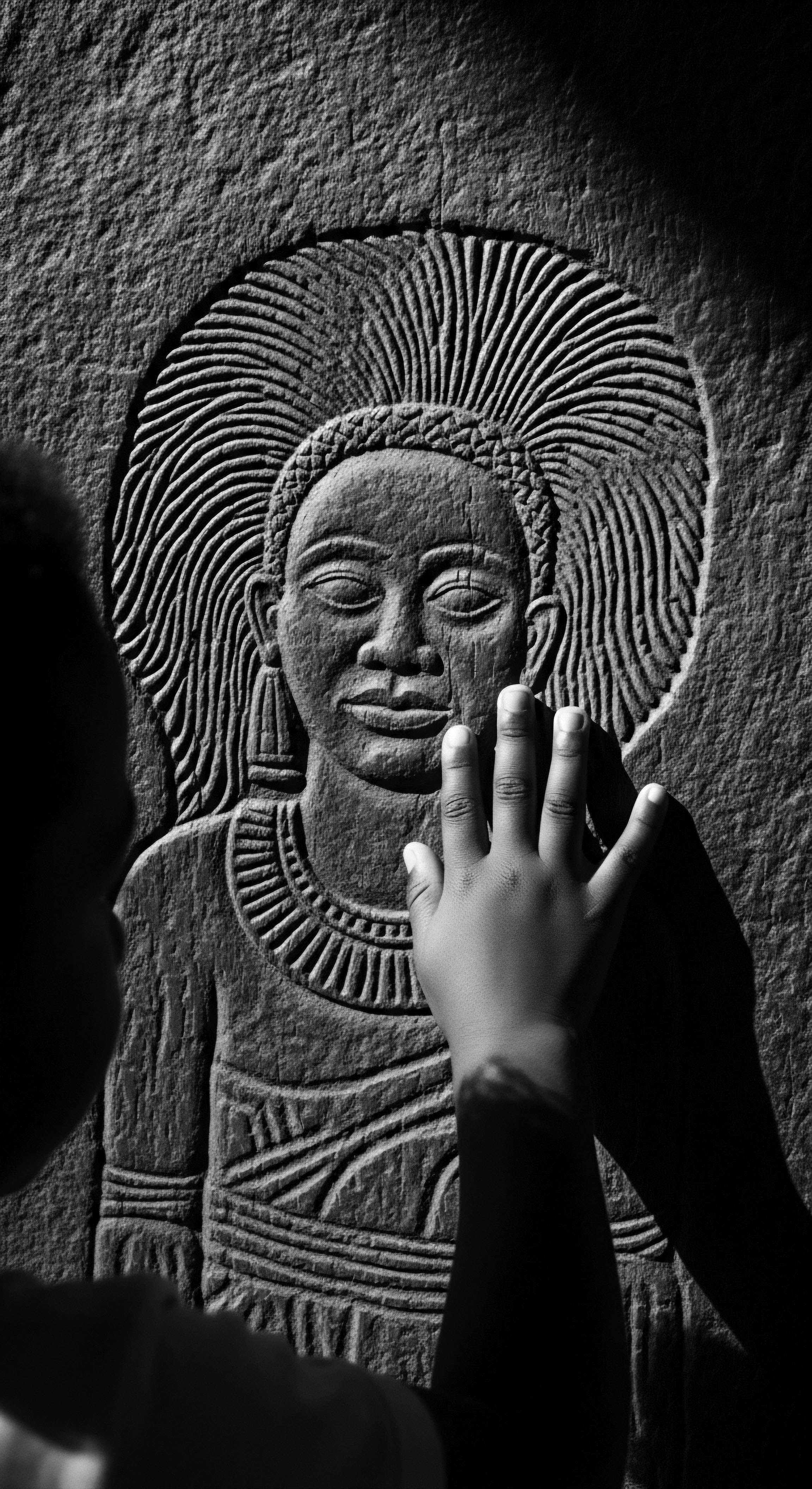
Ancient Egyptian hair practices, rooted in heritage, offer foundational insights into modern textured hair care through their emphasis on natural ingredients and protective styling.
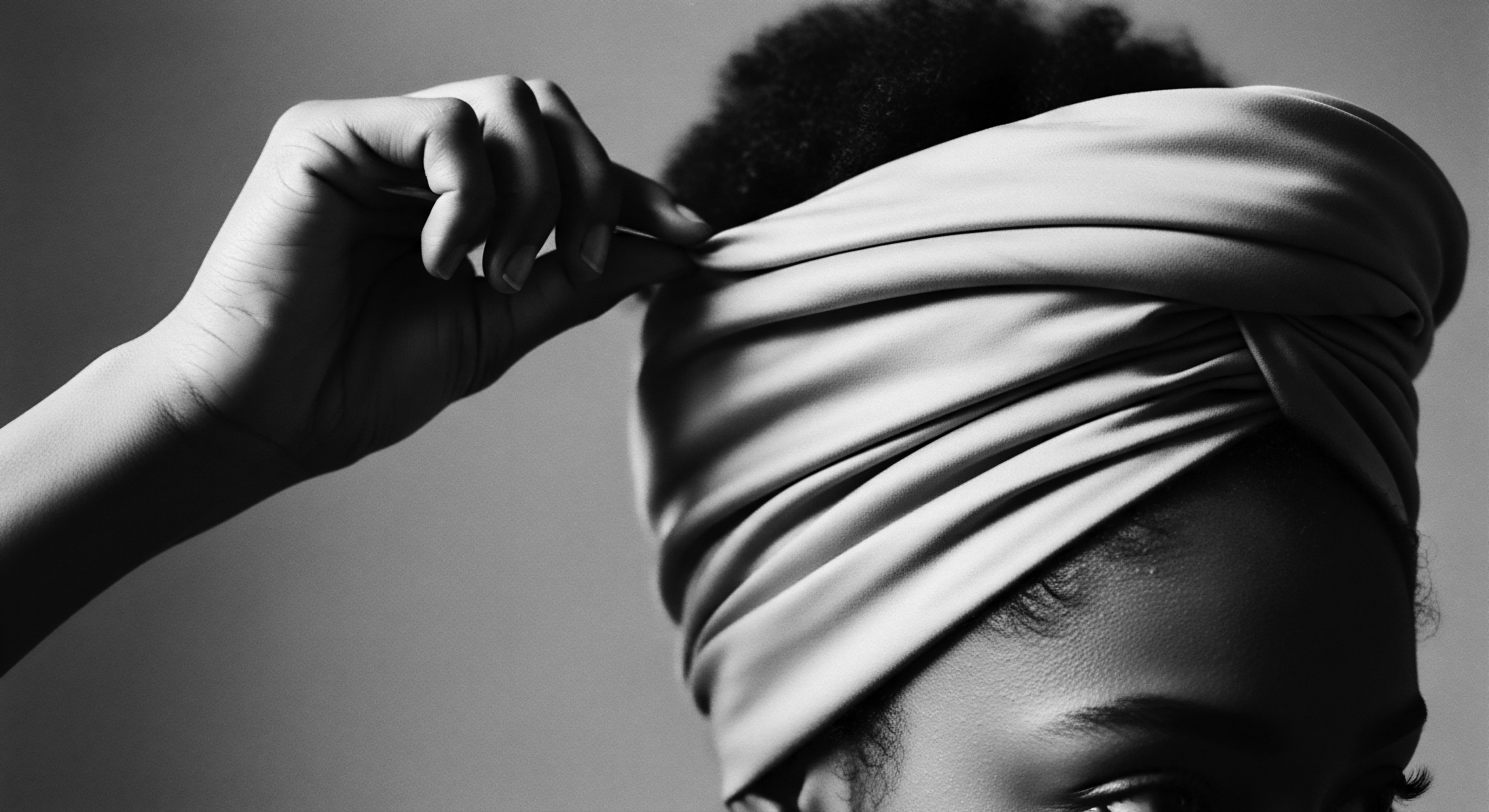
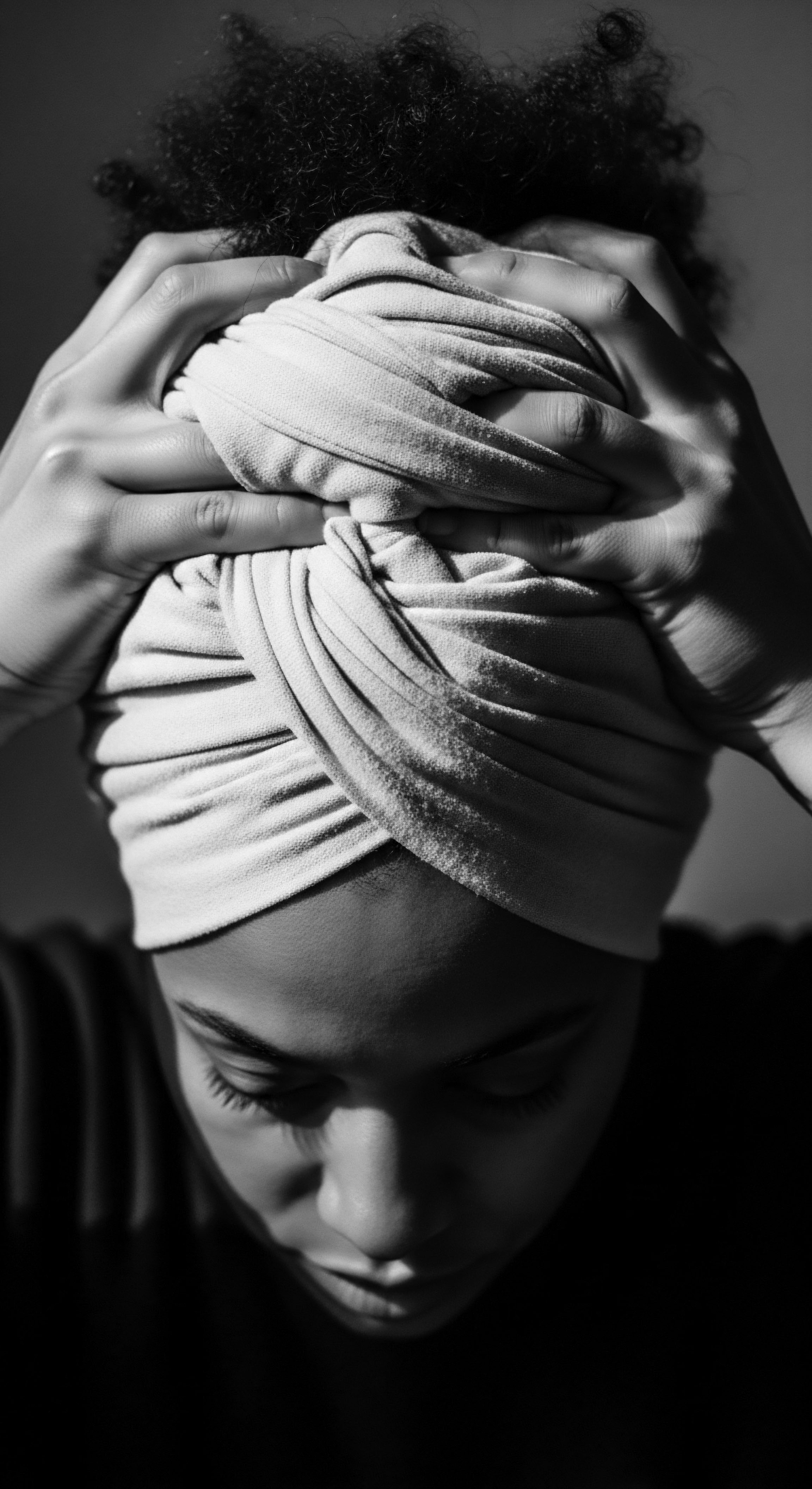
Headwraps prevent moisture loss by creating a humid microclimate around textured hair, a practice rooted in ancestral protection and cultural preservation.
The Tignon Laws, intended to suppress Black women's hair as heritage, unexpectedly spurred vibrant self-expression through headwraps, redefining cultural pride.
Meaning ❉ Iron Deficiency Textured Hair refers to specific changes in textured hair resulting from inadequate iron, often linked to historical health disparities and traditional care.
Bonnets became a symbol of hair wellness in textured hair heritage through ancestral protective practices and diasporic resilience, preserving hair health against environmental and oppressive forces.
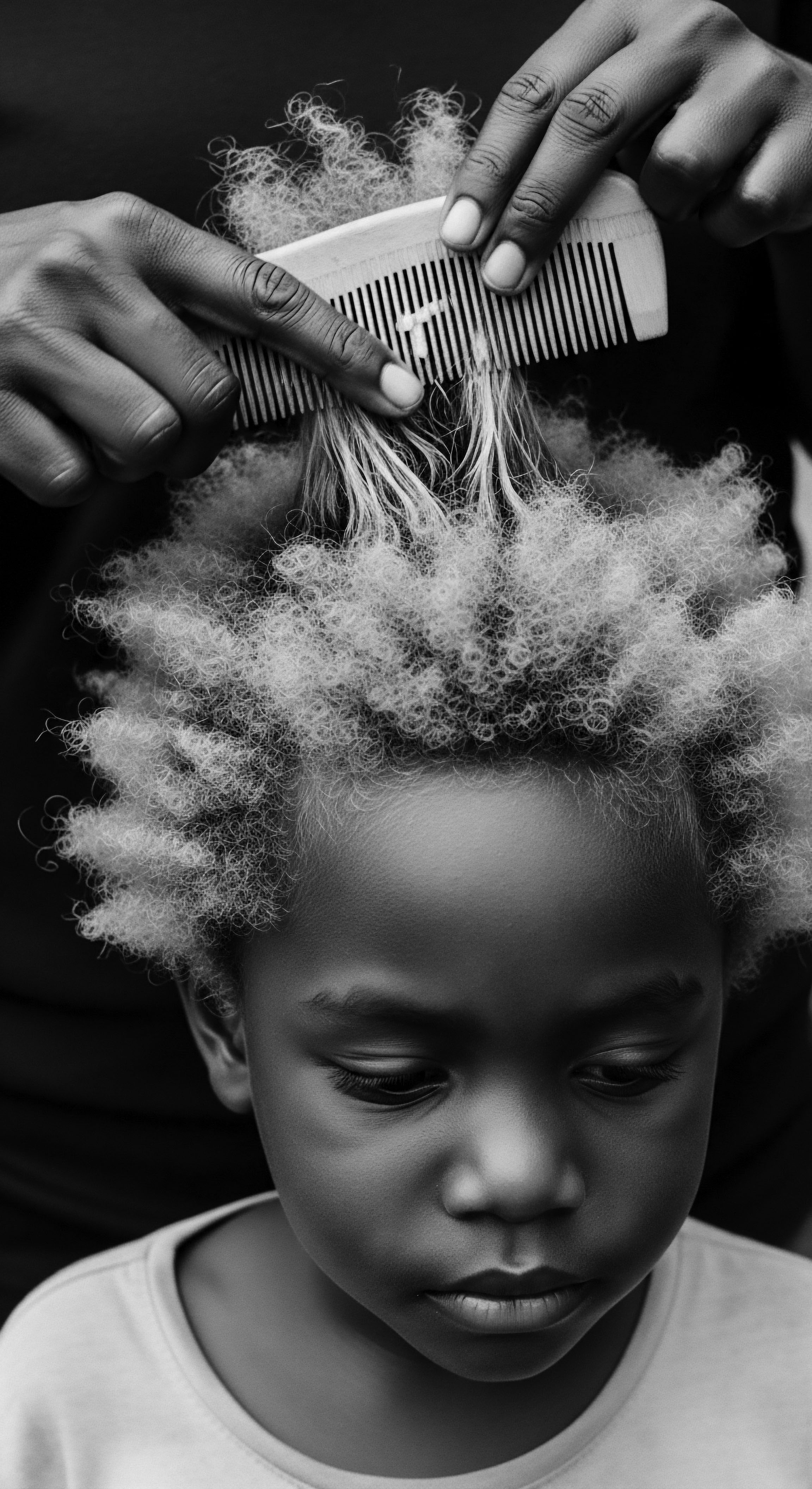
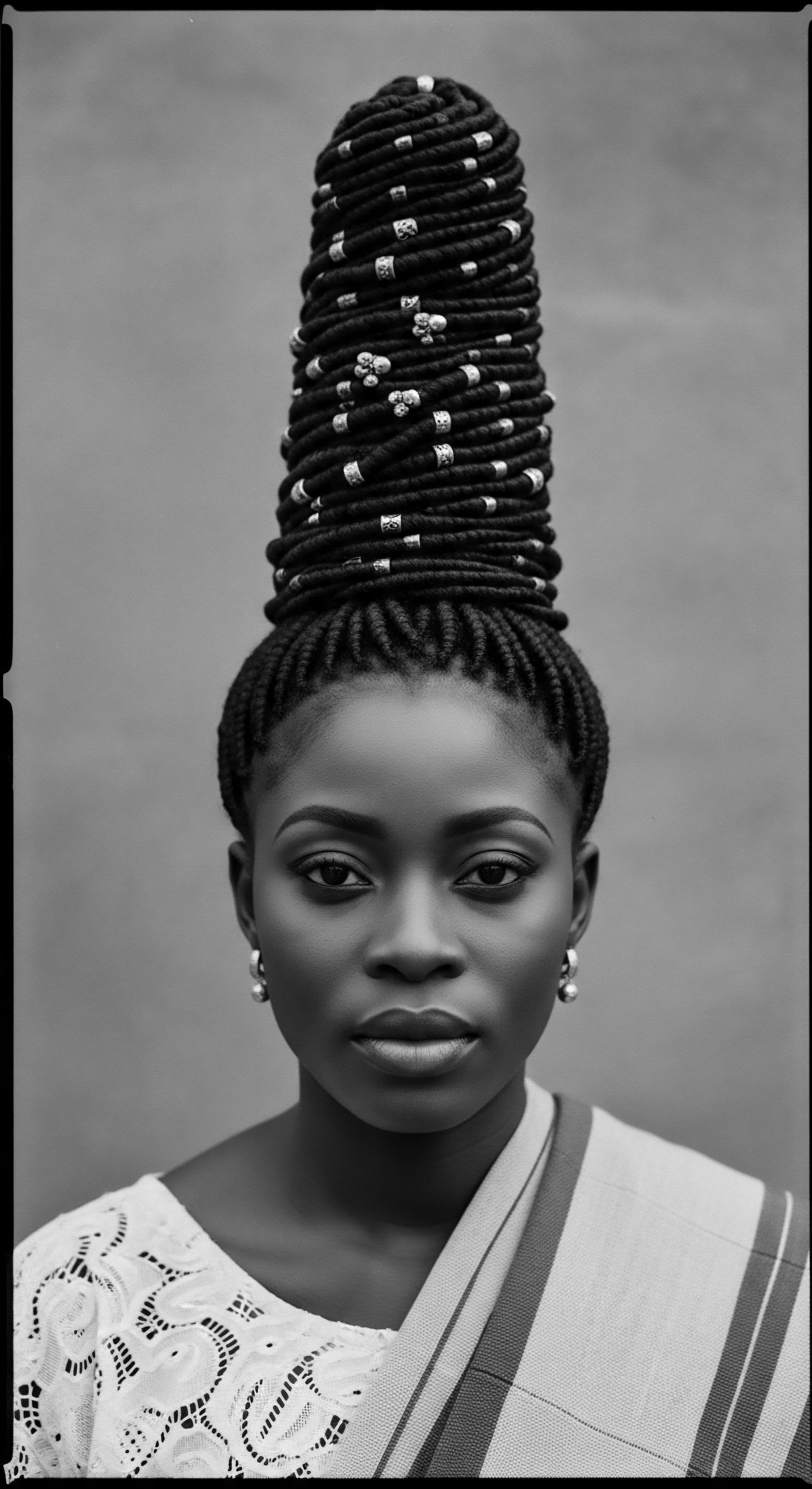
Ancestral hair care traditions deeply influence modern textured hair health by providing time-tested practices and ingredients that prioritize protection, moisture, and holistic well-being.
Meaning ❉ Fabric breathability defines a textile's ability to manage moisture and airflow for scalp and hair health, deeply informed by ancestral textured hair care.
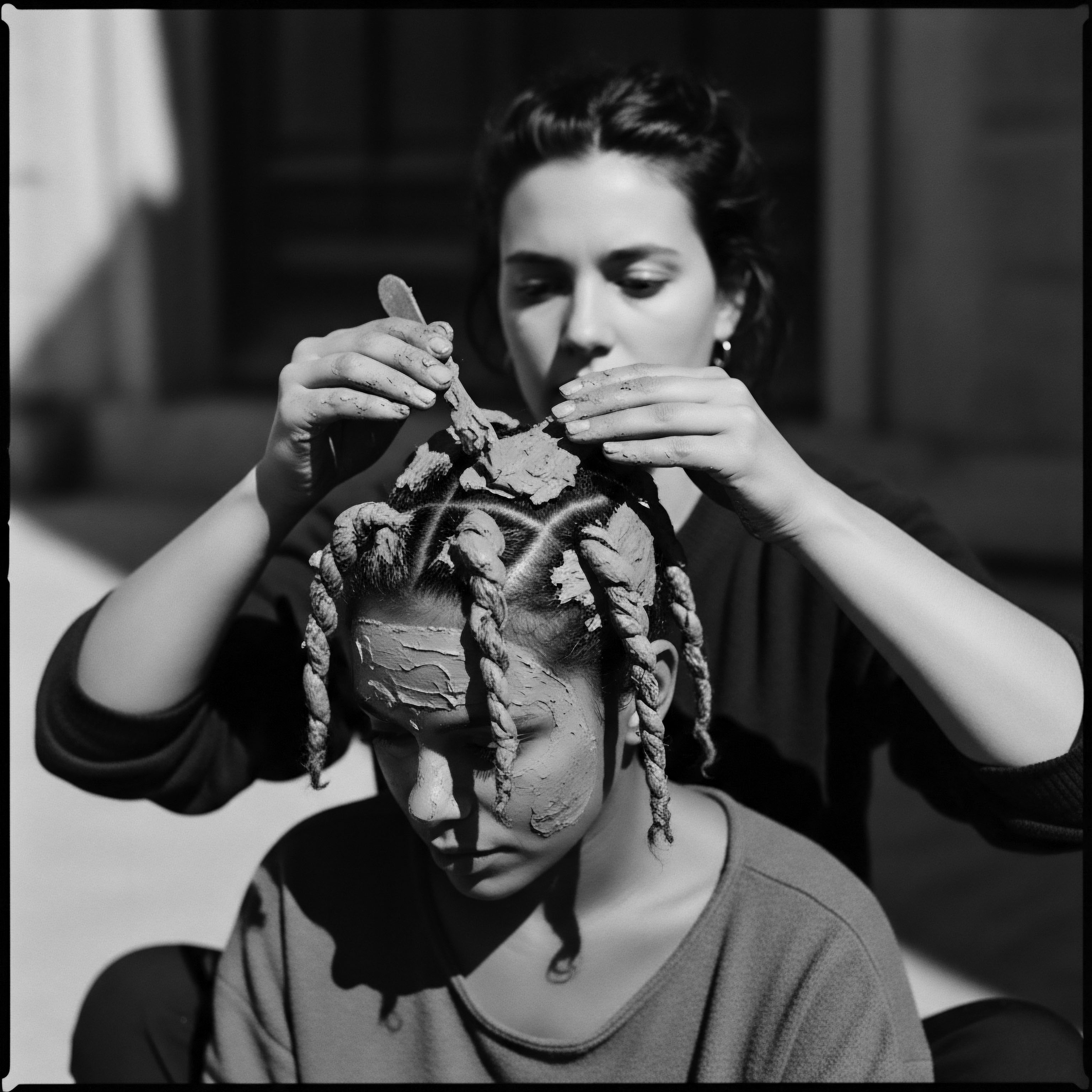
Clay has profoundly shaped African hair heritage by serving as a cleansing, protective, and symbolic agent, deeply connecting individuals to ancestral practices.
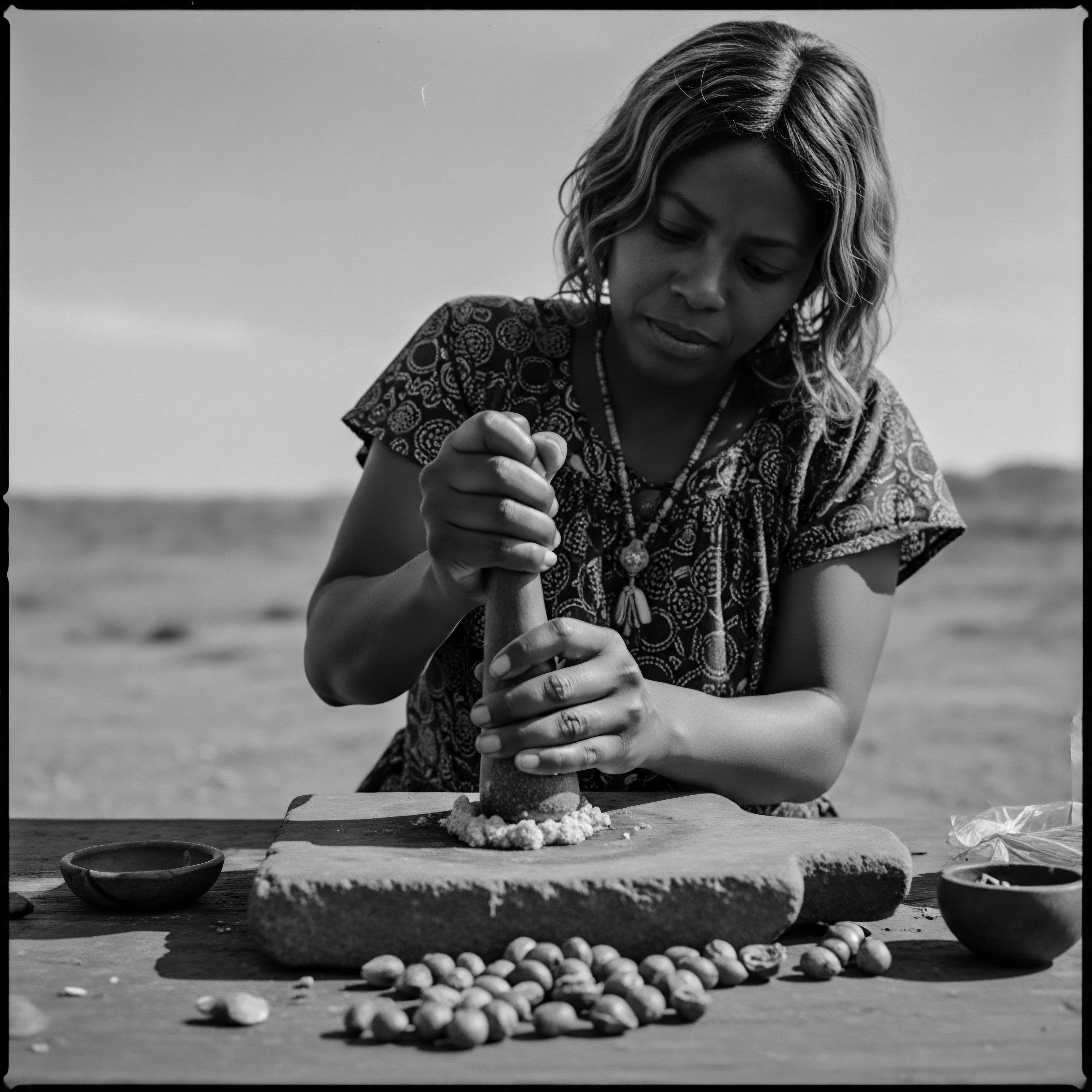
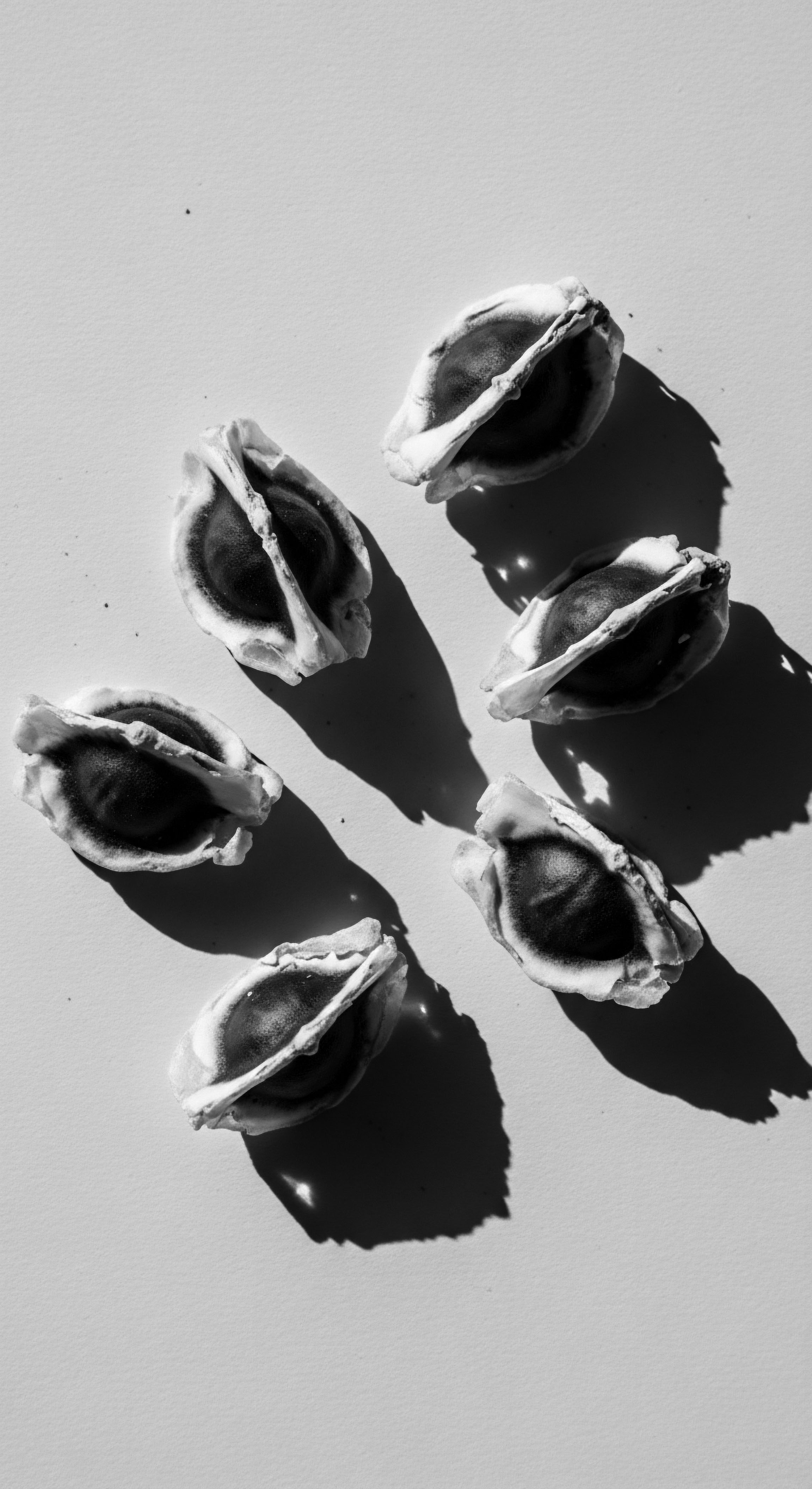
Ancestral wisdom in botanical textured hair care is deeply embedded in the historical use of natural elements for holistic nourishment, protection, and cultural expression.
The economic history of textured hair care mirrors a journey from ancient communal sustenance to a multi-billion-dollar industry, deeply rooted in Black and mixed-race heritage.
Meaning ❉ Ingredient Evolution defines the historical and cultural journey of natural substances transformed into meaningful hair care components, particularly for textured hair.
Natural plant ingredients hold a profound cultural legacy for textured hair, rooted in ancestral practices that shaped identity and community through generations of care.
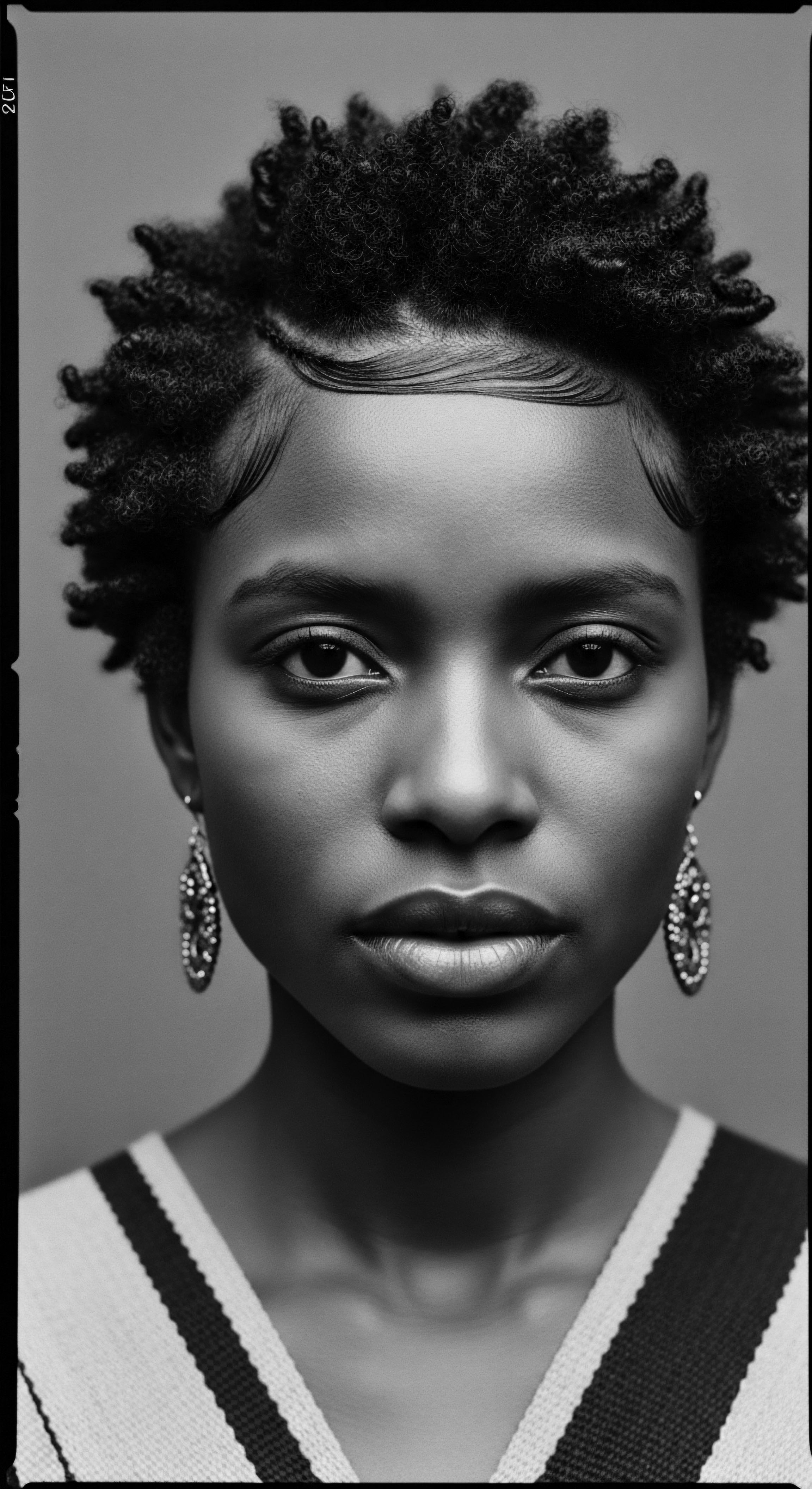
Early beauty standards, rooted in Eurocentric ideals, systematically devalued textured hair, inflicting generational wounds on Black and mixed-race heritage.
We use cookies to personalize content and marketing, and to analyze our traffic. This helps us maintain the quality of our free resources. Manage your preferences below.
This helps support our free resources through personalized marketing efforts and promotions.
Analytics cookies help us understand how visitors interact with our website, improving user experience and website performance.
Personalization cookies enable us to customize the content and features of our site based on your interactions, offering a more tailored experience.