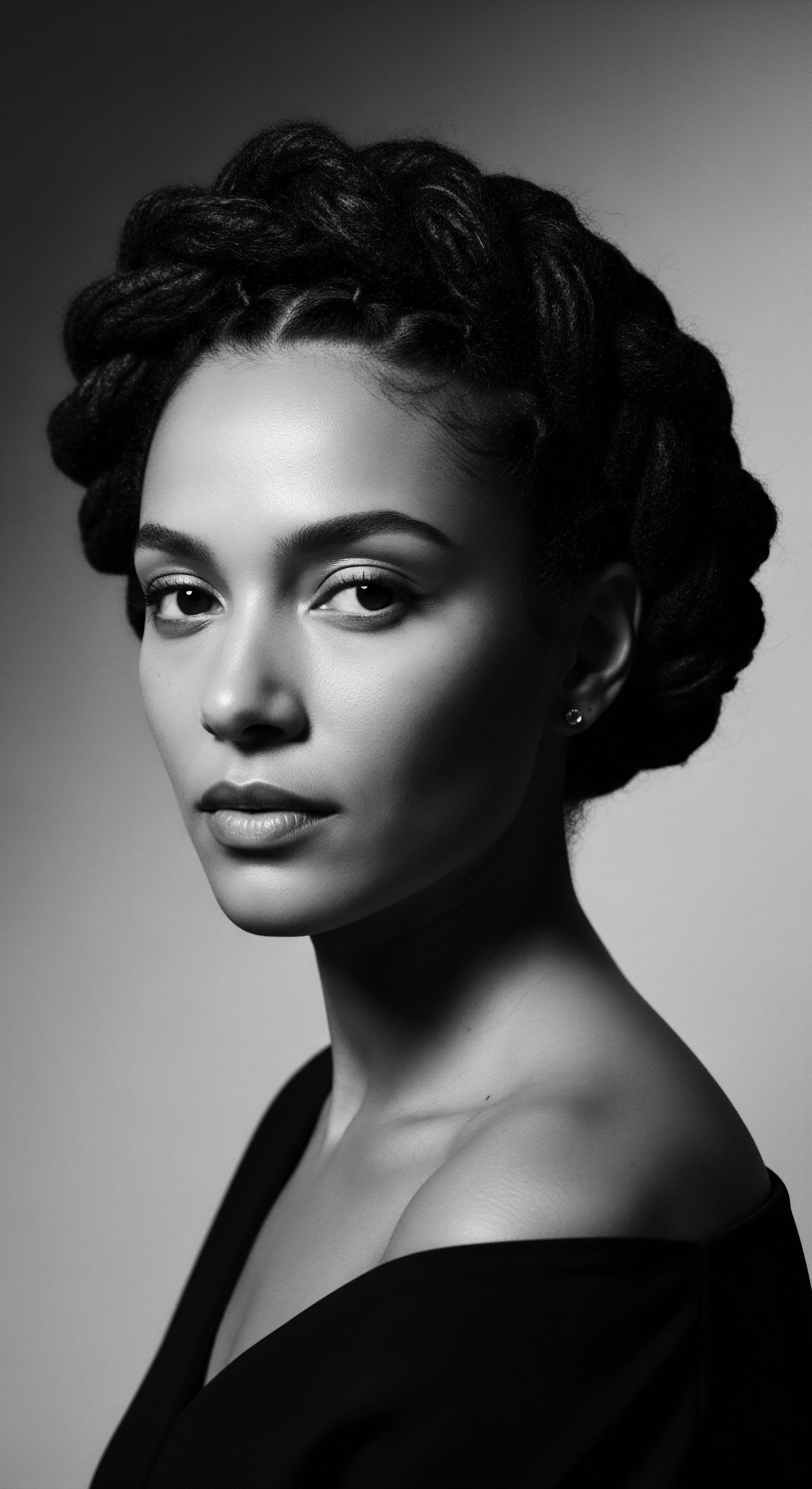
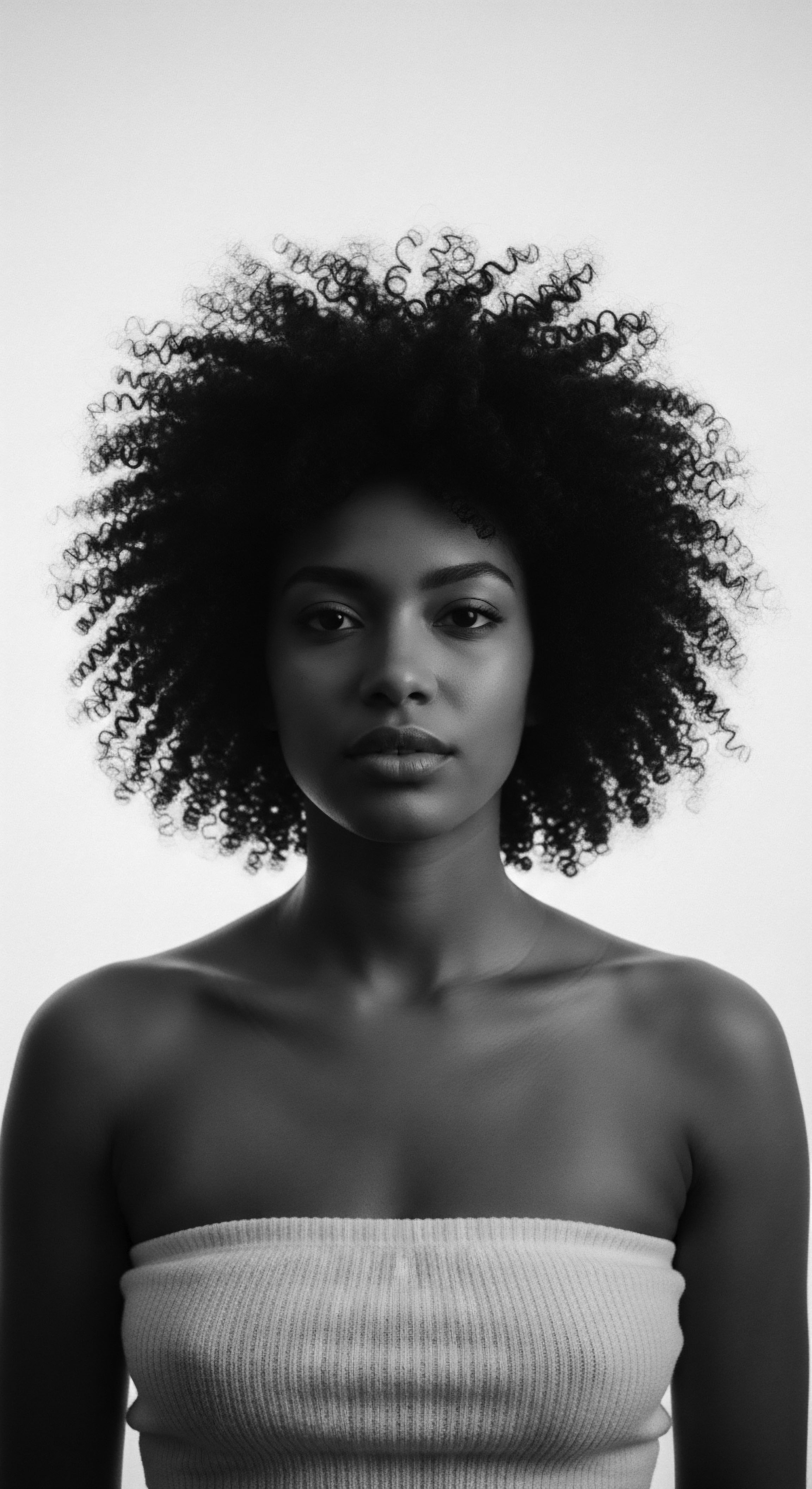
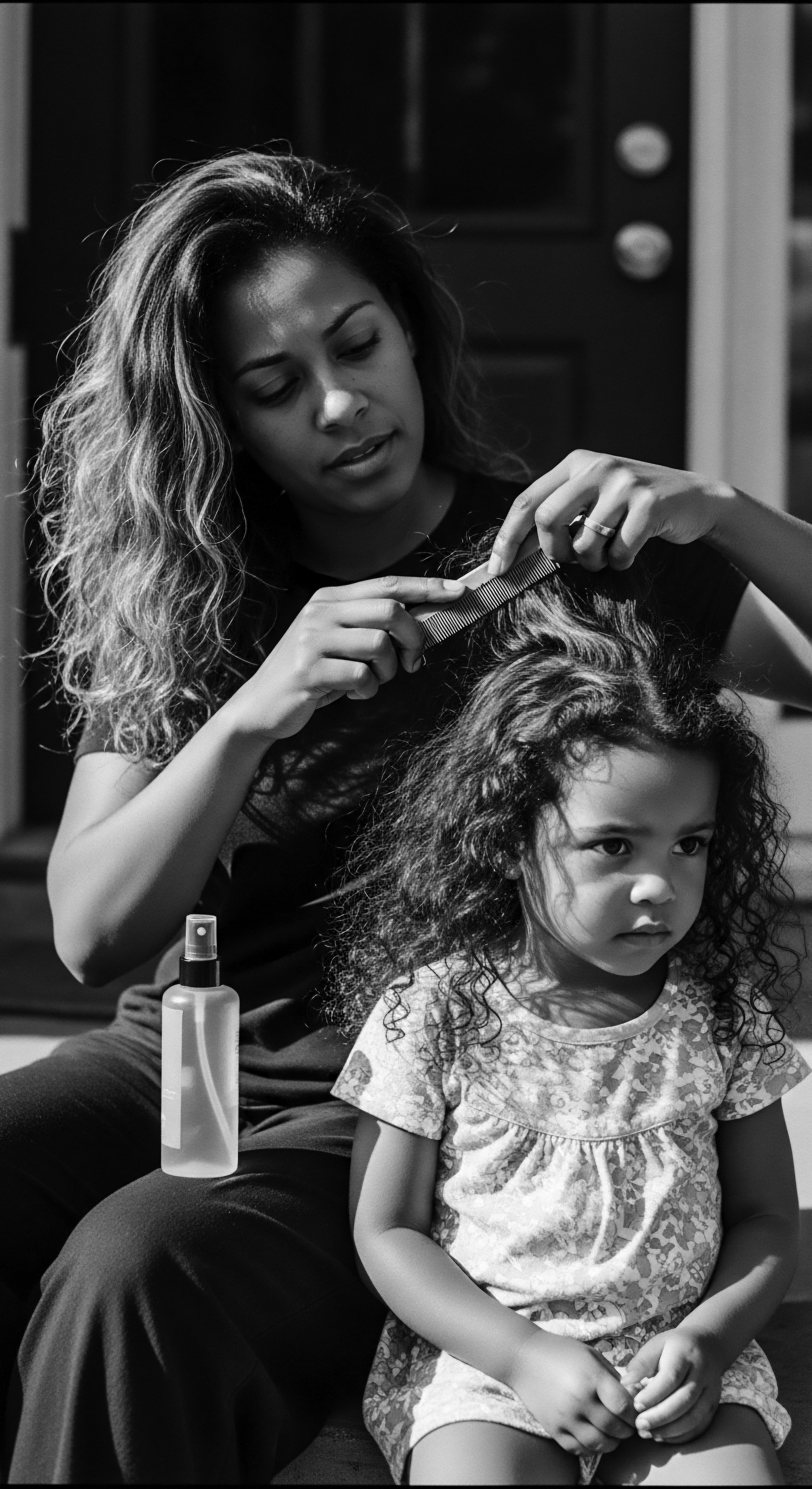
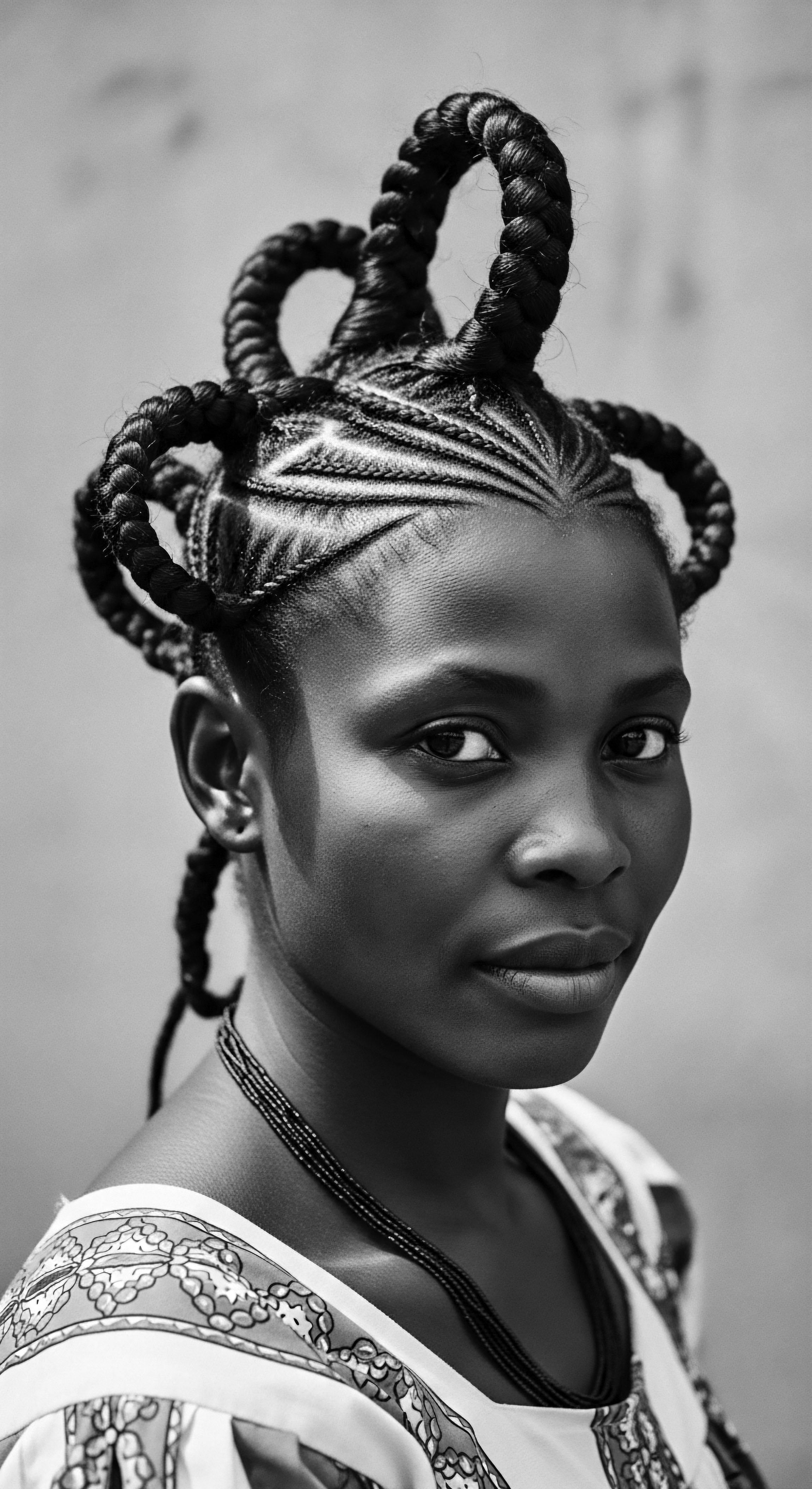
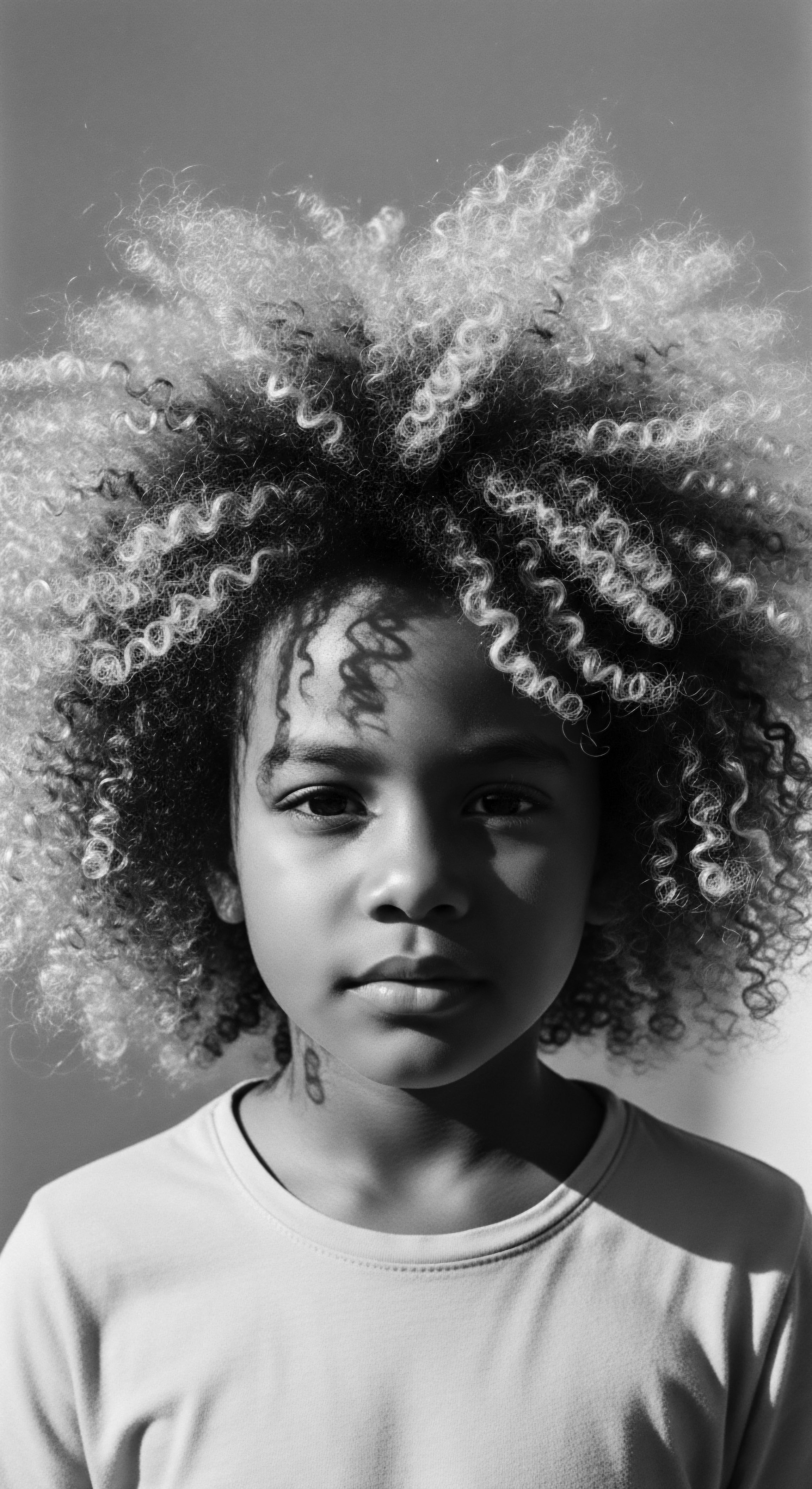
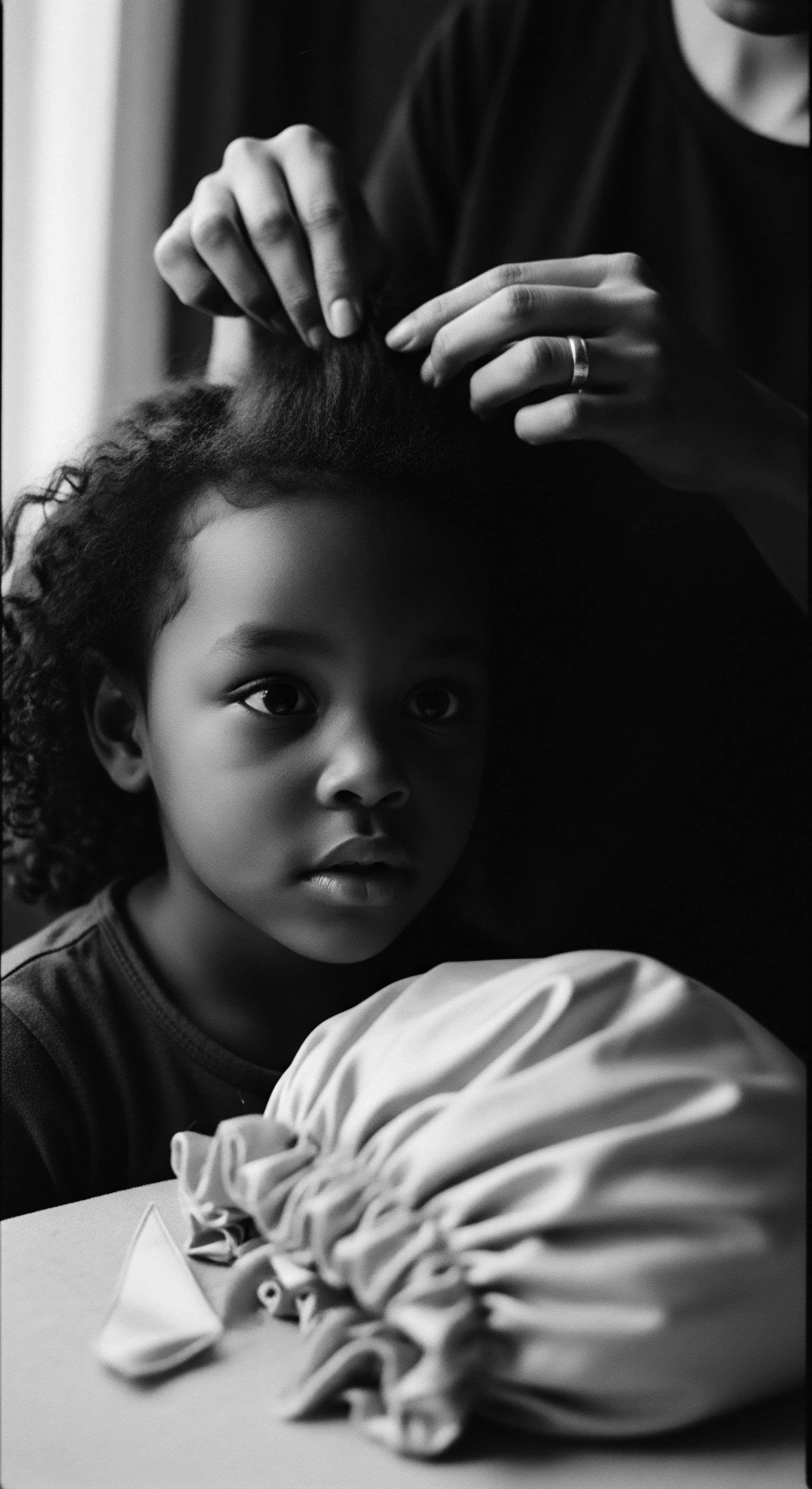
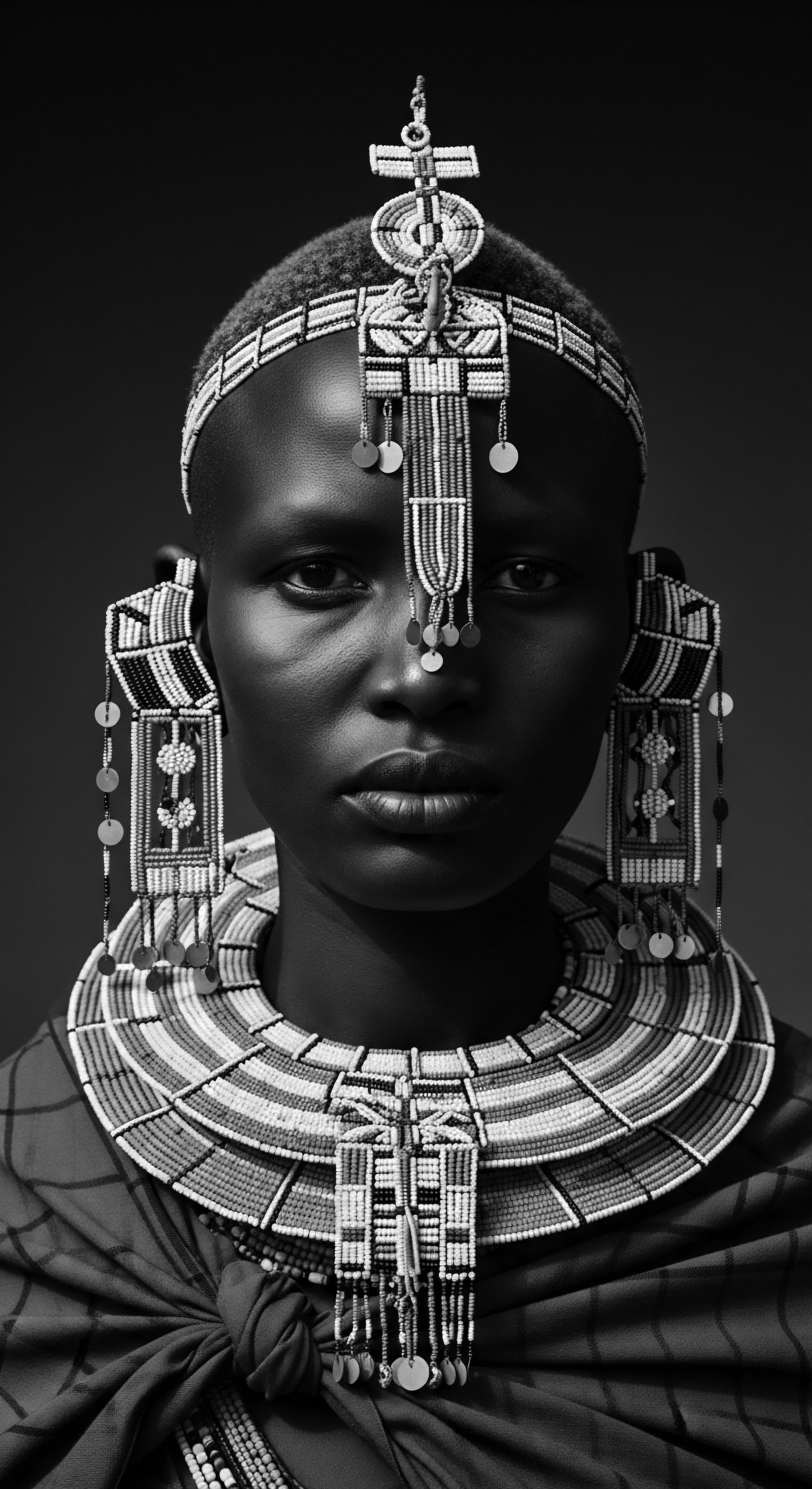
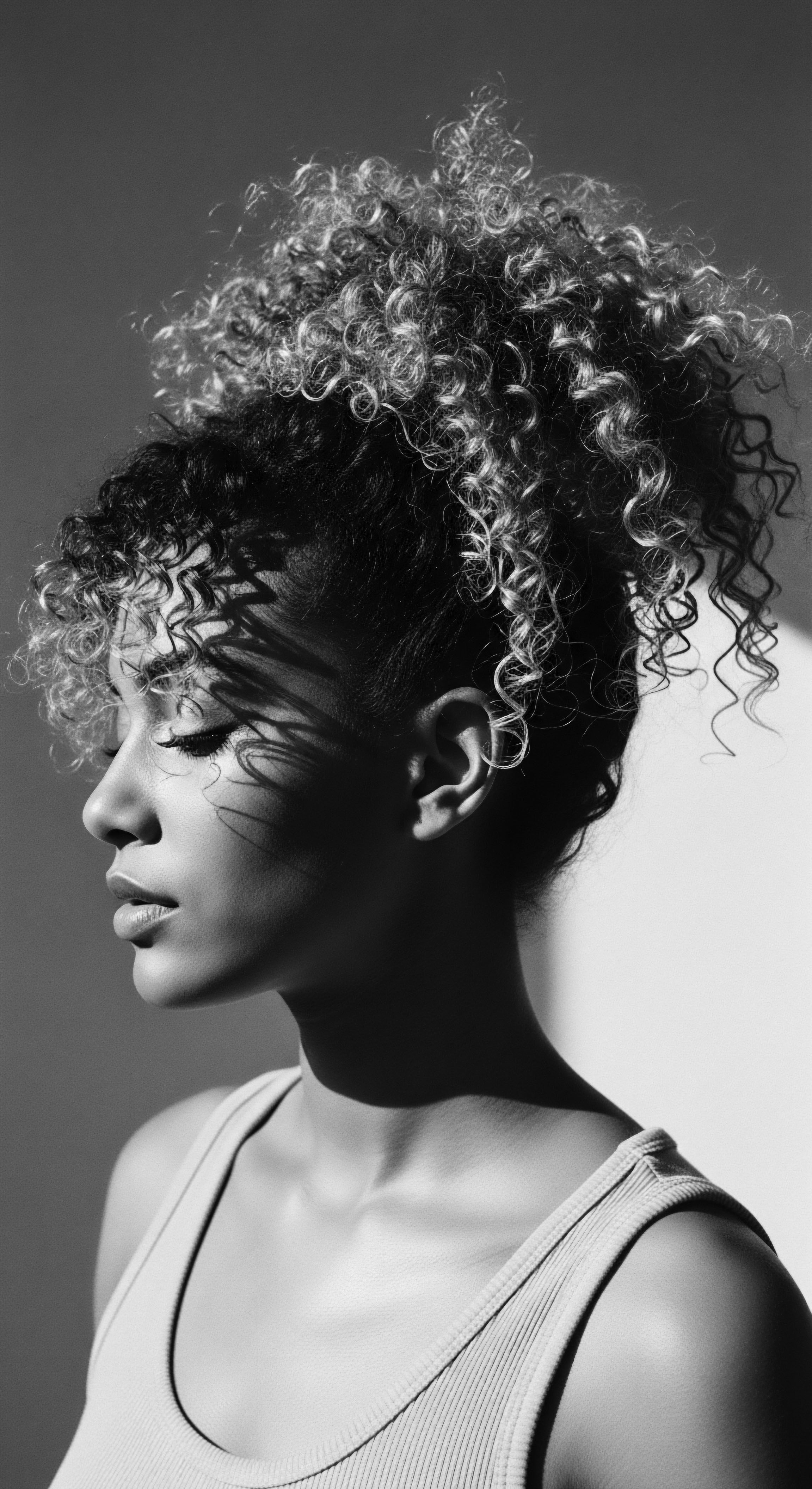
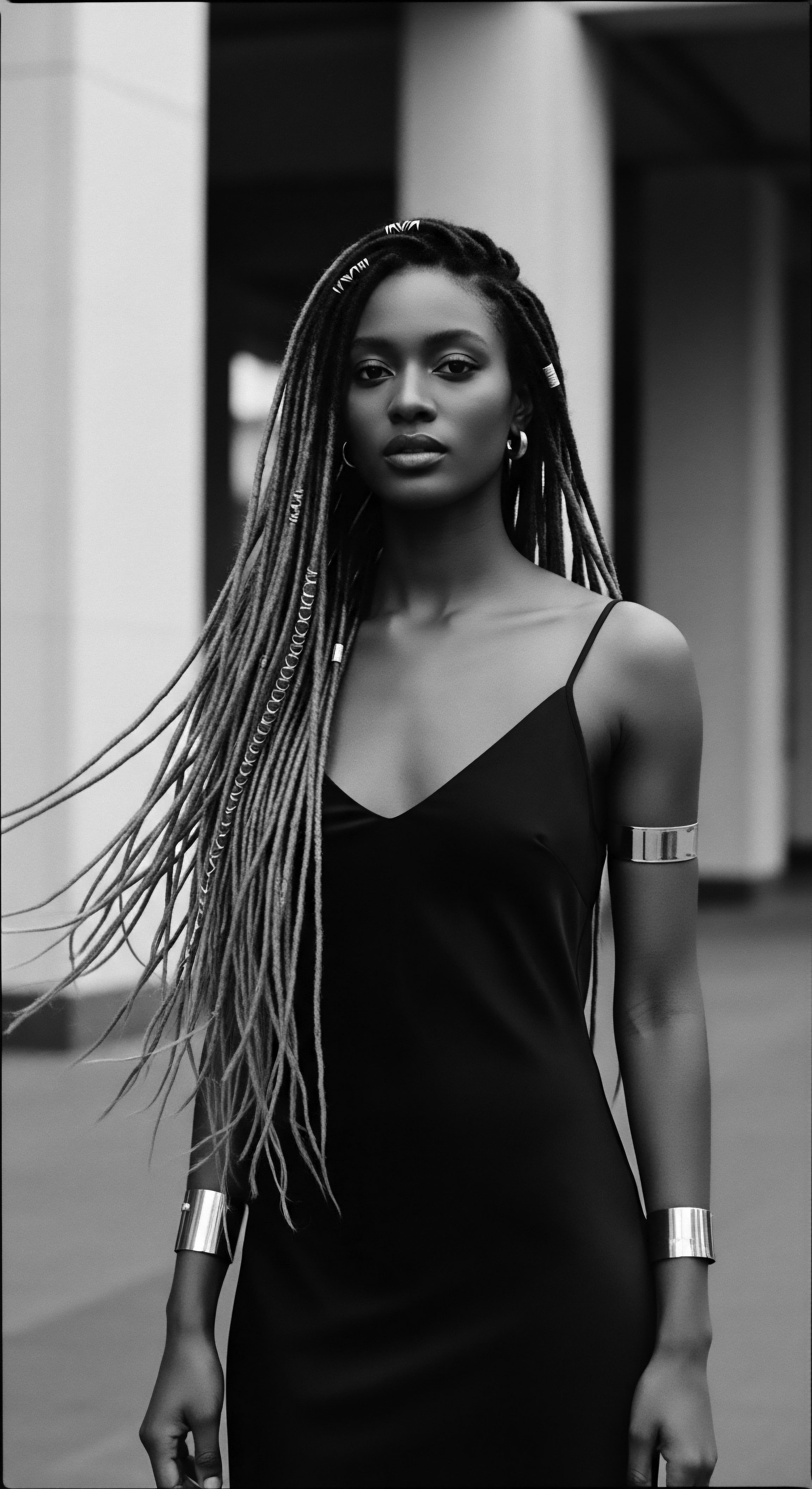
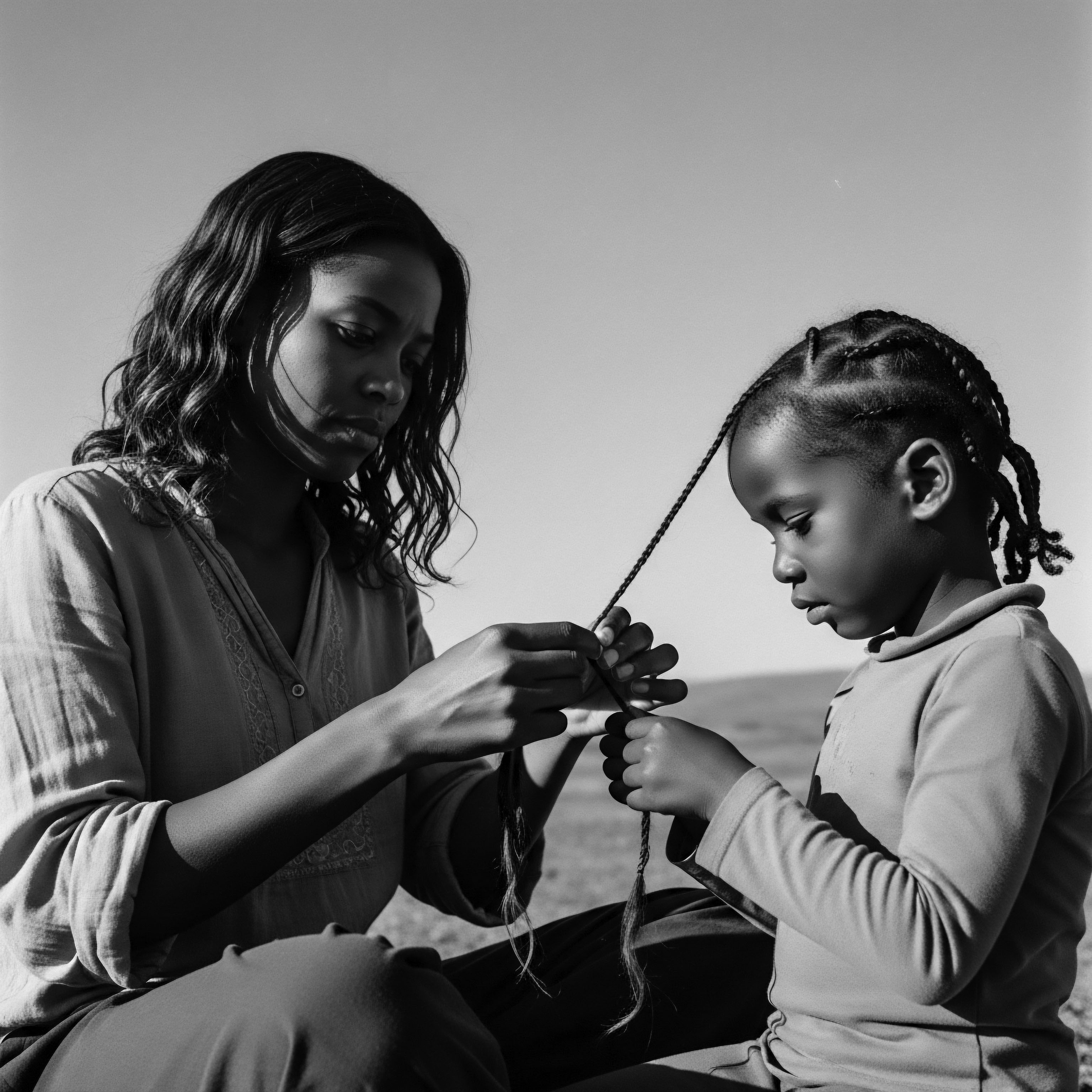
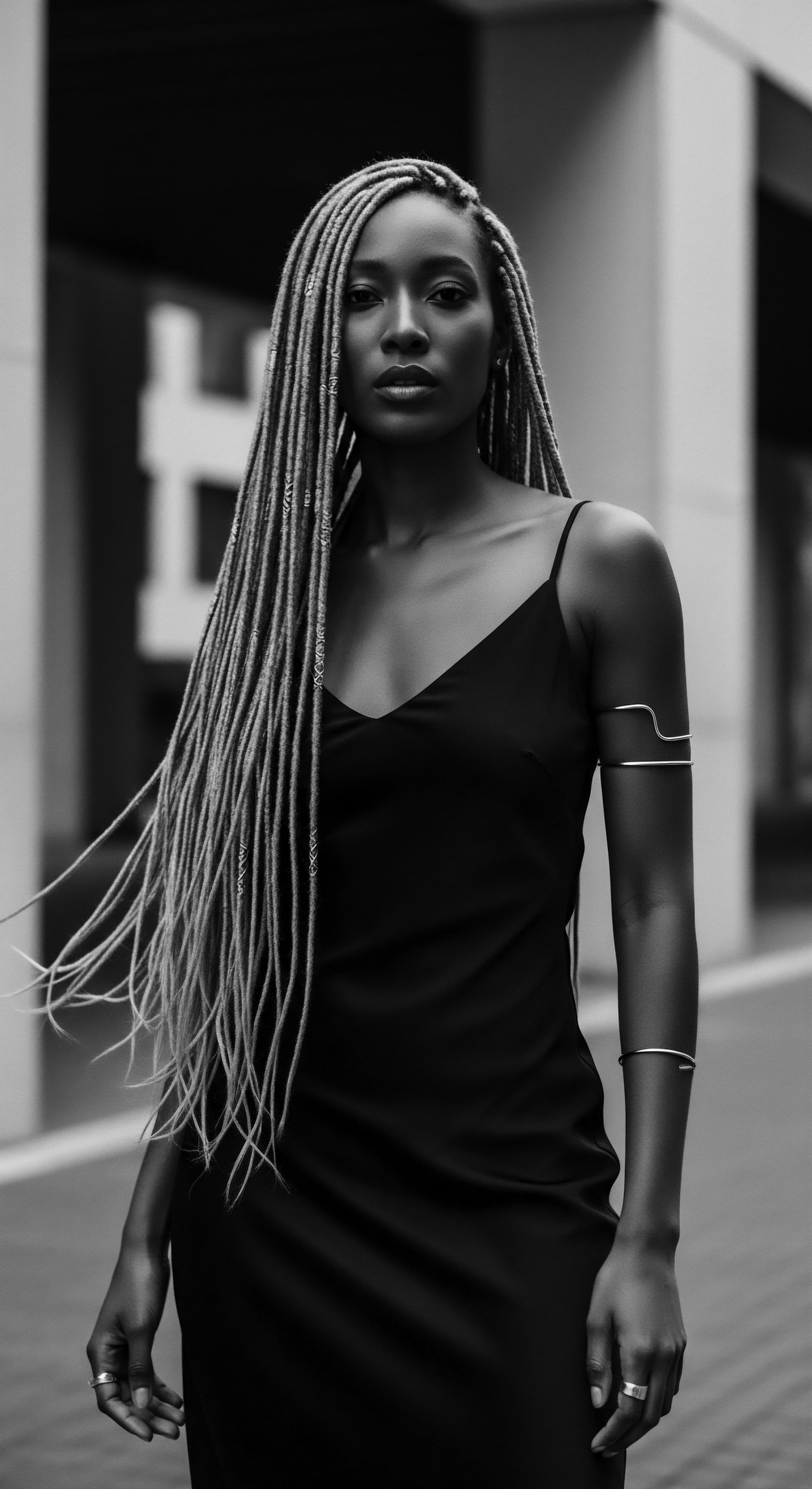
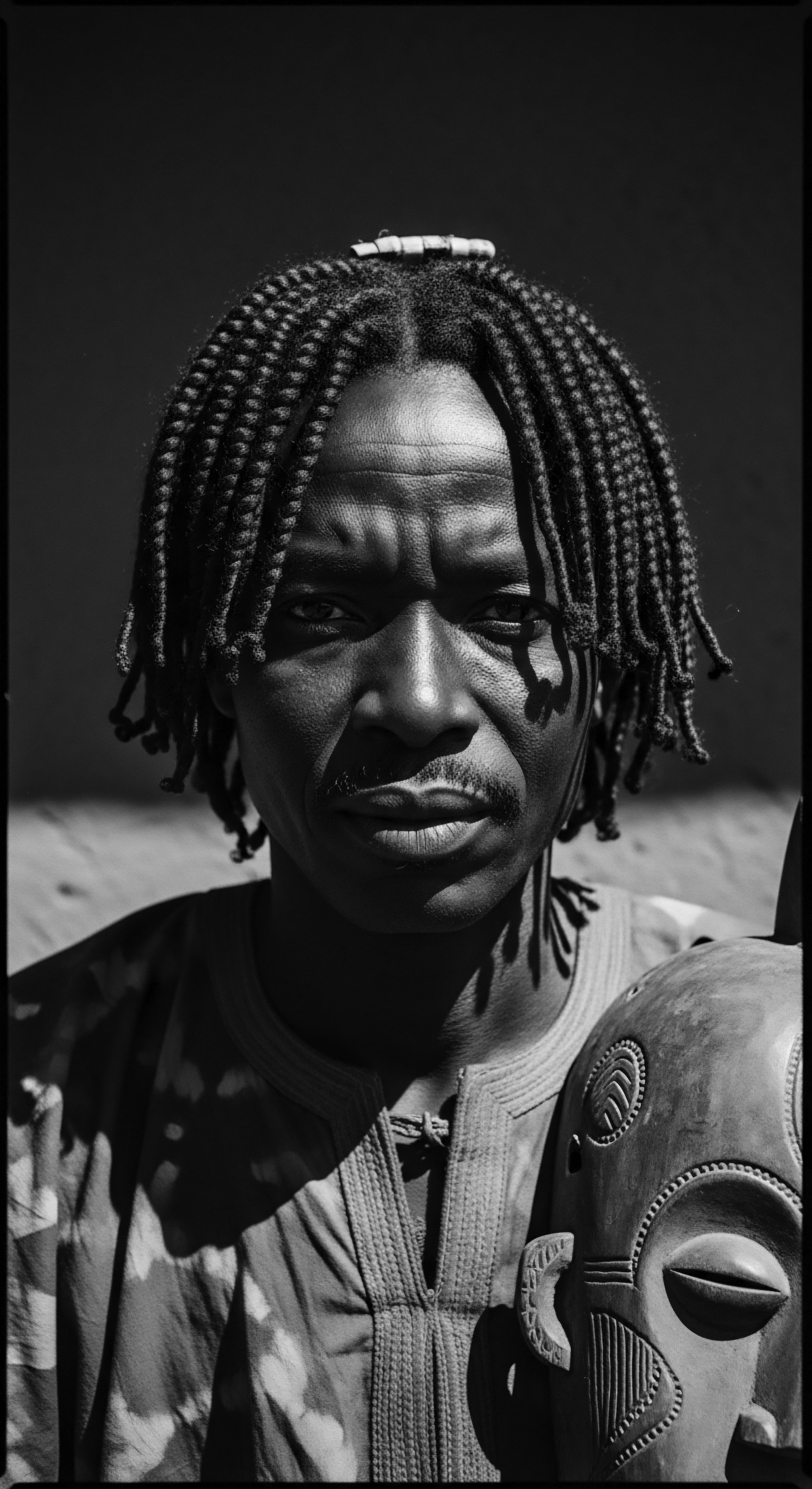
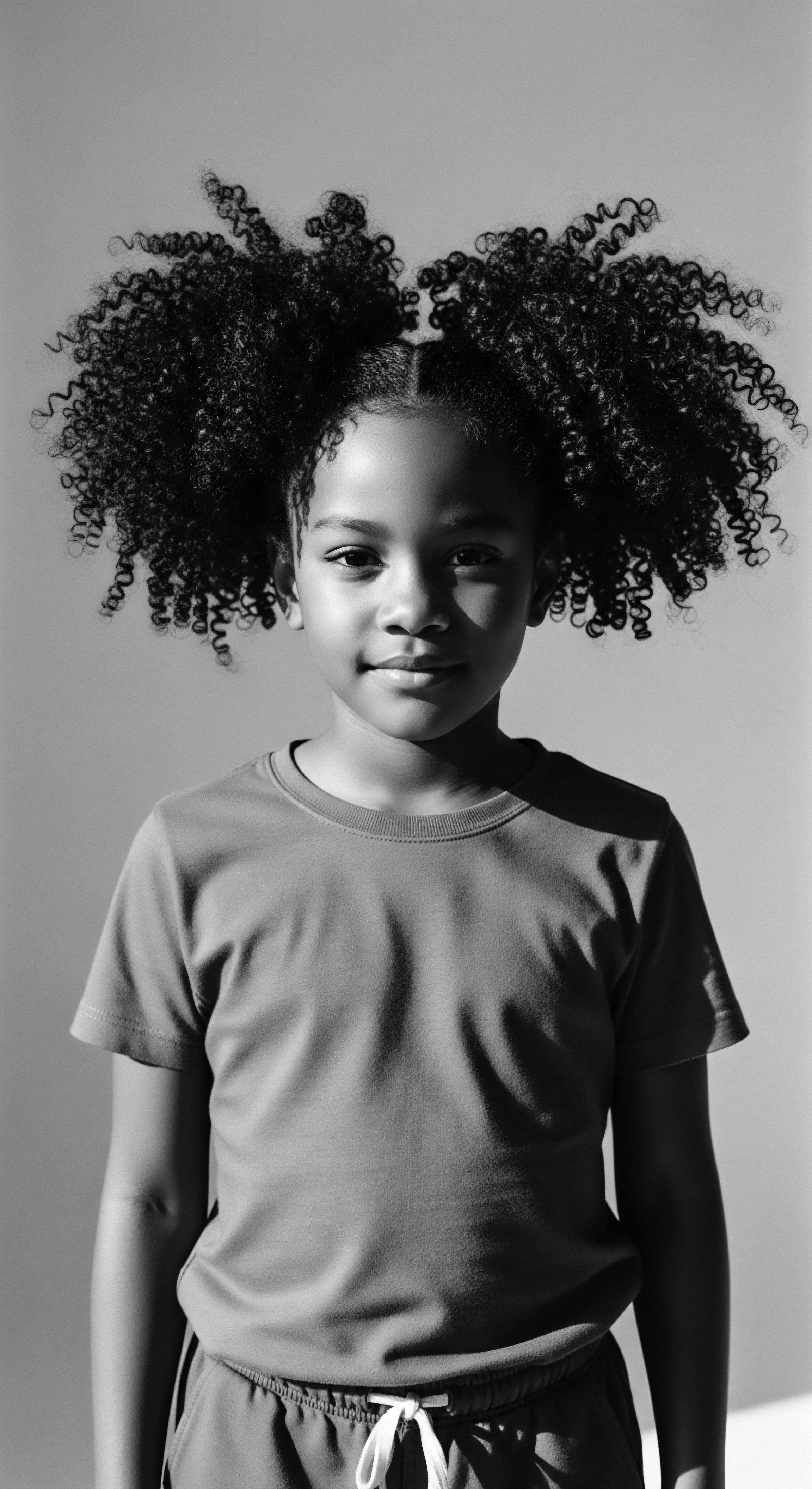
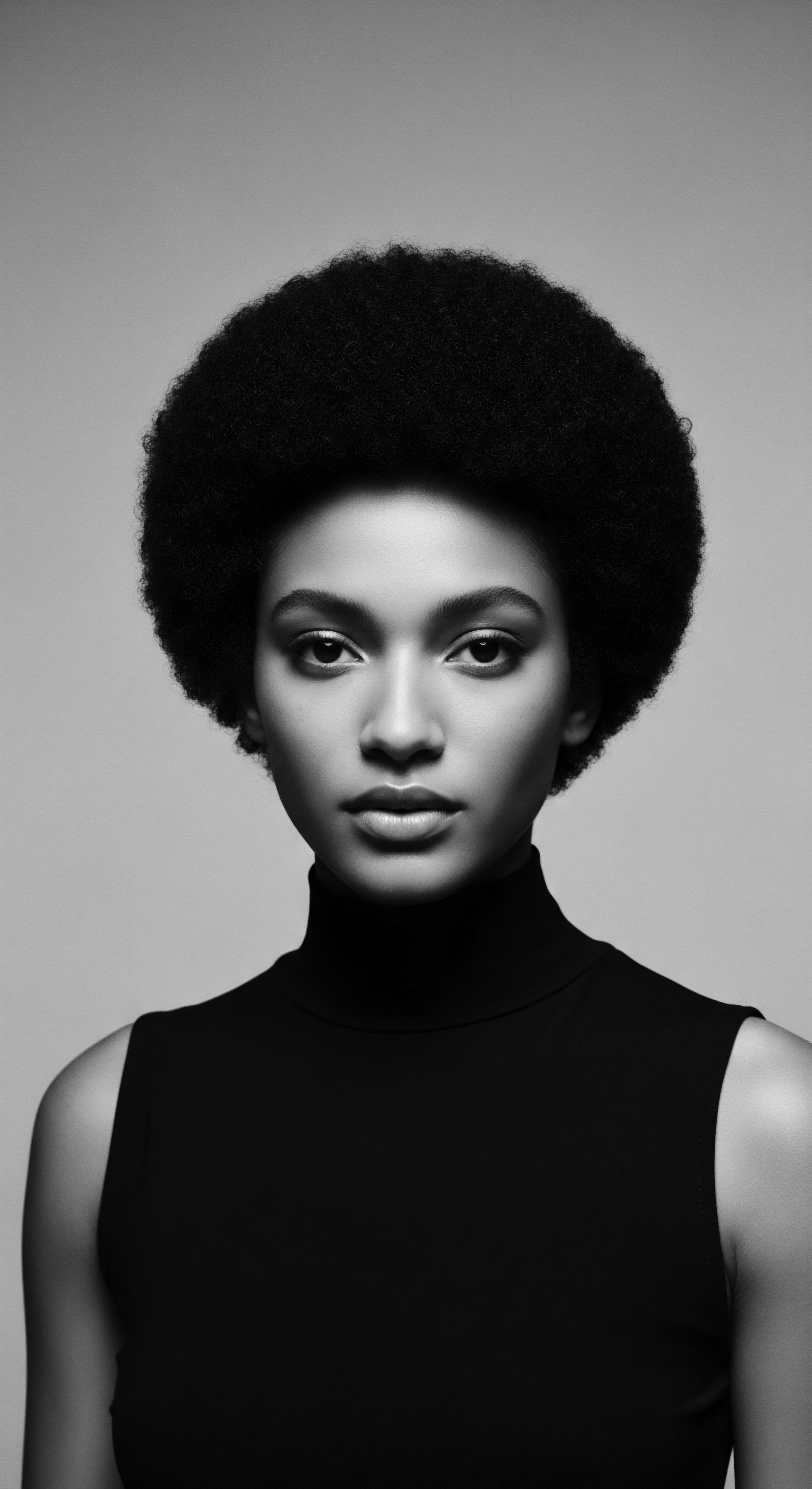
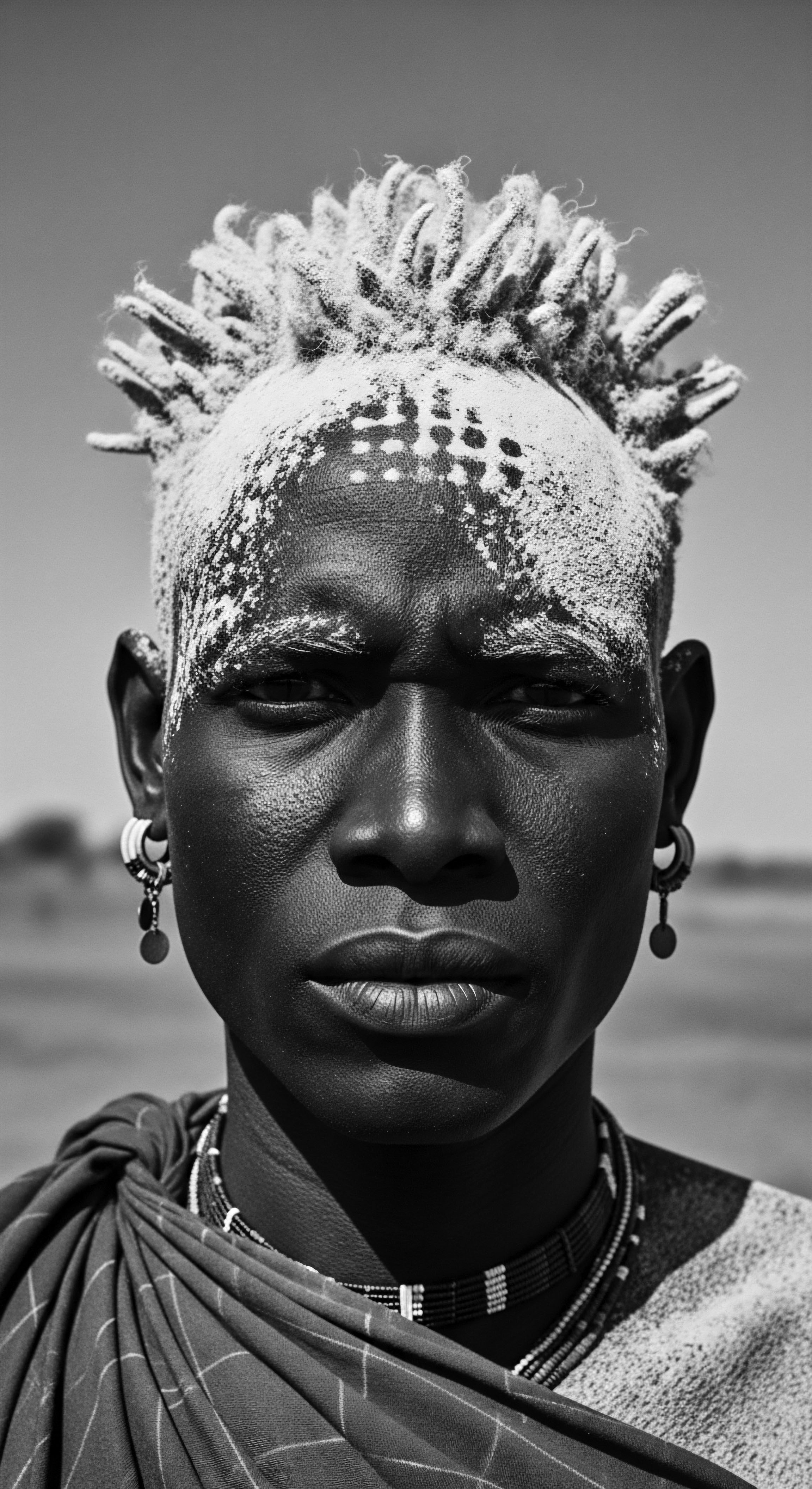
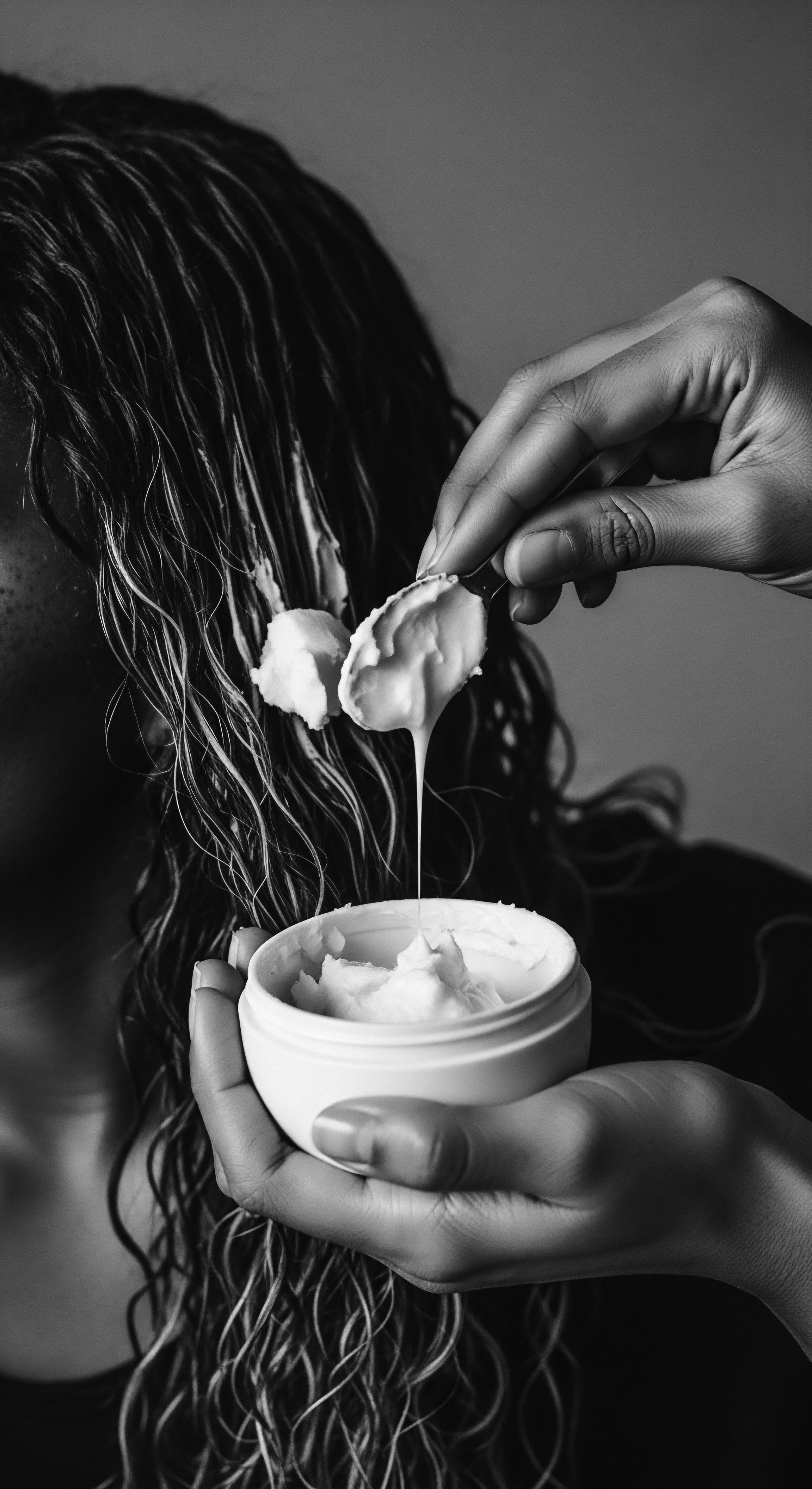
Ancient African remedies nourish textured hair through natural ingredients and time-honored practices, connecting modern care to a rich ancestral heritage.
Meaning ❉ Traditional Plants are botanical allies whose historical and cultural significance in nurturing textured hair defines a rich ancestral heritage of care.
Meaning ❉ Hair Wellness Rituals are ancestral practices of nurturing textured hair, embodying its profound connection to identity, spirituality, and cultural heritage.
Meaning ❉ African Hair Remedies encompass traditional practices, indigenous ingredients, and knowledge systems for textured hair, deeply rooted in cultural heritage and ancestral wisdom.
Hair textures profoundly signify cultural heritage by carrying ancestral stories, social markers, and historical resilience within their very structure.
Modern hair discrimination directly connects to historical oppression, stemming from efforts to control Black bodies and suppress textured hair heritage.
Meaning ❉ Vitellaria Paradoxa is the botanical name for the shea tree, yielding a butter deeply rooted in African heritage for textured hair care and community sustenance.
Hair heritage deeply influences self-perception and community bonds by connecting individuals to ancestral practices, cultural identity, and collective resilience.
Traditional African and diasporic hair wisdoms fundamentally guide contemporary product development by inspiring ingredient choices, styling techniques, and holistic care philosophies.
Meaning ❉ Traditional Hair Styling refers to ancestral practices and methods for textured hair, embodying cultural identity, community, and resilience across generations.
Meaning ❉ Plant-Based Haircare signifies the intentional use of botanical elements for cleansing, conditioning, and nourishing textured hair, rooted deeply in ancestral traditions and cultural heritage.
Historical botanical applications, rooted in ancestral wisdom, shaped today's textured hair care rituals by providing natural emollients, cleansers, and fortifiers.
The CROWN Act supports the rightful place of textured hair in professional settings by protecting its inherent connection to racial identity and heritage.
Traditional practices protected textured hair through ancestral styles, natural ingredients, and rituals that preserved its health and cultural identity.
Textured hair discrimination is a human rights concern because it denies individuals the freedom to express their ancestral identity and cultural heritage.
Ancestral hair care deeply influences modern textured hair routines by providing foundational principles for protection, moisture, and holistic well-being.
We use cookies to personalize content and marketing, and to analyze our traffic. This helps us maintain the quality of our free resources. Manage your preferences below.
This helps support our free resources through personalized marketing efforts and promotions.
Analytics cookies help us understand how visitors interact with our website, improving user experience and website performance.
Personalization cookies enable us to customize the content and features of our site based on your interactions, offering a more tailored experience.