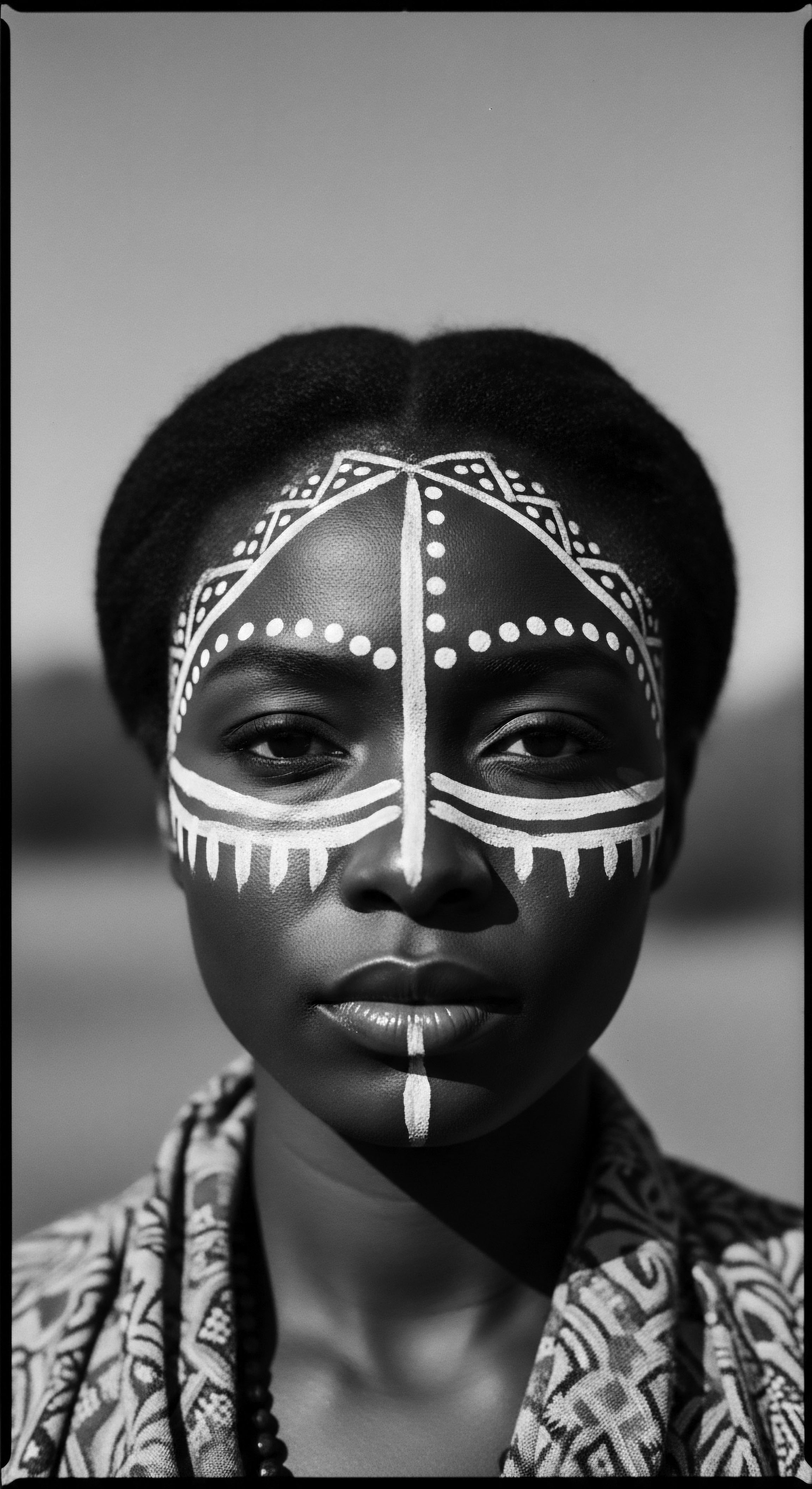
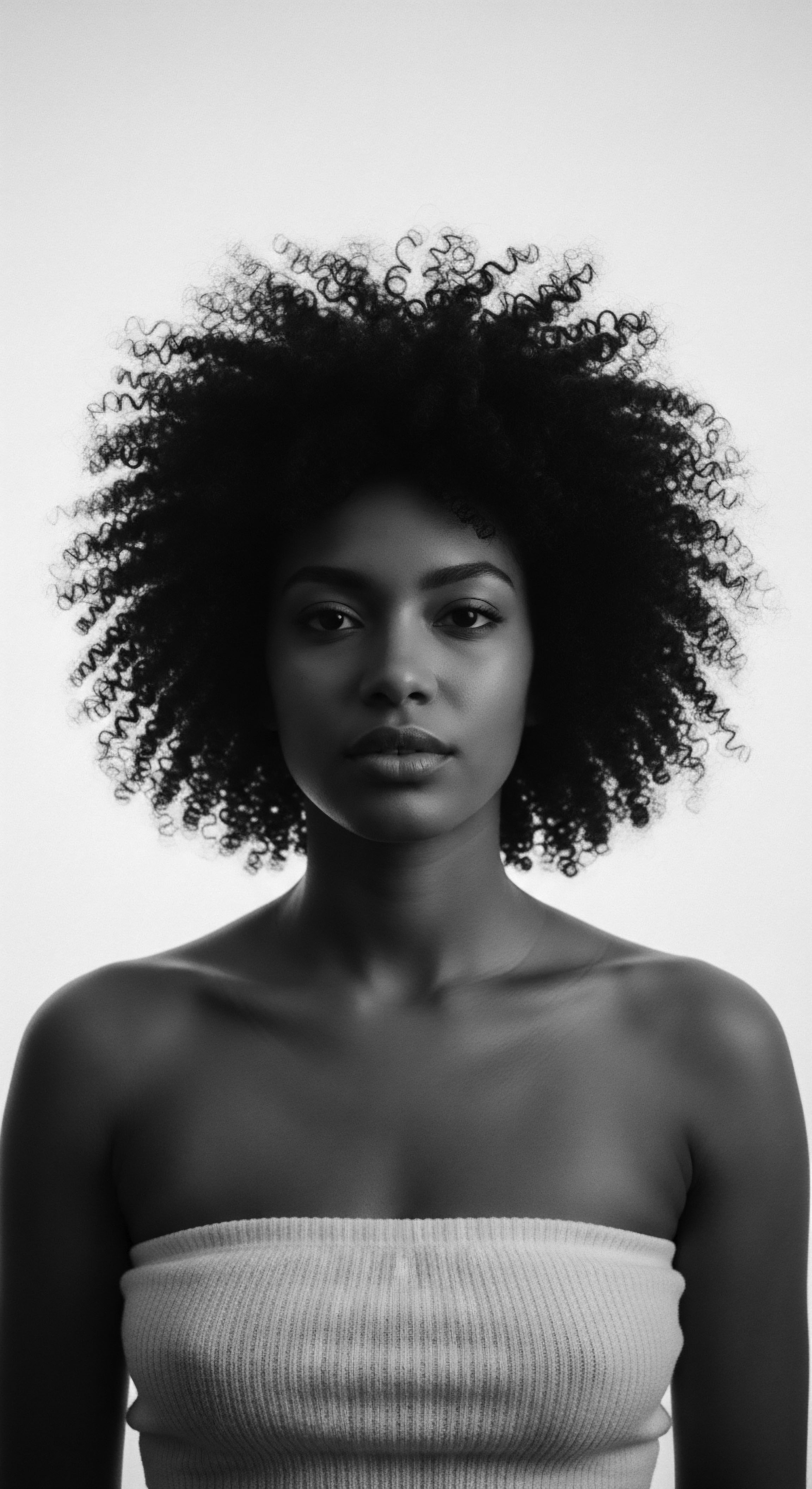
Ancestral hair care practices profoundly shape modern textured hair wellness by providing foundational knowledge, ritualistic techniques, and a deep heritage of identity.
Historical African oils, like shea butter and palm oil, deeply protected textured hair, connecting generations to a rich heritage of resilience and care.
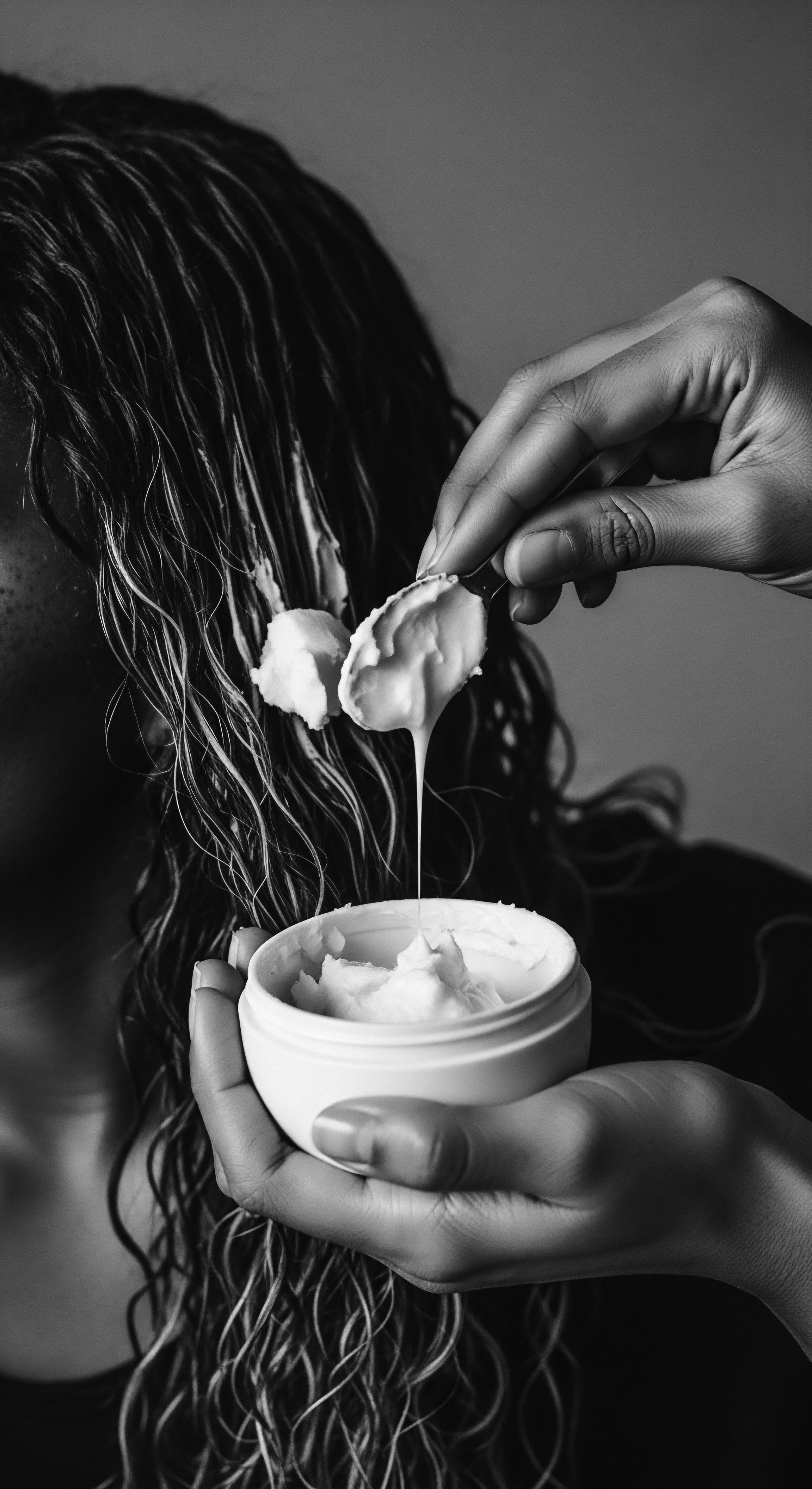
Meaning ❉ The Hair Oiling Rituals signify a heritage-rich practice of applying natural oils to textured hair for nourishment, protection, and cultural affirmation.
Ancestral oils like shea butter, castor, coconut, olive, and jojoba continue to deeply nourish textured hair, connecting us to a rich heritage of care.
Enslaved people cared for textured hair through resourceful adaptation of available materials and ancestral practices, transforming grooming into a profound act of cultural heritage and resistance.
Meaning ❉ Hair Oiling History is the ancient, culturally rich practice of nourishing hair with natural oils and butters, particularly significant for textured hair heritage.
Hair discrimination challenges the deeply rooted heritage of textured hair, demanding a collective recognition of its cultural significance and inherent beauty.
Meaning ❉ Biocultural Hair is the interwoven connection of hair's biology with its profound cultural, historical, and communal significance, especially for textured hair.
Meaning ❉ Chadian Hair Traditions encompass ancient, community-centered practices using natural botanicals like Chébé and Ambunu for textured hair health and cultural expression.
Meaning ❉ The hair follicle, a dermal organ, is the biological source of hair, profoundly shaping textured hair's unique qualities and its deep cultural heritage.
Modern science confirms traditional oiling practices benefit textured hair by providing moisture, strengthening strands, and protecting against damage, validating ancestral wisdom.
Hair oiling protects textured hair by sealing in moisture, reducing friction, and strengthening strands, a practice deeply rooted in ancestral heritage.
Meaning ❉ The Wigs, a profound expression of self and cultural narrative, embodies ancestral wisdom and enduring resilience within textured hair heritage.
Meaning ❉ Jojoba Oil is a liquid wax ester derived from the Simmondsia chinensis plant, revered for its sebum-like properties and deep connection to textured hair heritage.
Historical hair practices deeply inform modern textured hair product formulation by providing a heritage of ingredients, techniques, and holistic care principles.
Meaning ❉ Botanical Ingredients are plant-derived components deeply rooted in ancestral practices, providing natural nourishment and cultural significance for textured hair.
Textured hair heritage powerfully reveals ancestral African social hierarchies through specific styling, adornments, and communal practices, each a silent language of status and identity.
Meaning ❉ Hair Oiling Benefits refers to the profound, historically rooted advantages of applying lipids to textured hair, preserving its vitality and cultural significance.
We use cookies to personalize content and marketing, and to analyze our traffic. This helps us maintain the quality of our free resources. Manage your preferences below.
This helps support our free resources through personalized marketing efforts and promotions.
Analytics cookies help us understand how visitors interact with our website, improving user experience and website performance.
Personalization cookies enable us to customize the content and features of our site based on your interactions, offering a more tailored experience.