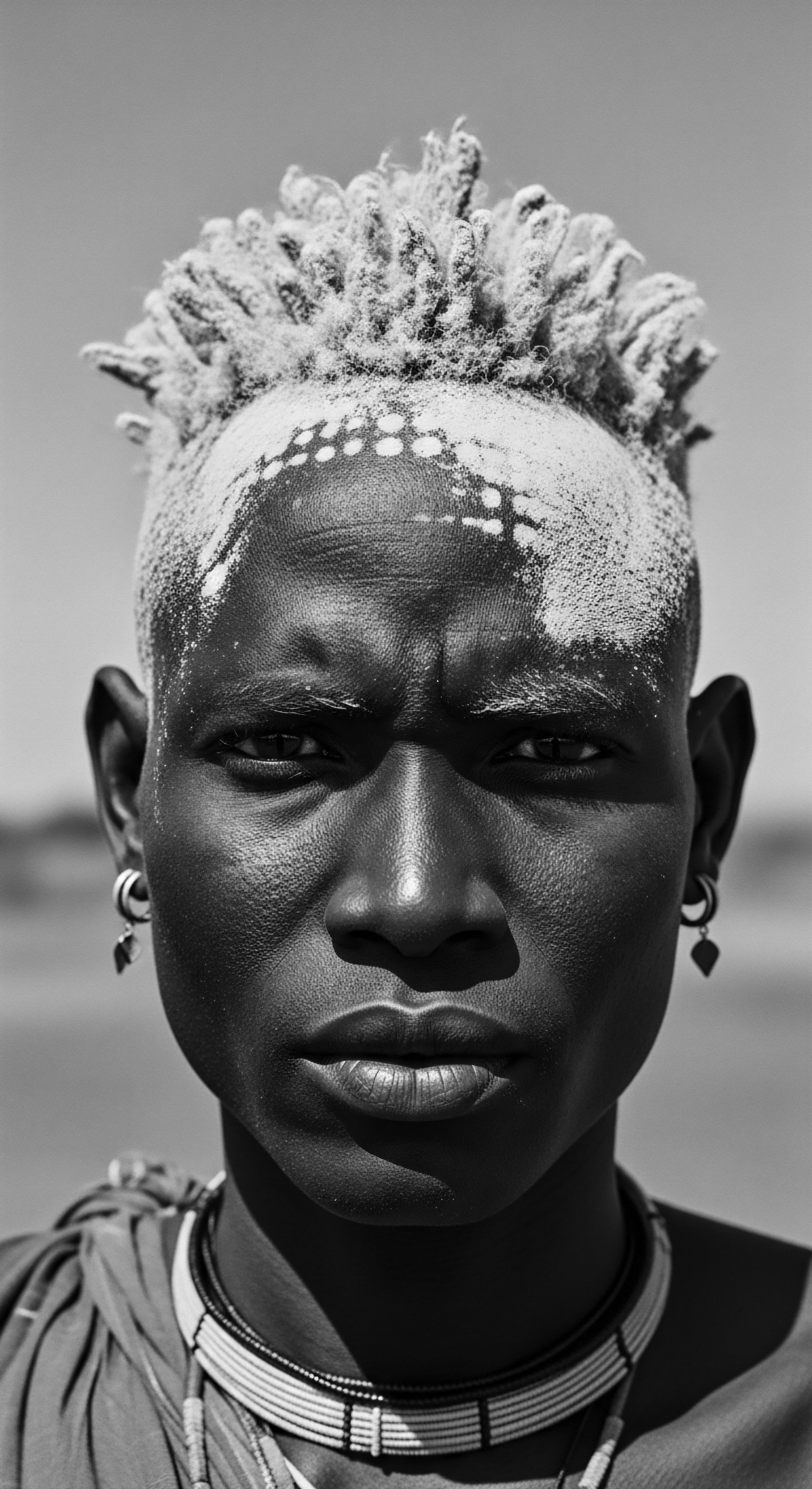
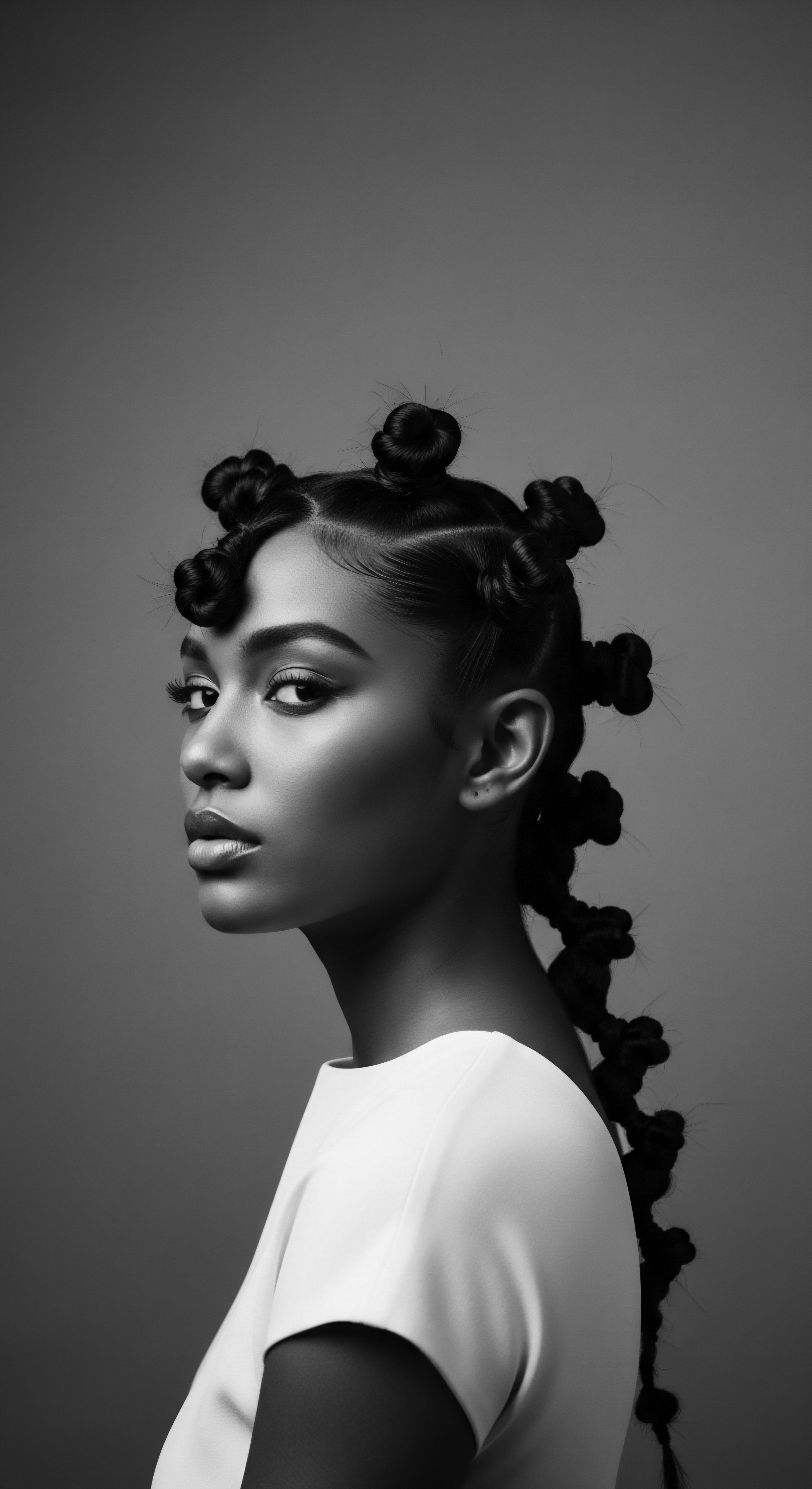
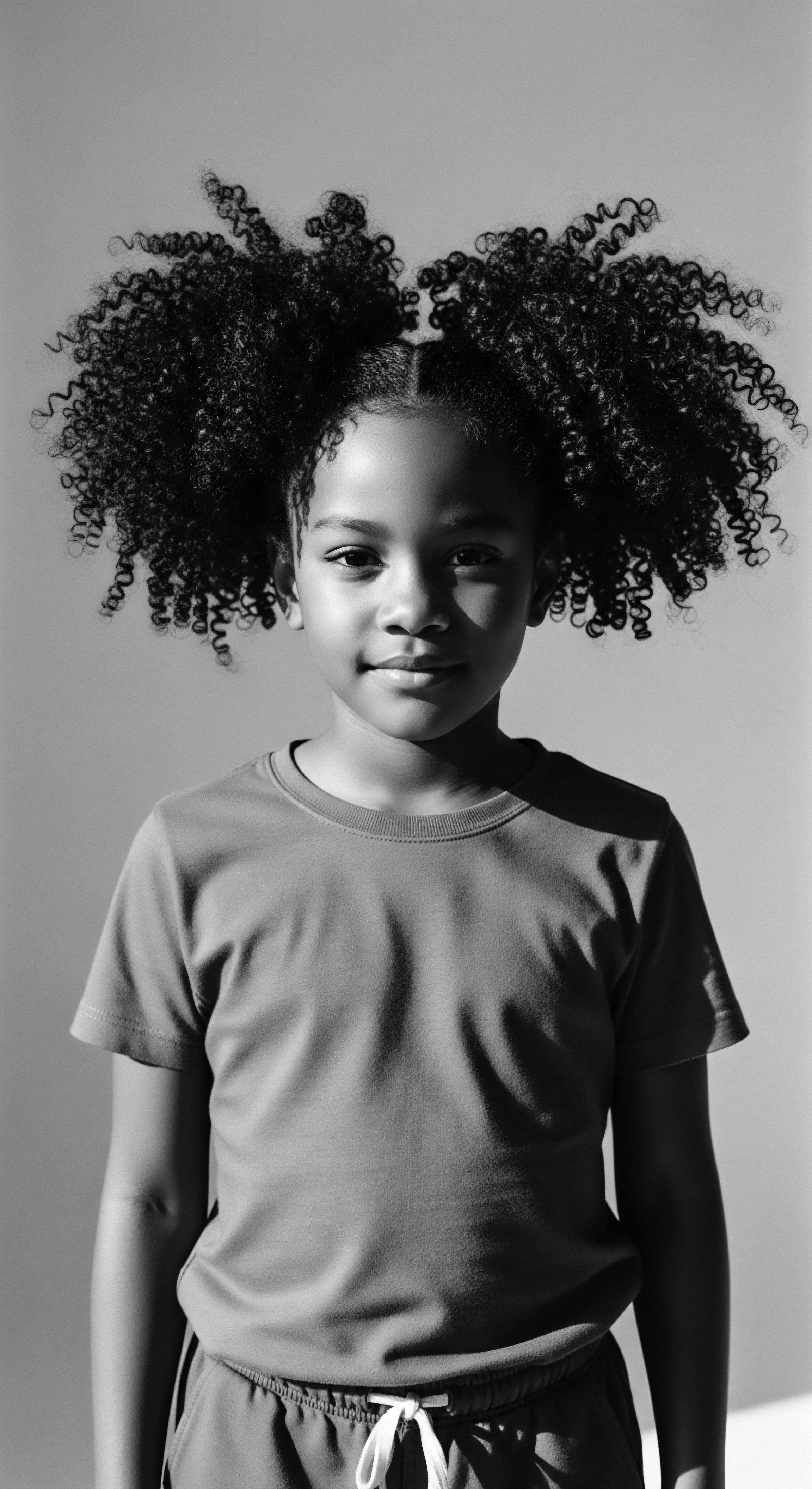
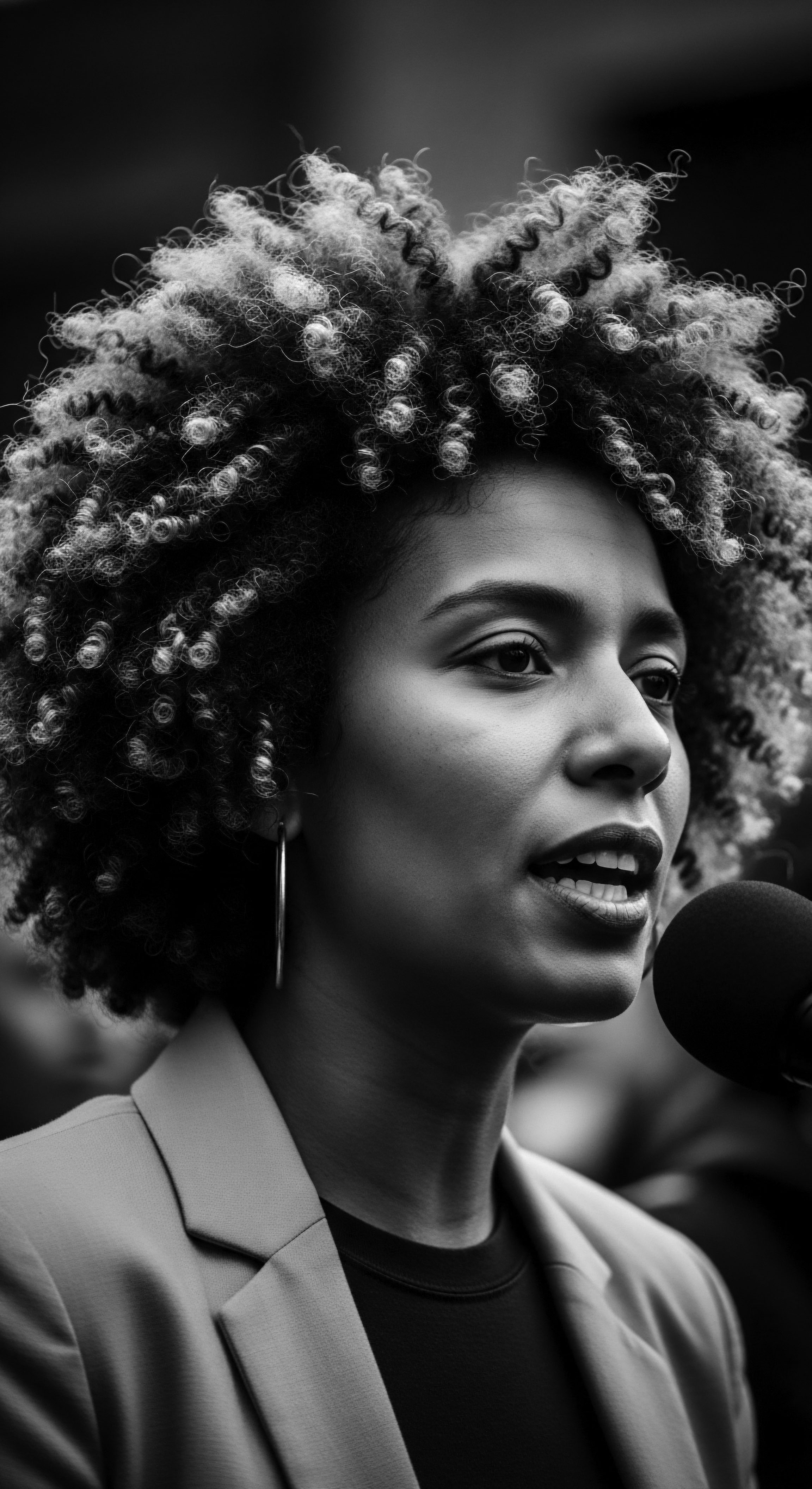
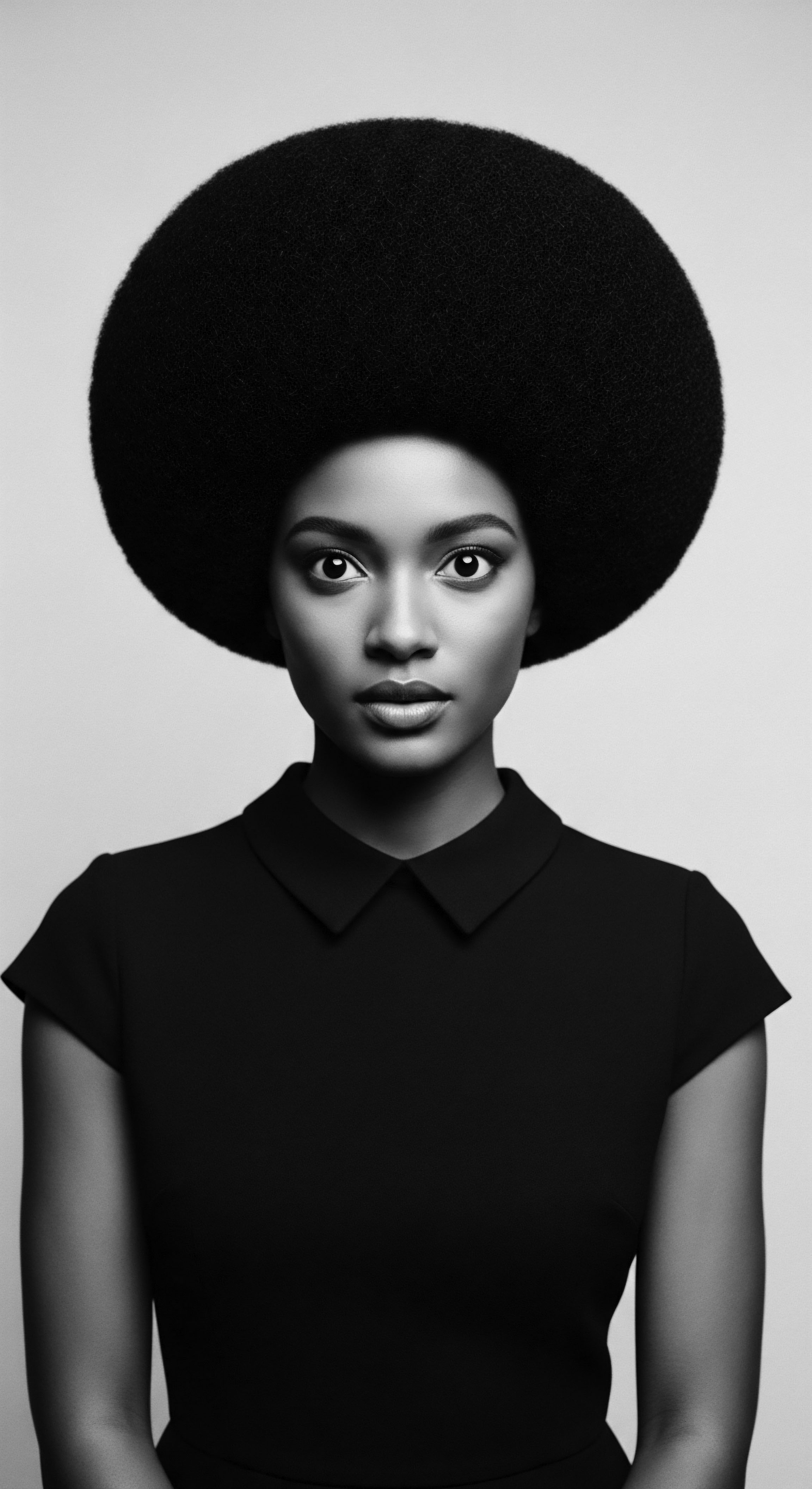
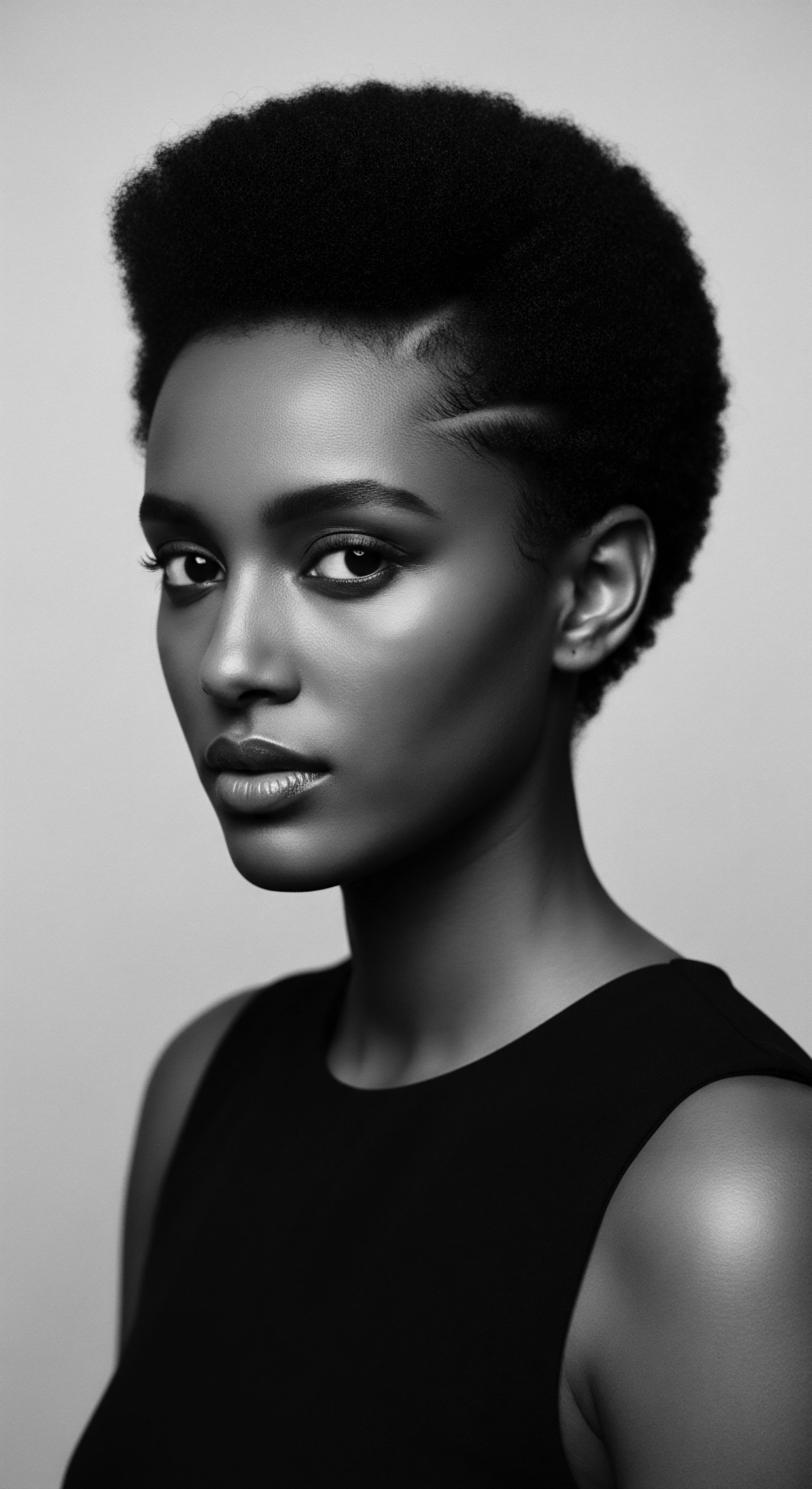
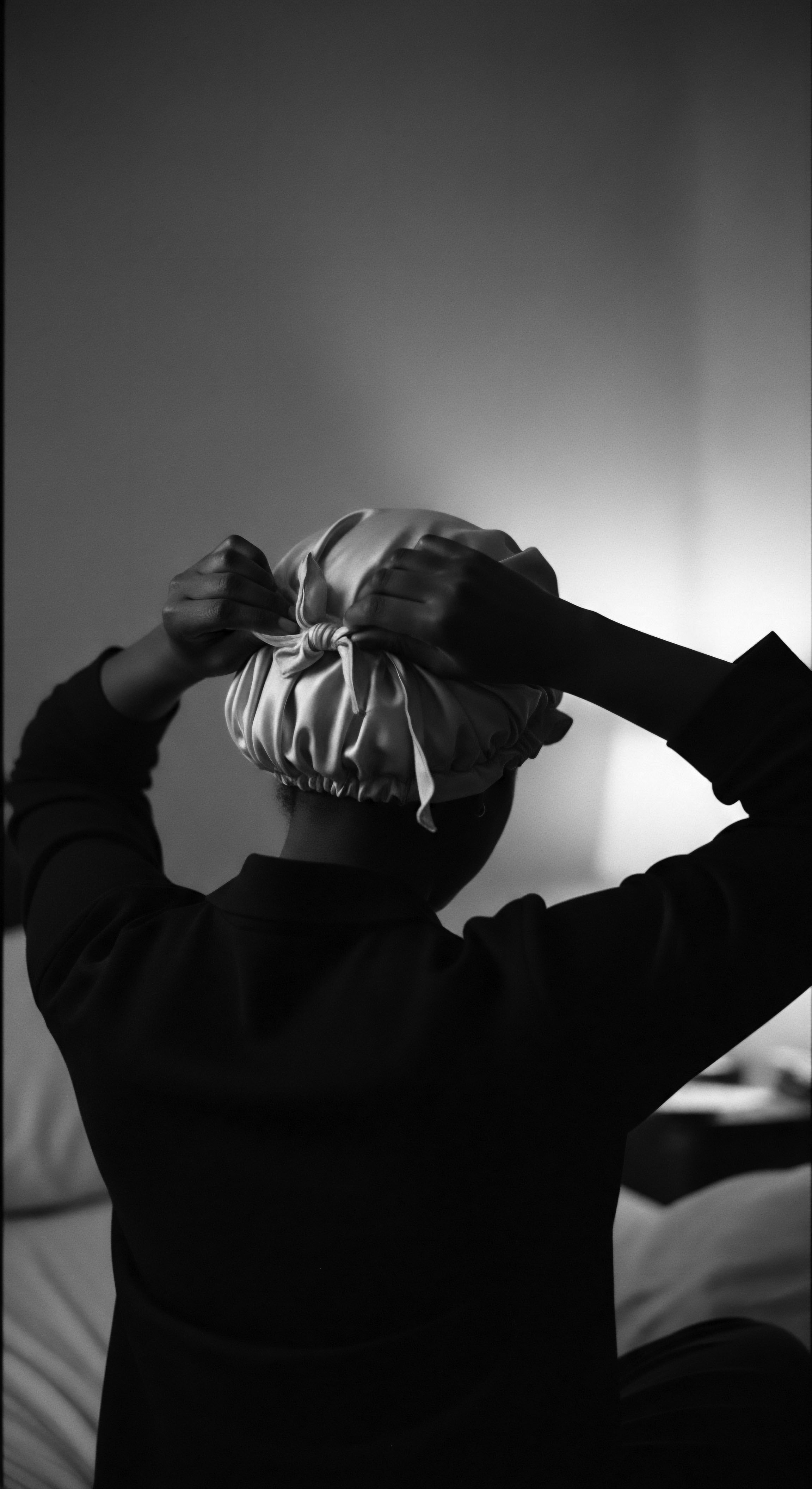
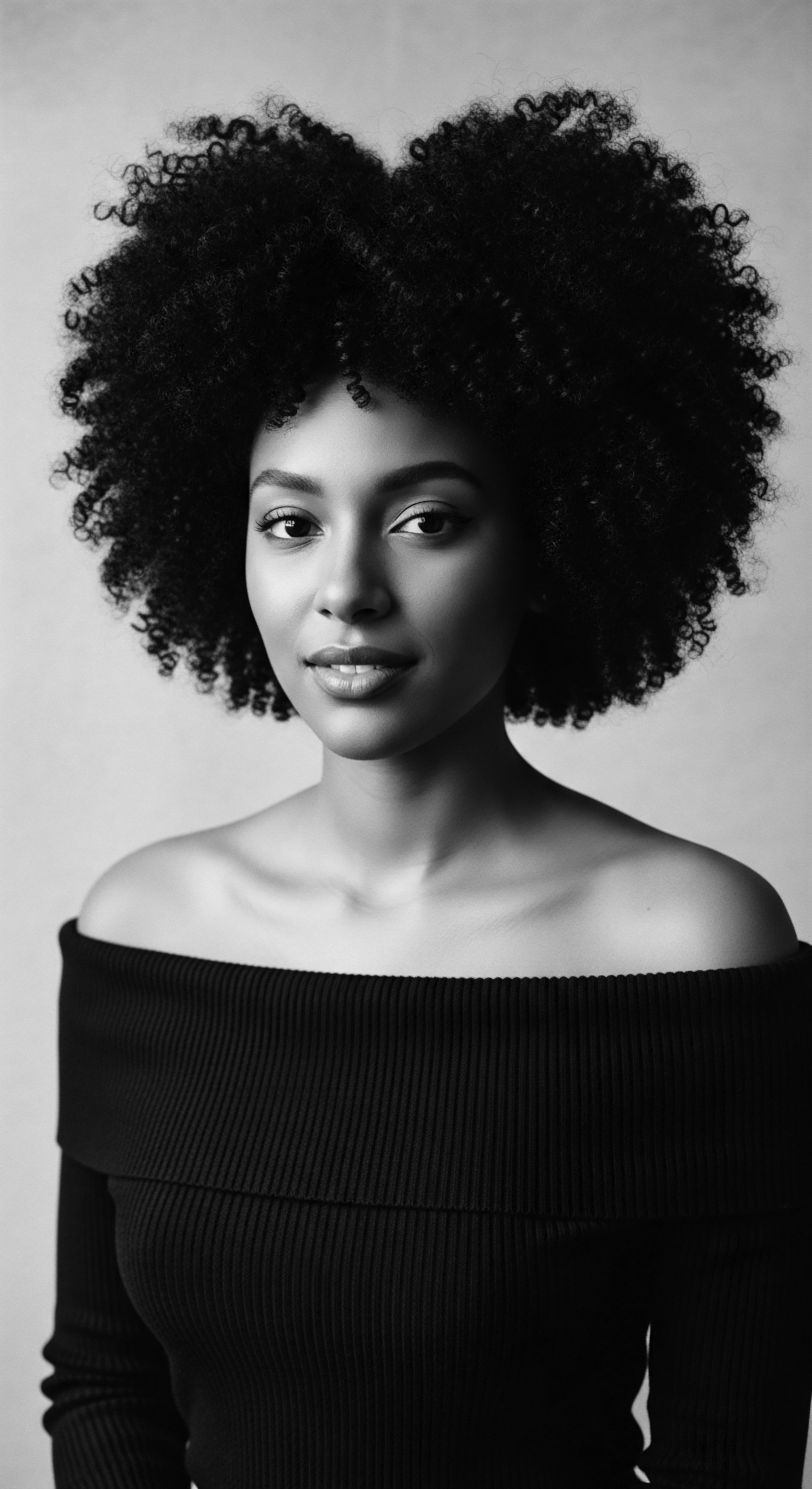
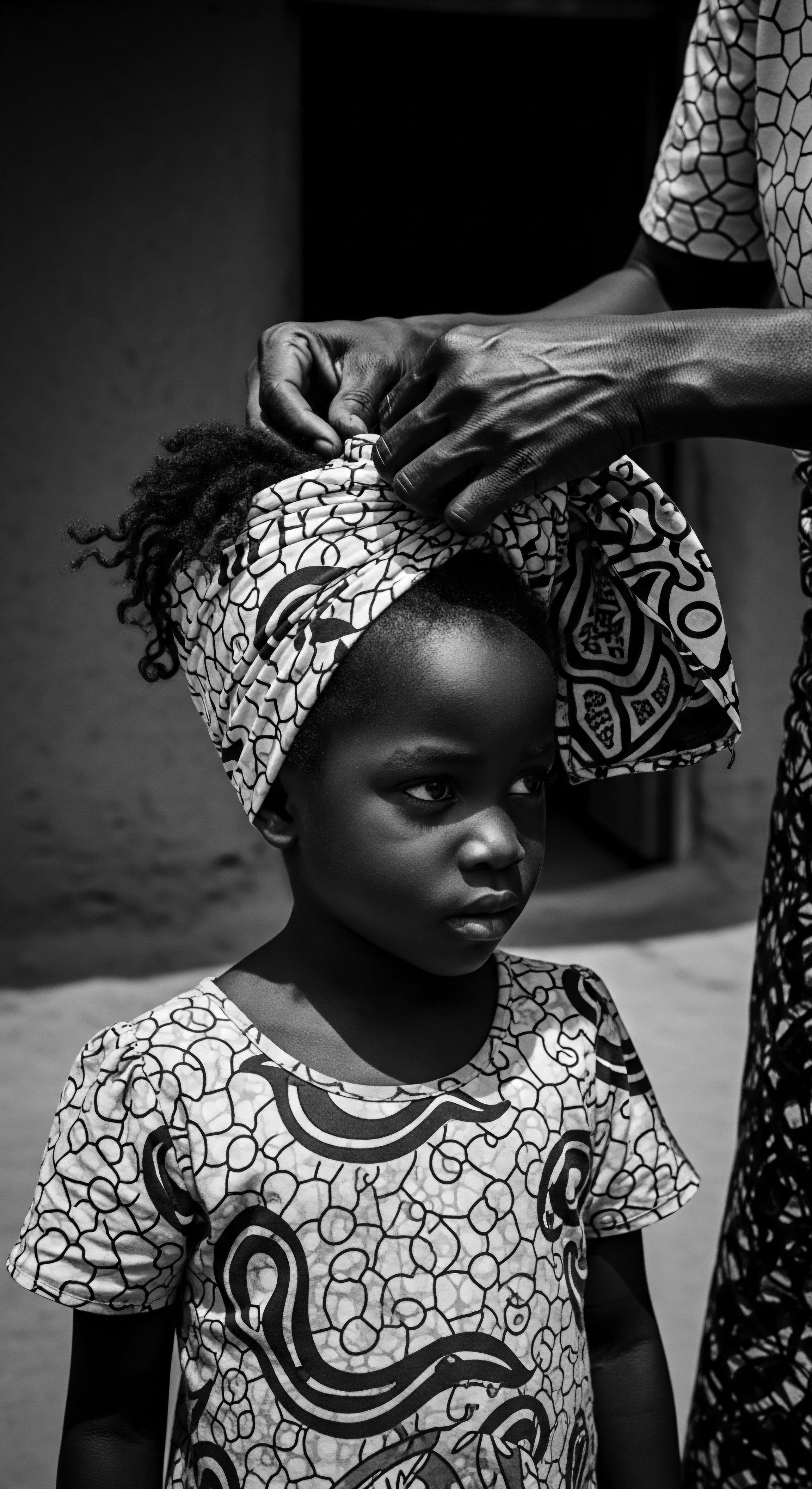
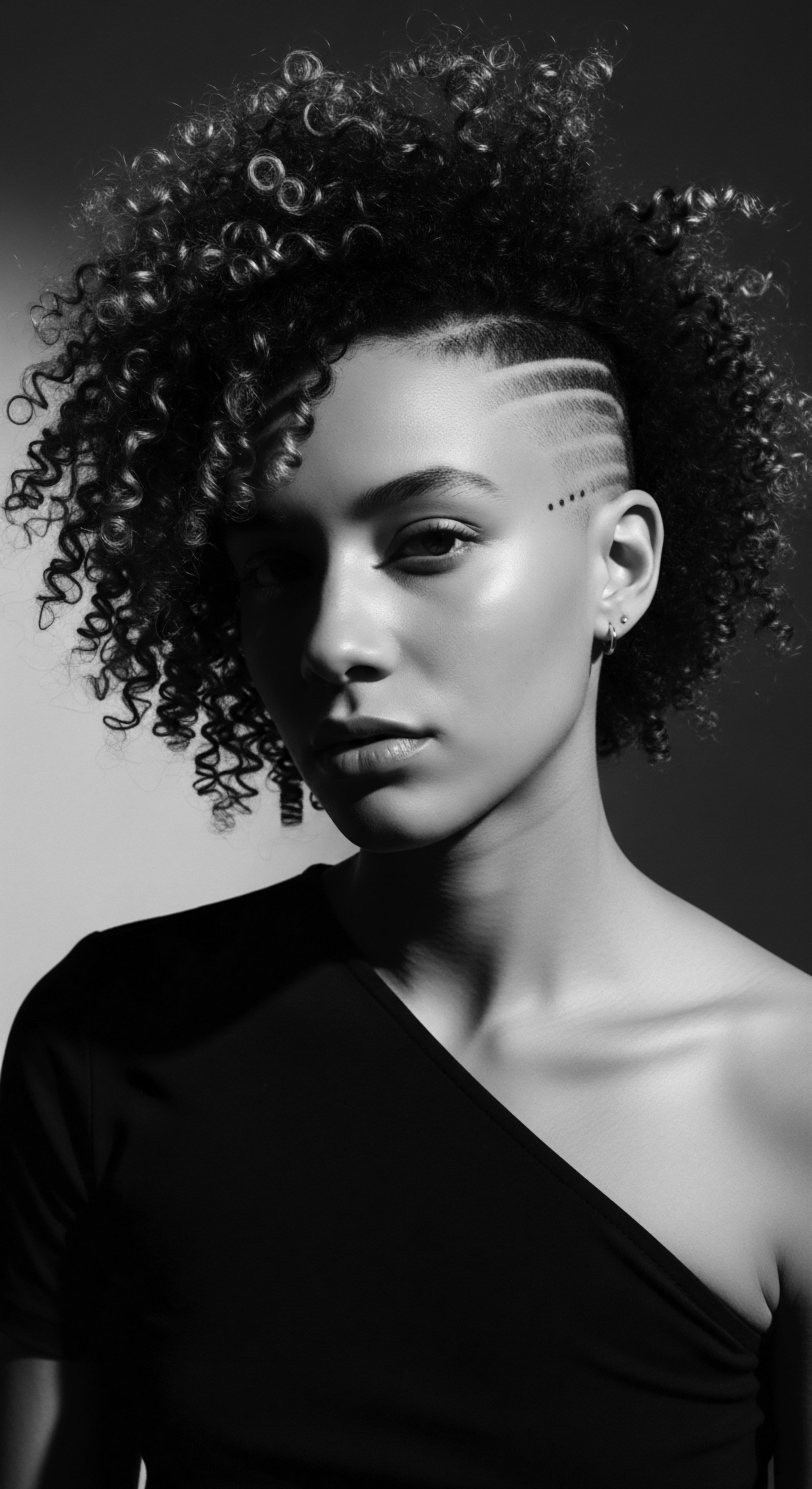
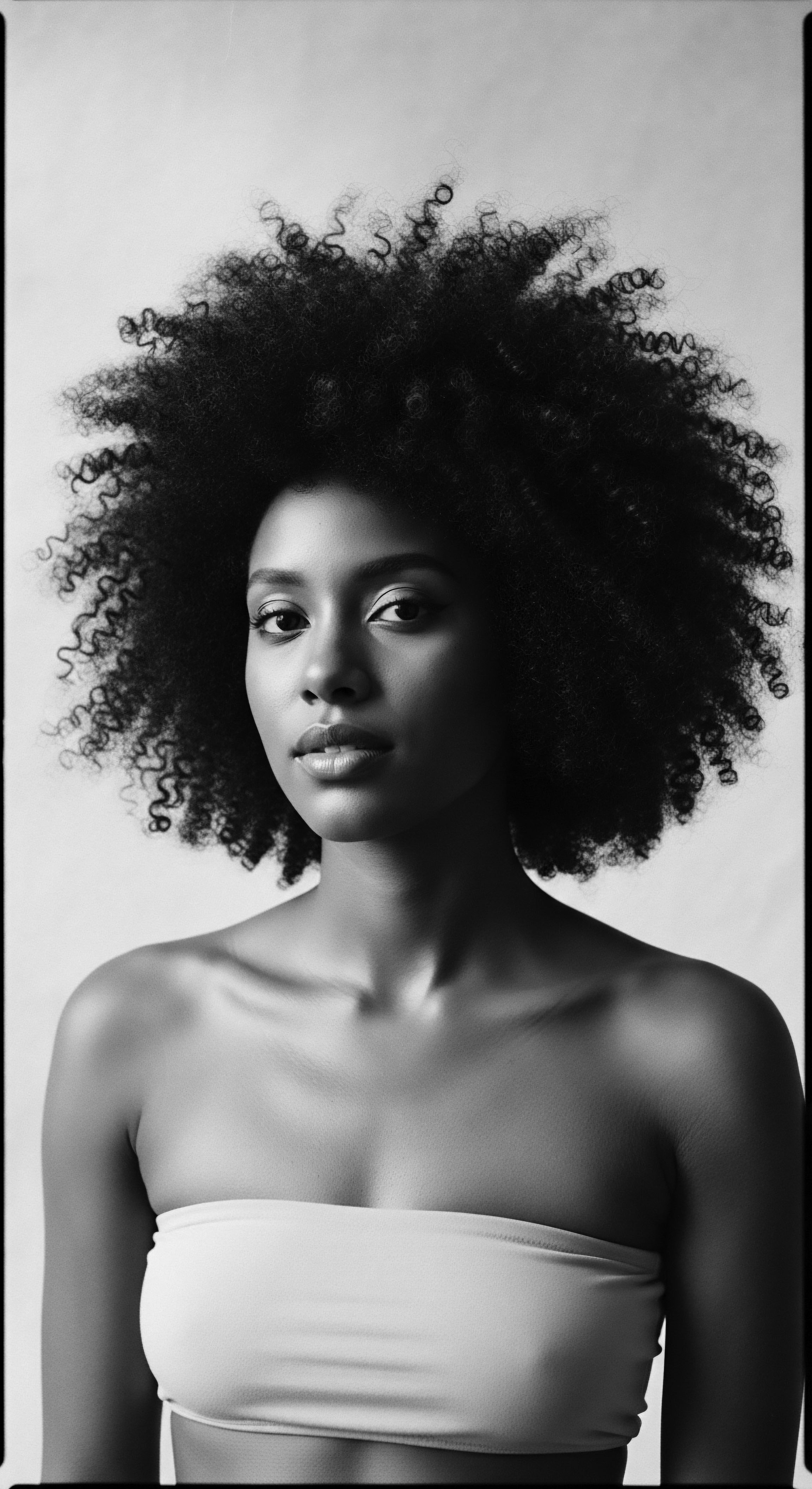
Ancient communities safeguarded textured hair using protective styles, natural oils, and cultural head coverings, preserving its heritage and vitality.
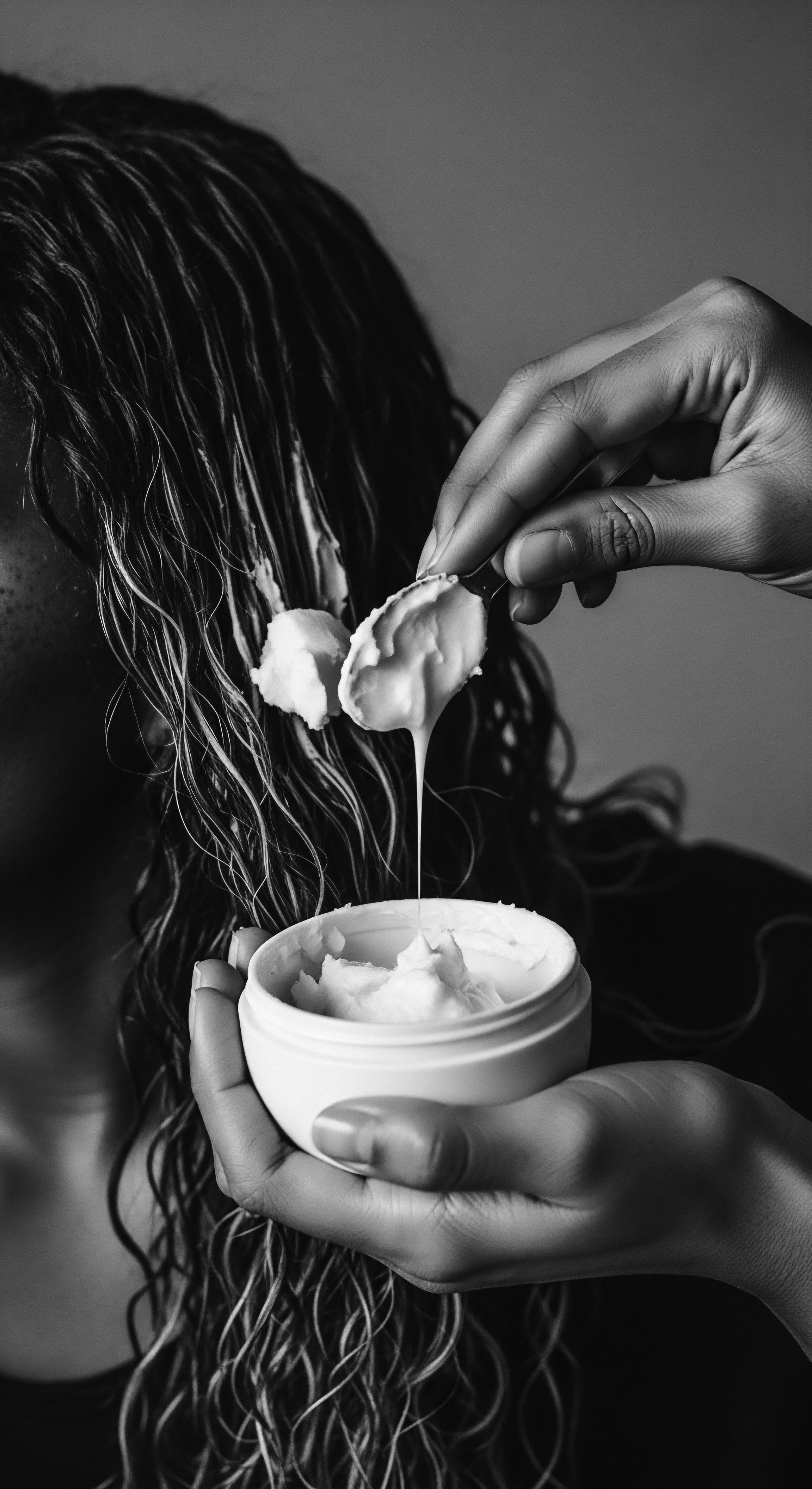
Oils affect textured hair by penetrating its unique molecular structure, reducing protein loss, and supplementing natural lipids, a practice deeply rooted in ancestral heritage.
Meaning ❉ Oiling Practices are the culturally significant application of lipids to textured hair and scalp, deeply rooted in Black and mixed-race ancestral traditions for nourishment and protection.
Ancestral cleansing rituals, deeply rooted in African and indigenous practices, prioritized gentle, natural ingredients to nourish and purify textured hair, shaping modern care routines and affirming cultural heritage.
Meaning ❉ Afro-Colombian Hair represents a vibrant cultural legacy, signifying identity, resistance, and ancestral wisdom through its unique textures and traditional styles.
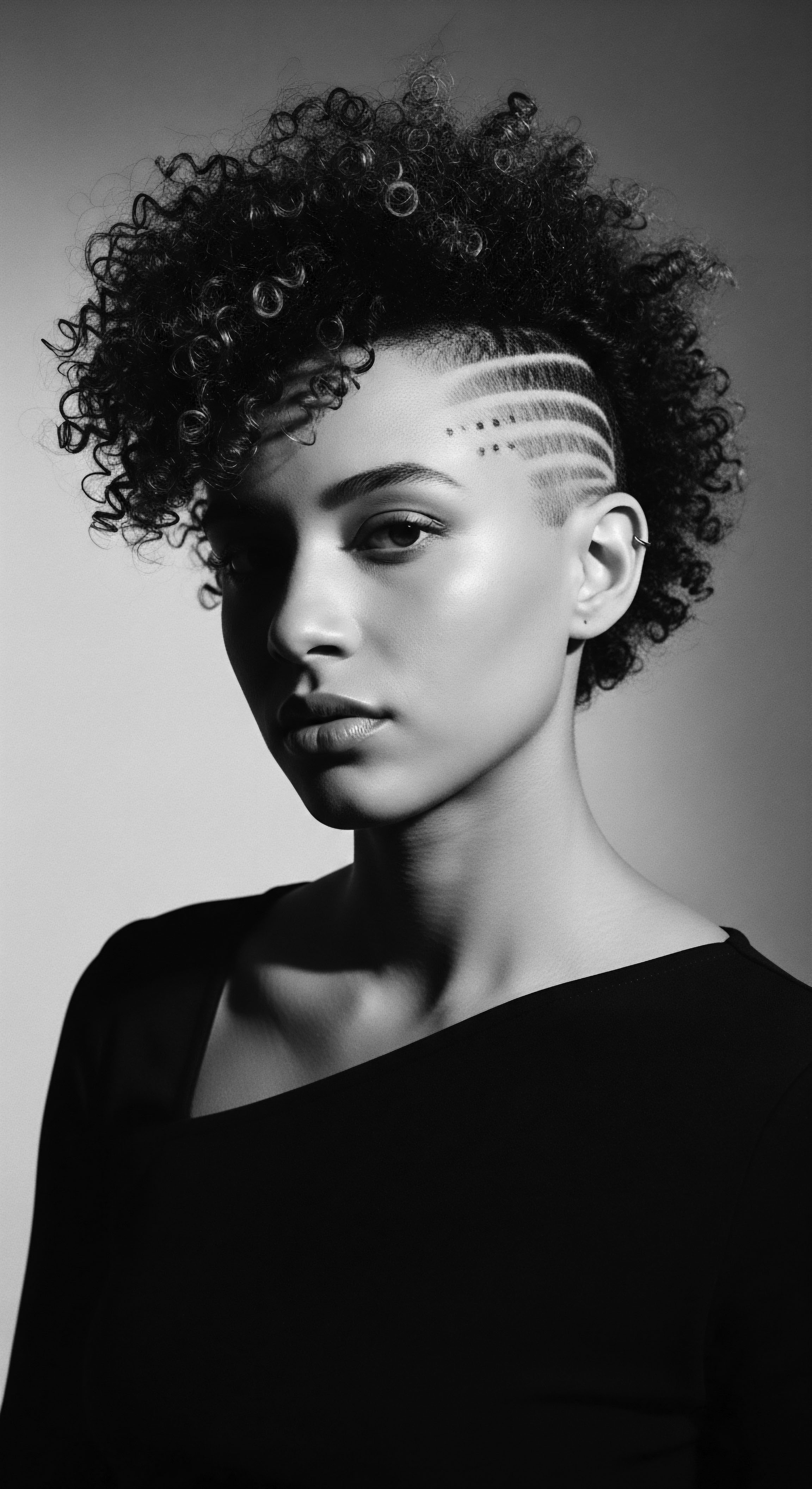
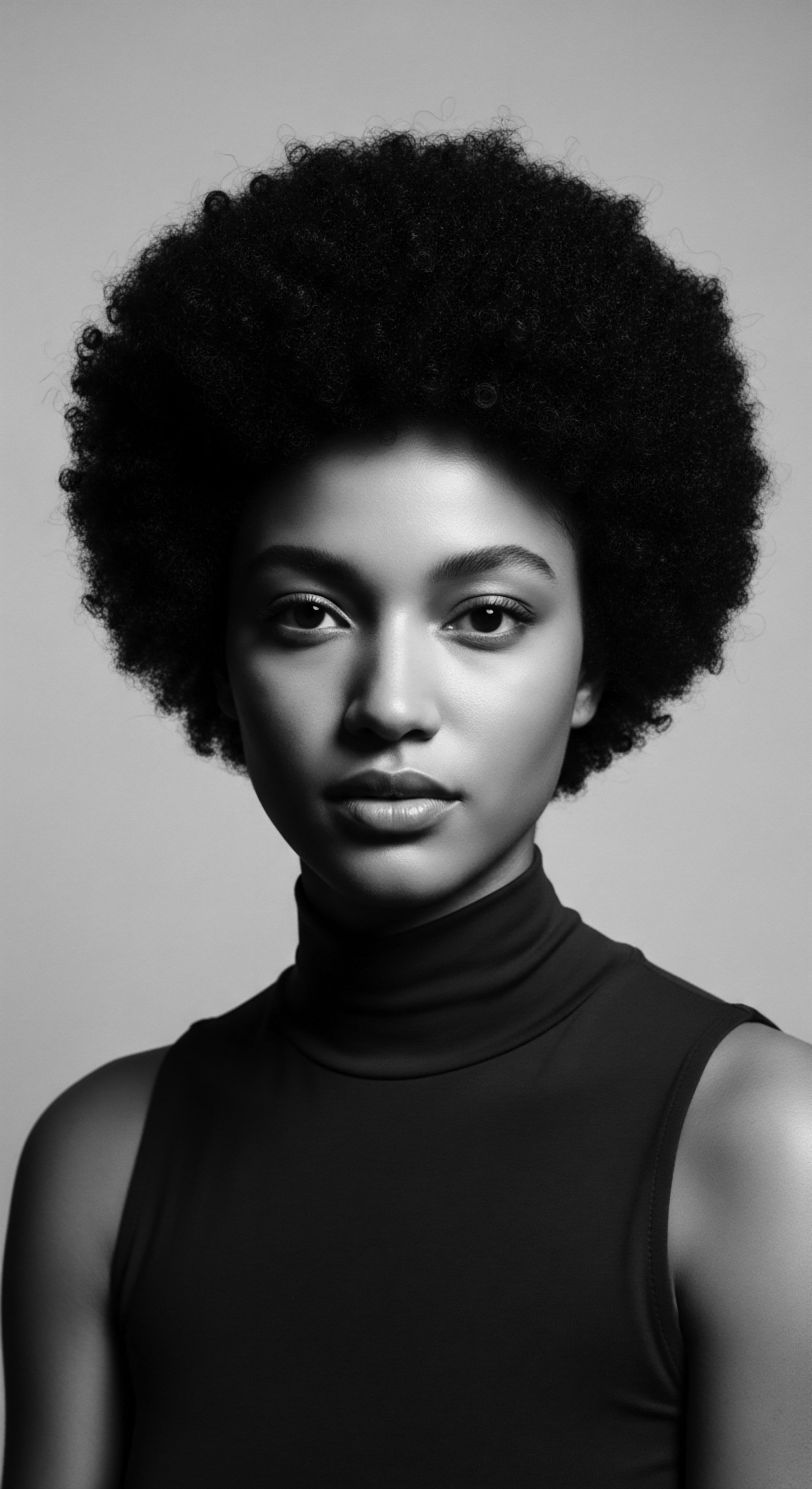
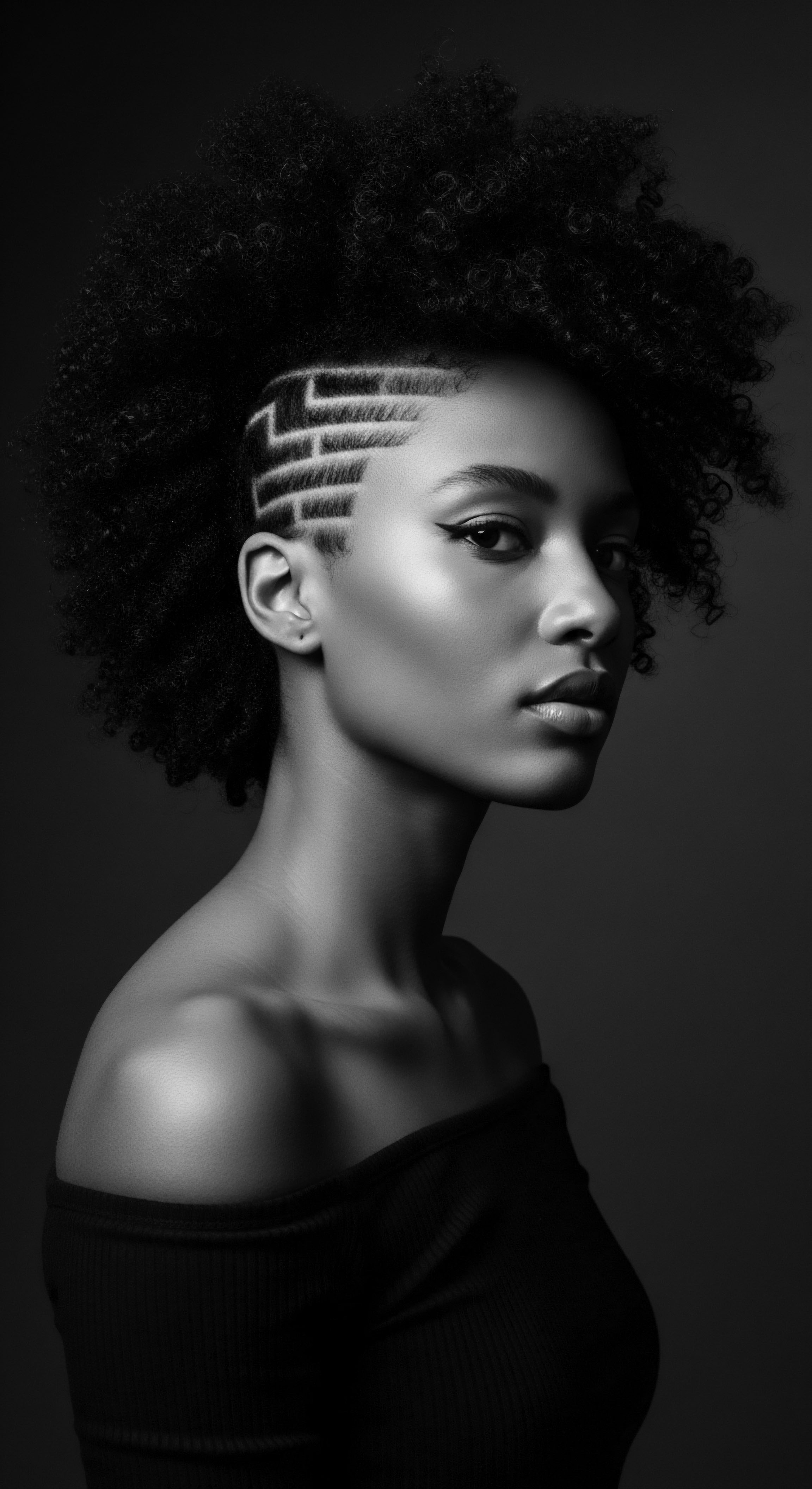
Meaning ❉ Natural Hairstyles denote hair forms untouched by chemical alteration, deeply rooted in the cultural heritage and self-affirmation of textured hair communities.
Meaning ❉ Ximenia Oil Hair signifies a botanical lipid, deeply rooted in African ancestral practices, revered for its unique ability to nourish and protect textured hair.
Textured hair became a symbol of resistance during historical oppression by serving as a covert communication tool, a canvas for cultural preservation, and a bold declaration of identity and heritage.
Traditional ingredients historically offered textured hair protection and nourishment, embodying ancestral wisdom for resilience and cultural continuity.
Ancestral hair rituals deeply influence modern textured hair practices through enduring techniques, natural ingredient use, and hair's symbolic role in identity and community.
Protective styles hold deep historical significance, acting as ancestral guardians of textured hair, preserving health, and serving as profound markers of cultural identity and resilience.
Meaning ❉ Adaptive Traits describe the biological and cultural capabilities of textured hair that have enabled survival, expression, and well-being across generations.
Historical evidence consistently shows oiling as a foundational practice for textured hair, rooted in ancestral wisdom for protection and moisture retention.
Meaning ❉ Plant-Based Wellness signifies a deep attunement to botanical offerings for holistic wellbeing, honoring ancestral wisdom for textured hair care.
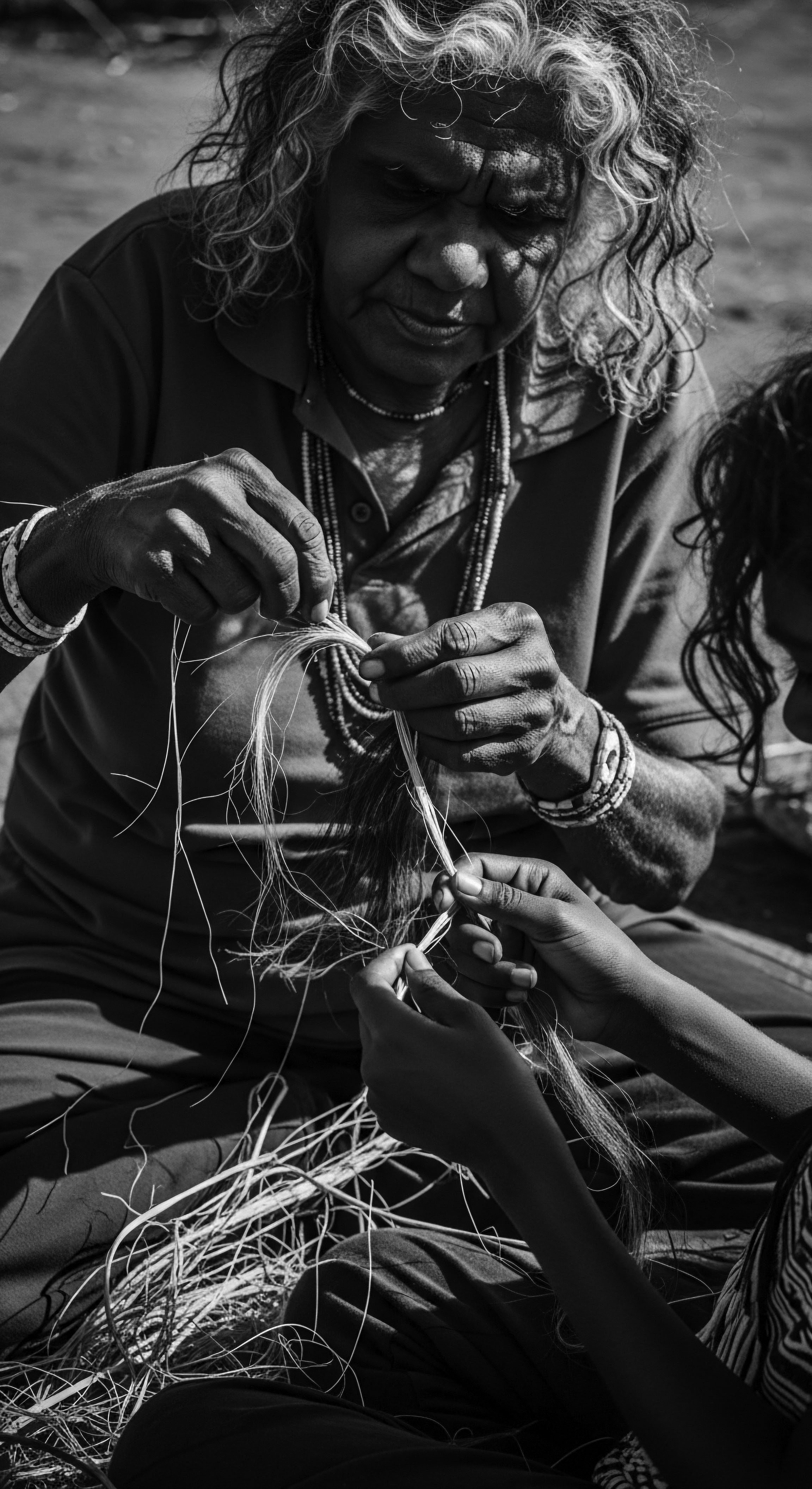
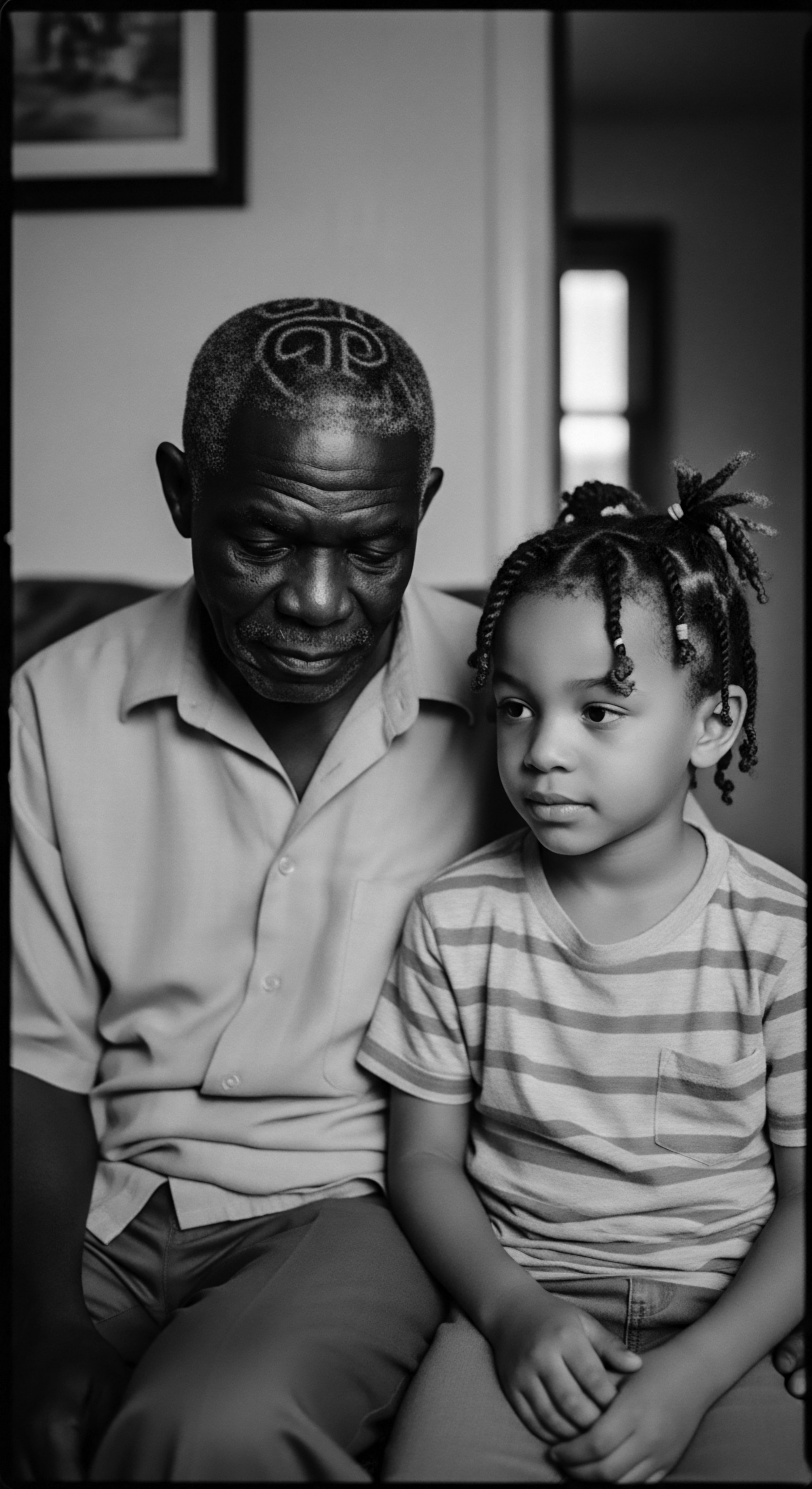
Meaning ❉ Cultural Grooming defines the inherited practices and community rituals surrounding textured hair, reflecting identity, social bonds, and ancestral wisdom.
Ancient Africans used botanicals like Shea butter, Baobab oil, and Chebe powder to moisturize, protect, and preserve the unique heritage of textured hair.
Meaning ❉ Cultural Wisdom is the living, intergenerational knowledge and embodied practices of textured hair care, deeply rooted in Black and mixed-race heritage.
The CROWN Act addresses historical biases that deemed natural textured hair unprofessional, thereby affirming its deep cultural heritage and protecting the right to wear it freely.
Meaning ❉ Natural Hair Regimens encompass intentional practices and product selections that nurture textured hair in its unaltered state, honoring its heritage and promoting holistic wellness.
Meaning ❉ Plant Compounds are the active molecular constituents in botanicals, embodying centuries of ancestral wisdom and scientific efficacy for textured hair heritage.
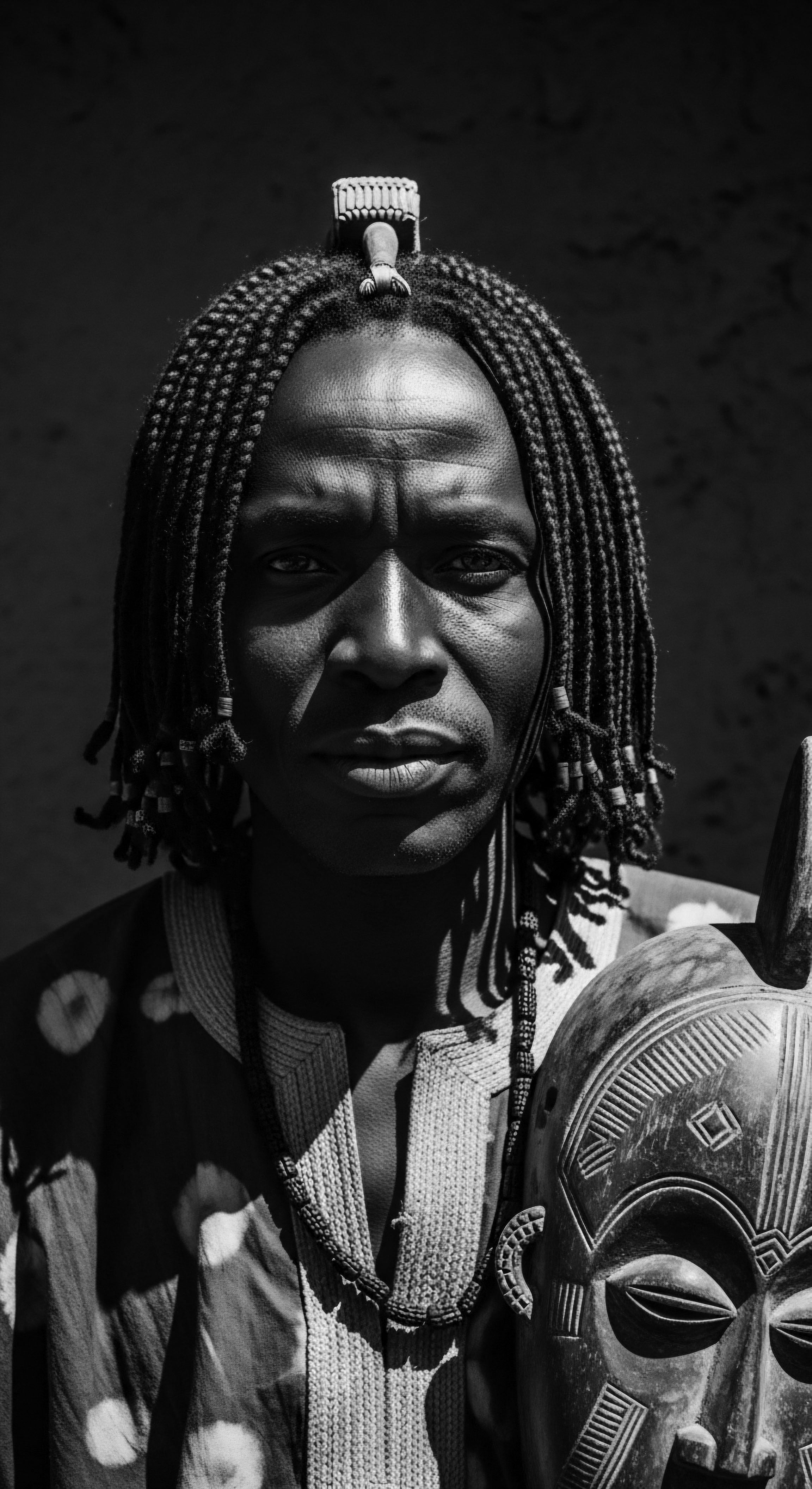
Traditional practices define textured hair heritage through ancestral rituals, communal care, and symbolic adornment, reflecting identity and resilience.
We use cookies to personalize content and marketing, and to analyze our traffic. This helps us maintain the quality of our free resources. Manage your preferences below.
This helps support our free resources through personalized marketing efforts and promotions.
Analytics cookies help us understand how visitors interact with our website, improving user experience and website performance.
Personalization cookies enable us to customize the content and features of our site based on your interactions, offering a more tailored experience.