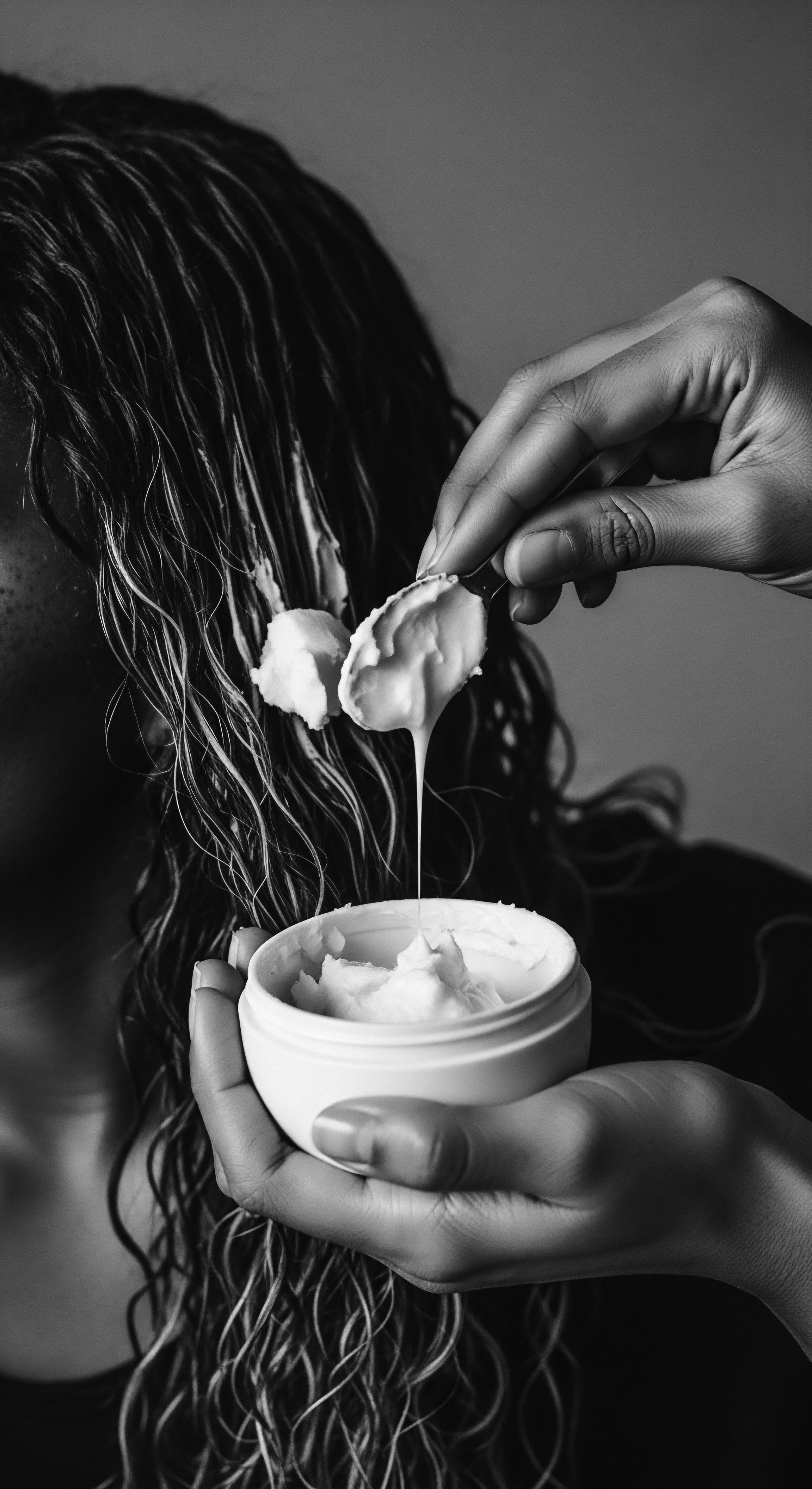
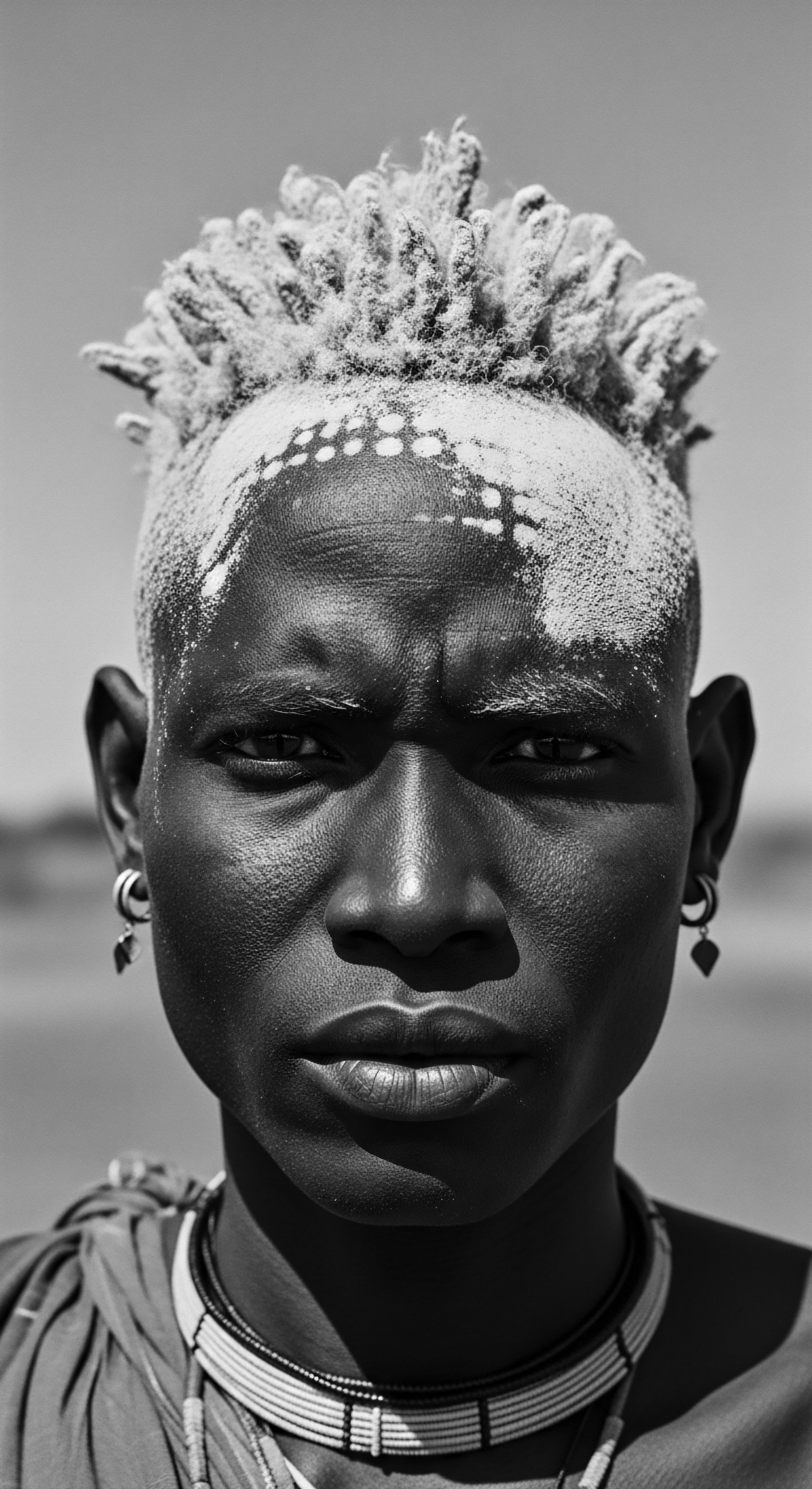
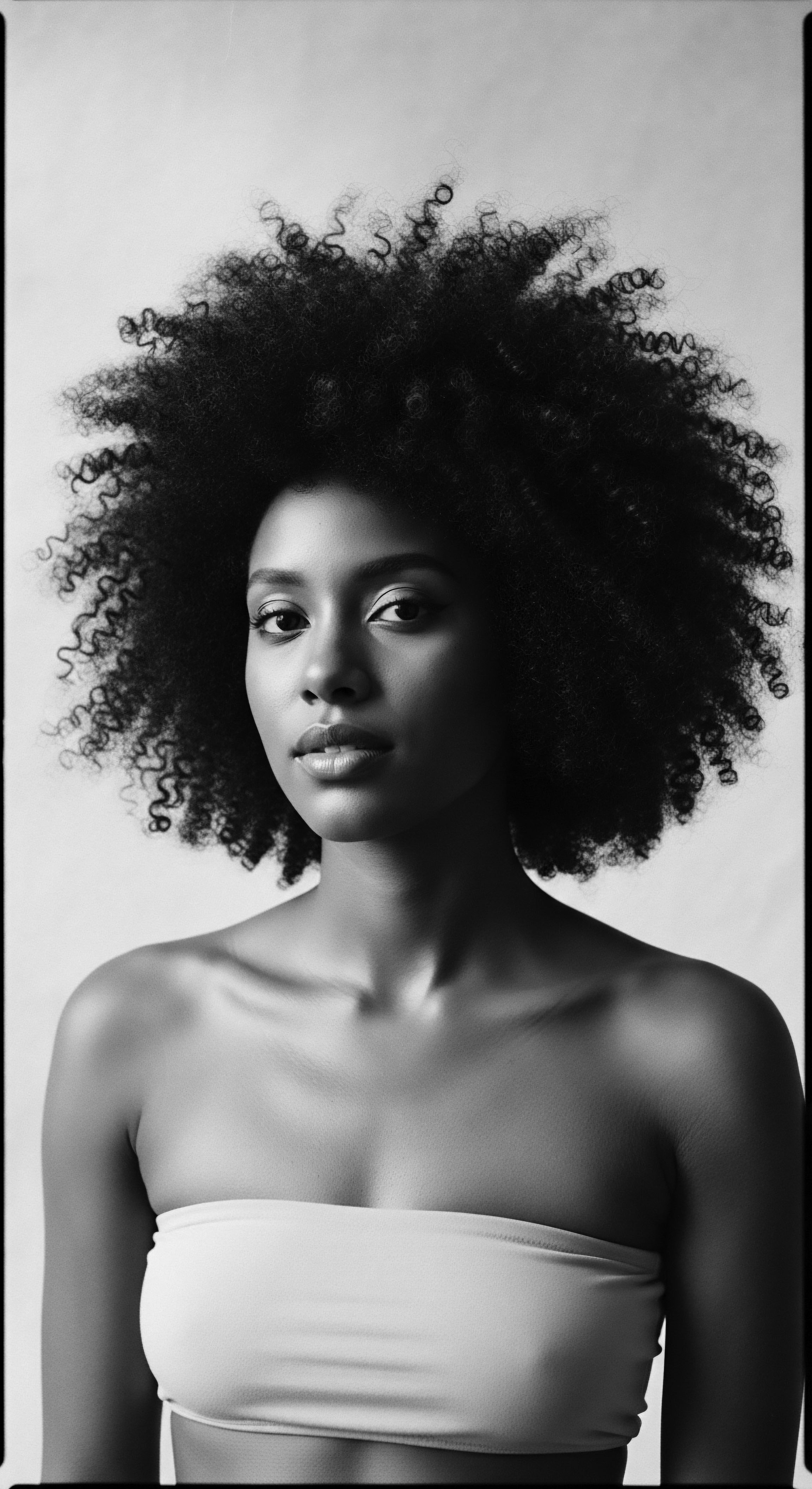
Meaning ❉ Plant-Based Remedies harness botanical elements for hair care, deeply rooted in ancestral wisdom and the heritage of textured hair traditions.
Ancient Egyptian hair rituals aligned with modern textured hair health principles through their focus on moisture, protection, and scalp care, reflecting a shared ancestral heritage of hair wellness.
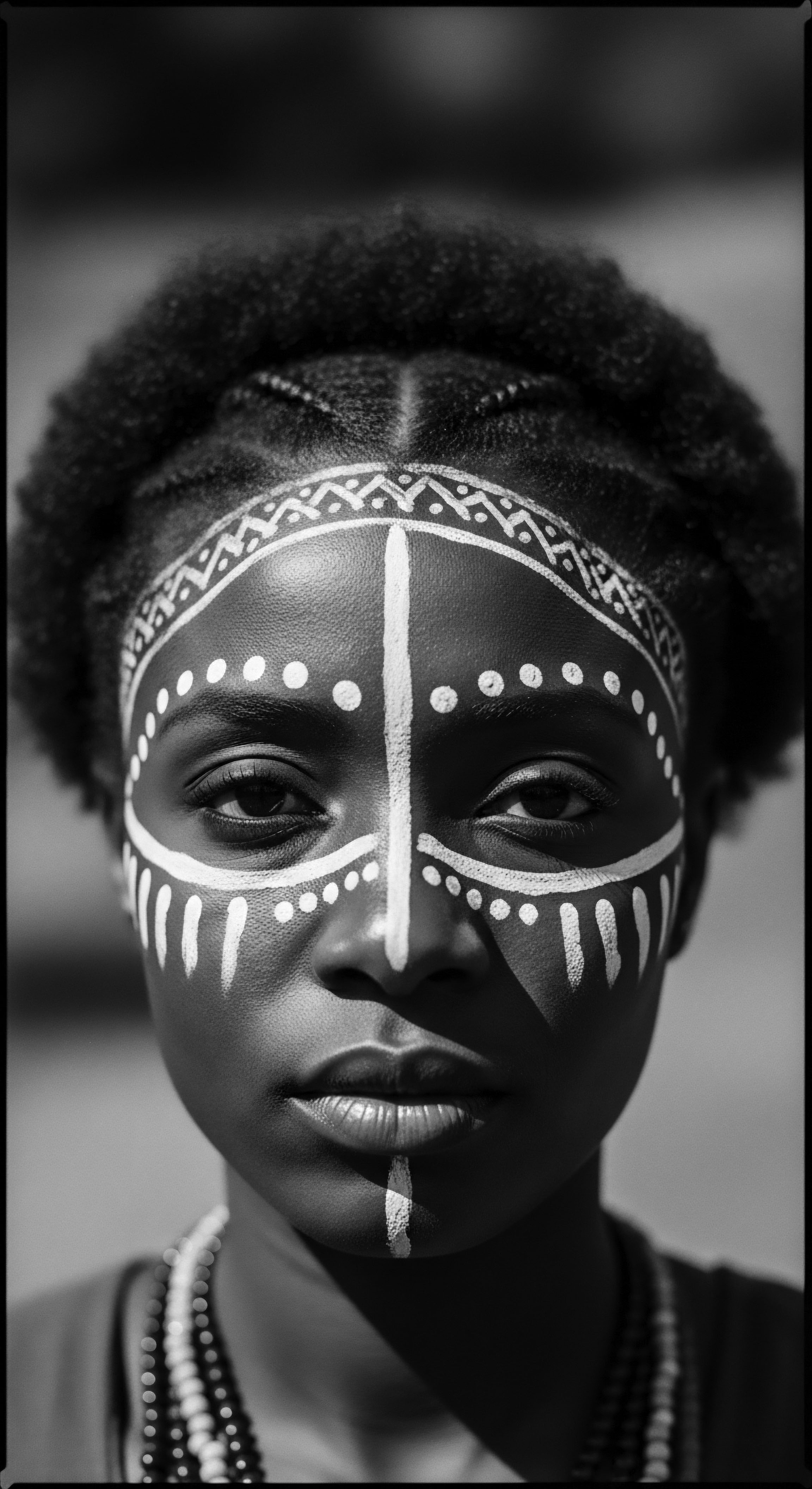
Meaning ❉ African Hair Art is a profound system of communication and identity, deeply rooted in the heritage and resilience of textured hair traditions.
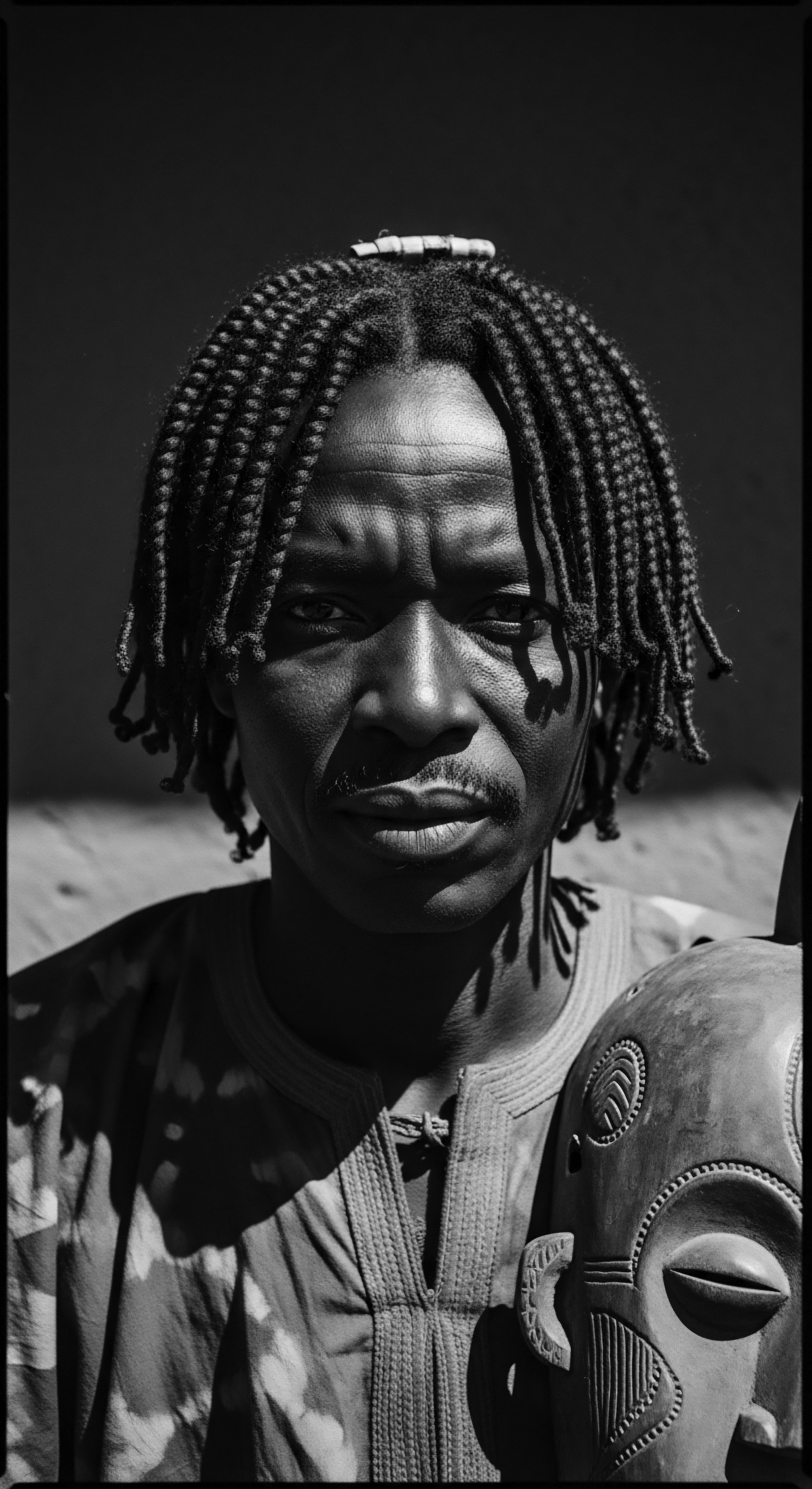
Meaning ❉ Protective Hair Styles are traditional and contemporary methods of arranging hair to minimize damage, promote health, and honor the rich heritage of textured hair.
Ancient hair care from arid regions offers invaluable, heritage-rich insights for modern textured hair regimens, emphasizing moisture retention and protection.
Meaning ❉ Diaspora Hair Stories are the collective historical, cultural, and personal narratives of textured hair within the African diaspora, embodying heritage and resilience.
Historical remedies for textured hair protection from environmental stress included natural oils, protective styles, and head coverings, deeply rooted in ancestral heritage.
Ancient braiding shielded African hair heritage by offering physical protection, conveying social status, and serving as a covert communication system.
Meaning ❉ Ancestral Hair Oils are botanical elixirs and traditional preparations deeply rooted in the historical care and cultural significance of textured hair.
Meaning ❉ Plant Uses refer to the culturally embedded application of botanicals for the care, maintenance, and symbolic expression of textured hair across heritage lines.
Ancestral communities traditionally used oils like coconut, palm, castor, and shea to nourish, protect, and seal textured hair, reflecting a deep heritage of natural care.
Meaning ❉ The Otjize Ritual is a Himba practice involving ochre and butterfat, signifying cultural identity, protection, and ancestral wisdom for textured hair.
Meaning ❉ Ancestral Rituals are the inherited practices and deep understandings of hair care, embodying cultural identity and resilience within textured hair communities.
Ancient African tools respected textured hair through thoughtful design, natural materials, and their integration into cultural rituals that prioritized hair health and identity.
Ancient African communities maintained hair moisture using natural emollients like shea butter and protective styles, deeply connecting to textured hair heritage.
Meaning ❉ Resistance Hairstyles are deliberate cultural expressions of identity and defiance, particularly within textured hair heritage, challenging oppressive beauty norms.
Meaning ❉ Yucca Root is a plant-derived cleanser, rich in saponins, historically used by Indigenous peoples for gentle hair and scalp care, deeply connected to textured hair heritage.
Ancient African hair care practices, rooted in heritage, offer enduring wisdom for modern textured hair needs through their focus on natural ingredients, protective styling, and holistic wellbeing.
African botanicals strengthen textured hair by providing ancestral nourishment, deep moisture, and protective elements rooted in centuries of heritage.
Meaning ❉ Red Ochre is a natural earth pigment, primarily iron oxide, deeply significant in textured hair heritage for ancestral protection, adornment, and cultural identity.
Historical hair care traditions sustained textured hair moisture through natural oils, plant butters, and protective styles, all deeply rooted in ancestral heritage.
We use cookies to personalize content and marketing, and to analyze our traffic. This helps us maintain the quality of our free resources. Manage your preferences below.
This helps support our free resources through personalized marketing efforts and promotions.
Analytics cookies help us understand how visitors interact with our website, improving user experience and website performance.
Personalization cookies enable us to customize the content and features of our site based on your interactions, offering a more tailored experience.