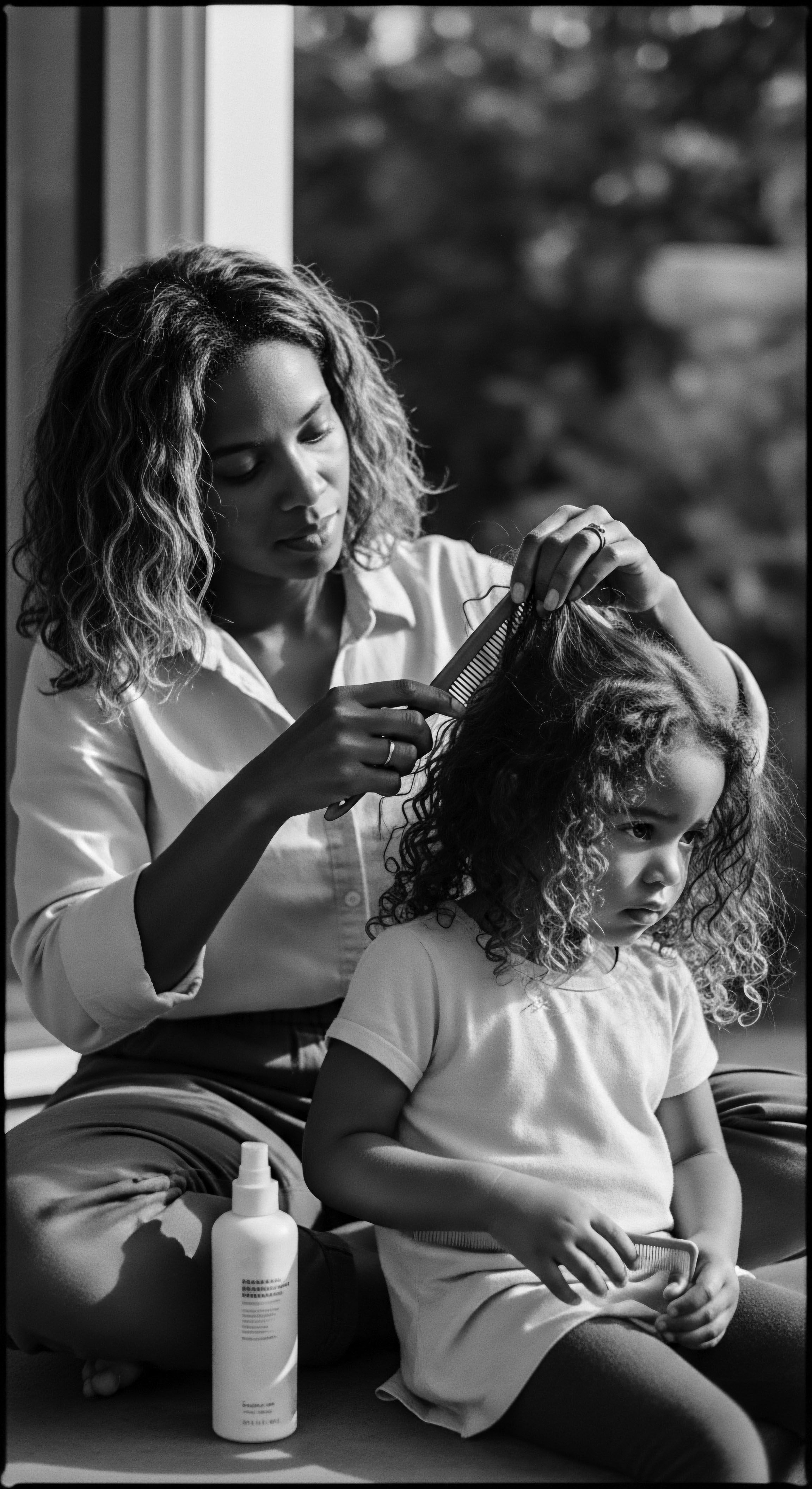
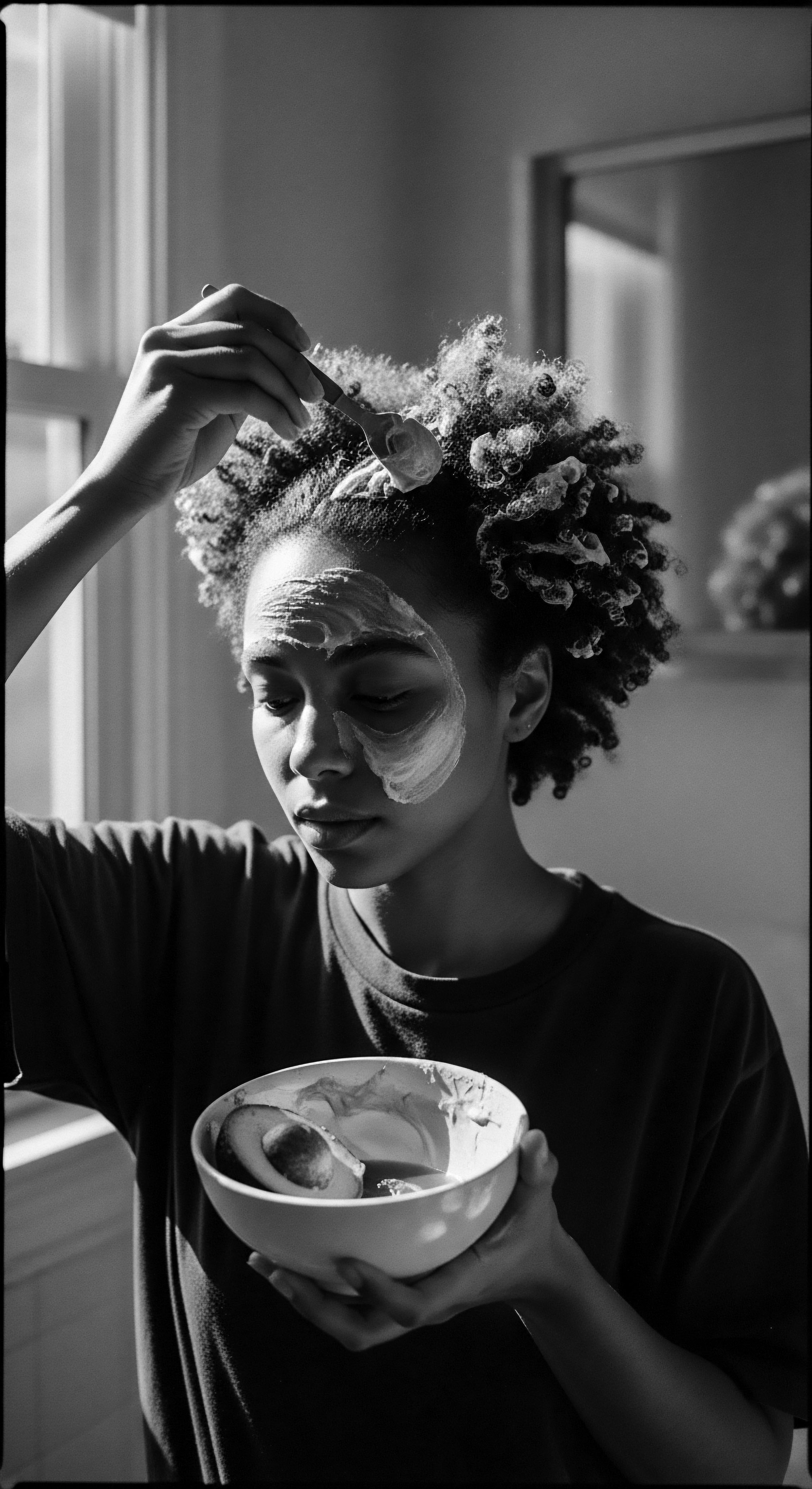
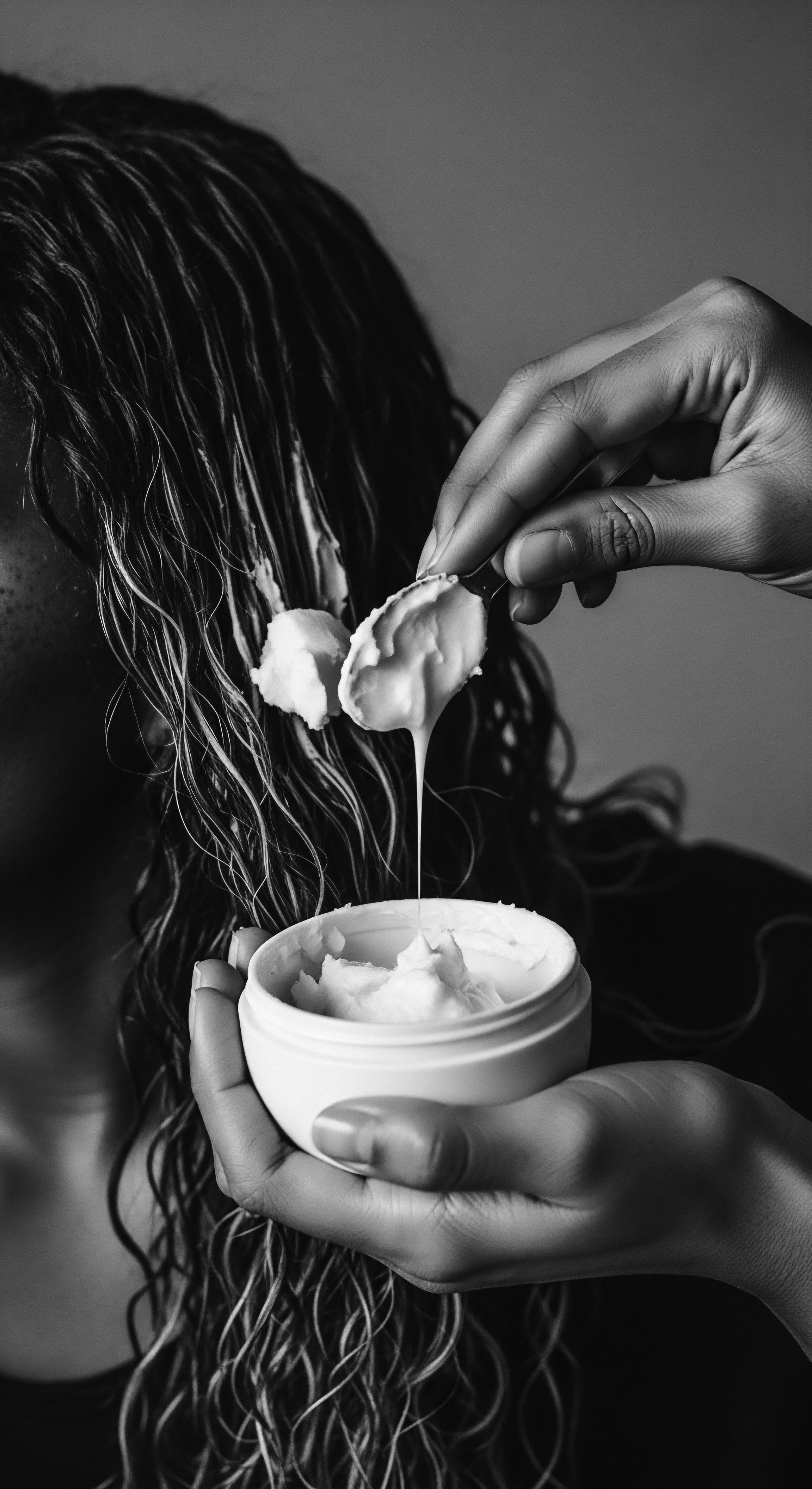
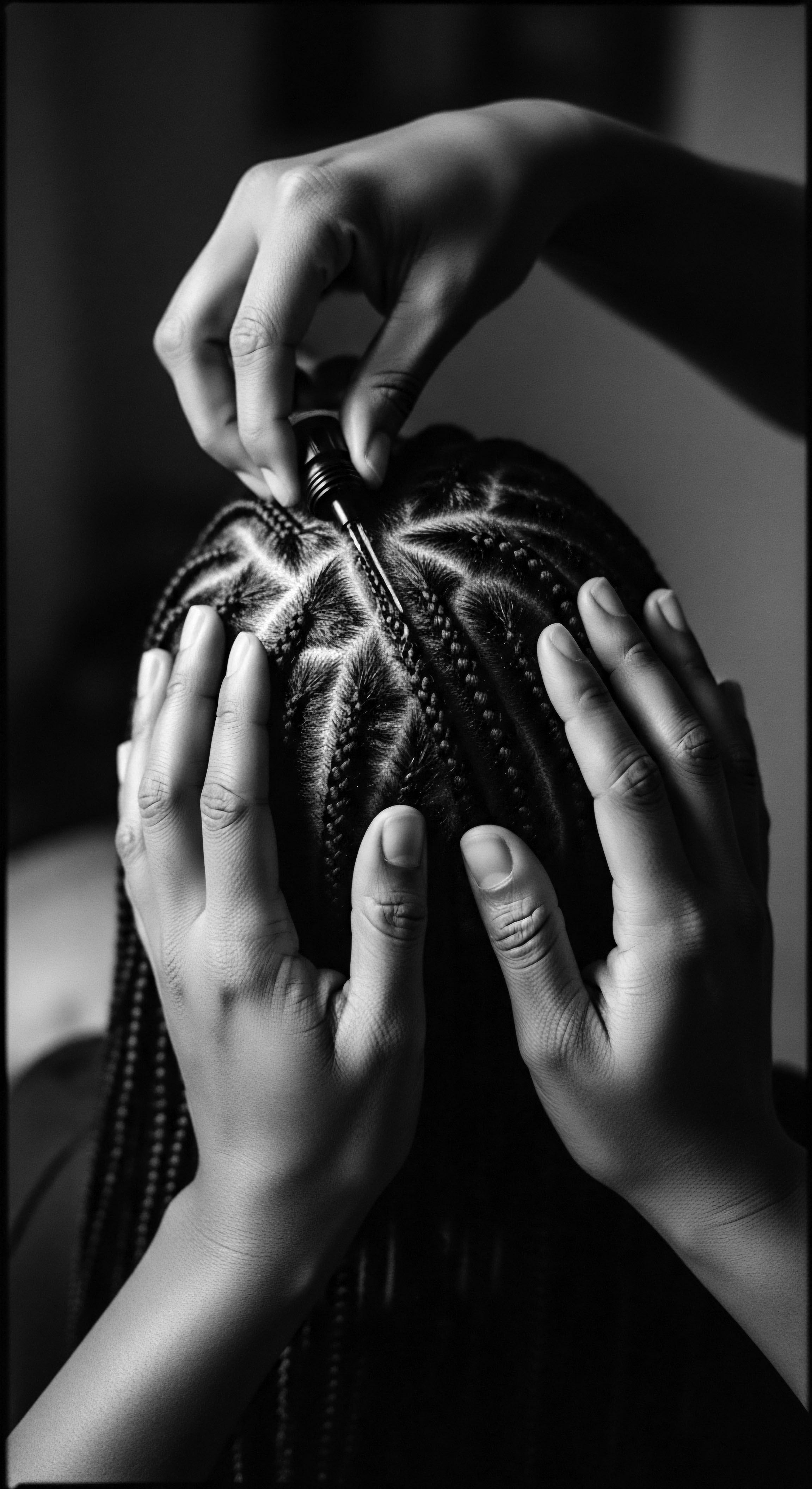
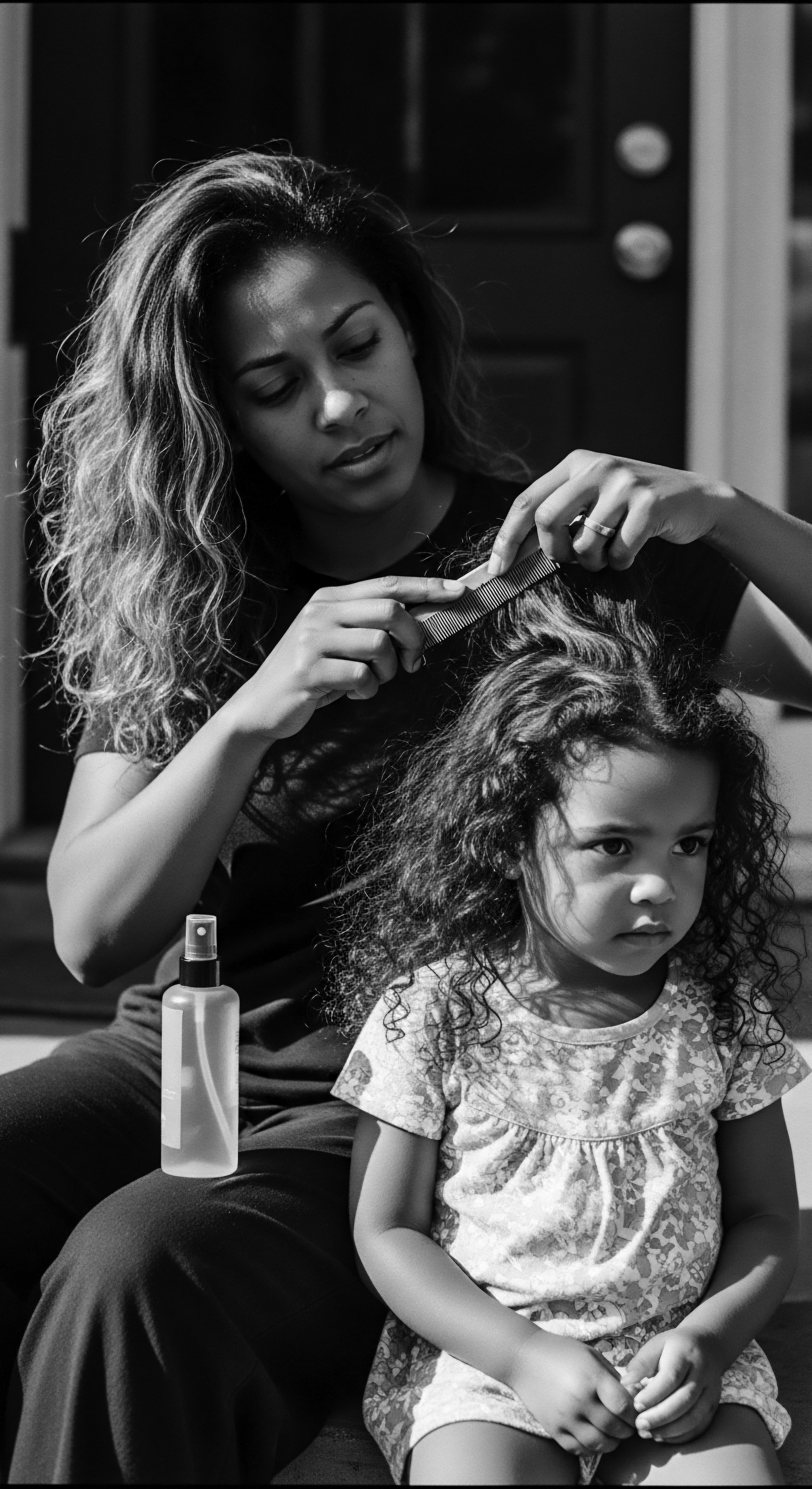
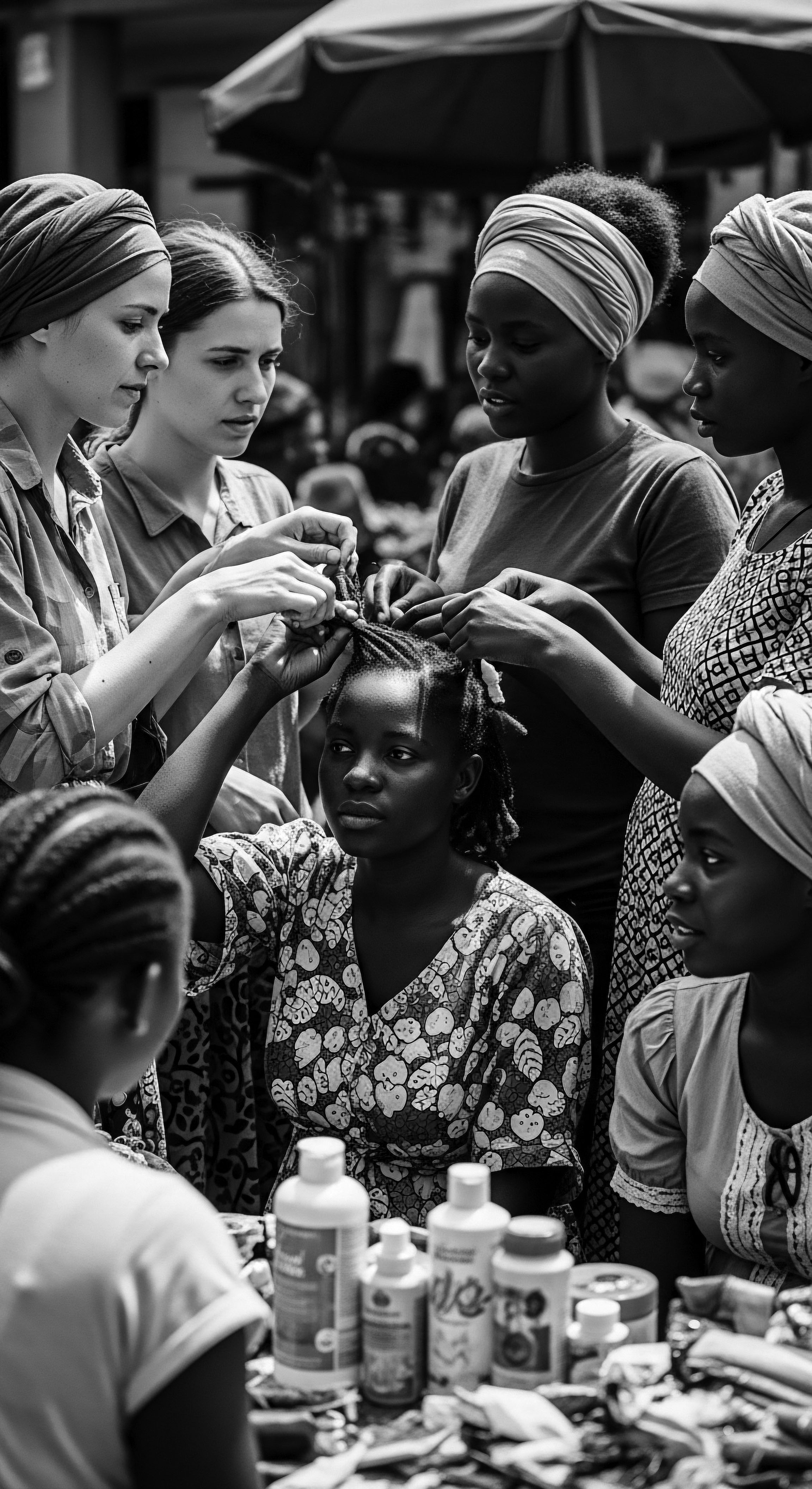
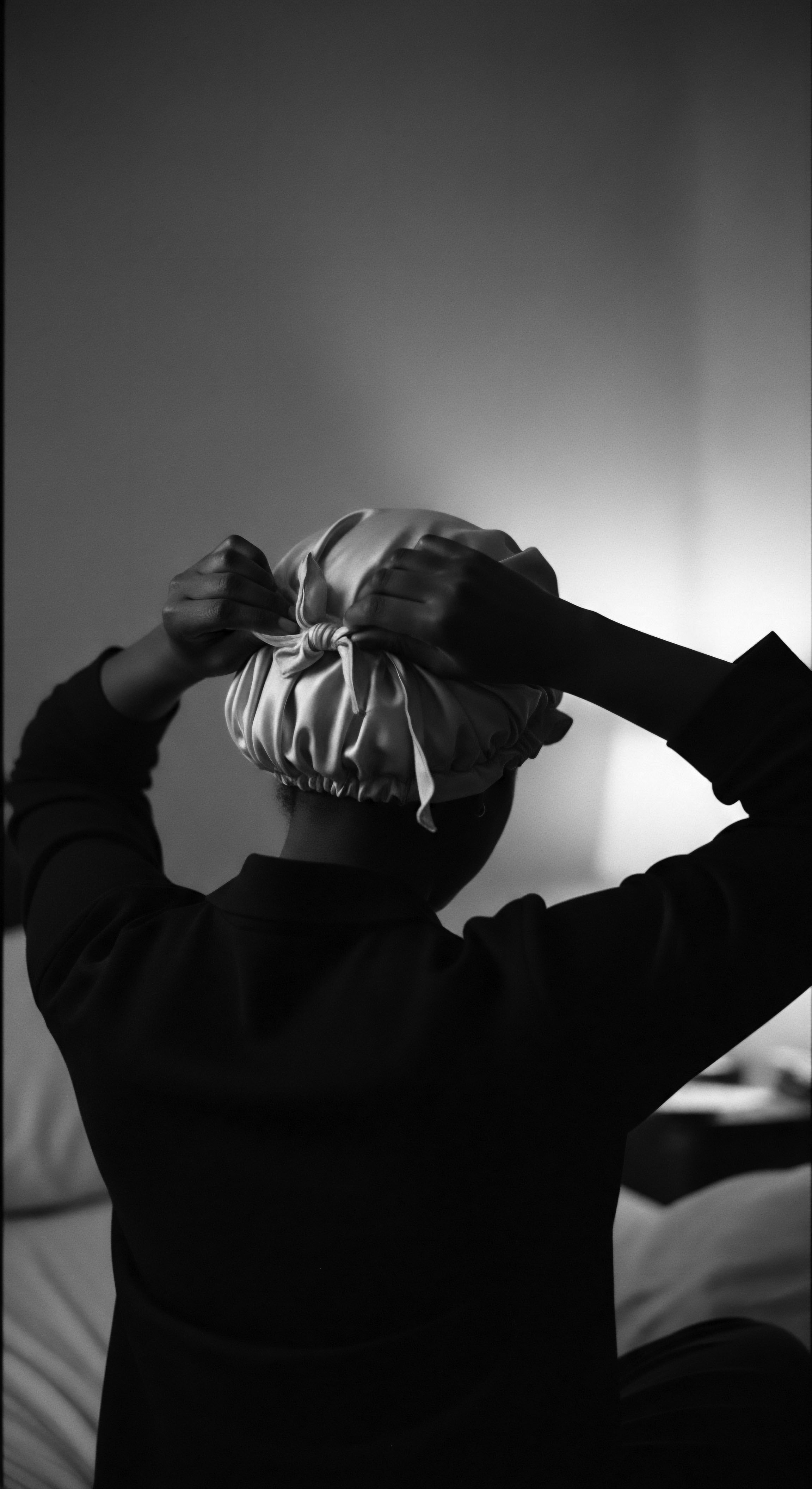
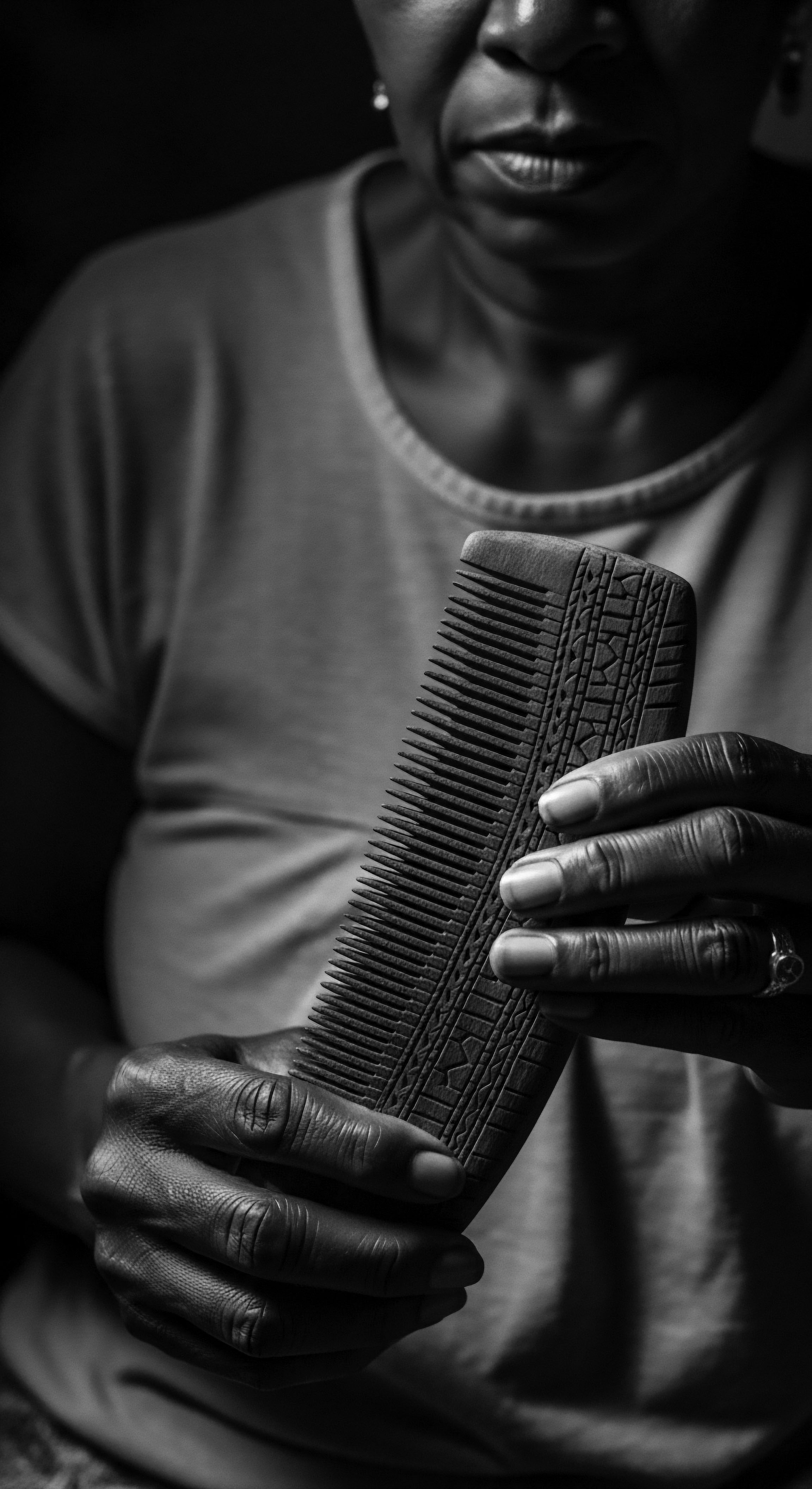
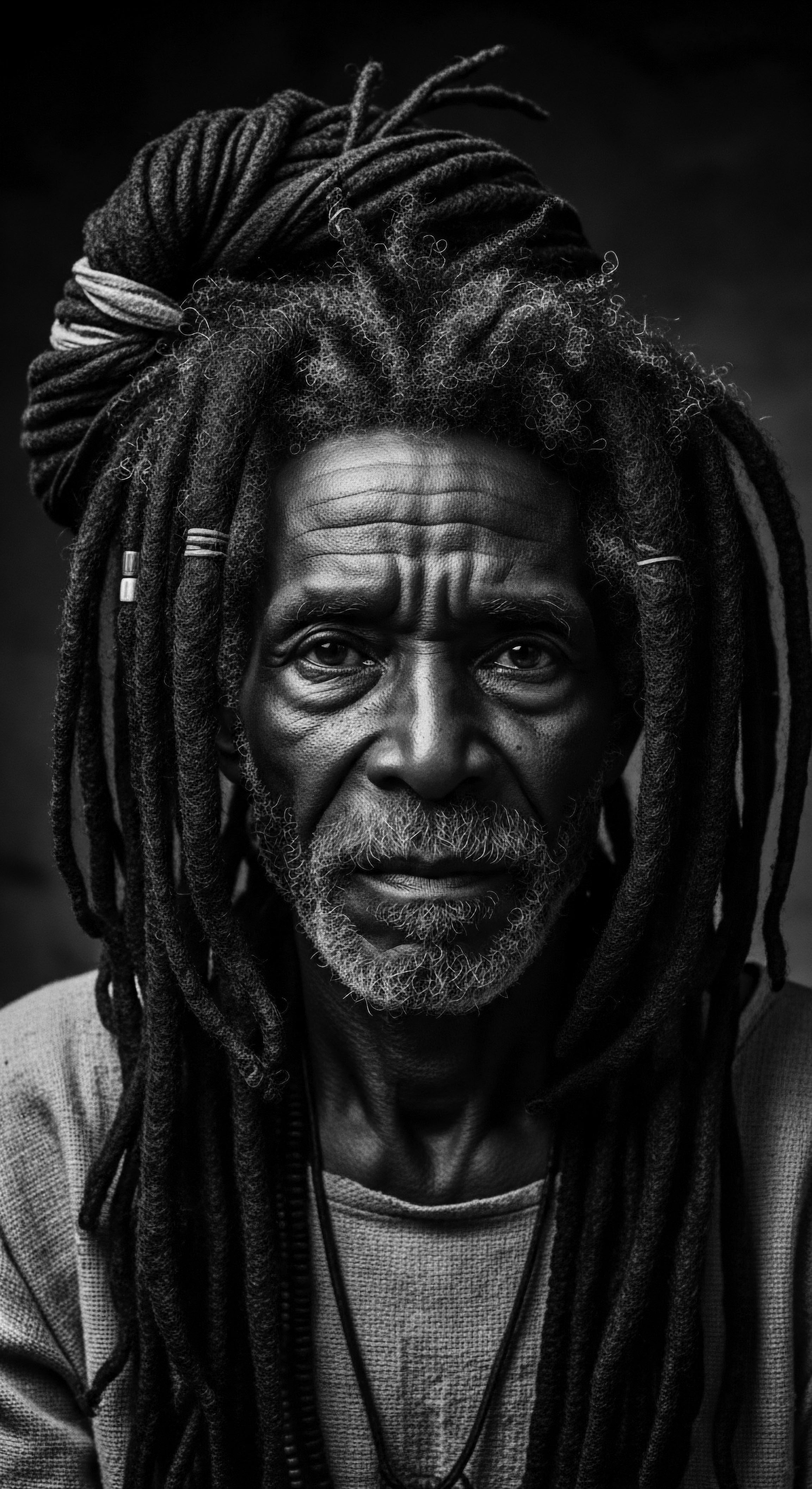
Traditional hair rituals profoundly influence modern textured hair wellness by providing foundational wisdom, protective techniques, and natural ingredient knowledge deeply rooted in heritage.
Ancient African communities utilized plant extracts like shea butter and Chebe powder to nourish, protect, and style textured hair, deeply connecting care to heritage.
Traditional African cleansing ingredients for textured hair include African Black Soap, Rhassoul Clay, and Chebe Powder, rooted in ancestral wisdom and natural resources.
Ancient care practices deeply influenced textured hair health by emphasizing protection, natural ingredients, and holistic wellbeing, reflecting rich ancestral heritage.
Amazonian butters like Murumuru, Cupuaçu, Bacuri, and Pataua traditionally shielded textured hair, preserving its moisture and strength through ancestral practices.
Ancestral textured hair care, deeply rooted in heritage, finds validation in modern science through its intuitive grasp of moisture, protection, and gentle handling.
Botanicals hold deep historical significance in textured hair care, serving as foundational elements in ancestral practices for cleansing, nourishing, and styling, reflecting a rich heritage of resilience and identity.
Ancient traditions protected textured strands through botanical remedies, communal rituals, and ingenious styling that honored hair's natural form and cultural meaning.
Traditional African ingredients, steeped in ancestral wisdom, profoundly benefit textured hair by providing moisture, strength, and protection, honoring a rich heritage.
Ancient cultures protected textured hair at night using smooth wraps, specialized headrests, and nourishing plant-derived oils, preserving intricate styles and heritage.
Ancient ingredients like shea butter, coconut oil, and aloe vera, rooted in diverse cultural heritage, hydrated textured hair through centuries of ancestral wisdom.
Ancestral botanicals like shea butter, castor oil, and aloe vera, rooted in diverse cultural practices, nourish scalp health for coiled strands, reflecting a rich textured hair heritage.
Ancestral styling practices safeguarded textured hair from moisture loss through protective styles, natural emollients, and communal care, a testament to enduring heritage.
Historical butters, primarily from Africa and the Amazon, shielded textured hair by providing deep moisture and protective barriers against harsh climates.
Generations of textured hair heritage were supported by botanicals like shea butter, coconut oil, aloe vera, and specific plant extracts, providing deep moisture and protection.
Cultural practices connected botanicals to Black and mixed-race scalp care heritage through ancestral wisdom, holistic well-being, and acts of cultural preservation.
Traditional African hair care ingredients offer lasting benefits for modern textured hair by providing essential moisture, nutrients, and protection, deeply rooted in ancestral wisdom and cultural heritage.
Mixed-race hair experiences connect to broader cultural heritage through genetic inheritance, ancestral care practices, and ongoing identity reclamation.
We use cookies to personalize content and marketing, and to analyze our traffic. This helps us maintain the quality of our free resources. Manage your preferences below.
This helps support our free resources through personalized marketing efforts and promotions.
Analytics cookies help us understand how visitors interact with our website, improving user experience and website performance.
Personalization cookies enable us to customize the content and features of our site based on your interactions, offering a more tailored experience.