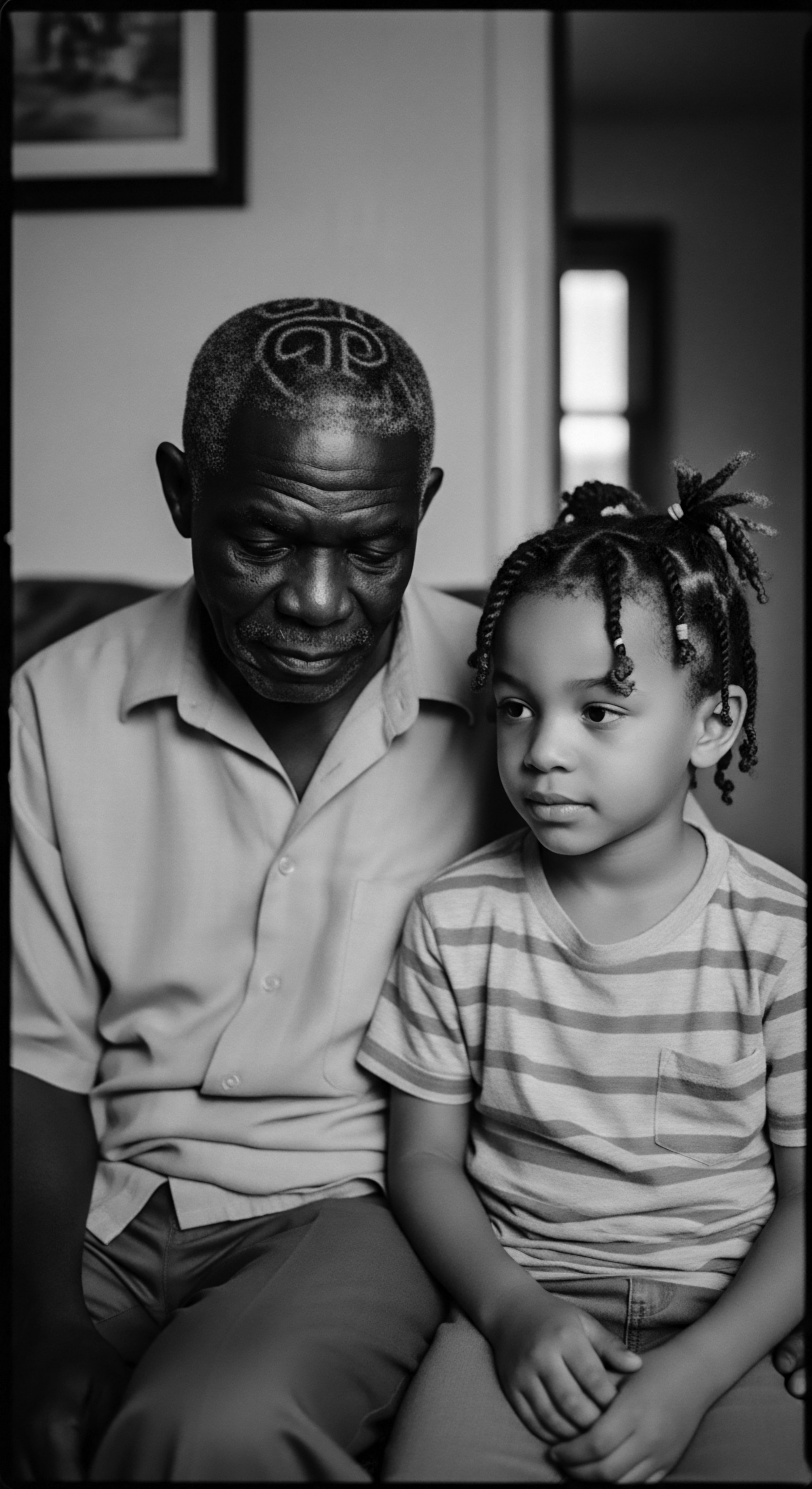
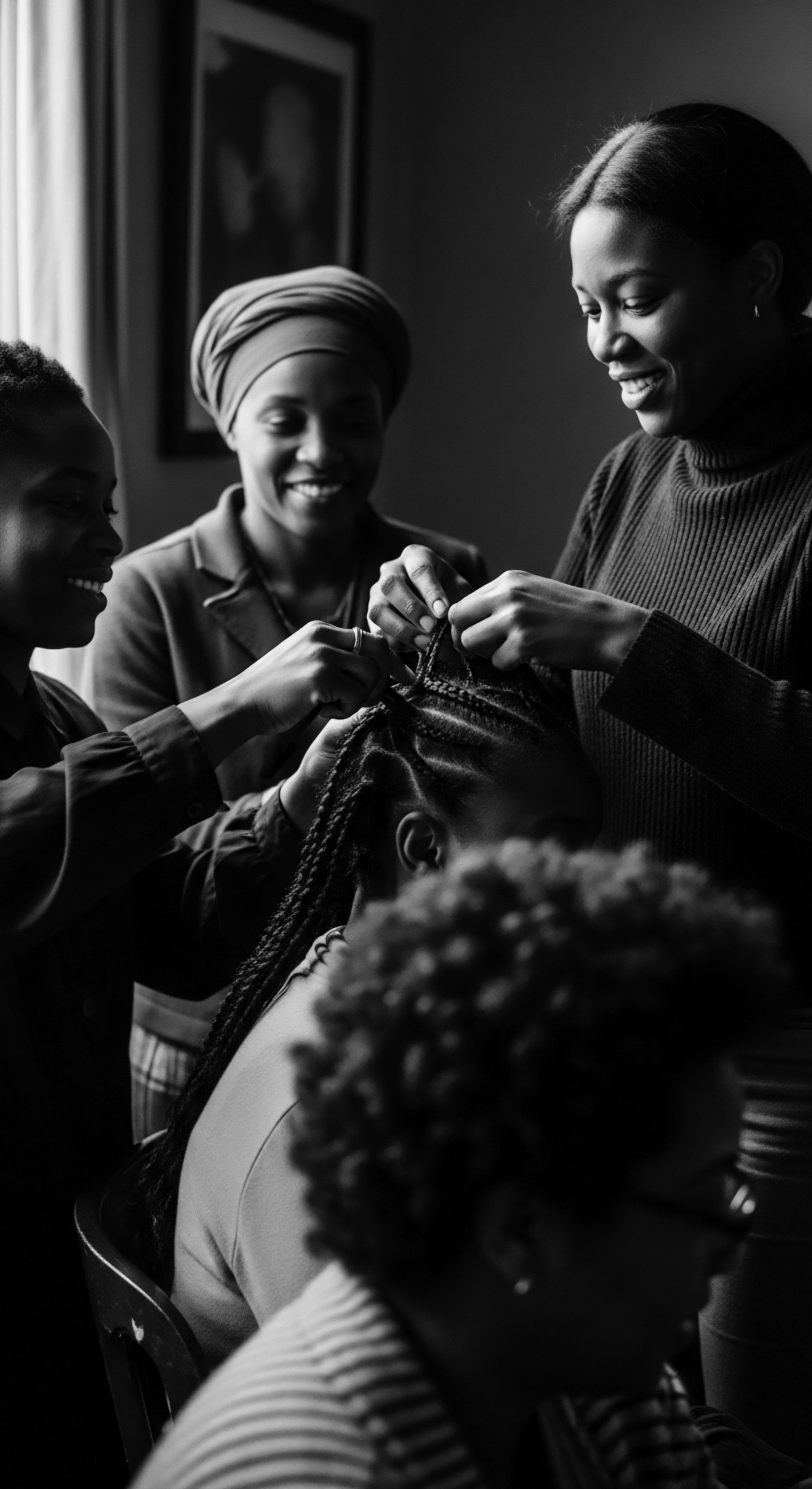
Shea butter's heritage for textured hair wellness is rooted in ancestral African practices that intuitively leveraged its rich properties for moisture and protection.
Historical oils like shea butter, castor, and coconut oil nourished textured hair across the diaspora, preserving its health and cultural heritage for generations.
Meaning ❉ Sebum Distribution refers to the movement of natural scalp oils along the hair shaft, a process significantly influenced by hair texture, profoundly shaping historical and contemporary care practices for textured hair.
Oiling textured hair became a cultural tradition through ancestral wisdom recognizing its biological needs, communal rituals, and its enduring role in identity and resistance.
Meaning ❉ Cultural Hairstyles are deliberate hair shapings that serve as profound declarations of shared history, collective identity, and ancestral wisdom for textured hair communities.
Traditional African ingredients offer effective modern solutions for textured hair concerns by providing deep moisture, protection, and nourishment, rooted in centuries of ancestral heritage and natural wisdom.
Textured hair's unique biology, with its elliptical follicle and coiled structure, naturally predisposes it to dryness and fragility, a reality ancient traditions met with intuitive, protective care.
Cultural practices affirm textured hair biology by recognizing its unique structure, addressing its moisture needs, and protecting its delicate coils, a legacy passed through generations.
Historical hair rituals protected textured hair through meticulous practices, natural ingredients, and cultural significance, safeguarding its integrity and heritage.
Meaning ❉ The Tignon Laws were 18th-century mandates in New Orleans forcing free women of color to cover their elaborate hair, sparking cultural resistance.
Meaning ❉ Economic Heritage is the enduring value derived from historical and ongoing cultural practices, knowledge, and communal structures around textured hair.
Historical hair care traditions, rooted in ancestral wisdom, shaped modern textured hair practices through enduring techniques, natural ingredients, and profound cultural meanings.
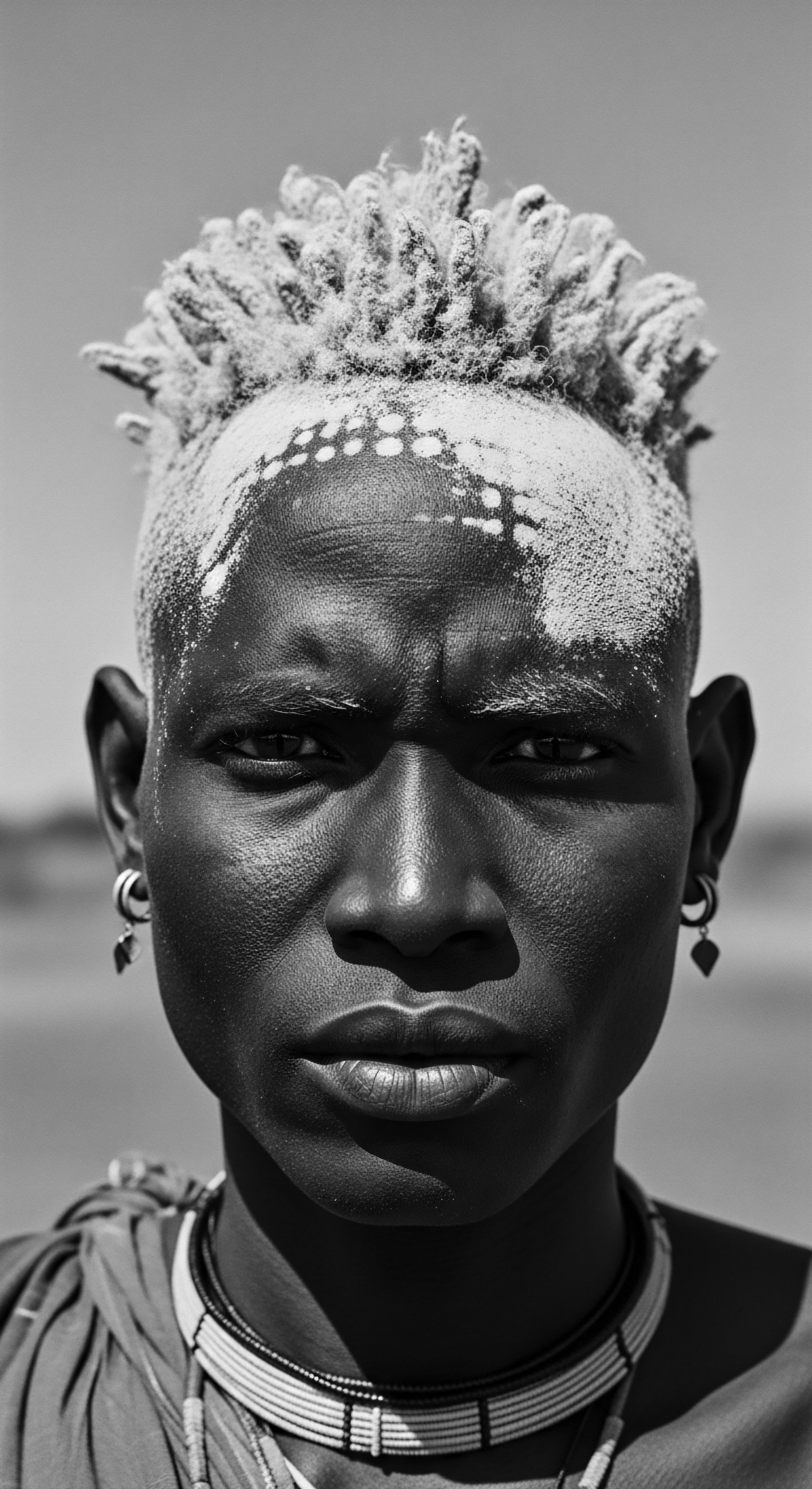
Meaning ❉ Traditional African Hair embodies a profound biocultural heritage, encompassing diverse textures, ancestral care rituals, and deep cultural meanings that affirm identity.
Historical plant-based rituals deeply connect to modern textured hair science by providing foundational knowledge and practices that instinctively addressed hair's unique structure and needs, a testament to enduring heritage.
Ancient Egyptians protected textured hair using natural oils, fats, and beeswax, along with protective styles like braids and wigs, a testament to ancestral ingenuity.
Meaning ❉ Historical Hair Protection signifies ancestral practices and cultural wisdom safeguarding textured hair through generations, embodying identity and resilience.
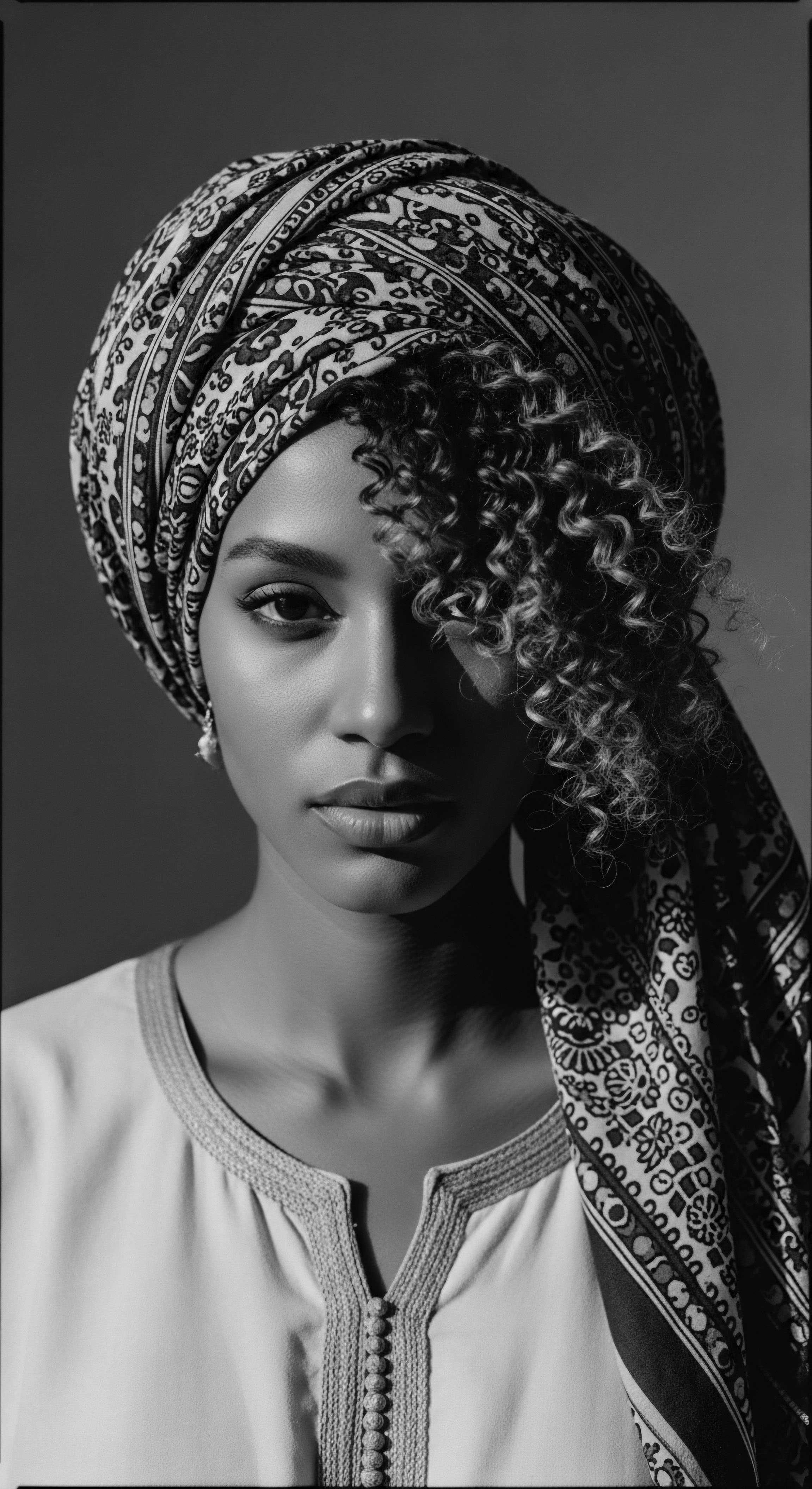
Ancestral head coverings protected textured hair by reducing friction, retaining moisture, and shielding strands from environmental damage, reflecting a rich heritage of care.
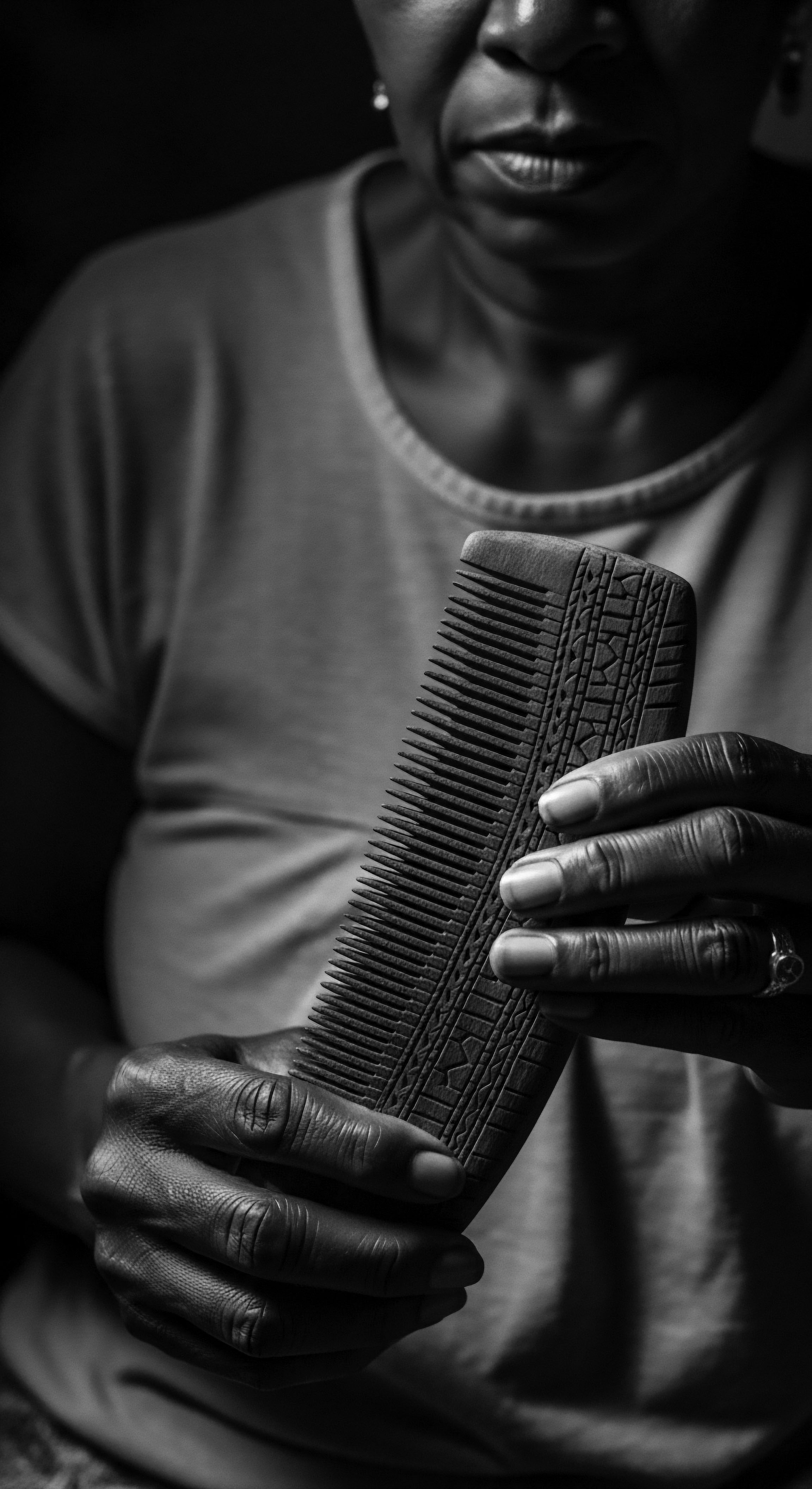
Traditional hair oiling for textured hair is supported by centuries of ancestral wisdom, evidenced by practices across diverse cultures for protection and vitality.
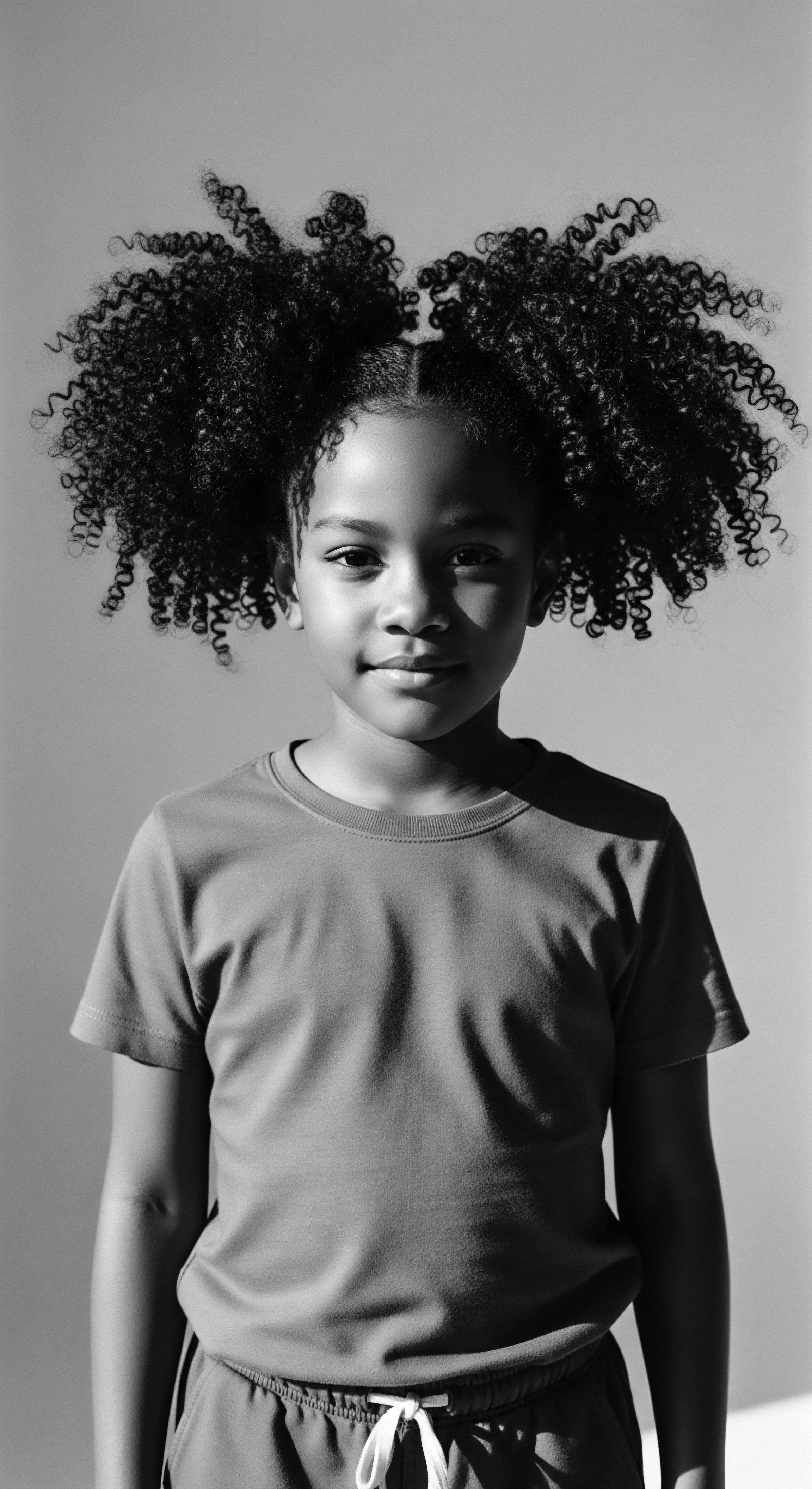
Meaning ❉ Identity Hair is the inherent, ancestral, and culturally significant blueprint of one's hair, deeply connected to heritage and self-expression.
Ancient plant knowledge shaped textured hair through generations of botanical remedies, protective styling, and holistic care, deeply rooted in Black and mixed-race heritage.
Plant extracts historically shielded textured hair by forming protective barriers, sealing moisture, and imparting resilience, honoring a deep ancestral heritage.
Meaning ❉ Colonial Beauty Standards imposed European aesthetic ideals, particularly devaluing textured hair and ancestral practices, shaping Black and mixed-race hair experiences.
We use cookies to personalize content and marketing, and to analyze our traffic. This helps us maintain the quality of our free resources. Manage your preferences below.
This helps support our free resources through personalized marketing efforts and promotions.
Analytics cookies help us understand how visitors interact with our website, improving user experience and website performance.
Personalization cookies enable us to customize the content and features of our site based on your interactions, offering a more tailored experience.