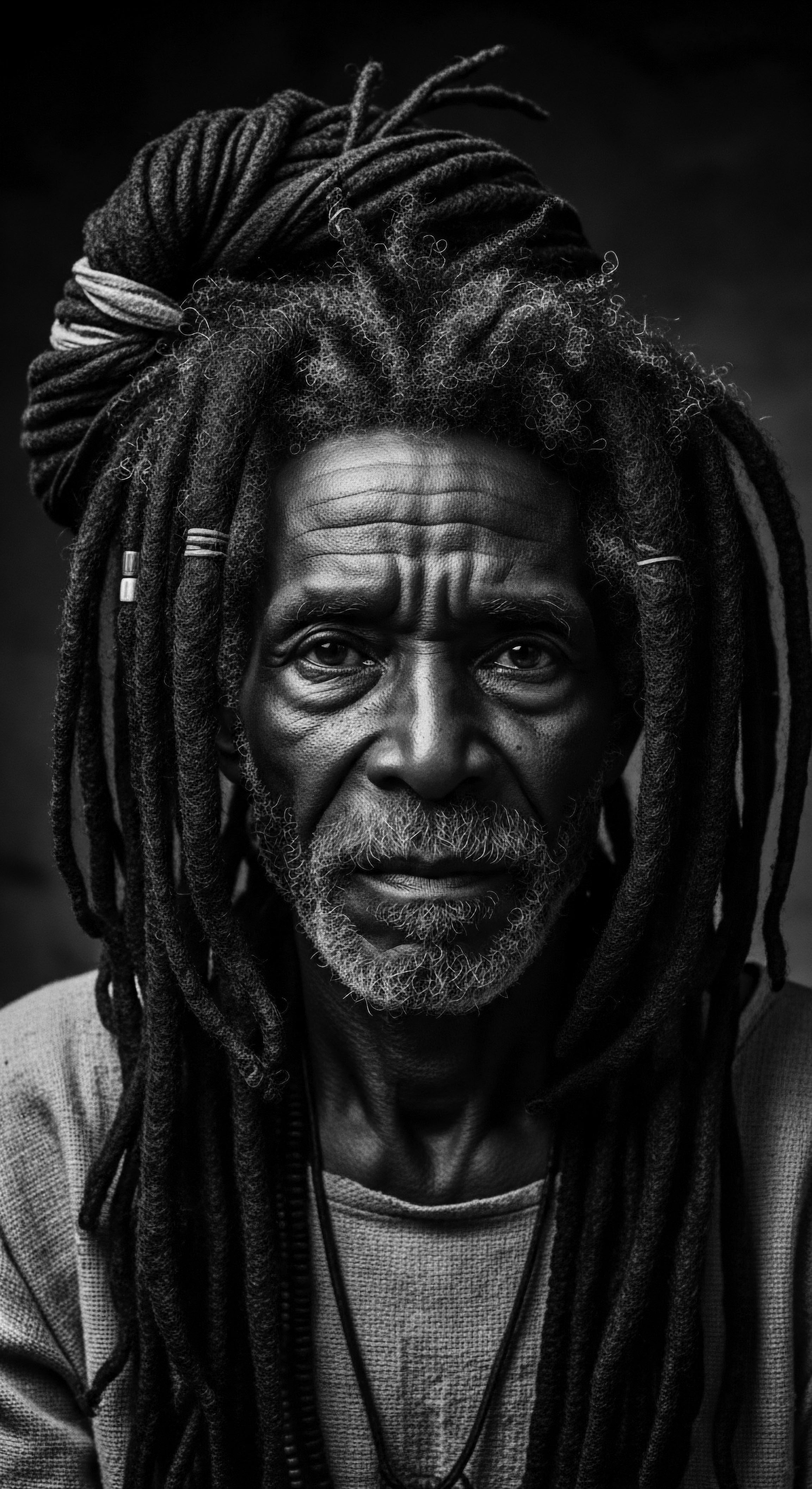
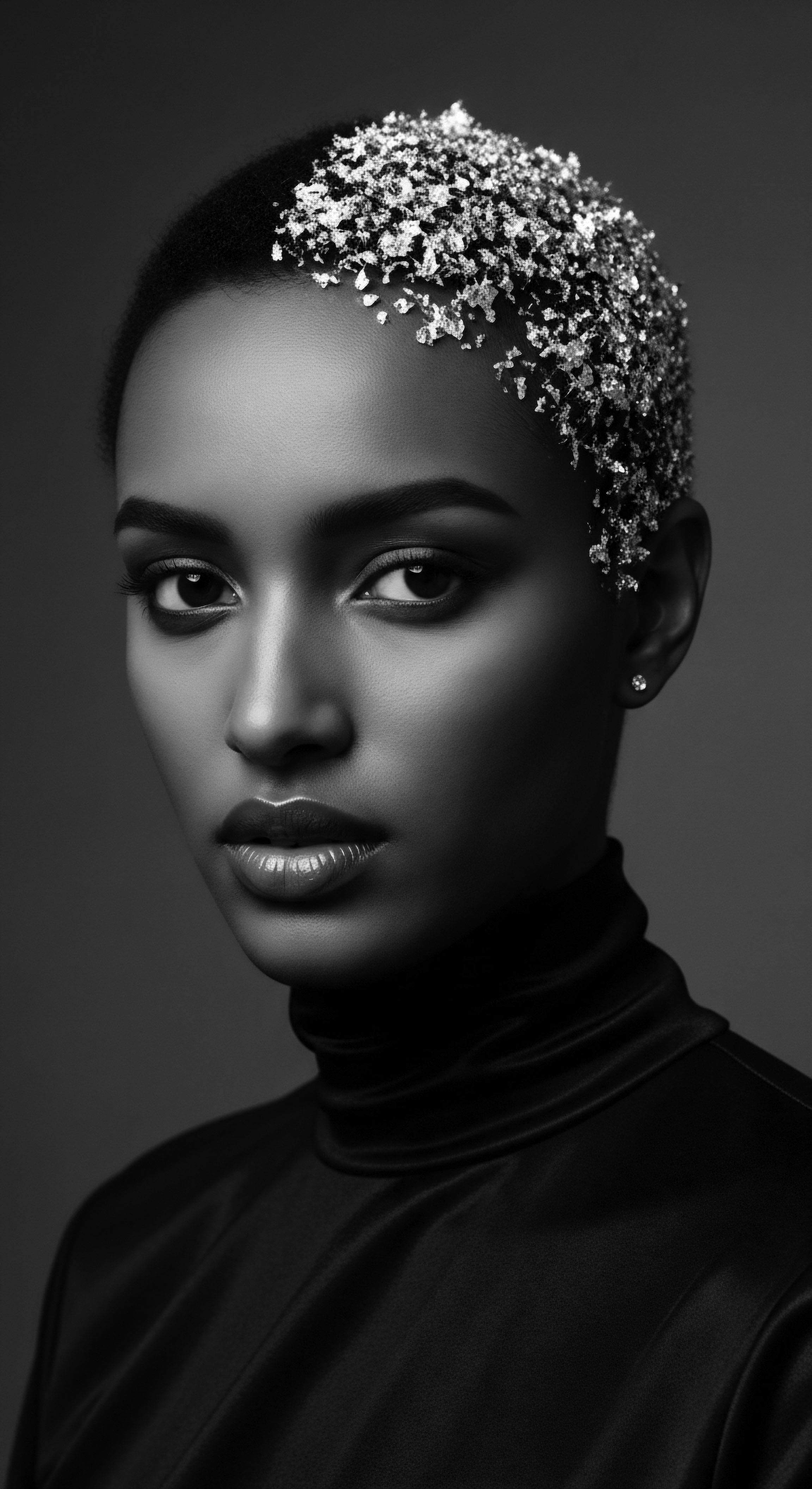
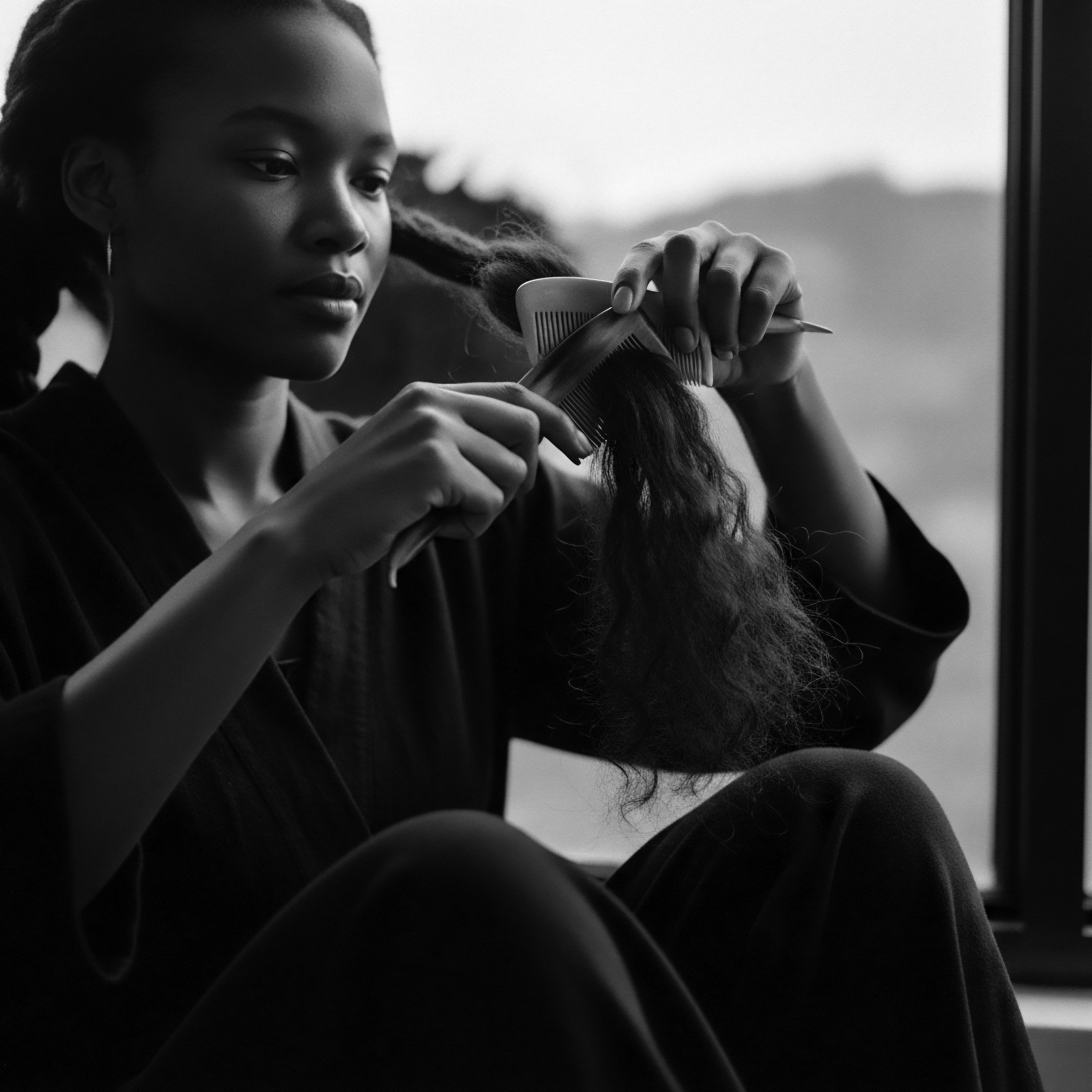
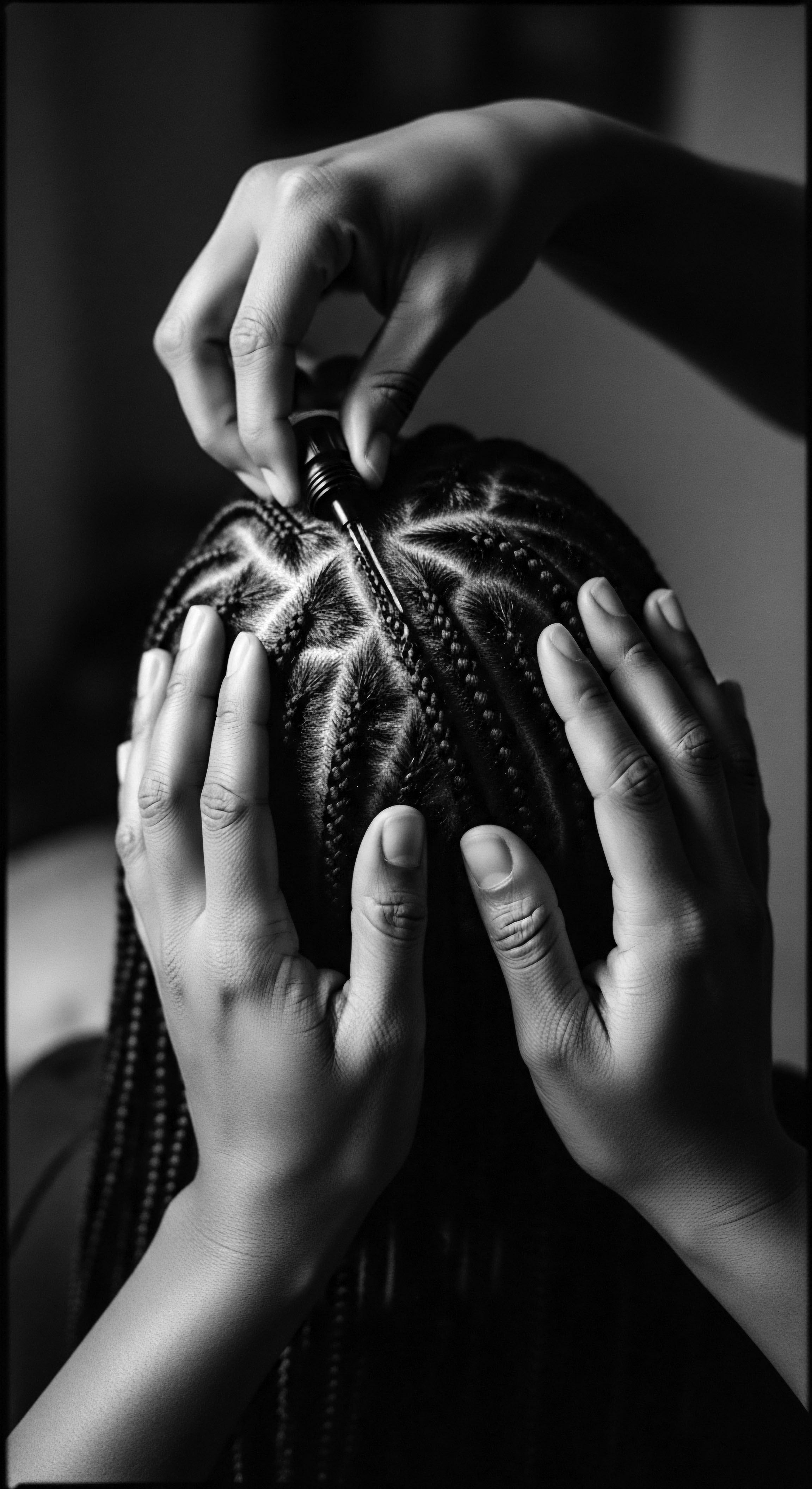
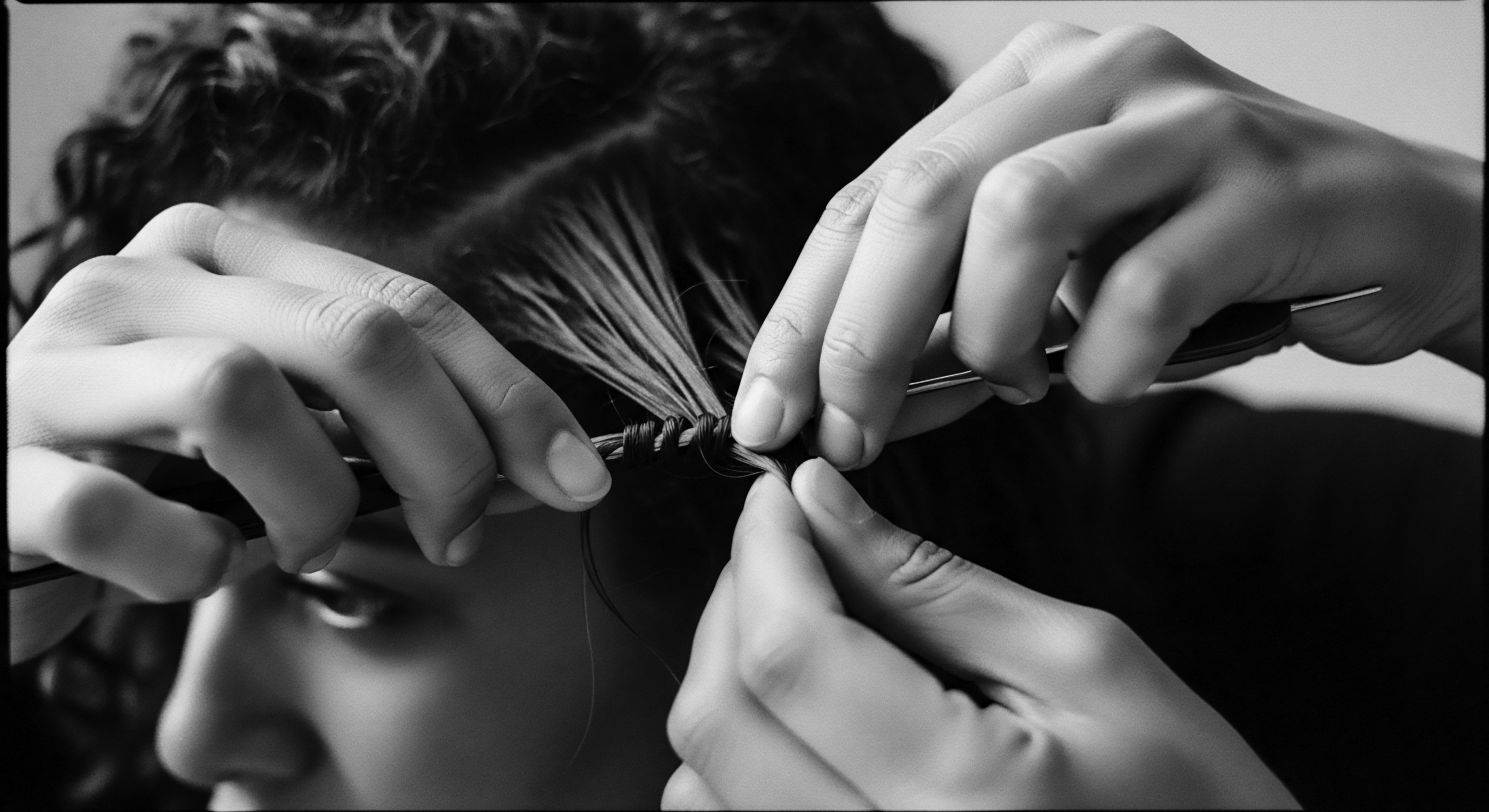
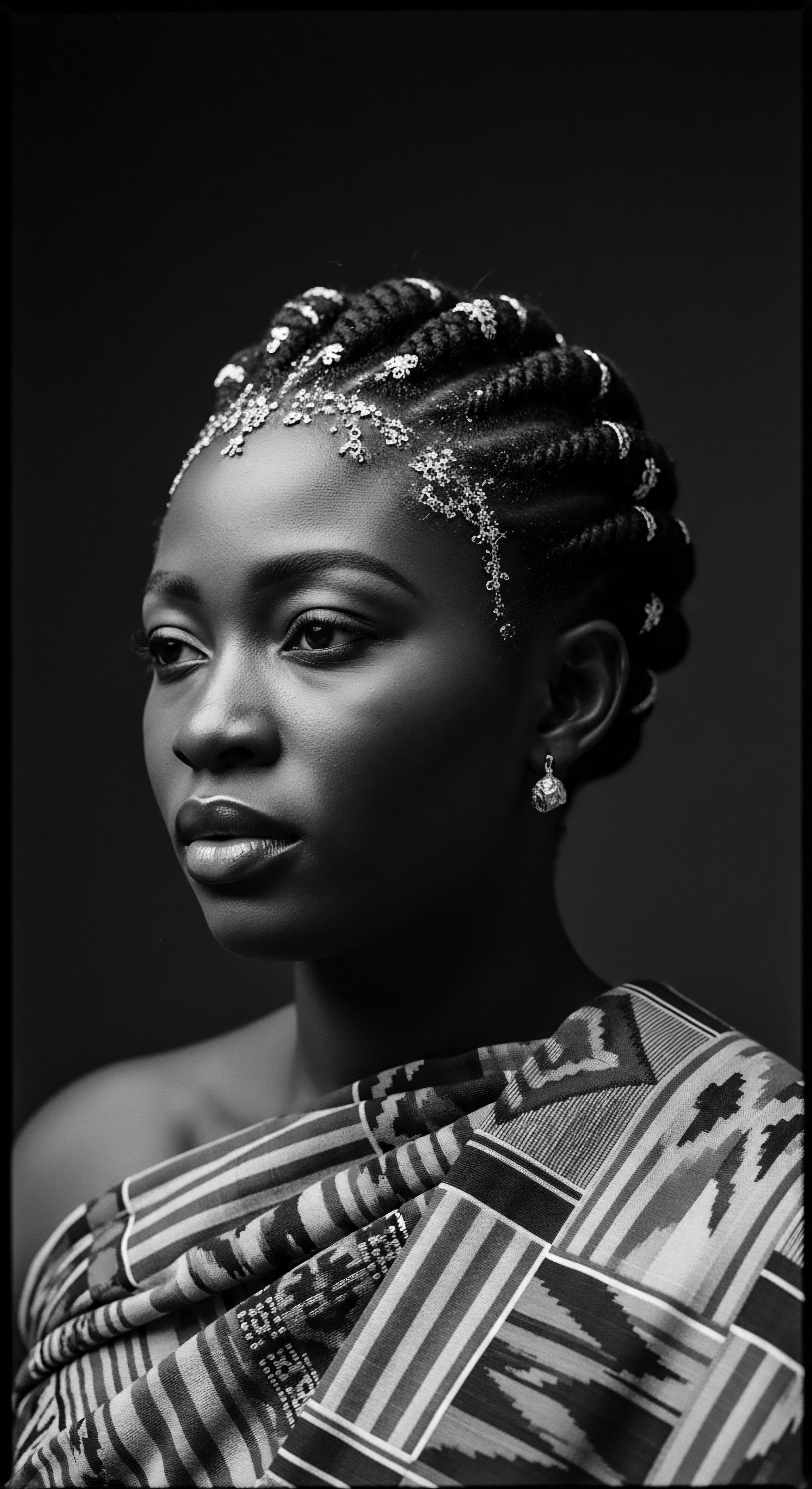
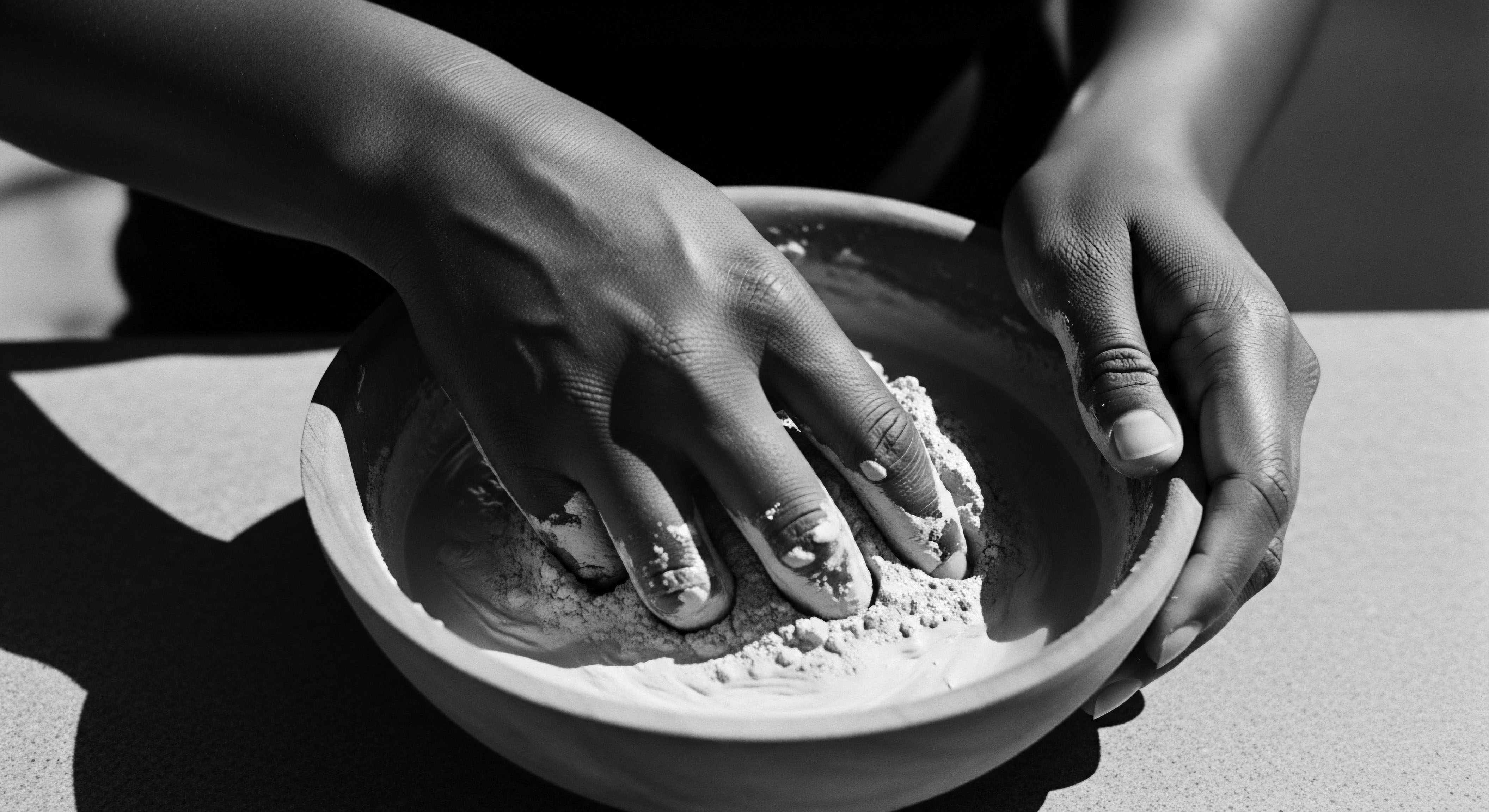
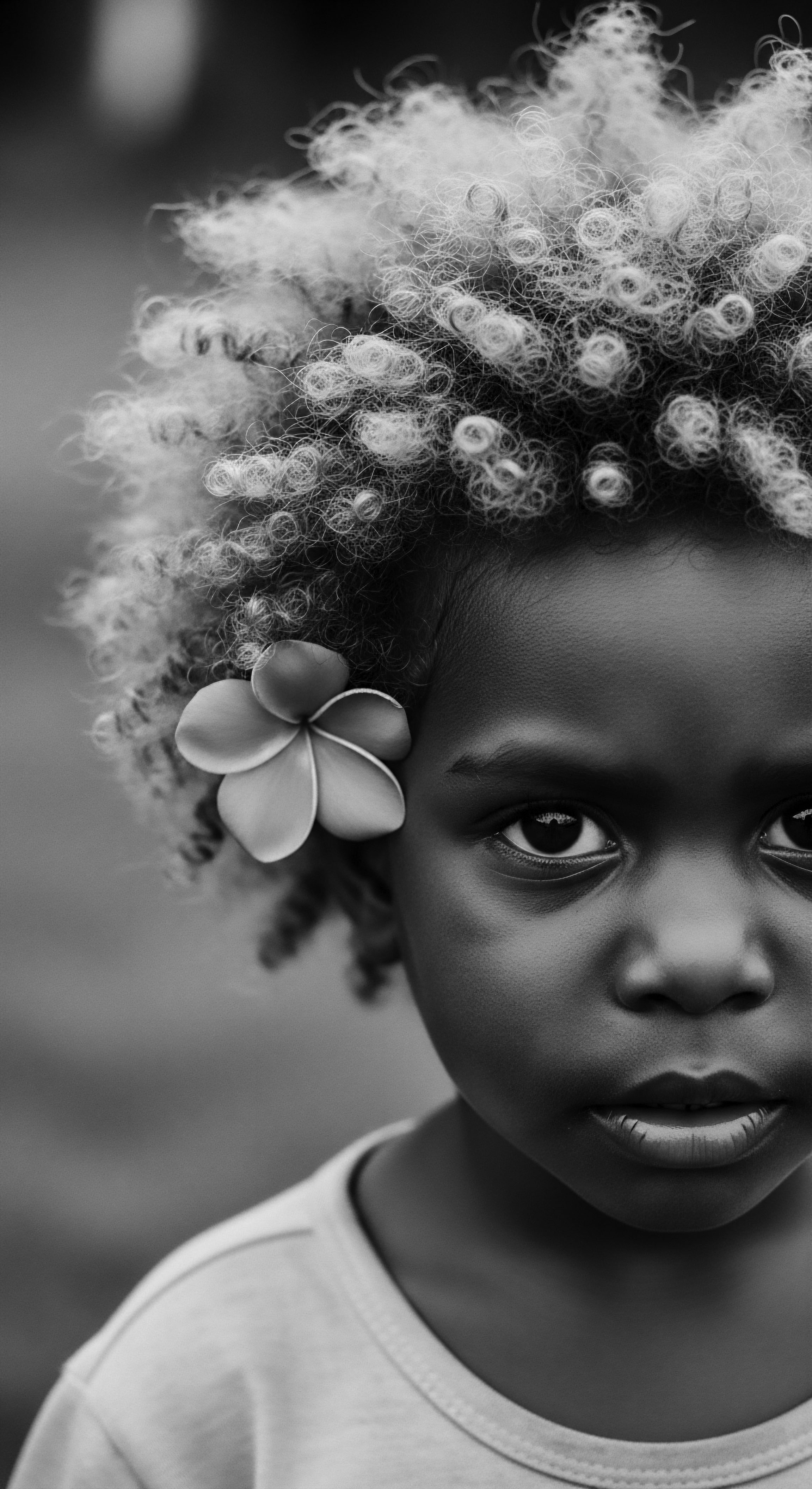
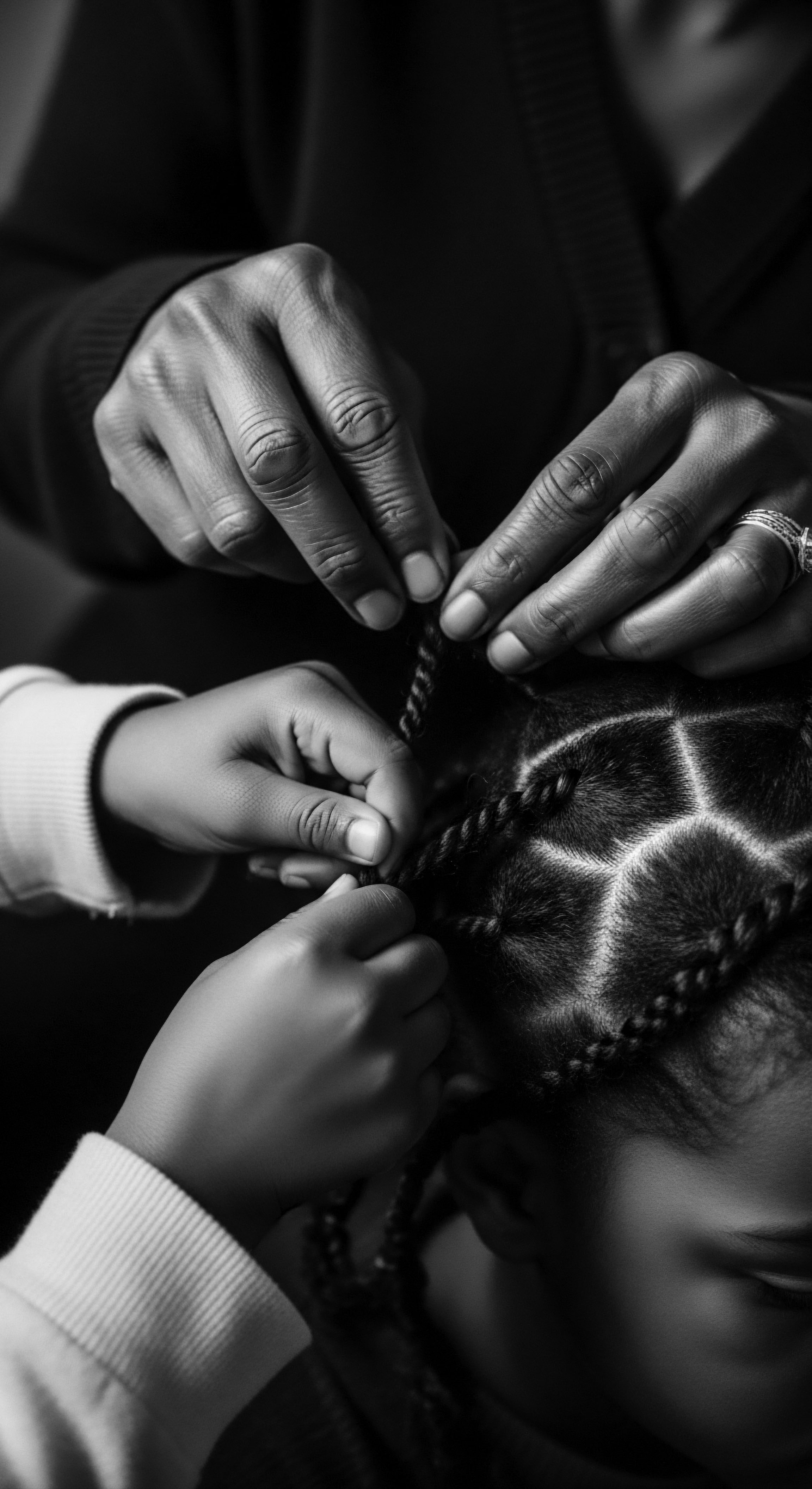
Meaning ❉ The Hair Heritage Meaning recognizes hair, especially textured hair, as a living archive of cultural identity, ancestral wisdom, and enduring resilience.
Ancestral hair care practices deeply inform modern textured hair routines by providing a foundational understanding of hair's needs and its profound connection to heritage.
Historical events profoundly shaped textured hair perception, shifting from ancestral reverence to imposed assimilation, then to defiant reclamation of heritage.
Textured hair historically served as a potent form of cultural communication and resistance, its styles conveying identity, status, and even coded messages for freedom, deeply rooted in ancestral heritage.
Meaning ❉ Hawaiian Hair Rituals are ancestral practices rooted in ethnobotany and spiritual connection, honoring hair as a living extension of identity and mana.
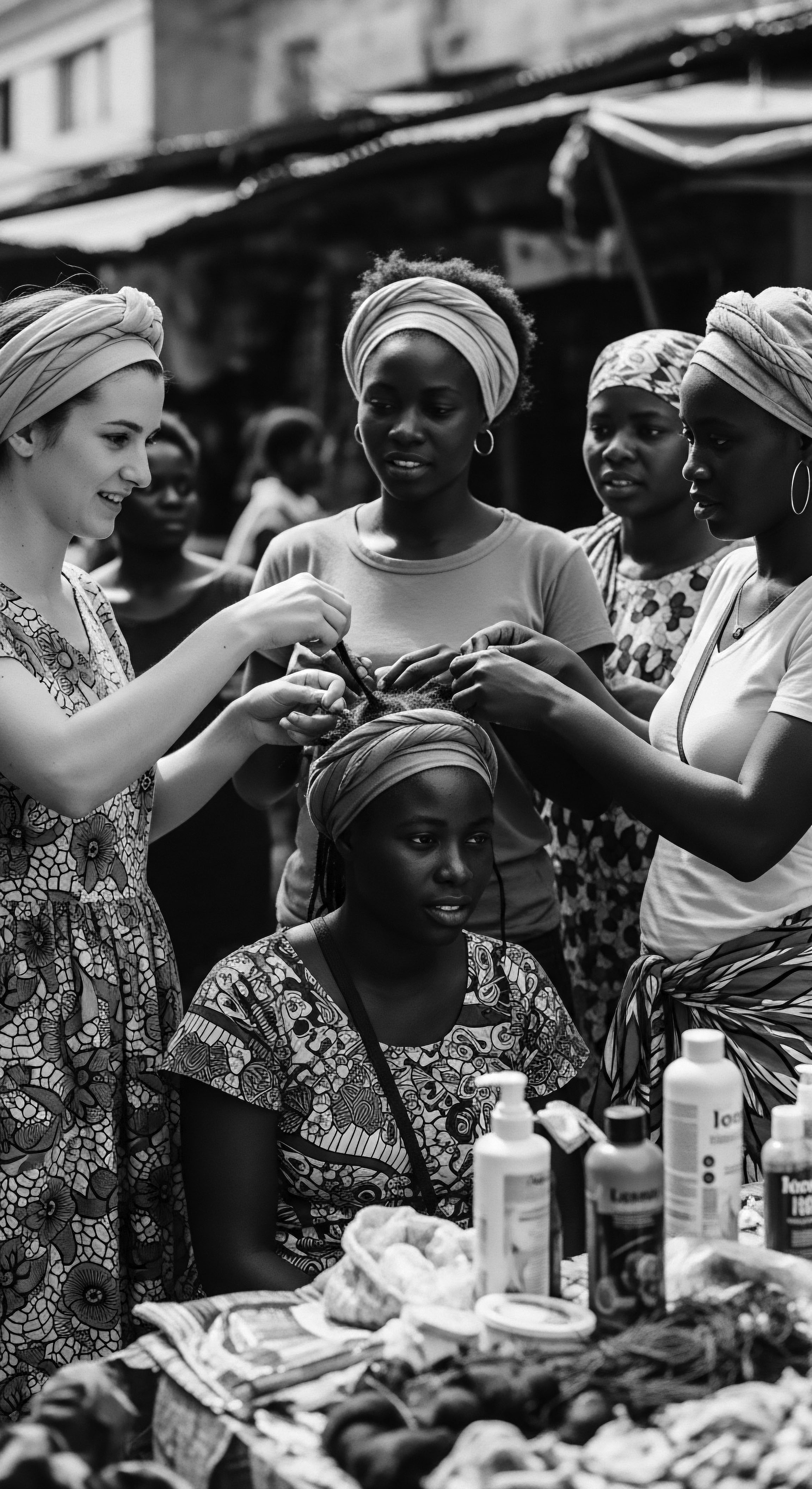
Traditional hair care practices honored textured hair heritage through protective styling, natural ingredients, and symbolic adornment, preserving identity and ancestral knowledge.
Meaning ❉ Maori Hair Culture signifies a profound system where hair embodies identity, spiritual power, and ancestral lineage, dictating meticulous care and adornment.
Earth elements, through ancestral practices and inherent biological roles, profoundly influence textured hair's structural integrity and enduring cultural significance.
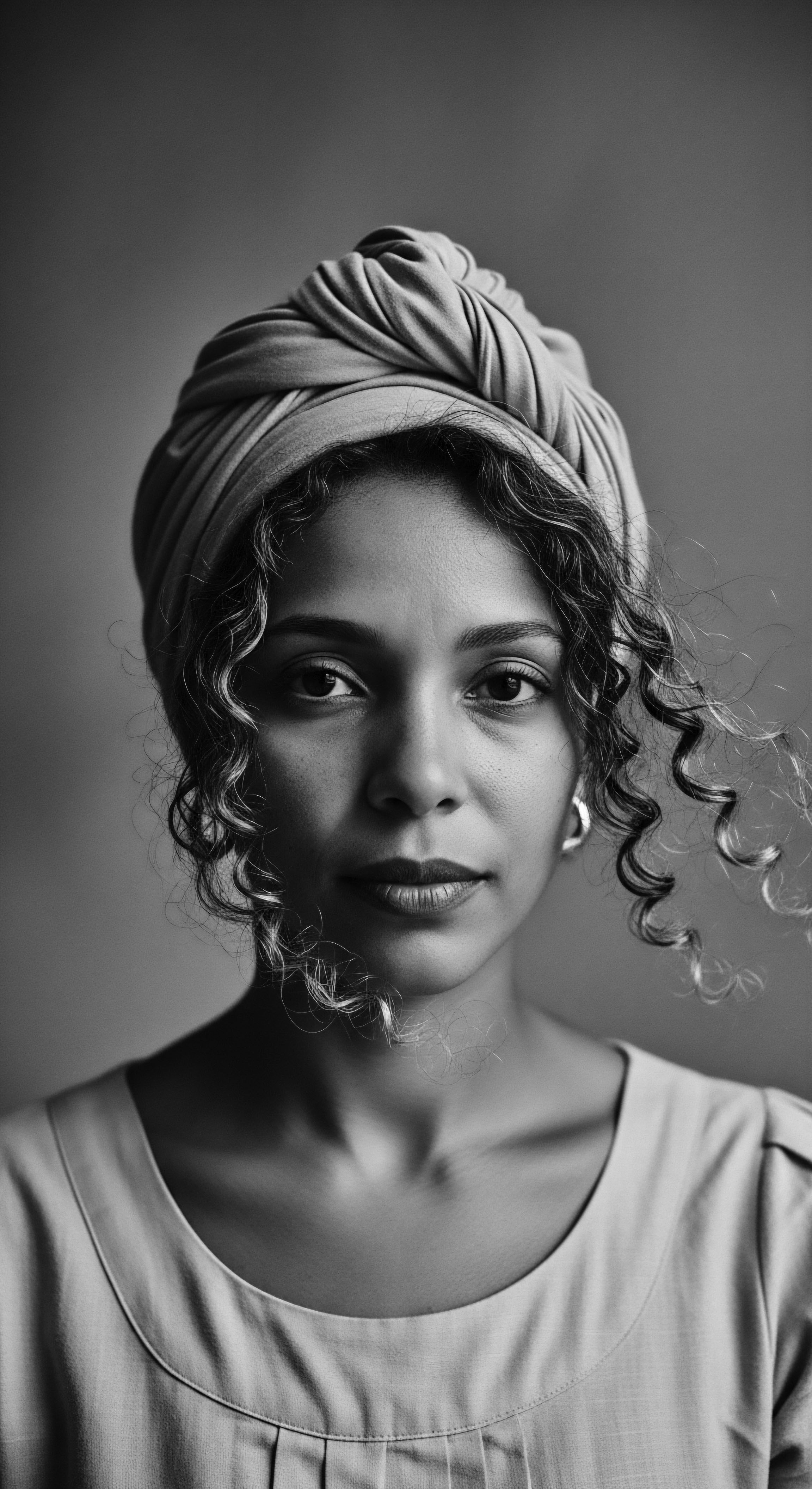
Meaning ❉ The Satin Headwrap is a protective accessory deeply rooted in Black and mixed-race hair heritage, safeguarding strands from friction and moisture loss.
Ancient hair care wisdom, rooted in deep heritage, offers timeless principles for nurturing textured hair health through natural practices and cultural reverence.
Meaning ❉ Monoi oil's history is a testament to Polynesian ancestral wisdom, deeply nourishing textured hair through the potent infusion of Tiare flower and coconut oil.
Meaning ❉ Polynesian Hair Heritage is the profound cultural, spiritual, and historical significance of hair care practices and identity across Pacific island nations.
Meaning ❉ Hair Protection Materials encompass substances, tools, and practices used to shield hair from damage, deeply rooted in textured hair heritage and cultural wisdom.
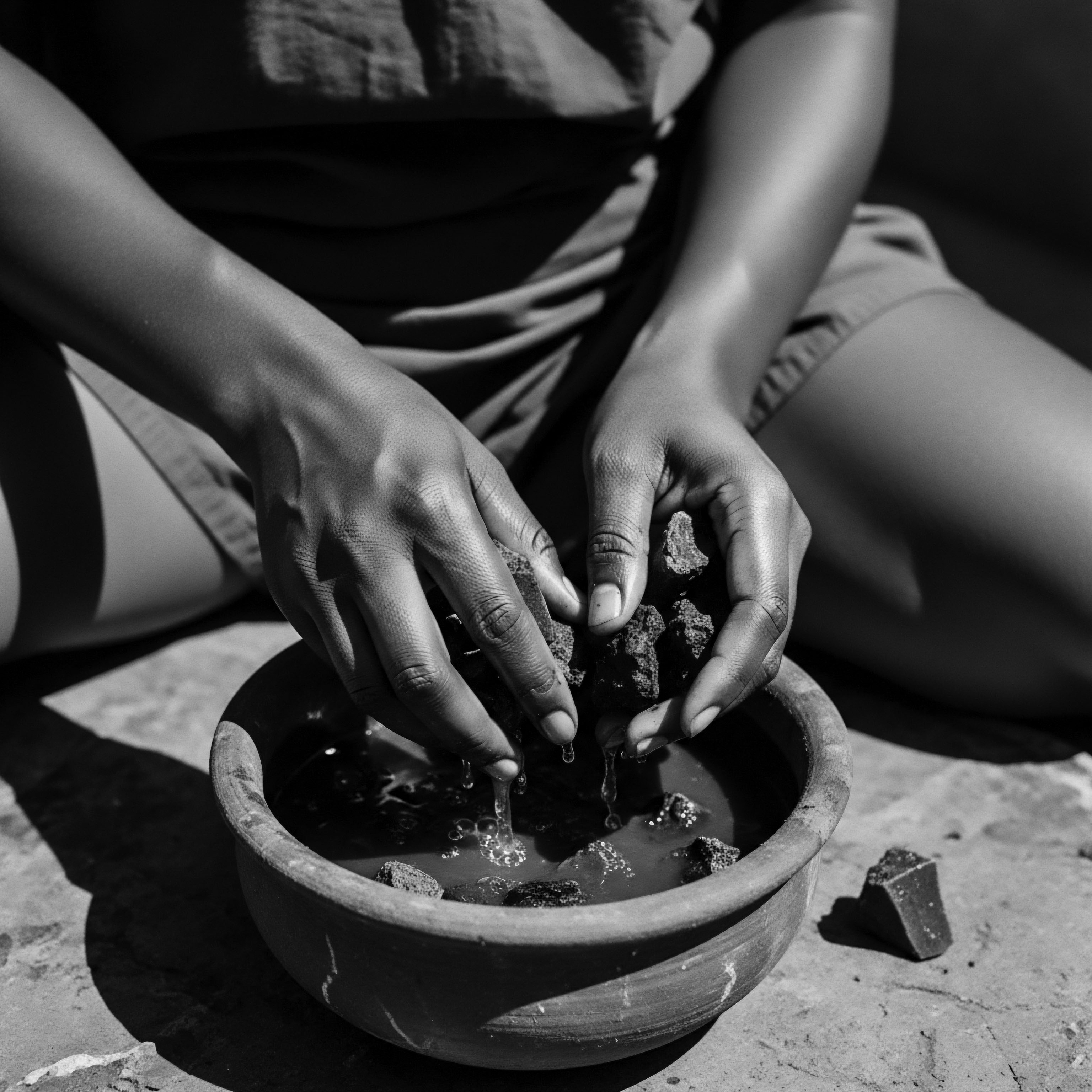
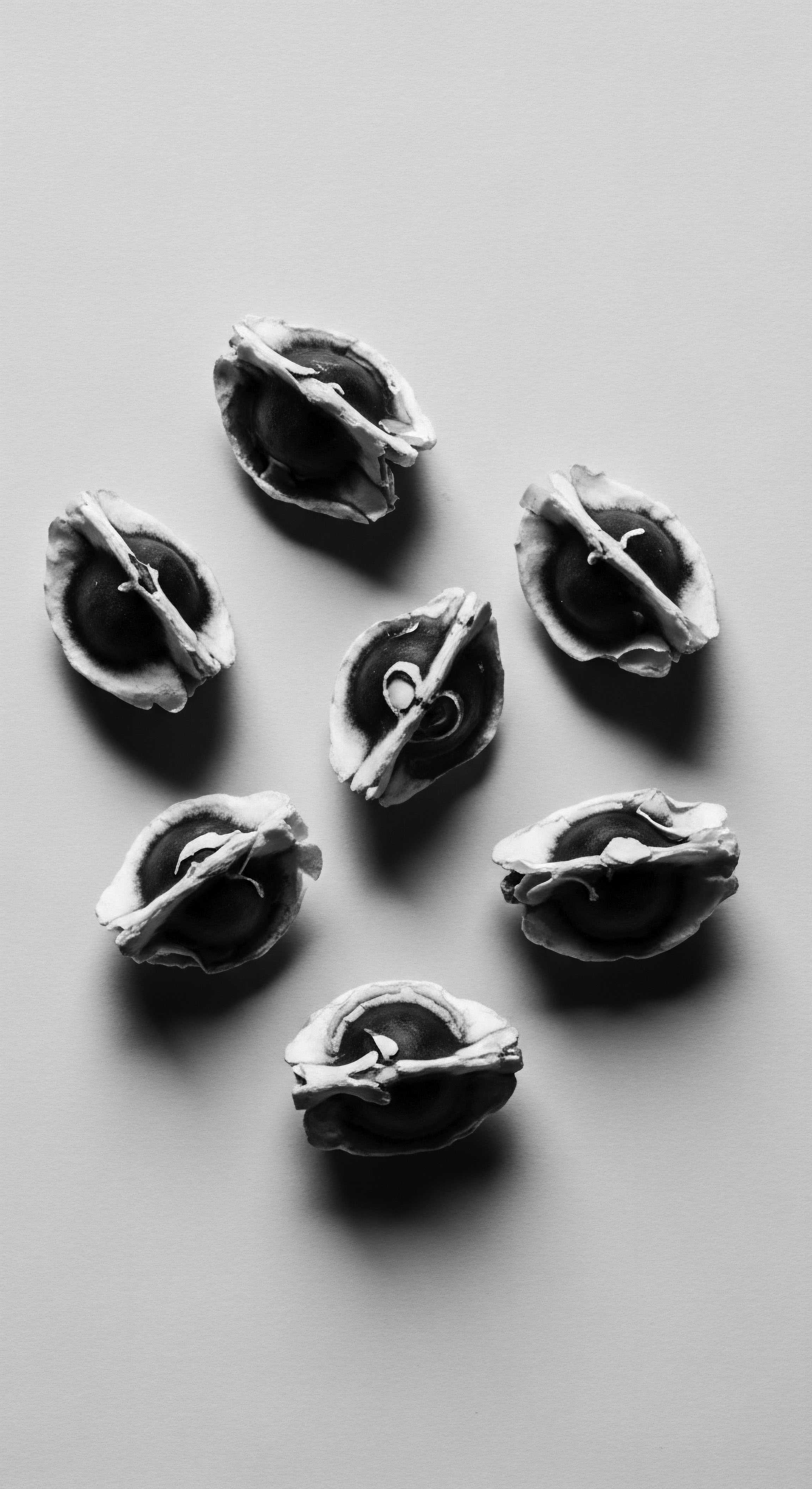
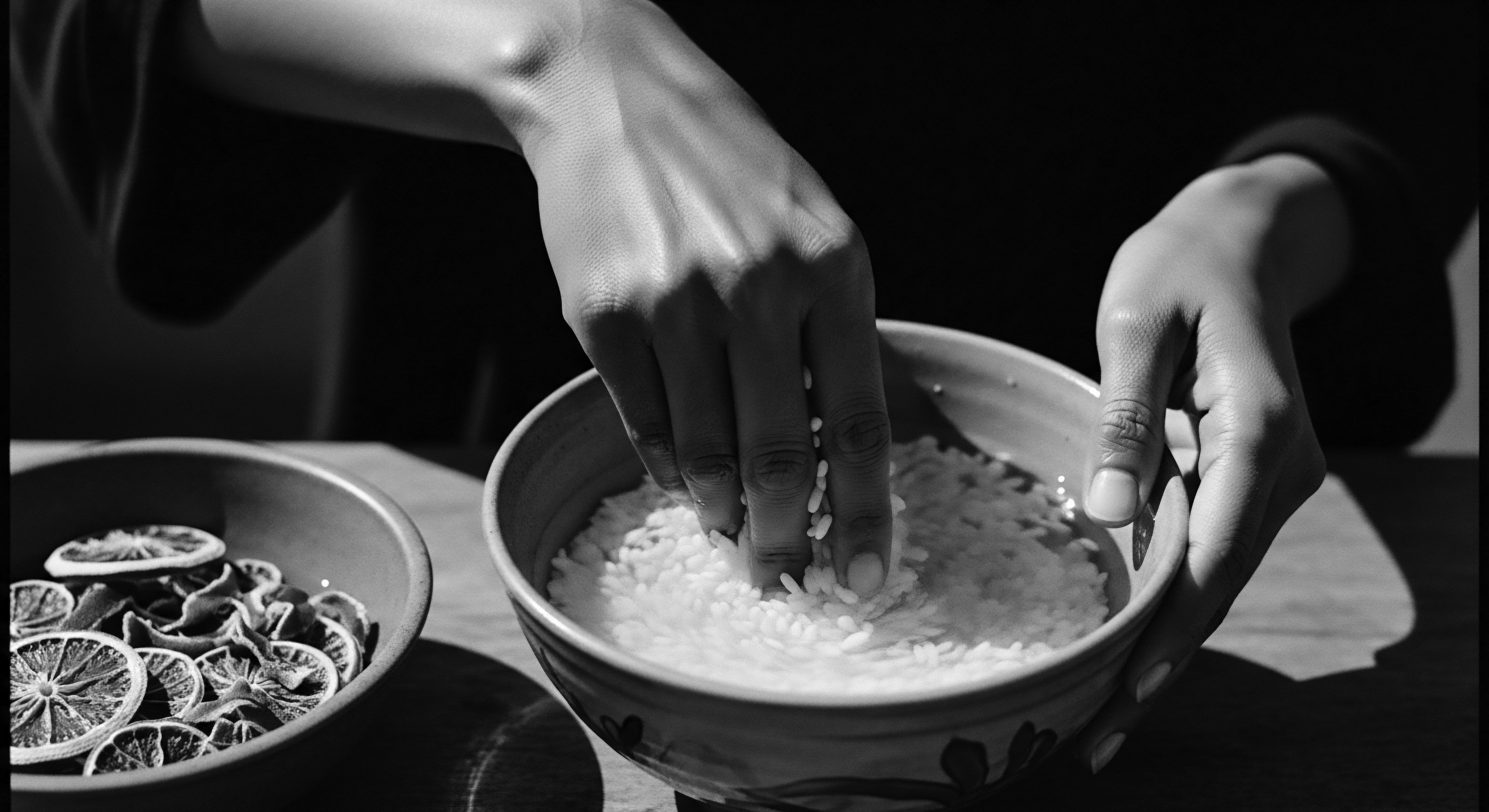
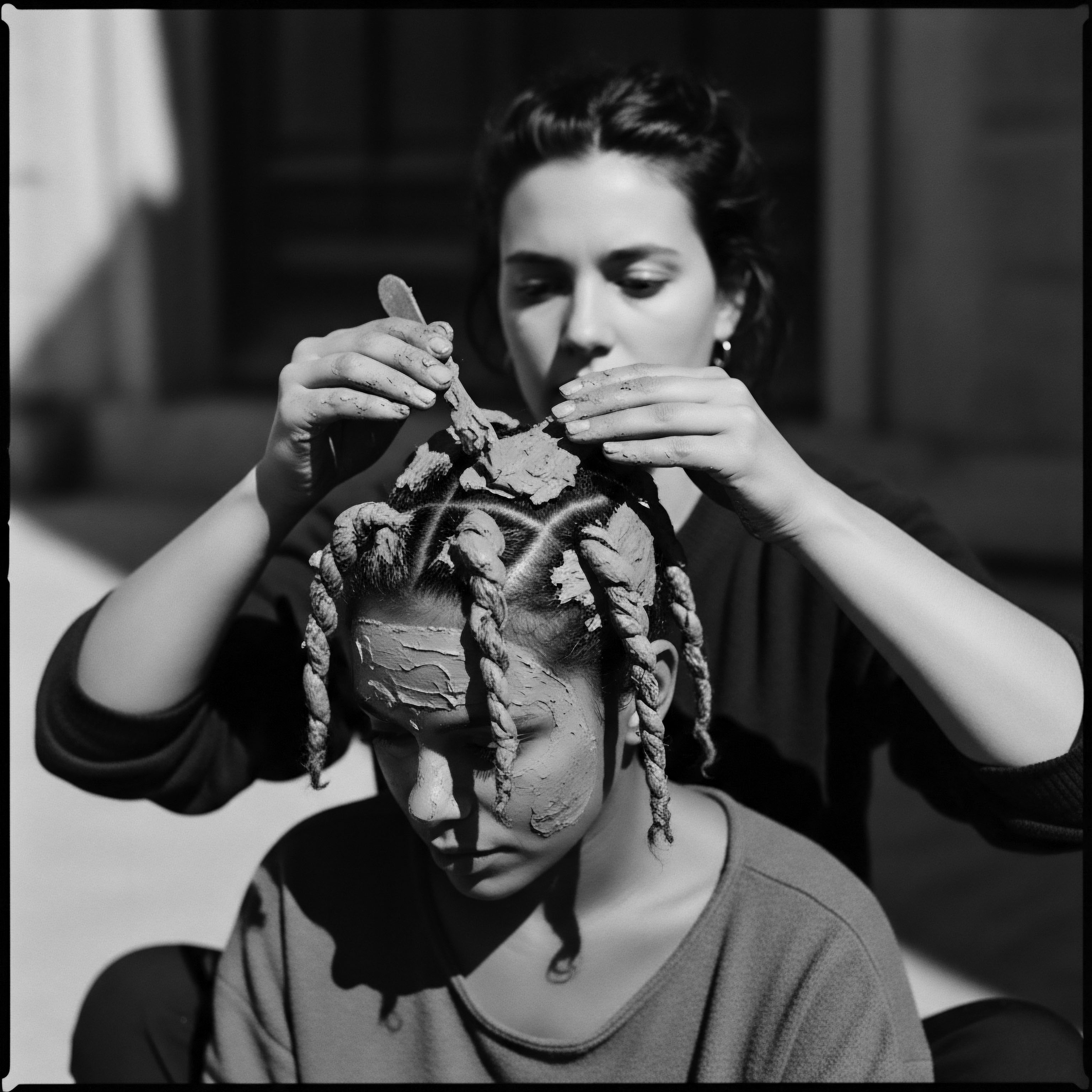
Traditional plant-based ingredients for cleansing textured hair, such as soapnuts and Rhassoul clay, gently purify while honoring hair's ancestral heritage.
Meaning ❉ Traditional Dyes are natural pigments, often plant-derived, deeply interwoven with cultural heritage, identity, and holistic care for textured hair across ancestral communities.
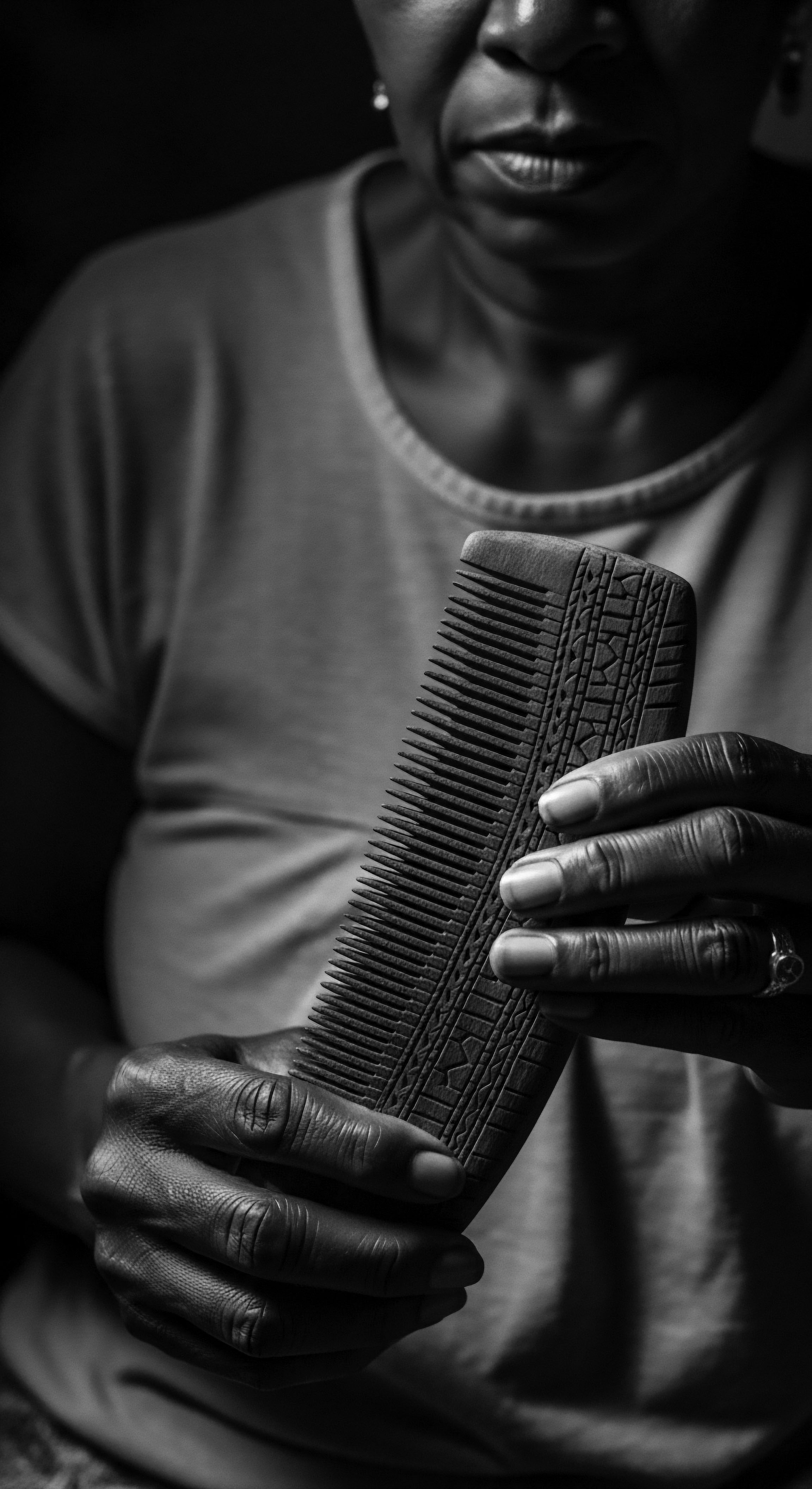
Historical tools for textured hair styling, crafted from natural materials, were cultural symbols and functional aids, deeply rooted in ancestral heritage.
Meaning ❉ Identity Fabrics is the interwoven physical, cultural, historical, and spiritual essence defining textured hair and its profound meaning to individuals and communities.
Meaning ❉ Kushite Beauty defines the ancient Nubian reverence for natural textured hair as a symbol of identity, spiritual connection, and cultural autonomy.
Plant lipids shield textured hair by forming a protective barrier, reducing moisture loss, and smoothing cuticle scales, a protective wisdom passed down through heritage.
Silk is preferred for textured hair moisture retention because its smooth protein fibers minimize friction and prevent hydration loss, honoring ancestral protective practices.
Historical hair adornment practices deeply influence contemporary textured hair care by providing a rich heritage of protective styling, natural ingredients, and identity-affirming rituals.
We use cookies to personalize content and marketing, and to analyze our traffic. This helps us maintain the quality of our free resources. Manage your preferences below.
This helps support our free resources through personalized marketing efforts and promotions.
Analytics cookies help us understand how visitors interact with our website, improving user experience and website performance.
Personalization cookies enable us to customize the content and features of our site based on your interactions, offering a more tailored experience.