What historical textiles served textured hair preservation?
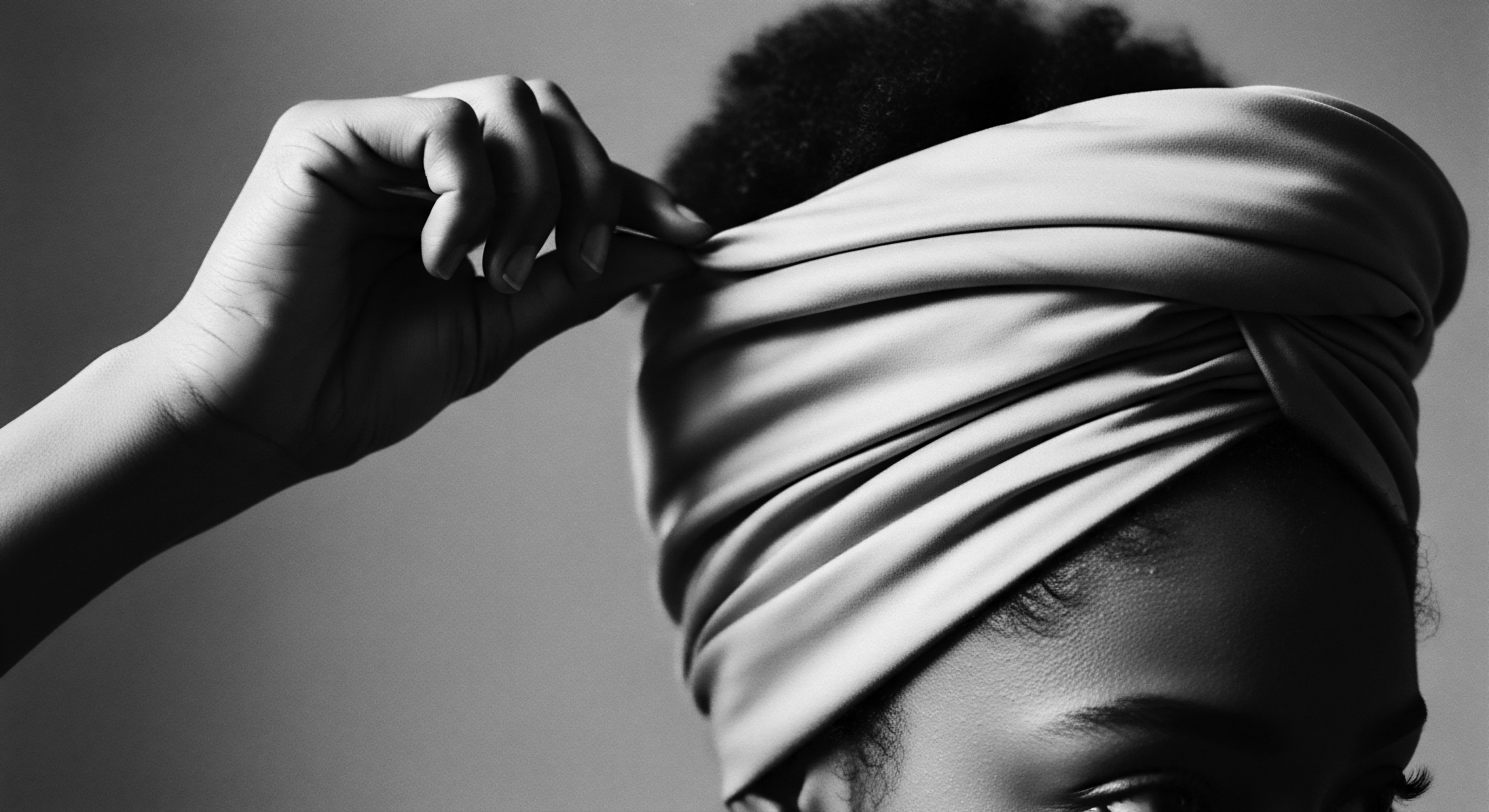
Historical textiles, especially head coverings, served to protect textured hair from elements and damage while symbolizing profound cultural heritage.
UNIA Hair Aesthetics
Meaning ❉ UNIA Hair Aesthetics signifies the Universal Negro Improvement Association's vision for Black hair as a symbol of racial pride and cultural reclamation.
How do historical styling choices affect sun exposure for textured hair?
Historical styling choices for textured hair often prioritized sun protection, revealing a deep connection to ancestral wisdom and environmental adaptation.
In what ways did textured hair symbolize resistance during enslavement?
Textured hair symbolized resistance through hidden messages, concealed provisions, and the steadfast preservation of cultural identity amidst systemic dehumanization.
Toxic Airborne
Meaning ❉ Toxic Airborne is the pervasive, unseen socio-environmental and chemical stressors disproportionately impacting textured hair's vitality and cultural identity.
What traditional practices protected textured hair overnight?
Traditional overnight practices safeguarded textured hair from friction and moisture loss, preserving its heritage.
Can traditional West African ingredients benefit modern textured hair?
Traditional West African ingredients provide profound benefits for textured hair, rooted in ancestral knowledge of moisture, protection, and strength.
Mineral Earth Applications
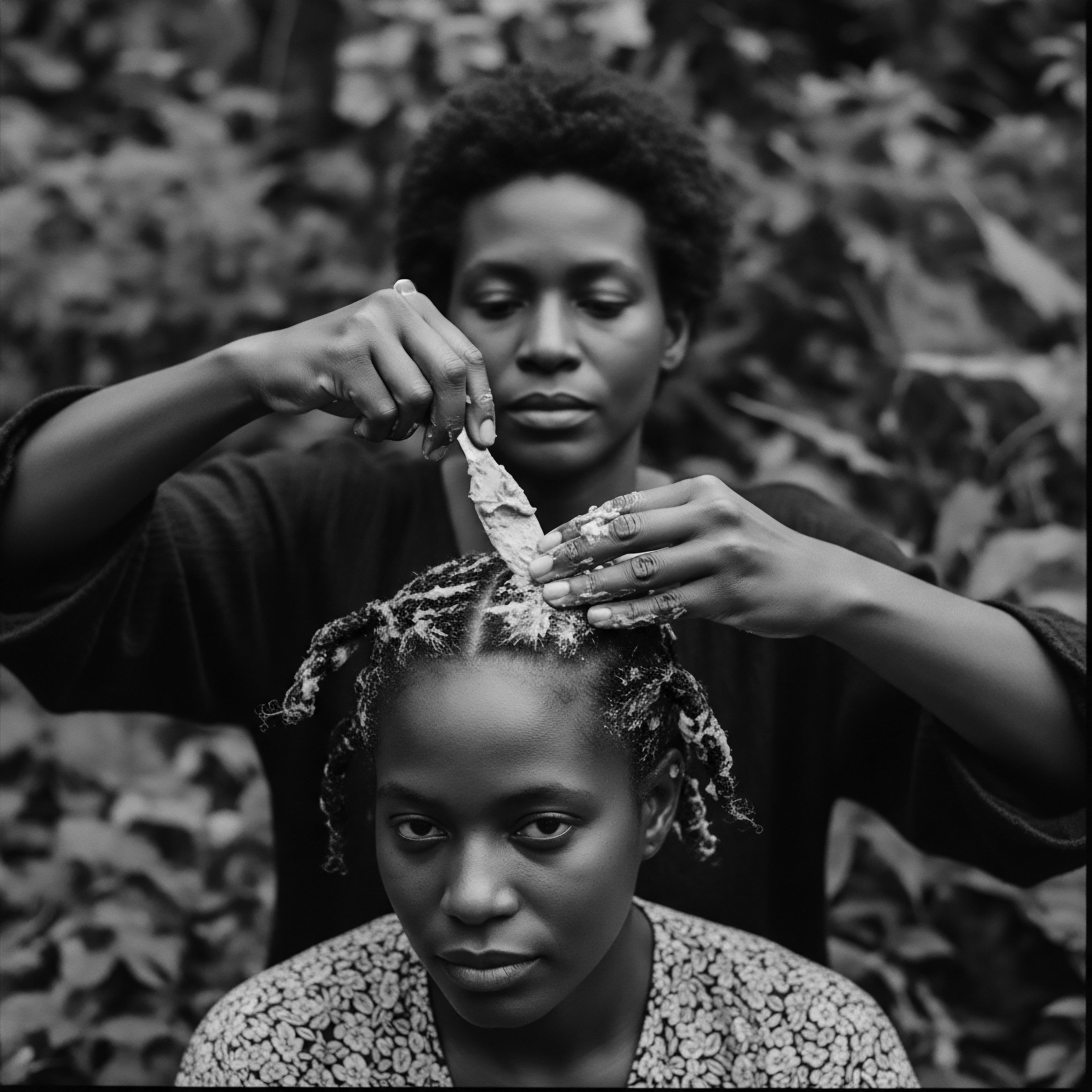
Meaning ❉ This definition explores the historical and cultural significance of mineral earth applications for textured hair, rooted in ancestral wisdom.
How have textured hair practices upheld Black identity across time?
Textured hair practices have upheld Black identity by serving as living archives of cultural heritage, resilience, and spiritual connection.
How do fatty acids preserve textured hair moisture?
Fatty acids in natural oils and butters seal moisture into textured hair, a protective method rooted in heritage.
How did historical practices safeguard textured hair at night?
Historical practices safeguarded textured hair at night using protective wraps, natural oils, and specific styling to preserve heritage.
Can traditional black soap support modern textured hair hydration?
Traditional black soap aids textured hair moisture when used with ancestral wisdom and modern scientific understanding.
How does shea butter connect past and present textured hair care?
Shea butter bridges textured hair's past and present through its enduring heritage as a vital traditional emollient and protector.
What historical ingredients contributed to textured hair moisture?
Historical ingredients like shea butter, coconut oil, and plant extracts provided essential moisture and protection for textured hair across ancestral practices.
How does botanical wisdom from the past strengthen fragile textured hair?
Botanical wisdom from the past fortifies fragile textured hair through centuries of heritage, providing deep, natural nourishment and resilience.
Why is textured hair historically discriminated against?
Textured hair faced historical discrimination due to imposed Eurocentric beauty ideals, stripping cultural heritage and justifying subjugation.
In what ways do historical factors influence modern textured hair regimens?
Historical factors profoundly shape modern textured hair regimens through a deep connection to ancestral wisdom, resilience, and cultural reclamation.
Can ancient botanical knowledge inform modern hair science for textured strands?
Ancient botanical wisdom provides a heritage-rich foundation for modern textured hair science, honoring ancestral care practices.
What ancestral hair care principles resonate with modern textured hair needs?
Ancestral hair care principles offer timeless strategies for moisture and protection, honoring textured hair heritage.
Can Amazonian botanicals balance textured hair moisture long term?
Amazonian botanicals can indeed offer enduring moisture for textured hair, rooted in ancestral knowledge of their lipid-rich composition and protective qualities.
What cultural meanings did hair hold for ancient Egyptians and textured communities?
Hair in ancient Egypt and textured communities conveyed identity, status, and spirituality, deeply rooted in ancestral heritage and communal practice.
Which traditional materials protect textured hair?
Traditional materials like natural oils, plant butters, clays, and smooth fabrics shield textured hair, reflecting centuries of inherited care.
Can plant mucilage benefit textured hair?
Plant mucilage, a historical ally, profoundly benefits textured hair by offering natural hydration and superior slip.
What historical practices sustained textured hair against breakage?
Ancestral practices sustained textured hair by prioritizing minimal manipulation, protective styling, and moisture-rich botanical applications, all rooted in deep heritage.
How did textured hair become a symbol of resistance across historical eras?
Textured hair became a symbol of resistance by enduring as a profound marker of heritage and defiance against oppressive norms.
Can modern science explain traditional coil sealing methods from heritage?
Modern science confirms traditional coil sealing methods from heritage effectively preserve moisture in textured hair.
What is textured hair’s historical significance in identity?
Textured hair's historical significance in identity lies in its deep ties to ancestral wisdom, cultural survival, and self-expression.
How did dietary practices transmit through African hair care heritage?
Dietary practices transmitted through African hair care heritage via shared communal knowledge of nourishing plants used for both internal wellness and external hair vitality.
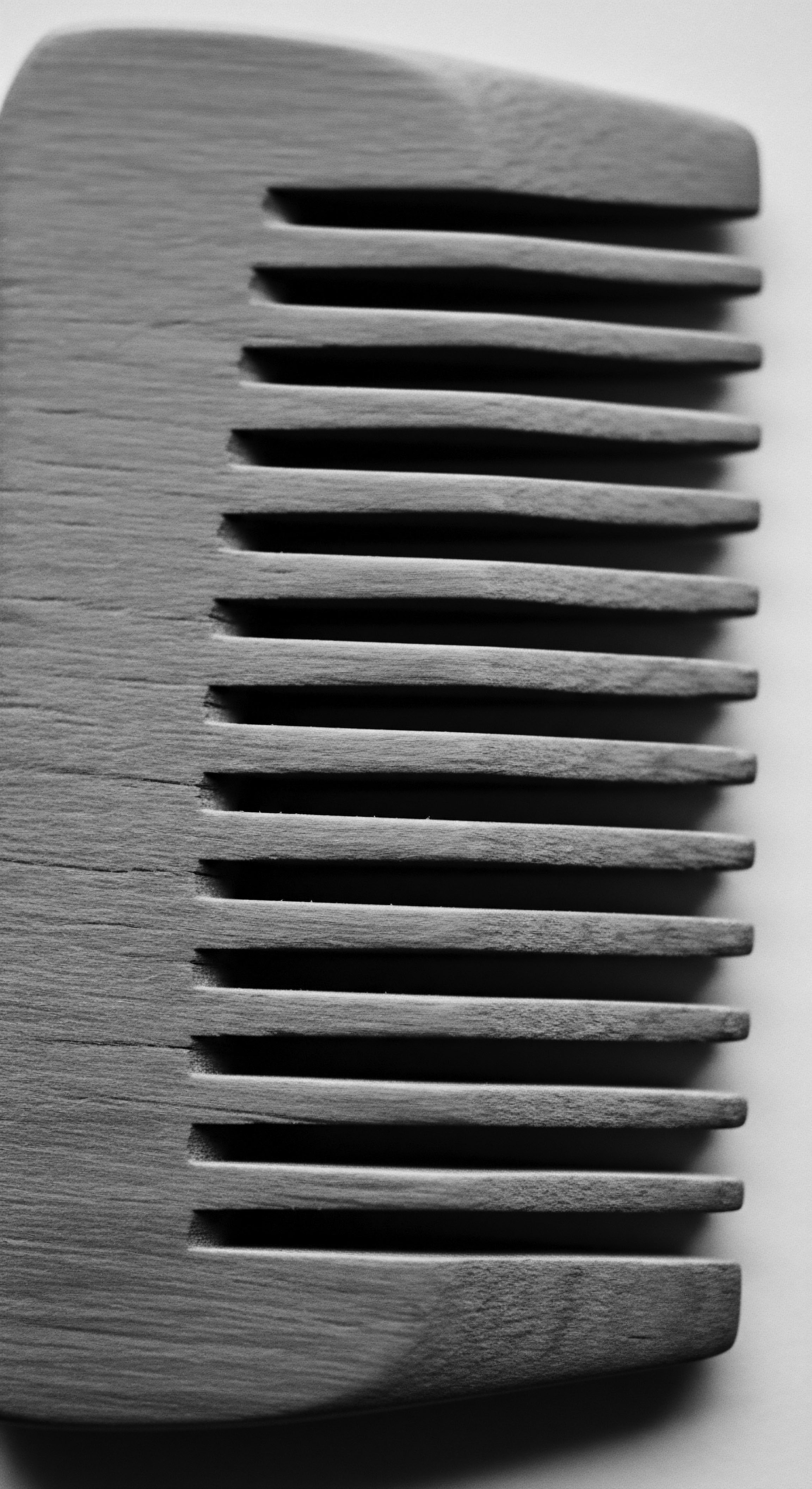
What historical tools shaped textured hair artistry?
Historical tools for textured hair artistry, from combs to headrests, represent deep ancestral wisdom and cultural heritage.