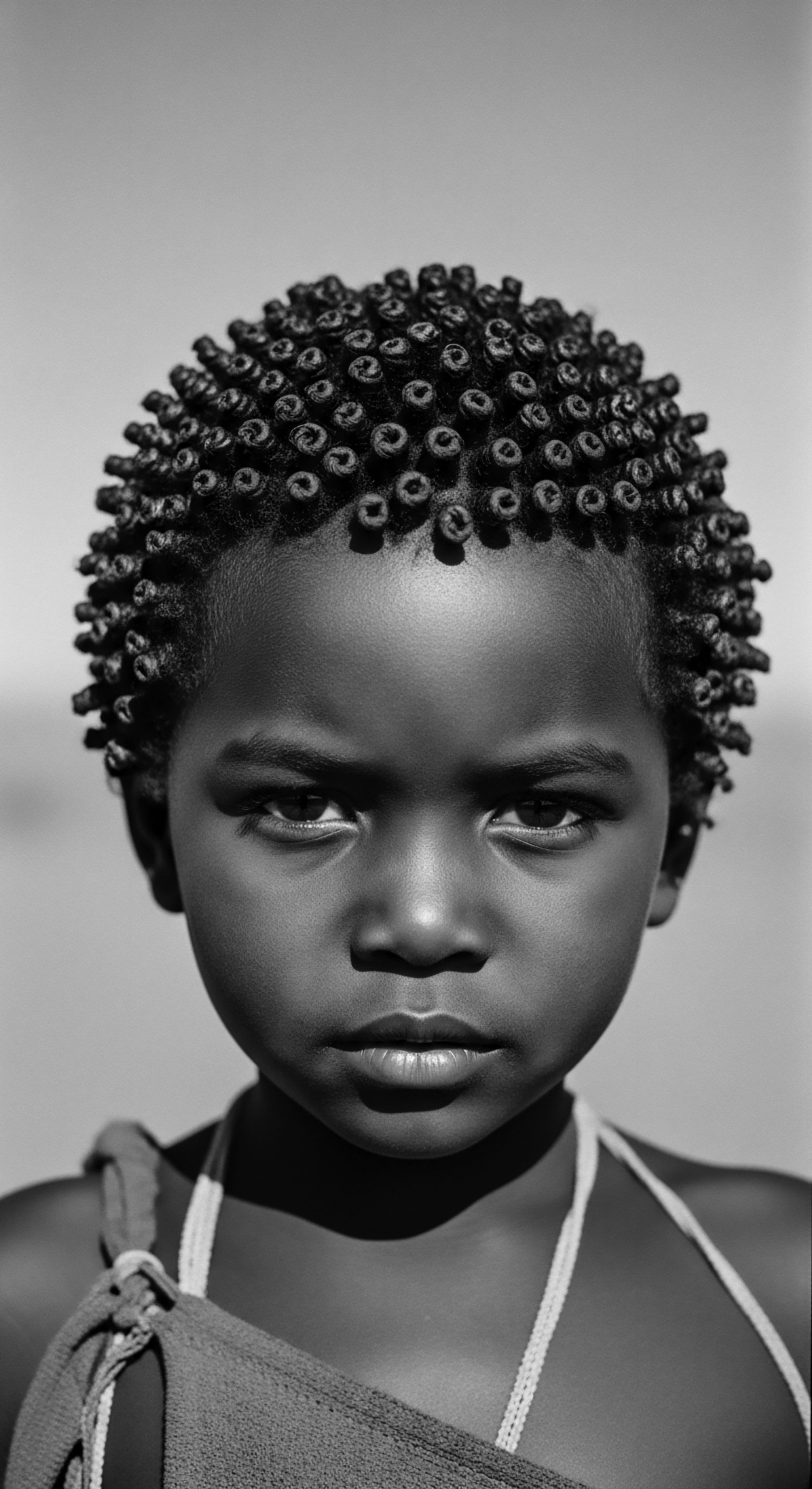
Meaning ❉ Pigment science elucidates the biological, historical, and cultural significance of hair color, particularly within Black and mixed-race textured hair heritage.
Meaning ❉ Okra History is the cultural and scientific story of Abelmoschus esculentus and its heritage use in nourishing textured hair within diasporic traditions.
Historical oils like shea butter, palm kernel, and castor oil profoundly shaped textured hair heritage by providing essential protection and facilitating traditional styling.
Meaning ❉ Regimen Choices refers to the intentional selection and sequence of hair care practices and products, deeply rooted in textured hair heritage.
Historical knowledge reveals textured hair care as a continuous heritage of ancestral wisdom, informing today's effective practices and holistic wellness.
Meaning ❉ Afro-Ethnic Hair is a profound expression of heritage, biological uniqueness, and cultural resilience across Black and mixed-race communities.
Historical hair ingredients, rooted in diverse Black and mixed-race heritage, deeply nourish, strengthen, and protect textured hair by honoring its unique biological structure.
Meaning ❉ Enslaved Hair Communication is a system of coded messages and cultural preservation transmitted through hair practices among enslaved people.
Meaning ❉ Moroccan Clay History details Ghassoul's ancestral role in cleansing and nurturing textured hair, embodying cultural legacy and natural wisdom.
Textured hair symbolized resistance by serving as a profound link to heritage, embodying self-dignity and cultural persistence against oppressive forces.
Deep conditioning oils for textured hair bridge ancestral wisdom with molecular science, providing vital moisture and strength, a testament to enduring heritage.
Meaning ❉ The Black Soybean is a potent legume rich in compounds that support hair health, holding deep significance in ancestral and contemporary hair care traditions.
Ayurvedic oiling benefits textured strands by deeply nourishing, strengthening, and protecting them through time-honored botanical wisdom rooted in heritage.
Historical plant ingredients like African Black Soap and Shikakai purified textured hair through natural saponins and absorbent minerals, deeply connecting to ancestral heritage.
Specific earth minerals, including iron, zinc, and silica, underpin textured hair's resilience by supporting its core structure, growth, and ancestral care practices.
Ancient cultures styled textured hair with braids, twists, and natural emollients for climate protection and cultural expression, a practice deeply embedded in heritage.
We use cookies to personalize content and marketing, and to analyze our traffic. This helps us maintain the quality of our free resources. Manage your preferences below.
This helps support our free resources through personalized marketing efforts and promotions.
Analytics cookies help us understand how visitors interact with our website, improving user experience and website performance.
Personalization cookies enable us to customize the content and features of our site based on your interactions, offering a more tailored experience.