How did comb design aid textured hair health?
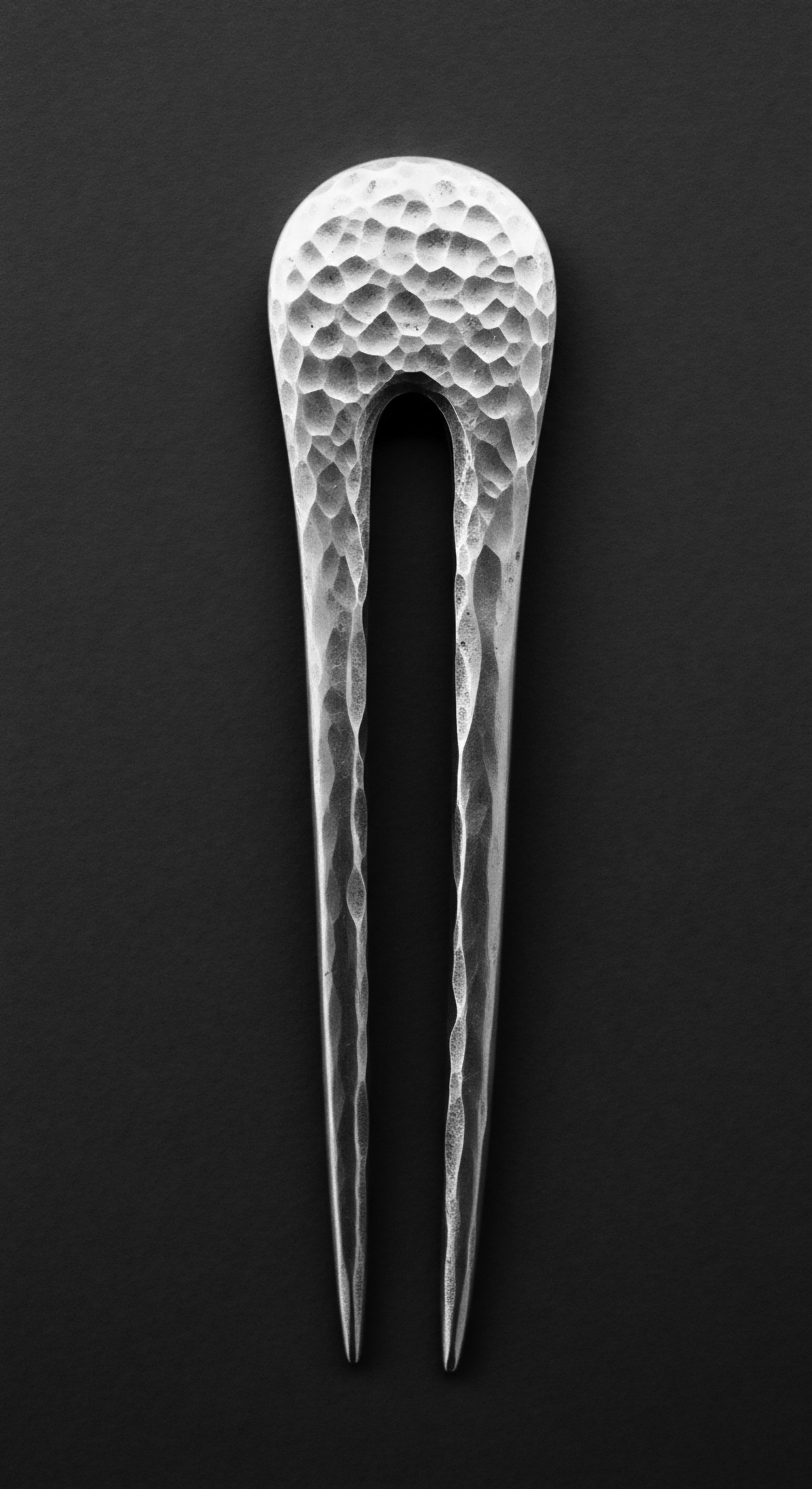
Comb design for textured hair, rooted in ancient practices, protected strands and served as a powerful cultural and political symbol.
What impact does textured hair heritage have on modern identity formation?
Textured hair heritage deeply influences modern identity by linking individuals to ancestral practices, historical resistance, and a profound cultural legacy of self-expression.
Do natural cleansing methods enhance textured hair moisture retention?
Natural cleansing methods, rooted in textured hair heritage, gently purify strands while preserving intrinsic moisture, a timeless ancestral practice.
What historical examples confirm the deep heritage of textured hair care practices?
Textured hair care practices are deeply rooted in ancient African societies, reflecting identity, spirituality, and resilience across millennia.
How did ancestral practices protect textured hair from drying?
Ancestral practices protected textured hair from drying through natural emollients, strategic protective styles, and consistent, communal care routines, all deeply rooted in heritage.
Textured Hair Proteins
Meaning ❉ Textured Hair Proteins are the inherent molecular structures dictating the unique curls and coils, deeply interwoven with ancestral care traditions and cultural identity.
What specific minerals in clay benefit textured hair?
Clay minerals like silica, magnesium, calcium, potassium, and iron cleanse, condition, and fortify textured hair, continuing ancestral care traditions.
Can modern science confirm traditional oil benefits for textured hair?
Modern science frequently affirms the benefits of traditional oils for textured hair, underscoring ancestral wisdom in moisture retention and strand strength.
Why did textured hair color perceptions change over time?
Textured hair color perceptions shifted from ancestral symbolism and protective uses to conforming with, then resisting, Eurocentric ideals.
Why is moisture crucial for textured hair vitality?
Moisture sustains textured hair's unique structure, honoring its ancestral resilience and heritage against environmental challenges.
Do traditional botanical ingredients truly address textured hair scalp concerns?
Traditional botanical ingredients, rooted in heritage, profoundly address textured hair scalp concerns through centuries of wisdom and efficacy.
Can textured hair care rituals influence collective identity and community bonds?
Textured hair rituals reinforce collective identity and community bonds by preserving ancestral heritage and fostering shared cultural practices.
How do scientific findings validate traditional textured hair practices?
Scientific findings confirm traditional textured hair practices, revealing their inherent efficacy for nourishing and preserving hair heritage.
How did ancestry shape textured hair care?
Ancestry profoundly shaped textured hair care by dictating its biological traits, traditional tools, and deep cultural meanings.
Why is moisture preservation vital for textured hair during sleep?
Moisture preservation is vital for textured hair during sleep to guard against dryness and breakage, a practice deeply rooted in ancestral safeguarding methods.
Can ancestral wisdom guide contemporary textured hair regimens for long-term health?
Ancestral wisdom offers a holistic, heritage-centered approach for enduring textured hair health.
In what ways do historical practices for textured hair care shape modern routines?
Historical textured hair care practices shape modern routines by passing down ancestral wisdom for nourishment, protection, and identity expression.
What traditional care principles inform modern textured hair products?
Traditional principles like deep moisture, protective styling, and natural ingredient usage directly inform modern textured hair products.
How does the Basara Chebe practice influence length retention for textured hair?
The Basara Chebe practice enhances length retention for textured hair by coating strands, reducing breakage, and maintaining moisture, rooted in ancestral traditions.
What ancestral cleansing traditions used saponin-rich botanicals for textured hair?
Ancestral traditions used saponin-rich botanicals like yucca and soapwort for gentle, heritage-informed textured hair cleansing.
How have ancestral traditions shaped modern textured hair care?
Ancestral traditions provide a foundational understanding of textured hair, influencing modern care through historical techniques, communal rituals, and a deep sense of identity.
What historical examples show clay use for textured hair in Africa?
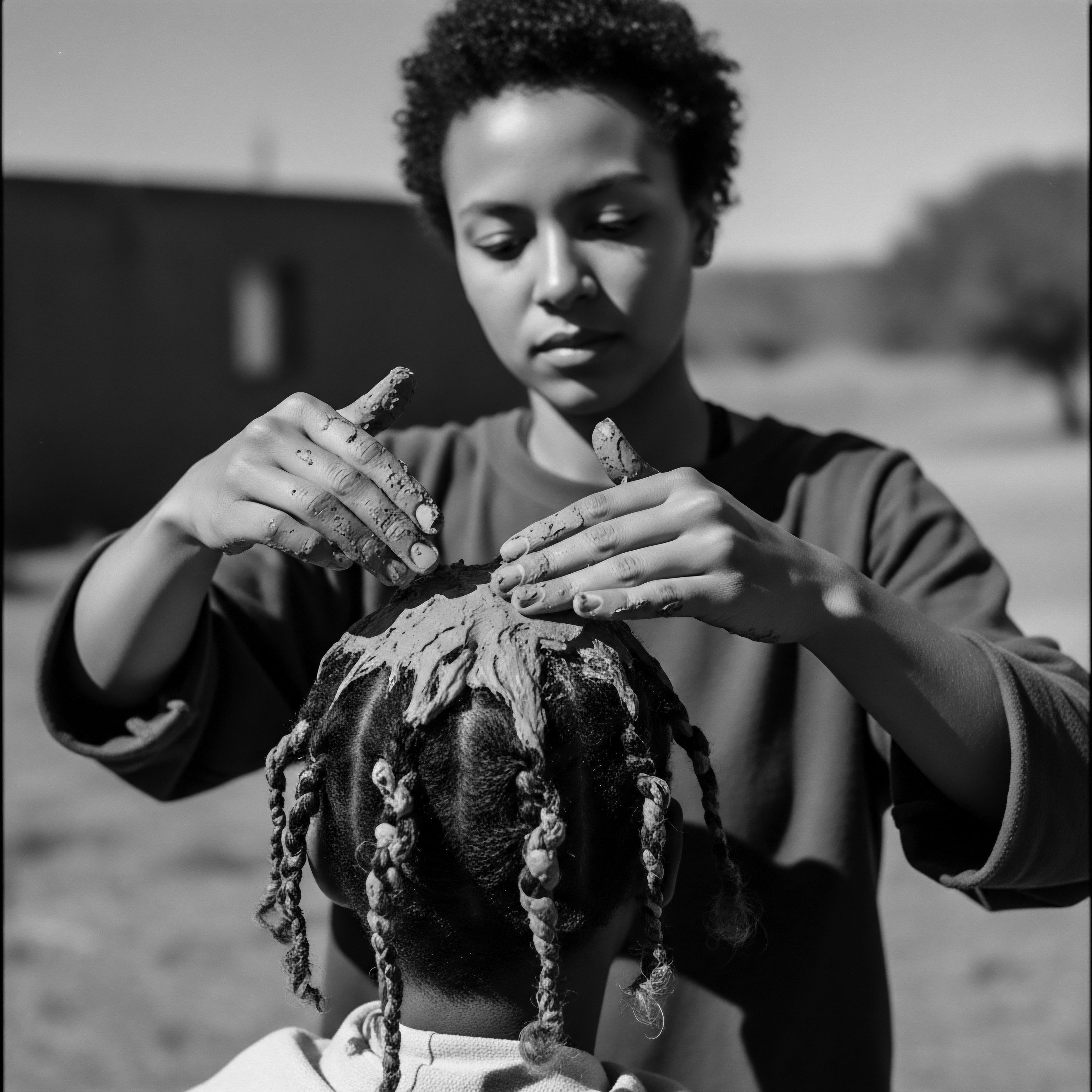
Historical examples from Africa show clay use for textured hair across cultures for cleansing, styling, protection, and identity expression.
How did ancient traditions shape textured hair care?
Ancient traditions shaped textured hair care by providing foundational methods for moisture, protection, and identity, rooted in ancestral knowledge.
Can historical dietary shifts illuminate textured hair health changes through generations?
Historical dietary shifts profoundly altered nutrient availability, directly shaping textured hair health and care practices through generations.
What historical botanical resources prevented dryness in textured hair?
Ancestral botanical resources, like shea butter and castor oil, prevented dryness in textured hair by deeply moisturizing and forming protective barriers.
Can modern science validate ancestral oil treatments for textured hair?
Modern science affirms ancestral oil treatments by detailing their benefits to textured hair's moisture, strength, and scalp health, honoring a rich heritage.
What plant compounds allowed historical textured hair cleansing with water?
Historical textured hair cleansing leveraged plant compounds like saponins for gentle lather and mucilage for natural detangling.
How did ancestral practices address textured hair’s dryness?
Ancestral practices addressed textured hair dryness through a heritage of natural emollients, protective styling, and mindful cleansing.
How has traditional clay care shaped textured hair heritage?
Traditional clay care shaped textured hair heritage by providing elemental cleansing, conditioning, and cultural significance for millennia.