Do historical dietary shifts explain current textured hair challenges?
Historical dietary shifts, particularly those experienced during periods of forced displacement and colonialism, profoundly affected nutrient availability, impacting textured hair's fundamental health and resilience.
What ancestral practices inform modern textured hair scalp health?
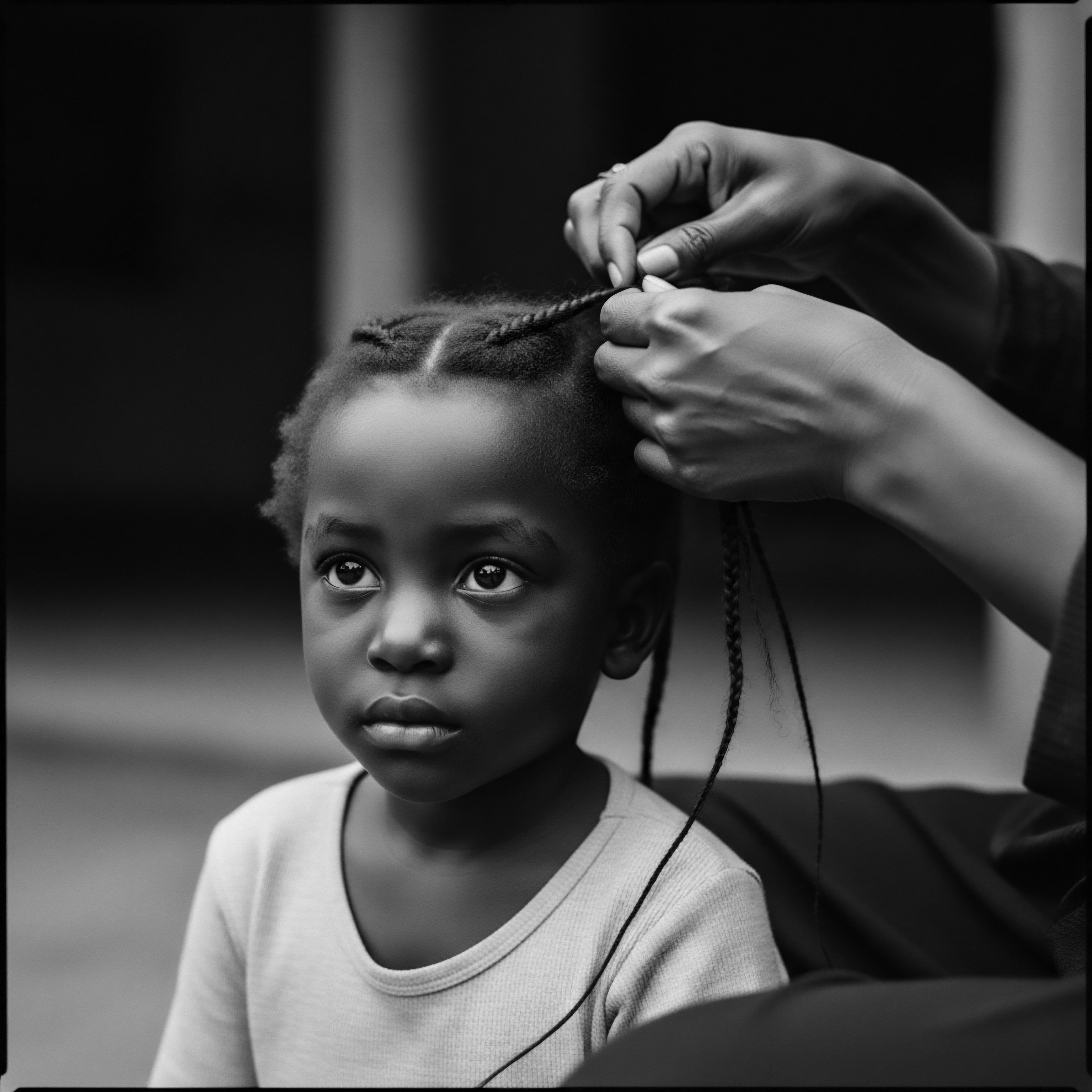
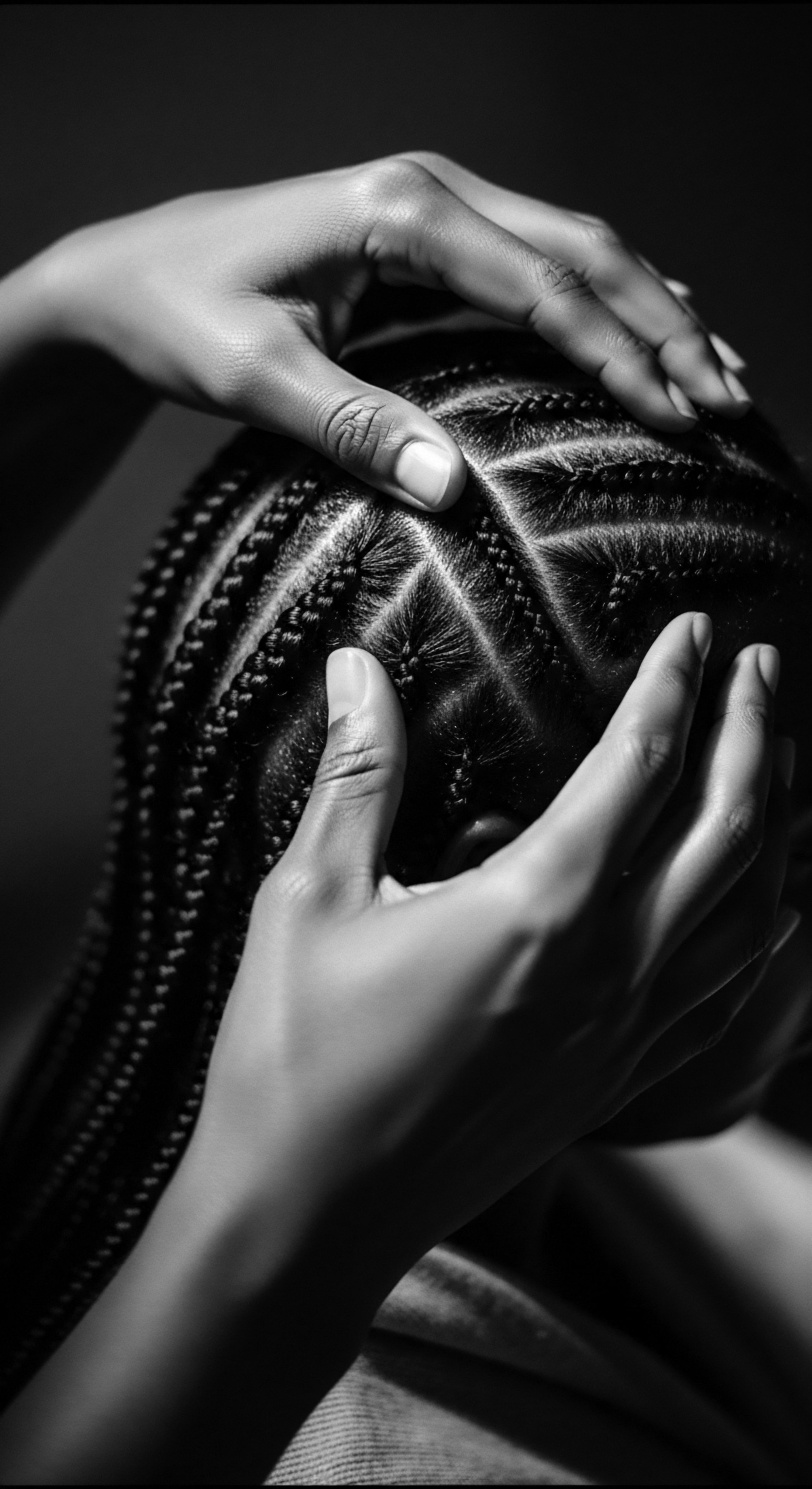
Ancestral practices for textured hair scalp health revolve around natural ingredients, communal care, and protective styling rooted in deep cultural heritage.
What ancestral hair practices influenced modern textured hair cleansing?
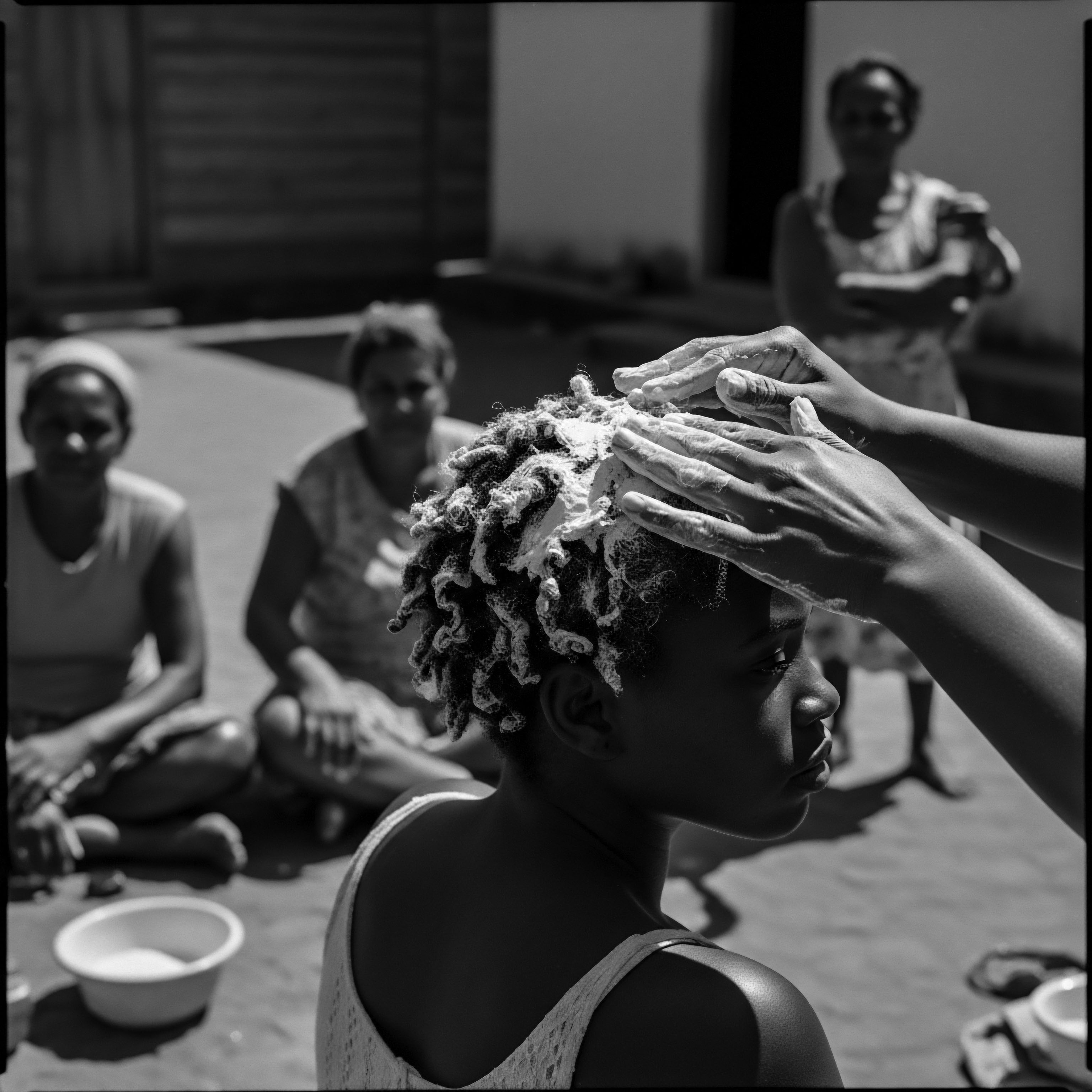
Ancestral hair cleansing practices, rooted in natural ingredients and holistic care, laid the groundwork for modern textured hair hygiene and heritage.
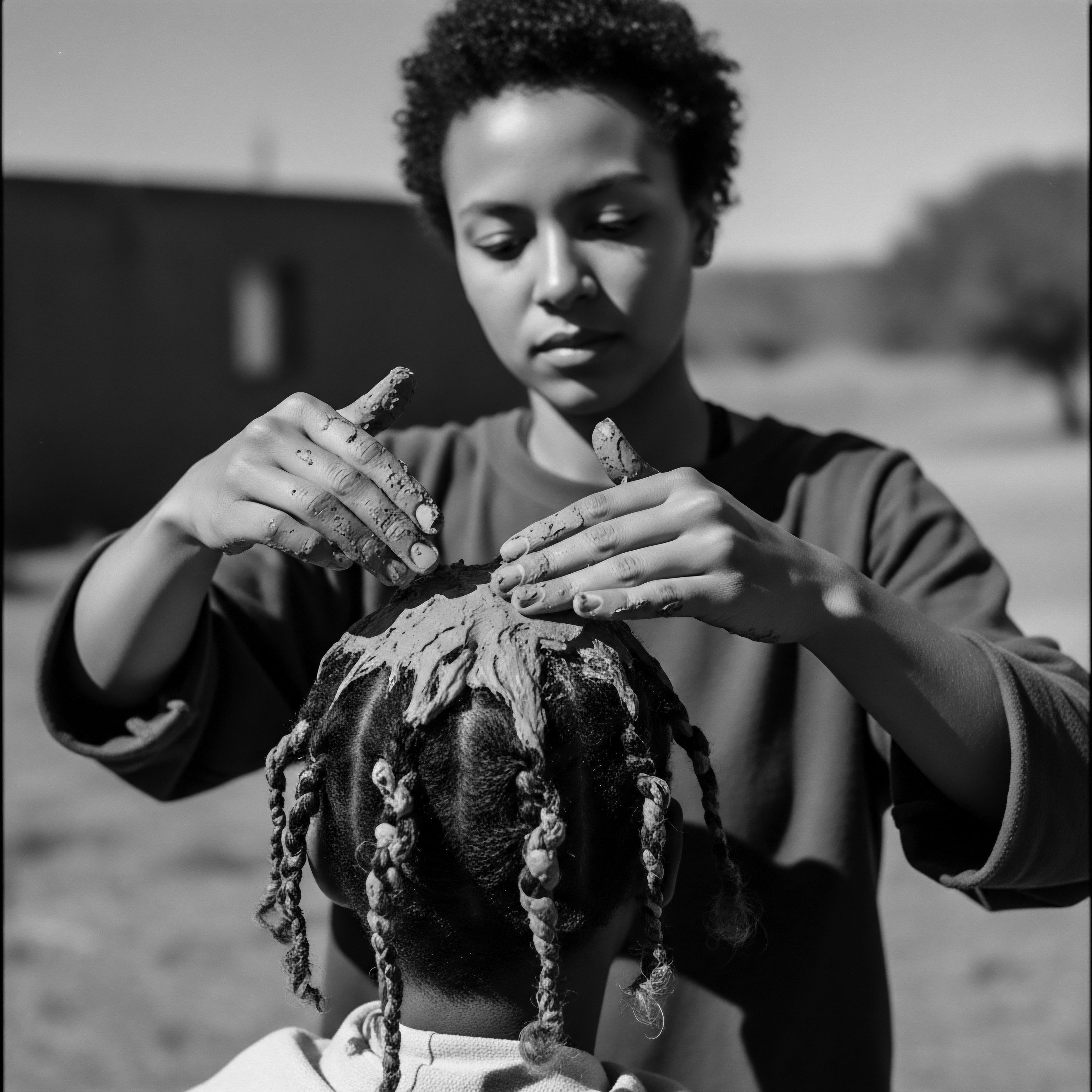
What specific minerals in rhassoul clay help textured hair?
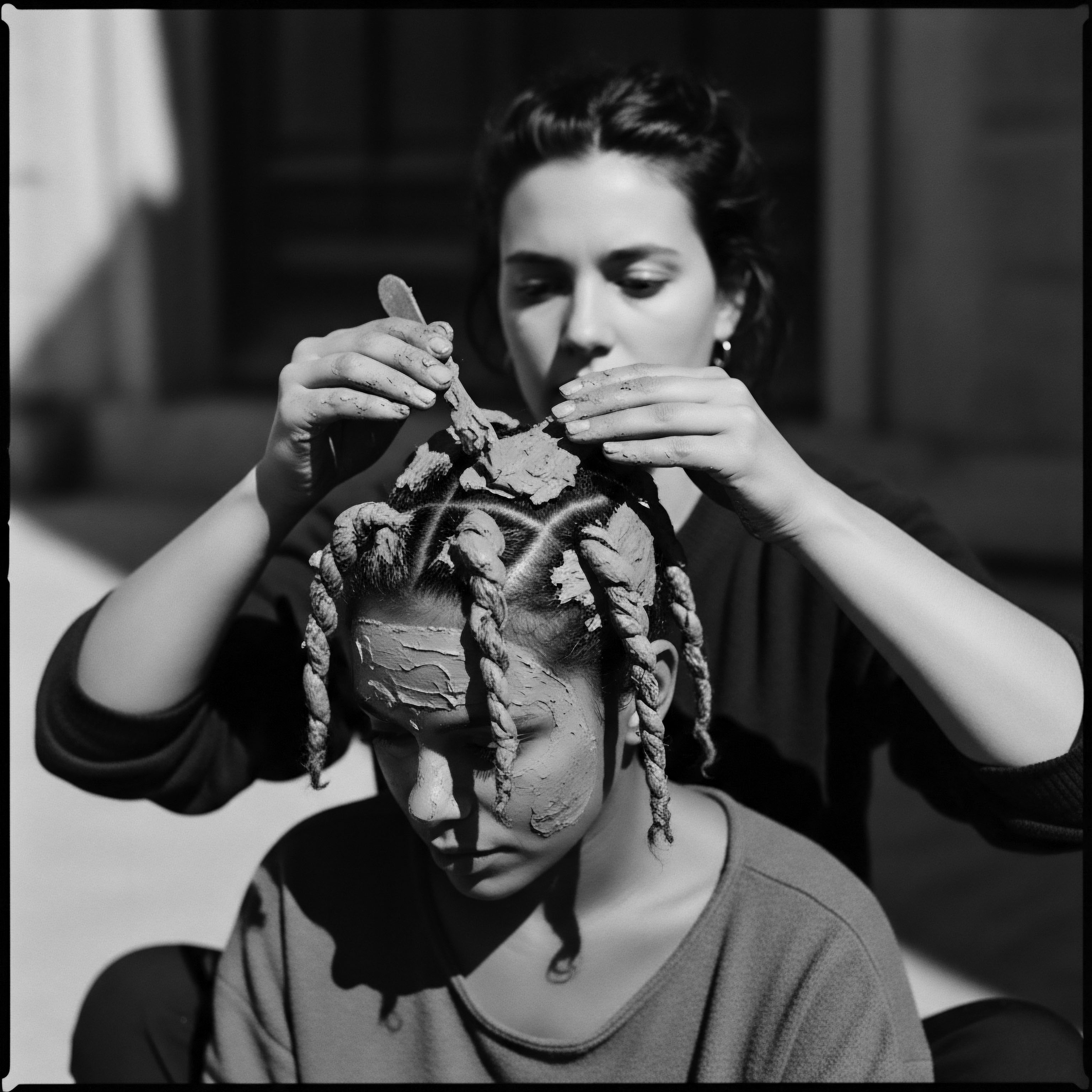
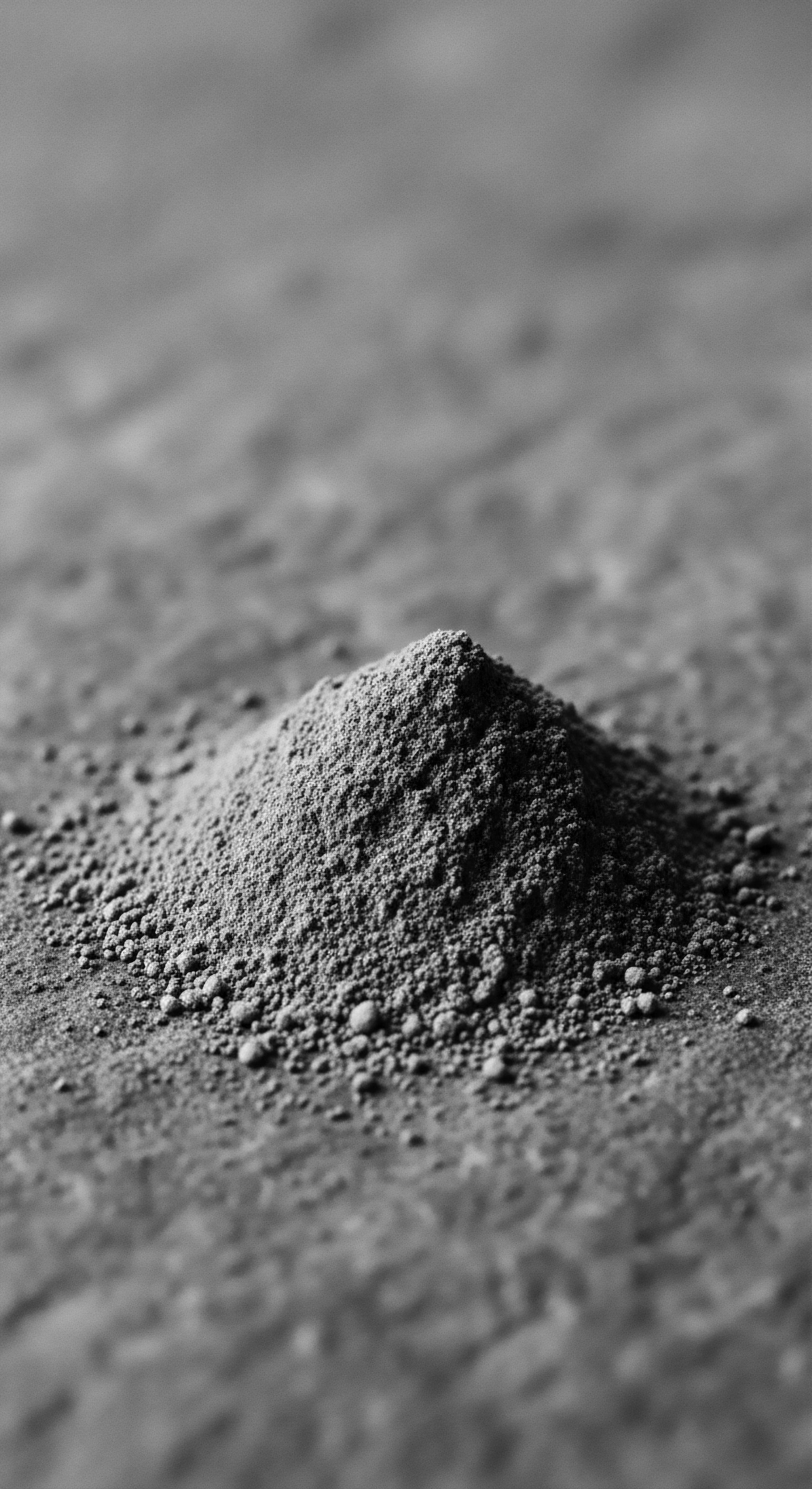
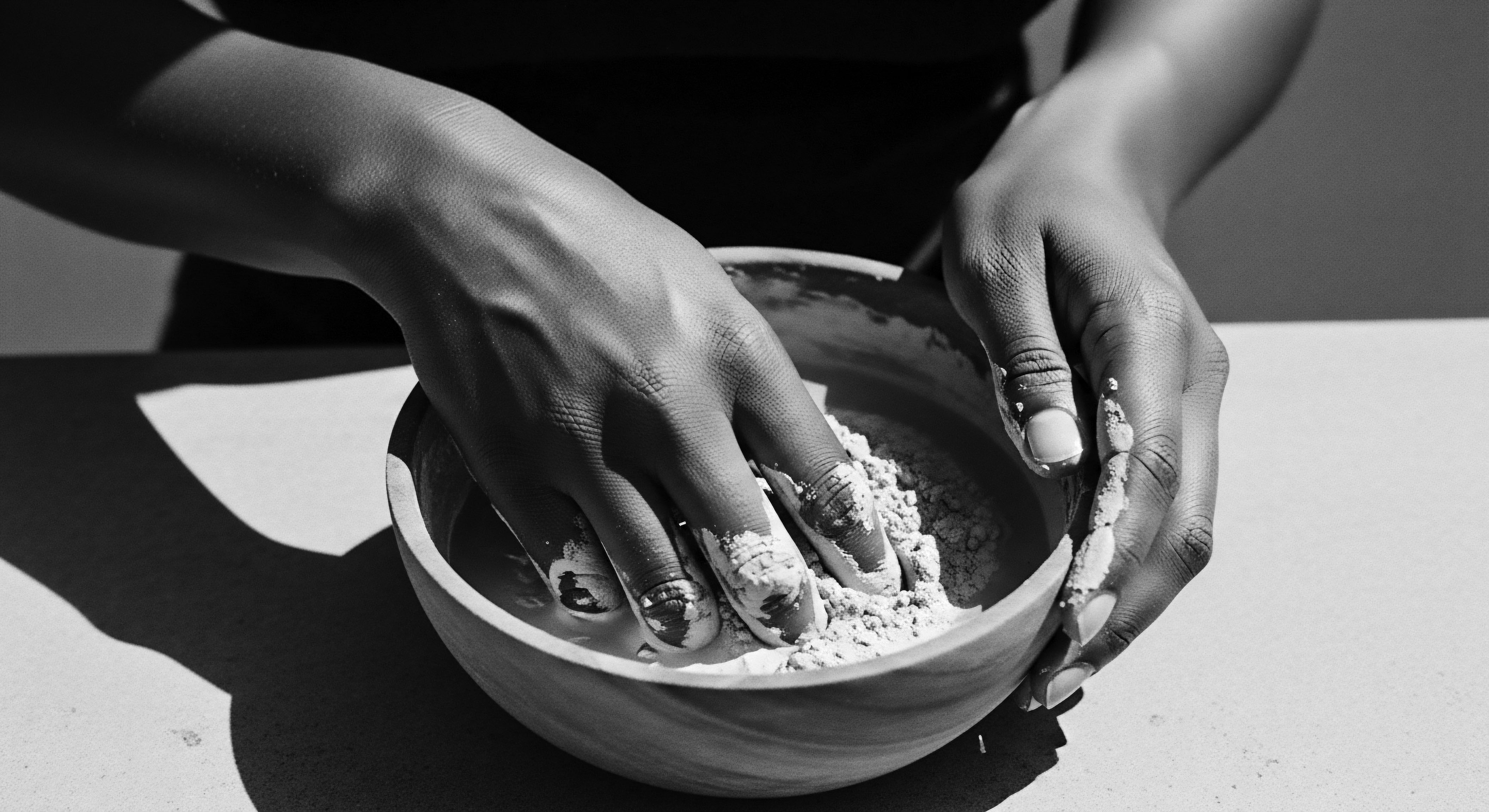
Rhassoul clay's minerals, including silica and magnesium, honor textured hair's heritage by gently cleansing and fortifying strands.
What ancestral oils are beneficial for textured hair care across the diaspora?
Ancestral oils, deeply rooted in heritage, offer profound benefits for textured hair by providing moisture, protection, and cultural connection.
Why are traditional oils important for textured hair history?
Traditional oils are vital for textured hair history as they meet its unique biological needs while preserving ancestral practices and cultural identity.
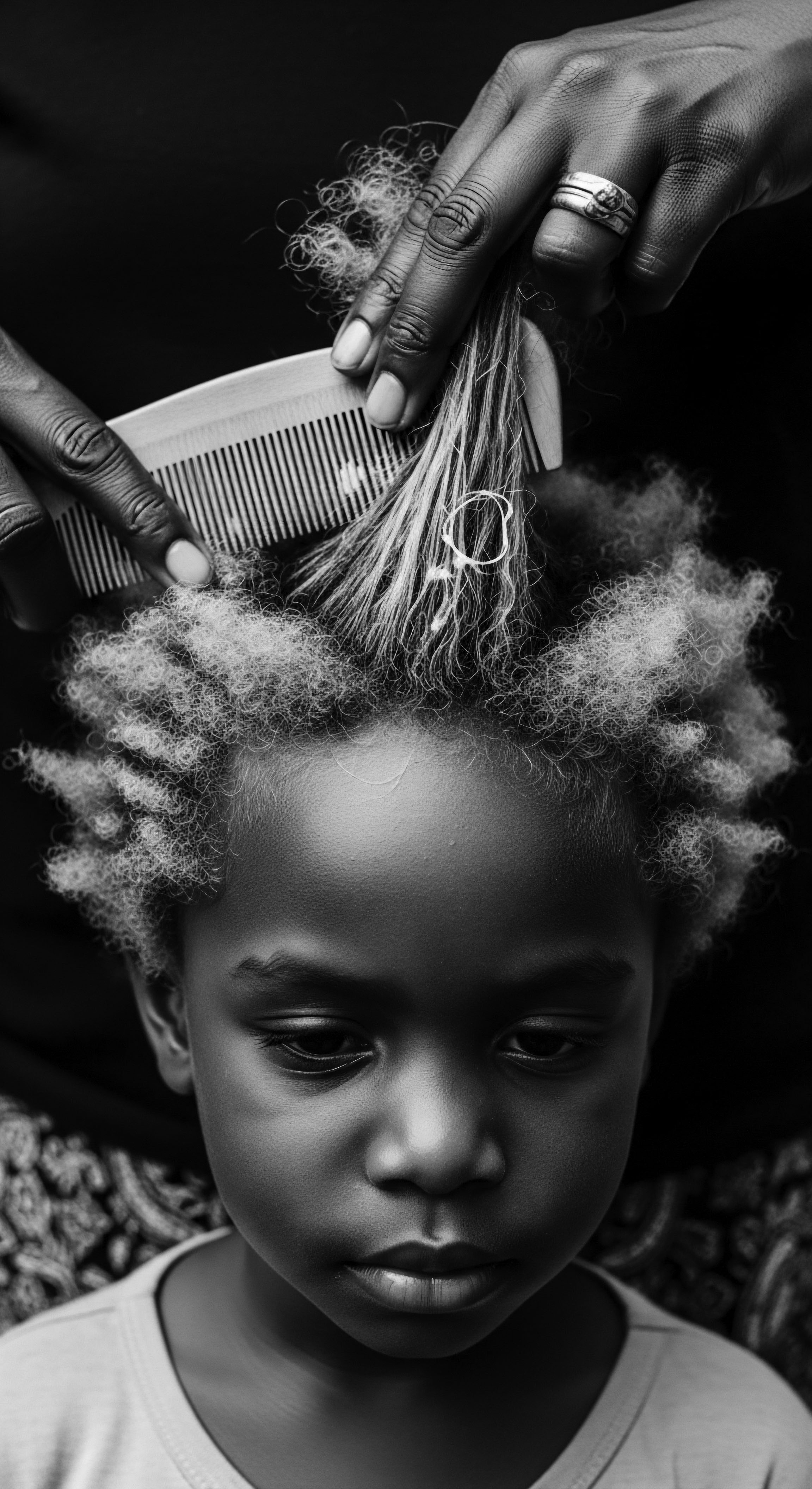
How do historical practices inform modern textured hair oiling?
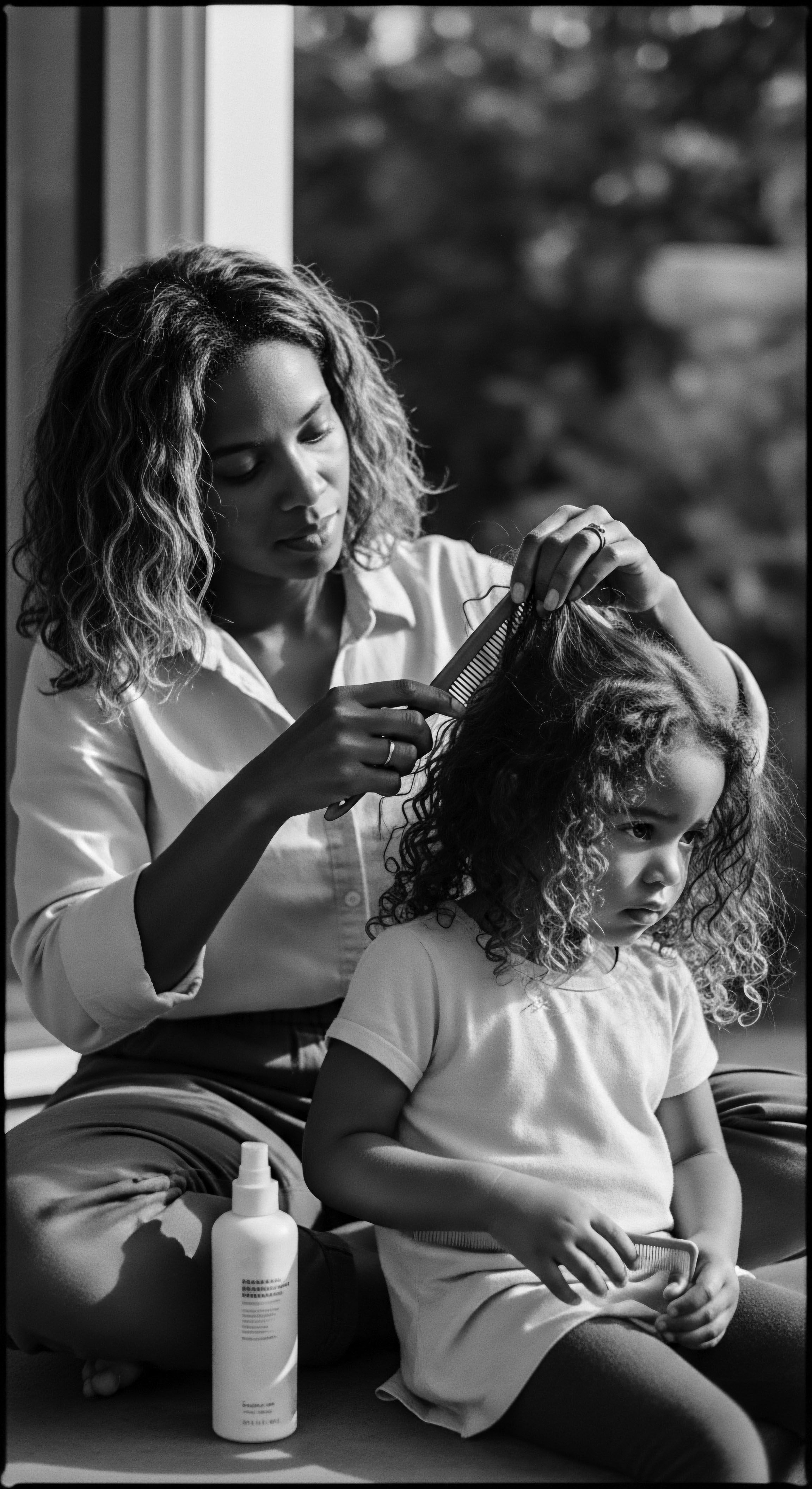
Historical oiling practices for textured hair inform modern care by providing a deep heritage of nourishment, protection, and cultural affirmation.
What hidden cultural narratives does Afro-textured hair hold?
Afro-textured hair carries narratives of heritage, resistance, and identity, woven into its very structure and ancestral care traditions.
What traditional oils did textured hair respond to?
Ancestral communities relied on oils like shea butter, coconut, and castor oil, deeply honoring textured hair's heritage and moisture needs.
How did ancestral practices integrate shea butter for textured hair sun defense?
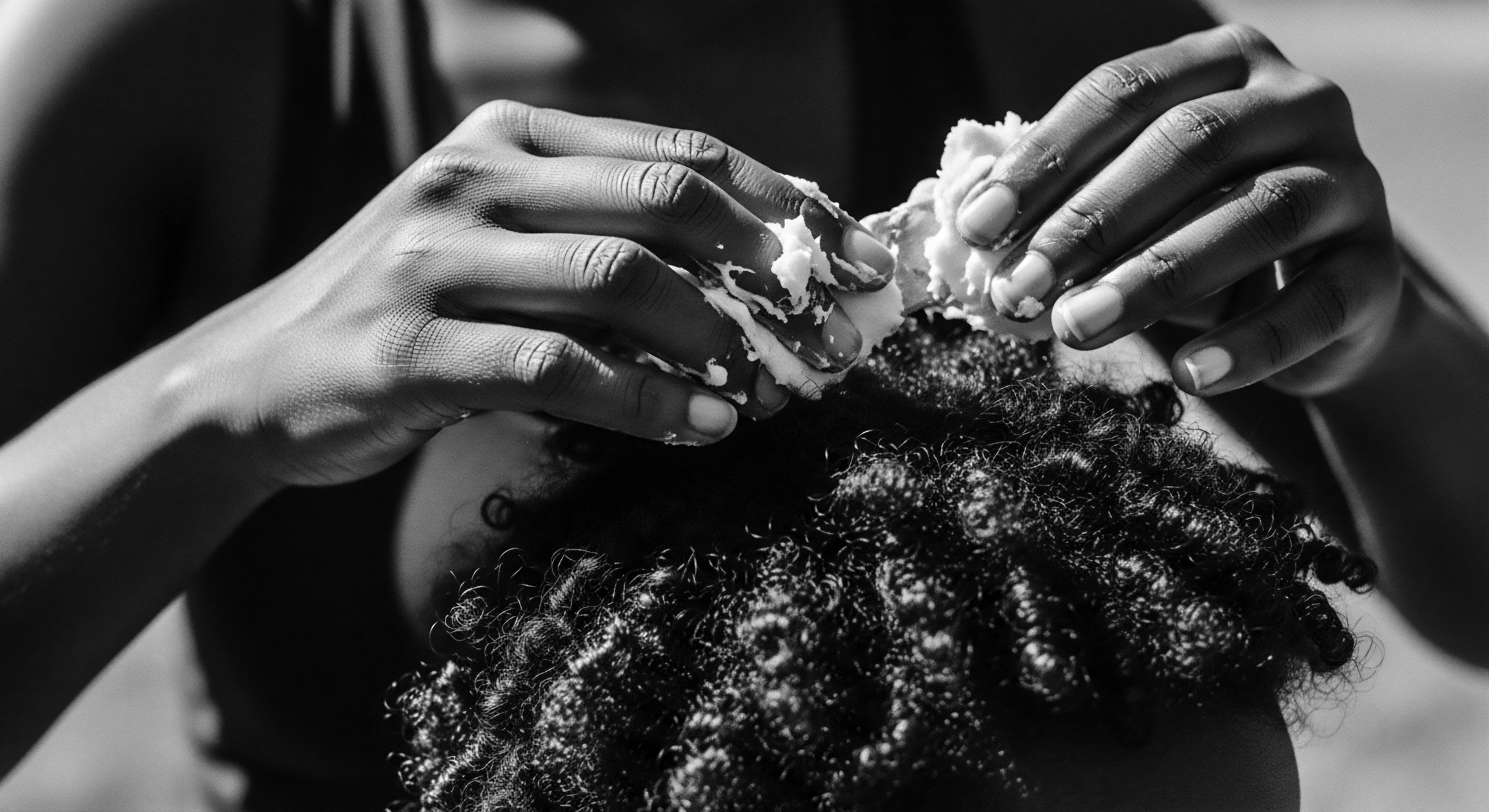
Ancestral practices used shea butter as a natural, emollient shield against sun damage, deeply rooted in textured hair heritage.
What historical care practices protected the scalp for textured hair?
Historical practices for textured hair scalp protection centered on natural ingredients, protective styles, and communal care rituals, honoring ancestral wisdom.
How did enslavement affect scalp care practices for textured hair?
Enslavement drastically altered scalp care by stripping ancestral practices, forcing adaptation, and initiating a resilient heritage of survival and identity preservation.
Were ancient cleansing rituals gentle for textured hair?
Ancient cleansing rituals for textured hair were predominantly gentle, utilizing natural ingredients and methods focused on preserving moisture and strand integrity.
What natural compounds in shea butter guard textured coils from sun?
Shea butter guards textured coils from sun through cinnamic acid esters absorbing UV light and antioxidants like Vitamin E combatting damage, a defense long practiced in ancestral hair care.
How did ancient North African communities condition textured hair?
Ancient North African communities conditioned textured hair using natural oils, butters, and clays, integral to social and spiritual heritage.
Do ginger’s compounds interact with textured hair structure?
Ginger's compounds interact with textured hair structure primarily by enhancing scalp health, a practice deeply rooted in ancestral care traditions.
Which traditional botanical practices informed hair care heritage?
Traditional botanical practices deeply informed textured hair care heritage, offering natural solutions for cleansing, protecting, and styling strands for centuries.
How did Tignon Laws impact Black women’s hair heritage?
Tignon Laws forced free women of color to cover their hair, paradoxically igniting a heritage of defiant self-expression through elaborate headwraps and preserving hidden hair traditions.
What enduring wisdom from ancient hair rituals can guide product innovation for textured hair?
Ancient hair rituals offer timeless insights, guiding product innovation to honor textured hair's profound heritage.
In what ways do fenugreek rituals connect to Afro-diasporic hair heritage?
Fenugreek rituals link to Afro-diasporic hair heritage through ancestral wisdom and enduring care practices.
What historical influences shaped textured hair care traditions?
Historical influences shaped textured hair care traditions through ancient environmental adaptations, spiritual reverence, and resilient cultural preservation.
Can modern hair science validate traditional care practices and heritage?
Modern hair science affirms many traditional textured hair practices, underscoring their effectiveness in preserving ancestral beauty and health.
How do clay minerals benefit textured hair health and scalp vitality?
Clay minerals, rooted in ancestral practices, cleanse and condition textured hair and scalp, honoring a deep heritage of natural care.
How ancient wisdom shaped textured hair care?
Ancient wisdom shaped textured hair care by emphasizing holistic nourishment, protective styling, and deep reverence for coils.
Can rice water applications genuinely help textured hair health?
Rice water applications can support textured hair health by providing nutrients that may strengthen strands, reduce friction, and enhance elasticity, resonating with ancestral hair care wisdom.
In what ways did cultural heritage shape hair oil traditions for Black communities?
Cultural heritage shaped hair oil traditions for Black communities by embedding ancestral wisdom in routines that honor textured hair’s distinct needs and identity.
Which historical water-based techniques influenced modern textured hair regimens?
Historical water-based practices, emphasizing hydration and pliability, laid the ancestral foundations for contemporary textured hair care regimens.
How do historical diets affect textured hair health?
Historical diets, rich in specific nutrients, profoundly shaped textured hair health, leaving an enduring heritage mark on its structure and vitality.
How does oiling support hair heritage?
Oiling nourishes textured hair, preserving ancestral practices and strengthening a rich cultural heritage.