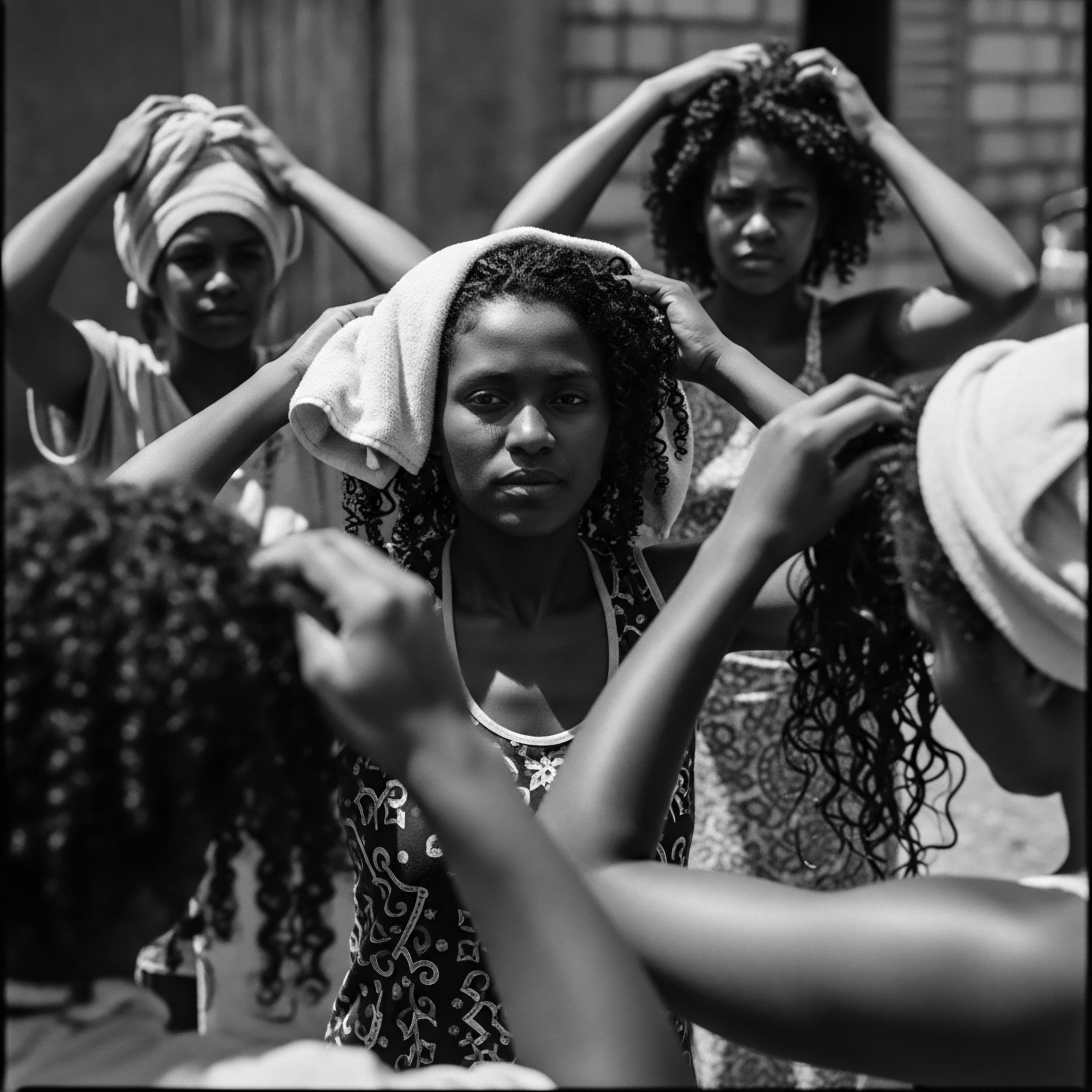
What ancient cleansing rituals contributed to textured hair wellness through heritage?
Ancient cleansing rituals contributed to textured hair wellness by favoring natural, gentle ingredients that preserved moisture, reflecting a profound heritage of holistic care.
Can ancestral plant-based remedies benefit modern textured hair regimens?
Ancestral plant-based remedies offer modern textured hair regimens deep hydration, strength, and scalp health, rooted in rich cultural heritage.
What scientific truths underpin historical textured hair dyeing?
Ancestral textured hair dyeing fused plant science with ritual, honoring unique hair structures through gentle, earth-derived pigments.
In what ways do historical care rituals shape modern approaches to plant butter use for textured hair?
Historical care rituals involving plant butters deeply inform modern textured hair approaches by providing a heritage of moisture, protection, and cultural identity.
What historical importance do traditional protective styles hold for textured hair?
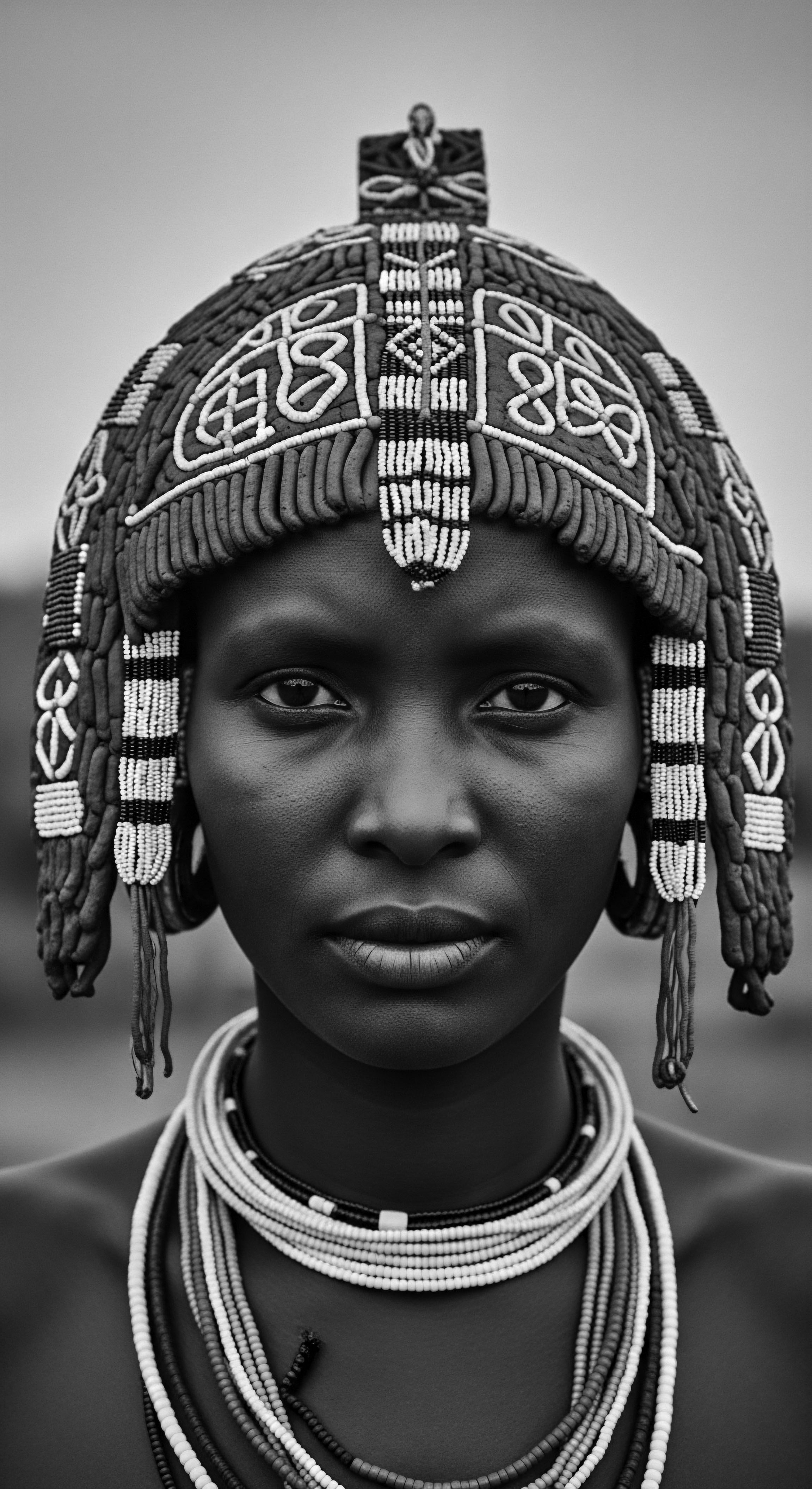
Traditional protective styles embody a rich textured hair heritage, serving as historical records of cultural identity and resilience.
What ancestral butters nurture textured hair?
Ancestral butters, from shea to murumuru, historically moisturized and protected textured hair across diverse heritage traditions.
Which ancient plant oils hydrate textured hair?
Ancient plant oils like castor, baobab, and marula were ancestrally utilized to hydrate textured hair, a practice rooted in Black and mixed-race heritage.
What is shea butter’s historical significance for textured hair?
Shea butter is historically significant for textured hair as an ancestral moisturizer, protective balm, and cultural symbol within Black hair heritage.
Can science validate ancestral textured hair care wisdom?
Science affirms ancestral textured hair care wisdom through a shared understanding of hair biology, echoing historical practices.
Can the anatomy of textured hair explain ancient care techniques and their efficacy?
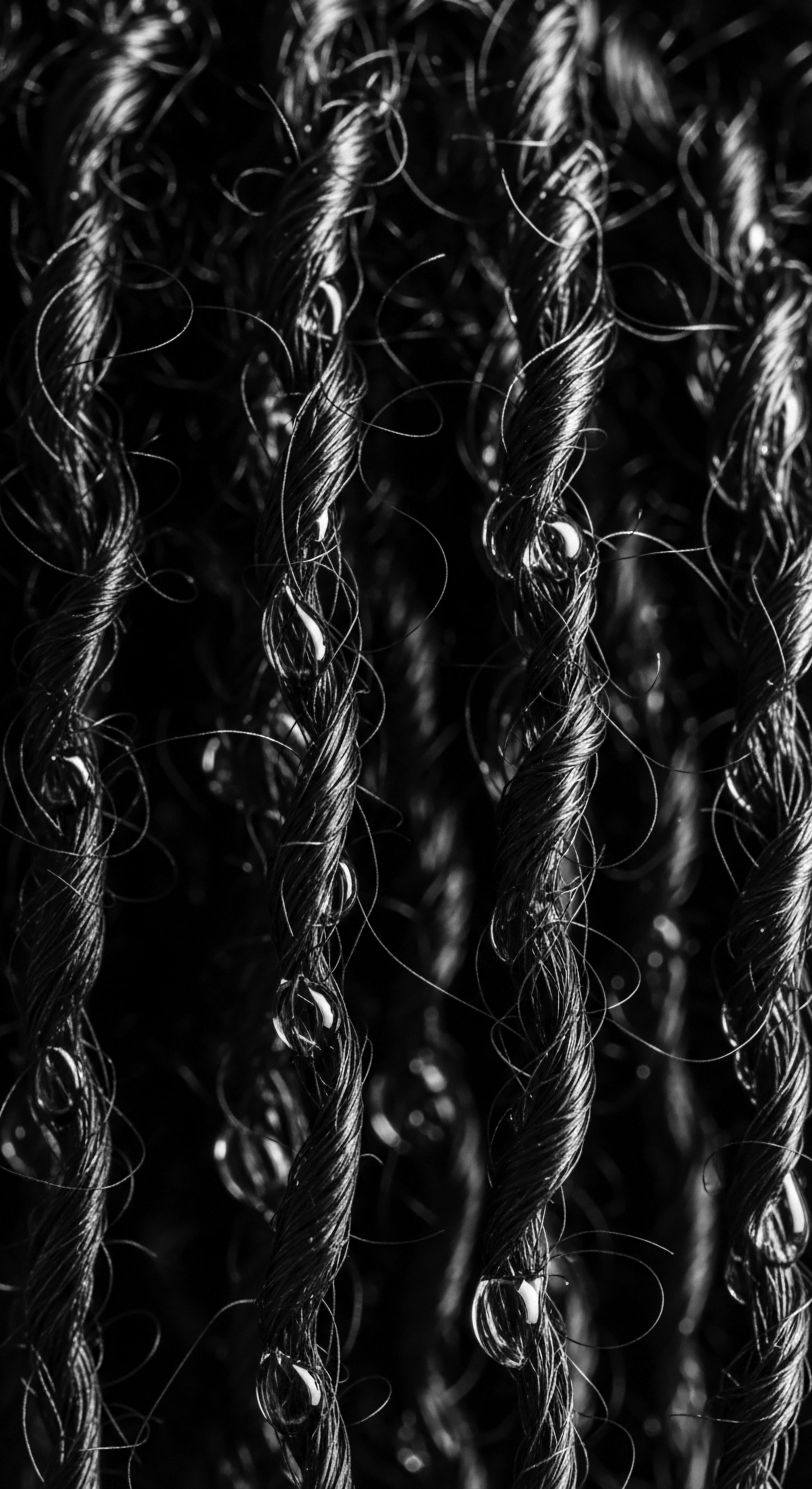
The unique anatomy of textured hair, with its elliptical shaft and lifted cuticle, guided ancient care techniques for moisturization and protection, reinforcing its heritage.
Were ancient hair dyes safe for textured hair?
Ancient hair dye safety for textured hair depended on ingredients; natural compounds were often beneficial, while metallic dyes held risks, profoundly shaping heritage.
Can textured hair proteins recover their original state after chemical treatment?
Textured hair proteins chemically altered do not fully revert, yet new growth offers a profound opportunity for its original heritage to re-emerge.
How does the legacy of ancient hair dyeing inform modern textured hair care and cultural identity?
Ancient hair dyeing traditions provide a deep foundation for modern textured hair care, connecting ancestral practices to evolving cultural identity.
What historical plant oils demonstrate scientifically backed benefits for textured hair?
Historical plant oils like shea, coconut, and castor deeply moisturize and strengthen textured hair, a heritage validated by scientific study.
What ingredients cleansed textured hair naturally?
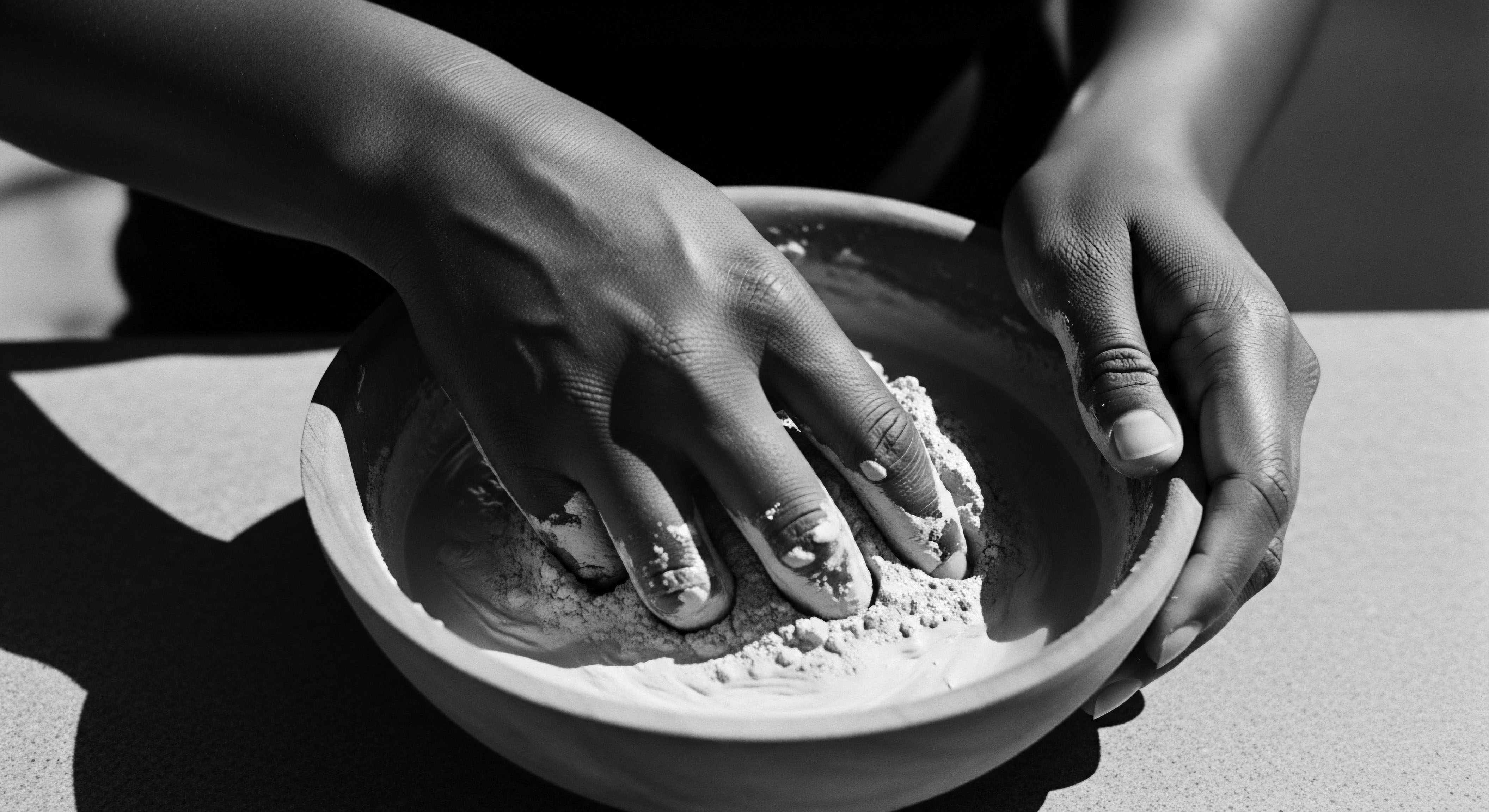
Ancestral practices for cleansing textured hair naturally relied on earth-derived ingredients like clays, saponin-rich plants, and acidic rinses, honoring the hair's unique heritage.
What ancient African practices protected textured hair?
Ancient African practices protected textured hair through meticulous styling, natural ingredients, and communal rituals rooted in deep reverence.
How did ancient Egyptians use plant dyes on textured hair?
Ancient Egyptians used plant dyes, primarily henna, to color and condition textured hair, reflecting deep cultural and ancestral reverence.
What is the cultural background of textured hair protective styles?
Textured hair protective styles root in ancestral wisdom, preserving strands while symbolizing deep cultural identity and resilience.
What was the cultural significance of ancient hair coloring practices for textured hair?
Ancient hair coloring for textured hair was a deeply cultural act, reflecting status, spiritual beliefs, and communal identity across generations.
What ancestral beliefs shaped textured hair’s spiritual significance?
Ancestral beliefs shaped textured hair's spiritual significance by connecting it to divine communication, identity, and communal heritage.
How did ancient Egyptians color their textured hair?
Ancient Egyptians colored textured hair primarily with henna, a natural plant dye, using oils and fats for application and conditioning.
Do traditional African hair remedies offer scientific benefits for textured hair?
Traditional African hair remedies often offer scientific benefits for textured hair, rooted in ancestral knowledge of botanicals and hair biology.
What ancestral hair practices offer valuable insights for modern textured hair hydration?
Ancestral practices offer timeless wisdom for textured hair hydration, prioritizing natural ingredients and protective techniques.
What ancestral ingredients remain relevant for textured hair care today?
Ancestral ingredients like shea butter, castor oil, and Chebe powder remain essential for textured hair heritage.
What scientific compounds in awapuhi benefit textured hair?
Awapuhi's saponins, zerumbone, and polysaccharides offer gentle cleansing, scalp soothing, and moisture, honoring ancient textured hair care heritage.
Why did protective styles become common for textured hair?
Protective styles became common for textured hair due to a deep inherited understanding of its biological needs and as a resilient cultural expression.
What historical lessons about scalp care are found in Caribbean heritage?
Caribbean heritage scalp care offers lessons of resilience, adapting ancestral botanical knowledge and communal practices for textured hair health.
What historical cleansing practices influence modern textured hair regimens?
Historical cleansing practices, rooted in ancestral plant wisdom and cultural rituals, profoundly shape modern textured hair regimens.
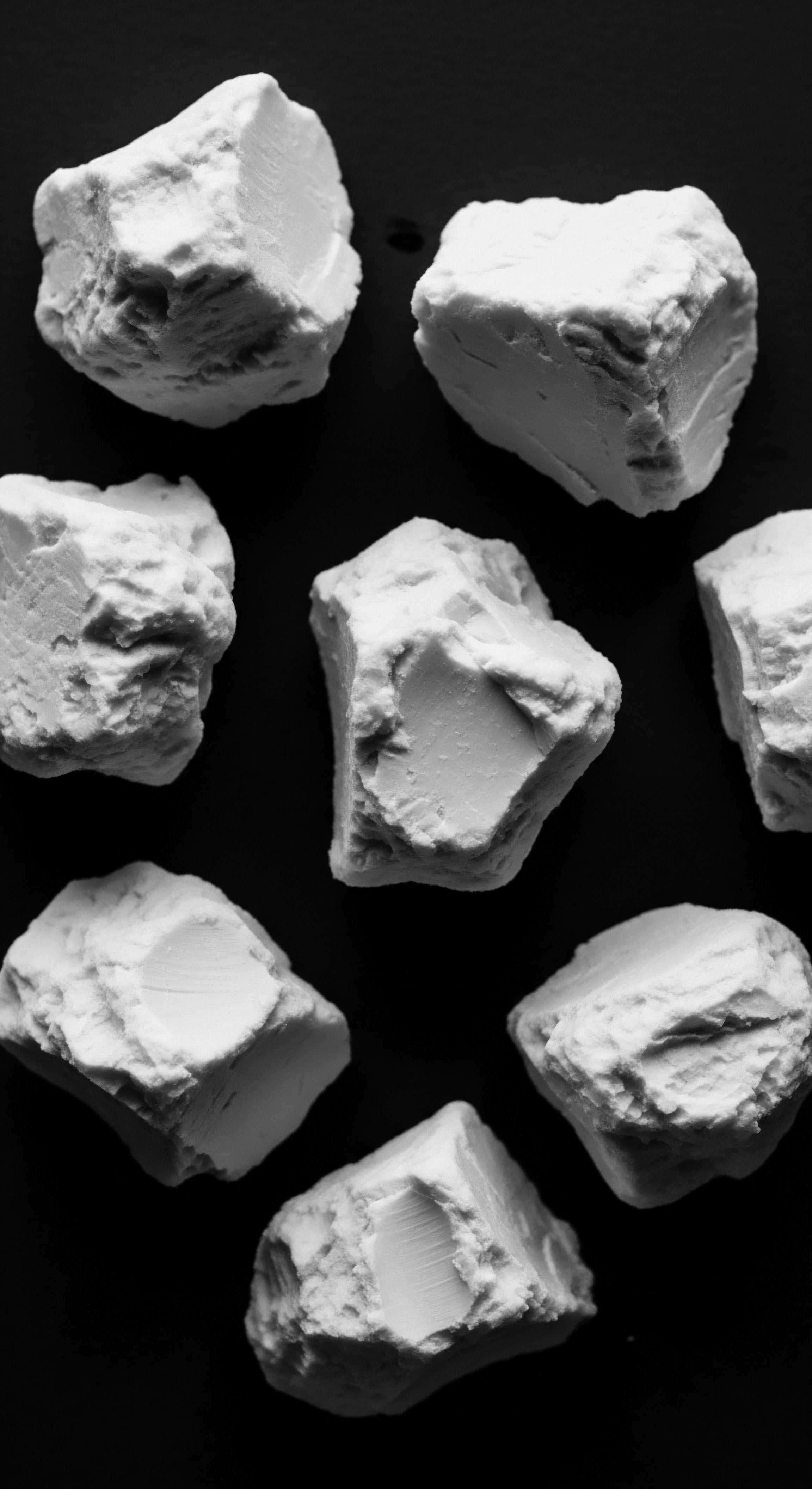
What historical significance does Ghassoul clay hold for hair heritage?
Ghassoul clay holds historical significance for textured hair heritage as an ancient North African cleanser, softening and purifying delicate curls while respecting natural moisture.