What is henna’s impact on textured hair strands?
Henna strengthens textured hair by binding its lawsone molecule to keratin, reinforcing strands, reducing porosity, and linking to rich ancestral protective traditions.
Moisture Solutions
Meaning ❉ Moisture Solutions refers to the comprehensive strategies and historical practices for maintaining optimal hydration in textured hair.
What cultural meanings did textured hairstyles convey in antiquity?
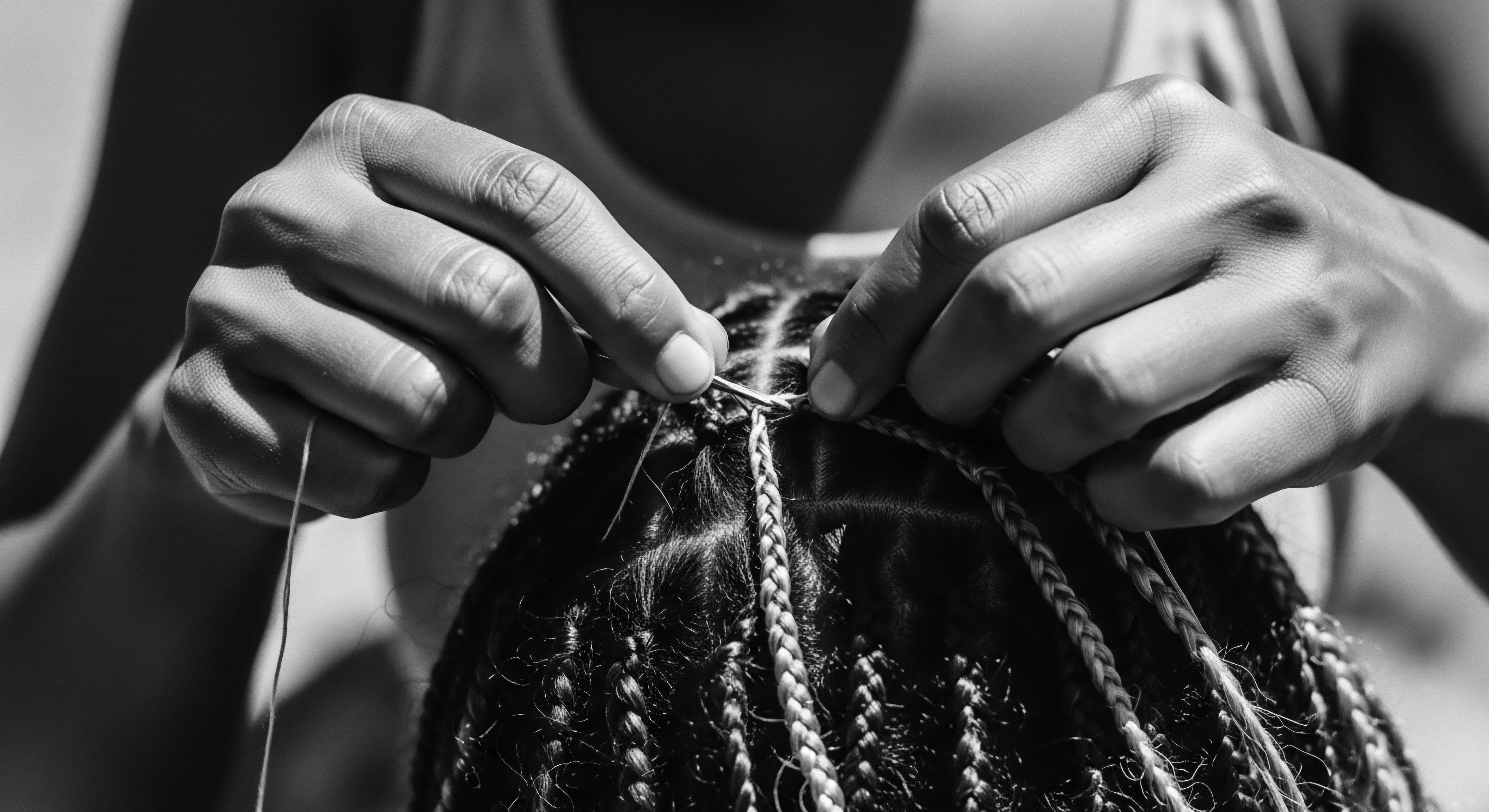
Ancient textured hairstyles conveyed profound meanings of status, spiritual connection, and collective identity, deeply rooted in ancestral heritage.
Why do specific comb shapes matter for textured hair?
Specific comb shapes matter for textured hair because they honor a heritage of ancestral ingenuity in preserving hair health and cultural identity.
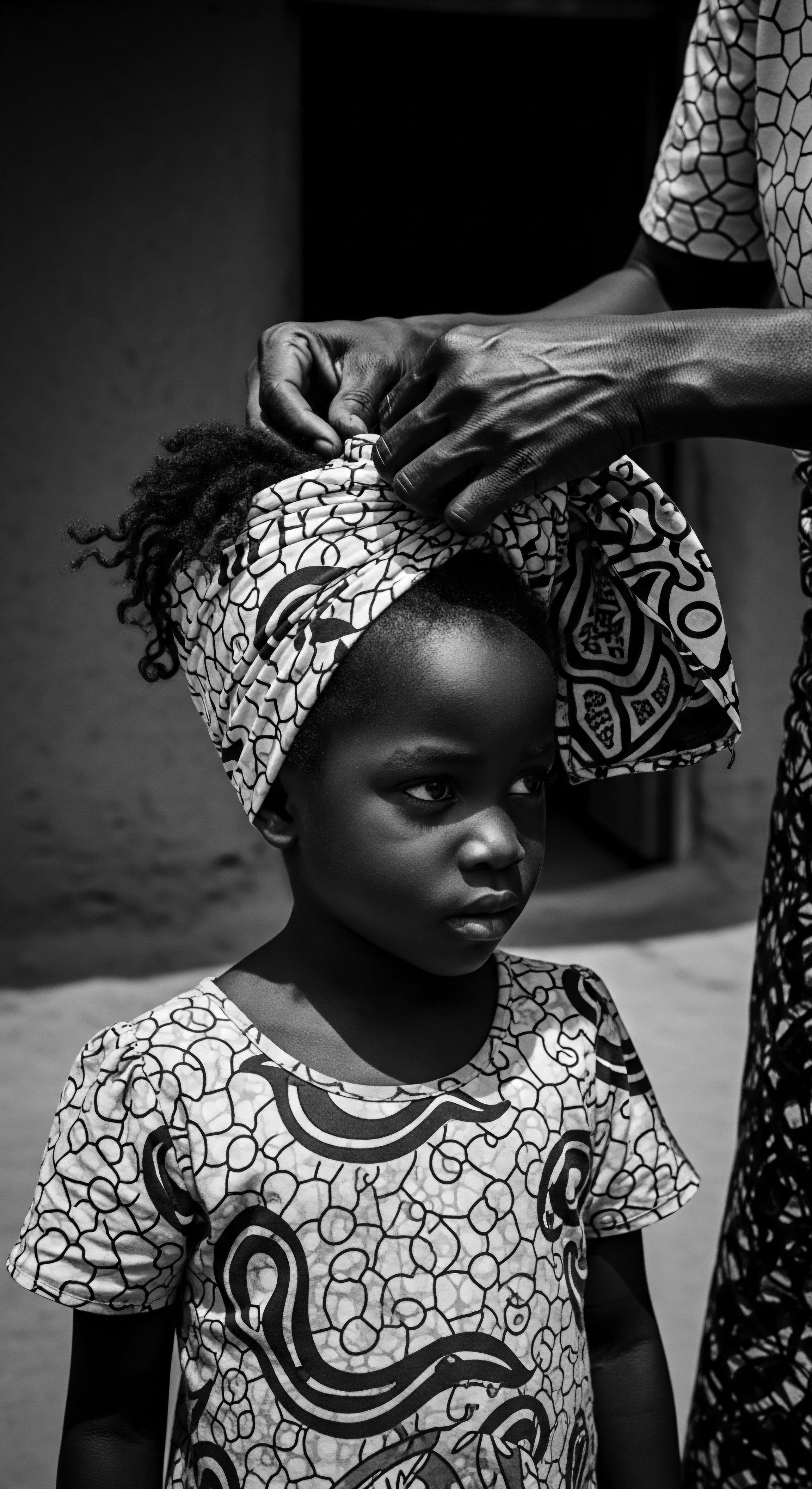
What is the historical importance of hair bonnets in textured hair care?
Hair bonnets hold historical weight in textured hair care, embodying ancestral wisdom, resilience against oppression, and continuous cultural affirmation.
What ancestral knowledge contributed to textured hair vitality?
Ancestral knowledge contributed to textured hair vitality through holistic practices rooted in deep cultural heritage and botanical wisdom.
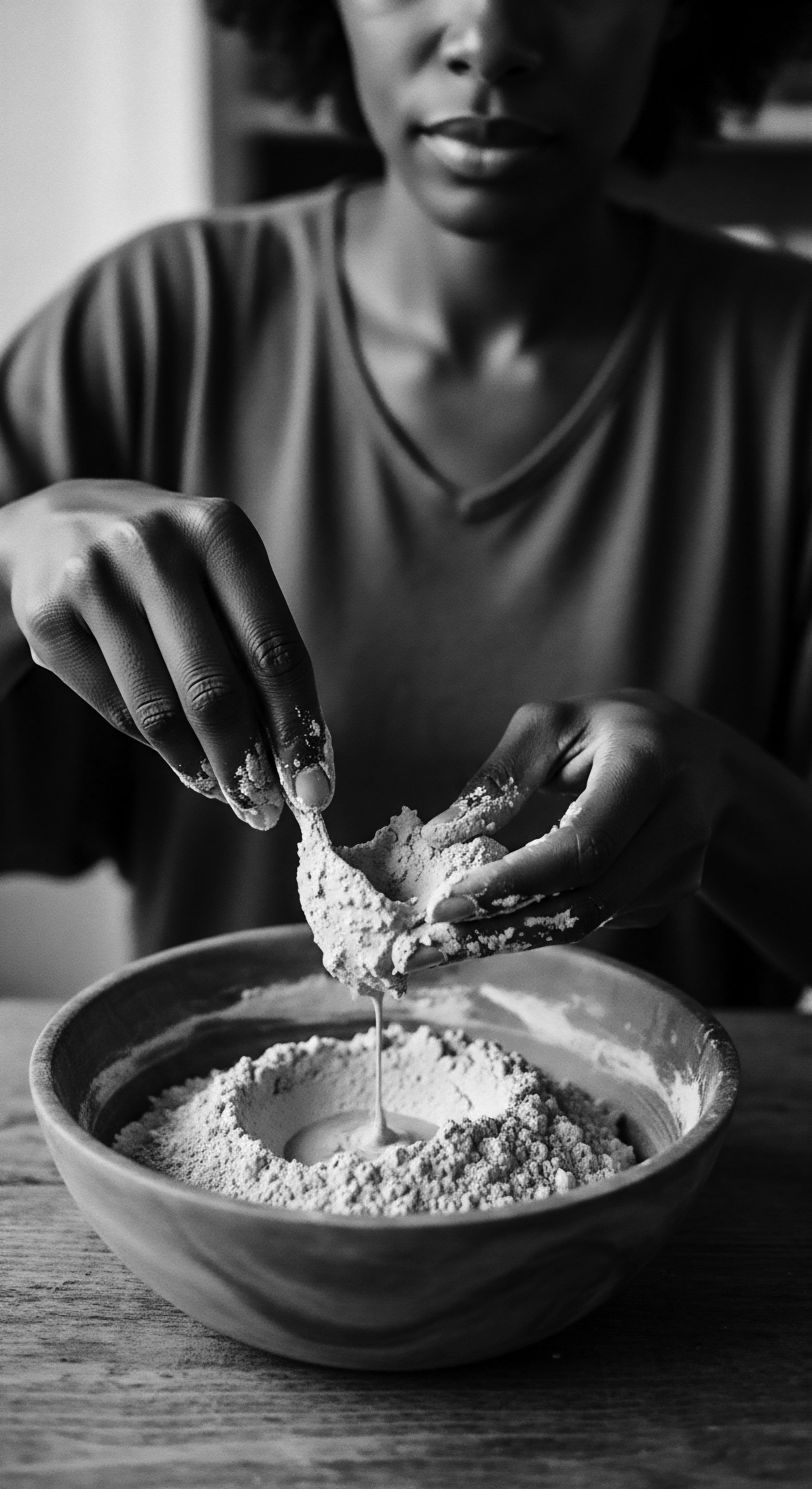
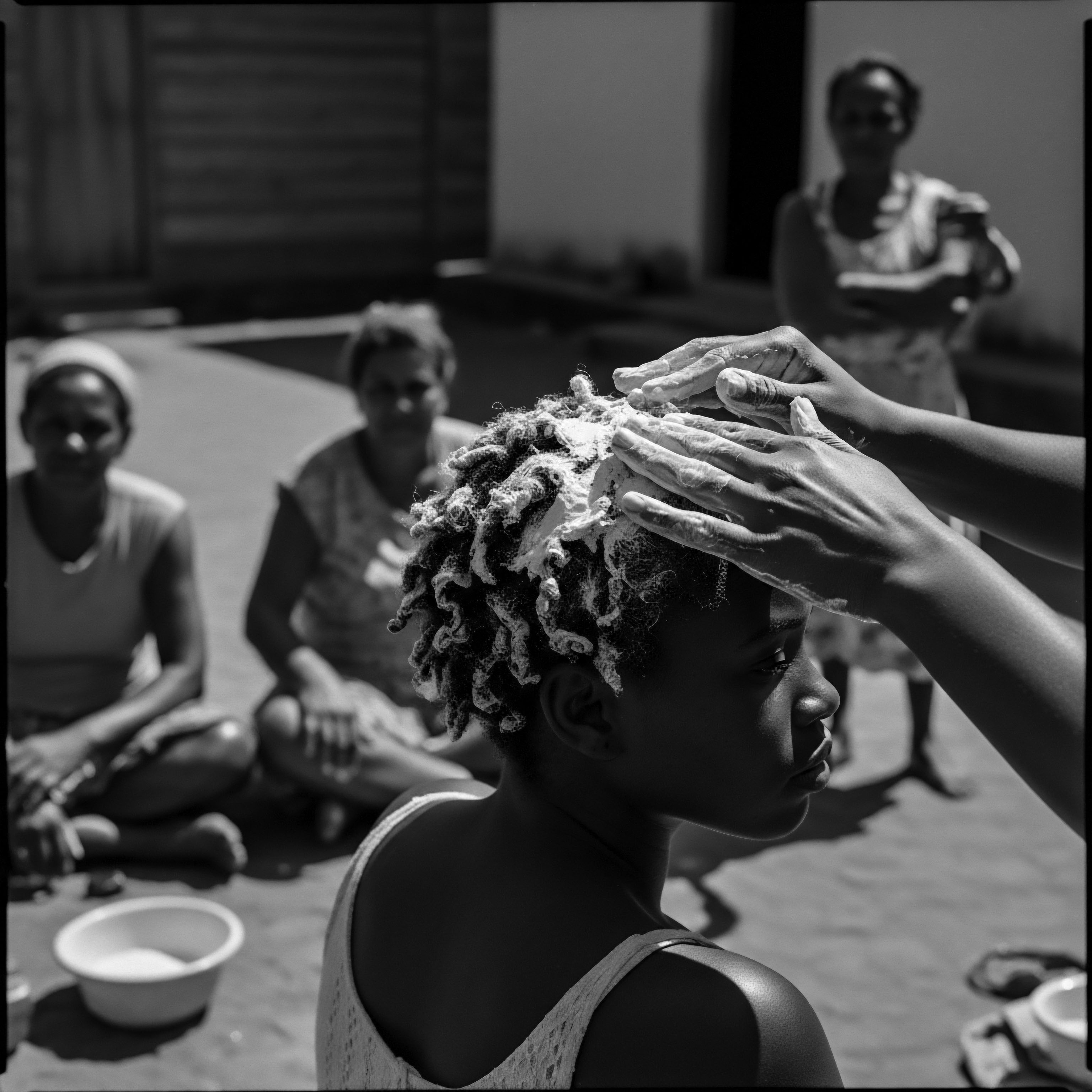
Does clay cleanse textured hair gently?
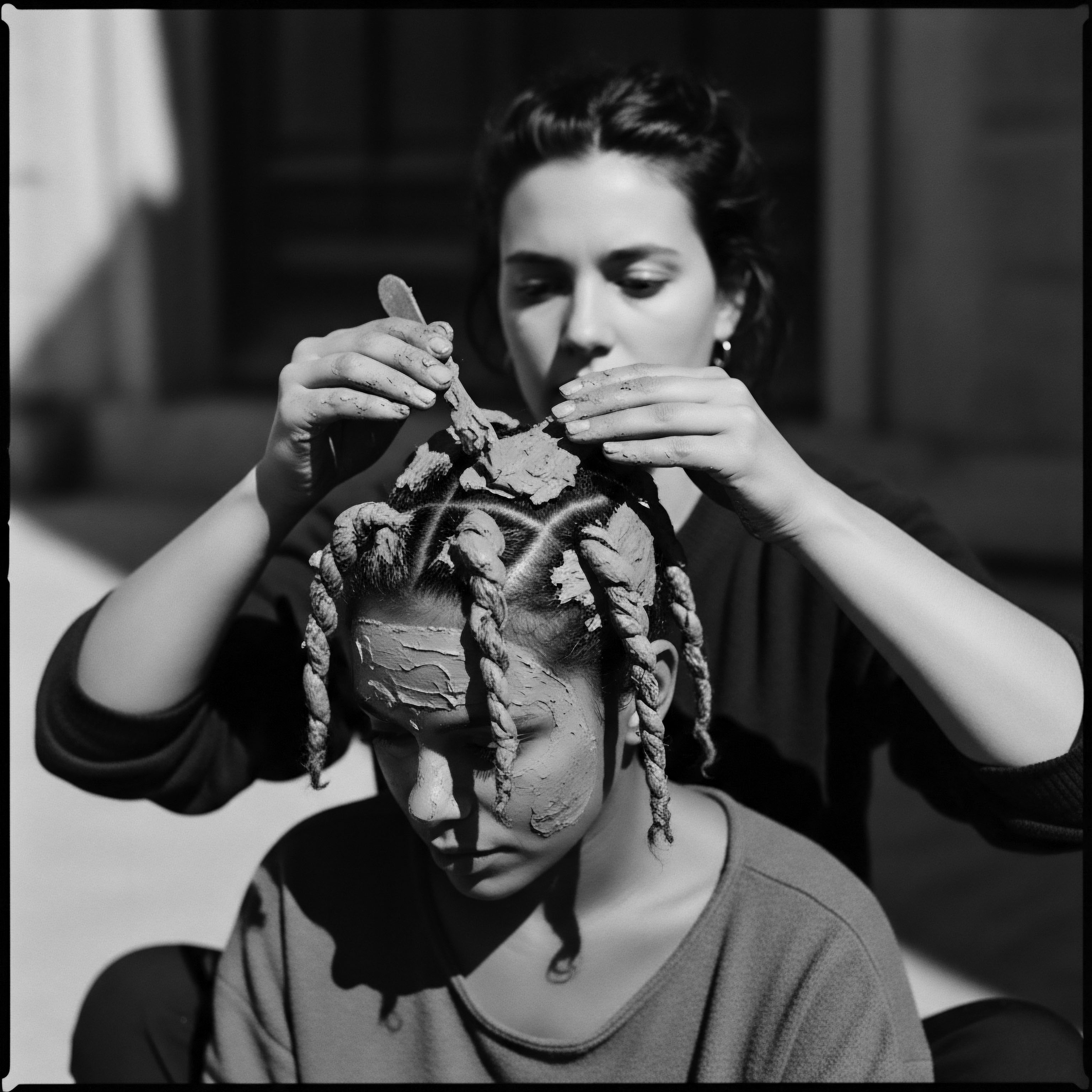
Clay gently cleanses textured hair by drawing out impurities without stripping natural oils, a practice rooted deeply in ancestral heritage.
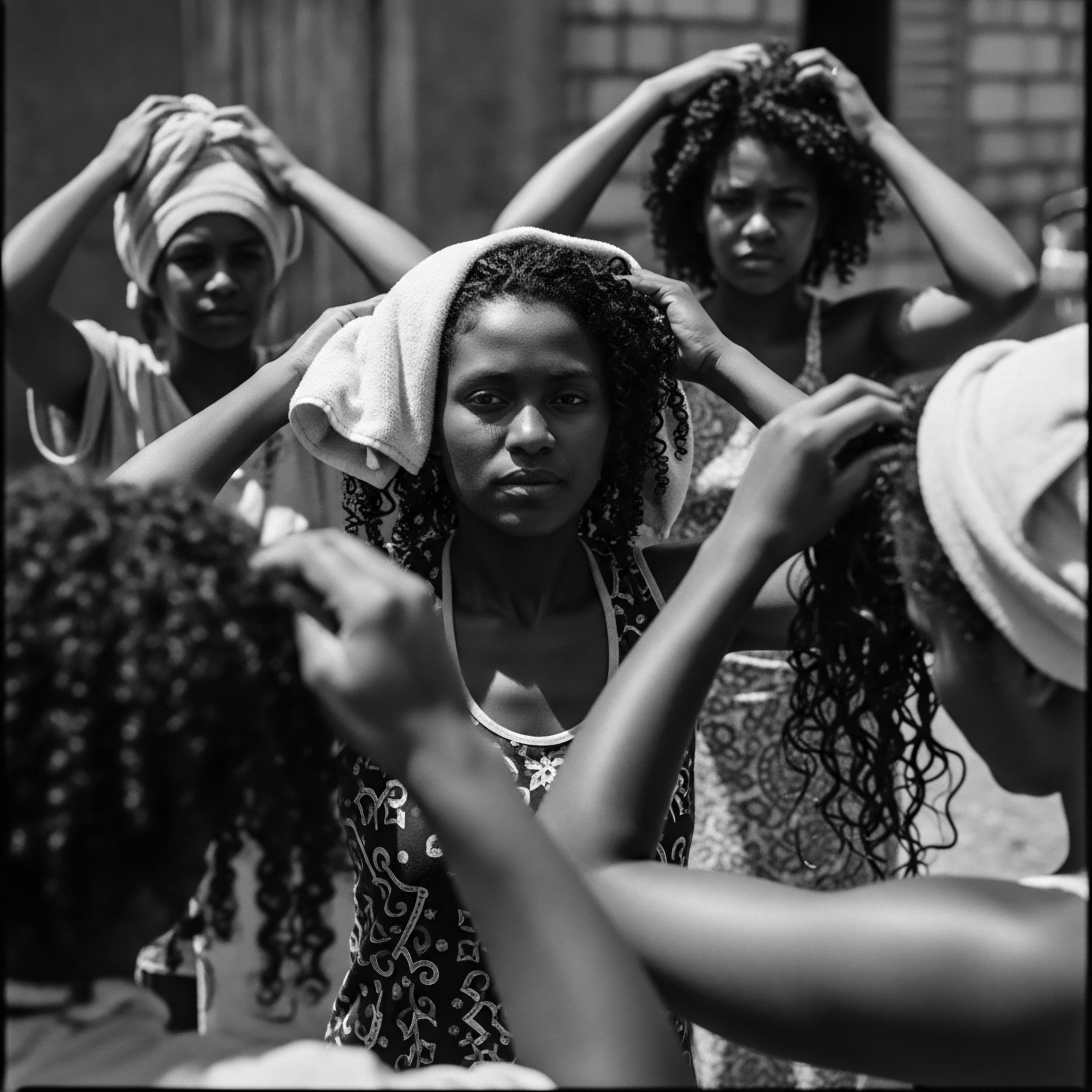
What communal roles did textured hairstyles represent historically?
Textured hairstyles historically served as vital communal communicators of identity, status, spirituality, and shared heritage.
What traditional fats are most effective for textured hair moisture?
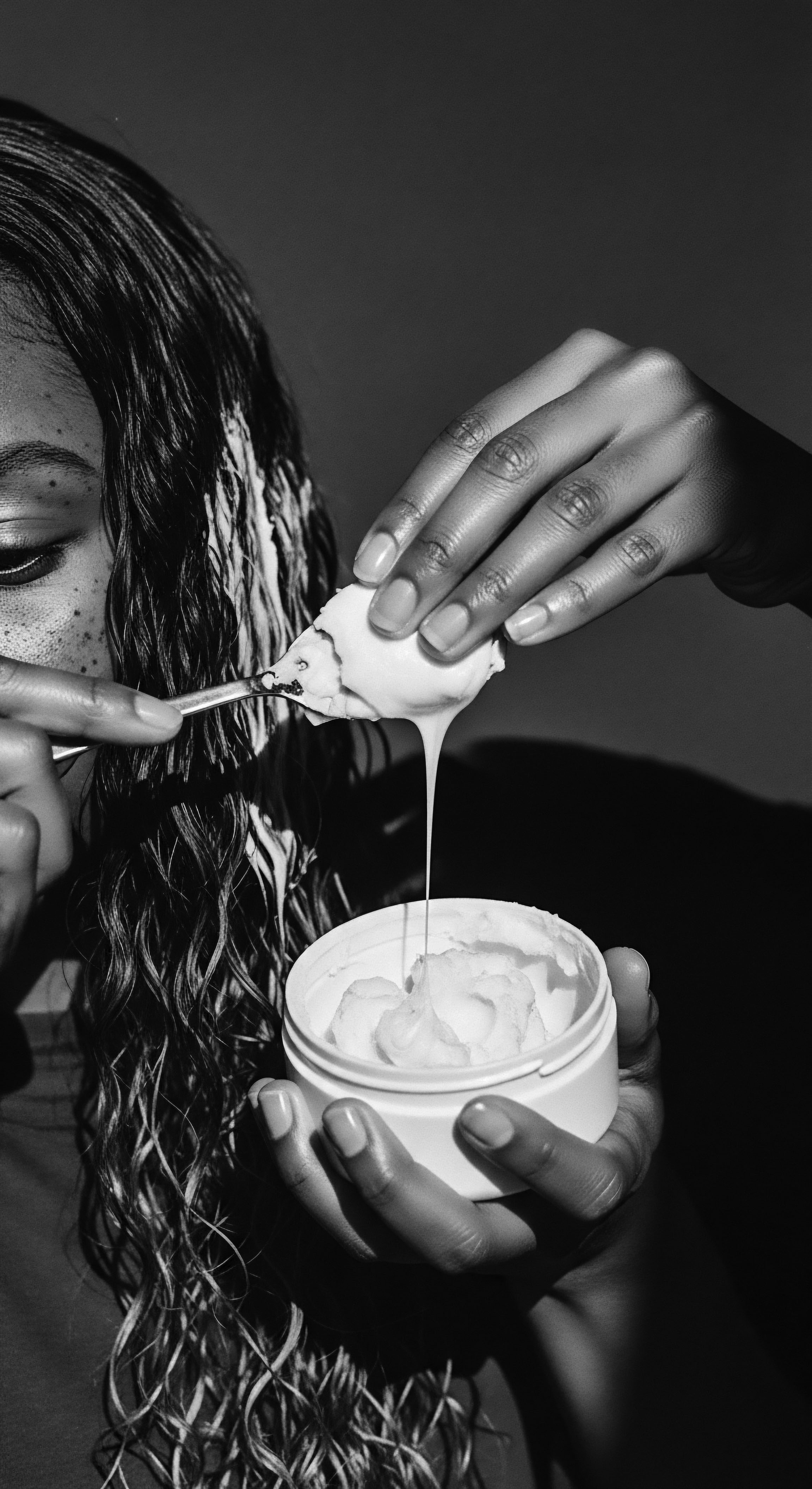
Traditional fats like shea butter, coconut oil, and palm oil stand as ancestral foundations for textured hair moisture, their efficacy rooted in centuries of heritage.
Can botanical cleansers replace traditional shampoos for textured hair?
Botanical cleansers offer a gentle, heritage-aligned way to purify textured hair, respecting its unique structure and ancestral care traditions.
What ancestral knowledge informs the use of Ghassoul clay for textured hair?
Ghassoul clay, a gift from the Atlas Mountains, cleanses textured hair by absorbing impurities while preserving essential moisture.
How did shea butter support textured scalp?
Shea butter supported textured scalp vitality through ancestral practices, offering moisture, soothing properties, and barrier reinforcement across generations.
What historical evidence confirms the efficacy of heritage hair care for length retention?
Historical evidence confirms heritage hair care's efficacy for length retention through consistent protective styling and natural moisturizing practices, especially within textured hair traditions.
What materials adorned early textured hair?
Early textured hair was adorned with natural materials like earth pigments, plant fibers, shells, and metals, deeply rooted in heritage and practical care.
What traditional ingredients supported textured hair health across cultures?
Traditional ingredients supported textured hair through botanical oils and butters that offered protection, moisture, and strength, preserving ancestral beauty.
In what ways did ancient cultural rituals influence modern textured hair care methods?
Ancient cultural rituals profoundly shaped modern textured hair care by providing foundational knowledge of hair structure, protective styling, and natural ingredient use, all rooted in profound heritage.
Clay Moisture
Meaning ❉ Clay Moisture is the inherent capacity of mineral-rich clays to hydrate, cleanse, and balance textured hair, rooted in ancestral practices.
How does textured hair’s structure shape historical and modern care?
Textured hair's unique structural properties have profoundly shaped historical and modern care, rooted in ancestral practices prioritizing moisture and protection.
What specific traditional ingredients best support textured hair hydration?
Traditional ingredients like shea butter and baobab oil, steeped in ancestral practices, deeply hydrate textured hair by sealing moisture and honoring its unique heritage.
What is melanin’s role in textured hair heritage?
Melanin in textured hair provides inherent protection and links deeply to ancestral resilience, cultural identity, and historical care practices.
What ancestral methods protected textured hair from dryness?
Ancestral methods protected textured hair from dryness through natural emollients, protective styling, and communal care practices.
Adansonia Digitata Uses
Meaning ❉ Adansonia Digitata Uses refers to the baobab tree's traditional applications for textured hair, rooted in African heritage and holistic wellness.
What historical ingredients retained textured hair hydration?
Ancestral practices used natural butters and oils like shea and coconut, along with plant-based humectants, to maintain textured hair's hydration.
Can historical hair practices offer contemporary lessons for textured hair care?
Historical hair practices provide lessons for textured hair care through their emphasis on natural ingredients, protective styling, and communal heritage.
How can we support textured hair heritage today?
Supporting textured hair heritage means honoring its unique biology, rich cultural narratives, and ancestral care wisdom.
Diaspora Food
Meaning ❉ Diaspora Food for textured hair is the ancestral knowledge and resources that nourished Black and mixed-race hair across generations and geographies.
Can traditional clay practices offer enduring solutions for textured hair’s moisture needs?
Traditional clay practices offer enduring hydration solutions for textured hair by gently cleansing and sealing moisture, honoring ancestral heritage.
Why do textured hair traditions prize ancestral oils?
Textured hair traditions prize ancestral oils for their deep historical roots, protective qualities, and cultural significance that nourishes hair and heritage.
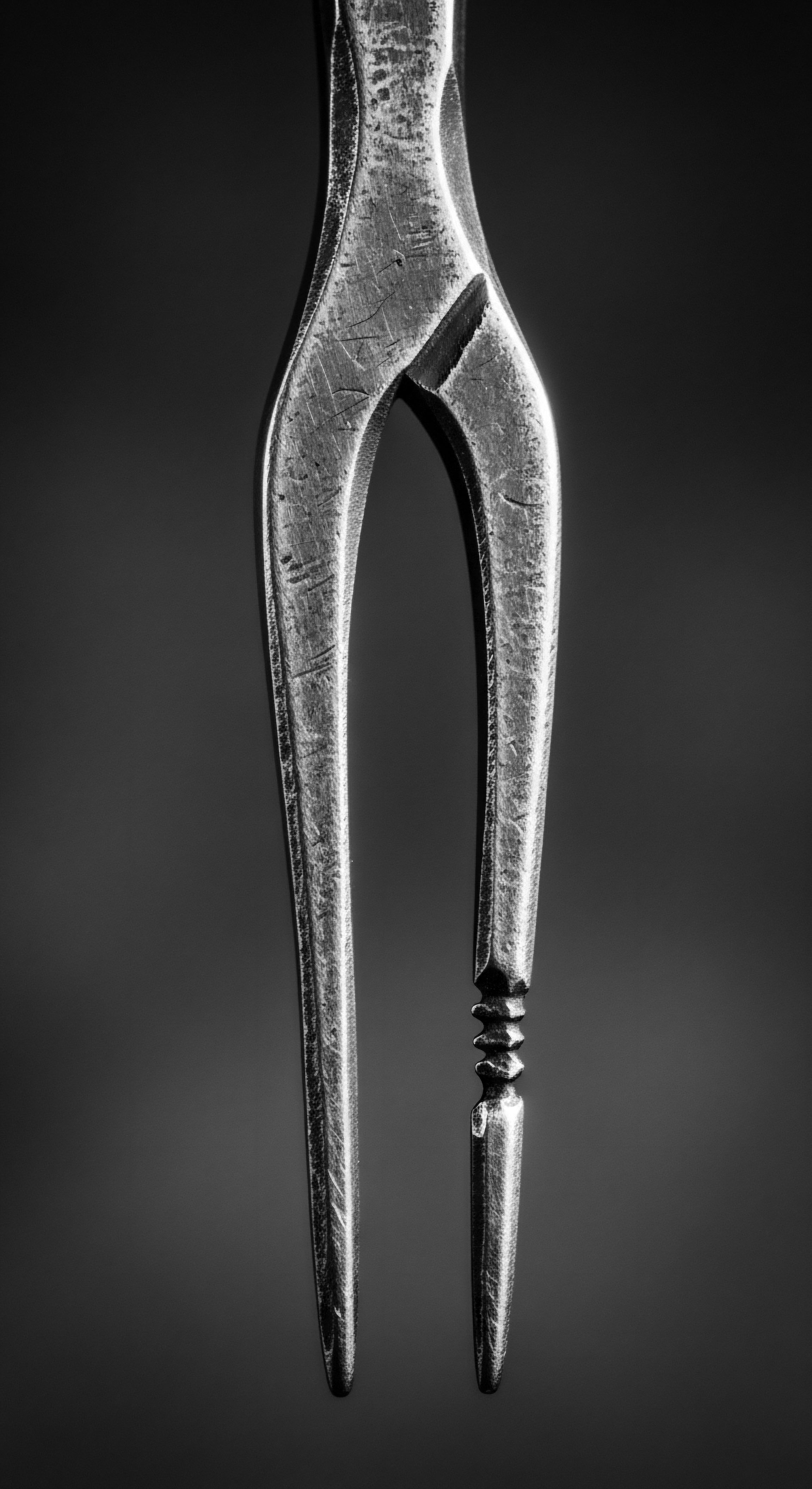
What traditional tools shaped textured hair?
Traditional tools for textured hair, rooted in ancestral ingenuity, were extensions of cultural identity, shaping strands and heritage alike.