What cultural heritage does the application of traditional hair ingredients preserve?
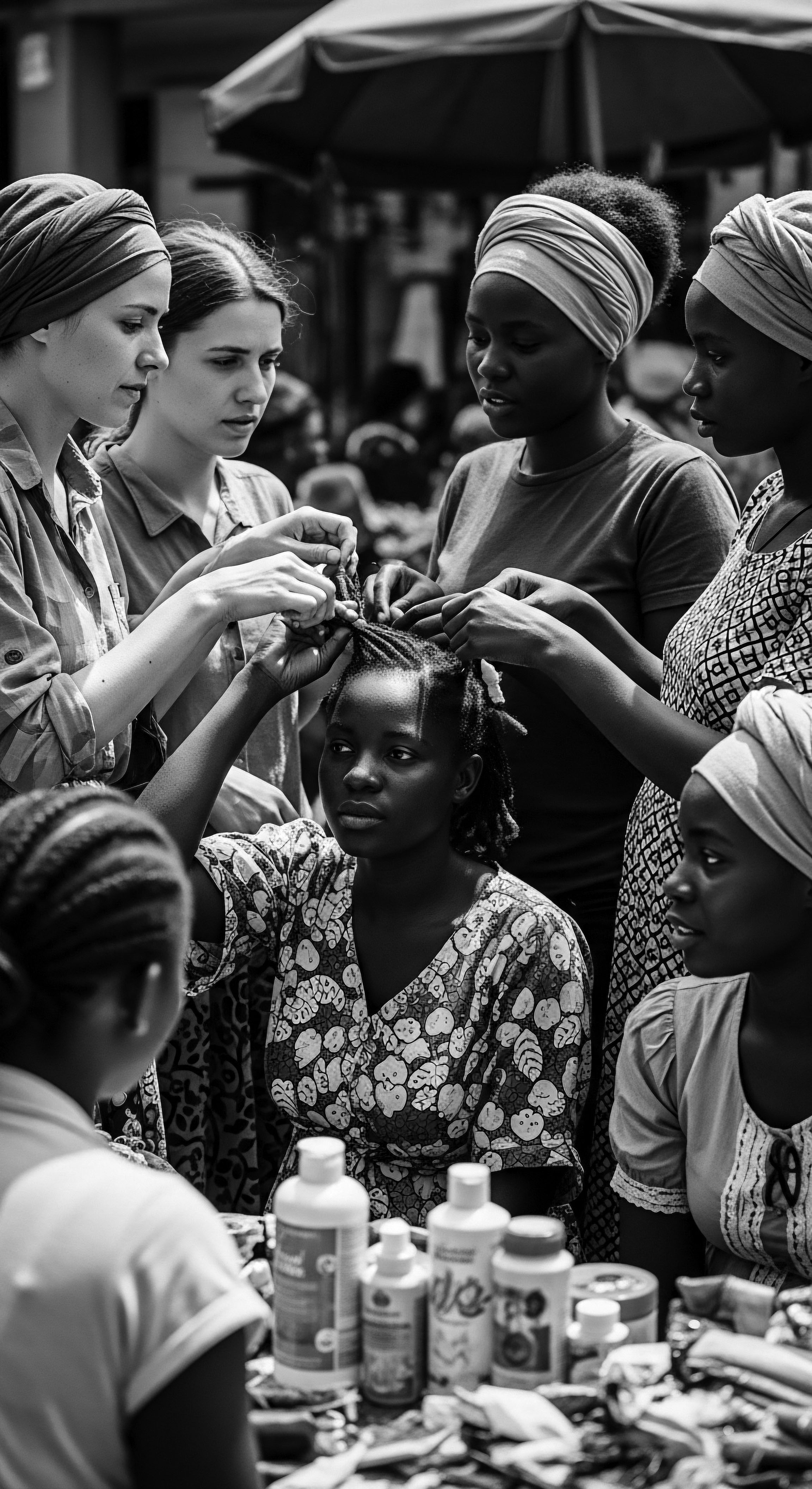
Traditional hair ingredients preserve a rich textured hair heritage, embodying ancestral wisdom, community bonds, and enduring identity through centuries-old care rituals.
What historical significance do clays hold in textured hair practices?
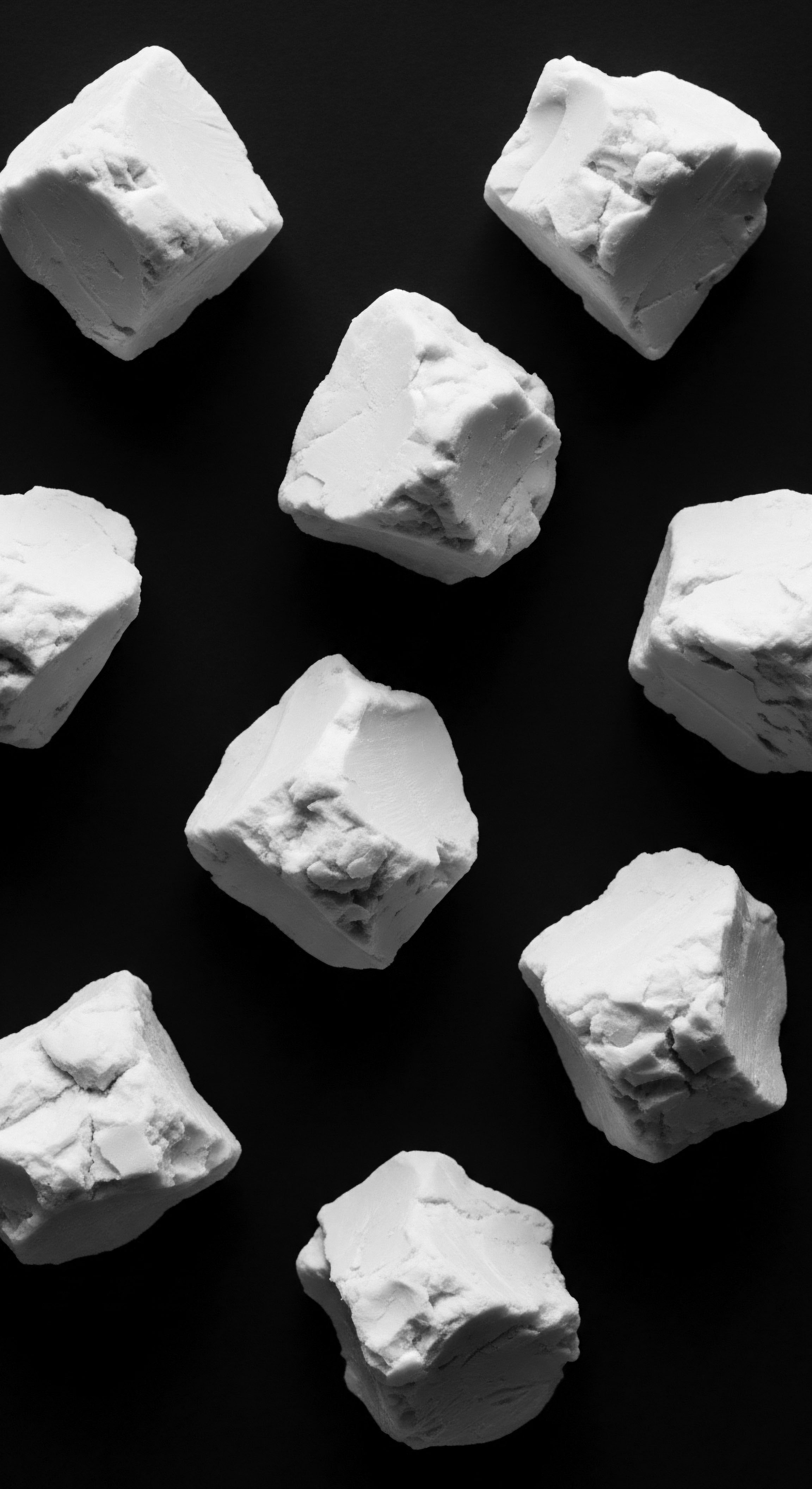
Clays hold profound historical significance in textured hair care, connecting ancient cleansing rituals to cultural identity.
How did historical cultural practices shape textured hair routines?
Historical cultural practices rooted textured hair routines in communal wisdom and a profound understanding of its unique needs.
Can textured hair’s density aid in climate regulation?
Textured hair's density aids microclimate regulation by trapping insulating air and forming a barrier against solar radiation, a heritage adaptation.
In what ways did enslaved people use hairstyles to preserve heritage?
Enslaved people used textured hairstyles as secret maps, hidden repositories for seeds, and powerful symbols to preserve identity and ancestral heritage.
What ancestral ingredients contributed to textured hair’s endurance?
Ancestral ingredients provided vital nourishment and protective benefits for textured hair, establishing a resilient heritage of care.
How did the Tignon Laws reshape hair covering heritage?
The Tignon Laws compelled head coverings, yet Black and mixed-race women transformed them into symbols of defiant beauty and cultural pride.
What ancestral hair care practices reveal insights for today’s textured hair regimens?
Ancestral hair care practices offer enduring wisdom on natural ingredient usage, protective styling, and holistic well-being, deeply shaping contemporary textured hair regimens through a rich heritage of resilience.
What traditional ingredients were used to moisturize Afro-textured hair?
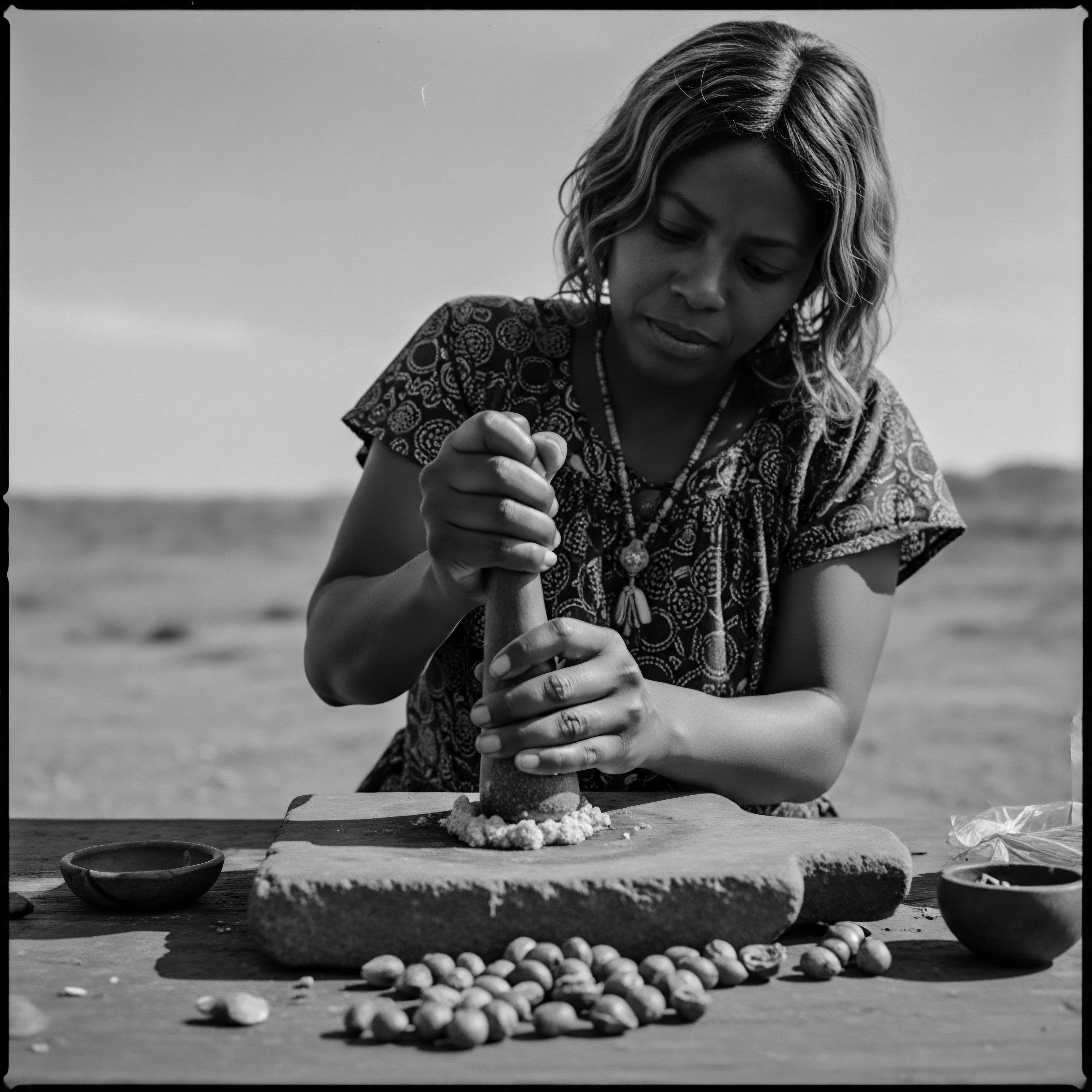
Ancestral practices used plant-based butters and oils like shea, palm kernel, and coconut to deeply moisturize Afro-textured hair, preserving its heritage.
What historical oils aid textured hair strength?
Historical oils like castor, shea, and coconut fortified textured hair strength through rich nutrients and protective ancestral practices.
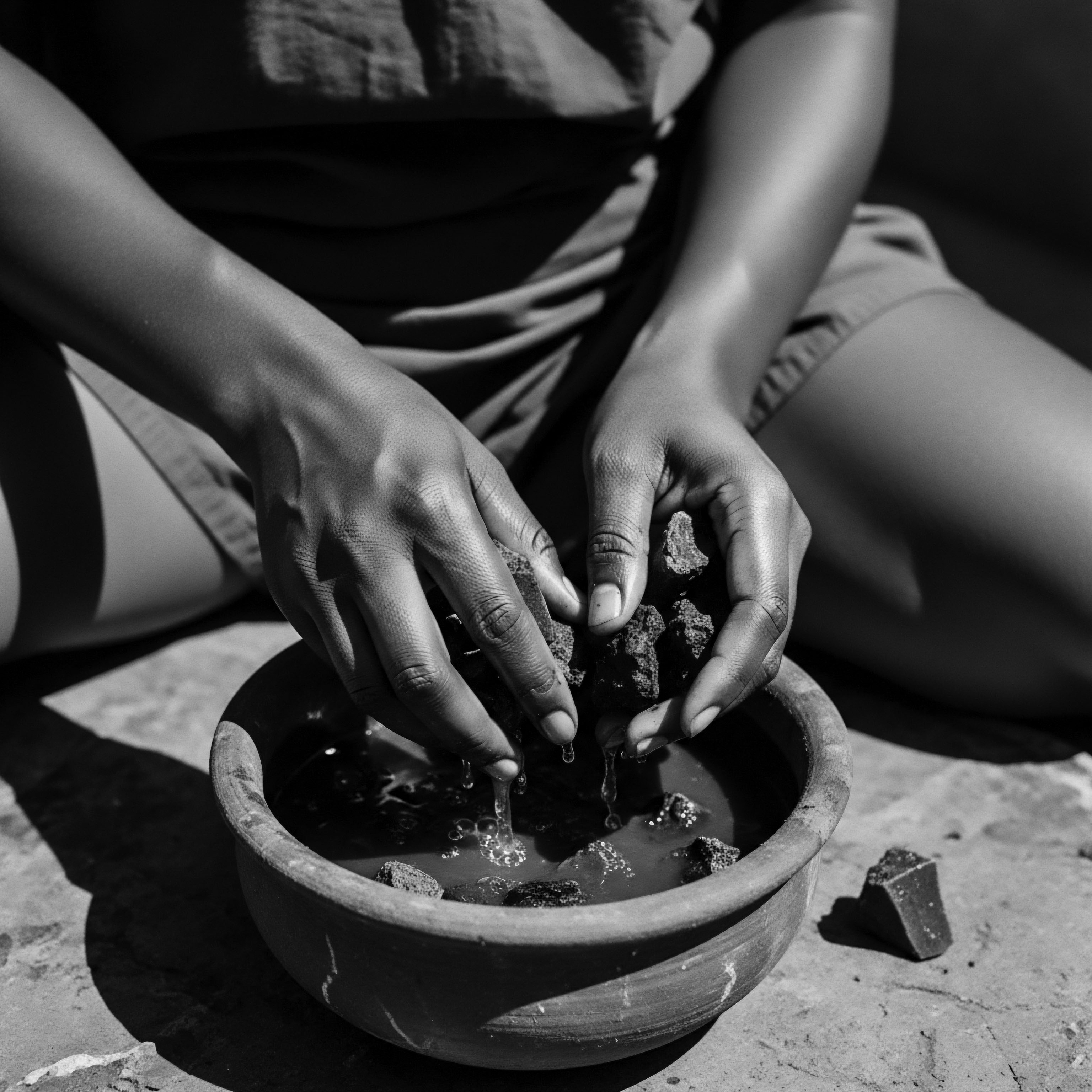
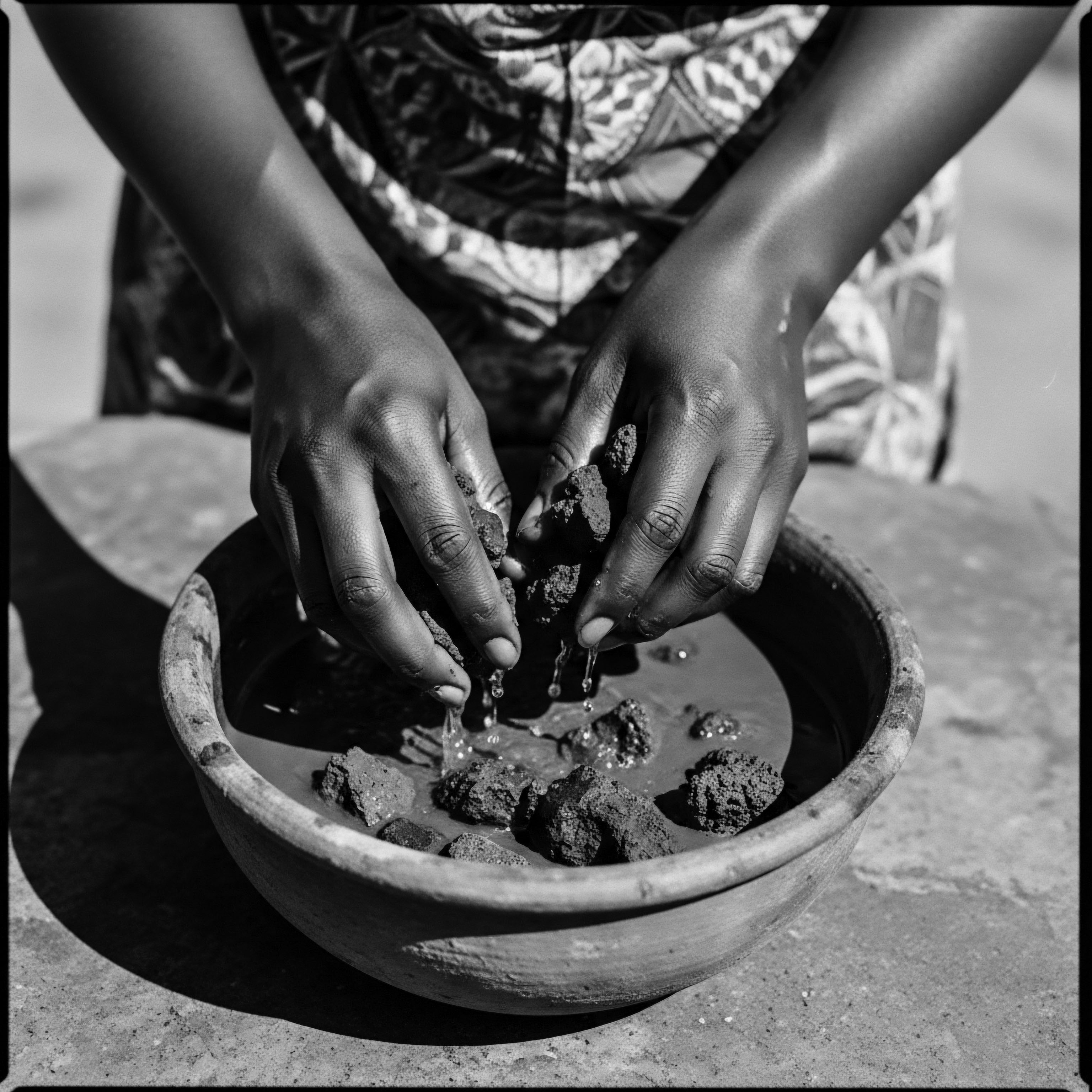
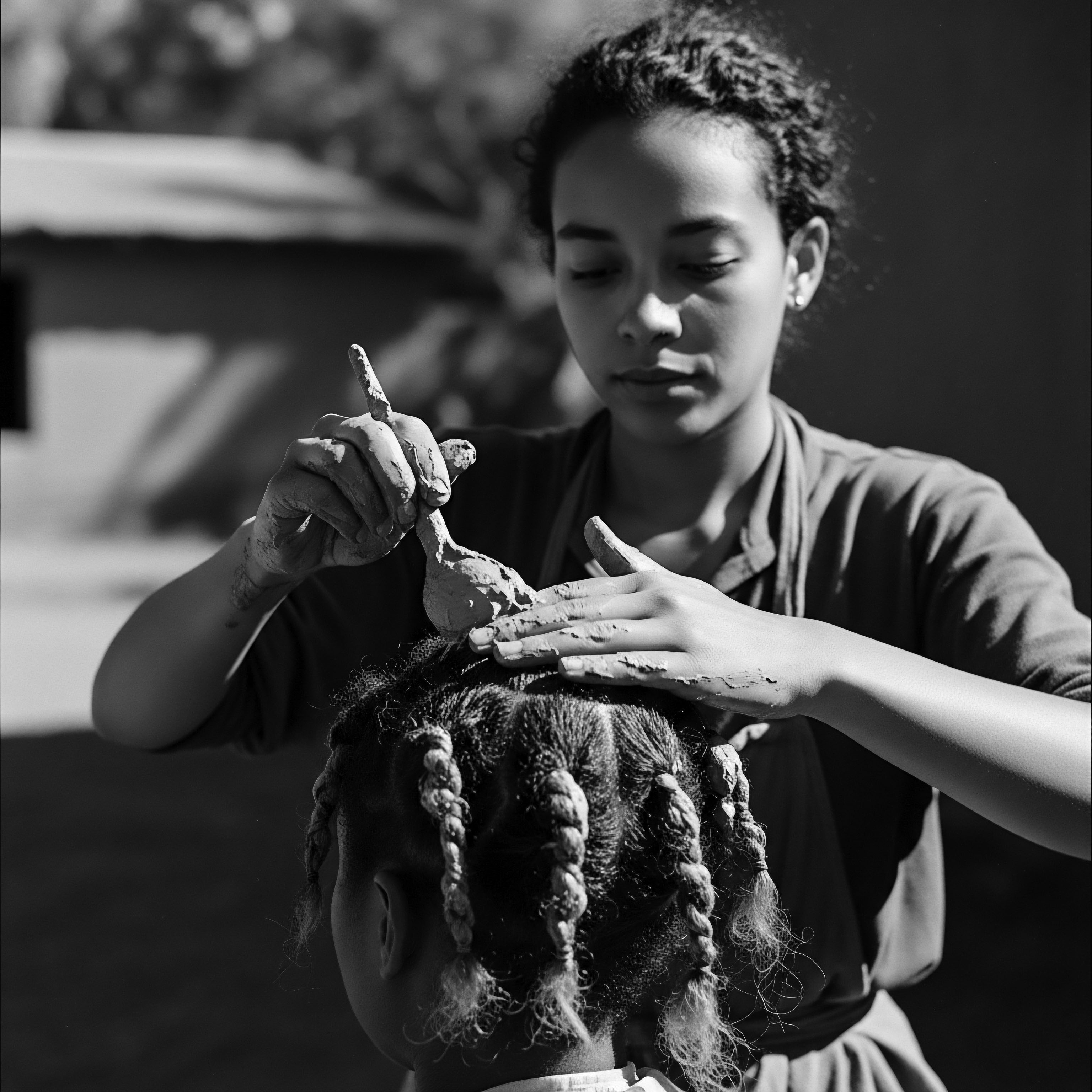
What is the heritage of using clay for coiled hair?
The heritage of using clay for coiled hair is rooted in ancient African traditions, offering deep cleansing, nourishment, and styling support.
What ancient practices explain textured hair’s moisture needs?
Ancient practices met textured hair's moisture needs using natural emollients and protective styles, rooted in heritage and environmental wisdom.
What historical plant cleansers benefited textured hair?
Historical plant cleansers for textured hair include soapnuts, shikakai, rhassoul clay, and yucca, valued for gentle, effective cleansing rooted in ancestral wisdom.
What scientific properties validate historical textured hair oiling practices?
Historical textured hair oiling practices are scientifically validated by their deep nourishment, friction reduction, and cuticle protection.
How do hair follicles vary in textured hair?
Textured hair follicle variations, from elliptical shapes to curved growth, are an inherited heritage influencing curl patterns and care needs.
What historical practices connect textured hair oiling to cultural identity?
Textured hair oiling historically connects to cultural identity through ancient care, community rituals, and acts of heritage preservation.
How did ancient combs support textured hair growth?
Ancient combs, often wide-toothed and crafted from natural materials, supported textured hair by minimizing breakage and aiding natural oil distribution, preserving its inherent strength and cultural identity.
Which traditional plant oils hydrate textured scalps?
Traditional plant oils hydrate textured scalps by forming protective barriers and delivering vital nutrients, a legacy rooted in ancestral hair care wisdom.
What traditional ingredients balanced clay treatments for textured hair heritage?
Traditional ingredients like rich butters, penetrating oils, and mucilaginous plants balanced clay treatments, honoring textured hair heritage.
What traditional ingredients support maturing textured hair?
Ancestral plant oils and butters offer deep moisture and resilience, supporting maturing textured hair's heritage of strength.
What ancestral practices enhanced textured hair’s sun protection?
Ancestral practices for textured hair’s sun protection blended inherent hair qualities with protective styles and natural ingredients, a rich heritage of resilience.
What ancestral plant uses nourished textured hair?
Ancestral plant uses nourished textured hair through natural cleansers, rich oils, and herbal infusions, honoring its unique heritage and biology.
Can ancient African cleansing methods benefit textured hair today?
Ancient African cleansing methods offer profound benefits for textured hair, rooted in heritage and gentle, effective natural practices.
Why are protective styles a timeless aspect of textured hair heritage?
Protective styles are timeless due to their ancestral roots in safeguarding textured hair's delicate structure and their profound cultural role in expressing identity and resilience across generations.
Can traditional cultural rituals still guide modern textured hair wellness?
Traditional cultural rituals offer timeless guidance for modern textured hair wellness by affirming a deep connection to ancestral heritage and biological understanding.
What shea butter benefits textured hair?
Shea butter provides deep moisture and protection for textured hair, continuing an ancestral practice vital to hair health and cultural identity.
How did ancient practices protect textured hair from sun damage?
Ancient practices protected textured hair from sun damage through inherent biological adaptations, natural ingredient applications, and cultural styling.
How do traditional practices enhance hair moisture for textured coils?
Traditional practices enhance coiled hair moisture by sealing the cuticle and protecting strands, a heritage of precise care.
How did traditional dyes benefit textured hair health?
Traditional dyes, derived from plants, bolstered textured hair health by conditioning, strengthening, and soothing the scalp, preserving a vital heritage.