What are hair extensions’ protective benefits for textured hair?
Hair extensions, used mindfully, shield textured hair from daily stress, preserving its health and length while honoring a rich ancestral tradition of protective styling.
How do ancestral plant uses connect with modern hair health?
Ancestral plant uses connect with modern hair health by validating ancient wisdom through scientific insight, affirming heritage's role in vibrant strands.
How do hair laws protect textured styles?
Hair laws protect textured styles by recognizing them as expressions of racial identity, affirming ancestral practices and challenging historical biases.
What historical examples show the role of oiling in hair heritage?
Historical hair oiling showcases deep ancestral wisdom, providing essential moisture and cultural connection for textured hair heritage.
What traditional oils nourished Black hair across the diaspora?
Traditional oils like shea butter, palm oil, and coconut oil nourished Black hair by deeply moisturizing and protecting strands for centuries.
In what ways did ancestral hair preservation techniques connect with cultural heritage?
Ancestral hair preservation techniques are deeply woven into cultural heritage, reflecting identity, status, spirituality, and resilience for textured hair communities.
What traditional ingredients benefit textured scalps?
Traditional ingredients from textured hair heritage, like shea butter and neem, provide unique benefits for scalp wellness.
Hair Consultation
Meaning ❉ A hair consultation is a profound exchange exploring textured hair's biological needs, cultural narratives, and ancestral wisdom for holistic well-being.
In what ways do contemporary hair products draw from traditional African ingredients?
Contemporary hair products draw from traditional African ingredients by integrating ancient plant wisdom for textured hair's nourishment and protection, honoring a rich heritage.
How does hair heritage shape current self-perception?
Hair heritage, particularly textured hair, profoundly shapes self-perception through ancestral practices, historical resilience, and cultural affirmation.
How did ancient communities apply botanical preparations to textured hair?
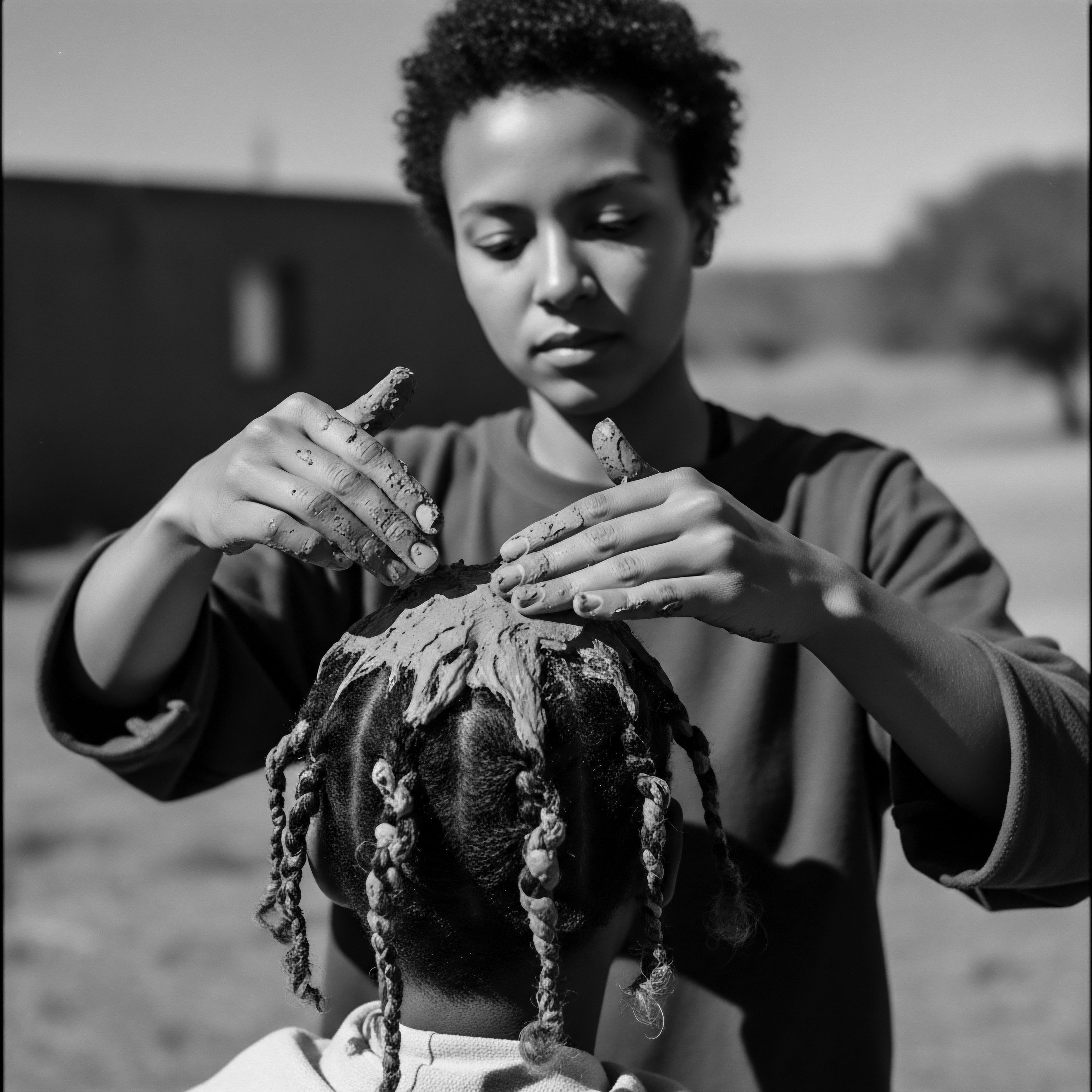
Ancient communities used earth's botanicals, like oils and clays, for textured hair care, deeply connecting to heritage and identity.
How does African hair heritage link to traditional scalp care?
African hair heritage links to scalp care through ancestral practices, using natural elements to nourish and protect textured hair.
Can traditional hair practices be legally protected in contemporary society?
Traditional hair practices, central to textured hair heritage, seek legal protection as a vital assertion of cultural identity and human rights.
In what ways did shared textured hair care rituals preserve cultural heritage?
Shared textured hair care rituals preserved cultural heritage by embodying collective identity, historical narratives, and communal resilience.
What historical prejudices did the CROWN Act address regarding hair?
The CROWN Act confronts historical prejudices that marginalized textured hair, restoring dignity and protecting Black hair heritage from systemic discrimination.
How does shea butter connect to African textured hair identity?
Shea butter profoundly connects with textured hair identity by preserving ancestral practices, offering natural sustenance, and symbolizing cultural resilience.
Feminine Symbolism
Meaning ❉ Feminine Symbolism in textured hair embodies the inherent strength, divine connection, and continuous unfolding of identity, rooted deeply in ancestral wisdom.
How do hair structures reflect ancestral resilience?
Hair structures, particularly coils, reveal ancestral resilience through their protective adaptions to climate and their role in cultural continuity.
What natural ingredients shielded ancestral textured hair?
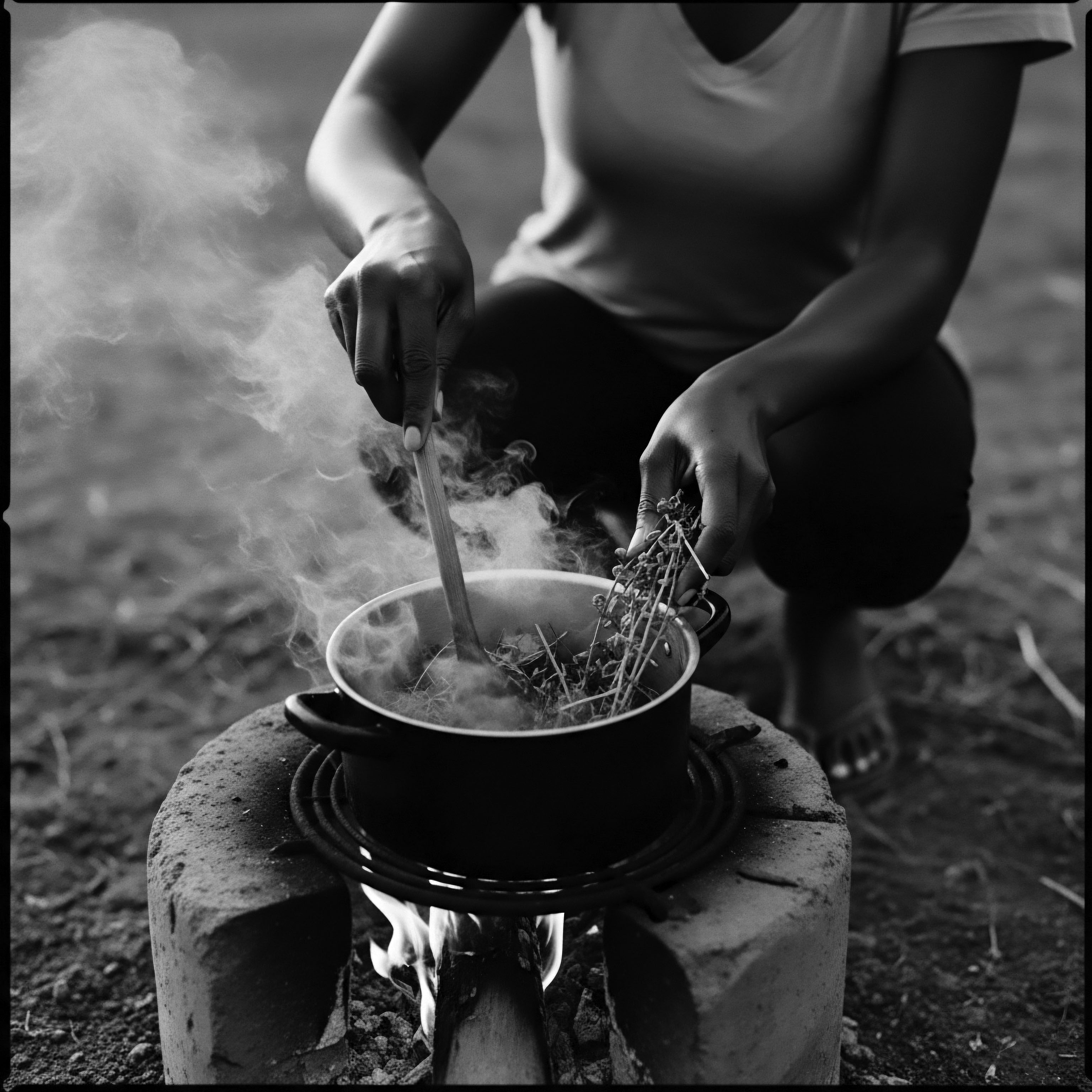
Ancestral textured hair was shielded by natural ingredients like shea butter, various plant oils, and unique herbal powders.
In what ways do historical hair rituals echo in contemporary textured hair care heritage?
Historical hair rituals for textured strands profoundly shape current care, rooted in ancestral wisdom and cultural identity.
What traditional cleansing methods did textured hair heritage use?
Traditional textured hair cleansing used natural clays, plant saponins, and acidic rinses, preserving moisture and honoring heritage.
What historical evidence supports henna for textured hair?
Historical records and archaeological evidence show henna on textured hair in diverse ancient cultures, linking it to heritage.
What historical events influenced Black hair identity and care?
Historical events shaped Black hair identity and care through cultural retention, resistance to oppression, and the reclamation of ancestral practices.
Akan Cultural Aesthetics
Meaning ❉ Akan Cultural Aesthetics defines beauty as an expression of communal harmony and ancestral wisdom, deeply embedded in textured hair heritage.
In what ways do historical hair traditions influence contemporary self-perception and community pride?
Historical textured hair traditions profoundly shape self-perception and community pride by connecting individuals to ancestral identity and shared cultural legacy.
What scientific studies validate textured hair’s evolutionary role in sun protection?
Textured hair’s evolutionary role in sun protection stems from its coiled shape and melanin content, shielding the scalp and preserving water.
Societal Meanings
Meaning ❉ The Societal Meanings of textured hair represent its interwoven cultural values, historical narratives, and communal roles within societies.
Do modern hair care practices reflect ancient African hair rituals?
Many modern textured hair practices directly mirror ancient African rituals, especially in their deep respect for hair's moisture and protective styling needs.
What ancestral practices preserved textured hair through centuries?
Ancestral practices preserved textured hair through protective styling, natural ingredients, and communal rituals deeply rooted in heritage.