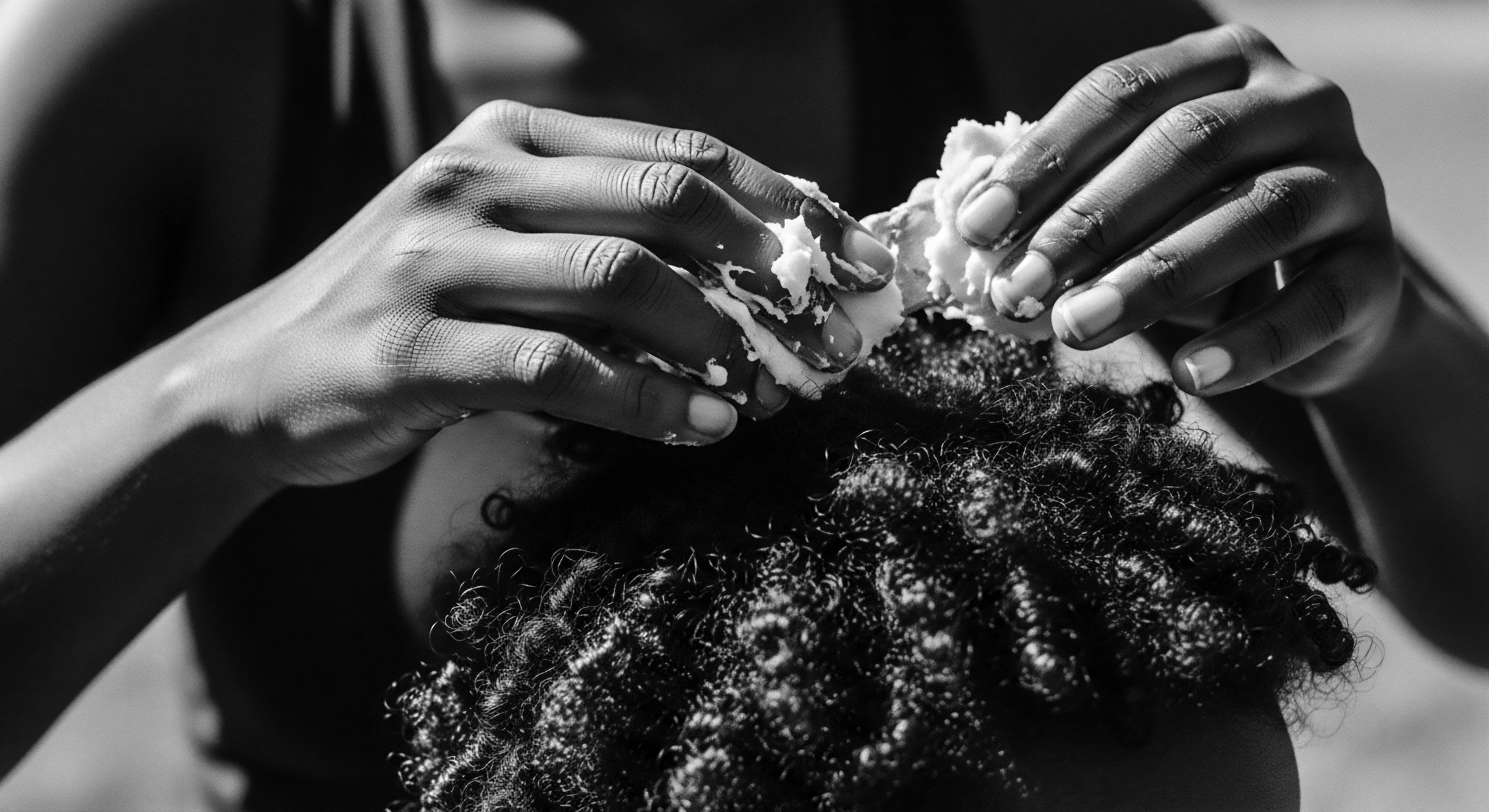
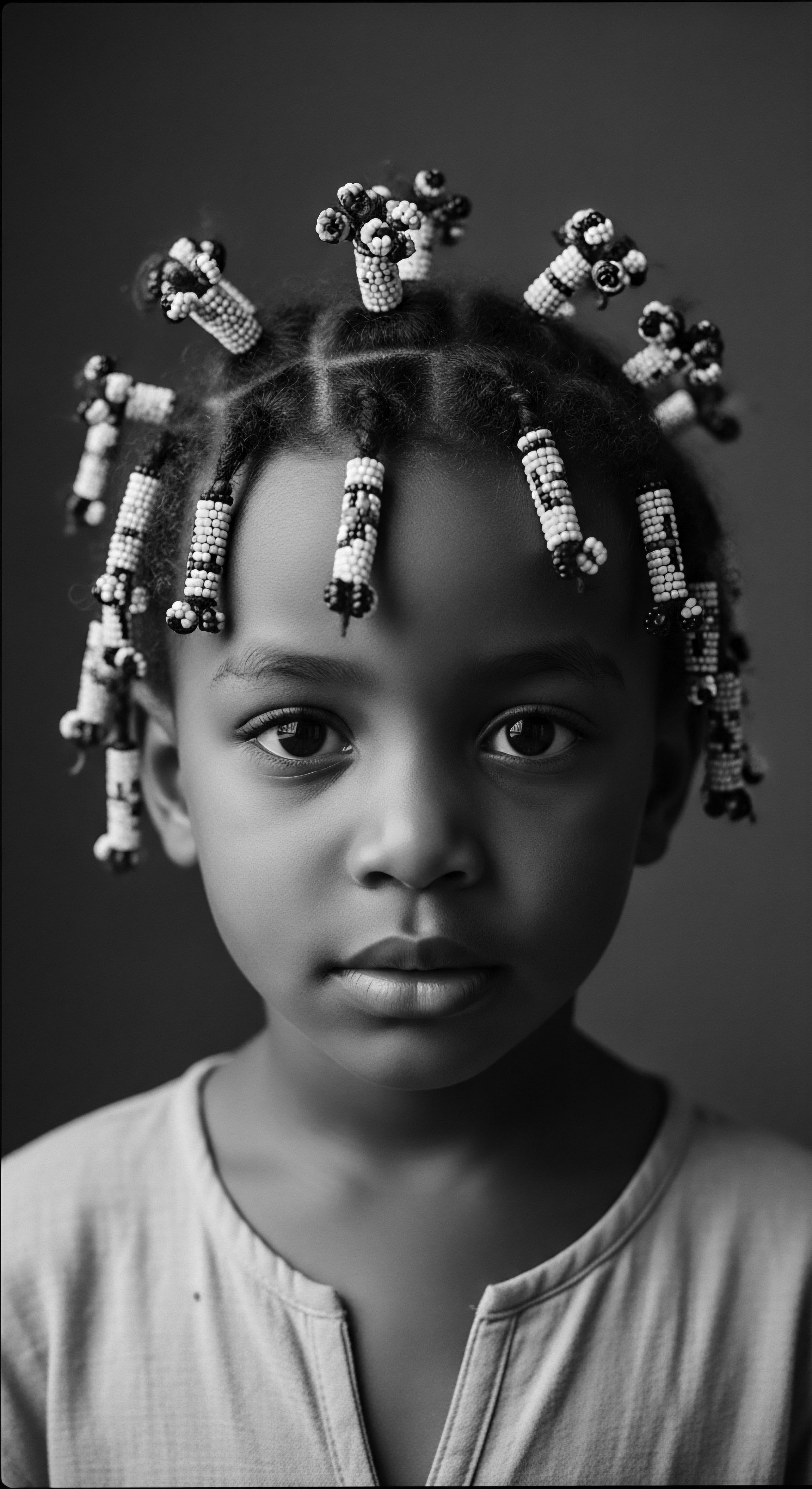
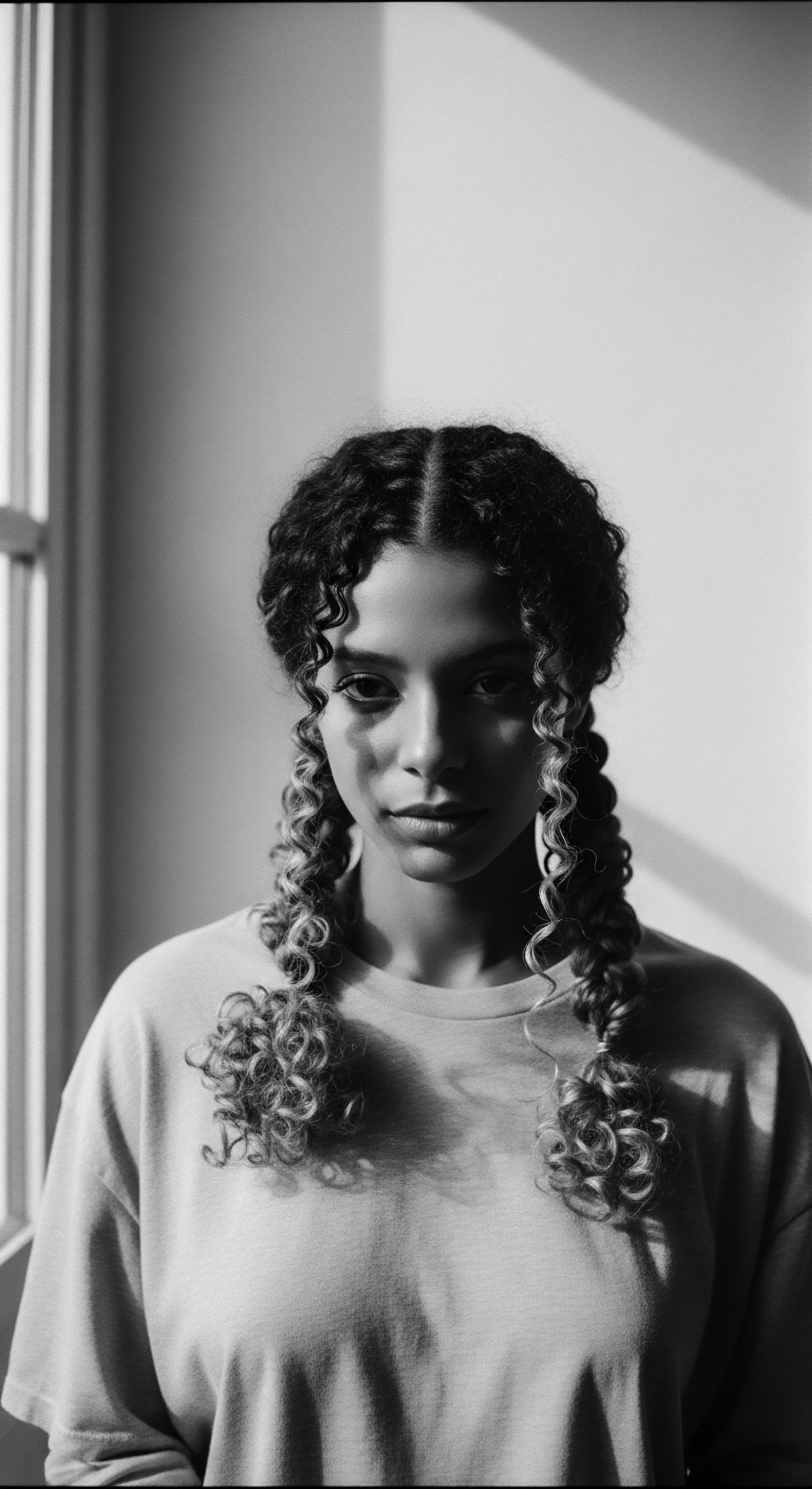
Modern science confirms ancestral hair oiling practices enhance textured hair by validating traditional ingredients' deep moisturizing and strengthening properties.
Meaning ❉ 6-Gingerol, a primary compound in ginger, offers anti-inflammatory and antioxidant benefits for scalp health, yet research indicates it may inhibit hair growth.
Traditional Black hairstyles served as powerful acts of resistance by preserving cultural heritage, conveying hidden messages, and asserting identity amidst historical oppression.
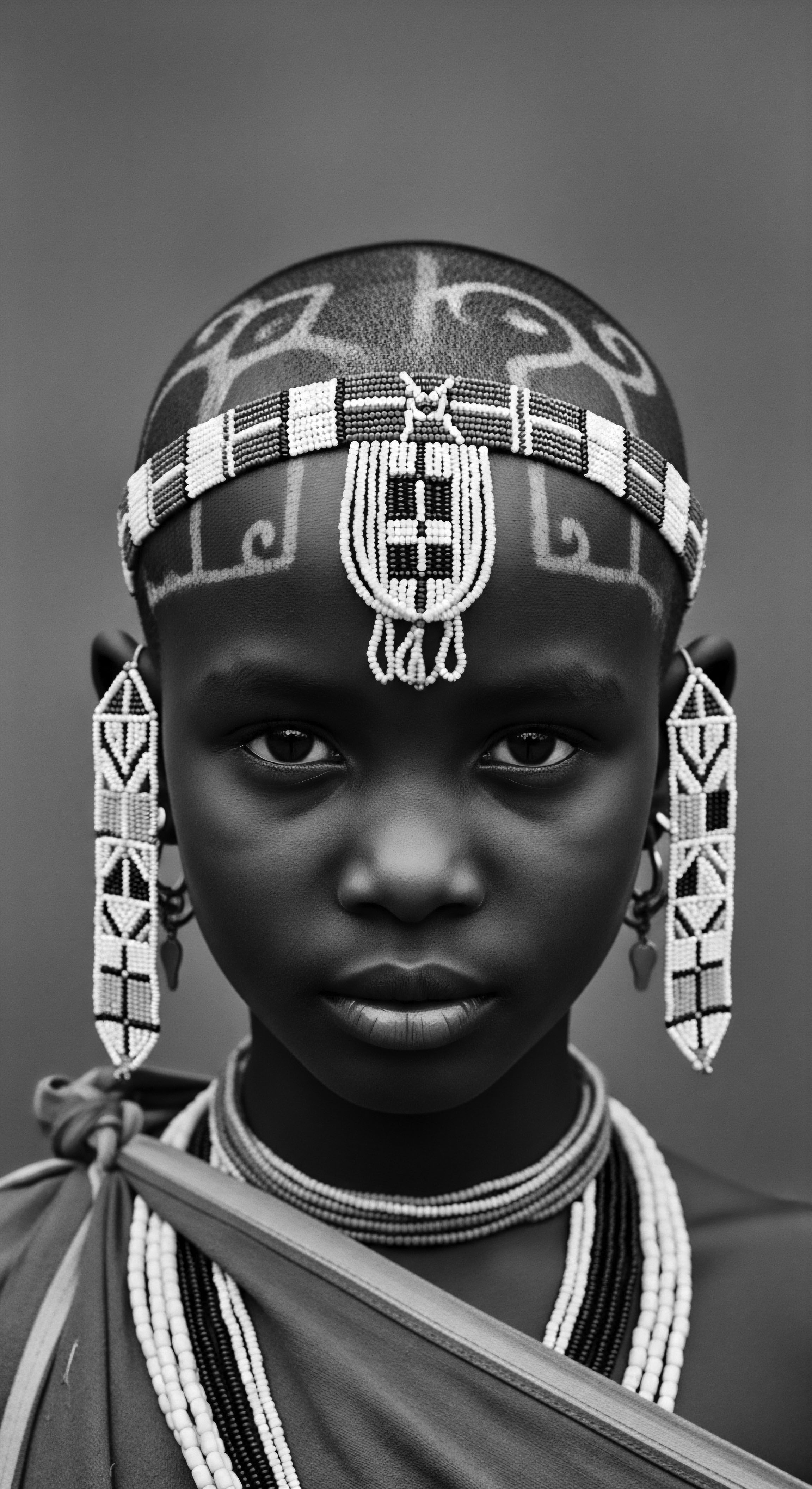
Meaning ❉ The Mukanda Mask is a conceptual framework representing the protective, cultural, and ancestral layers of care inherent in textured hair heritage.
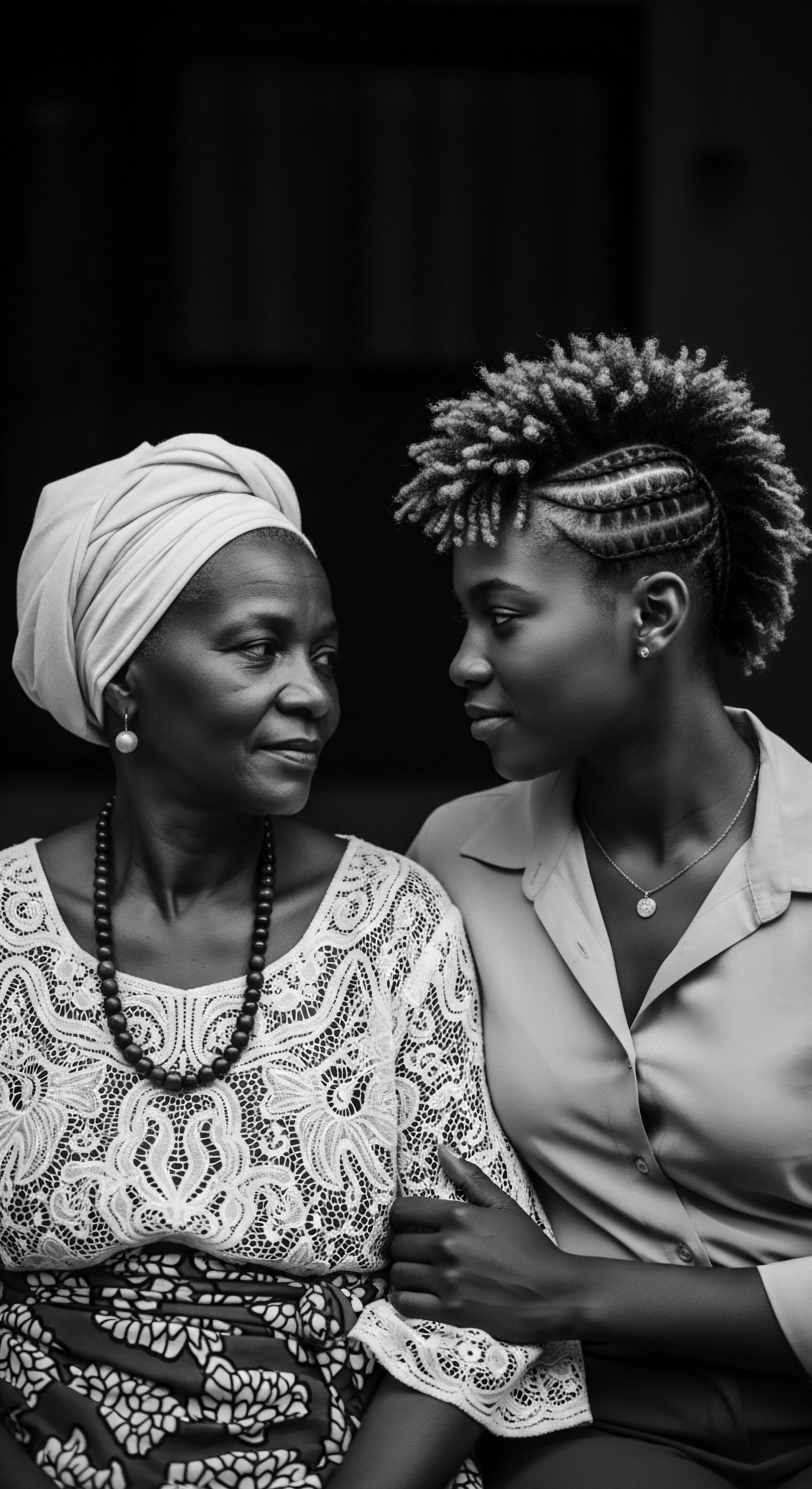
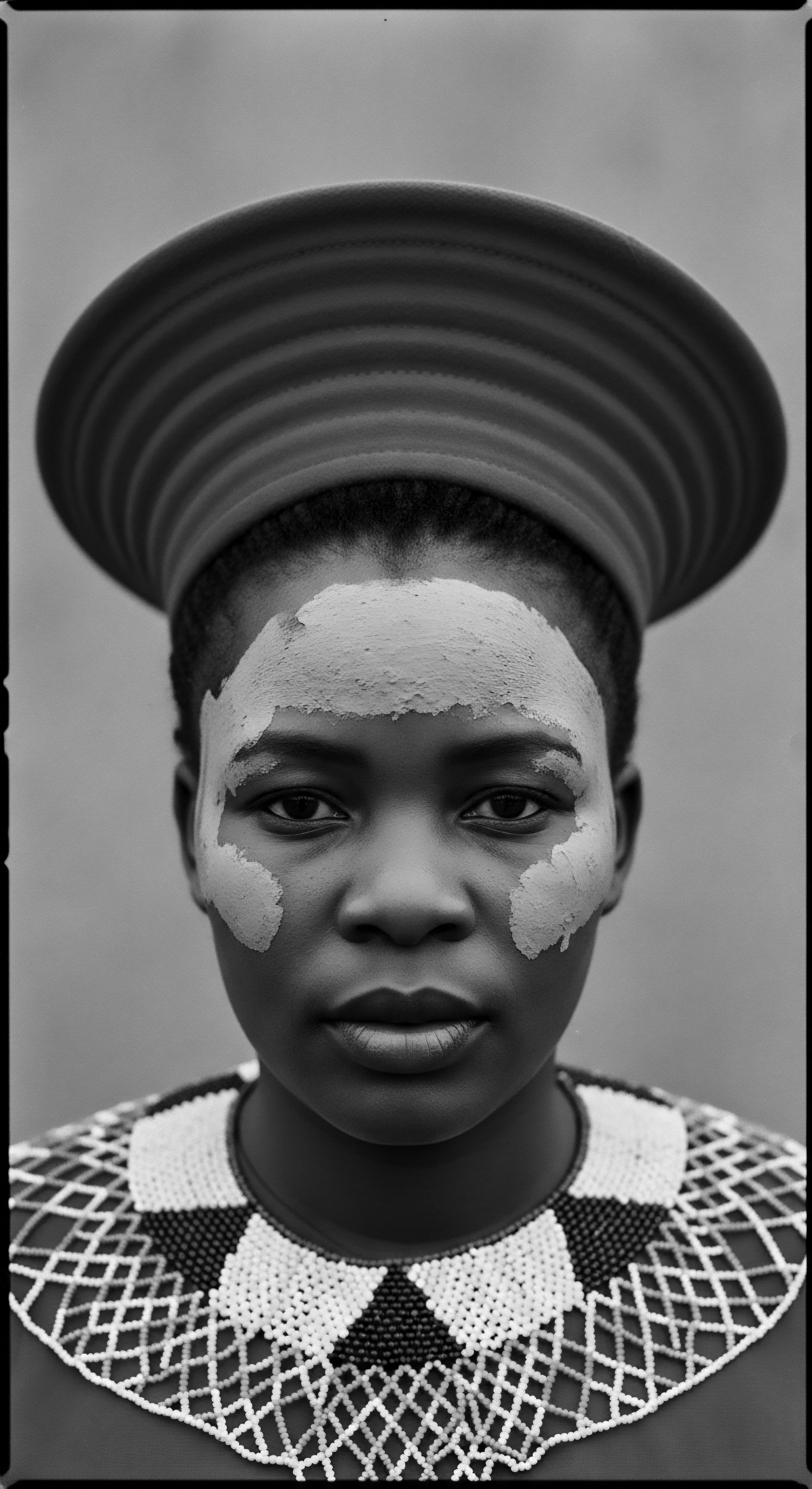
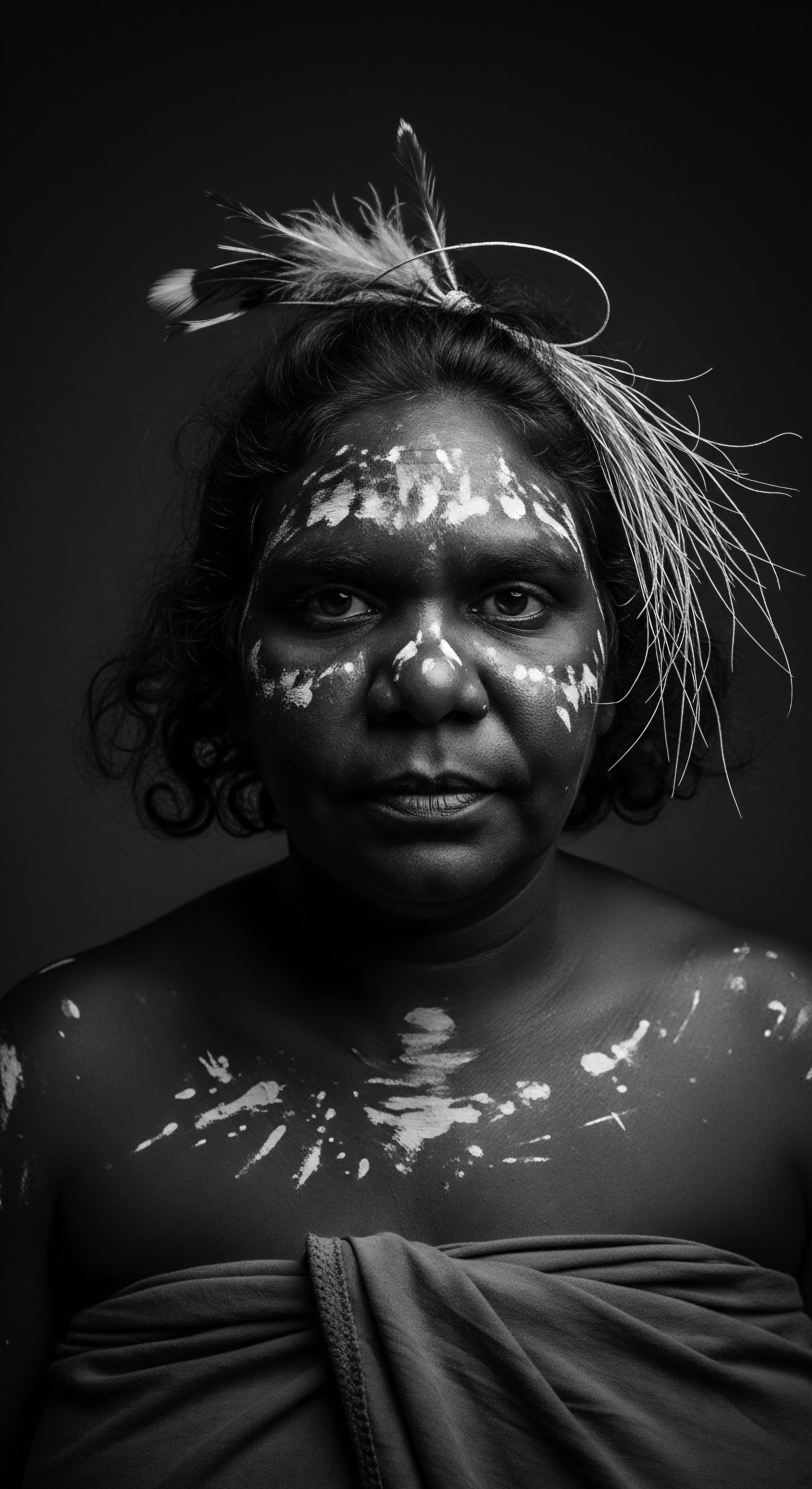
Ancestral hair rituals shape modern identity by imbuing textured hair with deep cultural, social, and spiritual significance, linking individuals to their heritage.
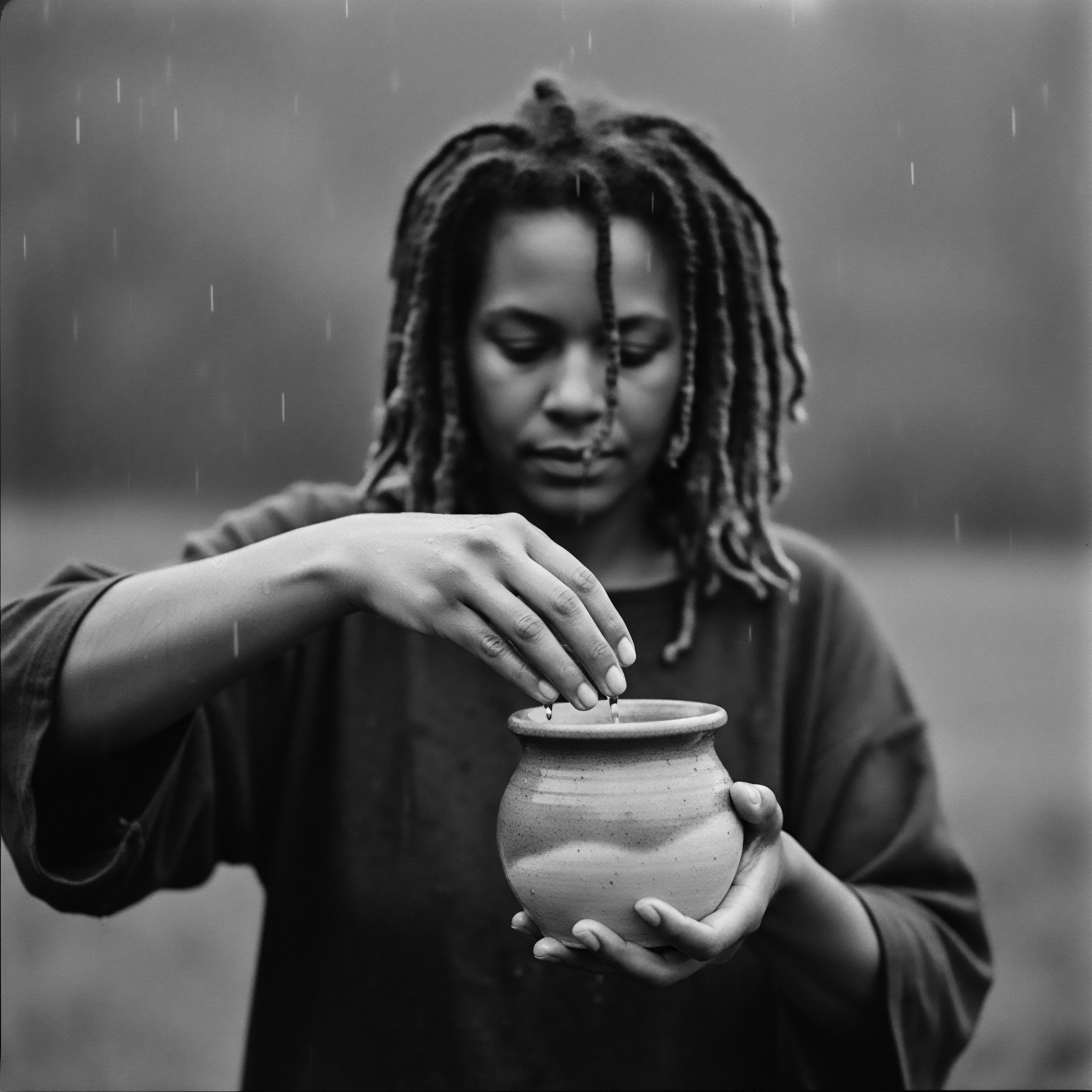
Specific oils from ancestral traditions like coconut, shea, and jojoba offer protective qualities by penetrating, sealing, and strengthening textured hair.
Ancestral communities selected hair oils based on local plant availability and empirical observation of benefits for textured hair moisture and protection.
The CROWN Act protects textured hair as cultural heritage by legally prohibiting discrimination against ancestral hairstyles and natural hair textures.
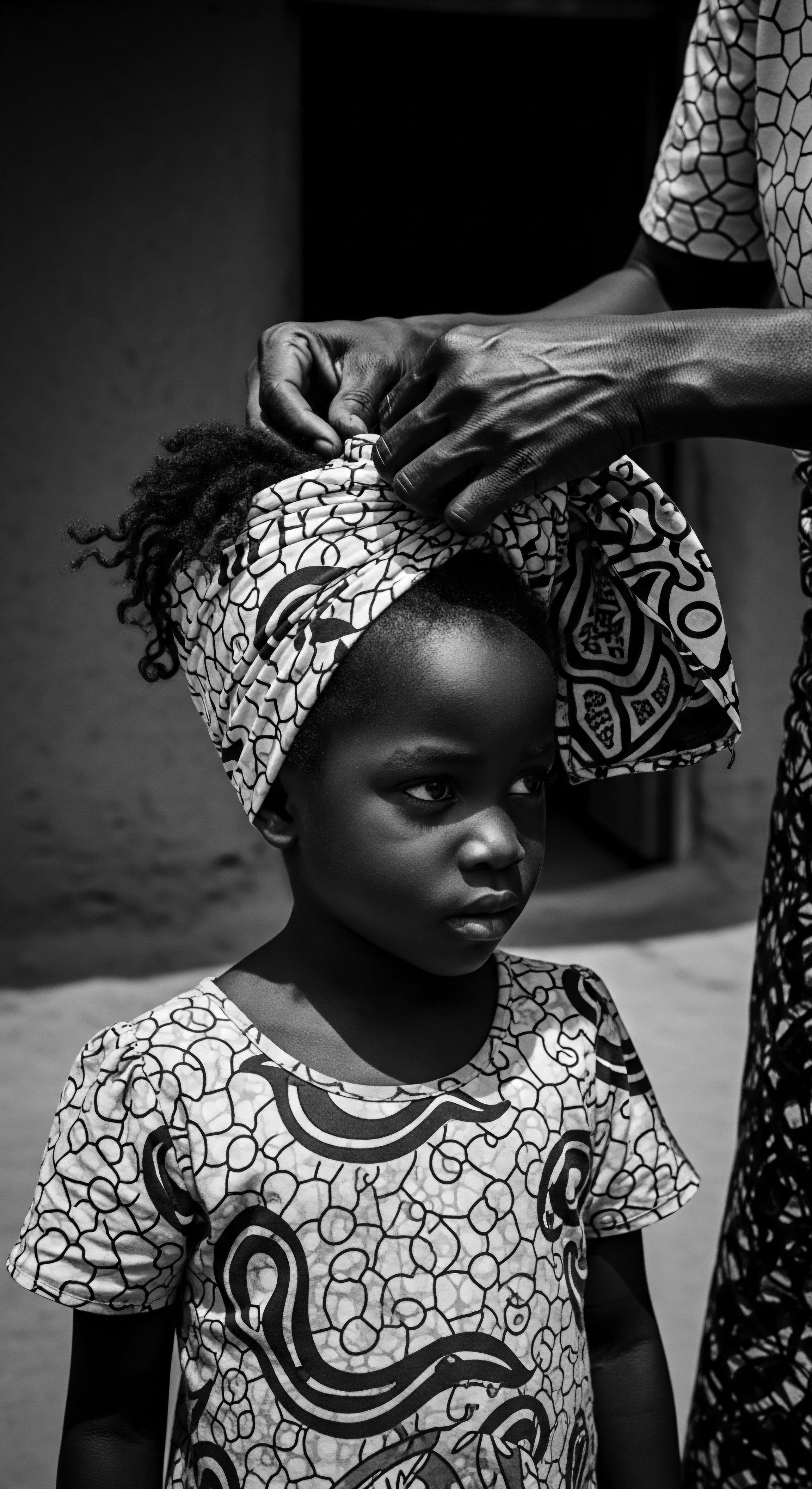
Ancestral practices influencing head wrap use center on protecting textured hair, communicating cultural identity, and preserving heritage across generations.
Scalp rituals in textured hair heritage embody an ancestral wisdom of care, communication, and resilience, linking physical health to profound cultural identity.
Traditional materials for head coverings and hair care centered on natural elements like plant fibers, oils, and minerals, embodying deep textured hair heritage.
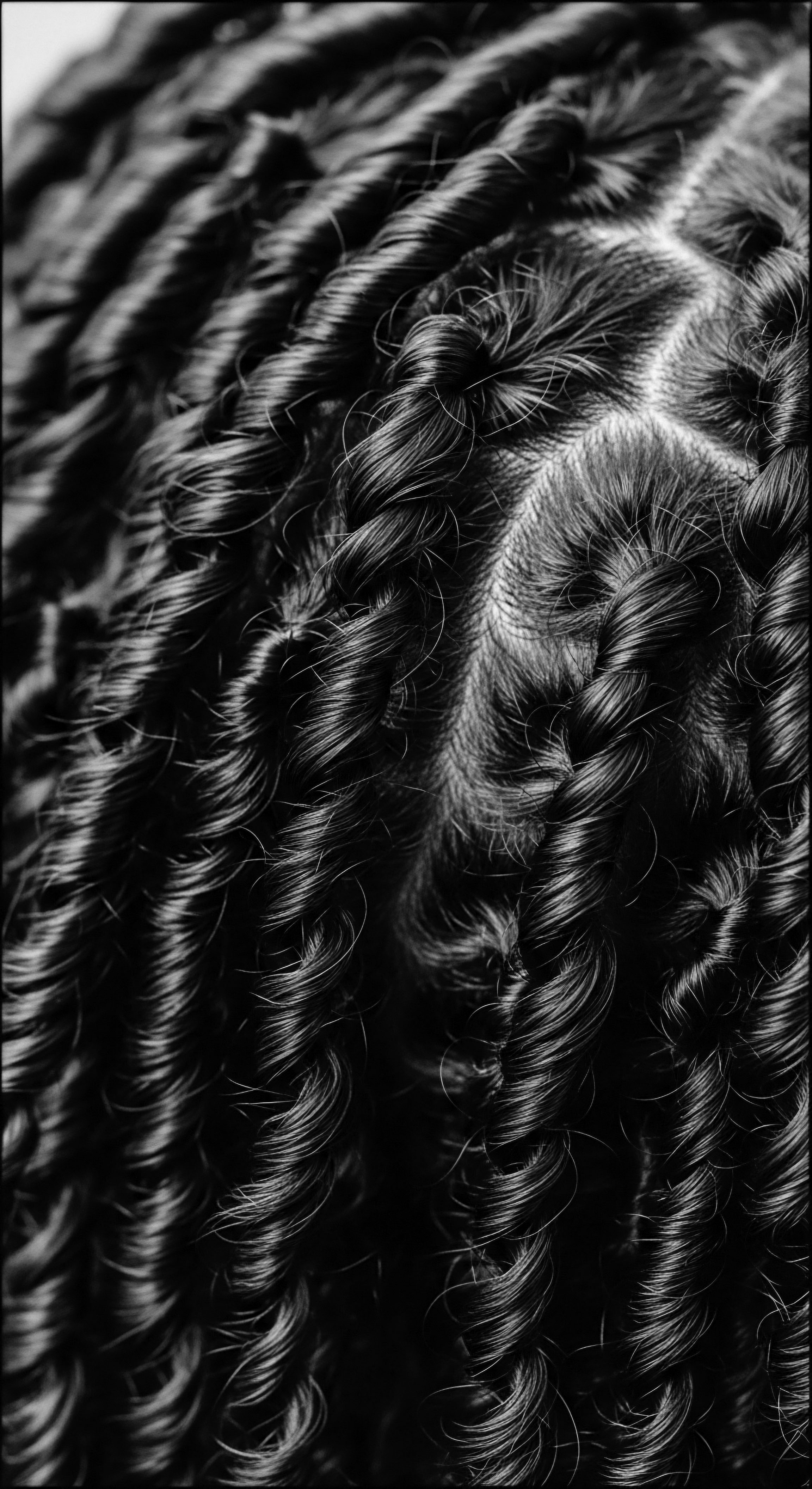
Ancient African hair braiding communicated status by intricately mapping social standing, age, and lineage directly onto textured hair through diverse styles and adornments.
Shea butter upholds African textured hair heritage by linking ancestral practices, biological harmony, and cultural identity through its enduring care traditions.
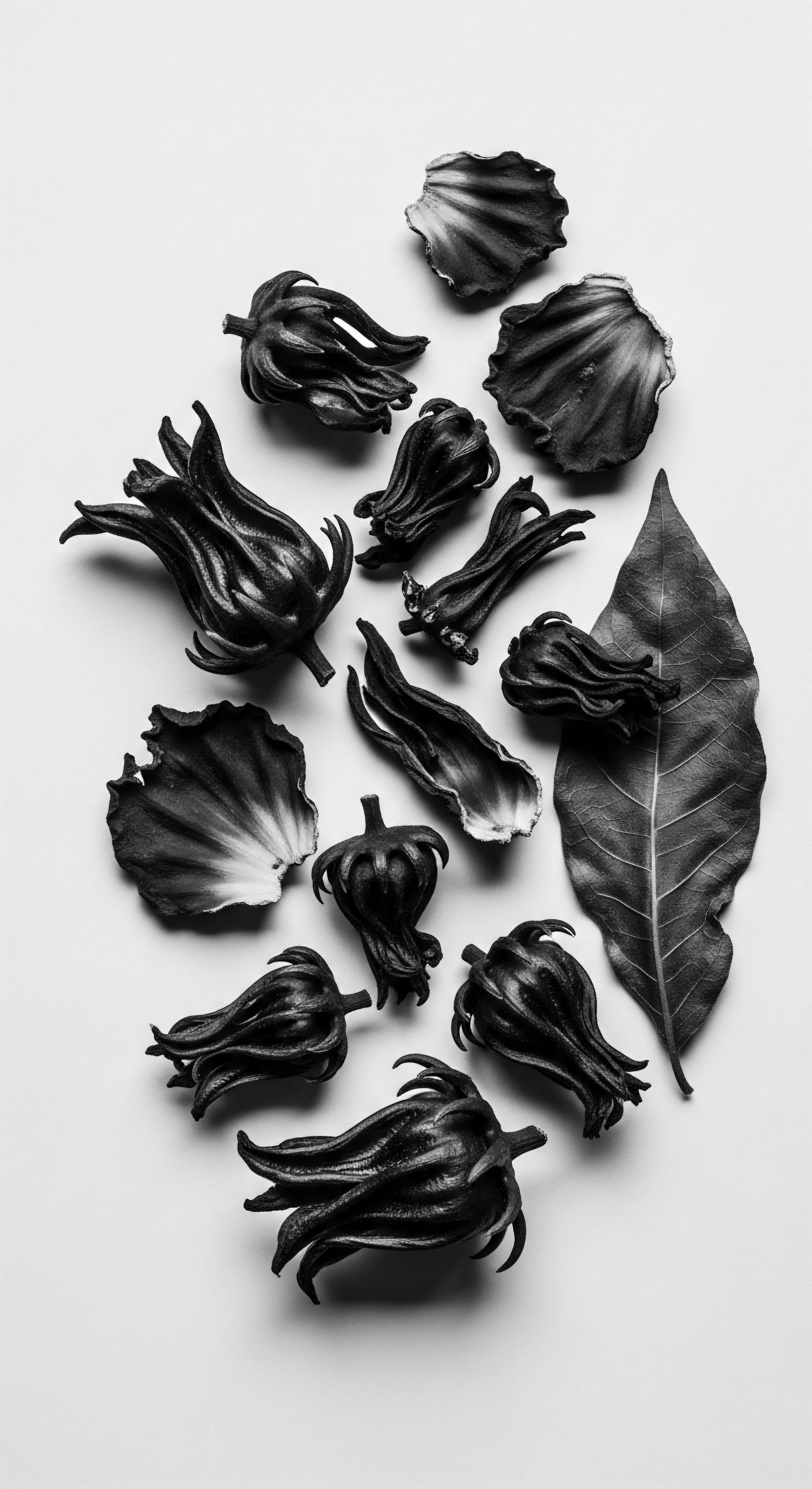
Historical evidence shows plant-based ingredients like shea butter, castor oil, and Chebe powder deeply connected to ancient textured hair care practices.
Shea butter became central through ancestral wisdom recognizing its protective and moisturizing qualities, deeply connecting it to textured hair heritage and community rituals.
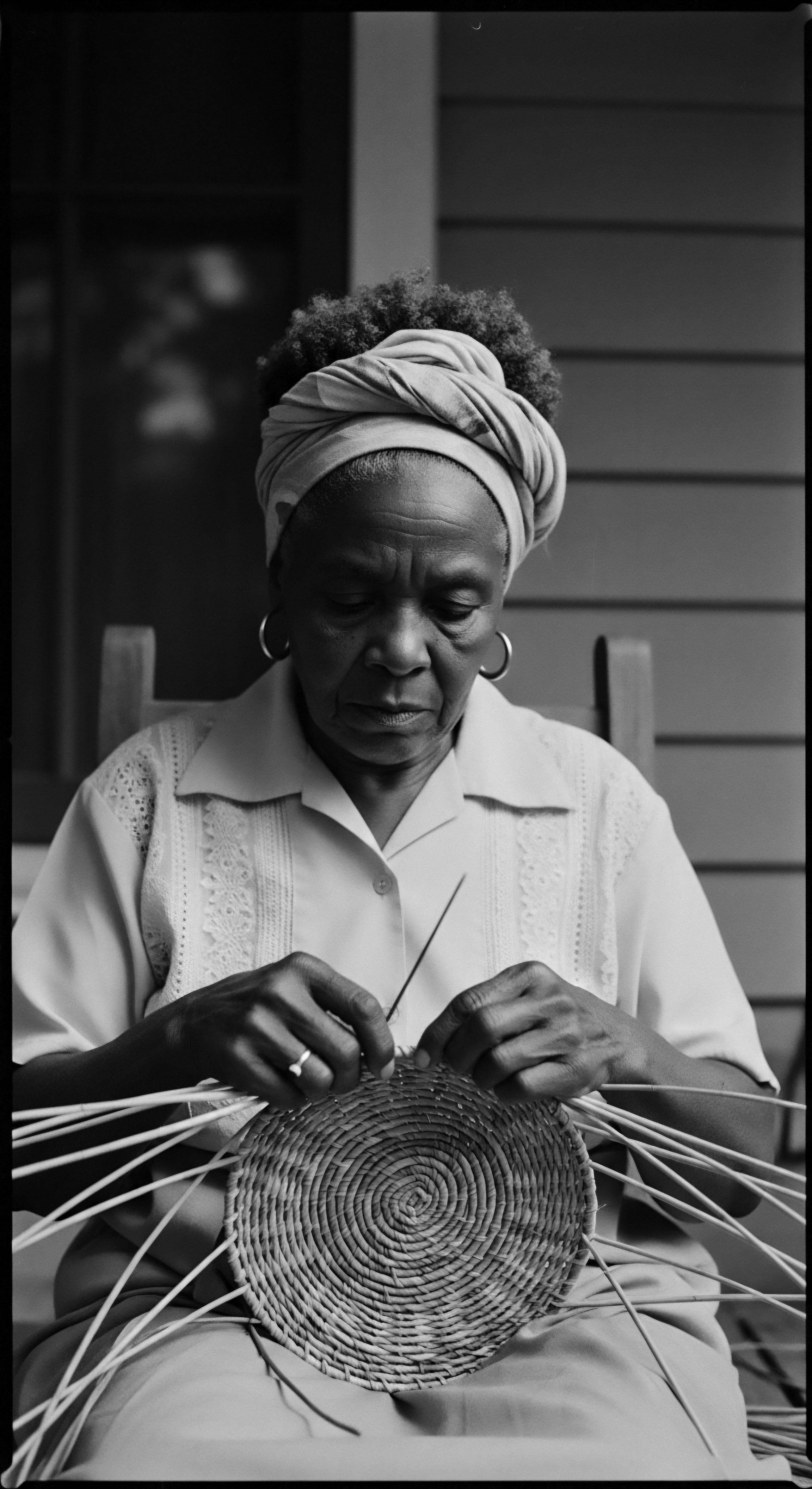
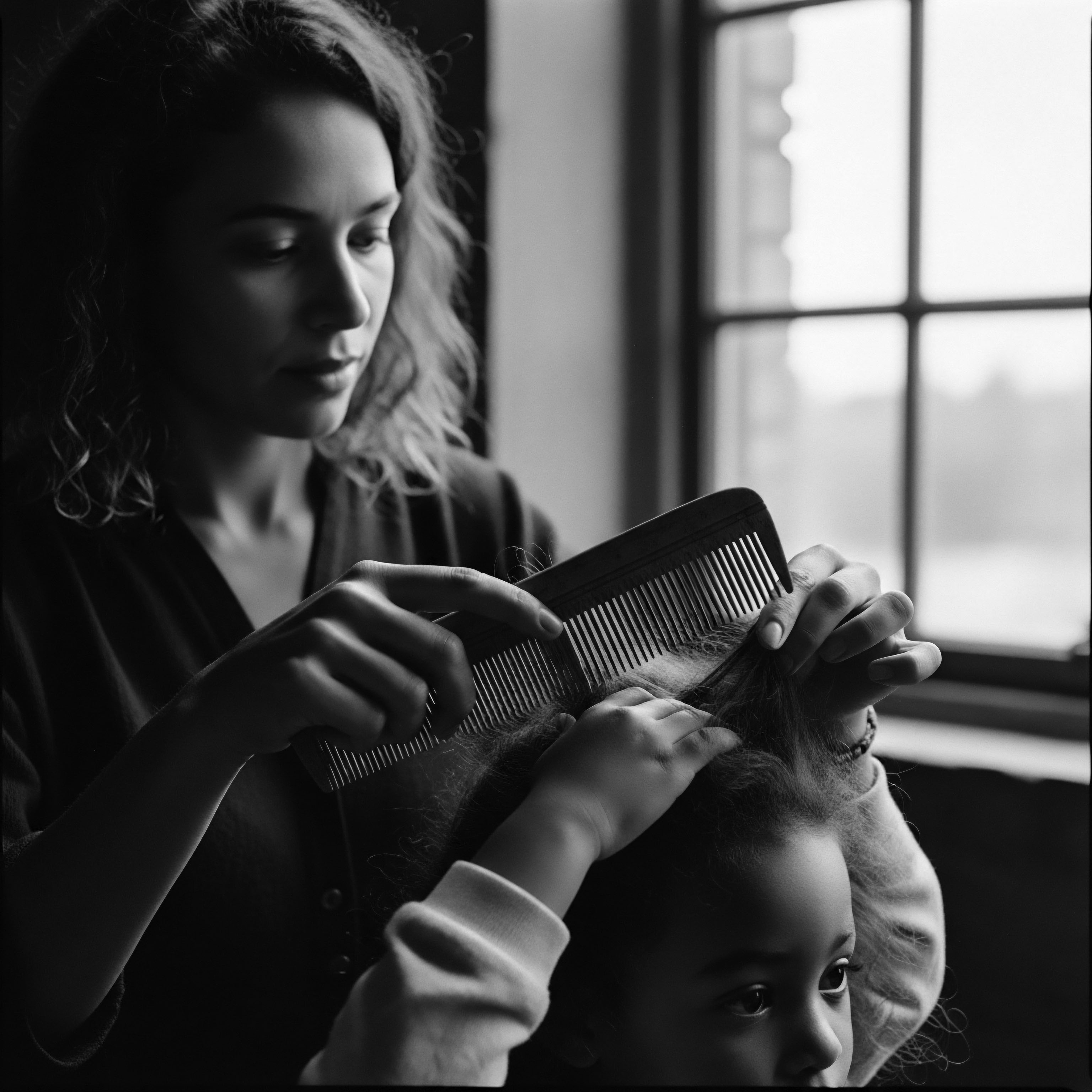
Hair care rituals preserved cultural knowledge by embodying ancestral wisdom, historical narratives, and communal identity within textured hair heritage.
We use cookies to personalize content and marketing, and to analyze our traffic. This helps us maintain the quality of our free resources. Manage your preferences below.
This helps support our free resources through personalized marketing efforts and promotions.
Analytics cookies help us understand how visitors interact with our website, improving user experience and website performance.
Personalization cookies enable us to customize the content and features of our site based on your interactions, offering a more tailored experience.